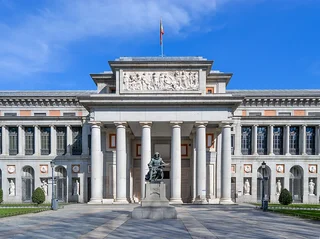
Die Geschichte
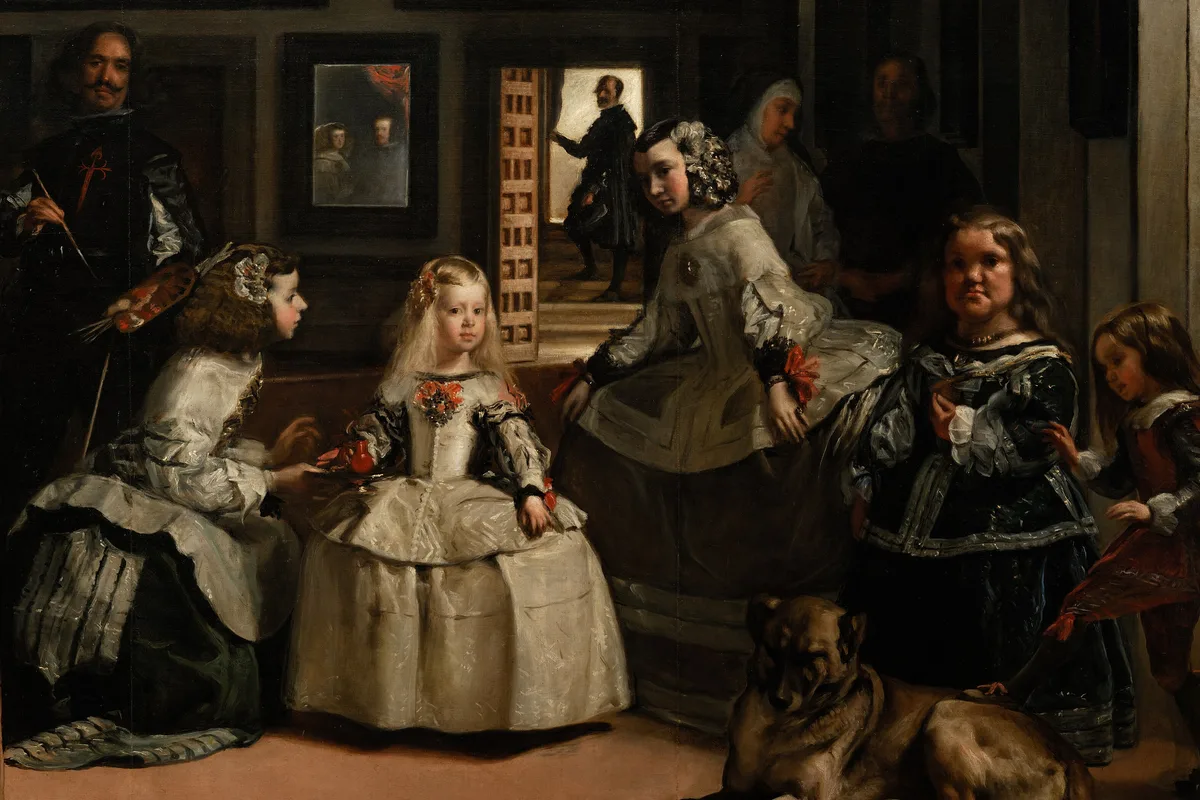
Der Prado ist die öffentlich gemachte Sammlung eines Königshauses. Drei Jahrhunderte lang kauften und beauftragten die spanischen Habsburger und Bourbonen in königlichem Maßstab, und ihr Geschmack ist das Museum: Tizian und Rubens, die die Könige liebten, Velázquez, der dem spanischen Hof fast sein ganzes Leben lang diente. Seine Las Meninas hängt im Herzen des Gebäudes, der Maler blickt hinter seiner eigenen Leinwand hervor, in einem Raum des alten königlichen Alcázar.
Die Galerie eröffnete 1819 in einem Bau, den der Architekt Juan de Villanueva zunächst als Halle der Naturwissenschaften entworfen hatte. Ihre Wände tragen die dunkleren Wendungen der spanischen Kunst neben ihrem Glanz, Goyas Der dritte Mai 1808, das Erschießungskommando, das im Dunkeln seine Laternen hebt, und die Schwarzen Bilder, die er spät im Leben, taub und zurückgezogen, direkt auf die Wände seines eigenen Hauses malte und nie zeigen wollte.
Der älteste seiner großen Schätze ist älter als dieser königlich-spanische Geschmack, Hieronymus Boschs Garten der Lüste, die dreiteilige Vision von Paradies, Begierde und Hölle, später in die Sammlung Philipps II. gelangt und in seinen Klosterpalast El Escorial geschickt. Heute zieht er die Menge zu dem, was einst nur der Hof sehen durfte.
Weitere Artikel
Sammlung
870 Werke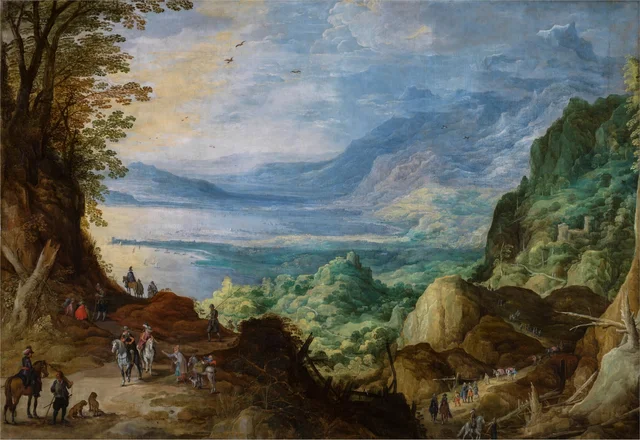 Landschaft mit Meer und BergenJoos de Momper der Jüngere, 1623
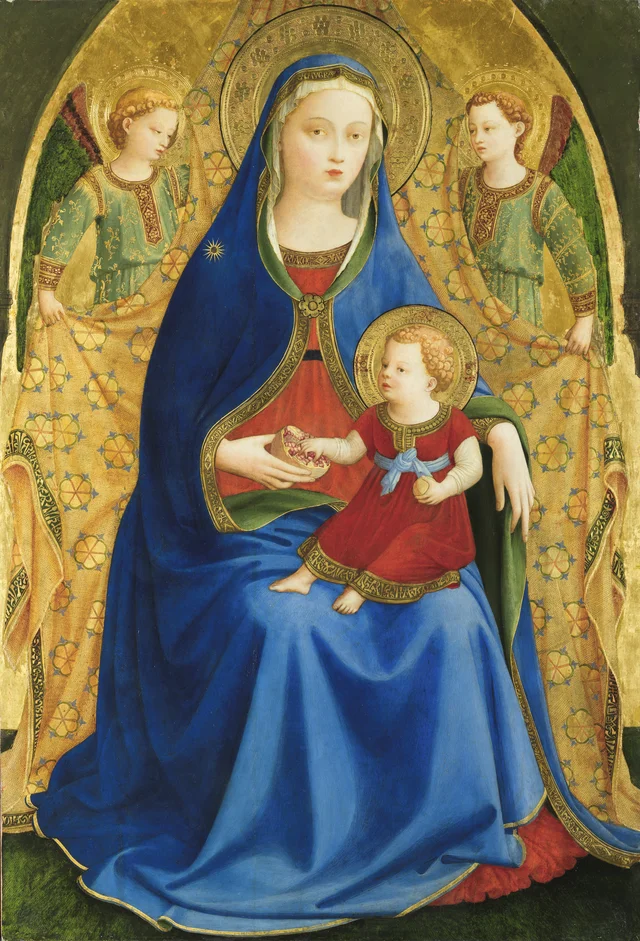 Madonna mit dem GranatapfelFra Angelico, 1426
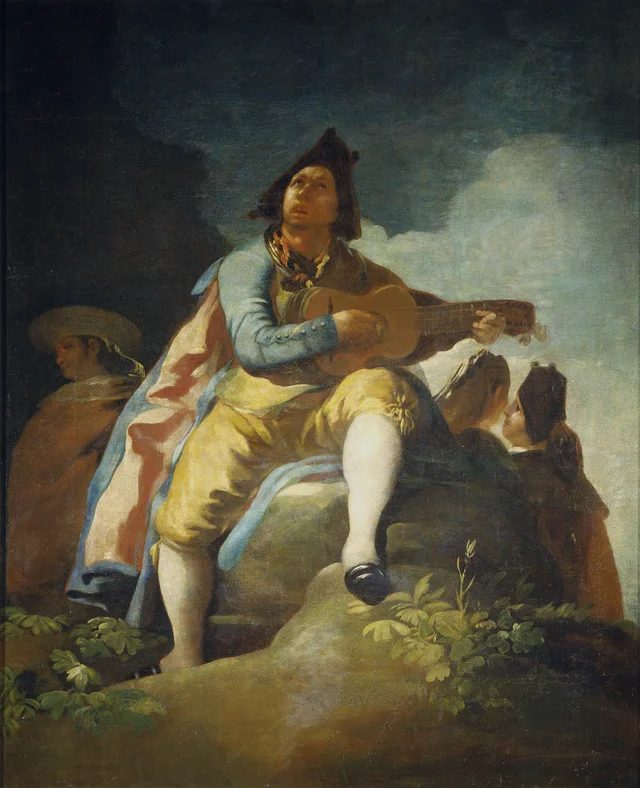 Majo mit GitarreFrancisco Goya, 1779
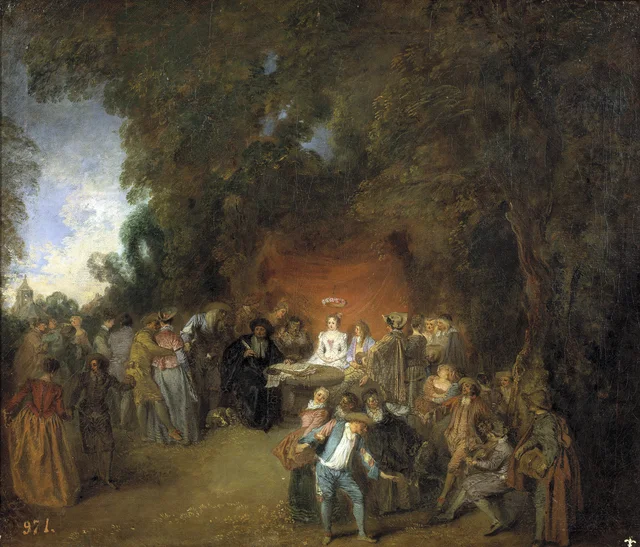 Heiratsvertrag und Tanz auf dem LandeJean-Antoine Watteau, 1711
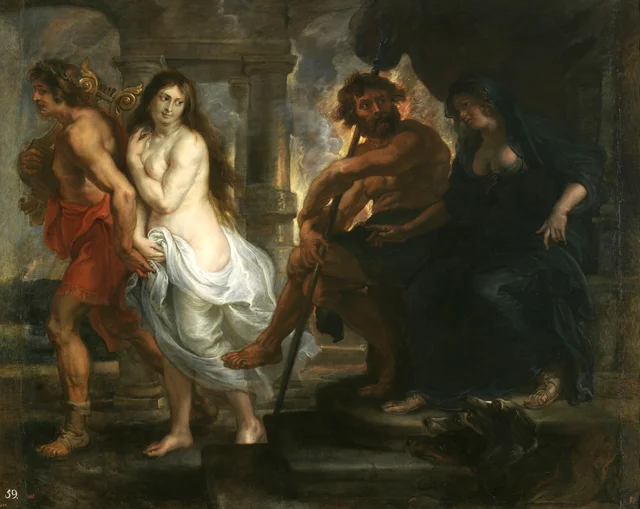 Orpheus und EurydikePeter Paul Rubens, 1636
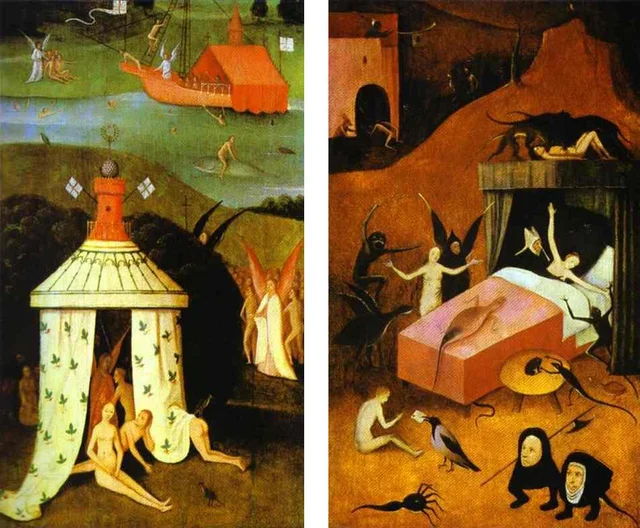 Paradies und HölleNachfolger des Hieronymus Bosch, 1513
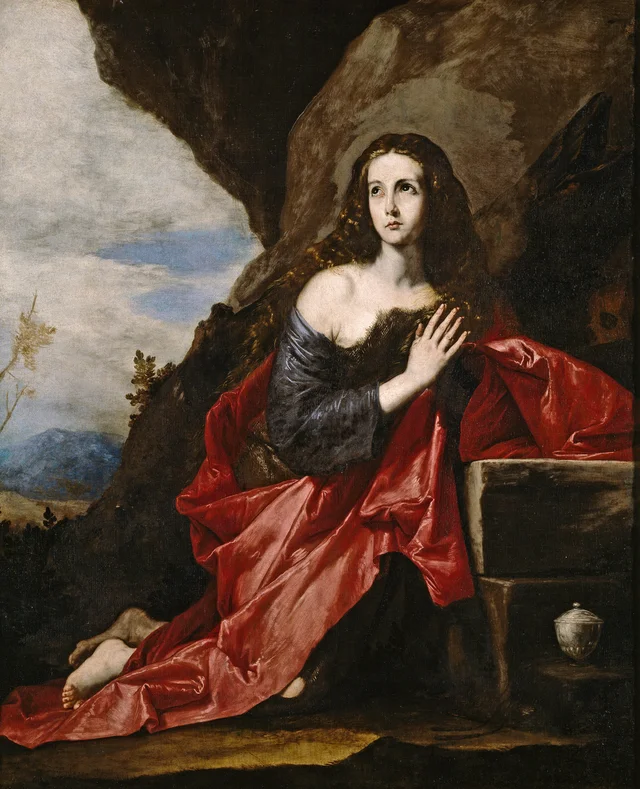 Die büßende MagdalenaJusepe de Ribera, 1641
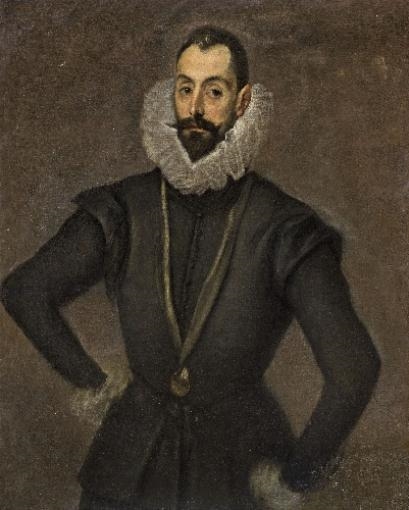 Bildnis eines EdelmannsEl Greco, 1605
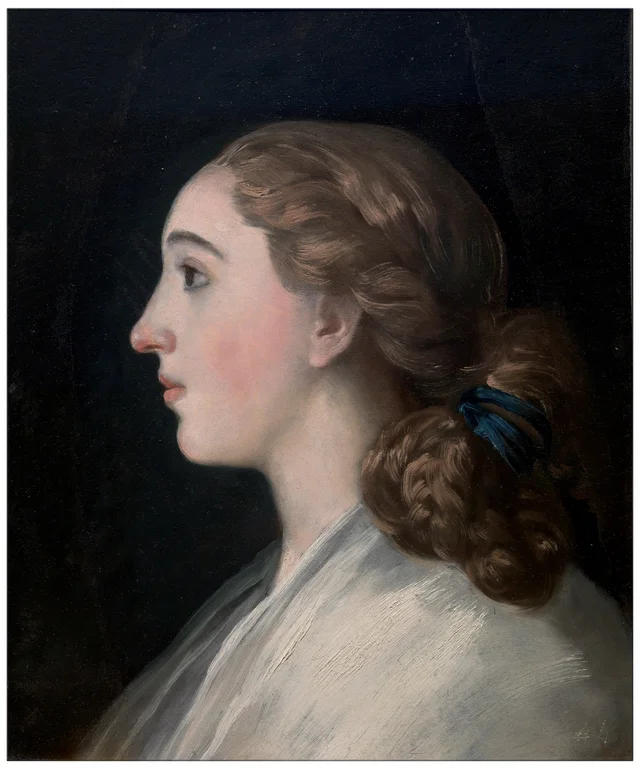 Bildnis der María Teresa de VallabrigaFrancisco Goya, 1783
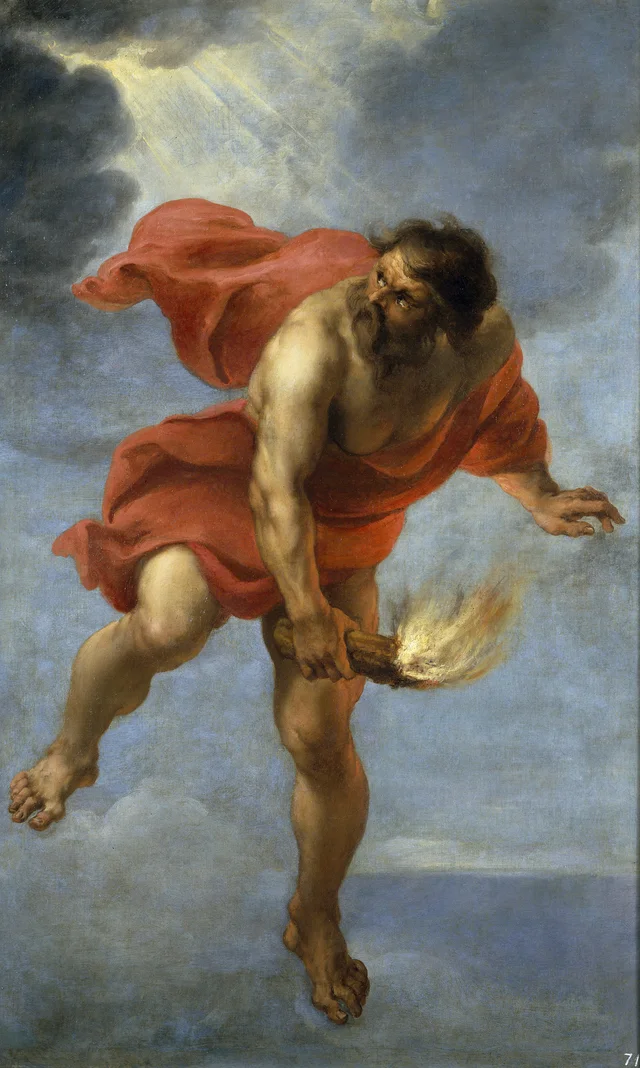 Prometheus bringt das FeuerJan Cossiers, 1637
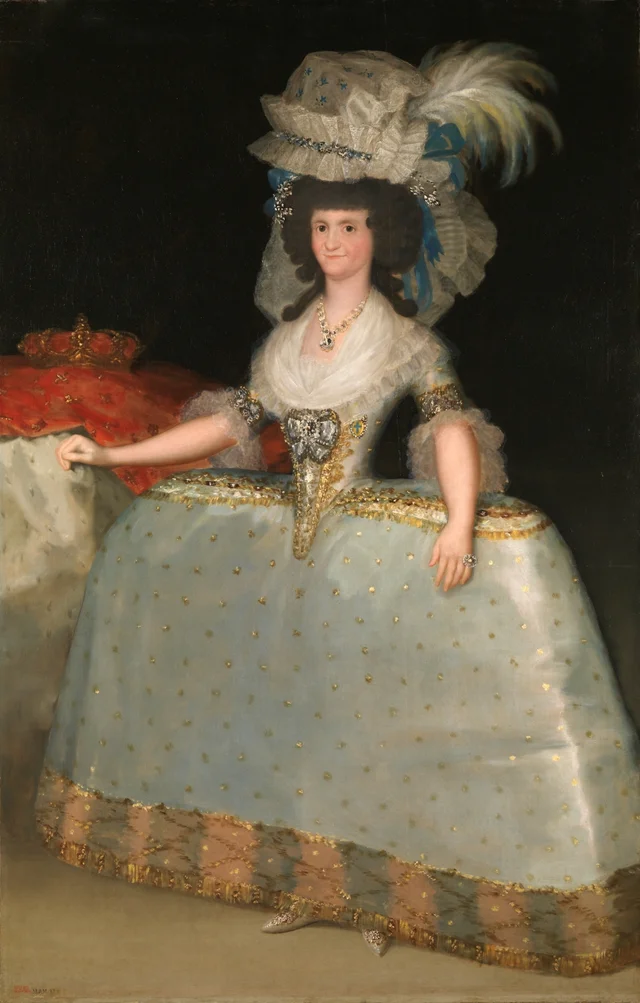 Königin Maria Luisa in einem ReifrockkleidFrancisco Goya, 1789
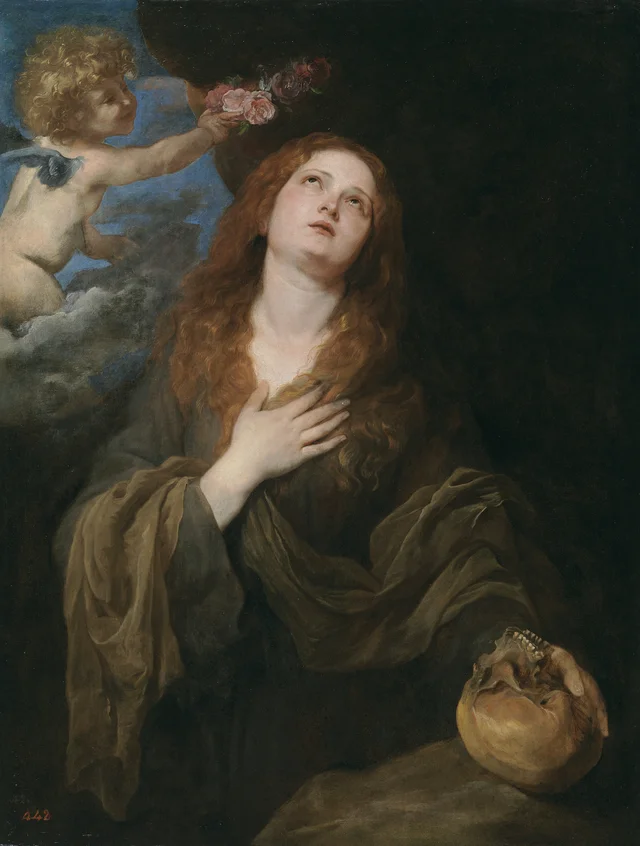 Heilige RosaliaAnthonis van Dyck, 1625
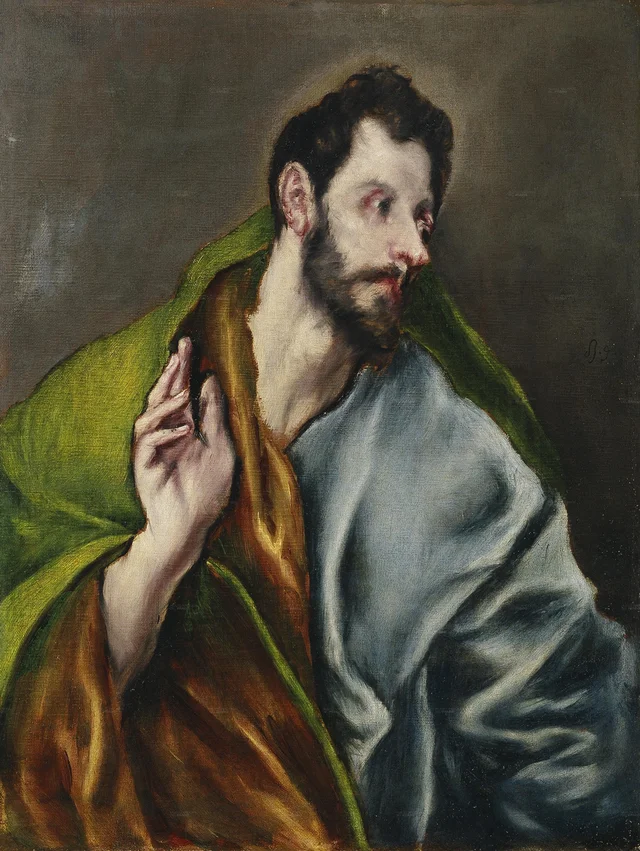 Der Apostel ThomasEl Greco, 1608
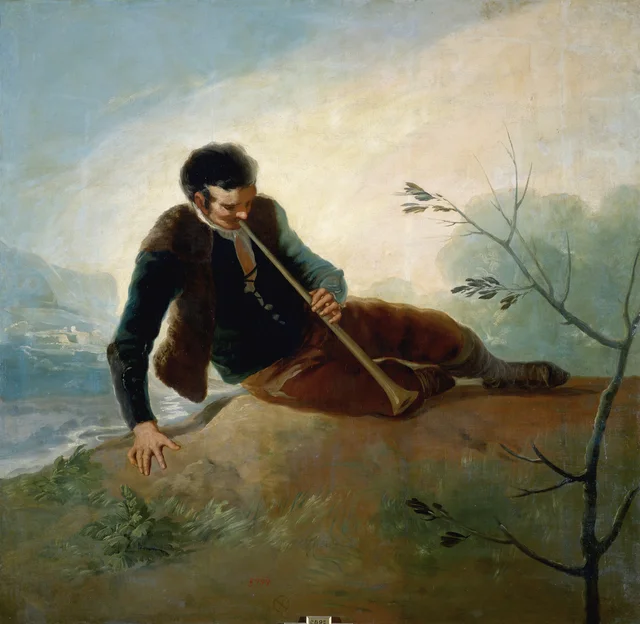 Der Hirte, der die Dulzaina spieltFrancisco Goya, 1786
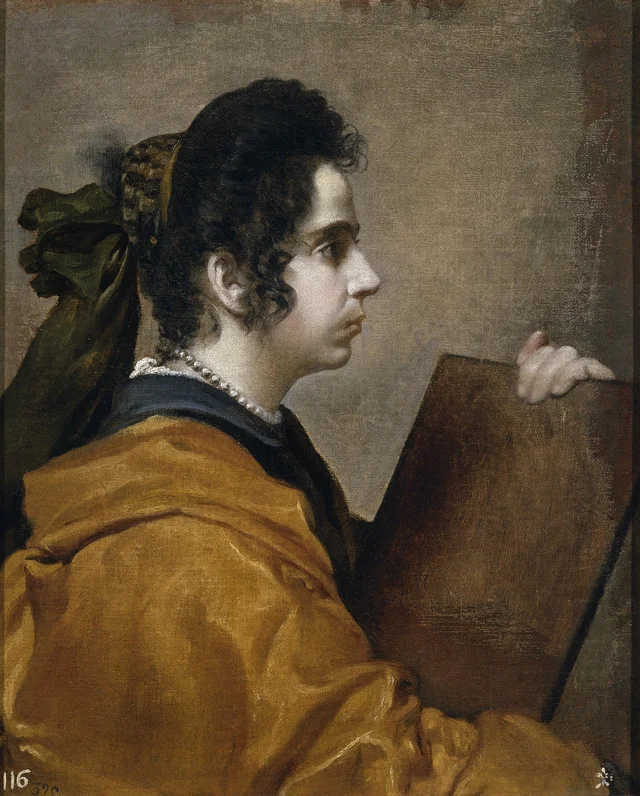 SibylleDiego Velázquez, 1632
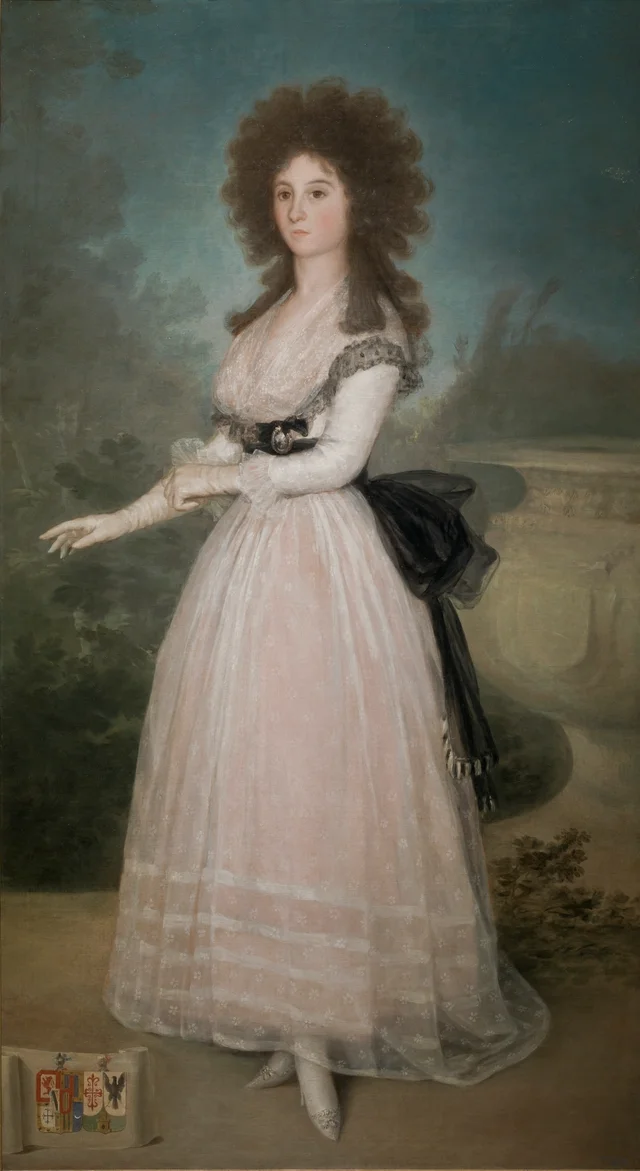 Tadea Arias de EnríquezFrancisco Goya, 1789
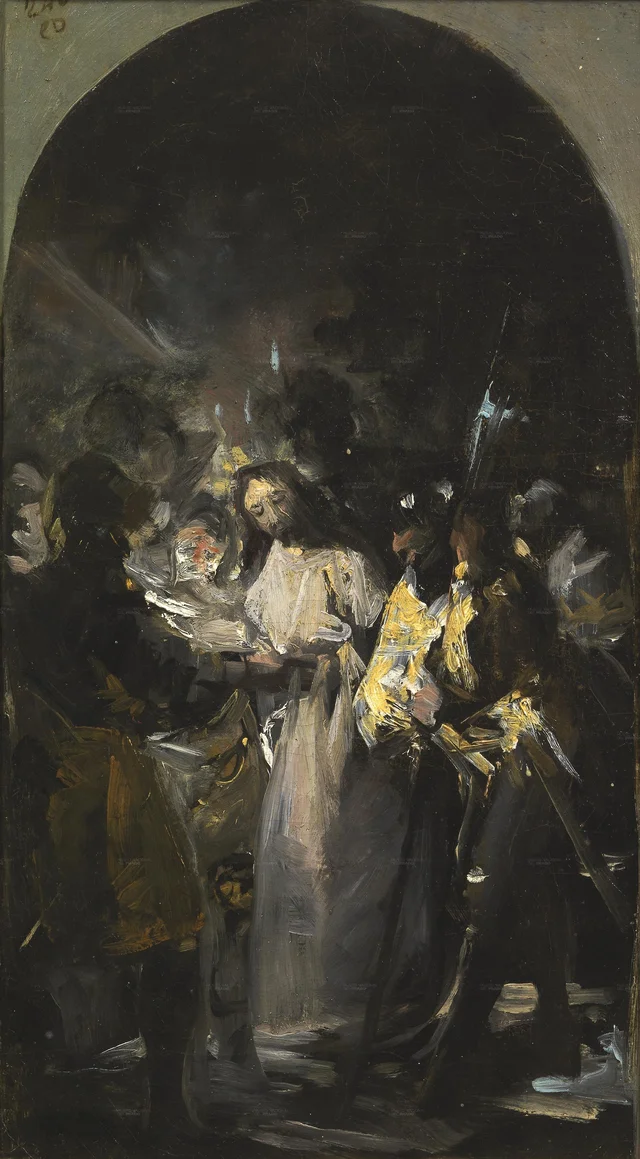 Die Gefangennahme ChristiFrancisco Goya, 1798
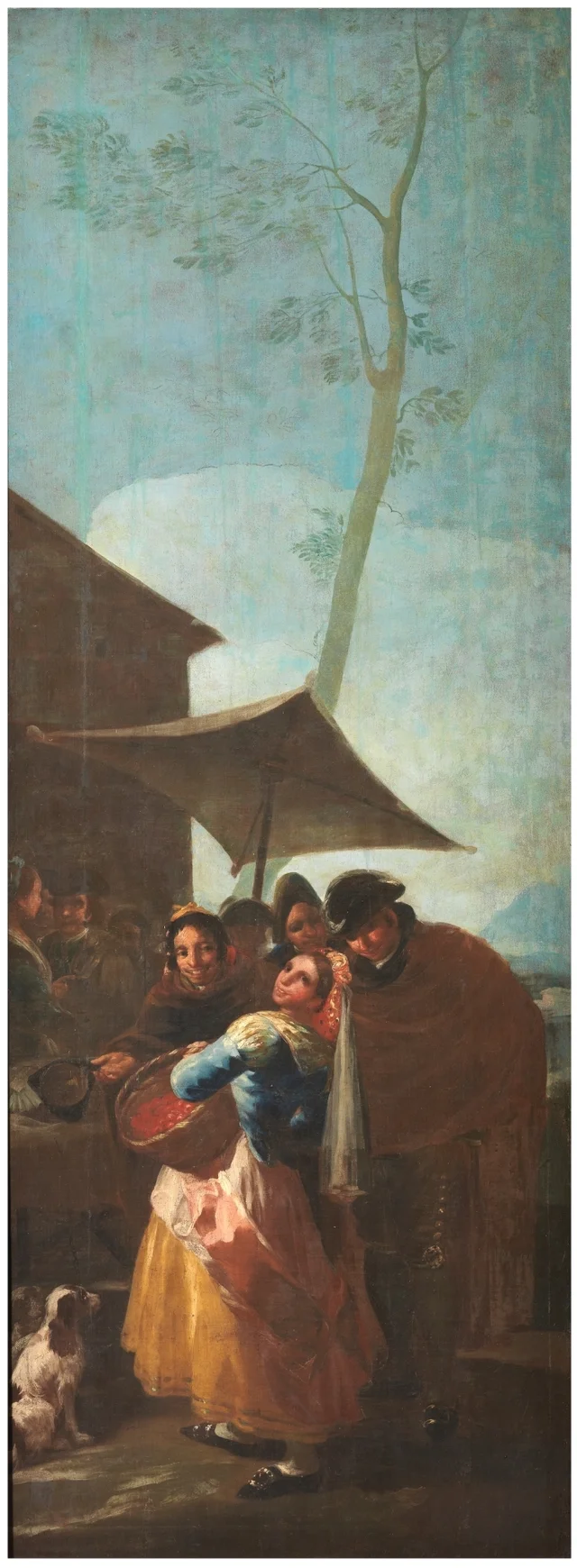 Die GeschirrverkäuferinFrancisco Goya, 1778
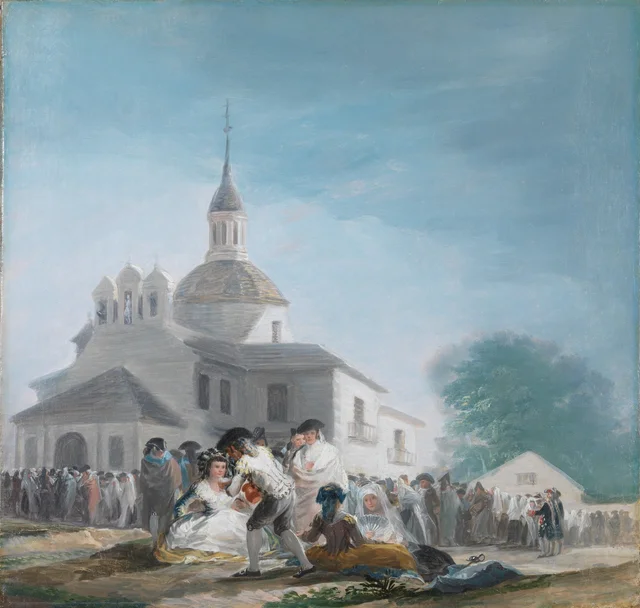 Die Einsiedelei des heiligen IsidorFrancisco Goya, 1788
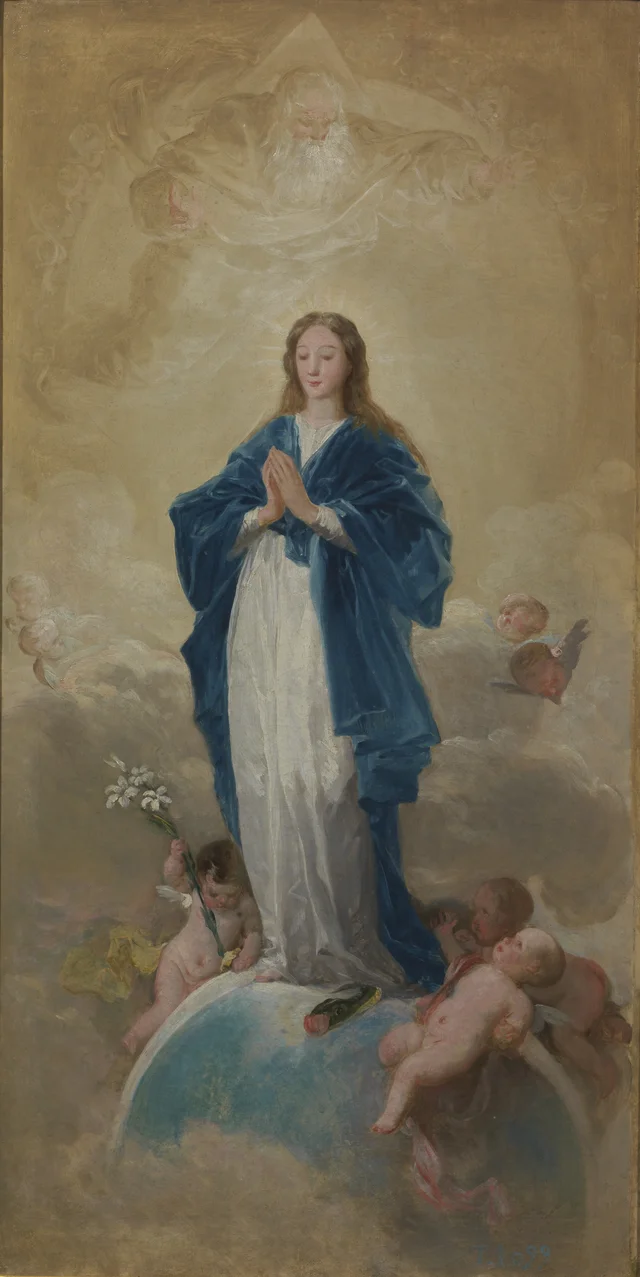 Die Unbefleckte EmpfängnisFrancisco Goya, 1784
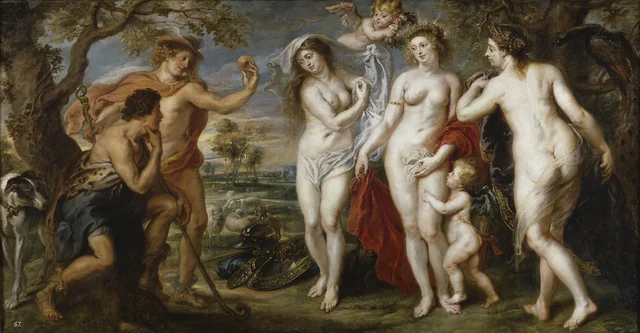 Das Urteil des ParisPeter Paul Rubens, 1638
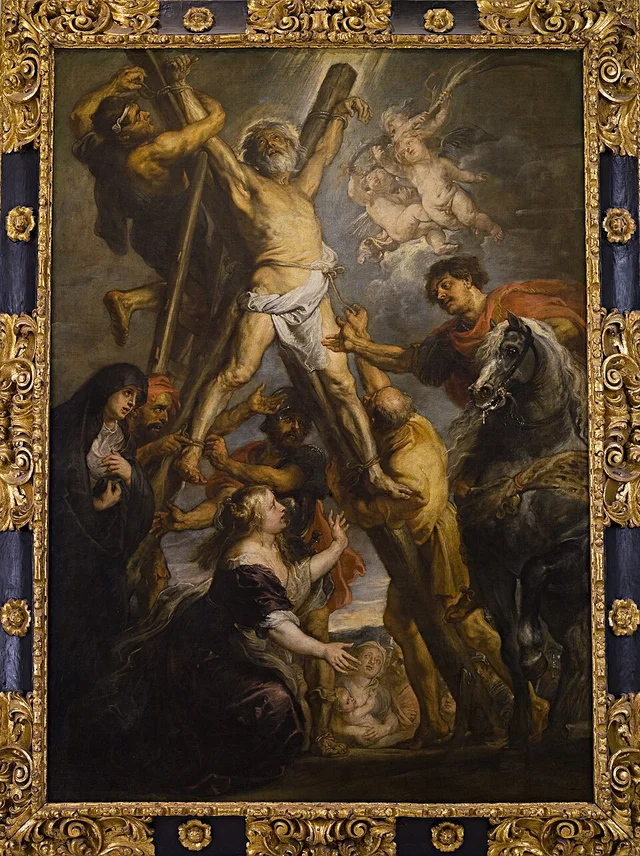 Das Martyrium des heiligen AndreasPeter Paul Rubens, 1639
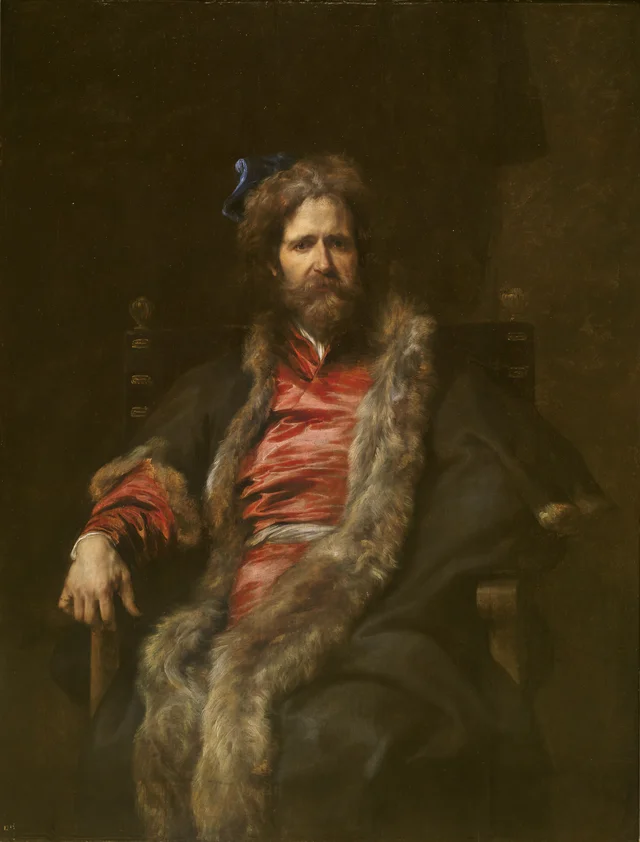 Der Maler Martin RyckaertAnthonis van Dyck, 1631
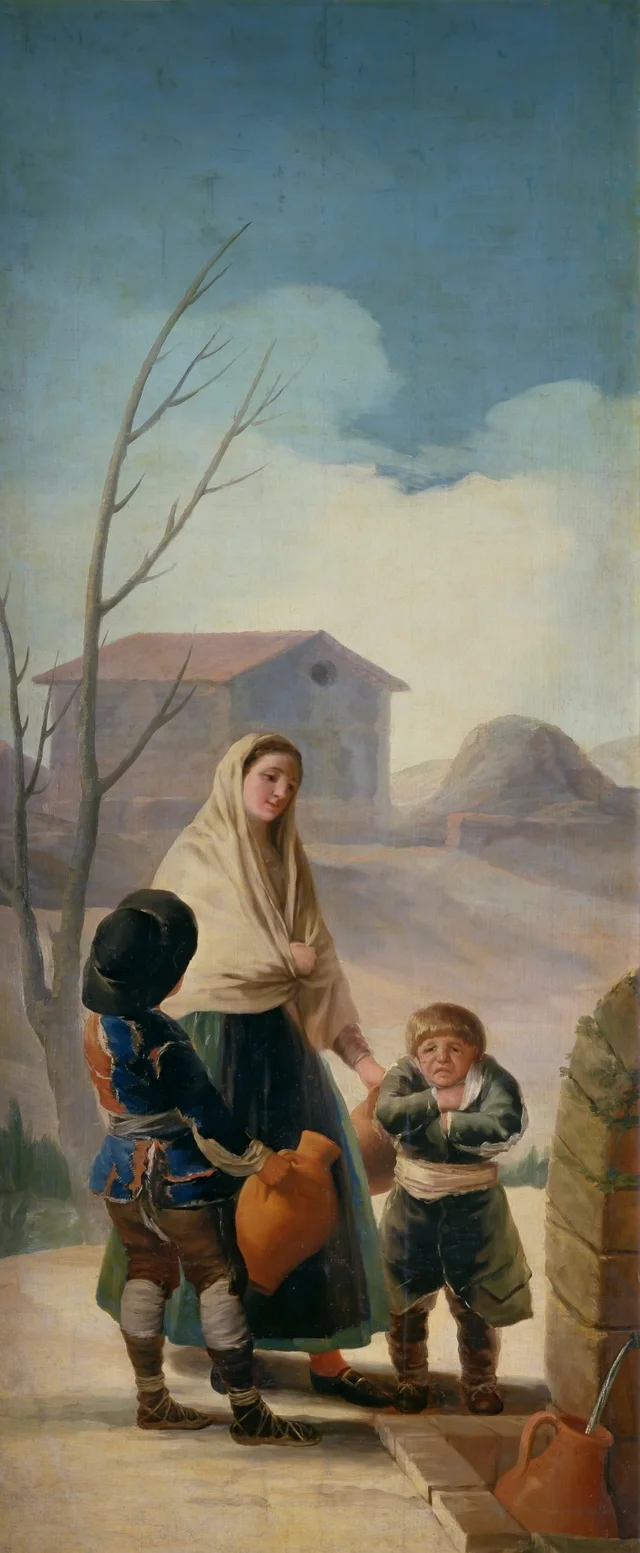 Die Armen am BrunnenFrancisco Goya, 1786
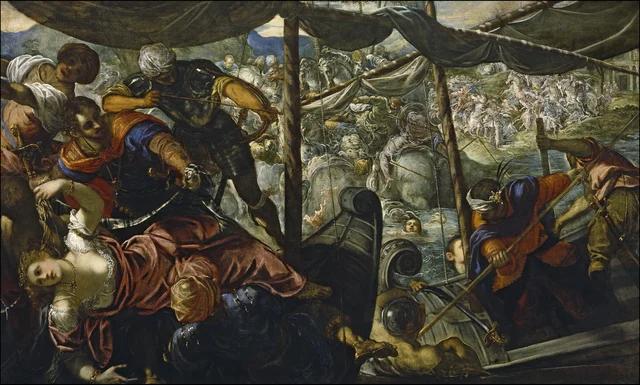 Der Raub der HelenaJacopo Tintoretto, 1578