
The story
The Louvre began as a fortress. Philip II raised it on the right bank of the Seine around 1190 to guard medieval Paris, and over the following centuries French kings rebuilt it into a royal palace, until Louis XIV moved his court to Versailles in 1682 and left the half-finished halls to the royal collection and the artists lodged inside.
The Revolution turned it into a public museum. On 10 August 1793 the Muséum central des arts opened its doors, showing the confiscated art of the crown and the church to any citizen who wished to walk in. Napoleon filled it with the spoils of his campaigns and briefly renamed it after himself. Much was returned after Waterloo, but the idea held, a national collection arranged for study and free to the public.
Today the Louvre holds more than 35,000 works, from the Venus de Milo to Géricault's Raft of the Medusa. The crowds, though, press toward one small portrait. In August 1911 it vanished: Vincenzo Peruggia, an Italian handyman who had worked in the museum, lifted Leonardo's Mona Lisa off the wall and carried it out under his coat. For two years the frame hung empty while visitors came to stare at the gap, and the painting returned only in 1913, after Peruggia tried to sell it to a dealer in Florence. I. M. Pei's glass pyramid, set in the courtyard in 1989, now marks the entrance.
More articles

Collection
1,174 works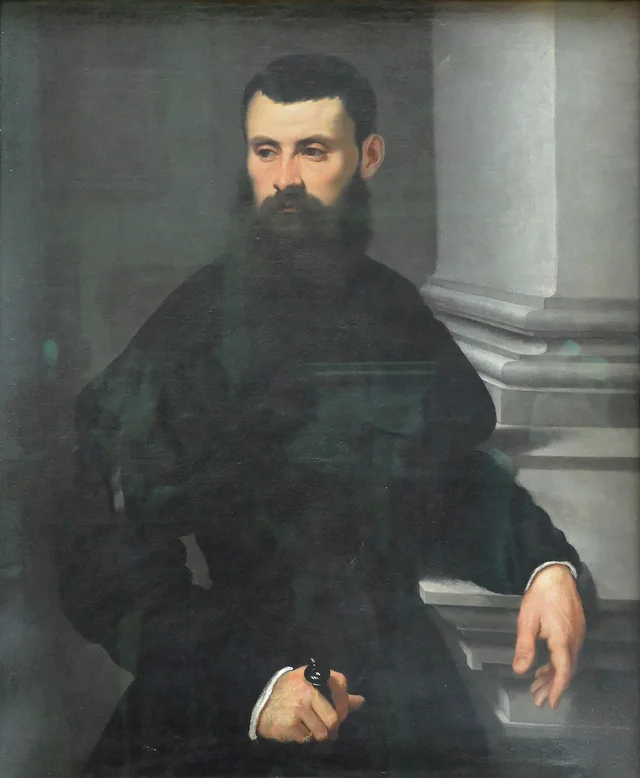 Portrait of a Nobleman, His Hand on a SwordJacopo Tintoretto, 1540
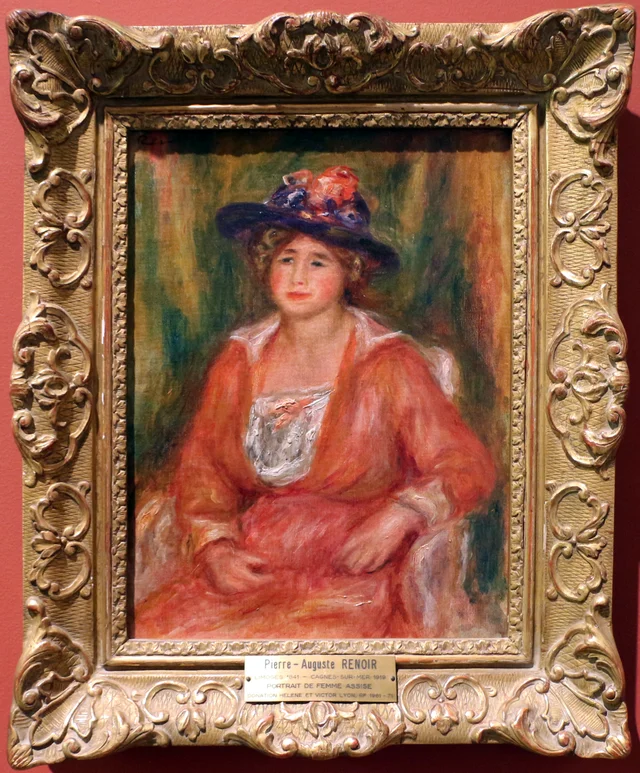 Portrait of a Seated WomanPierre-Auguste Renoir, 1917
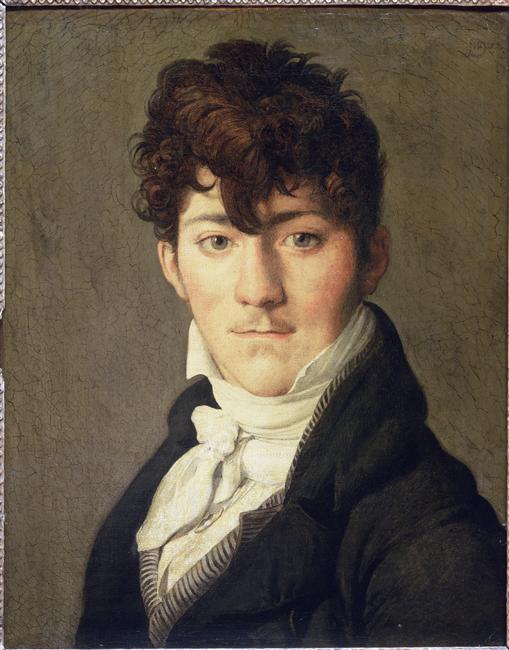 Portrait of Auguste François TalmaJean-Auguste-Dominique Ingres, 1812
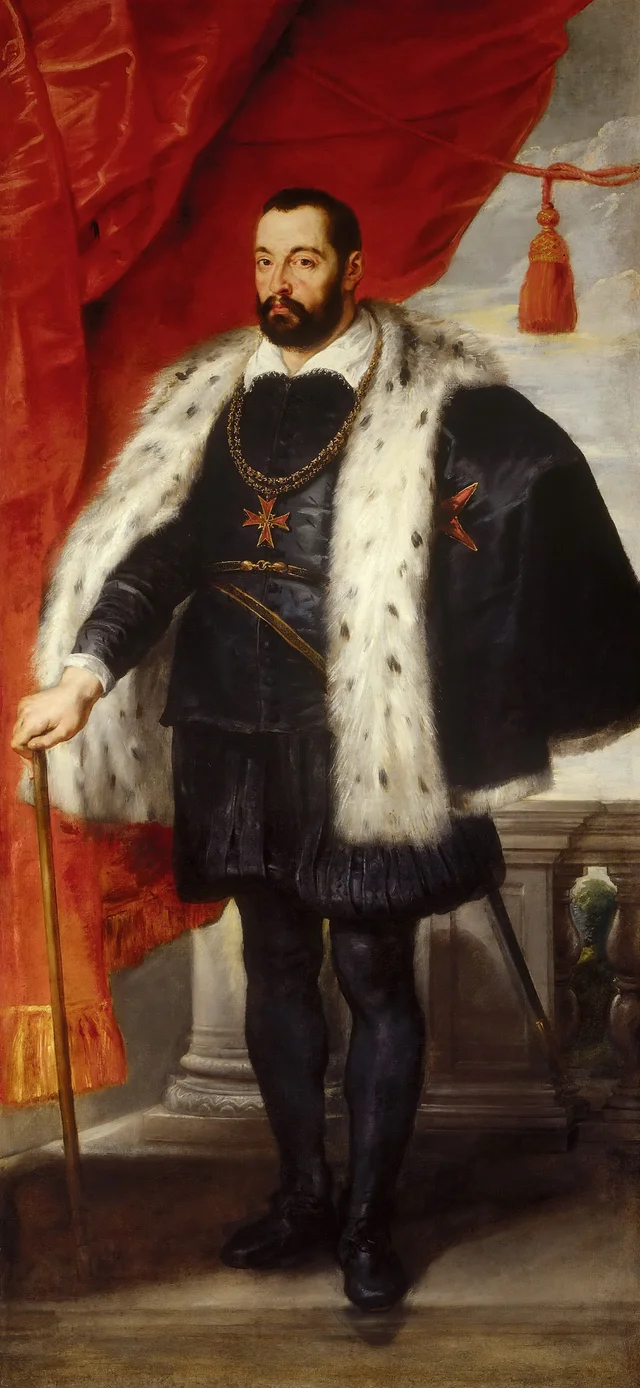 Portrait of Francesco I de' Medici (1541-1587)Peter Paul Rubens, 1623
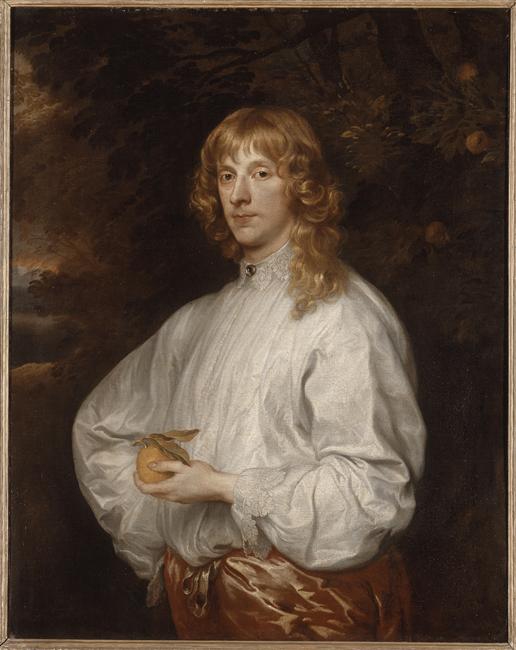 Portrait of James Stuart, Duke of LennoxAnthony van Dyck, 1636
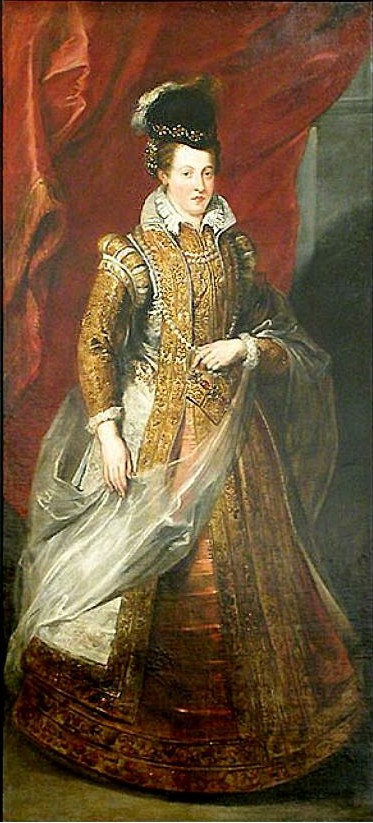 Portrait of Johanna of Austria, mother of Maria de' MediciPeter Paul Rubens, 1623
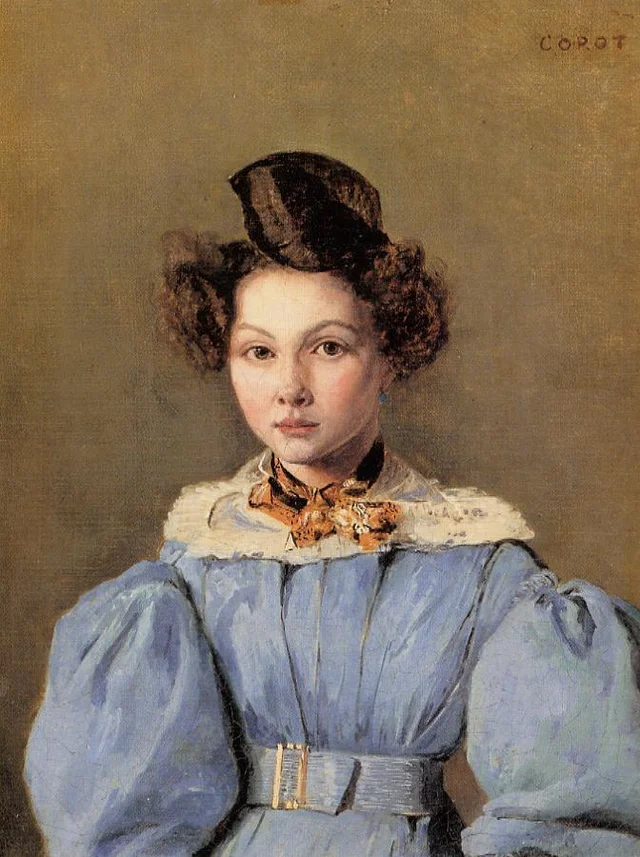 Portrait of Marie-Louise Laure SennegonJean-Baptiste Camille Corot, 1831
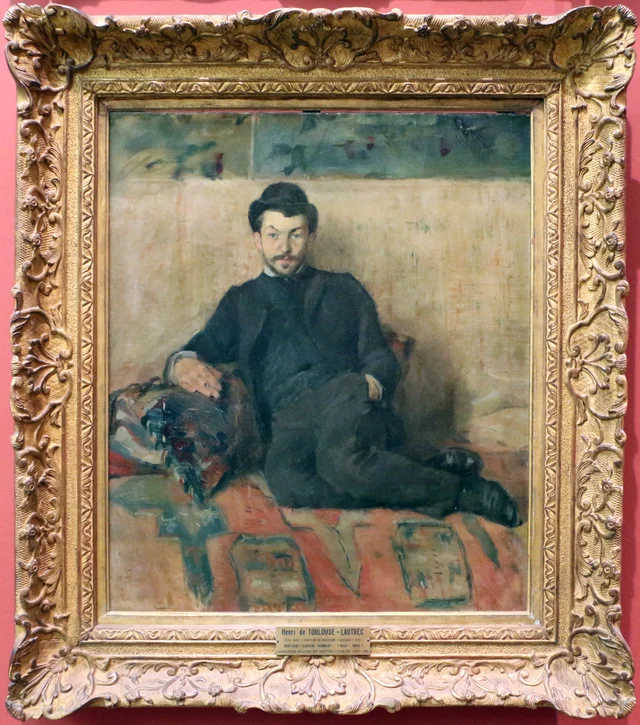 Portrait of Monsieur DenneryHenri de Toulouse-Lautrec, 1883
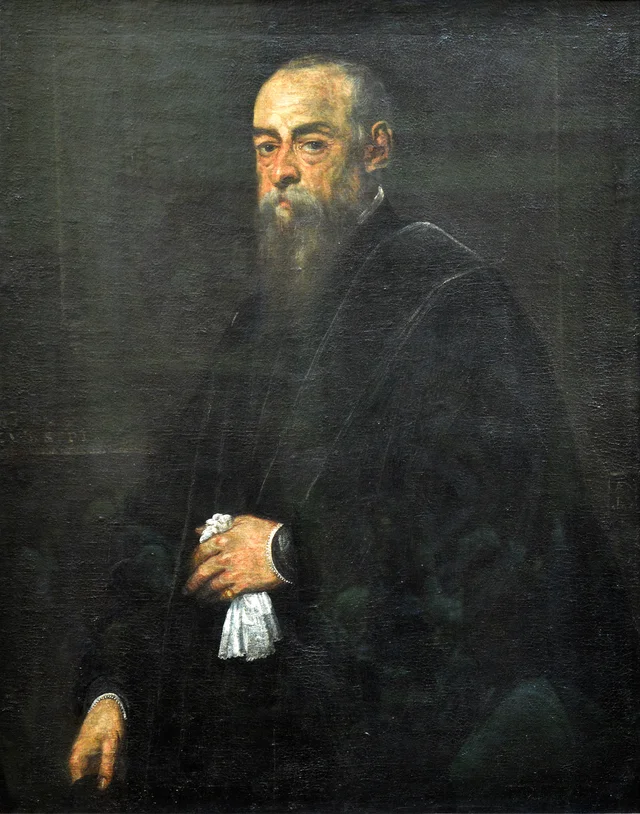 Portrait of Old Man Holding a HandkerchiefJacopo Tintoretto, 1570
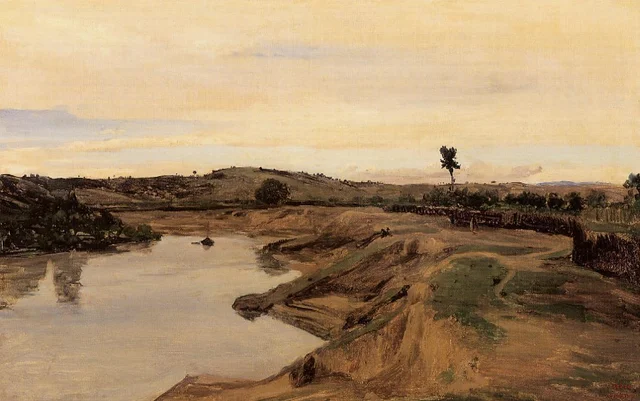 Poussin's Promenade, Roman CampagnaJean-Baptiste Camille Corot, 1825
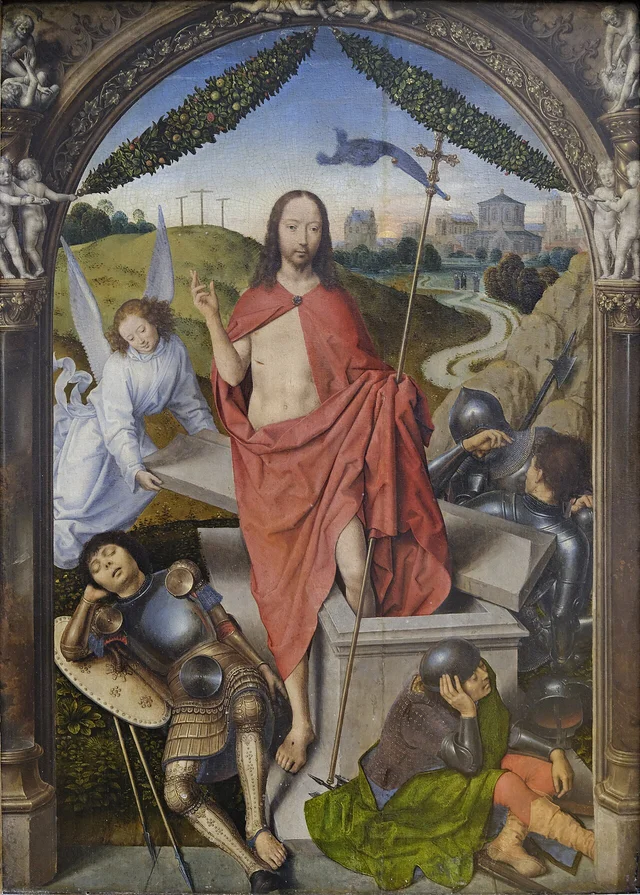 Resurrection of JesusHans Memling, 1490
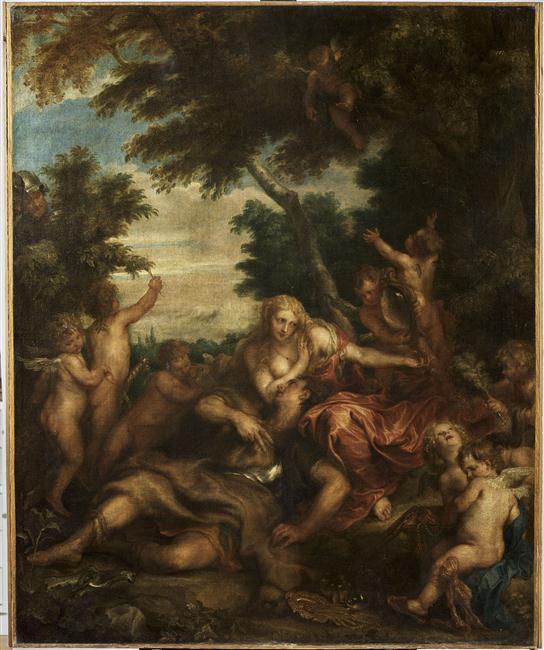 Rinaldo and Armida as lovers observed by Ubaldo and CarloAnthony van Dyck, 1629
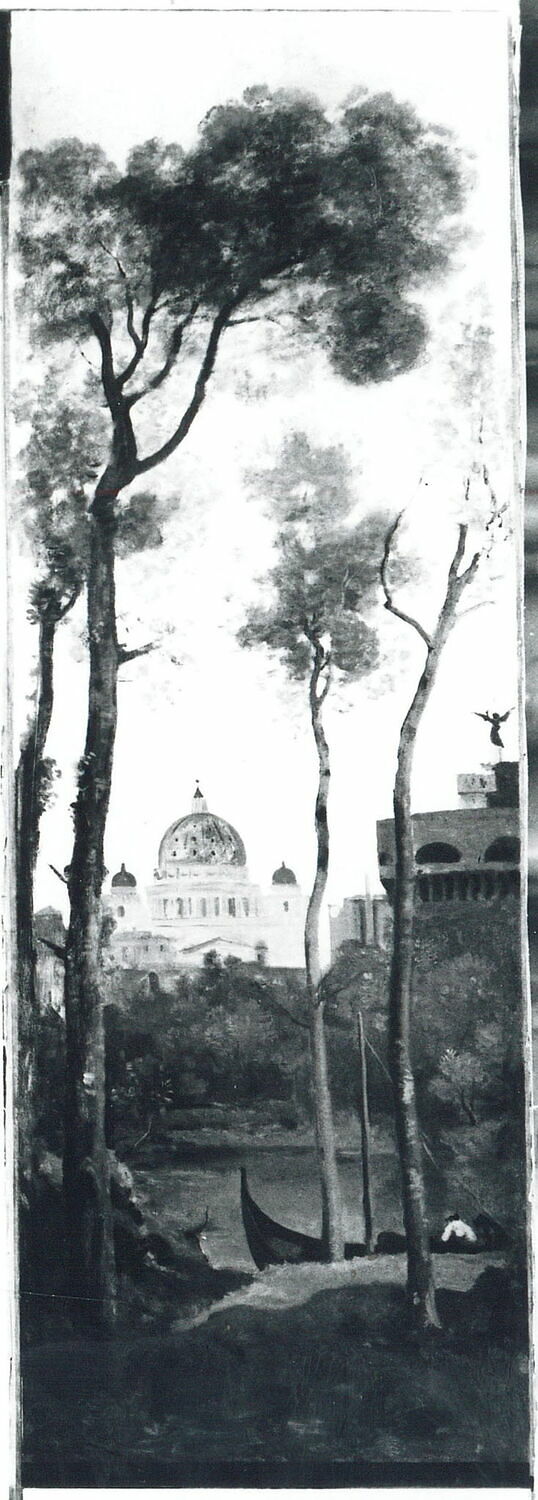 RomeJean-Baptiste Camille Corot, 1841
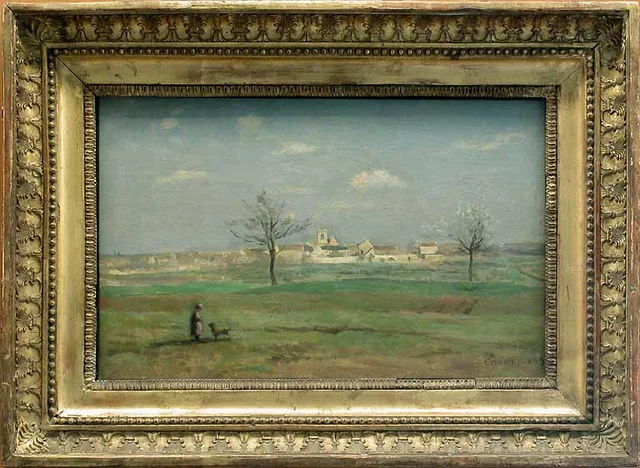 Rosny. View of the village in the springJean-Baptiste Camille Corot, 1839
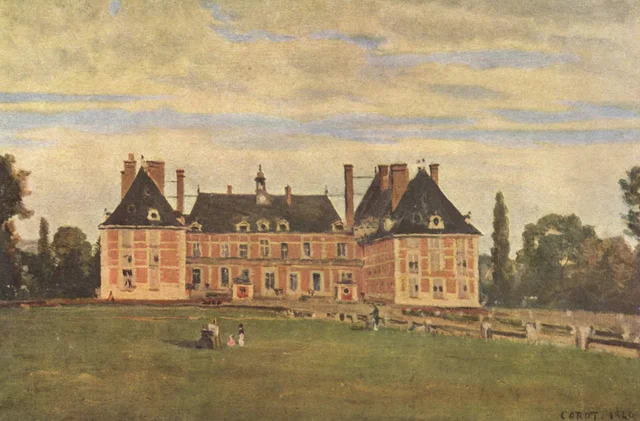 Rosny (Yvelines). Chateau of the Duchess of BerryJean-Baptiste Camille Corot, 1840
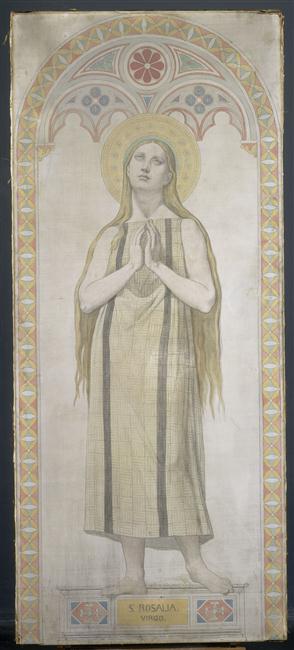 Sainte Rosalie, viergeJean-Auguste-Dominique Ingres, 1842
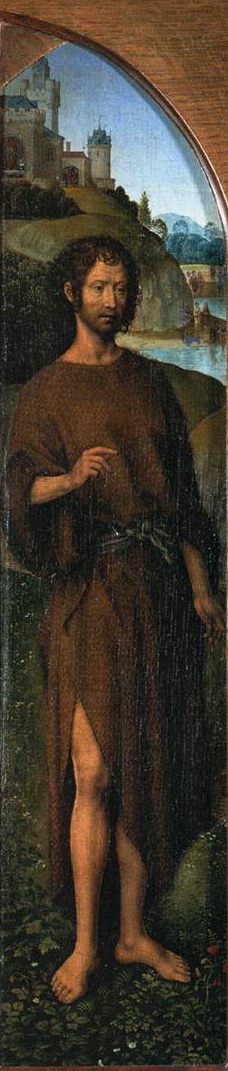 Saint John the BaptistHans Memling, 1470
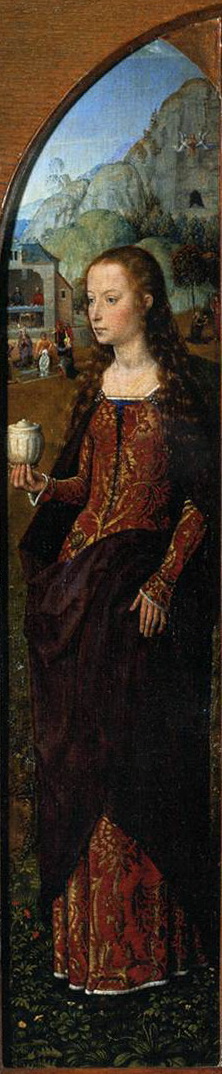 Saint Mary MagdaleneHans Memling, 1470
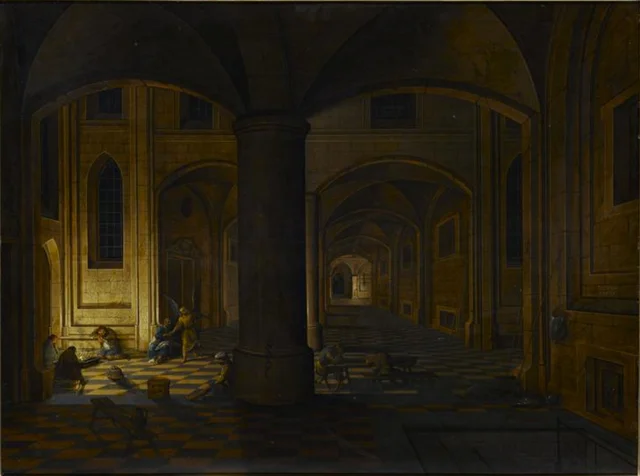 Saint Pierre délivré de prisonPieter Neefs the Elder, 1625
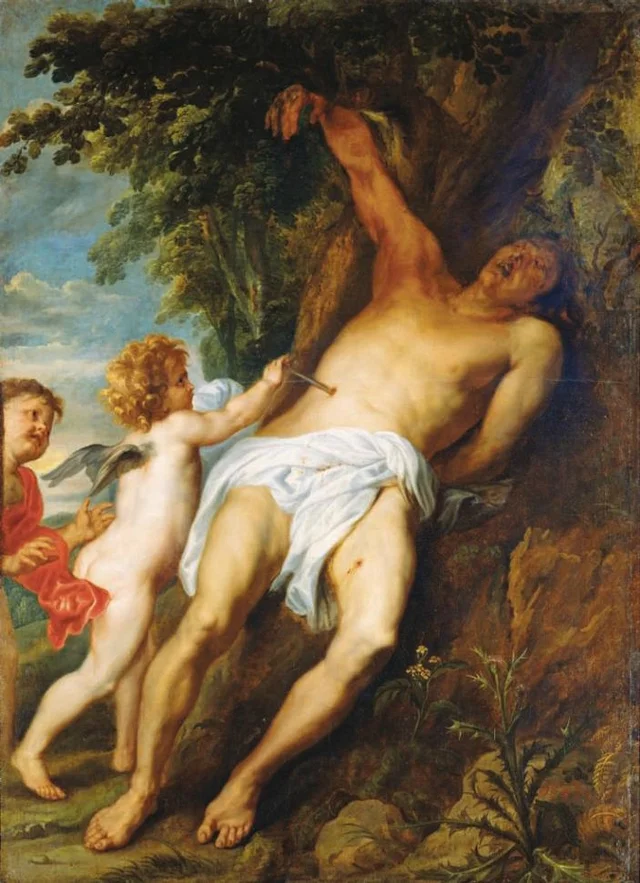 Saint Sebastian Tended by AngelsAnthony van Dyck, 1630
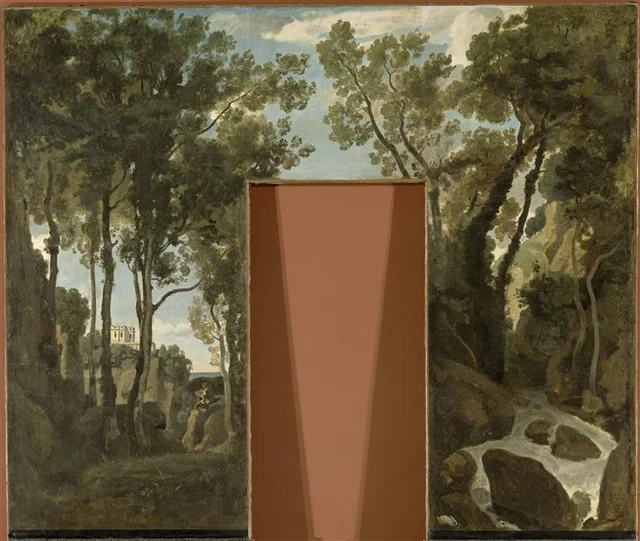 Souvenir du golfe de GênesJean-Baptiste Camille Corot, 1841
 Souvenir of the Naples CountrysideJean-Baptiste Camille Corot, 1841
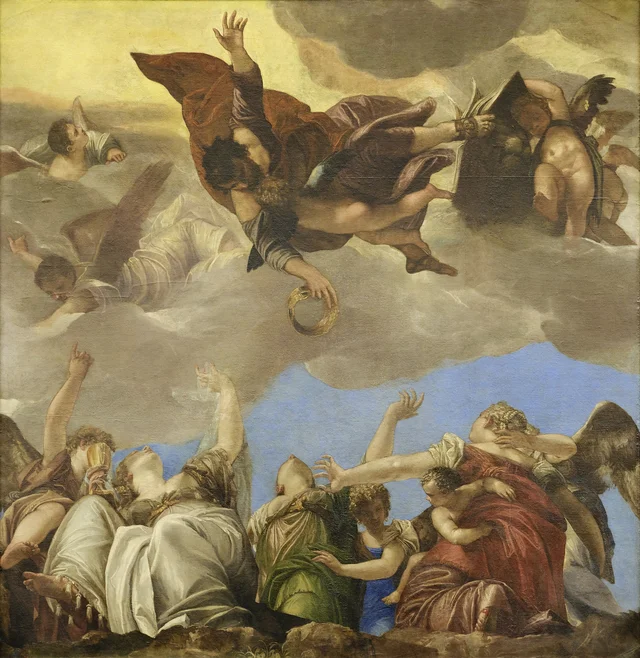 St. Mark Crowning the VirtuesPaolo Veronese, 1556
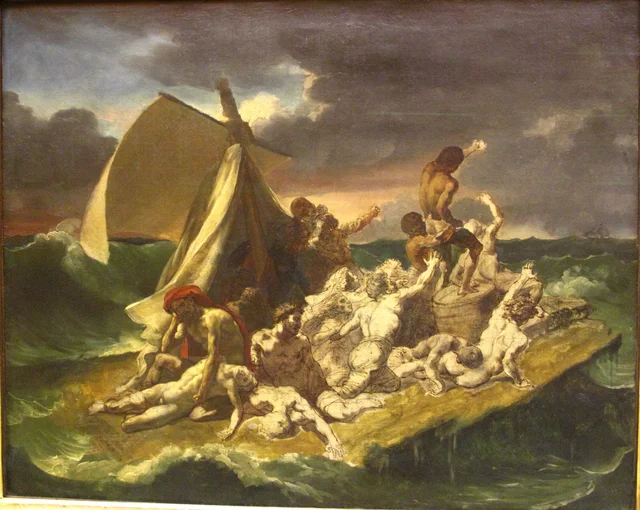 Study for the Raft of the MedusaThéodore Géricault, 1818
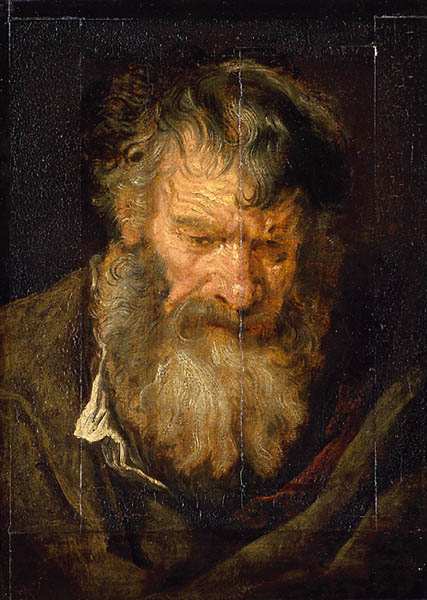 Study of the Head of an Old ManAnthony van Dyck, 1616