
The story
The Louvre began as a fortress. Philip II raised it on the right bank of the Seine around 1190 to guard medieval Paris, and over the following centuries French kings rebuilt it into a royal palace, until Louis XIV moved his court to Versailles in 1682 and left the half-finished halls to the royal collection and the artists lodged inside.
The Revolution turned it into a public museum. On 10 August 1793 the Muséum central des arts opened its doors, showing the confiscated art of the crown and the church to any citizen who wished to walk in. Napoleon filled it with the spoils of his campaigns and briefly renamed it after himself. Much was returned after Waterloo, but the idea held, a national collection arranged for study and free to the public.
Today the Louvre holds more than 35,000 works, from the Venus de Milo to Géricault's Raft of the Medusa. The crowds, though, press toward one small portrait. In August 1911 it vanished: Vincenzo Peruggia, an Italian handyman who had worked in the museum, lifted Leonardo's Mona Lisa off the wall and carried it out under his coat. For two years the frame hung empty while visitors came to stare at the gap, and the painting returned only in 1913, after Peruggia tried to sell it to a dealer in Florence. I. M. Pei's glass pyramid, set in the courtyard in 1989, now marks the entrance.
More articles

Collection
1,174 works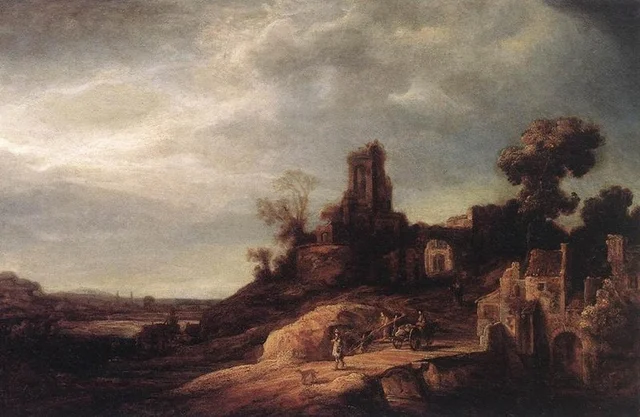 Landscape with Bridge and RuinsGovert Flinck, 1637
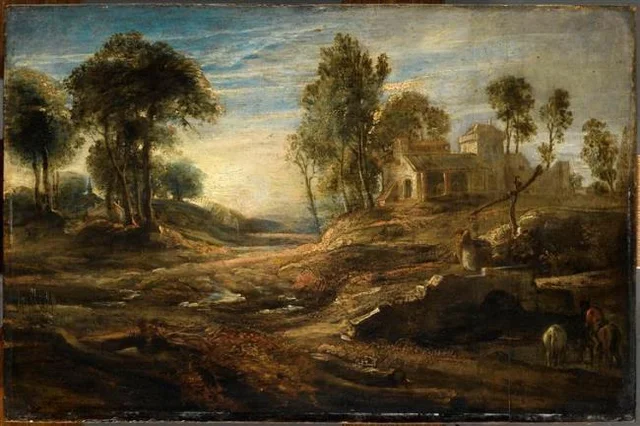 Landscape with horses at a wellPeter Paul Rubens, 1638
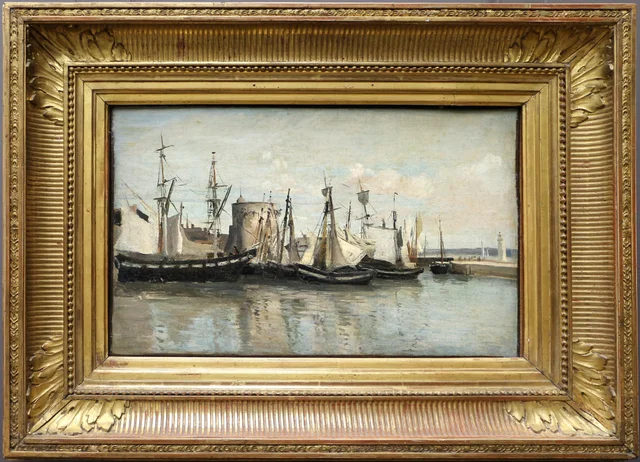 La Rochelle. Harbour EntranceJean-Baptiste Camille Corot, 1851
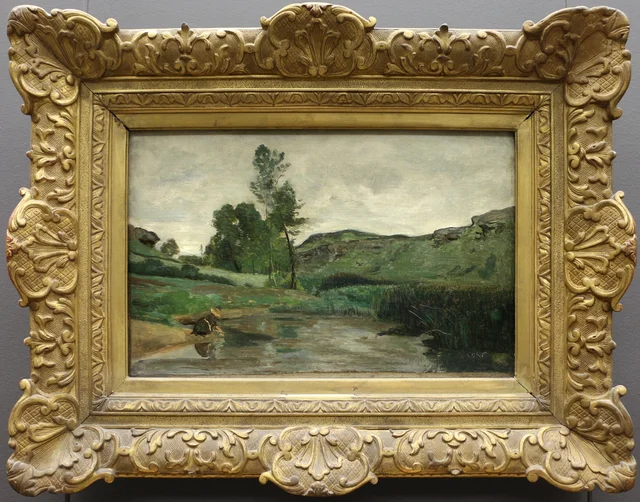 Laundress at the edge of the water in OptevozJean-Baptiste Camille Corot, 1852
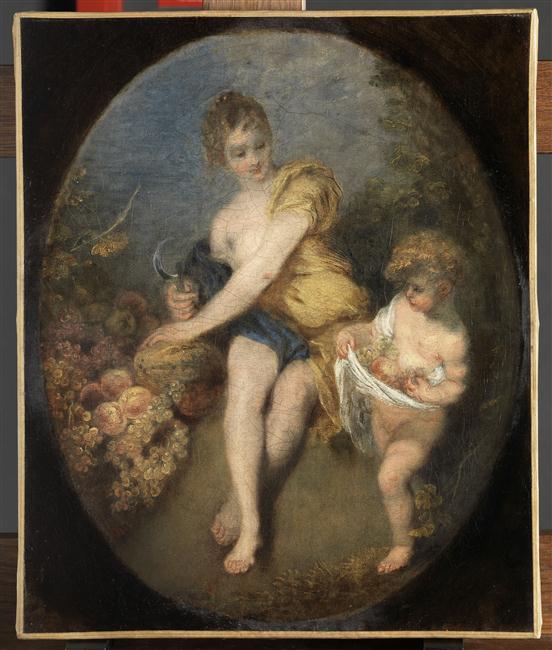 L'AutomneJean-Antoine Watteau, 1716
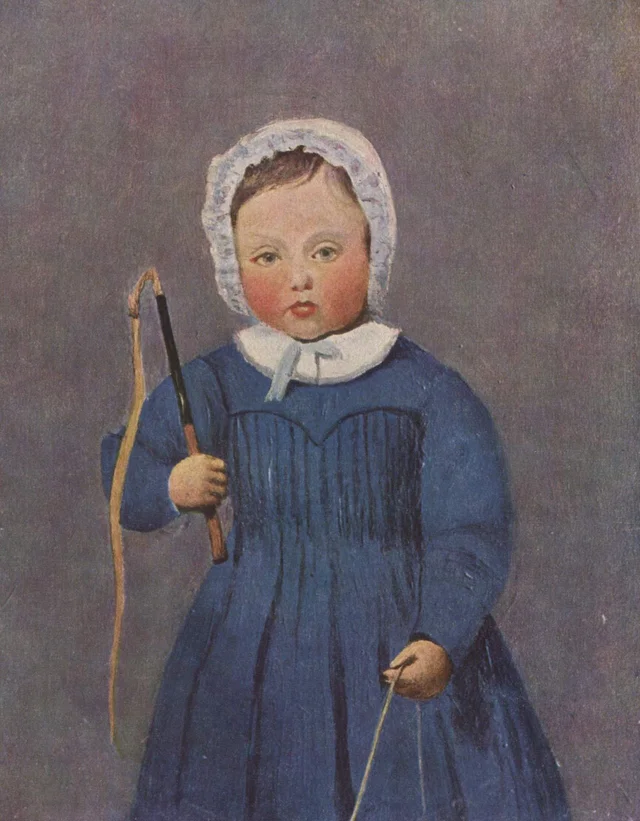 Louis Robert as a childJean-Baptiste Camille Corot, 1843
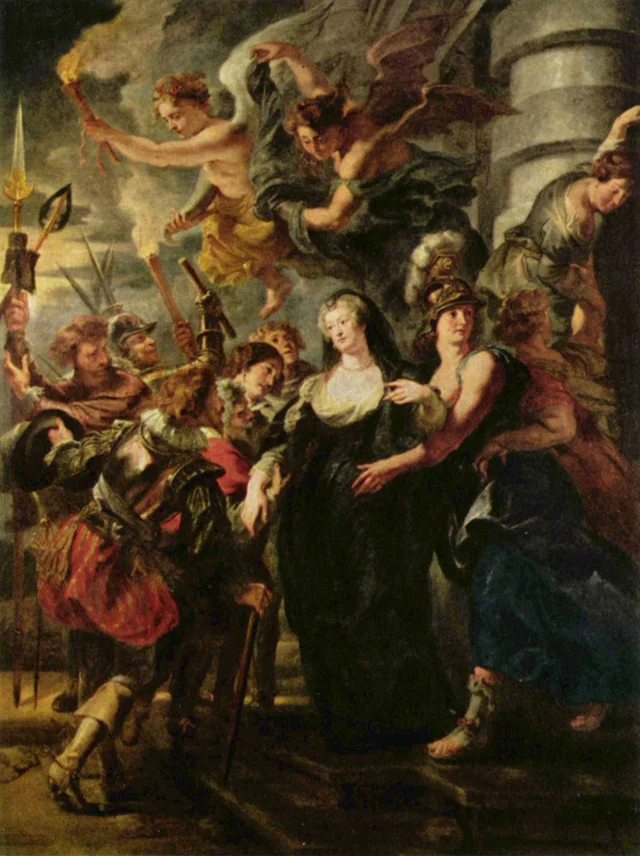 Maria de' Medici's flight from Blois, 21-22 February 1619, 1622-1625Peter Paul Rubens, 1623
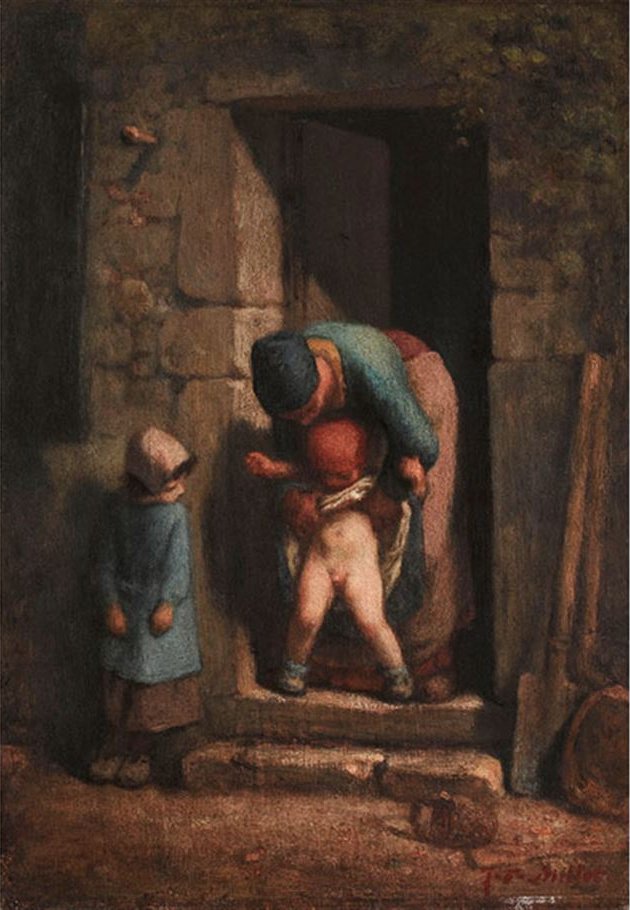 Maternal PrecautionJean-François Millet, 1857
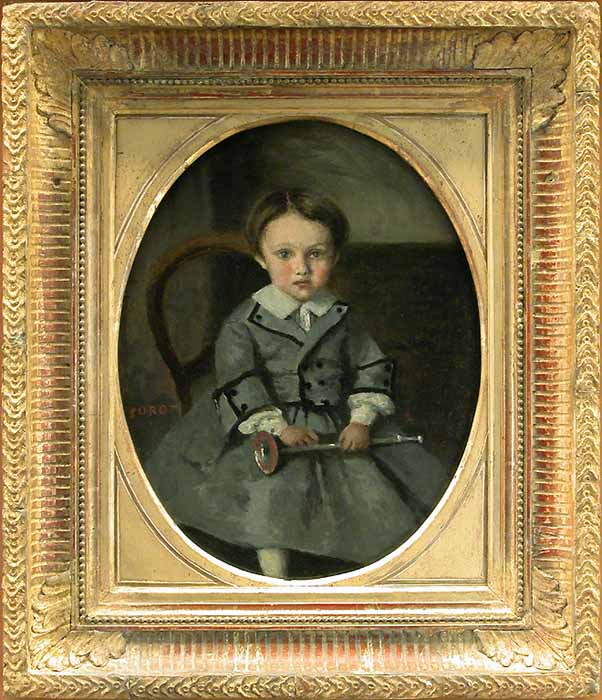 Maurice RobertJean-Baptiste Camille Corot, 1857
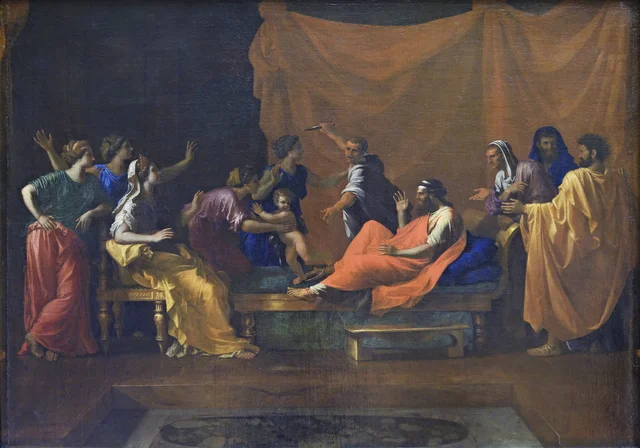 Moïse enfant foulant aux pieds la couronne de PharaonNicolas Poussin, 1637
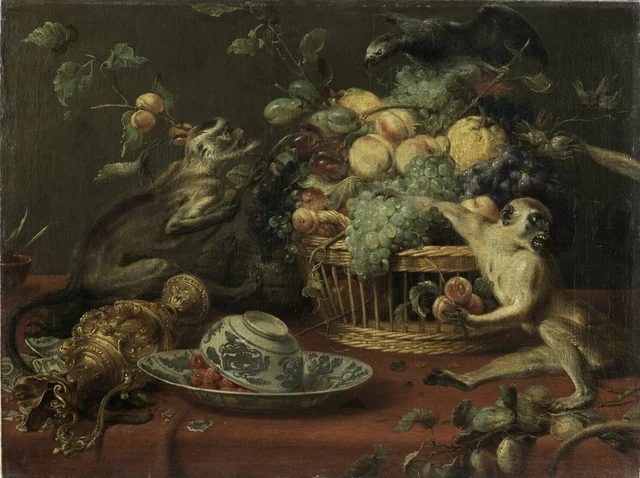 Monkeys and parrot near a fruit basketFrans Snyders, 1625
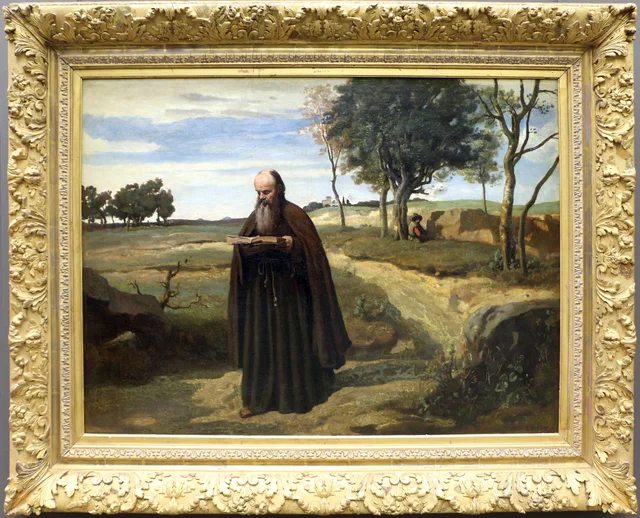 Monk ReadingJean-Baptiste Camille Corot, 1840
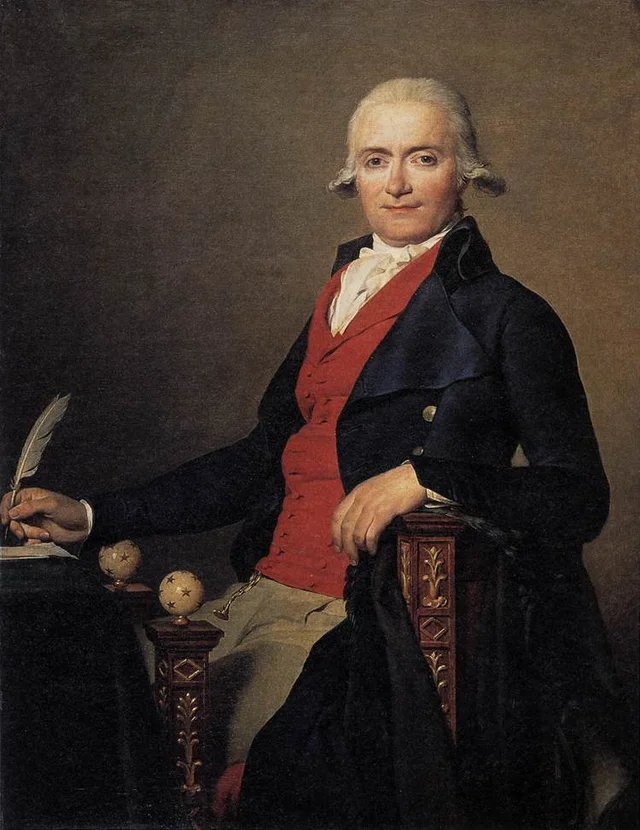 Monsieur MeyerJacques-Louis David, 1795
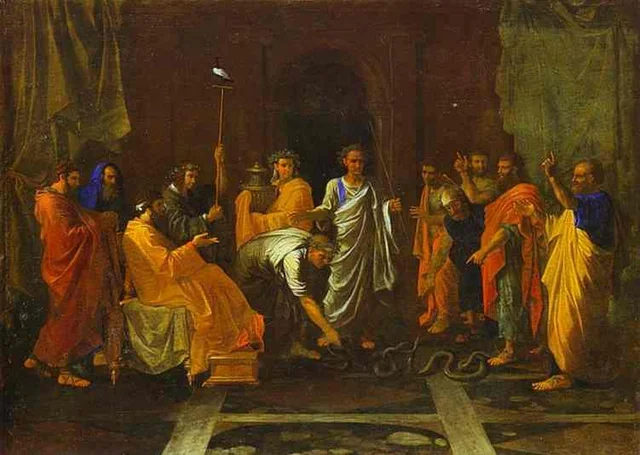 Moses Turning Aaron's Staff into a SerpentNicolas Poussin, 1645
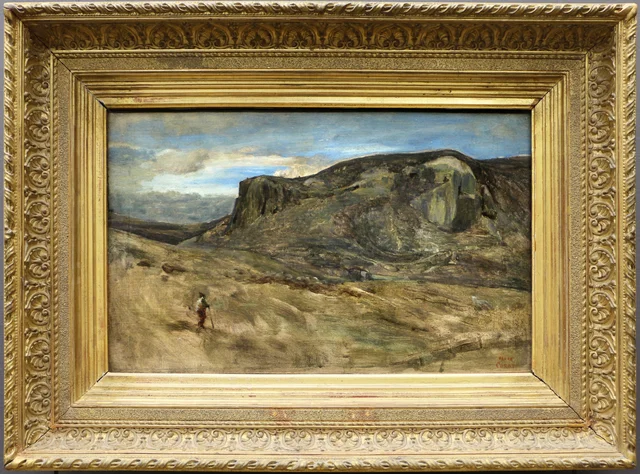 Mountain of the Roman countryside. The Rock of the NazensJean-Baptiste Camille Corot, 1827
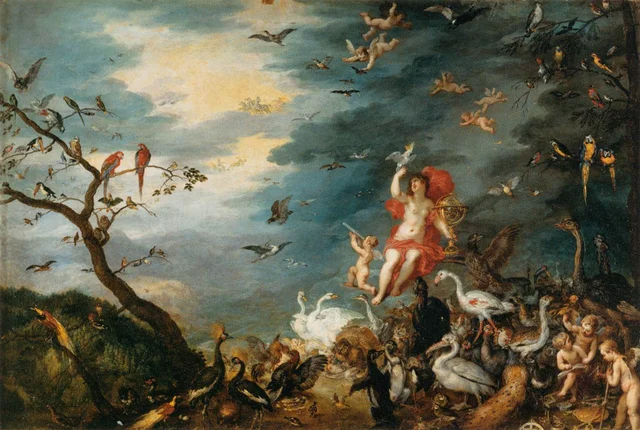 OpticsJan Brueghel the Elder, 1621
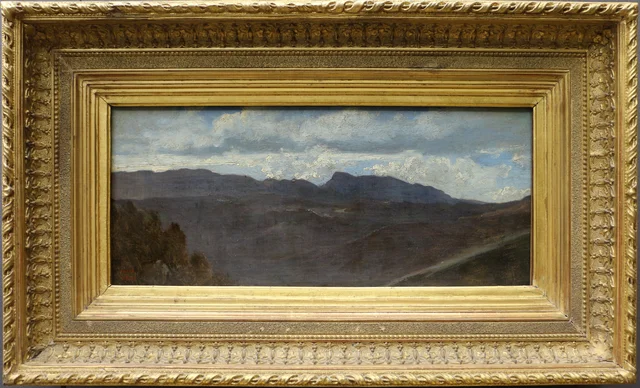 Panorama of the Roman countryside. The Prenestini mountains seen from OlevanoJean-Baptiste Camille Corot, 1826
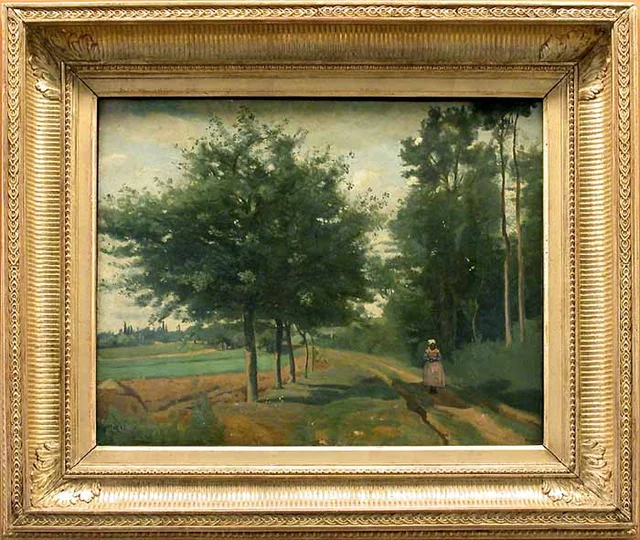 Path along the WoodJean-Baptiste Camille Corot, 1850
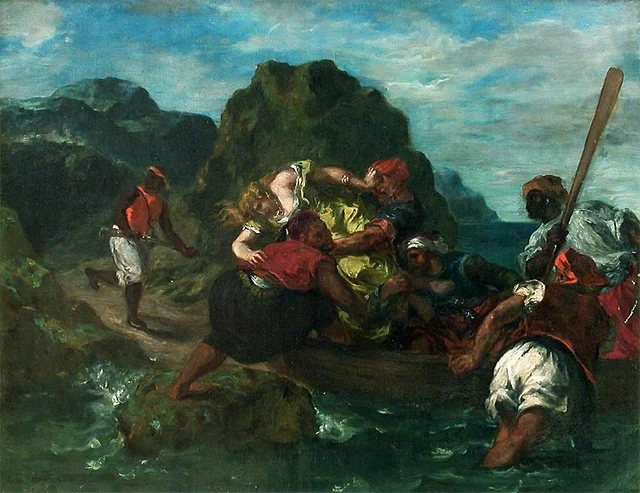 Pirates africains enlevant une jeune femmeEugène Delacroix, 1852
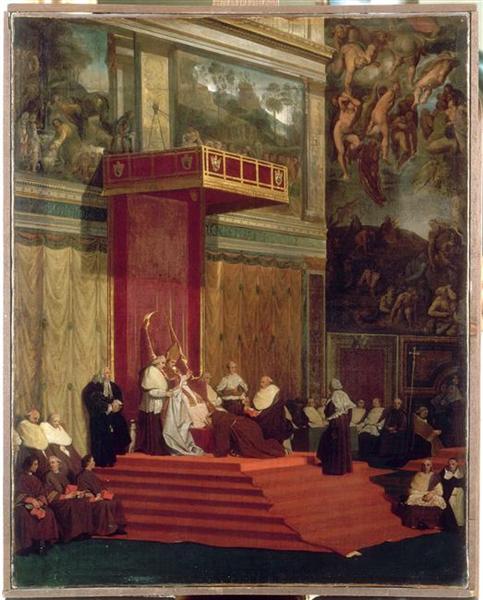 Pope Pius VII Holding a Papal ChapelJean-Auguste-Dominique Ingres, 1819
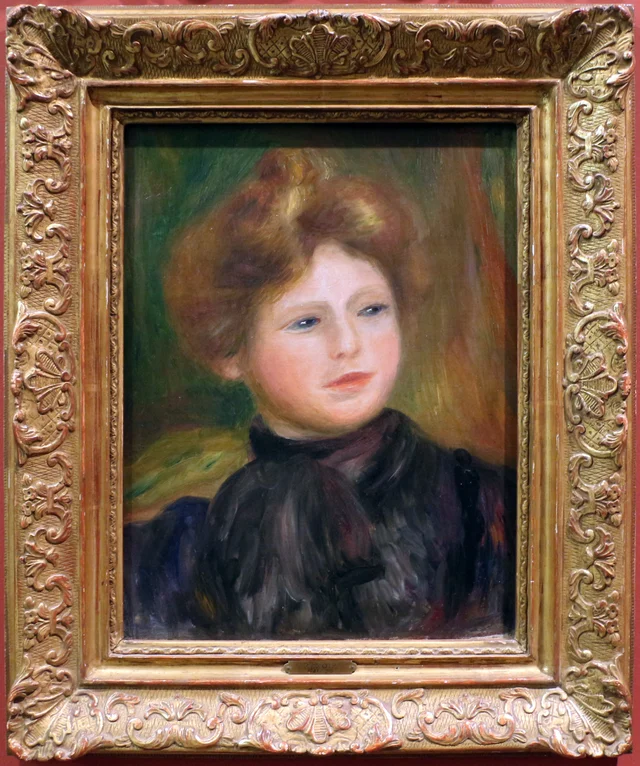 Portrait de femmePierre-Auguste Renoir, 1897
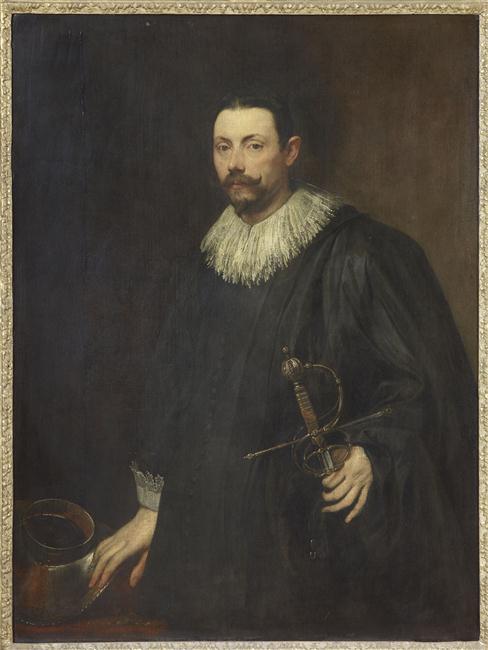 Portrait of a Genoese Gentleman (?), Aged Forty-TwoAnthony van Dyck, 1626
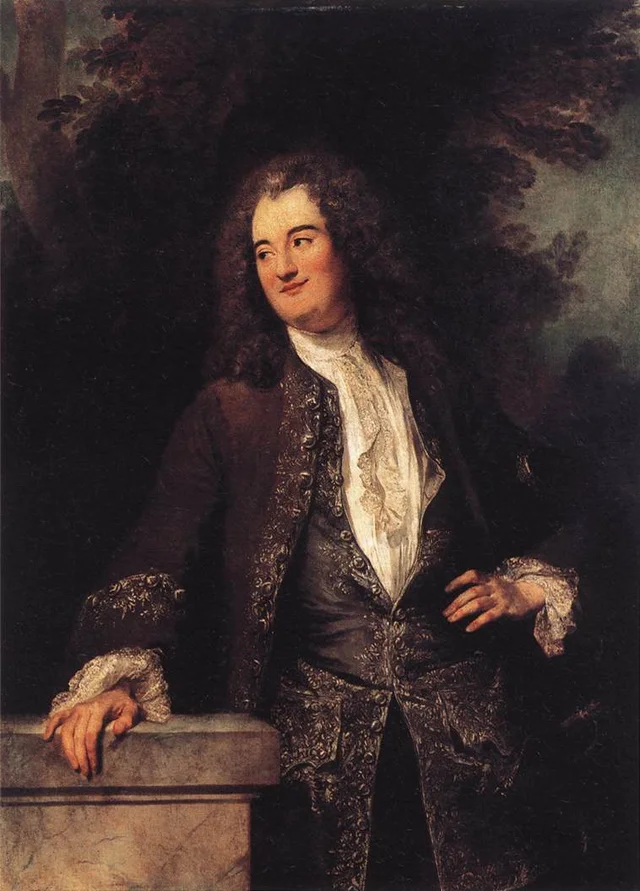 Portrait of a GentlemanJean-Antoine Watteau
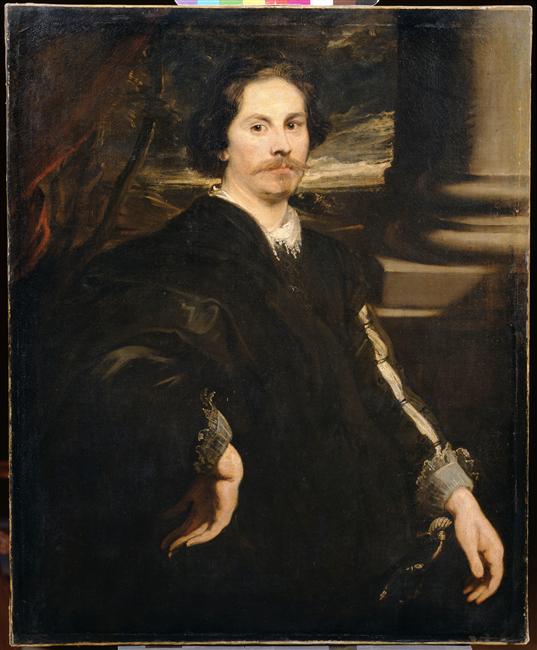 Portrait of a Gentleman with a SwordAnthony van Dyck, 1620
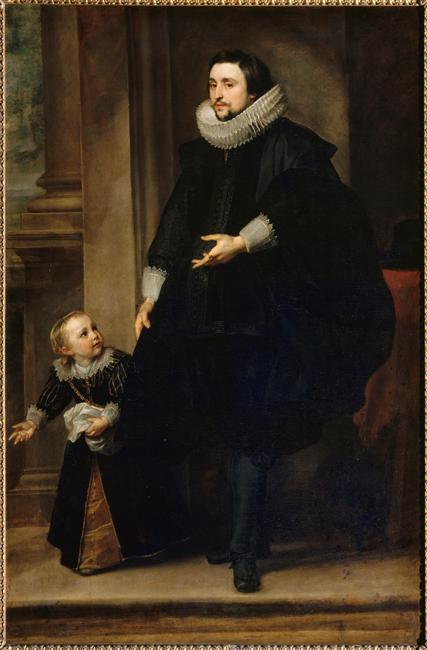 Portrait of a Gentleman with his SonAnthony van Dyck, 1632