
The story
The Louvre began as a fortress. Philip II raised it on the right bank of the Seine around 1190 to guard medieval Paris, and over the following centuries French kings rebuilt it into a royal palace, until Louis XIV moved his court to Versailles in 1682 and left the half-finished halls to the royal collection and the artists lodged inside.
The Revolution turned it into a public museum. On 10 August 1793 the Muséum central des arts opened its doors, showing the confiscated art of the crown and the church to any citizen who wished to walk in. Napoleon filled it with the spoils of his campaigns and briefly renamed it after himself. Much was returned after Waterloo, but the idea held, a national collection arranged for study and free to the public.
Today the Louvre holds more than 35,000 works, from the Venus de Milo to Géricault's Raft of the Medusa. The crowds, though, press toward one small portrait. In August 1911 it vanished: Vincenzo Peruggia, an Italian handyman who had worked in the museum, lifted Leonardo's Mona Lisa off the wall and carried it out under his coat. For two years the frame hung empty while visitors came to stare at the gap, and the painting returned only in 1913, after Peruggia tried to sell it to a dealer in Florence. I. M. Pei's glass pyramid, set in the courtyard in 1989, now marks the entrance.
More articles

Collection
1,174 works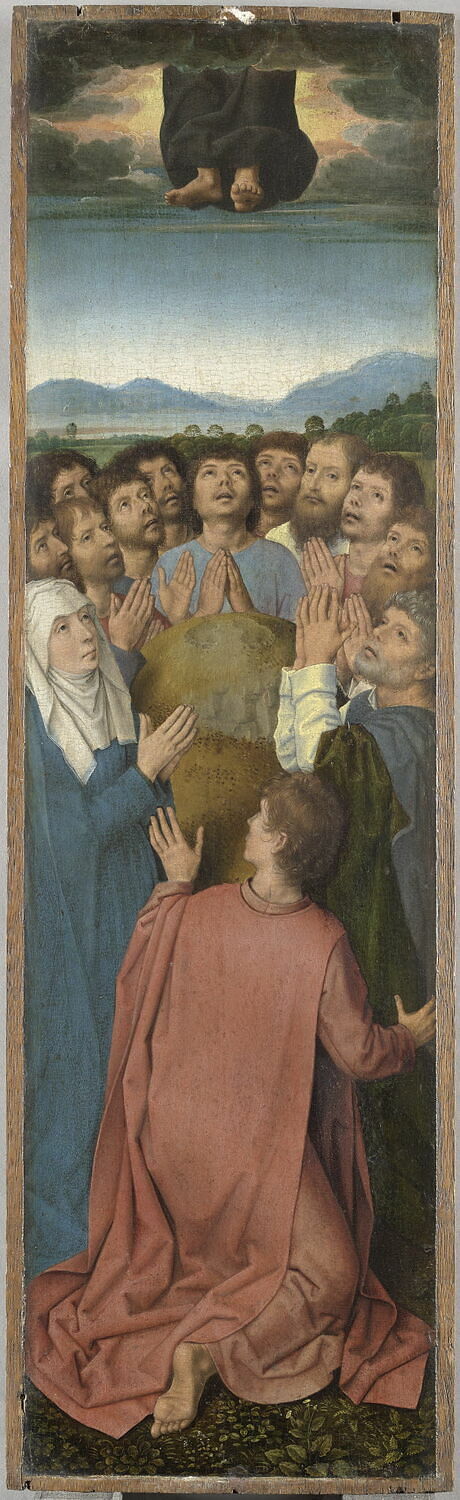 The Ascension of ChristHans Memling, 1485
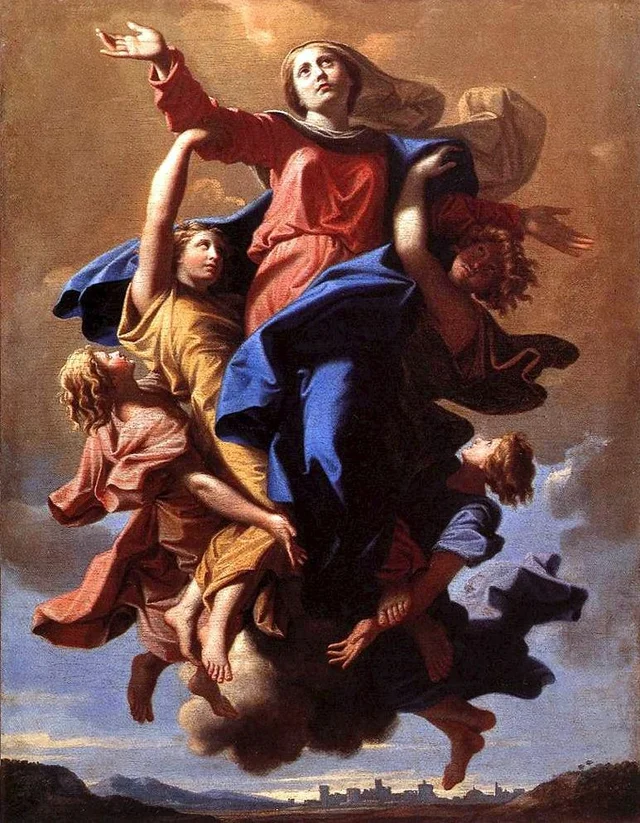 The Assumption of the VirginNicolas Poussin, 1649
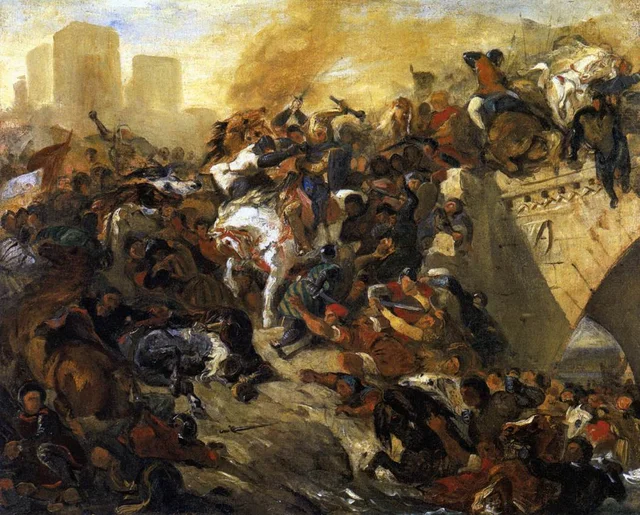 The Battle of Taillebourg Won by Saint LouisEugène Delacroix, 1837
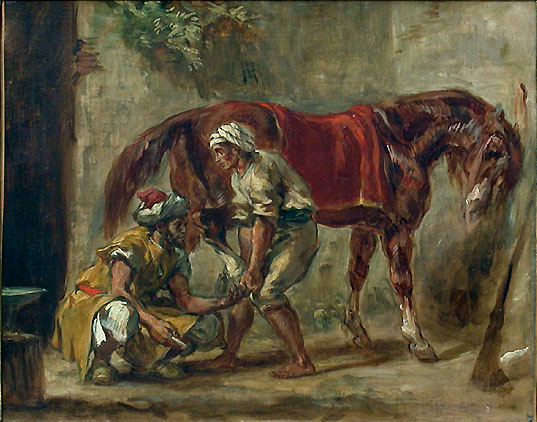 The BlacksmithEugène Delacroix, 1850
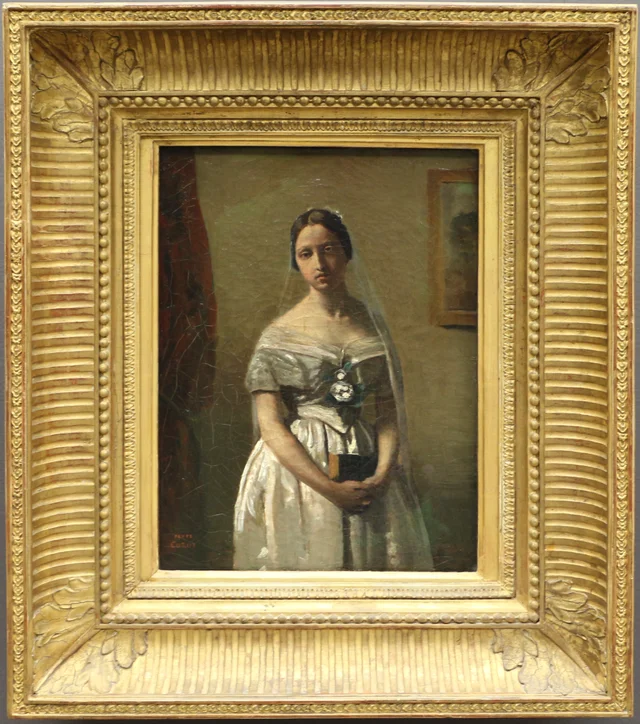 The BrideJean-Baptiste Camille Corot
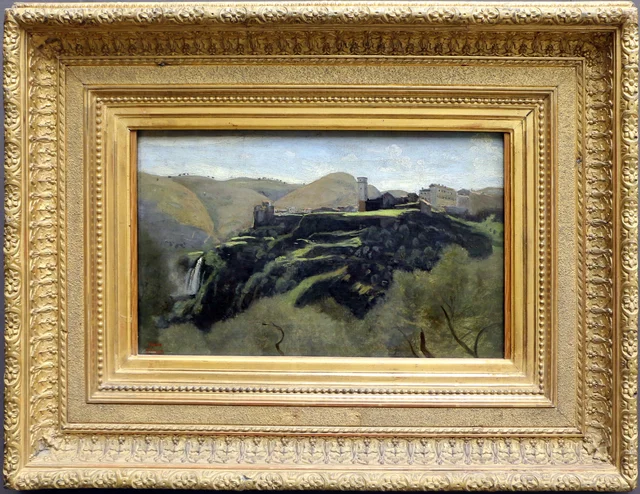 The Cascatelles, TivoliJean-Baptiste Camille Corot, 1843
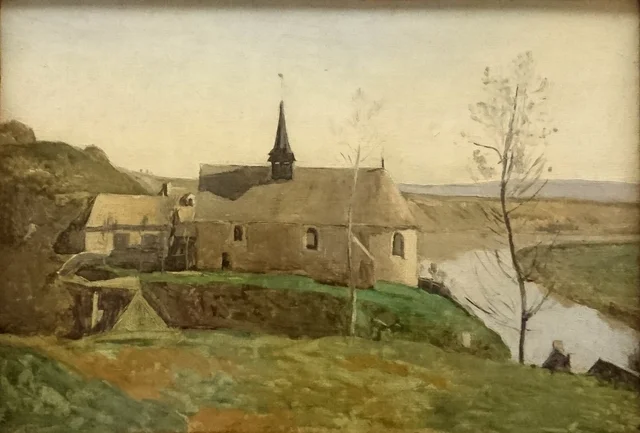 The Church at Rolleboise near MantesJean-Baptiste Camille Corot, 1852
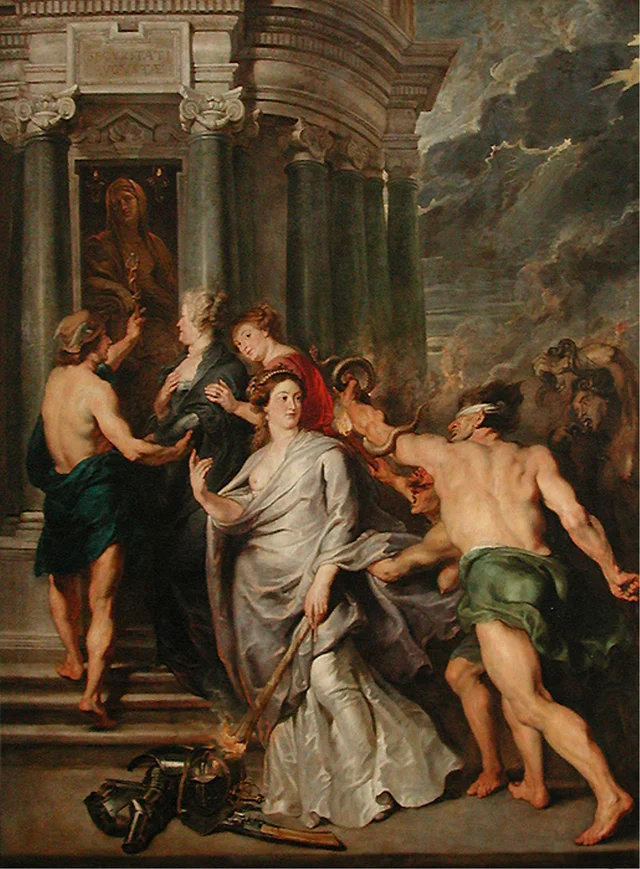 The conclusion of peace in Angers, 10 August 1620Peter Paul Rubens, 1623
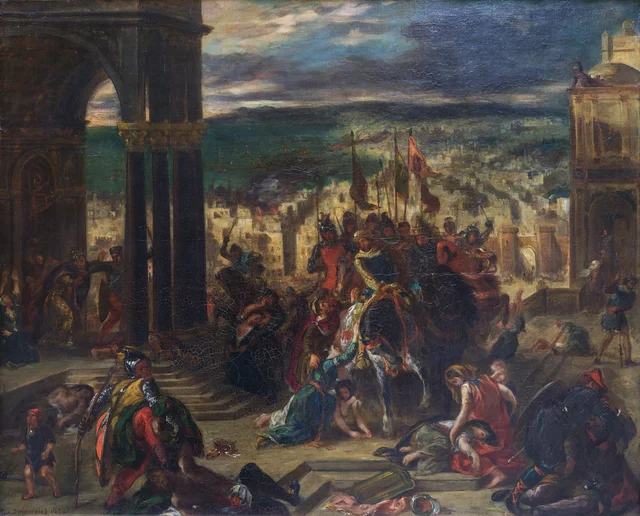 The Entry of the Crusaders into ConstantinopleEugène Delacroix, 1852
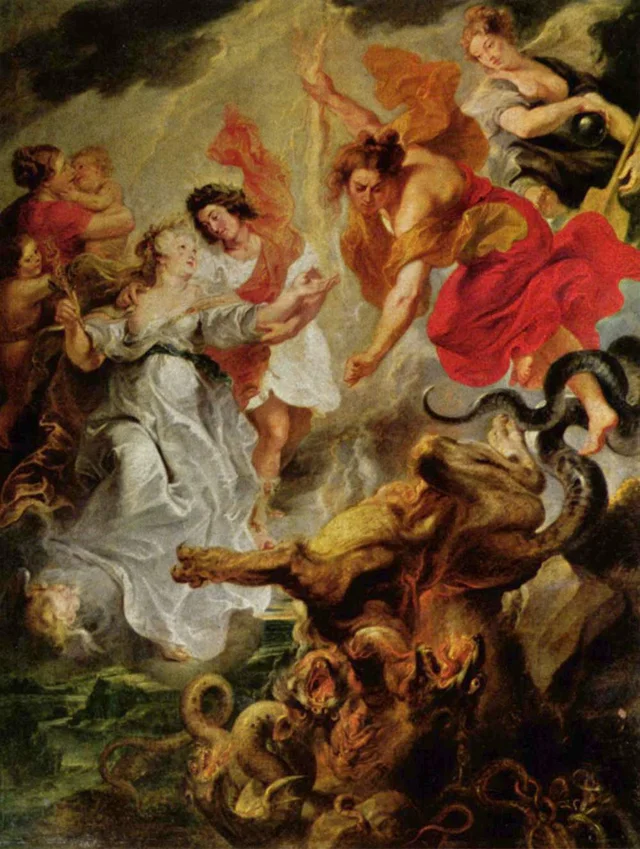 The final reconciliation between Maria de' Medici and her son, Louis XIII of France, 1622-1625Peter Paul Rubens, 1623
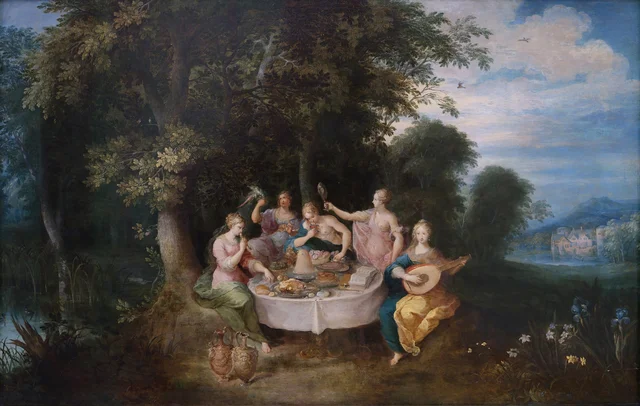 The Five SensesFrans Francken the Younger, 1612
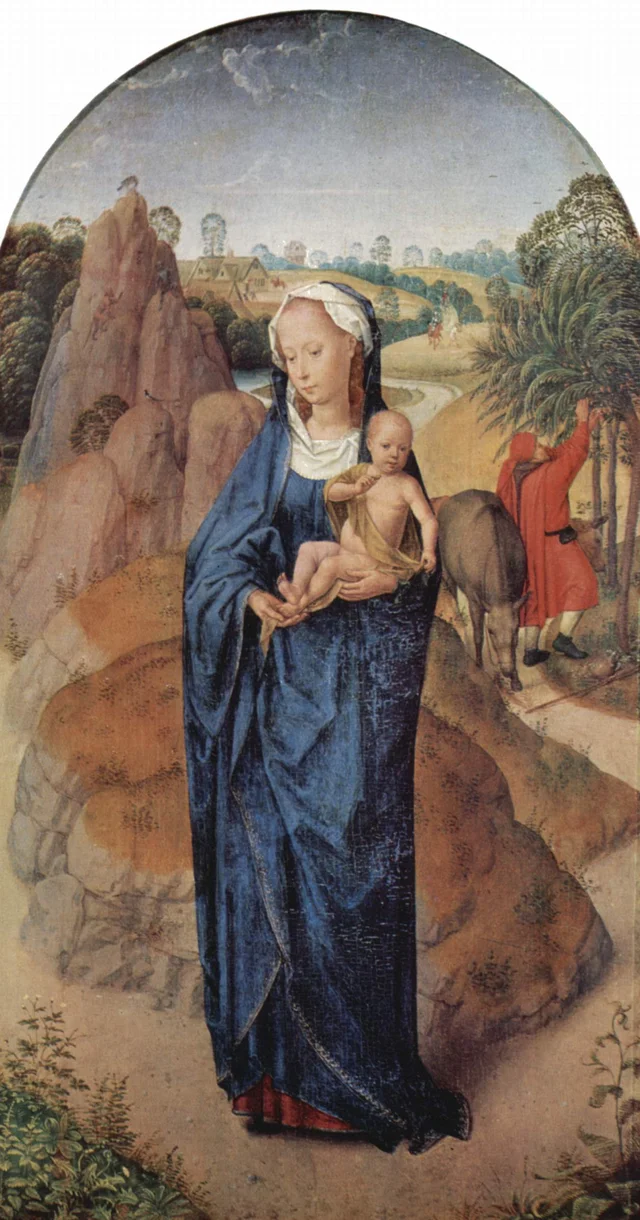 The Flight into EgyptHans Memling, 1470
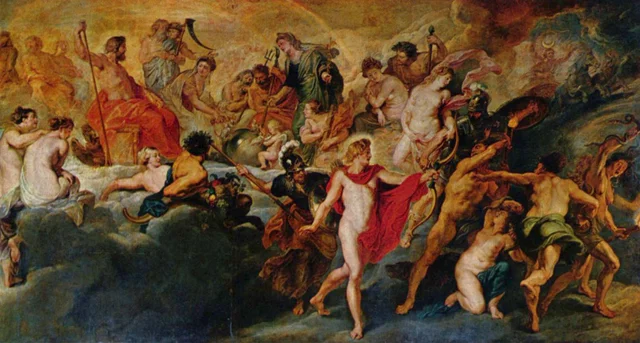 The gathering of the gods on Olympus chasing the Vices, 1622-1625Peter Paul Rubens, 1623
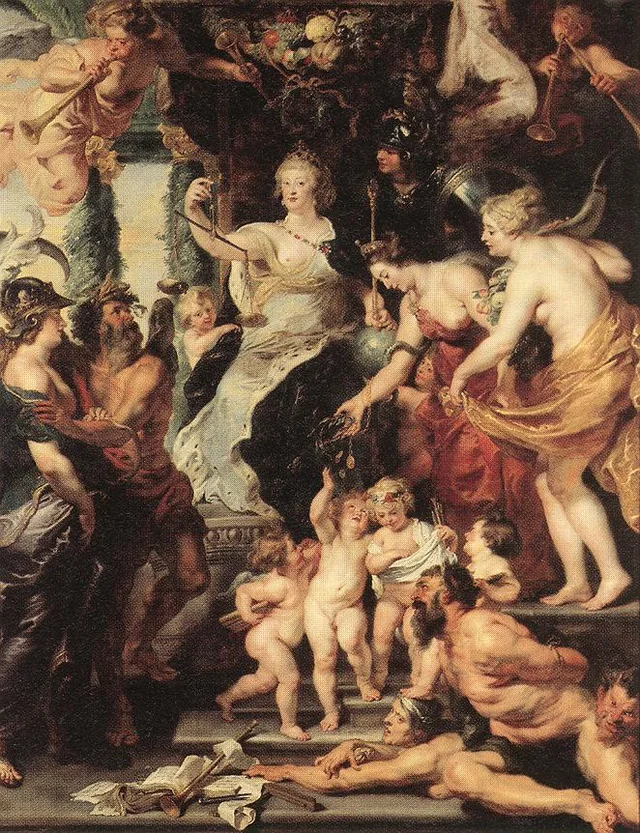 The Happiness of the RegencyPeter Paul Rubens, 1625
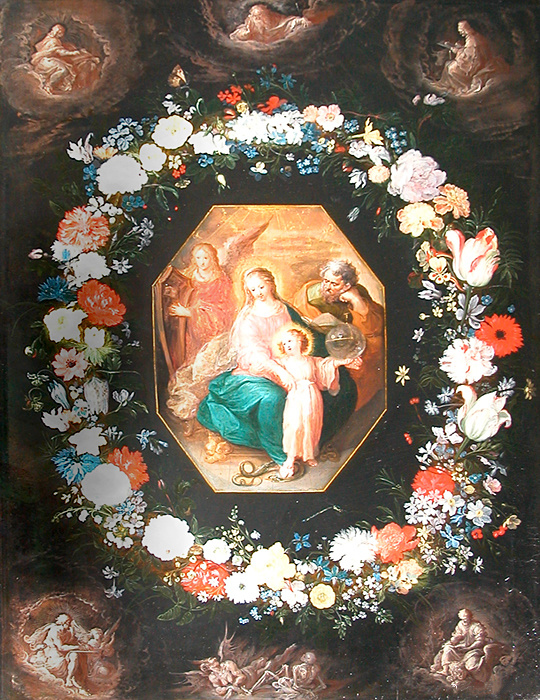 The Holy Family in a garland of flowersFrans Francken the Younger, 1620
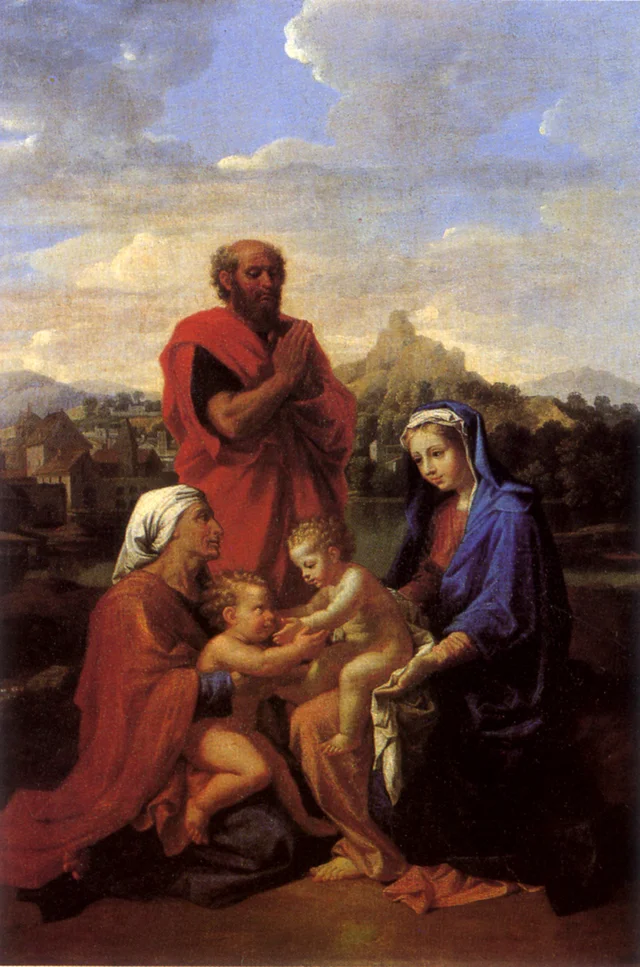 The Holy Family with Saint John Saint Elizabeth and Saint Joseph PrayingNicolas Poussin, 1656
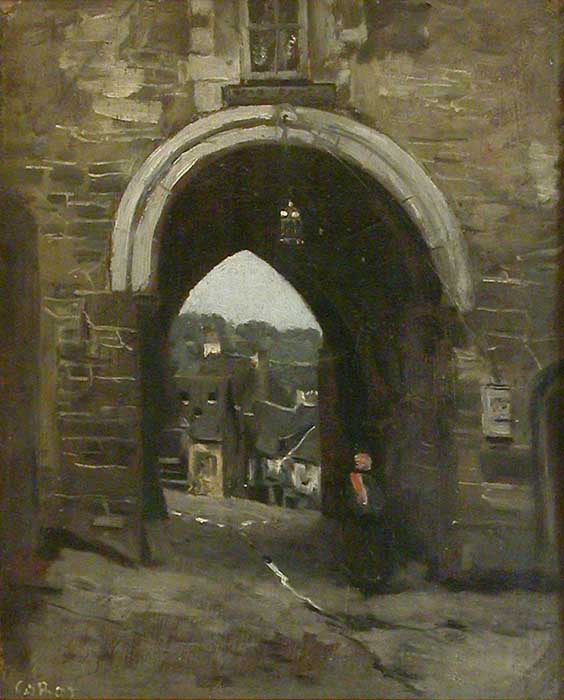 The Jerzual Gate in DinanJean-Baptiste Camille Corot, 1860
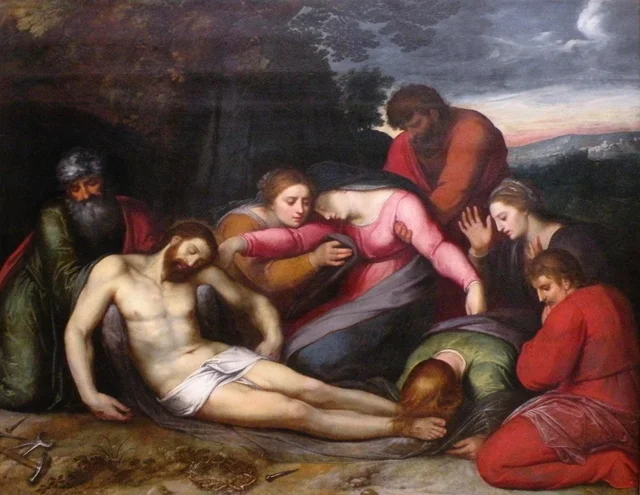 The Lamentation over ChristOtto van Veen, 1590
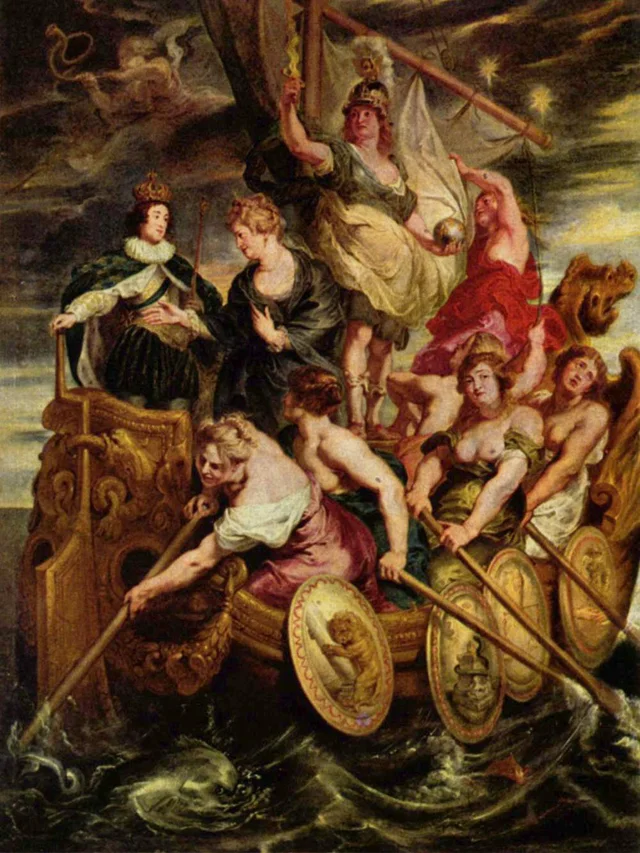 The Majority of Louis XIII, 20 October 1614Peter Paul Rubens, 1623
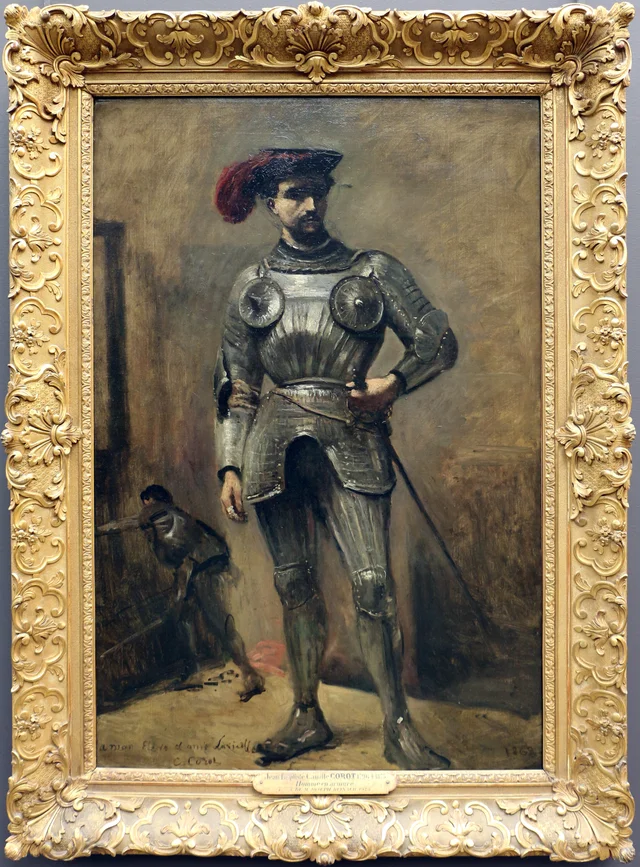 The Man in ArmorJean-Baptiste Camille Corot, 1868
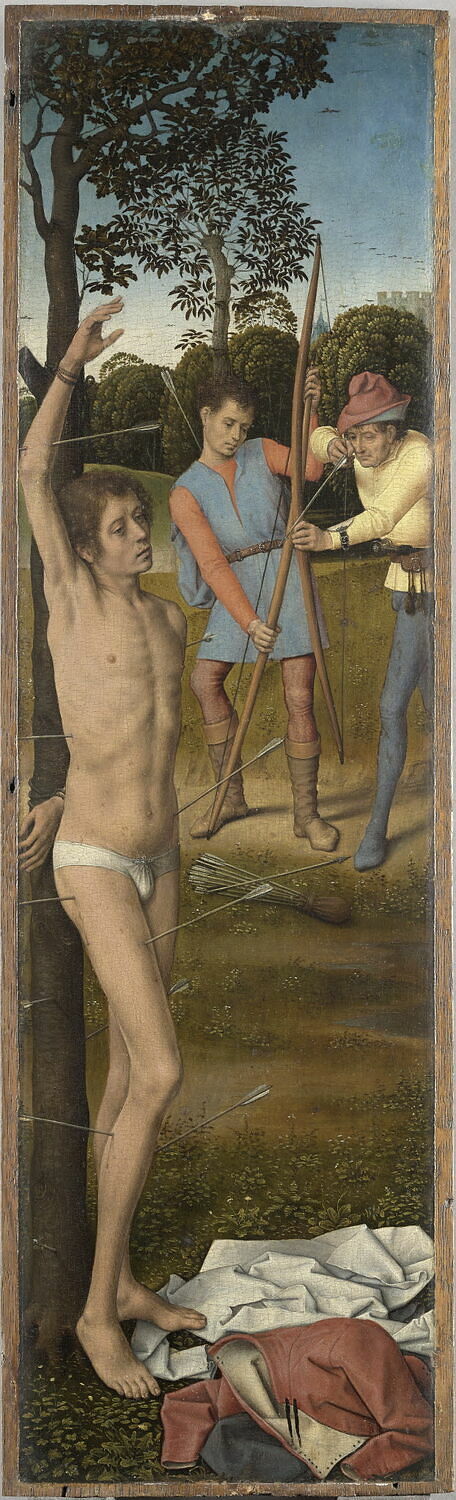 The Martyrdom of Saint SebastianHans Memling, 1485
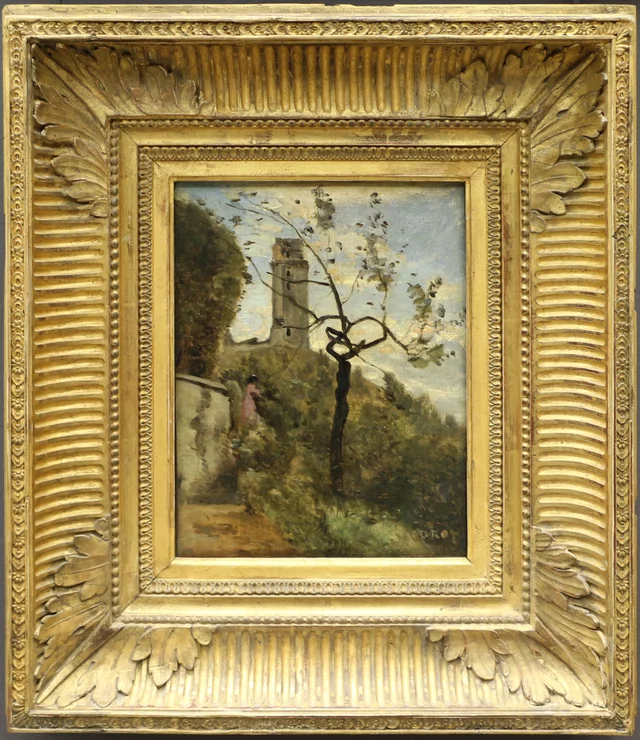 The Montlhéry TowerJean-Baptiste Camille Corot, 1865
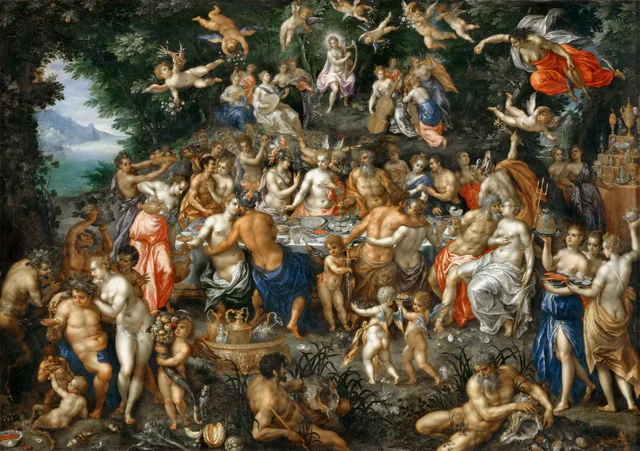 The Nuptials of Thetis and PeleusHendrick de Clerck, 1612
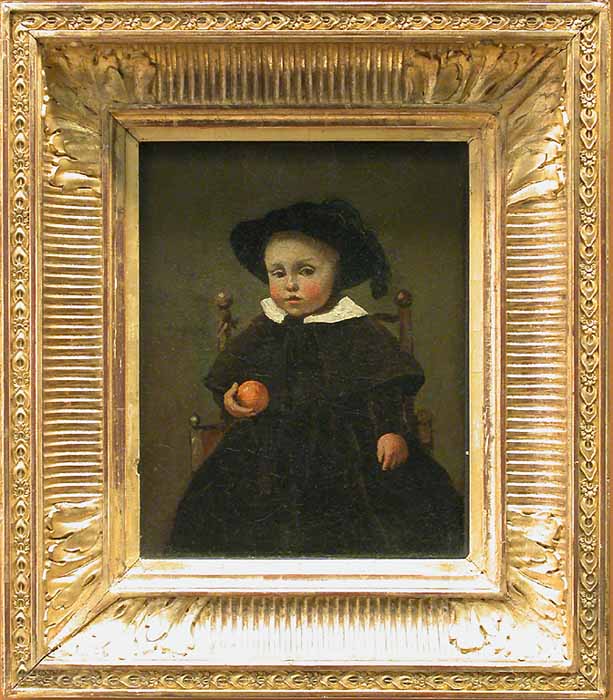 The Painter Adolphe Desbrochers, child, holding an orangeJean-Baptiste Camille Corot, 1845
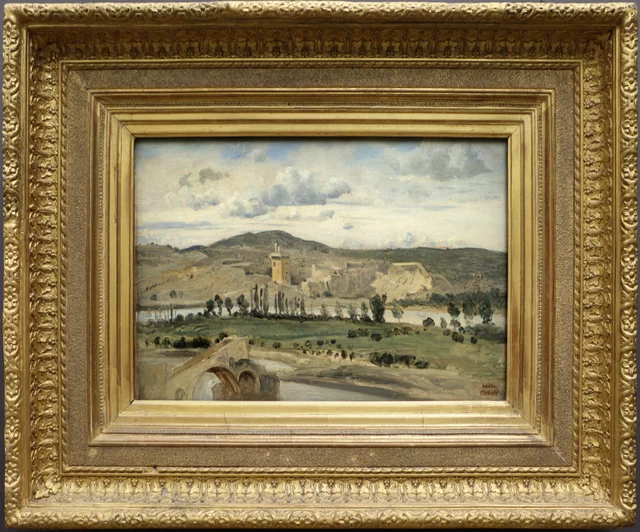 The Philippe le Bel Tower, Villeneuve-lès-AvignonJean-Baptiste Camille Corot, 1843