
The story
The Louvre began as a fortress. Philip II raised it on the right bank of the Seine around 1190 to guard medieval Paris, and over the following centuries French kings rebuilt it into a royal palace, until Louis XIV moved his court to Versailles in 1682 and left the half-finished halls to the royal collection and the artists lodged inside.
The Revolution turned it into a public museum. On 10 August 1793 the Muséum central des arts opened its doors, showing the confiscated art of the crown and the church to any citizen who wished to walk in. Napoleon filled it with the spoils of his campaigns and briefly renamed it after himself. Much was returned after Waterloo, but the idea held, a national collection arranged for study and free to the public.
Today the Louvre holds more than 35,000 works, from the Venus de Milo to Géricault's Raft of the Medusa. The crowds, though, press toward one small portrait. In August 1911 it vanished: Vincenzo Peruggia, an Italian handyman who had worked in the museum, lifted Leonardo's Mona Lisa off the wall and carried it out under his coat. For two years the frame hung empty while visitors came to stare at the gap, and the painting returned only in 1913, after Peruggia tried to sell it to a dealer in Florence. I. M. Pei's glass pyramid, set in the courtyard in 1989, now marks the entrance.
More articles

Collection
1,174 works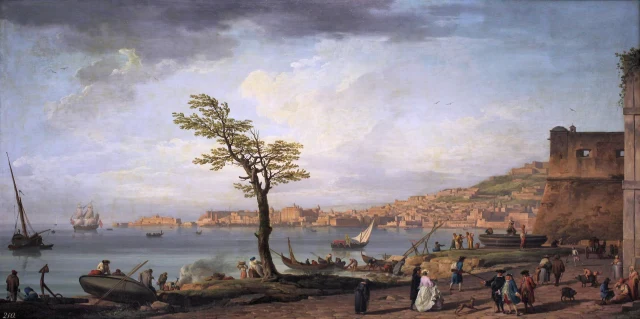 View of the Bay of NaplesJoseph Vernet, 1748
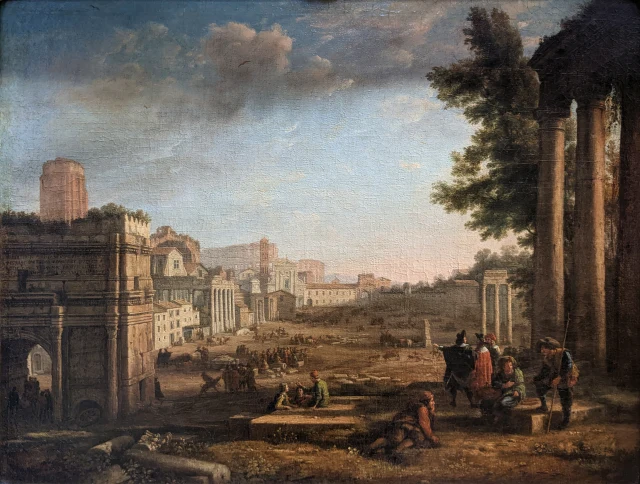 View of the Campo Vaccino, RomeClaude Lorrain, 1636
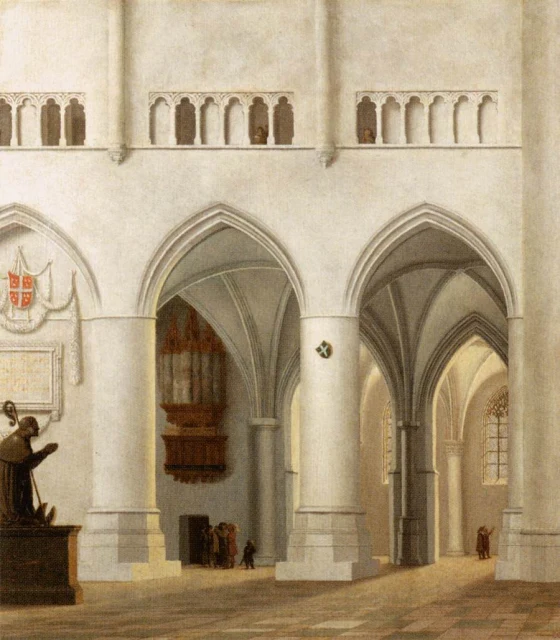 View of the Choir of the Church of Saint Bavo in Haarlem with the Imaginary Tomb of a BishopPieter Jansz. Saenredam, 1630
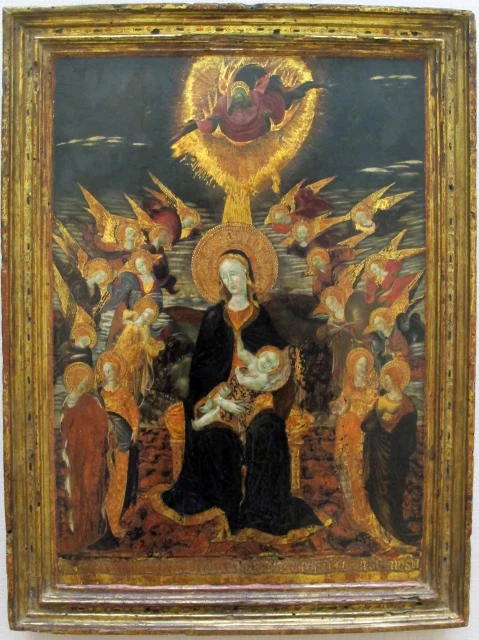 Virgin and Child Surrounded by Angels and Female Saints, with God the Father BlessingPietro di Giovanni d'Ambrogio, 1430
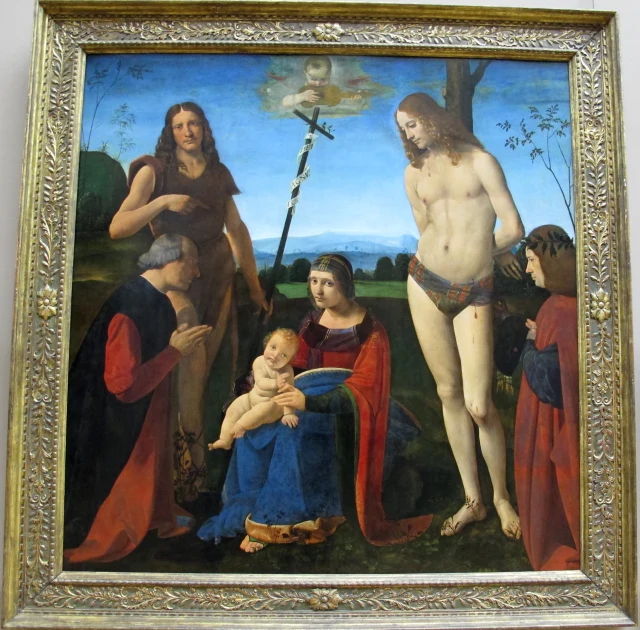 Virgin and Child with Saints John the Baptist and Sebastian and Two Donors (The Casio Altarpiece)Giovanni Antonio Boltraffio, 1500
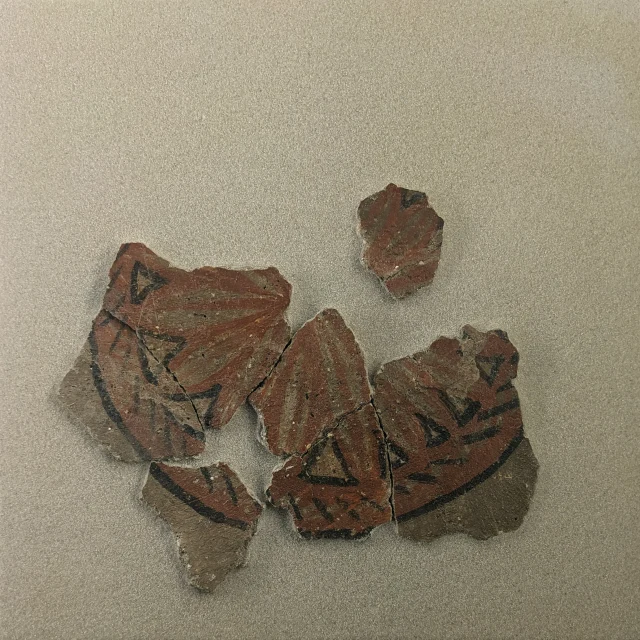 Wall Painting Fragments with a Half-Rosette, from Dura-EuroposUnknown Dura-Europos painter, 200
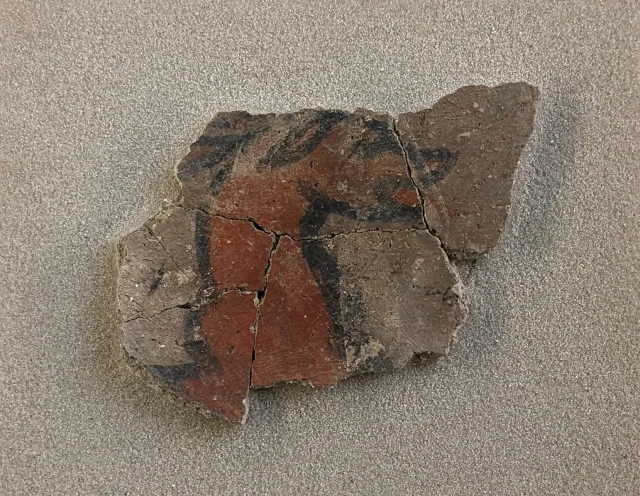 Wall Painting Fragments with an Animal Head, from Dura-EuroposUnknown Dura-Europos painter, 200
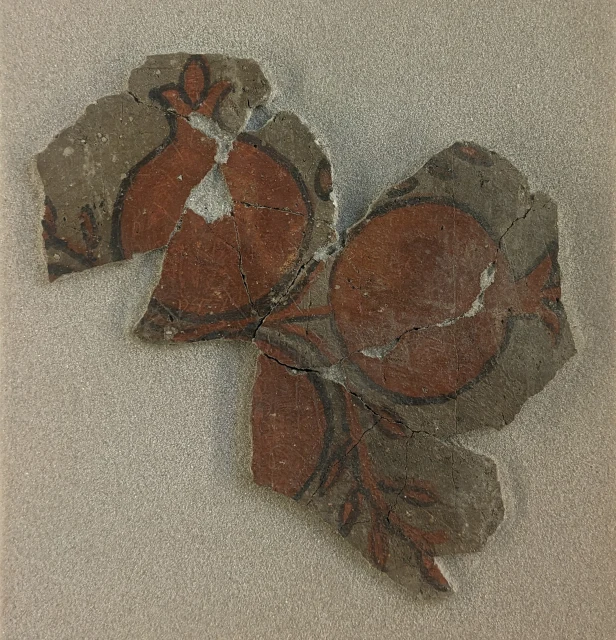 Wall Painting Fragments with Pomegranates and a Greek Inscription, from Dura-EuroposUnknown Dura-Europos painter, 200
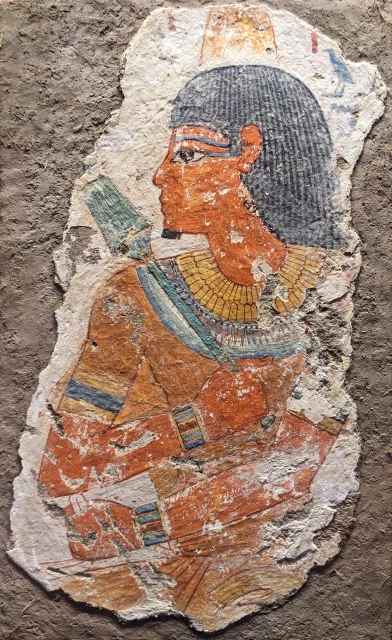 Wall Painting Fragment with a Man Holding a Kherep SceptreUnknown Egyptian artist (18th Dynasty), -1368
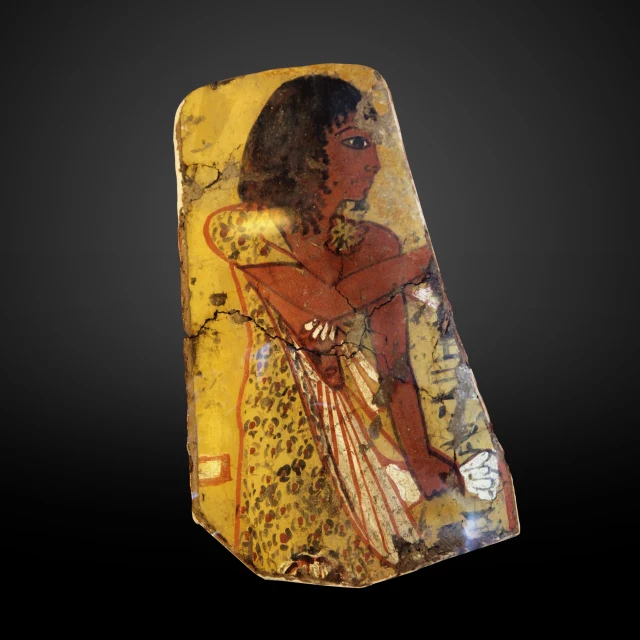 Wall Painting Fragment with a Priest from a Burial SceneUnknown Egyptian artist (Ramesside period), -1242
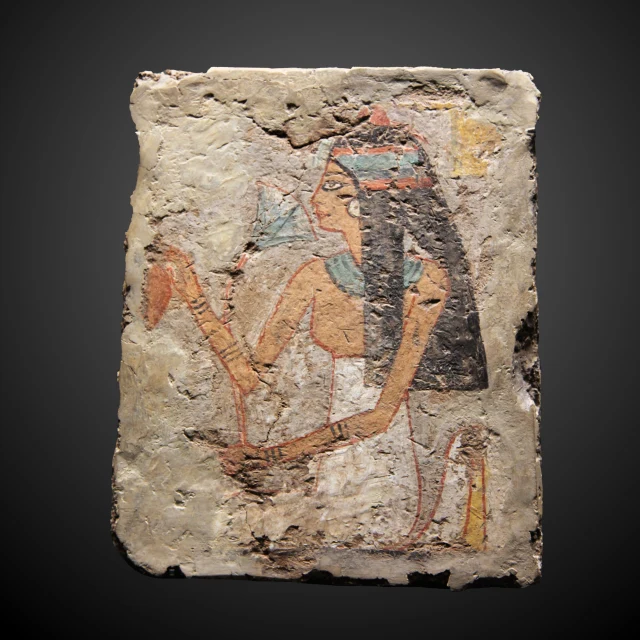 Wall Painting Fragment with a Seated Woman Smelling a Lotus FlowerUnknown Egyptian artist (Ramesside period), -1182
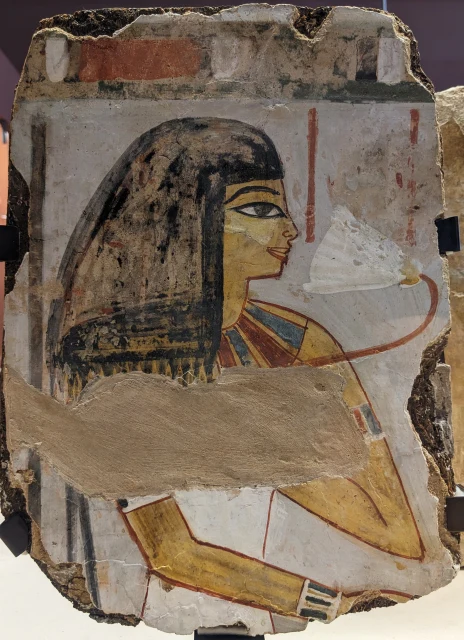 Wall Painting Fragment with a Woman Smelling a Lotus FlowerUnknown Egyptian artist (18th Dynasty), -1393
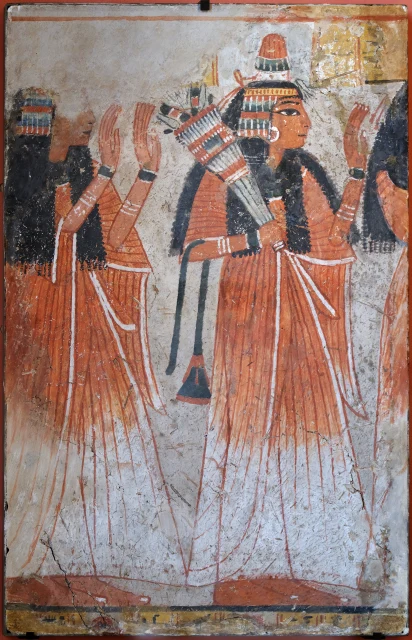 Wall Painting Fragment with Two Women in Ceremonial DressUnknown Egyptian artist (Ramesside period), -1182
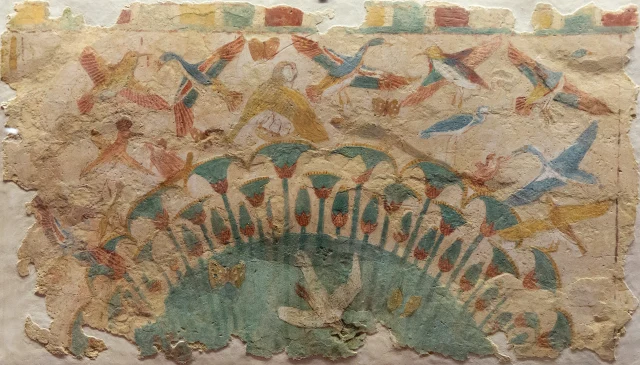 Wall Painting of Birds over a Papyrus Thicket, from the Tomb of NeferhotepUnknown Egyptian artist (18th Dynasty), -1438
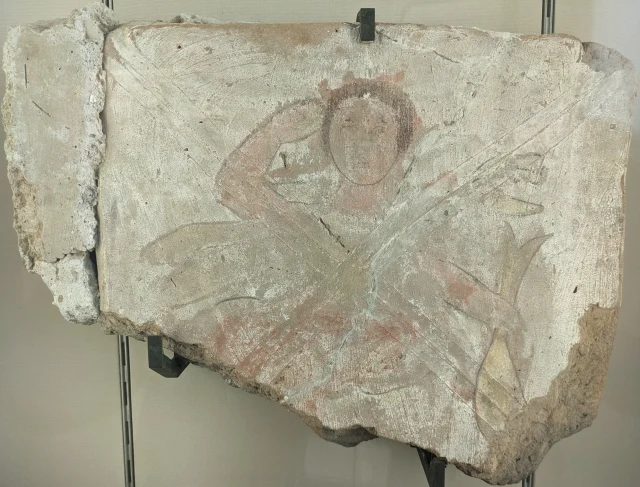 Wall Painting with a Figure Holding a Fish, from Dura-EuroposUnknown Dura-Europos painter, 245
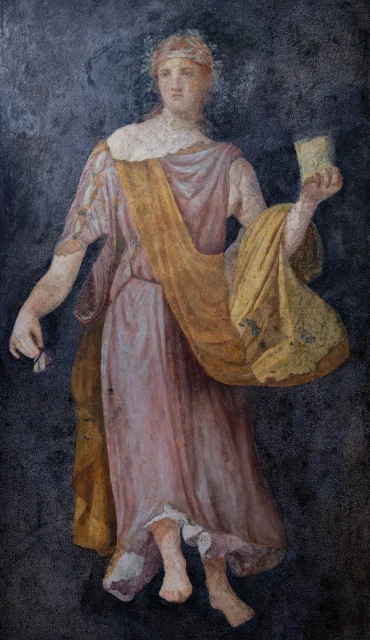 Wall Painting with a Figure of SpringUnknown Roman painter, 88
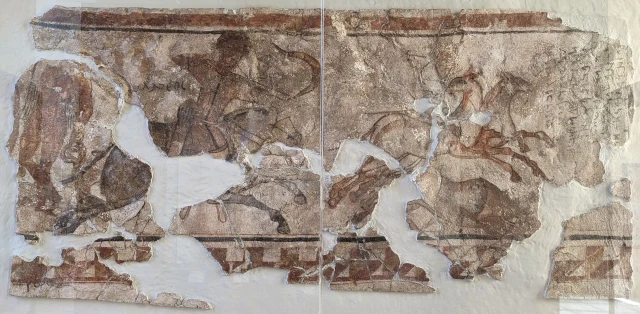 Wall Painting with an Onager Hunt, from Dura-EuroposUnknown Dura-Europos painter, 194
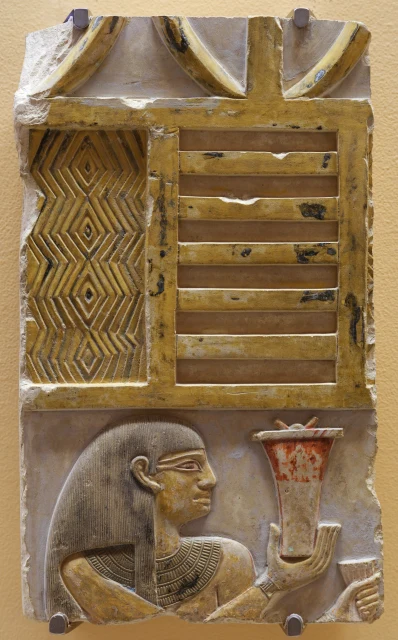 Wall Relief of a Woman Bringing an Offering VaseUnknown Egyptian artist (Middle Kingdom), -2020
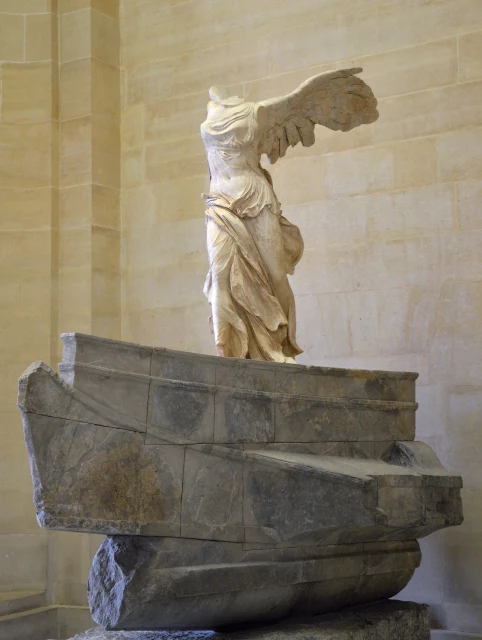 Winged Victory of SamothraceUnknown Greek sculptor (Hellenistic, Rhodian), -190
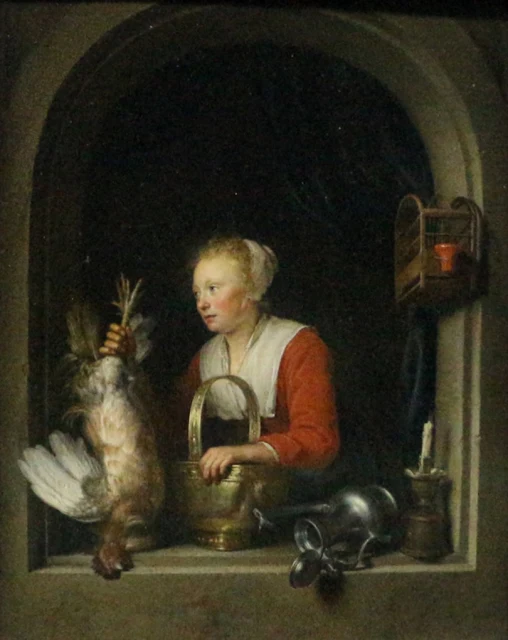 Woman Holding a Dead CockerelGerrit Dou, 1650
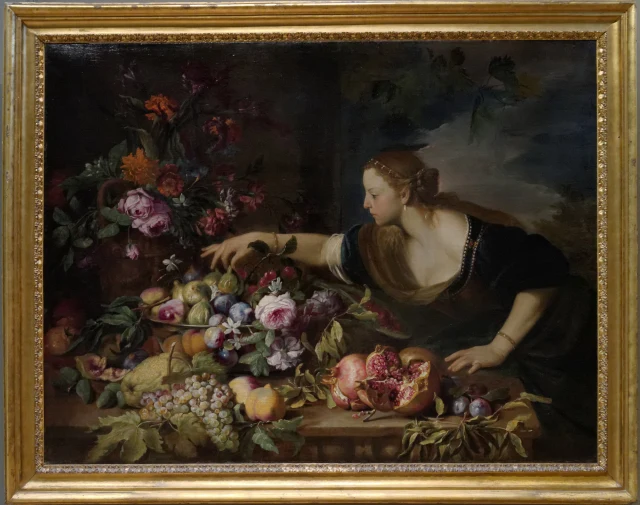 Woman Taking Fruit from a Bowl of Flowers and FruitAbraham Brueghel, 1669
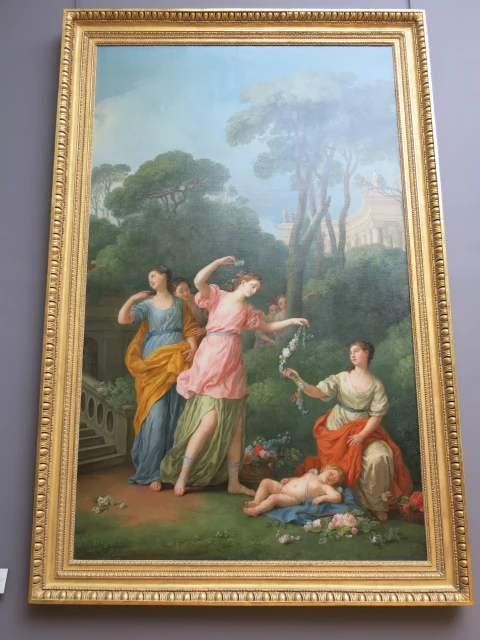 Young Greek Maidens Adorning Sleeping Cupid with FlowersJoseph-Marie Vien, 1773
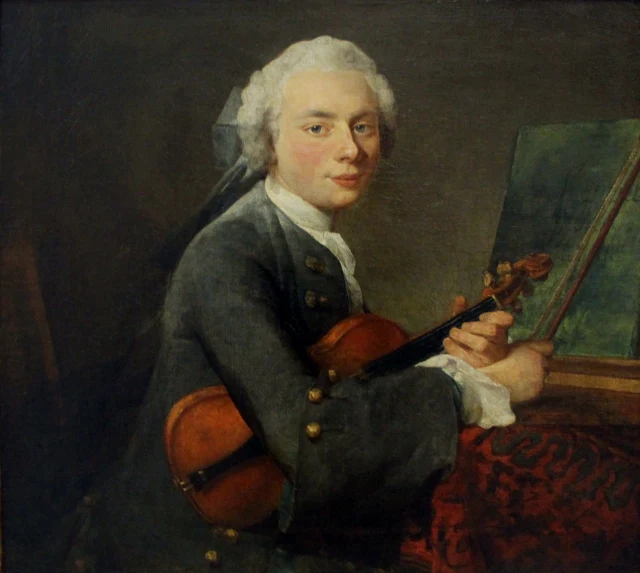 Young Man with a Violin (Charles-Théodose Godefroy)Jean-Baptiste-Siméon Chardin, 1735
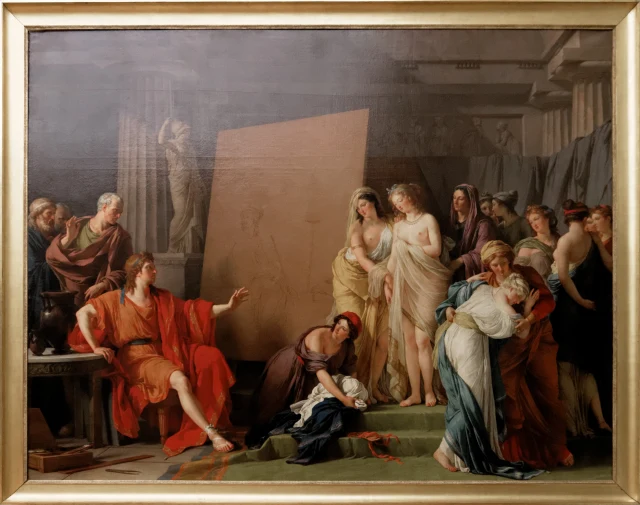 Zeuxis Choosing Models from the Beautiful Women of CrotonFrançois-André Vincent, 1789