
The story
The Louvre began as a fortress. Philip II raised it on the right bank of the Seine around 1190 to guard medieval Paris, and over the following centuries French kings rebuilt it into a royal palace, until Louis XIV moved his court to Versailles in 1682 and left the half-finished halls to the royal collection and the artists lodged inside.
The Revolution turned it into a public museum. On 10 August 1793 the Muséum central des arts opened its doors, showing the confiscated art of the crown and the church to any citizen who wished to walk in. Napoleon filled it with the spoils of his campaigns and briefly renamed it after himself. Much was returned after Waterloo, but the idea held, a national collection arranged for study and free to the public.
Today the Louvre holds more than 35,000 works, from the Venus de Milo to Géricault's Raft of the Medusa. The crowds, though, press toward one small portrait. In August 1911 it vanished: Vincenzo Peruggia, an Italian handyman who had worked in the museum, lifted Leonardo's Mona Lisa off the wall and carried it out under his coat. For two years the frame hung empty while visitors came to stare at the gap, and the painting returned only in 1913, after Peruggia tried to sell it to a dealer in Florence. I. M. Pei's glass pyramid, set in the courtyard in 1989, now marks the entrance.
More articles

Collection
1,174 works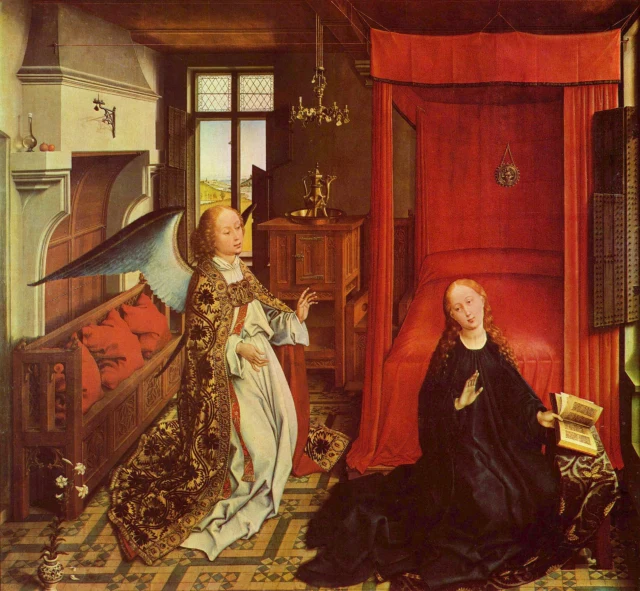 The AnnunciationWorkshop of Rogier van der Weyden, 1440
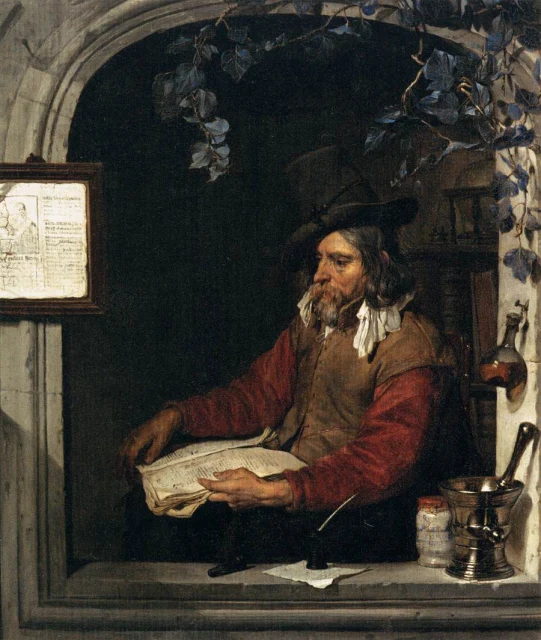 The ApothecaryGabriel Metsu, 1661
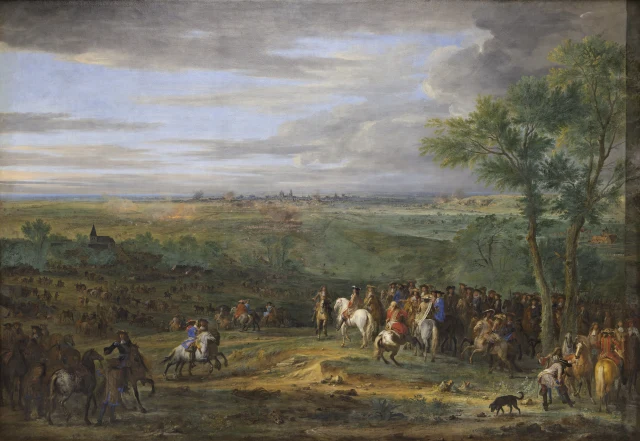 The Arrival of Louis XIV at the Camp before Maastricht, June 1673Adam Frans van der Meulen, 1686
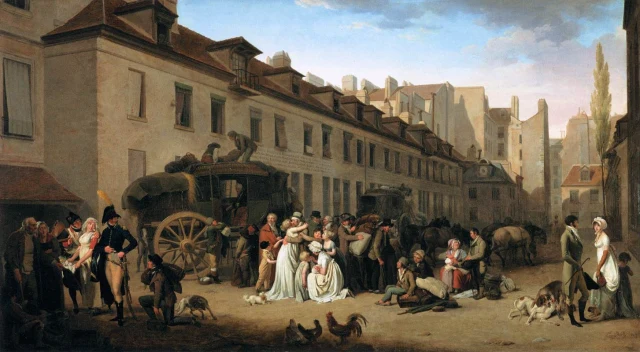 The Arrival of the StagecoachLouis-Léopold Boilly, 1803
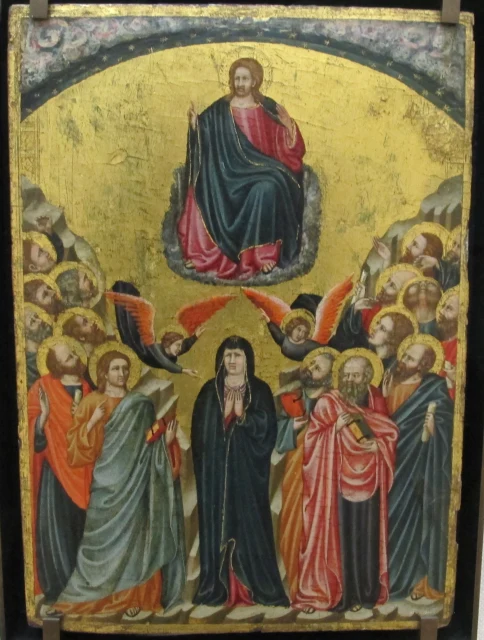 The AscensionUnknown Italian painter (Padua, 14th century), 1325
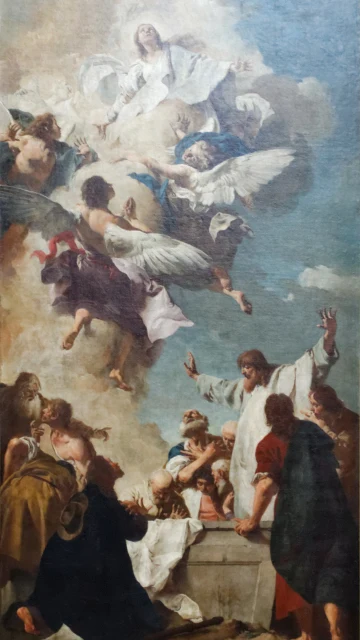 The Assumption of the VirginGiovanni Battista Piazzetta, 1735
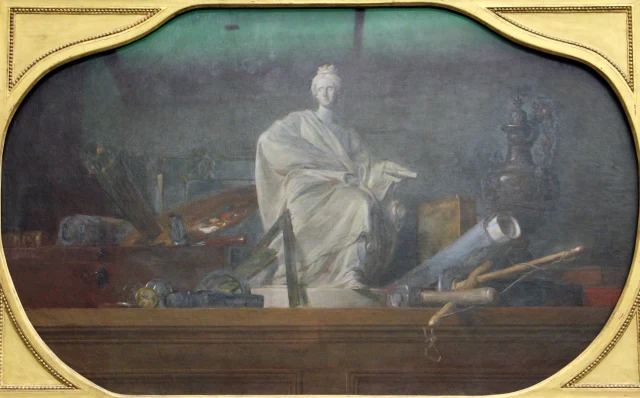 The Attributes of the ArtsJean-Baptiste-Siméon Chardin, 1765
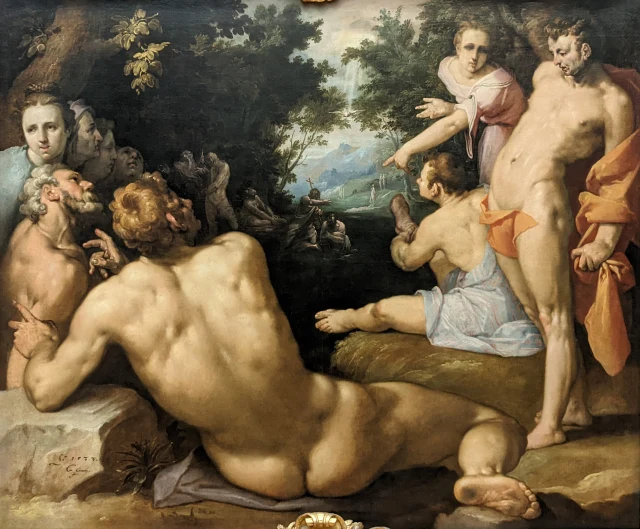 The Baptism of ChristCornelis van Haarlem, 1588
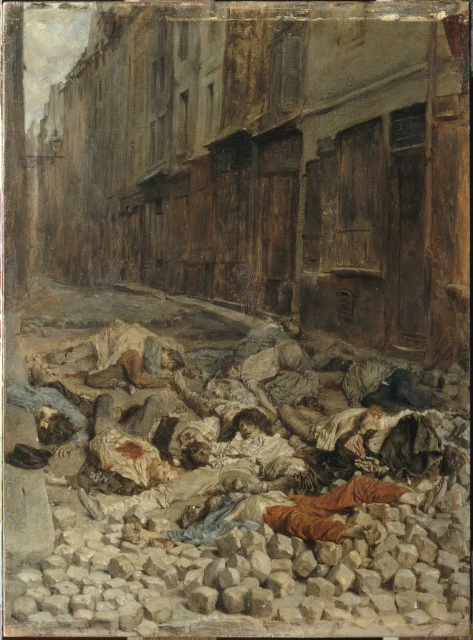 The Barricade, rue de la Mortellerie, June 1848Jean-Louis-Ernest Meissonier, 1850
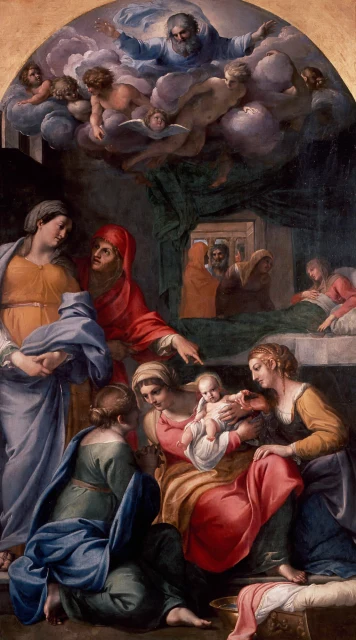 The Birth of the VirginAnnibale Carracci, 1607
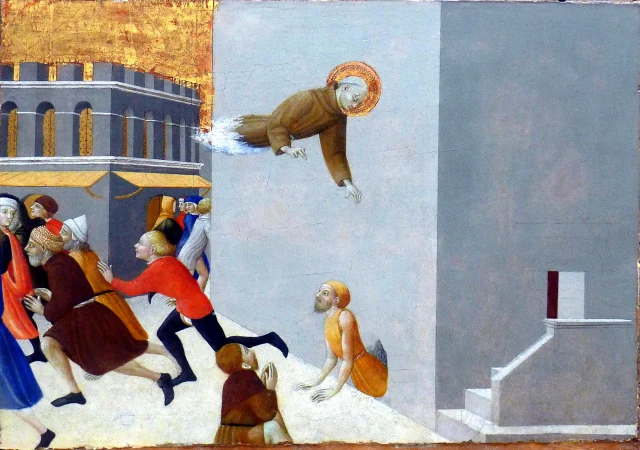 The Blessed Ranieri Rasini Freeing the Poor from a Prison in FlorenceSassetta, 1440
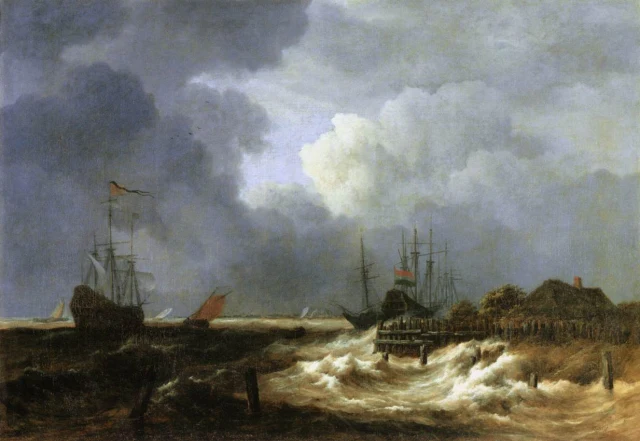 The BreakwaterJacob van Ruisdael, 1670
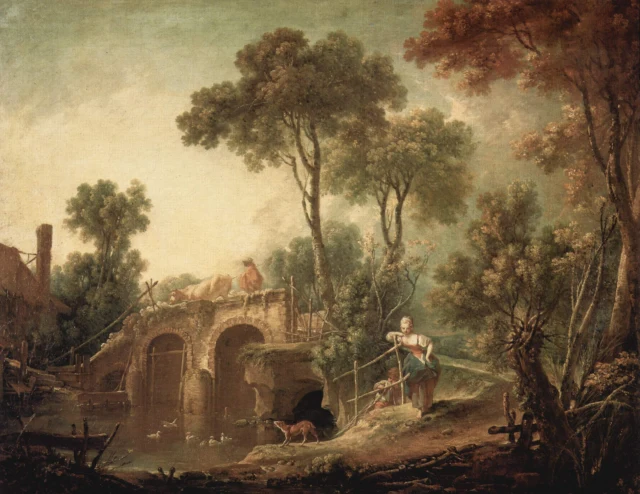 The BridgeFrançois Boucher, 1751
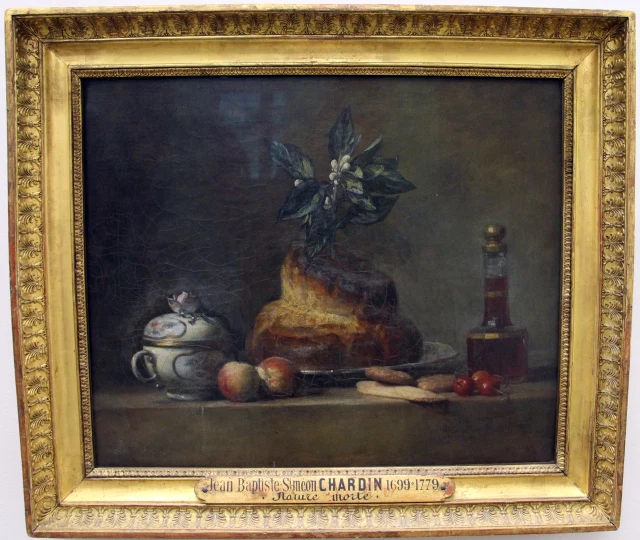 The BriocheJean-Baptiste-Siméon Chardin, 1763
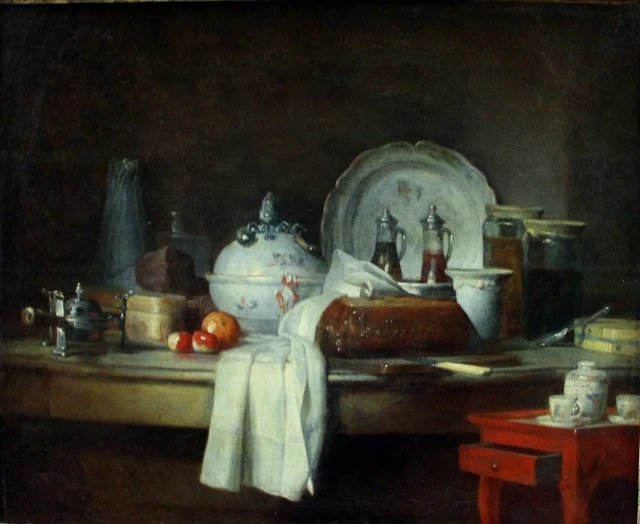 The Butler's Table (The Remains of a Lunch)Jean-Baptiste-Siméon Chardin, 1763
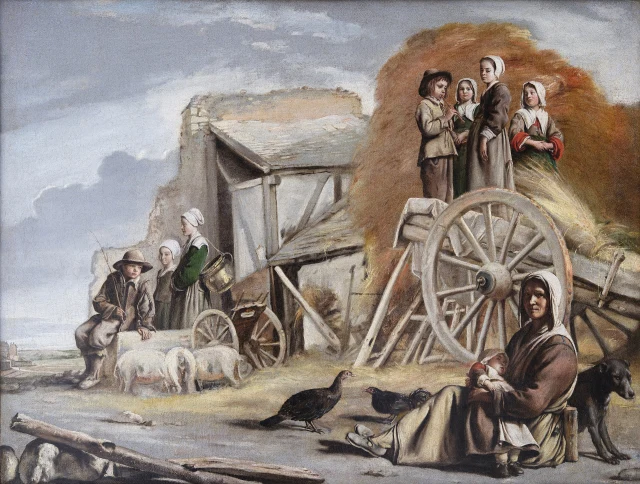 The Cart (Return from Haymaking)Louis Le Nain, 1641
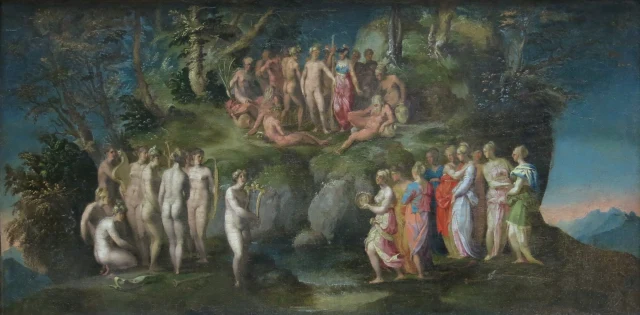 The Challenge of the PieridesRosso Fiorentino, 1525
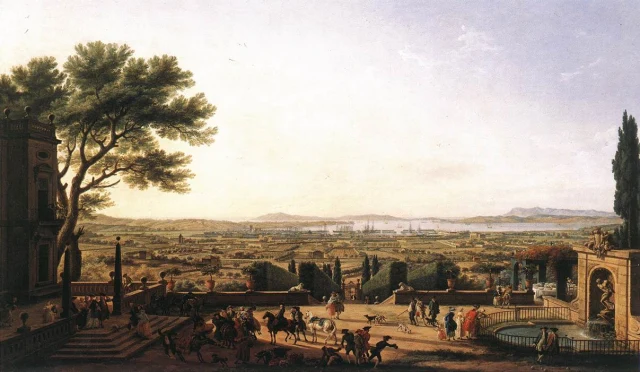 The City and Bay of ToulonJoseph Vernet, 1756
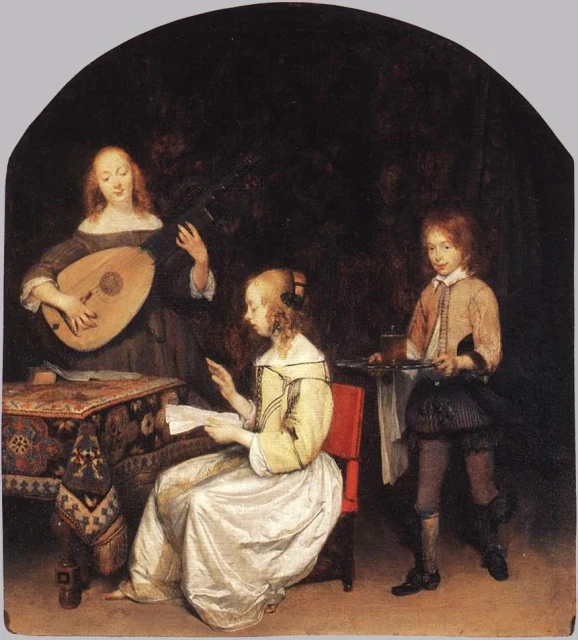 The Concert: Singer and Theorbo PlayerGerard ter Borch, 1657
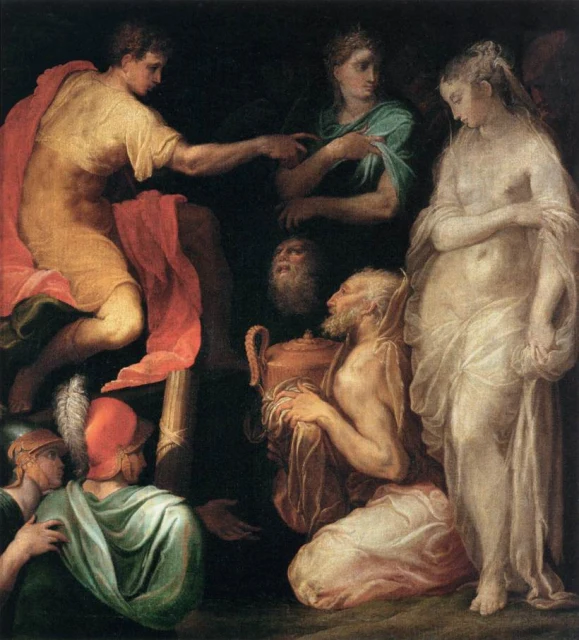 The Continence of ScipioNiccolò dell'Abbate, 1555
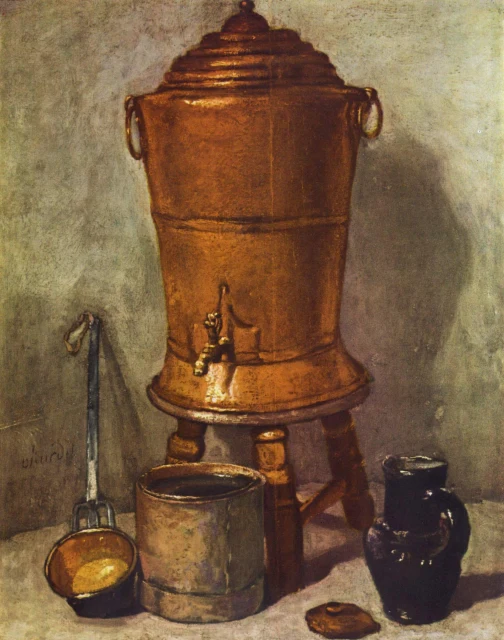 The Copper CisternJean-Baptiste-Siméon Chardin, 1733
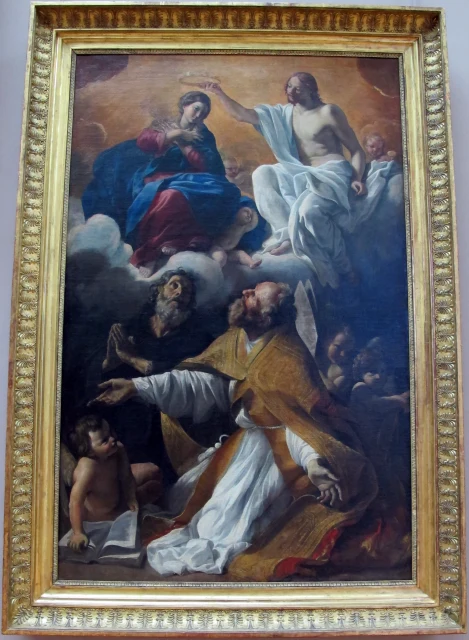 The Coronation of the Virgin with Saint Augustine and Saint William of AquitaineGiovanni Lanfranco, 1615
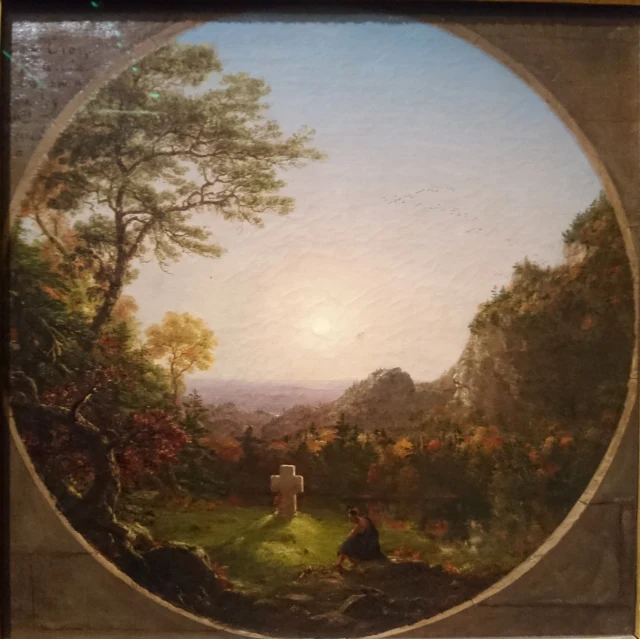 The Cross in the WildernessThomas Cole, 1845
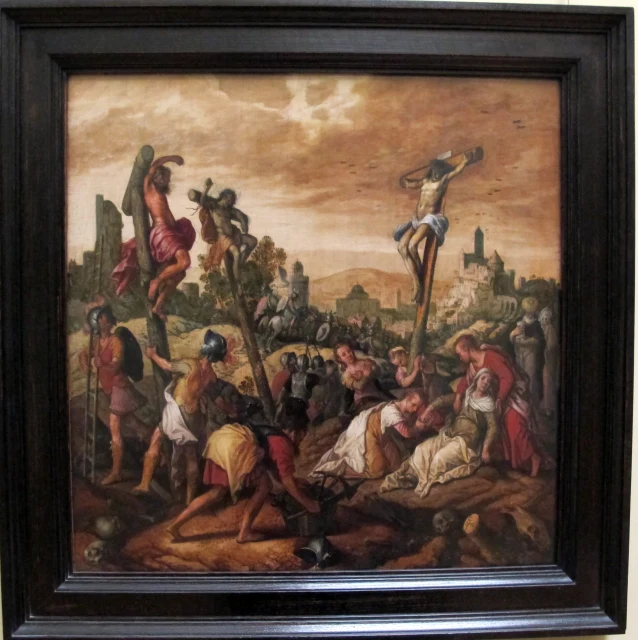 The CrucifixionJoachim Beuckelaer, 1567
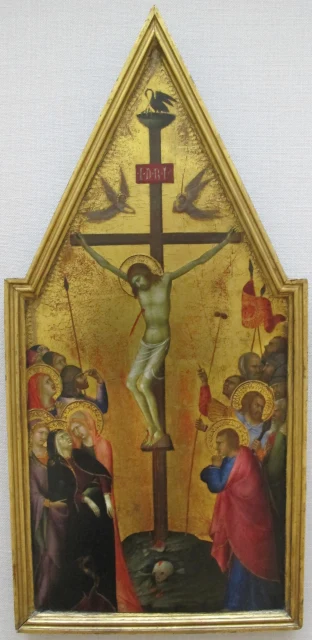 The CrucifixionWorkshop of the Memmi family, 1340