
The story
The Louvre began as a fortress. Philip II raised it on the right bank of the Seine around 1190 to guard medieval Paris, and over the following centuries French kings rebuilt it into a royal palace, until Louis XIV moved his court to Versailles in 1682 and left the half-finished halls to the royal collection and the artists lodged inside.
The Revolution turned it into a public museum. On 10 August 1793 the Muséum central des arts opened its doors, showing the confiscated art of the crown and the church to any citizen who wished to walk in. Napoleon filled it with the spoils of his campaigns and briefly renamed it after himself. Much was returned after Waterloo, but the idea held, a national collection arranged for study and free to the public.
Today the Louvre holds more than 35,000 works, from the Venus de Milo to Géricault's Raft of the Medusa. The crowds, though, press toward one small portrait. In August 1911 it vanished: Vincenzo Peruggia, an Italian handyman who had worked in the museum, lifted Leonardo's Mona Lisa off the wall and carried it out under his coat. For two years the frame hung empty while visitors came to stare at the gap, and the painting returned only in 1913, after Peruggia tried to sell it to a dealer in Florence. I. M. Pei's glass pyramid, set in the courtyard in 1989, now marks the entrance.
More articles

Collection
1,174 works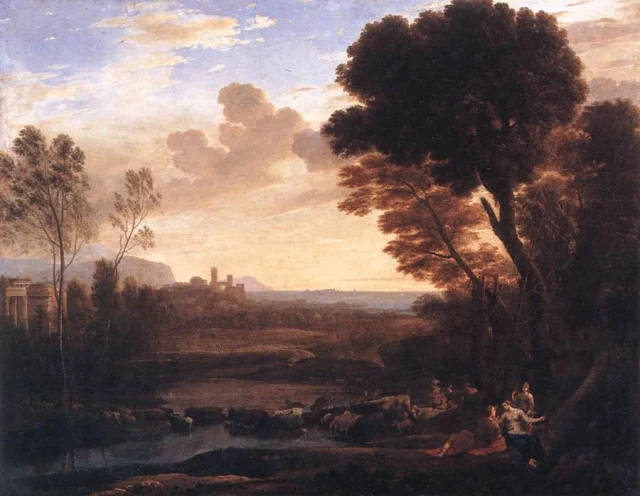 Landscape with Paris and Oenone ('The Ford')Claude Lorrain, 1648
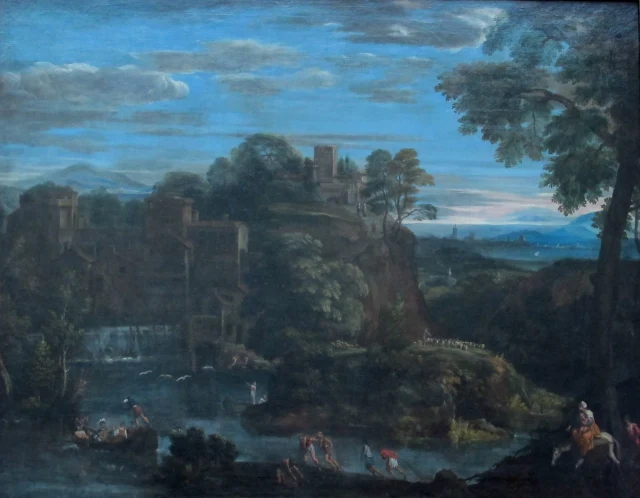 Landscape with the Flight into EgyptDomenichino, 1621
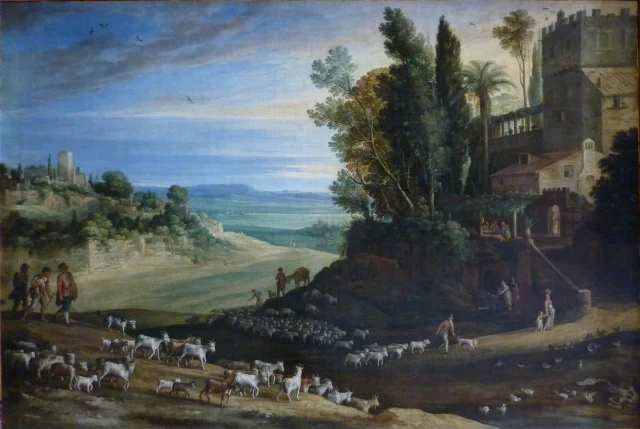 Landscape with the Pilgrims to Emmaus and the Allegory of the Two FlocksPaul Bril, 1617
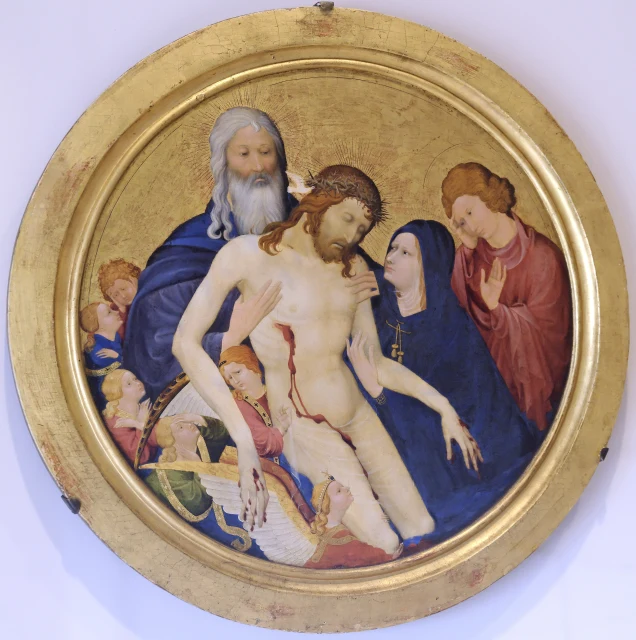 Large Round PietàAttributed to Jean Malouel, 1400
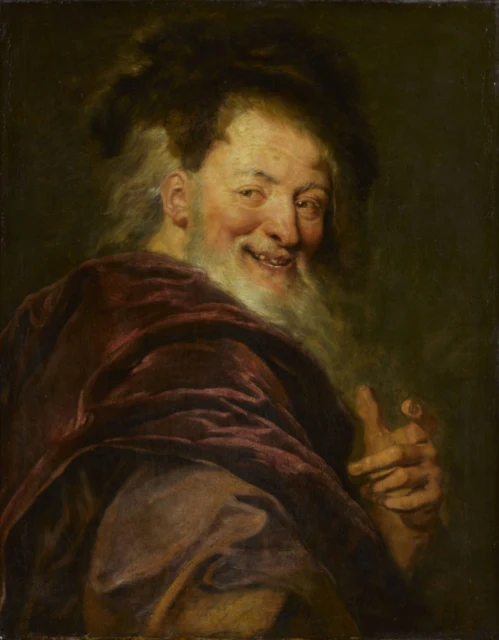 Laughing DemocritusAntoine Coypel, 1692
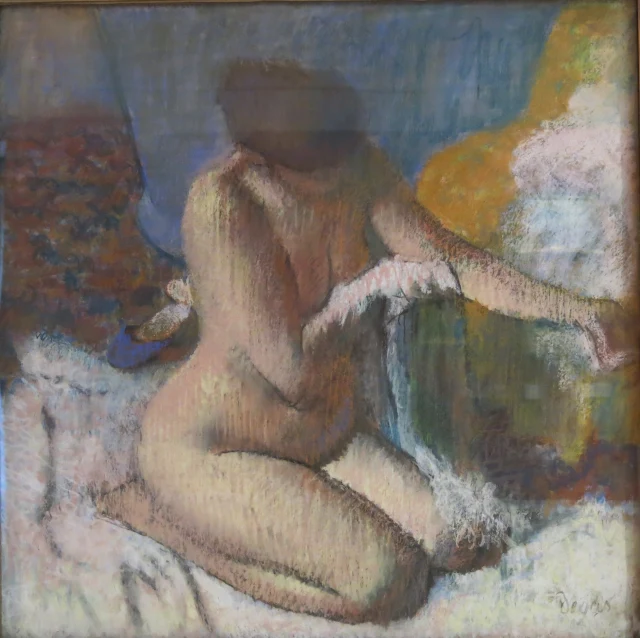 Leaving the BathEdgar Degas, 1895
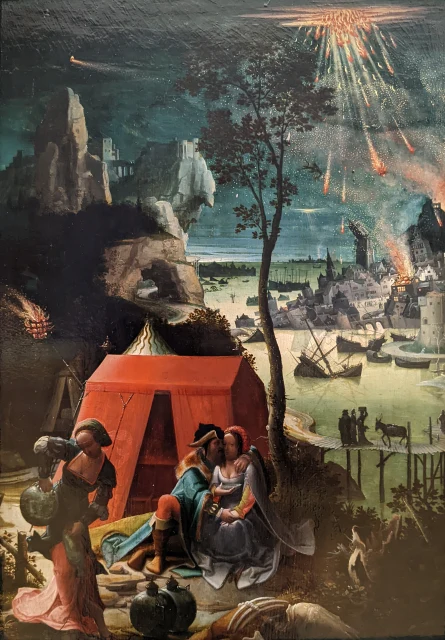 Lot and His DaughtersAnonymous, 1520
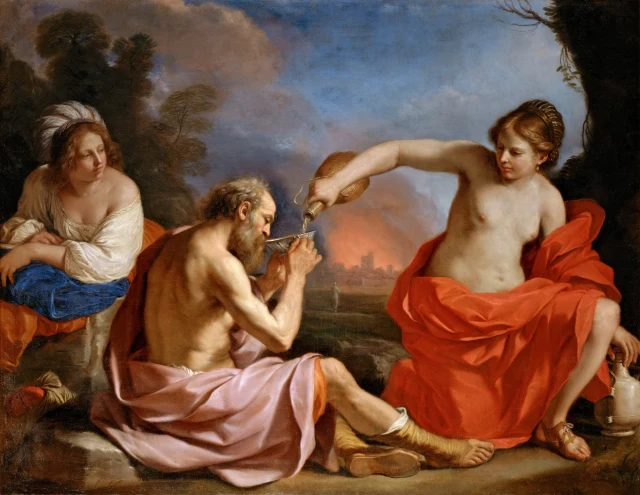 Lot and His DaughtersGuercino, 1651
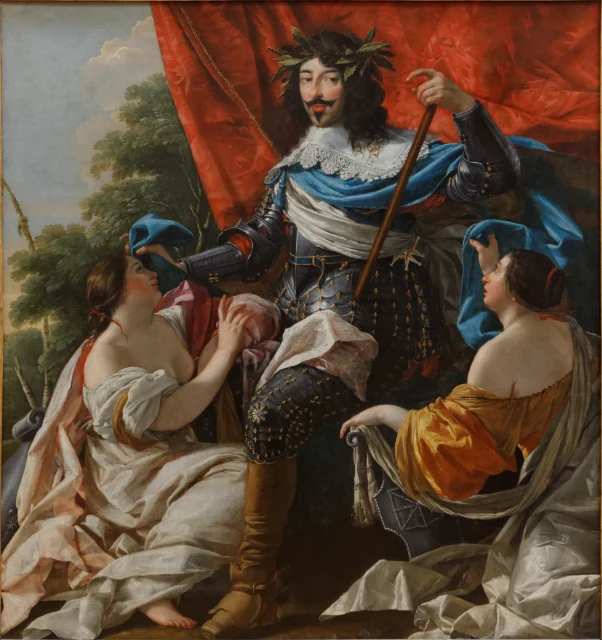 Louis XIII between Two Female Figures Symbolising France and NavarreSimon Vouet, 1637
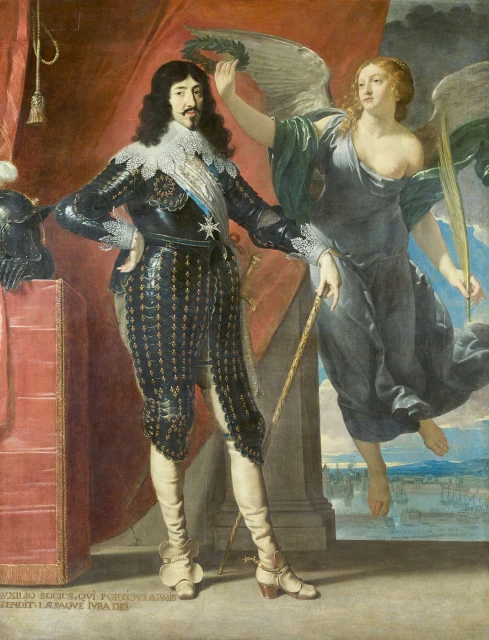 Louis XIII Crowned by VictoryPhilippe de Champaigne, 1634
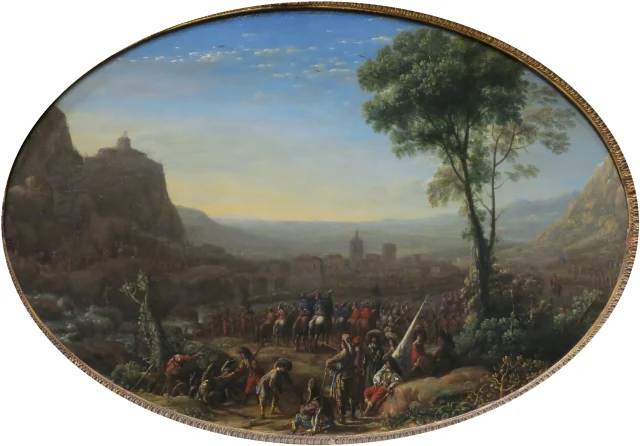 Louis XIII Forcing the Pass of SusaClaude Lorrain, 1632
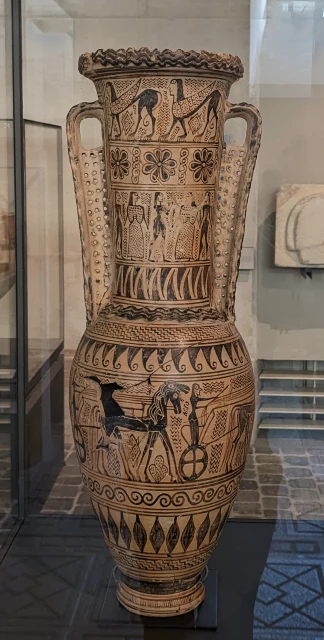 Loutrophoros of the Analatos PainterAnalatos Painter, -690
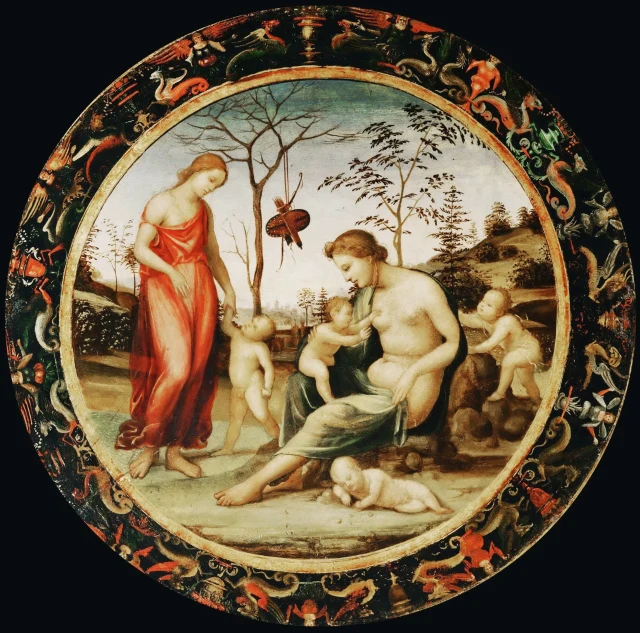 Love and Charity (formerly called Terrestrial Venus with Eros and Celestial Venus with Anteros)Il Sodoma, 1508
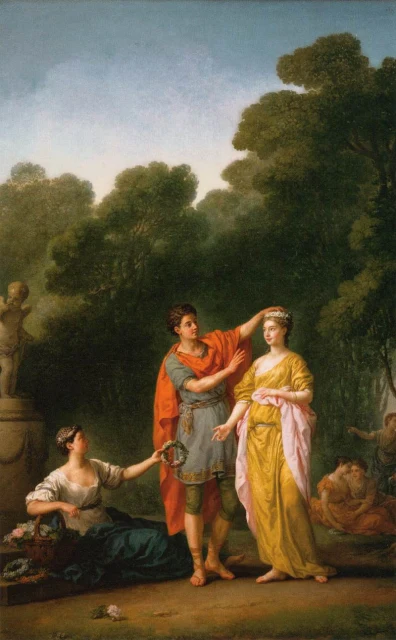 Lover Crowning His MistressJoseph-Marie Vien, 1773
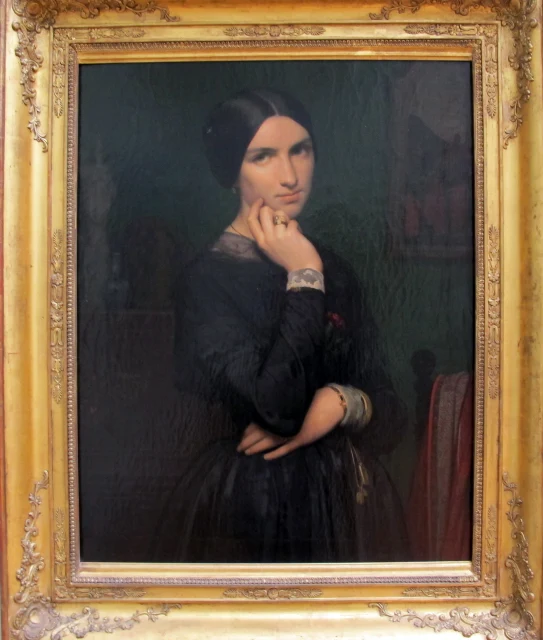 Madame Hippolyte Flandrin, née Aimée AncelotHippolyte Flandrin, 1846
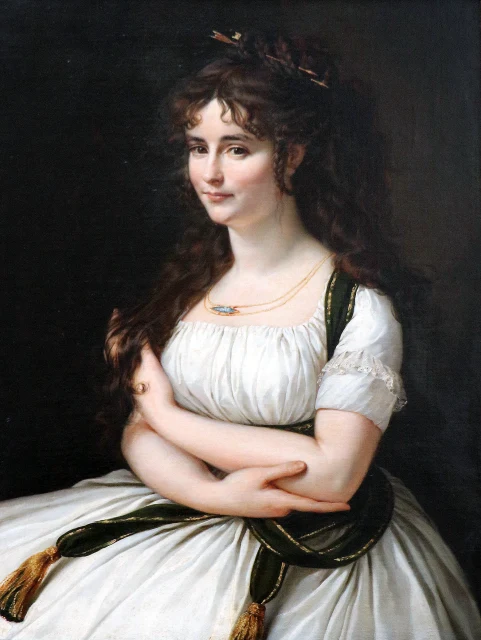 Madame Pasteur, née Madeleine Alexandre (1773-1841)Antoine-Jean Gros, 1797
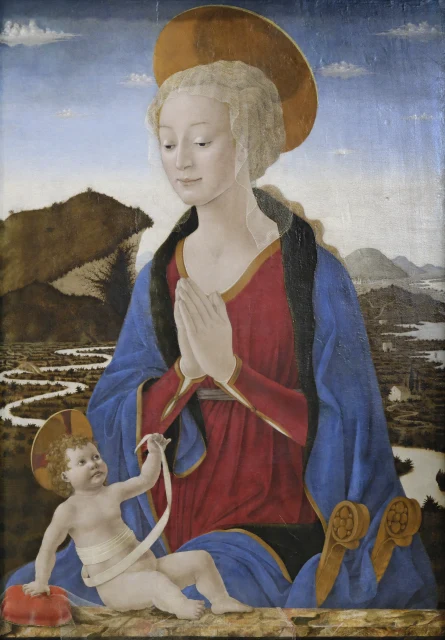 Madonna and ChildAlesso Baldovinetti, 1464
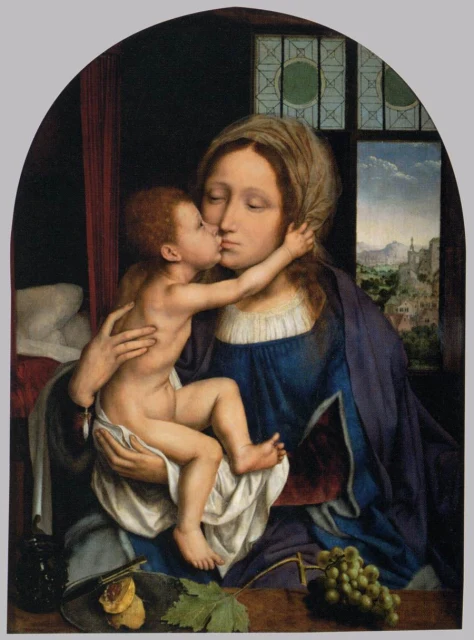 Madonna and ChildQuinten Metsys, 1529
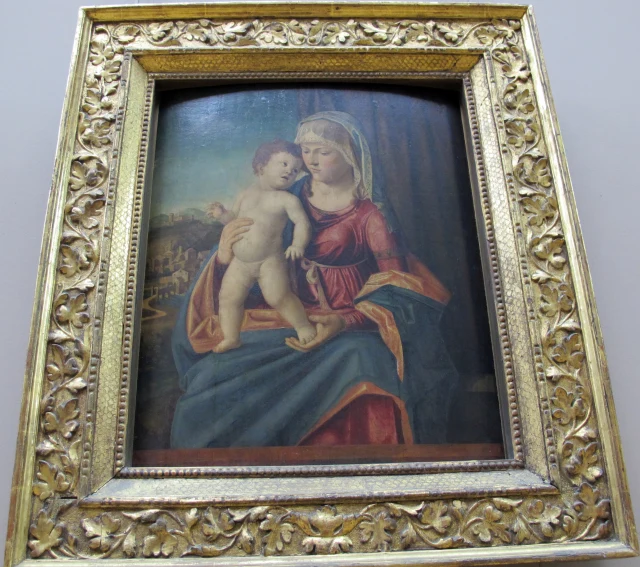 Madonna and ChildWorkshop of Giovanni Battista Cima da Conegliano, 1513
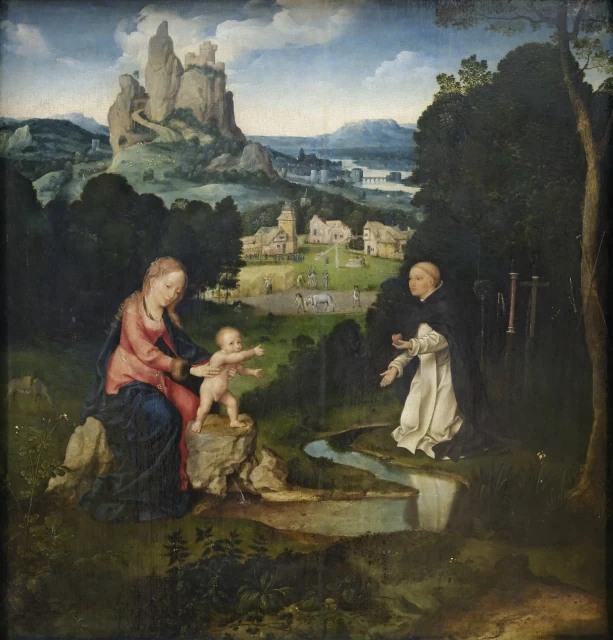 Madonna and Child with a Dominican Offering His HeartJoos van Cleve, 1516
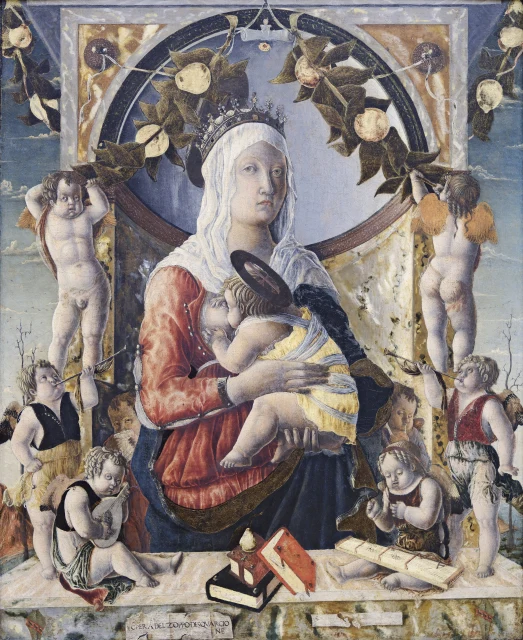 Madonna and Child with Eight AngelsMarco Zoppo, 1455
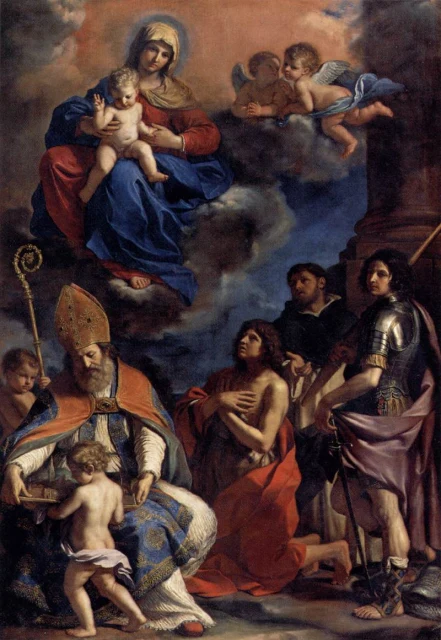 Madonna and Child with Four SaintsGuercino, 1651
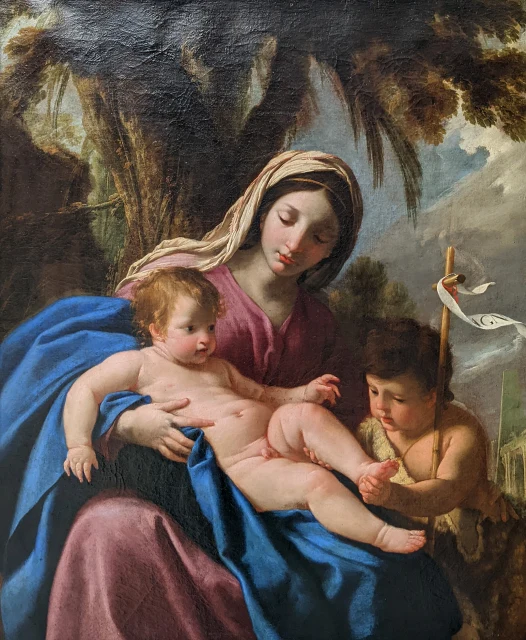 Madonna and Child with Saint John the BaptistEustache Le Sueur, 1640
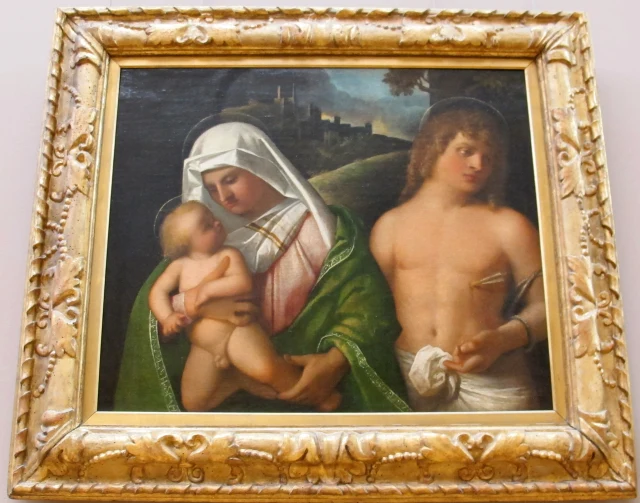 Madonna and Child with Saint SebastianGiovanni Cariani, 1520
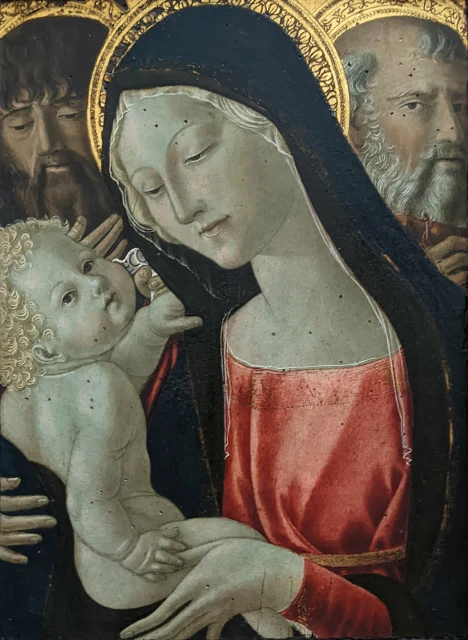 Madonna and Child with St. John the Baptist and St. AnthonyNeroccio di Bartolomeo de' Landi, 1488