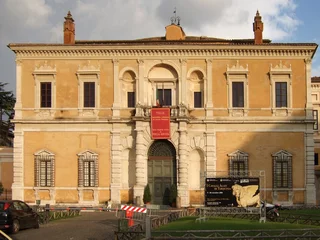
The story
In Pope Julius III's villa on the northern edge of Rome, the walk leads downwards. Behind the main courtyard, curving stairs descend into a sunken nymphaeum, a cool court around a fountain fed by the Acqua Vergine, the ancient aqueduct that still supplies the Trevi Fountain. The pope built the villa between 1551 and 1553 as a summer retreat. The architect Vignola designed the house, the sculptor Bartolomeo Ammannati the nymphaeum, the painter Giorgio Vasari coordinated the work, and Michelangelo gave advice.
In 1889 the young Kingdom of Italy made this pleasure house a museum for the peoples who lived here before Rome. The archaeologist Felice Barnabei pushed for it, and the first rooms filled with finds from Falerii, chief town of the Faliscans, and Veii, Rome's Etruscan neighbour and rival.
Those digs still shape the visit. From Veii come the painted clay gods of a temple roof, the striding Apollo among them. From Cerveteri comes the Sarcophagus of the Spouses, a couple reclining together on a banqueting couch, modelled in terracotta in the late 6th century BC. Three gold sheets from Pyrgi, Cerveteri's port, record a temple's dedication in Etruscan and Phoenician. In 1919 Alfredo Castellani, last heir of a Roman goldsmith family, gave the State its collection of ancient vases and jewellery, and the museum has since spread into neighbouring Villa Poniatowski.
The newest arrival came in 2026. The State bought the wall paintings of the François Tomb, found at Vulci in 1857 and held by the Torlonia family and their heirs ever since, and on 30 June they entered the permanent collection, Achilles and the hero Macstarna still labelled with their Etruscan names.
Collection
39 works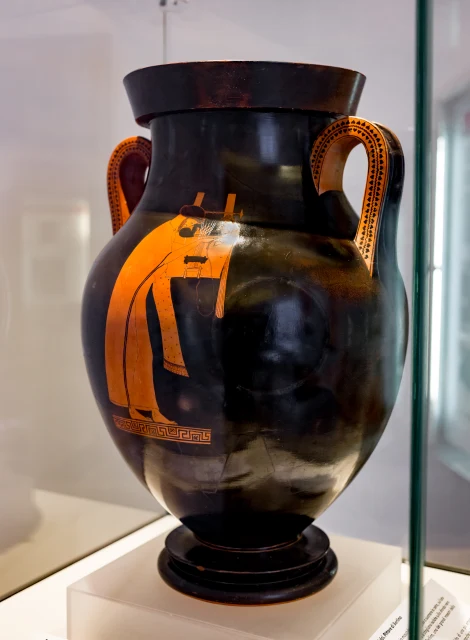 Amphora with a Kithara Player and a ListenerBerlin Painter
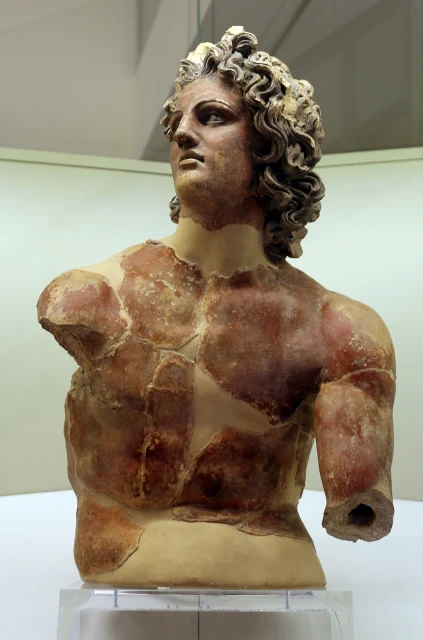 Apollo of ScasatoUnknown Faliscan sculptor (Classical period)
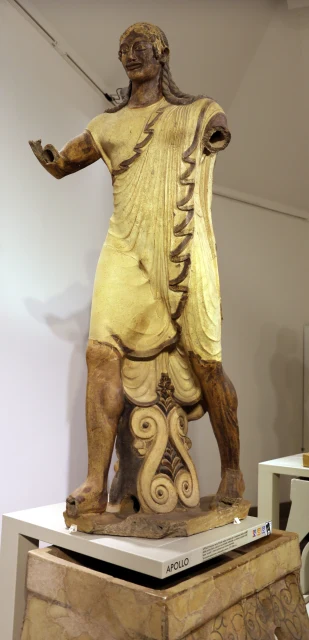 Apollo of VeiiMaster of the Apollo of Veii, -505
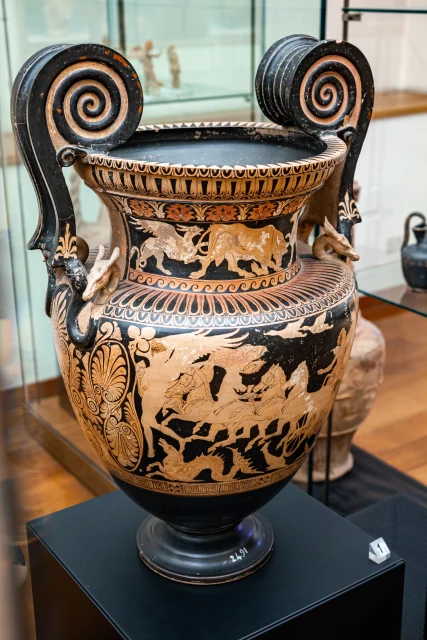 Aurora Krater (Eos and Kephalos)Aurora Painter
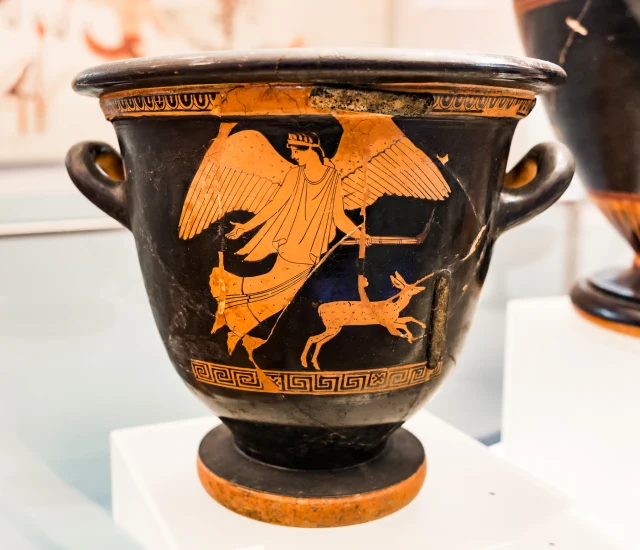 Bell-Krater with Nike and a Running WomanAchilles Painter
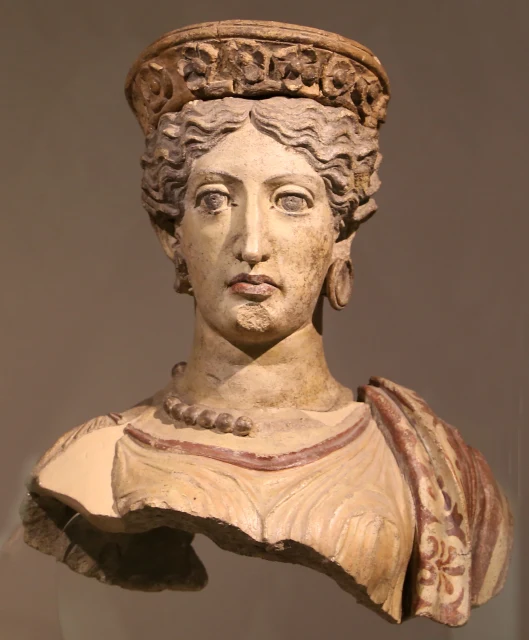 Bust of Juno from CelleUnknown Faliscan sculptor (Classical period)
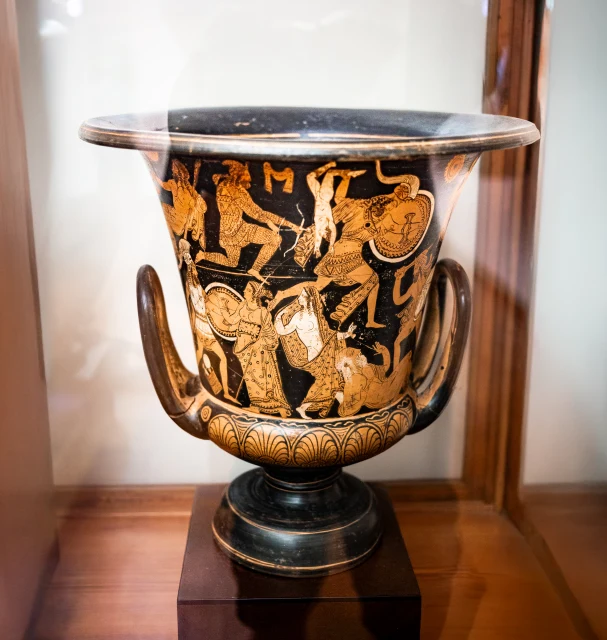 Calyx-Krater with the Sack of TroyNazzano Painter
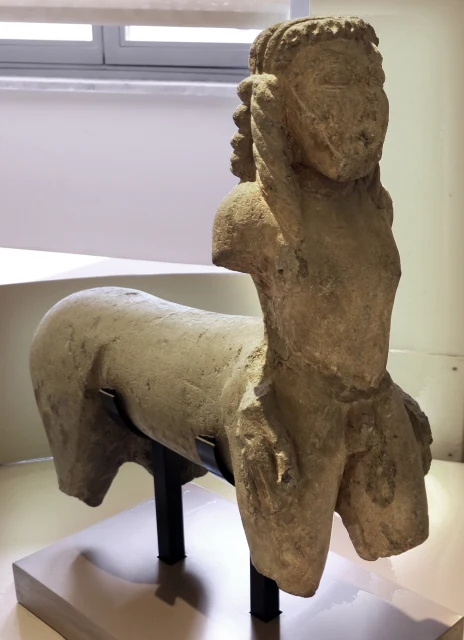 Centaur of VulciMaster of the Centaur of Vulci, -585
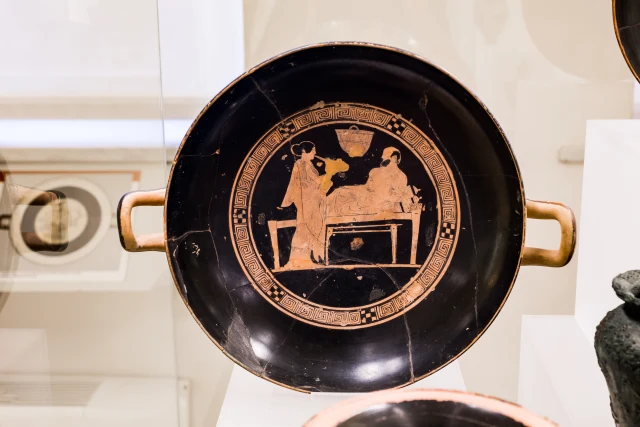 Cup with a SymposiumEuaion Painter, -455
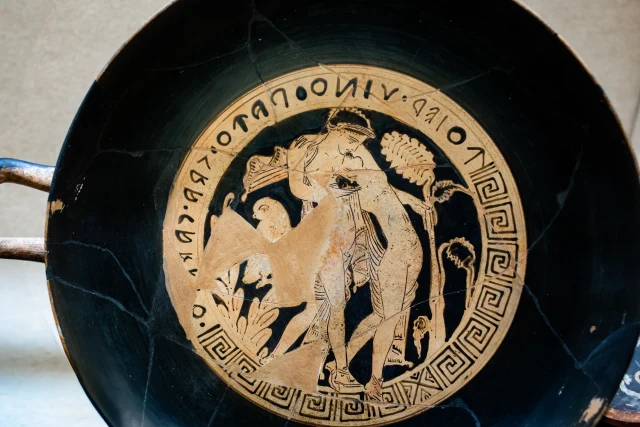 Cup with Dionysus and Ariadne ('Today I Will Drink Wine')Foied Painter, -350
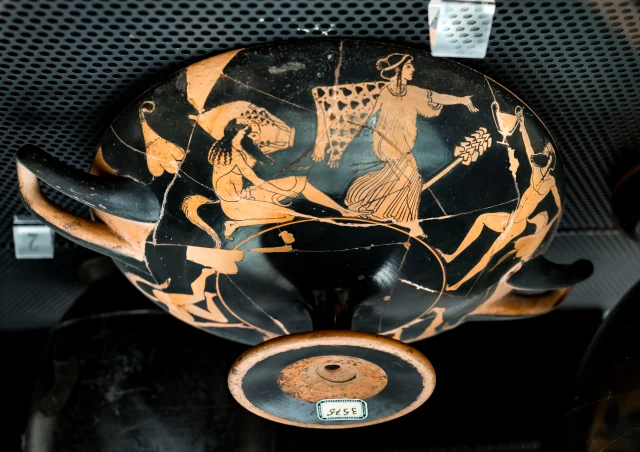 Cup with Maenads and SatyrsMakron
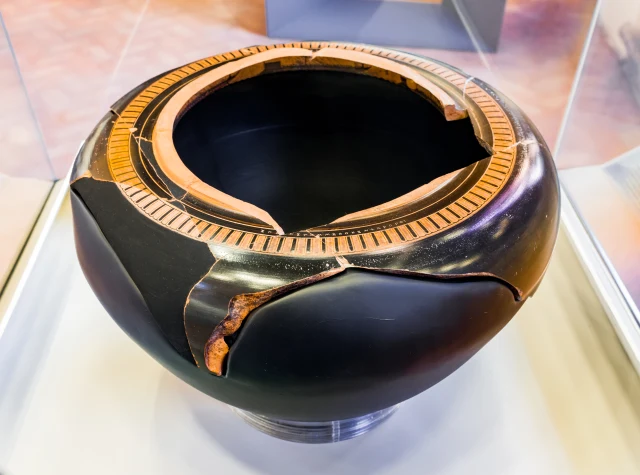 Dinos by Exekias (fragments)Exekias, -535
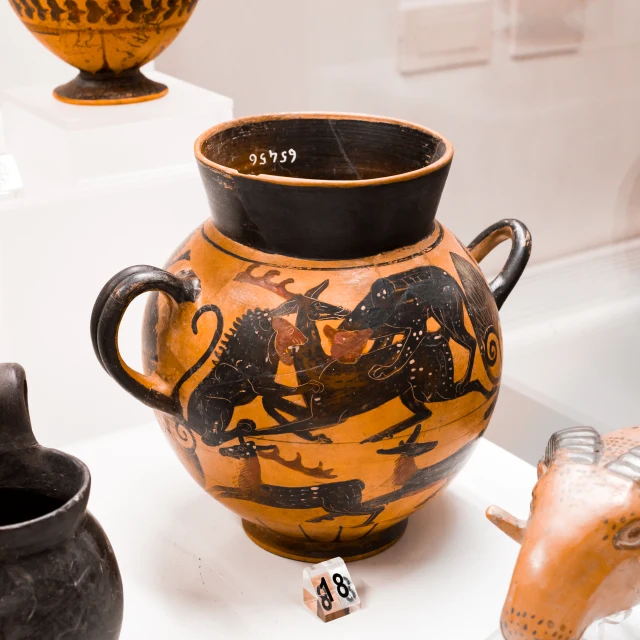 Dipper with Fighting AnimalsTityos Painter
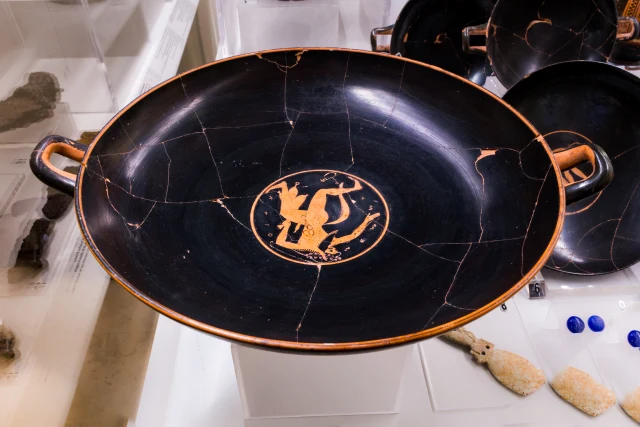 Eye-Cup with Odysseus Escaping PolyphemusOltos
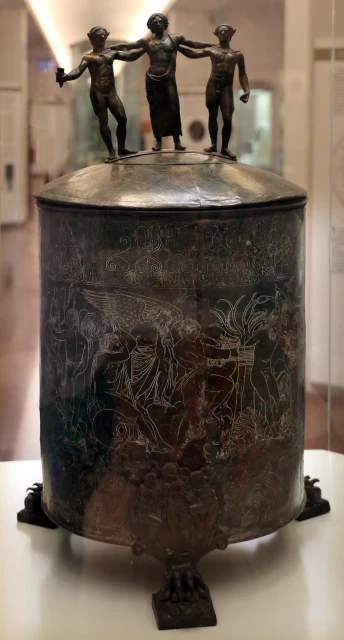 Ficoroni CistaNovios Plautios
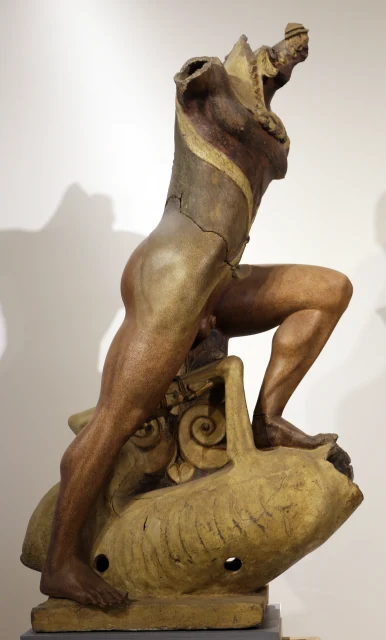 Herakles with the Ceryneian HindMaster of the Apollo of Veii, -505
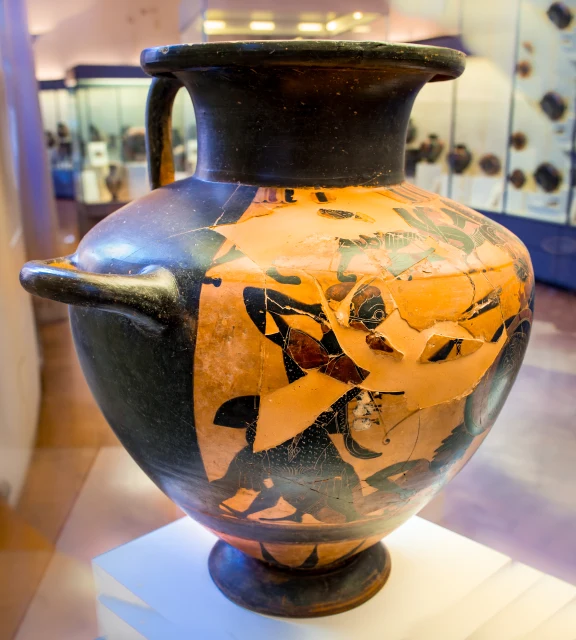 Hydria with Herakles and GeryonLydos
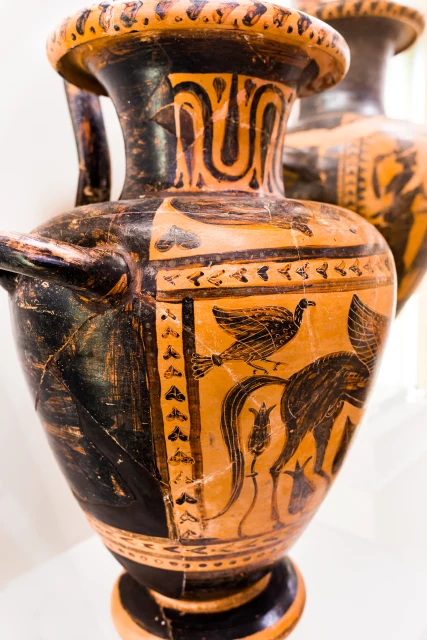 Hydria with PegasusMicali Painter
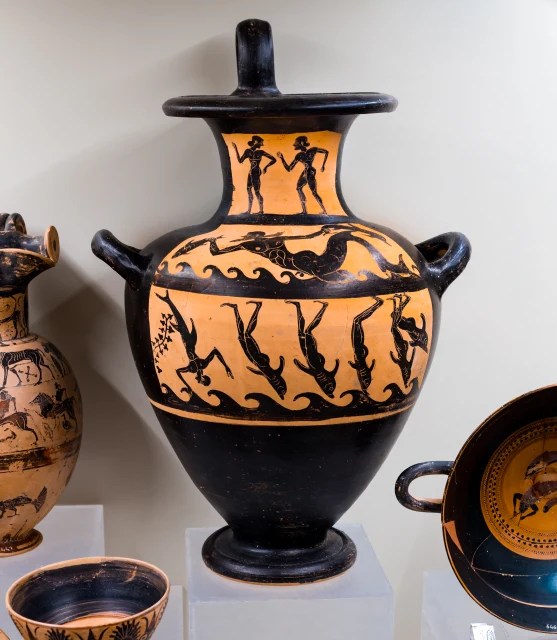 Hydria with the Pirates Turned into DolphinsMicali Painter, -505
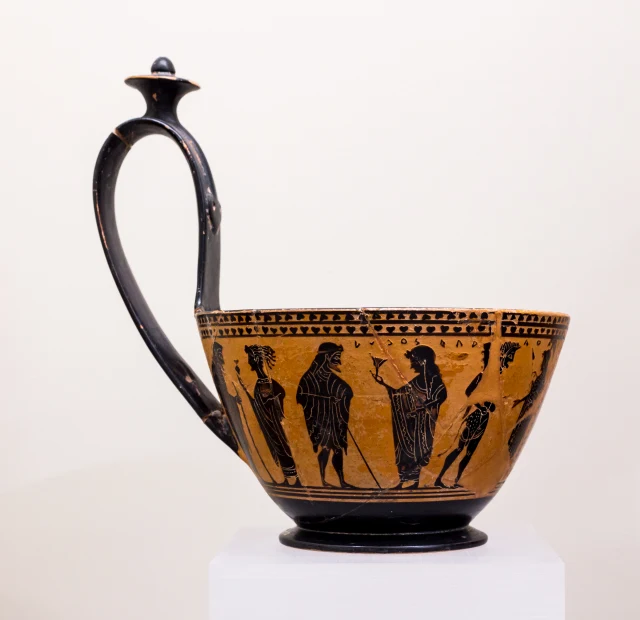 Kyathos with the Twelve GodsLydos the Slave, -520
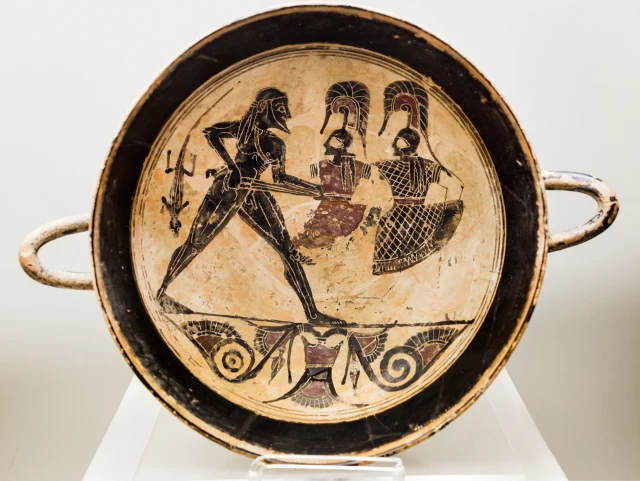 Laconian Cup with Herakles and the AmazonsArkesilas Painter
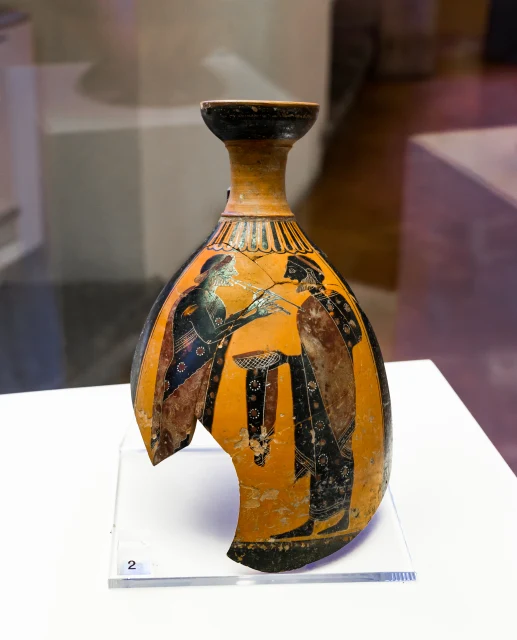 Lekythos with an Aulos Player and a SingerAmasis Painter
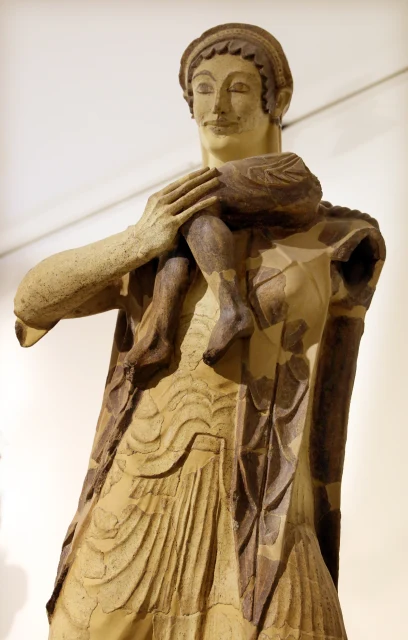 Leto with the Infant ApolloMaster of the Apollo of Veii, -505
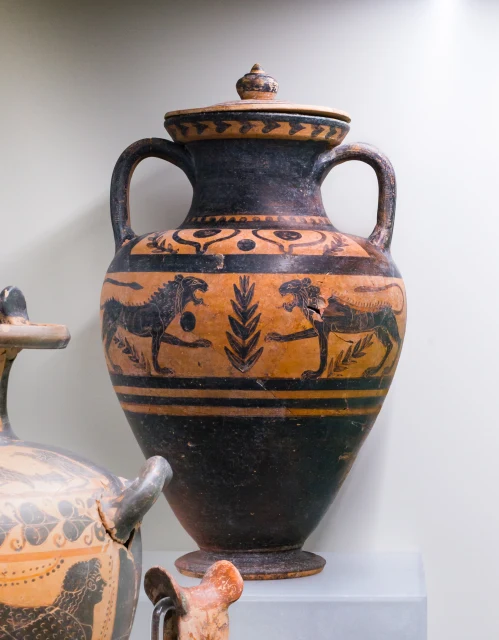 Lidded Amphora with Confronting LionsMicali Painter
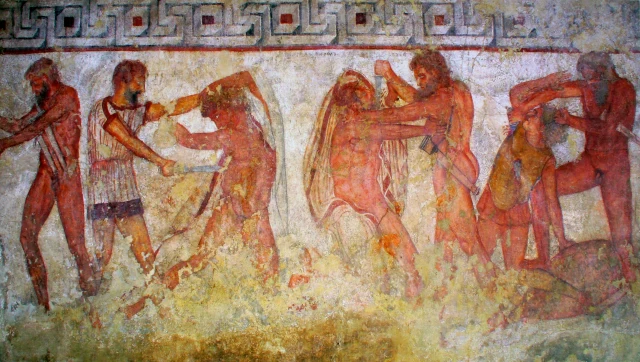 Macstarna Freeing Caile Vipinas (François Tomb)Unknown Etruscan painter (Classical period), -330