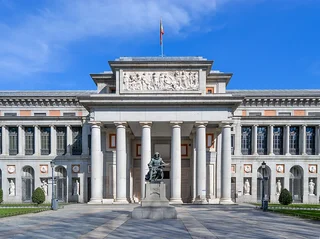
La historia
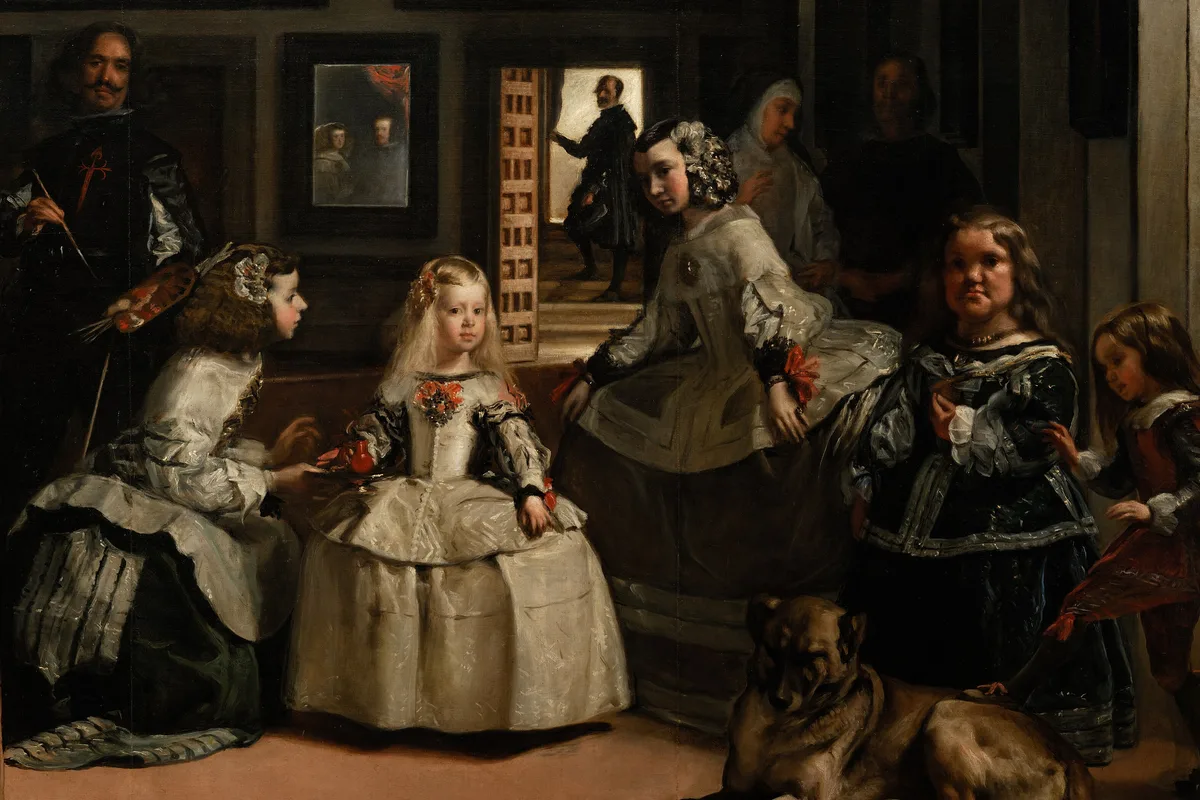
El Prado es la colección de un rey hecha pública. Durante tres siglos los Habsburgo y los Borbones españoles compraron y encargaron a escala regia, y su gusto es el museo. Tiziano y Rubens, a quienes los reyes amaban, y Velázquez, que sirvió a la corte española casi toda su vida. Sus Meninas cuelgan en el corazón del edificio, con el pintor asomándose por detrás de su propio lienzo en una sala del antiguo Alcázar real.
La galería abrió en 1819 en un edificio que el arquitecto Juan de Villanueva había proyectado en origen como gabinete de ciencias naturales. Sus paredes muestran las vertientes más oscuras del arte español junto a su esplendor: El 3 de mayo de 1808 de Goya, con el pelotón de fusilamiento alzando sus faroles en la oscuridad, y las Pinturas negras que aplicó directamente sobre los muros de su propia casa ya al final de su vida, sordo y retirado, sin intención de mostrarlas nunca.
El más antiguo de sus grandes tesoros es anterior a ese gusto regio español. Se trata de El jardín de las delicias de Hieronymus Bosch, el Bosco, la visión en tres tablas del paraíso, el deseo y el infierno, que más tarde entró en la colección de Felipe II y fue enviada a su palacio-monasterio de El Escorial. Hoy atrae multitudes a lo que en su día solo a la corte le estaba permitido ver.
Más artículos
Colección
870 obras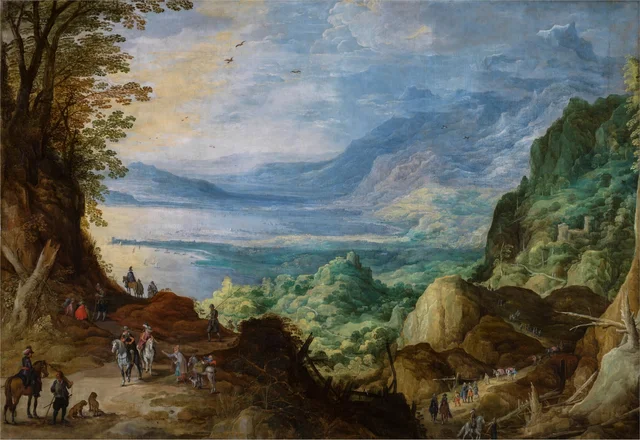 Paisaje de mar y montañasJoos de Momper el Joven, 1623
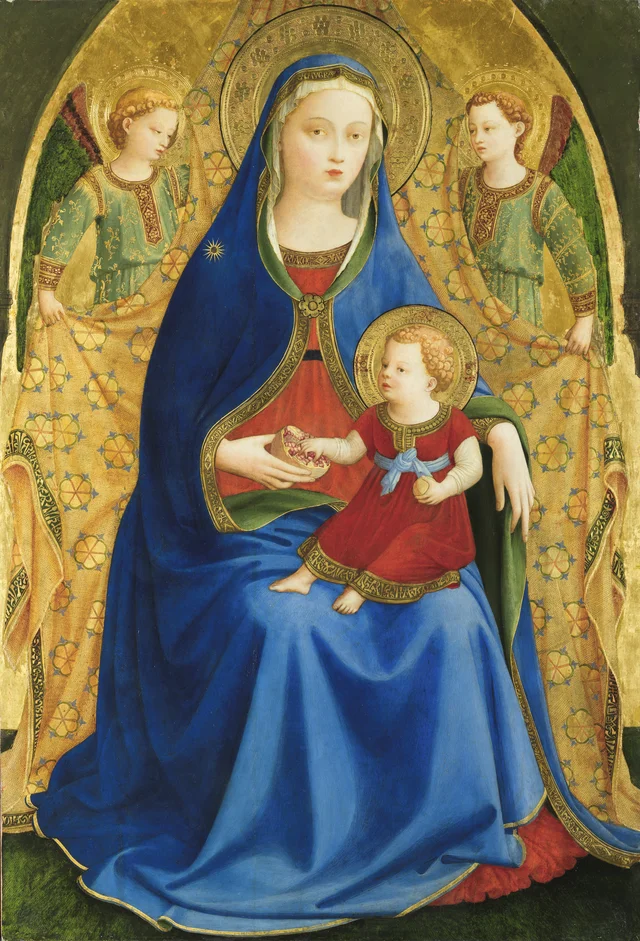 Virgen de la granadaFra Angelico, 1426
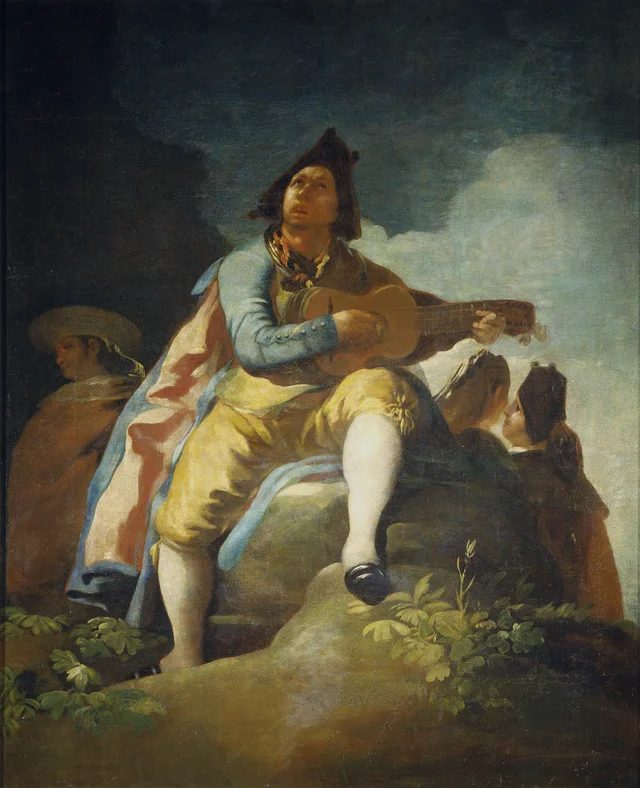 Majo con guitarraFrancisco Goya, 1779
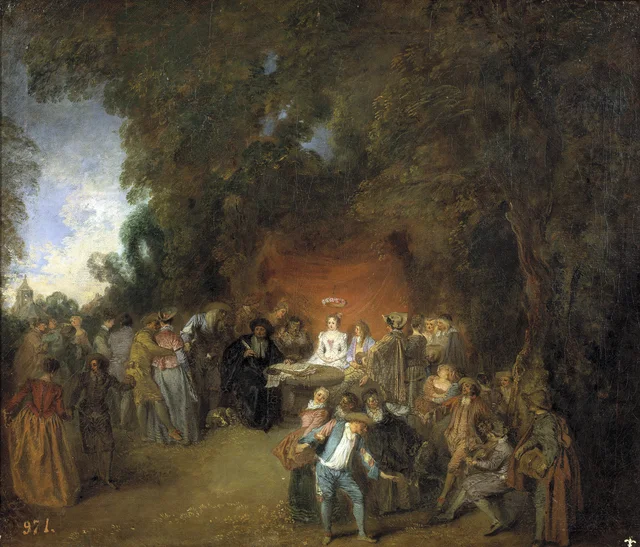 Contrato de matrimonio y baile campestreJean-Antoine Watteau, 1711
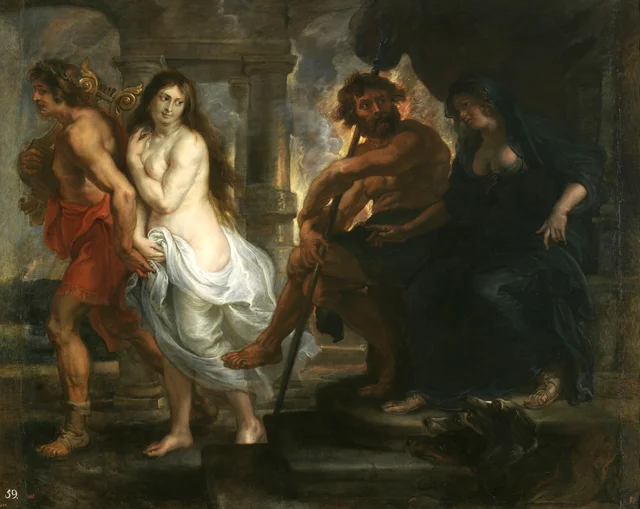 Orfeo y EurídicePedro Pablo Rubens, 1636
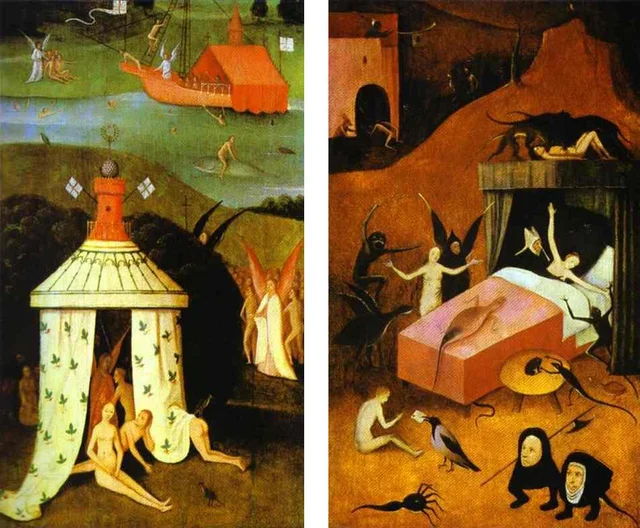 El Paraíso y el InfiernoSeguidor de El Bosco, 1513
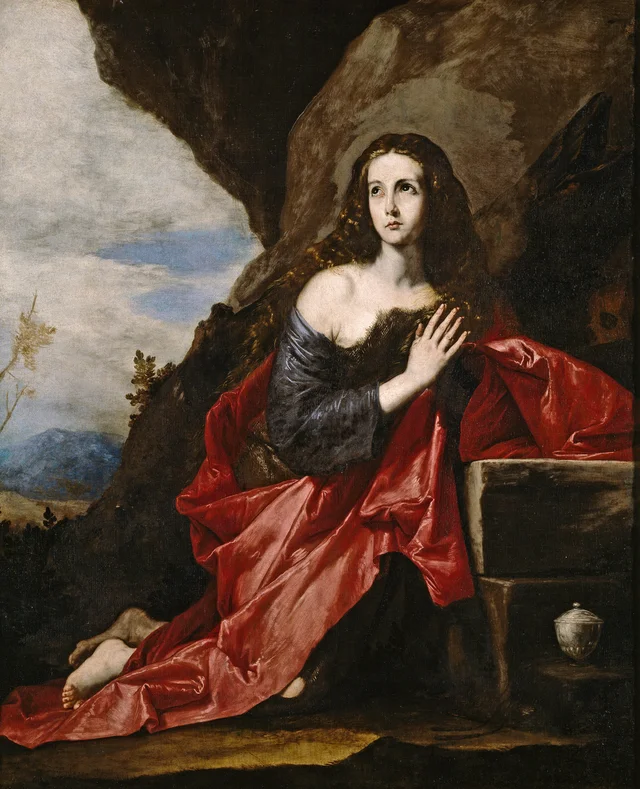 La Magdalena penitenteJusepe de Ribera, 1641
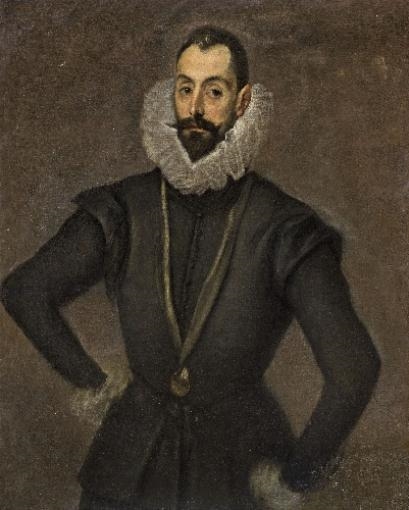 Retrato de un caballeroEl Greco, 1605
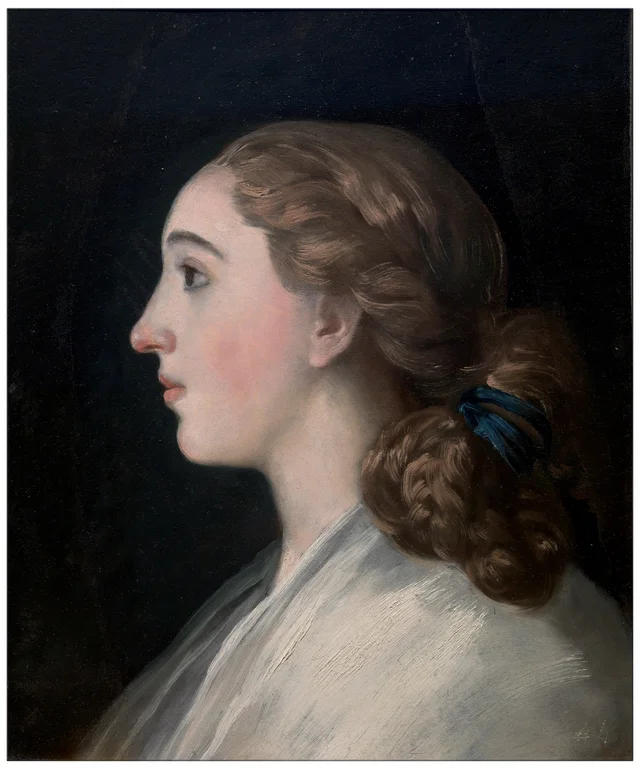 Retrato de María Teresa de VallabrigaFrancisco Goya, 1783
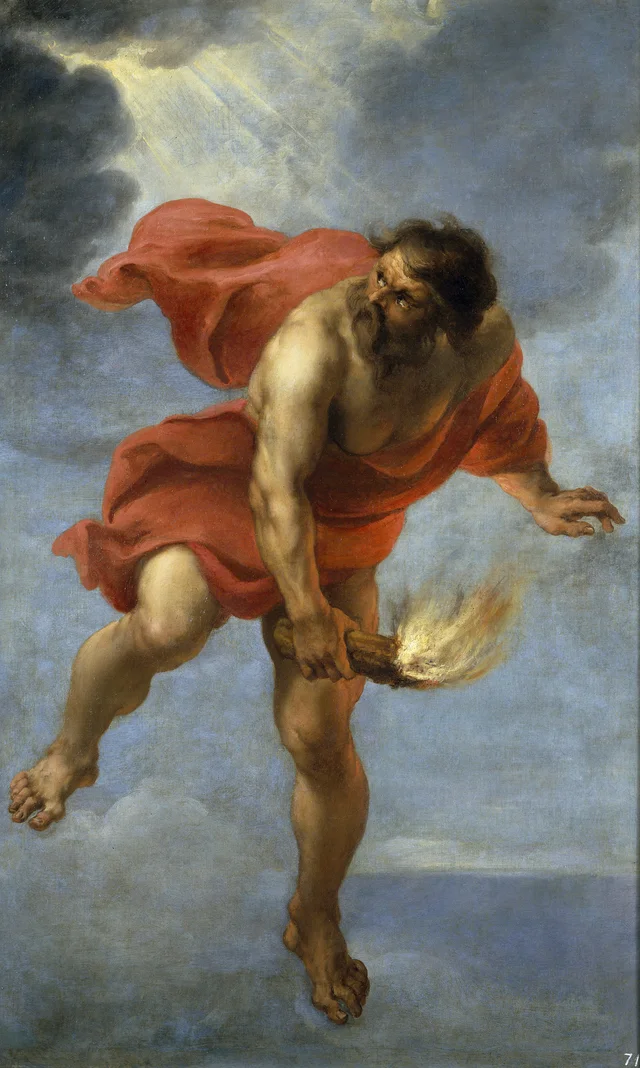 Prometeo llevando el fuegoJan Cossiers, 1637
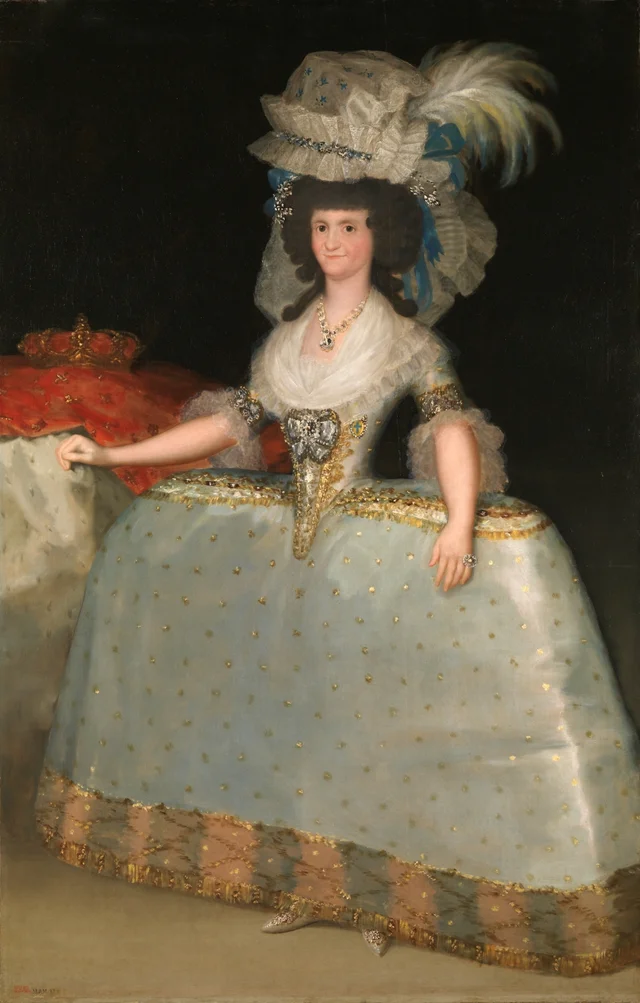 La reina María Luisa con tontilloFrancisco Goya, 1789
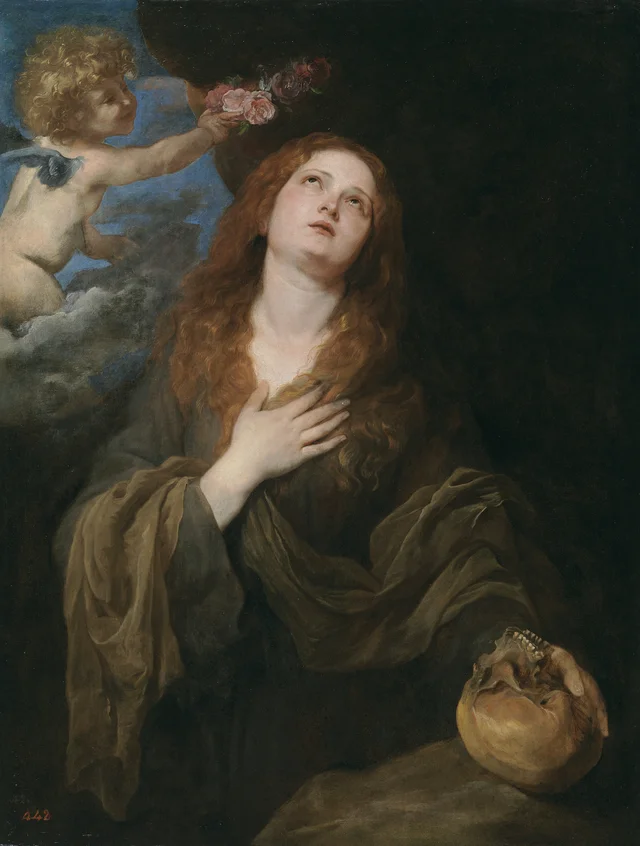 Santa RosalíaAnton van Dyck, 1625
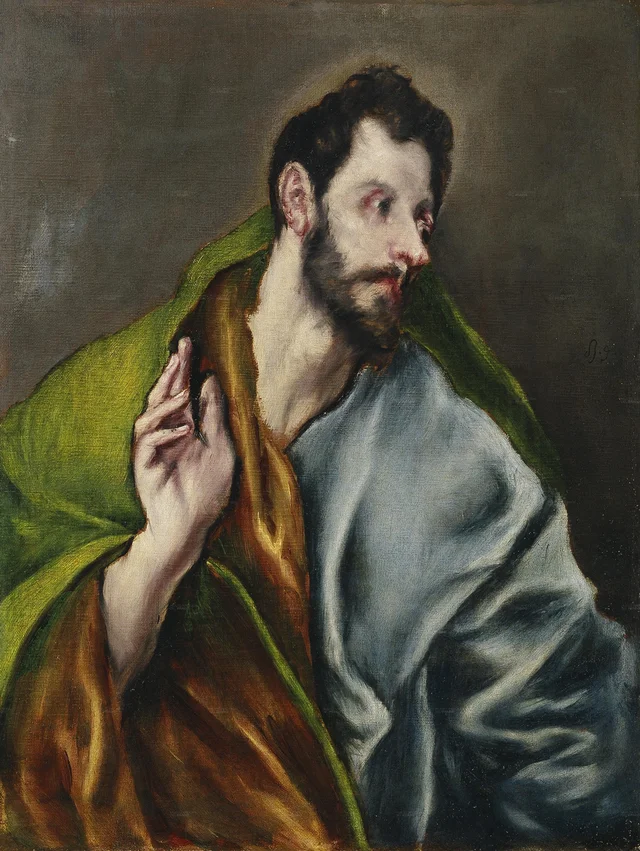 Santo TomásEl Greco, 1608
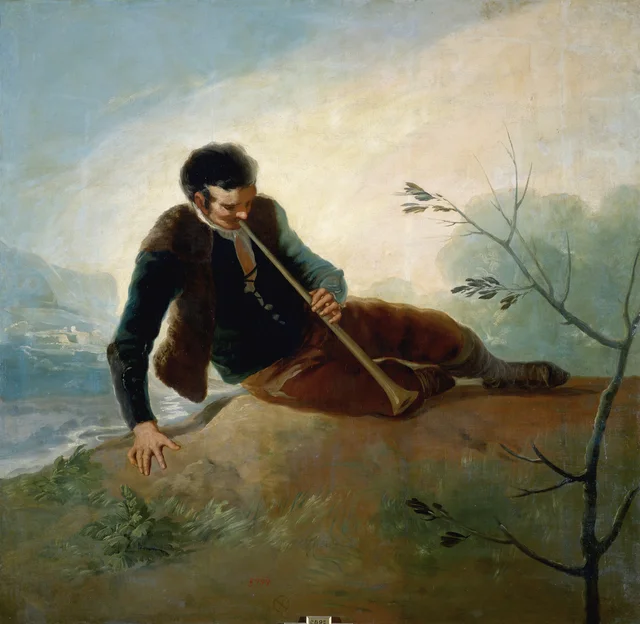 El pastor tocando la dulzainaFrancisco Goya, 1786
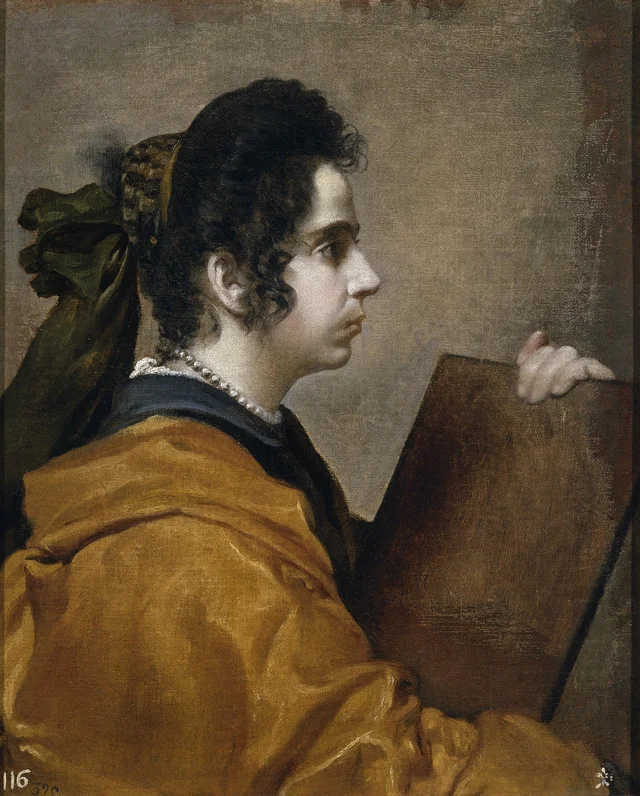 SibilaDiego Velázquez, 1632
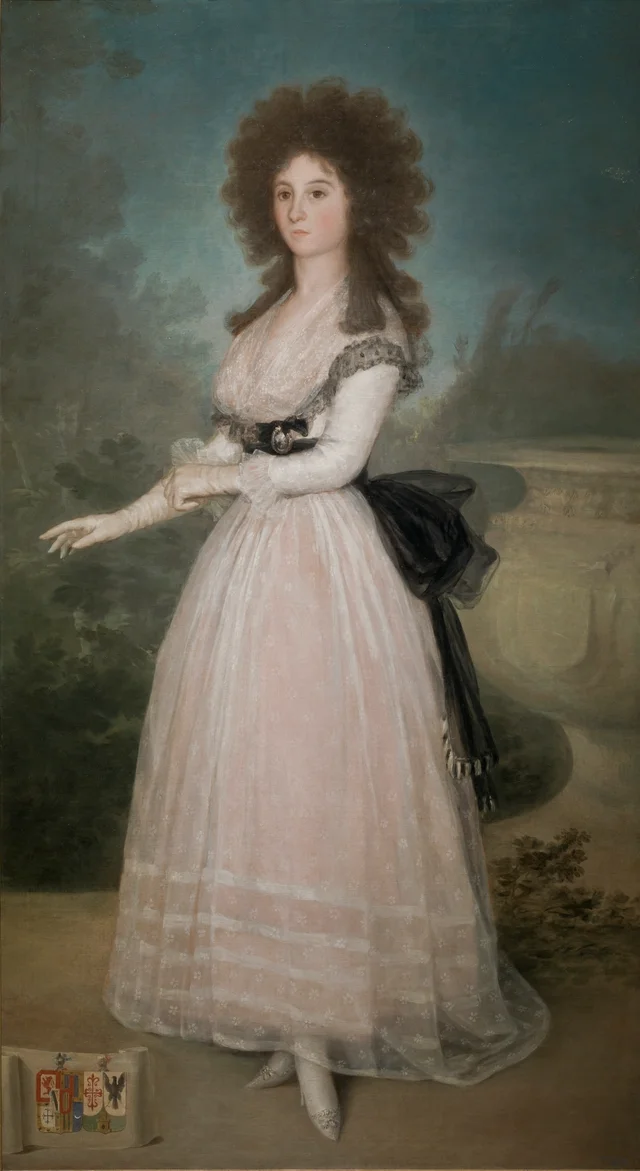 Tadea Arias de EnríquezFrancisco Goya, 1789
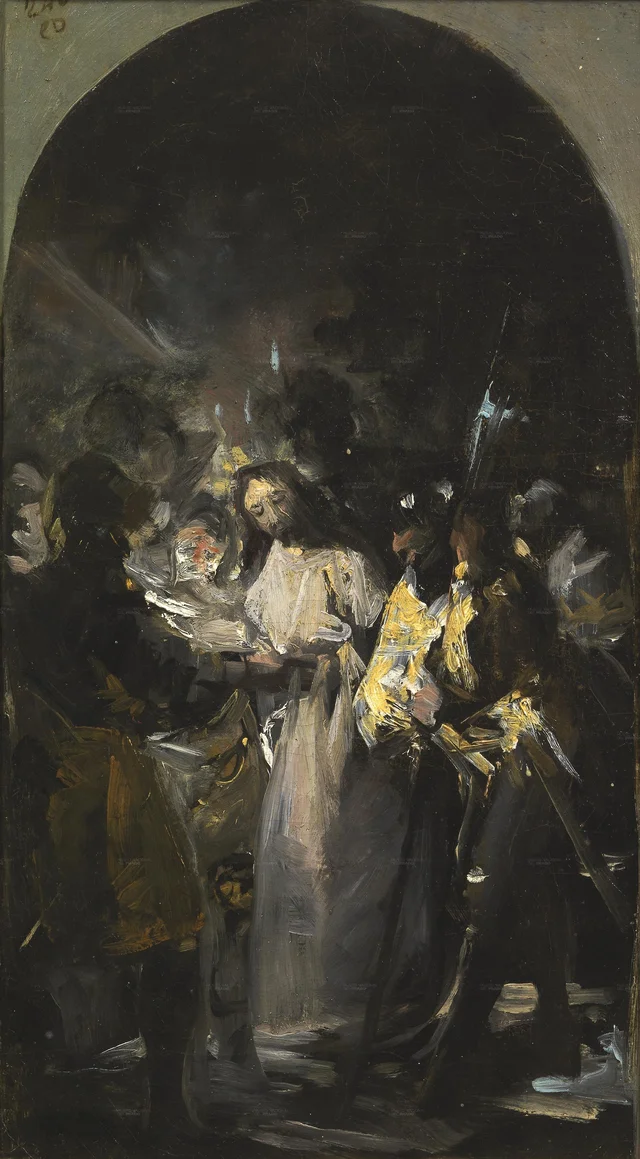 El prendimiento de CristoFrancisco Goya, 1798
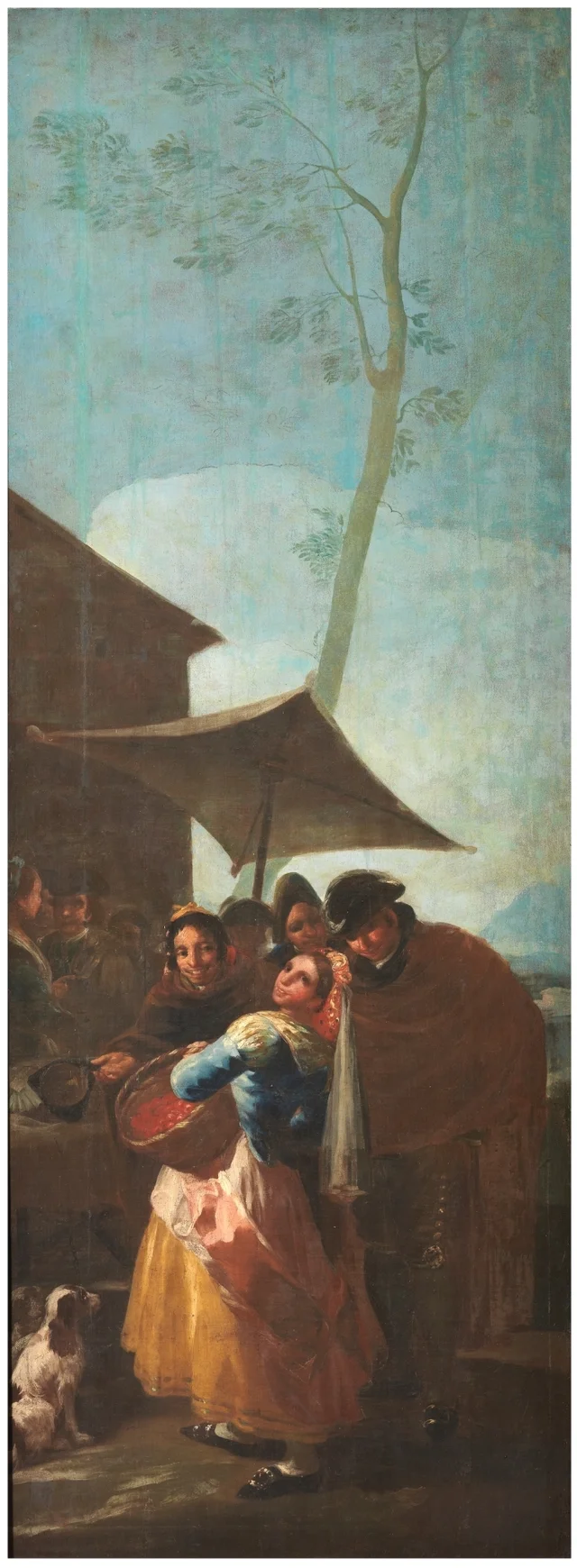 La cacharreraFrancisco Goya, 1778
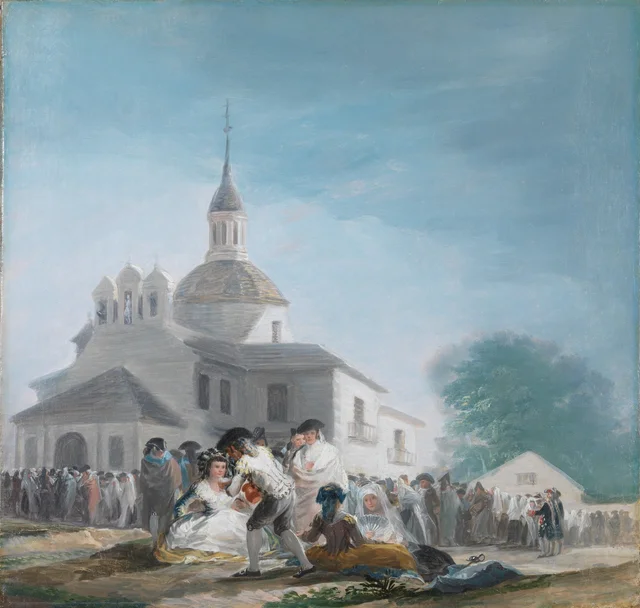 La ermita de San IsidroFrancisco Goya, 1788
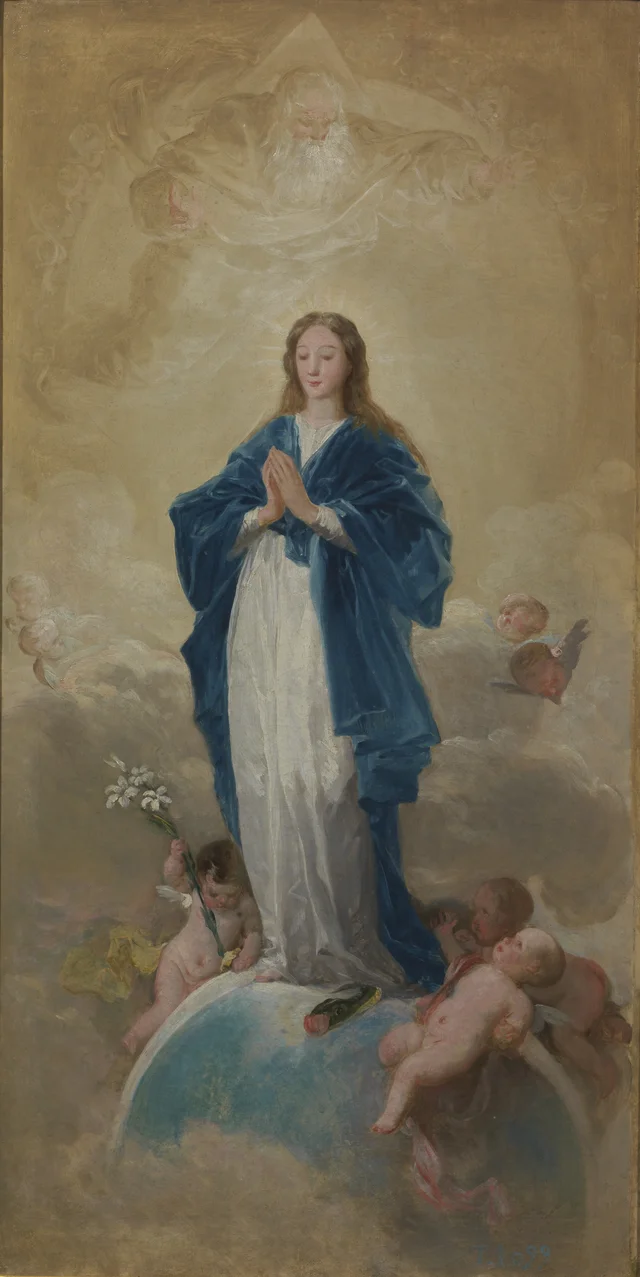 La Inmaculada ConcepciónFrancisco Goya, 1784
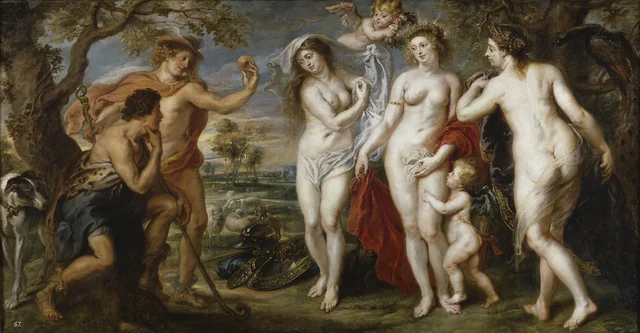 El juicio de ParisPedro Pablo Rubens, 1638
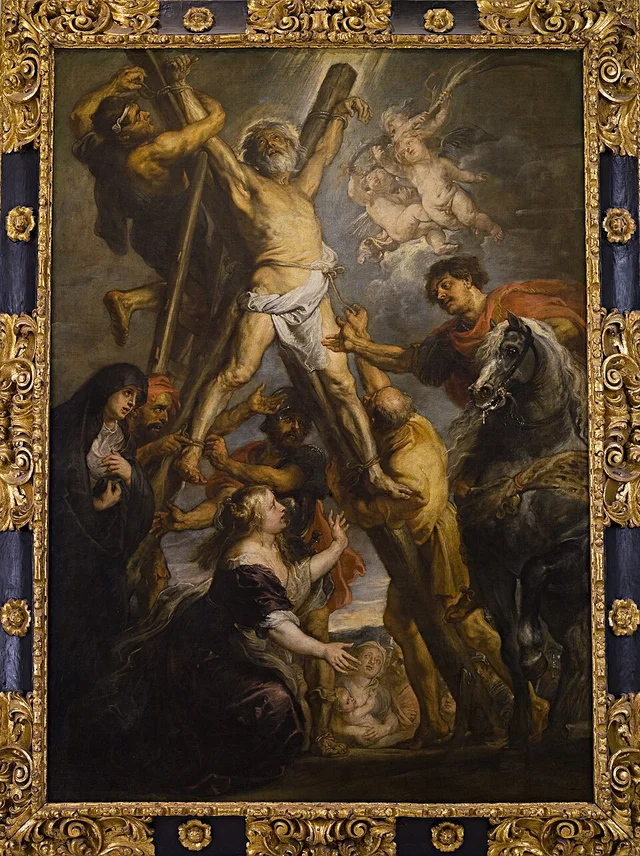 El martirio de san AndrésPedro Pablo Rubens, 1639
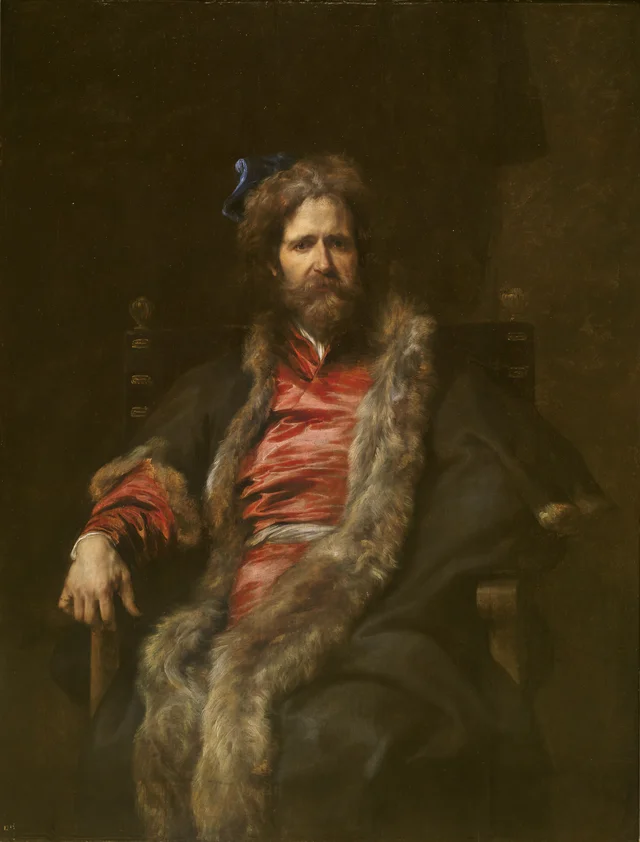 El pintor Martin RyckaertAnton van Dyck, 1631
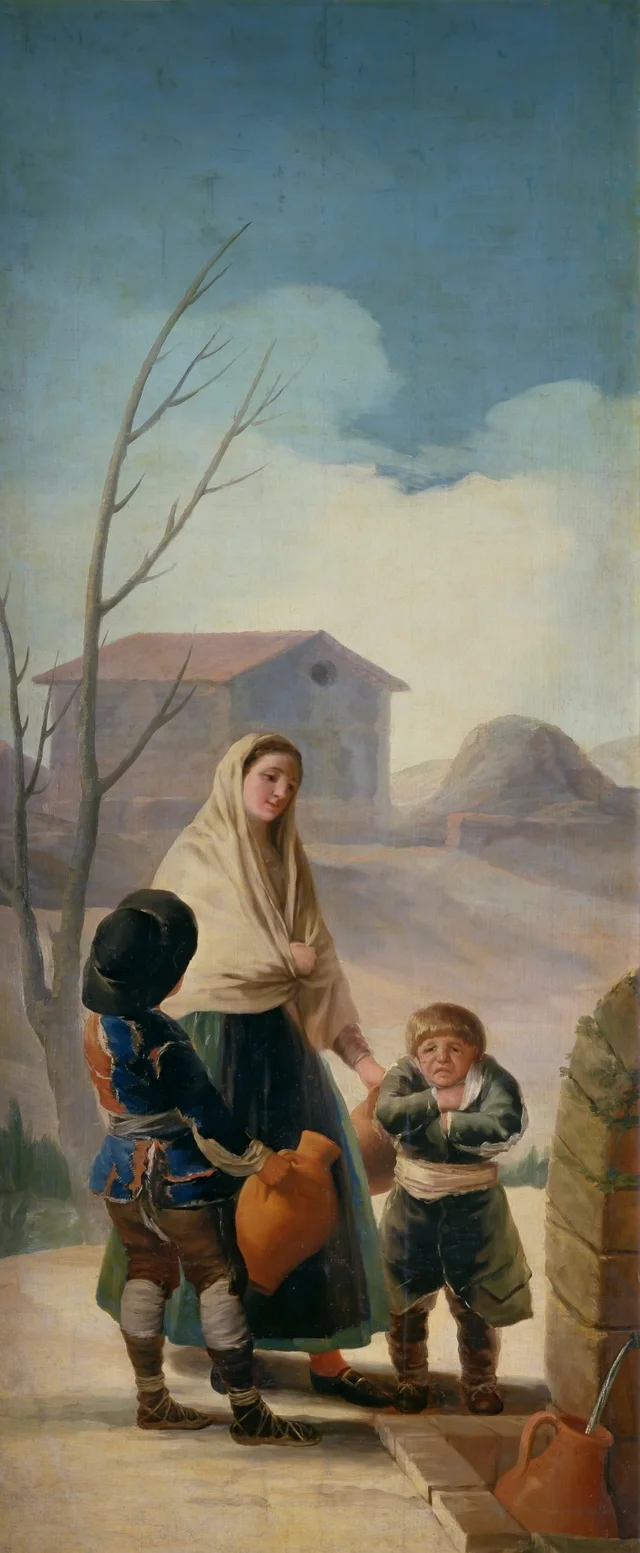 Los pobres en la fuenteFrancisco Goya, 1786
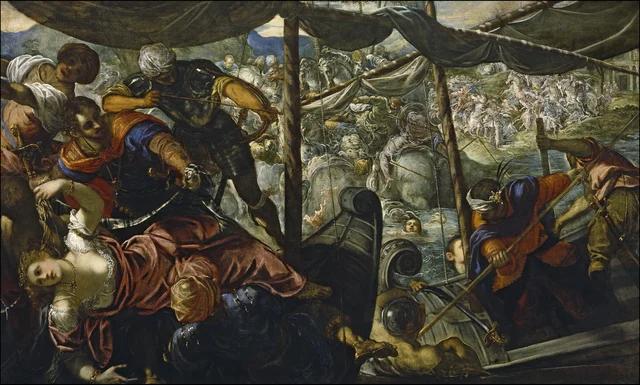 El rapto de HelenaJacopo Tintoretto, 1578