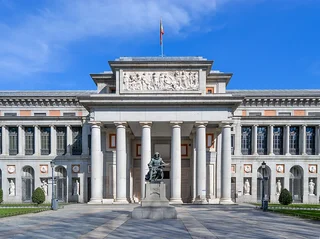
La historia
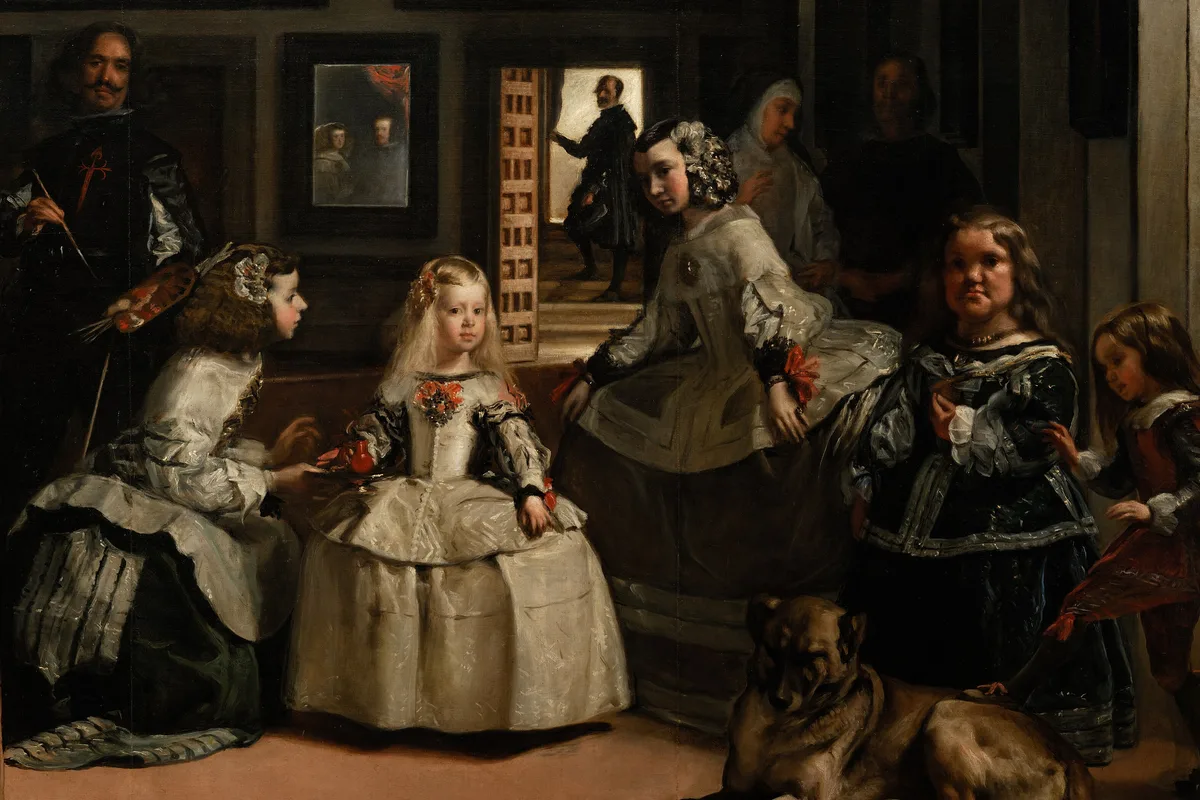
El Prado es la colección de un rey hecha pública. Durante tres siglos los Habsburgo y los Borbones españoles compraron y encargaron a escala regia, y su gusto es el museo. Tiziano y Rubens, a quienes los reyes amaban, y Velázquez, que sirvió a la corte española casi toda su vida. Sus Meninas cuelgan en el corazón del edificio, con el pintor asomándose por detrás de su propio lienzo en una sala del antiguo Alcázar real.
La galería abrió en 1819 en un edificio que el arquitecto Juan de Villanueva había proyectado en origen como gabinete de ciencias naturales. Sus paredes muestran las vertientes más oscuras del arte español junto a su esplendor: El 3 de mayo de 1808 de Goya, con el pelotón de fusilamiento alzando sus faroles en la oscuridad, y las Pinturas negras que aplicó directamente sobre los muros de su propia casa ya al final de su vida, sordo y retirado, sin intención de mostrarlas nunca.
El más antiguo de sus grandes tesoros es anterior a ese gusto regio español. Se trata de El jardín de las delicias de Hieronymus Bosch, el Bosco, la visión en tres tablas del paraíso, el deseo y el infierno, que más tarde entró en la colección de Felipe II y fue enviada a su palacio-monasterio de El Escorial. Hoy atrae multitudes a lo que en su día solo a la corte le estaba permitido ver.
Más artículos
Colección
870 obras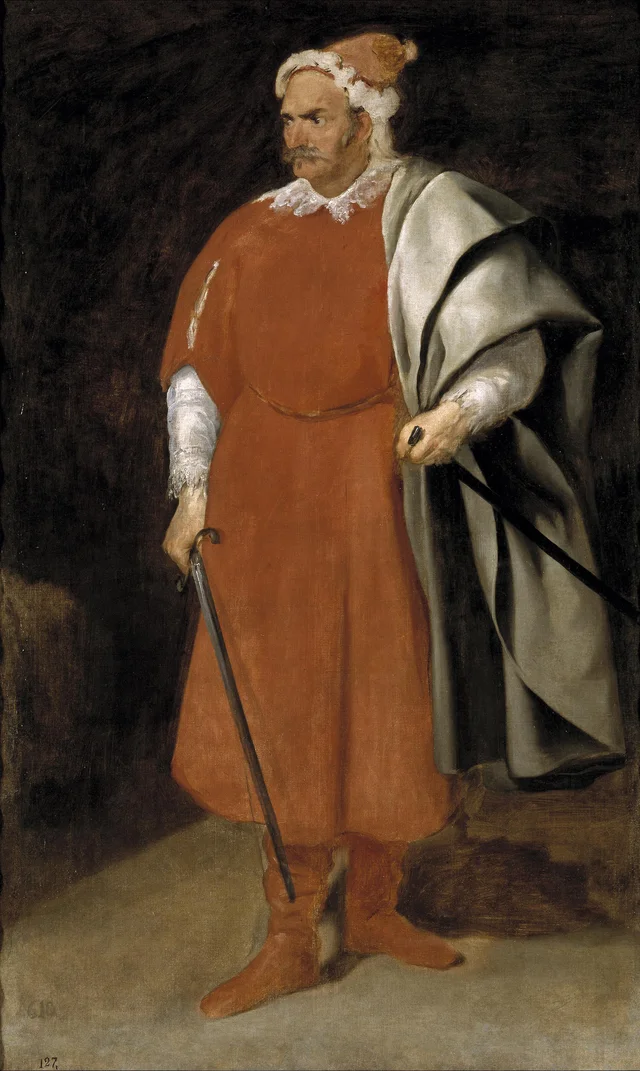 El bufón BarbarrojaDiego Velázquez, 1634
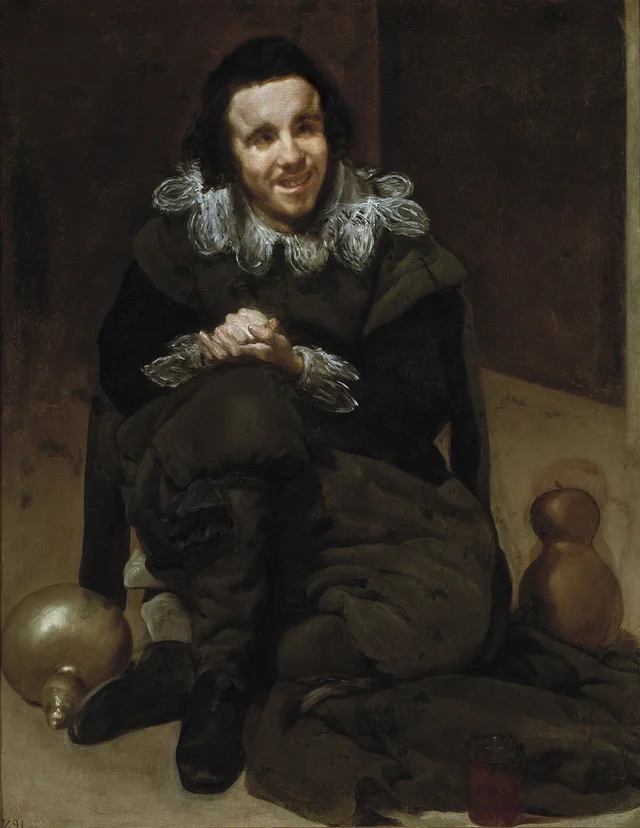 El bufón CalabacillasDiego Velázquez, 1635
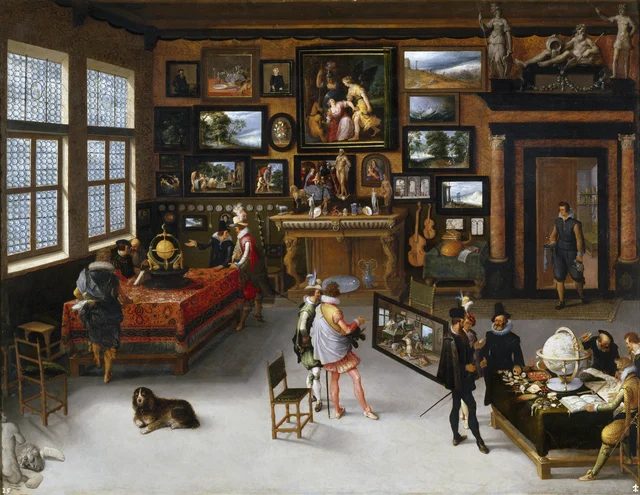 Las ciencias y las artesAdriaen van Stalbemt, 1650
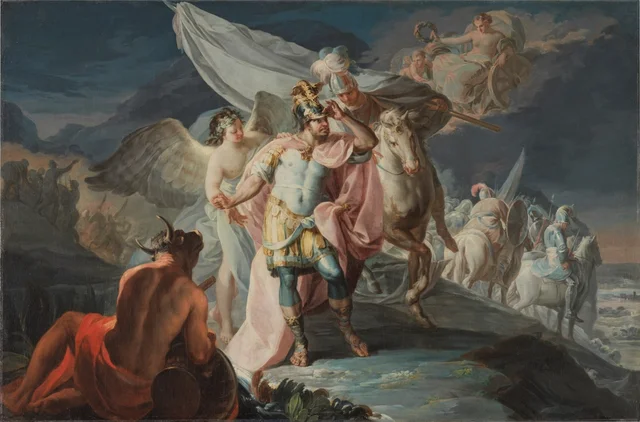 Aníbal vencedor contempla por primera vez Italia desde los AlpesFrancisco Goya, 1770
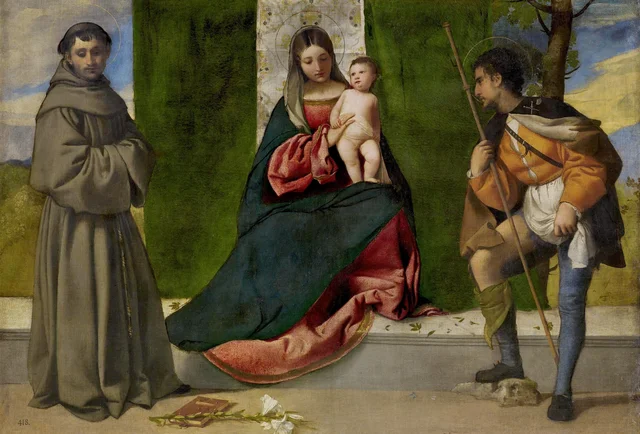 La Virgen y el Niño entre san Antonio de Padua y san RoqueTiziano, 1510
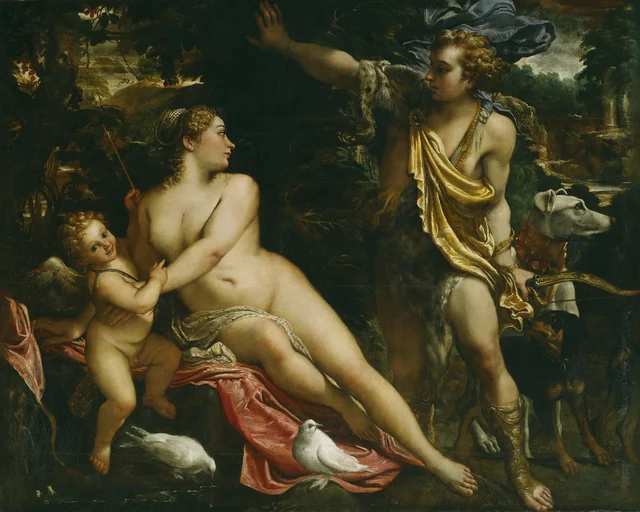 Venus, Adonis y CupidoAnnibale Carracci, 1591
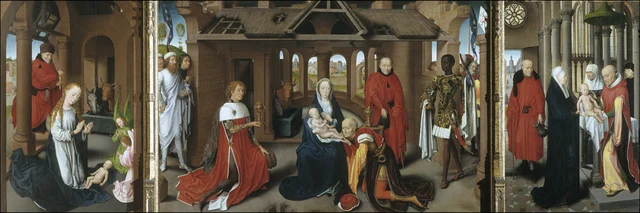 Tríptico de la Adoración de los MagosHans Memling, 1472
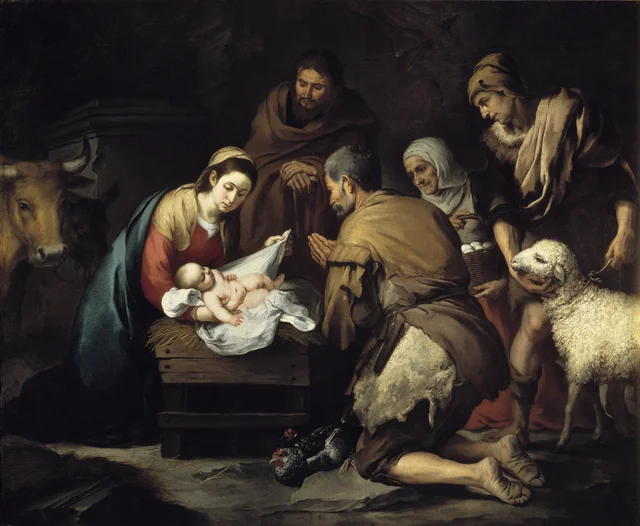 Adoración de los pastoresBartolomé Esteban Murillo, 1650
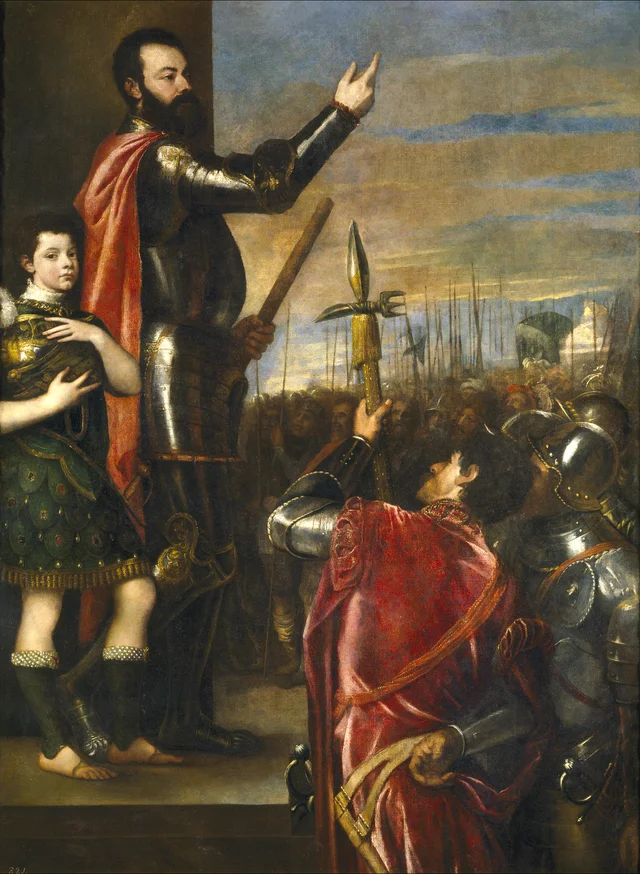 Alfonso d'Avalos arengando a sus tropasTiziano, 1540
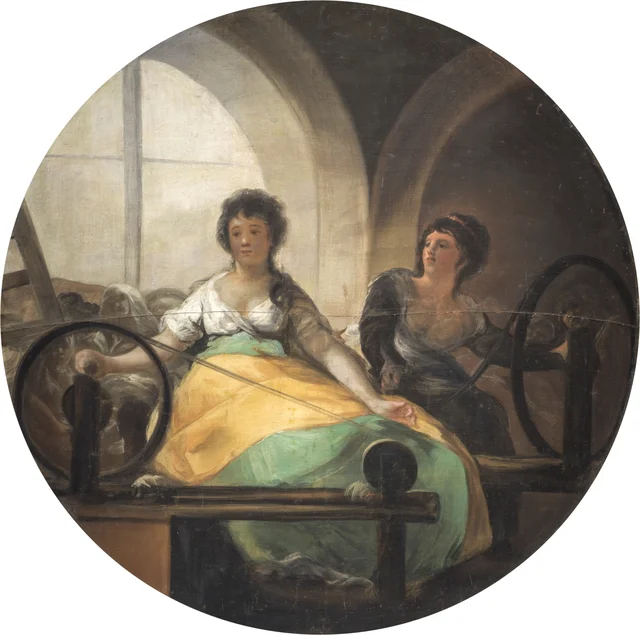 Alegoría de la IndustriaFrancisco Goya, 1804
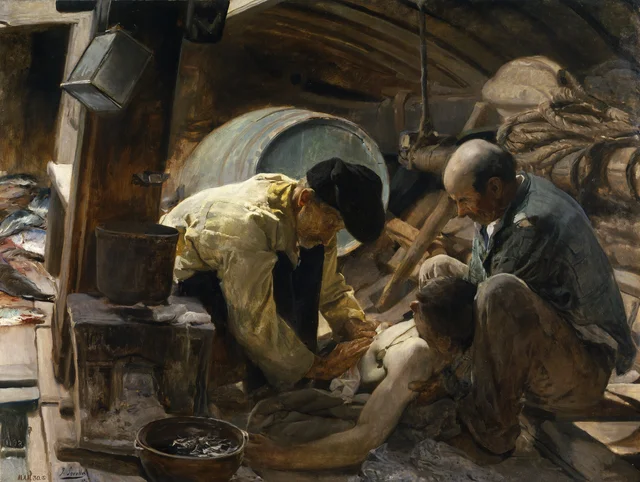 ¡Aún dicen que el pescado es caro!Joaquín Sorolla, 1894
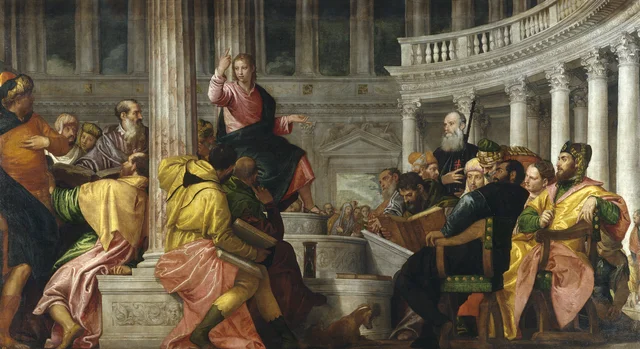 Cristo entre los doctoresPaolo Veronese, 1560
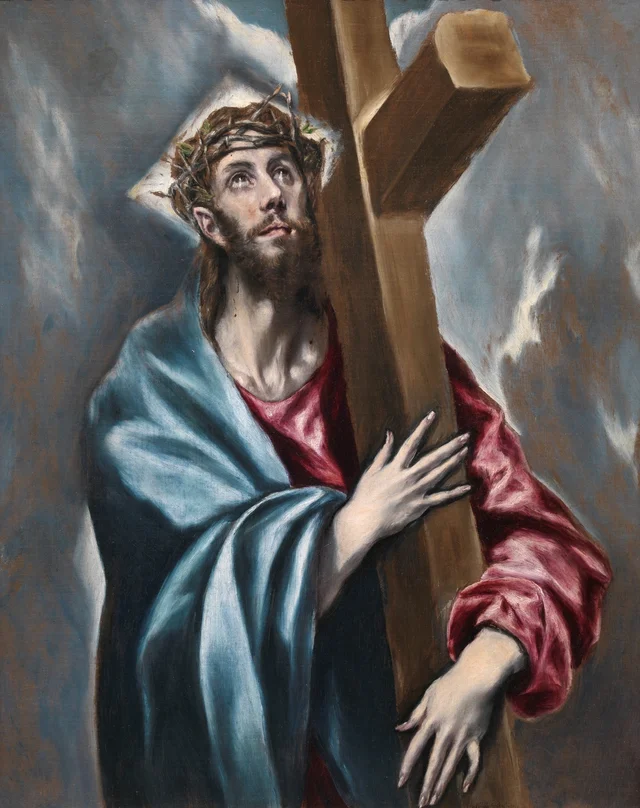 Cristo abrazado a la cruzEl Greco, 1602
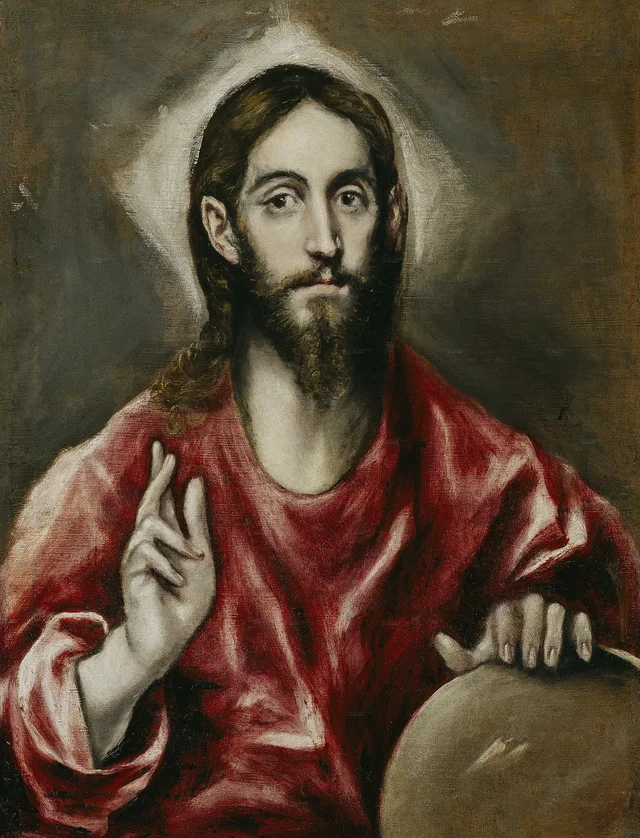 Cristo SalvadorEl Greco, 1611
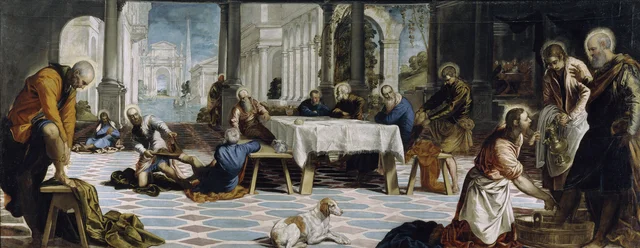 Cristo lavando los pies a los discípulosJacopo Tintoretto, 1548
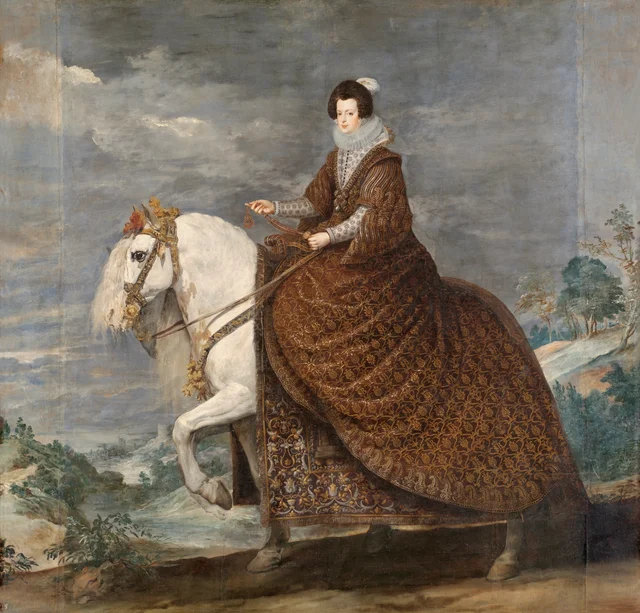 Retrato ecuestre de Isabel de FranciaDiego Velázquez, 1631
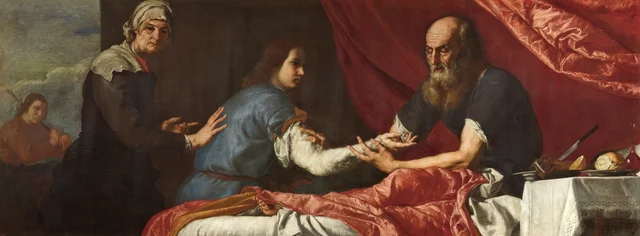 Isaac y JacobJusepe de Ribera, 1637
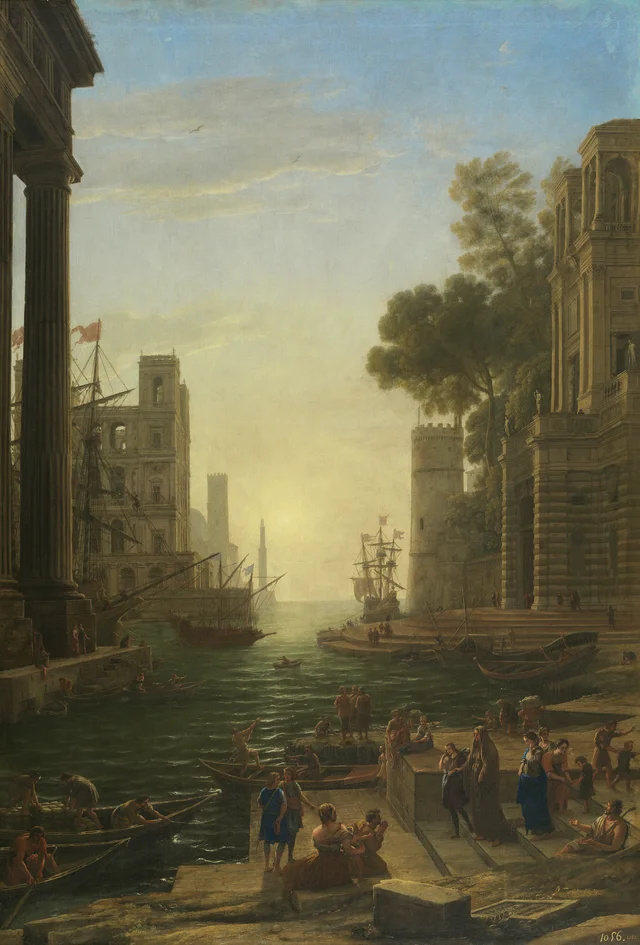 Paisaje con el embarque de santa Paula Romana en OstiaClaudio de Lorena, 1639
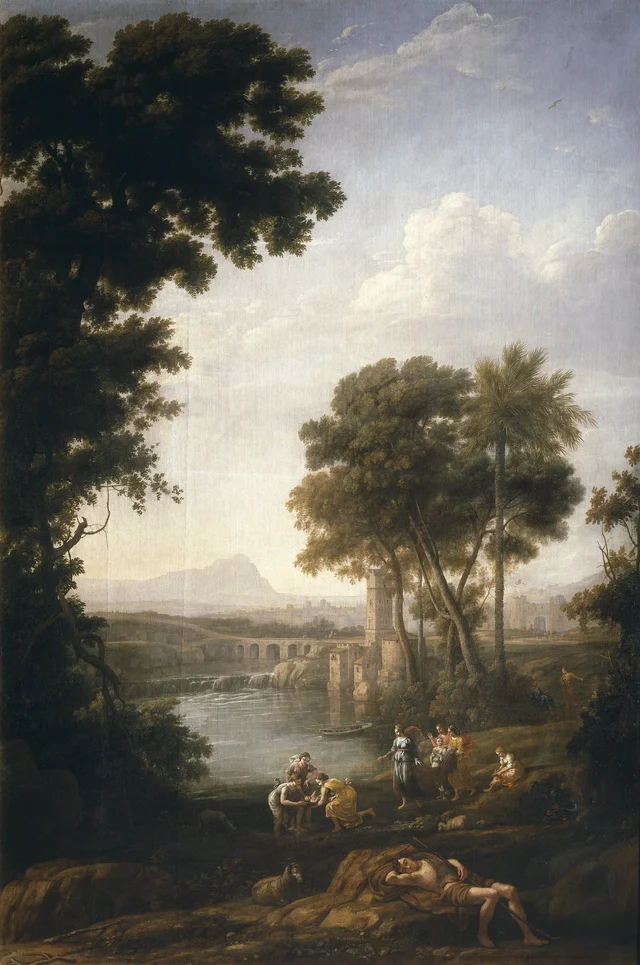 Paisaje con el hallazgo de MoisésClaudio de Lorena, 1639
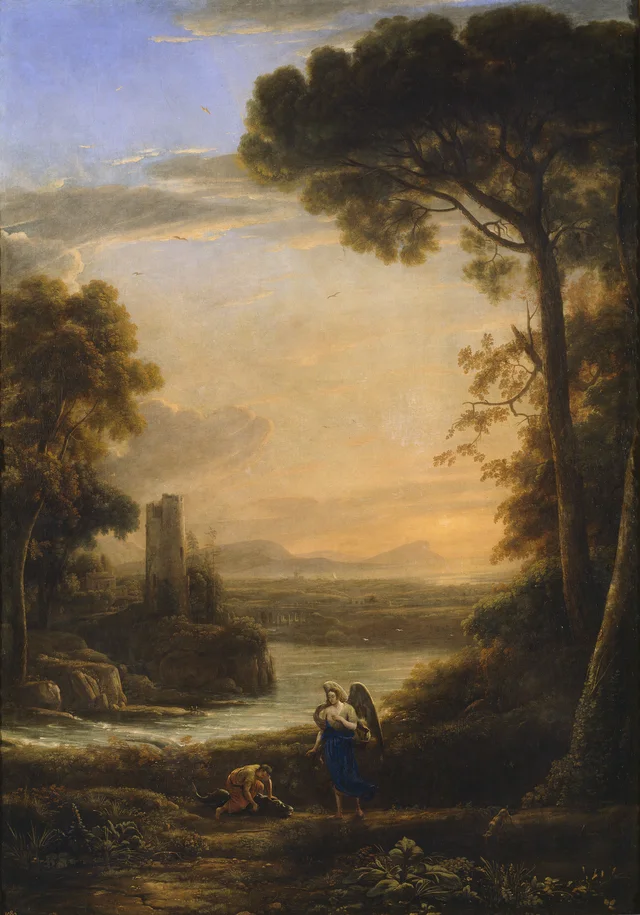 Paisaje con Tobías y el ángelClaudio de Lorena, 1639
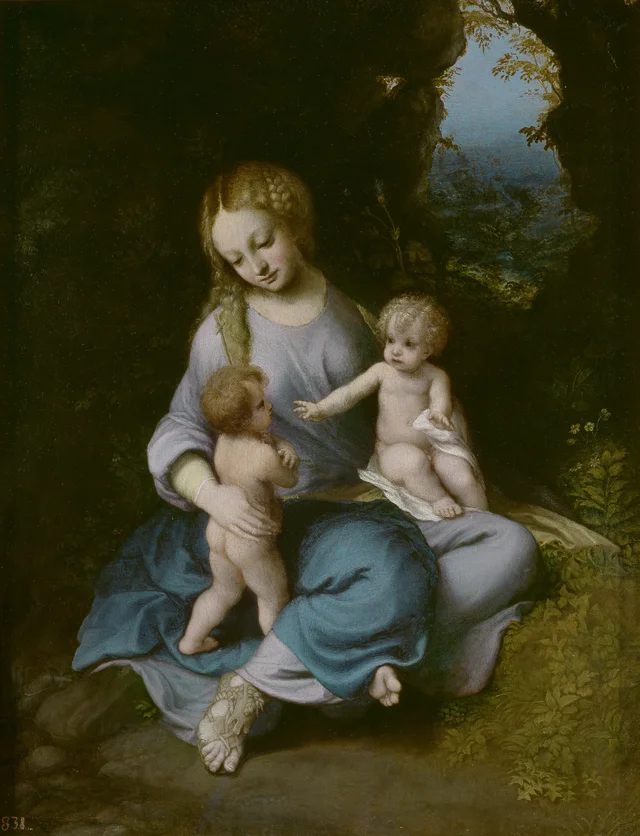 Virgen con el Niño y san JuanitoCorreggio, 1516
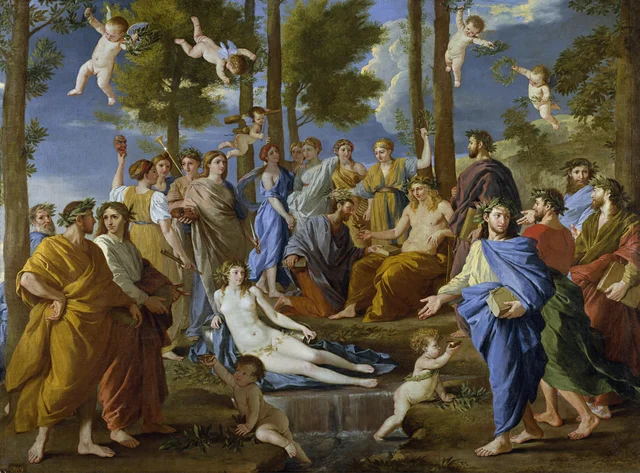 El ParnasoNicolas Poussin, 1632
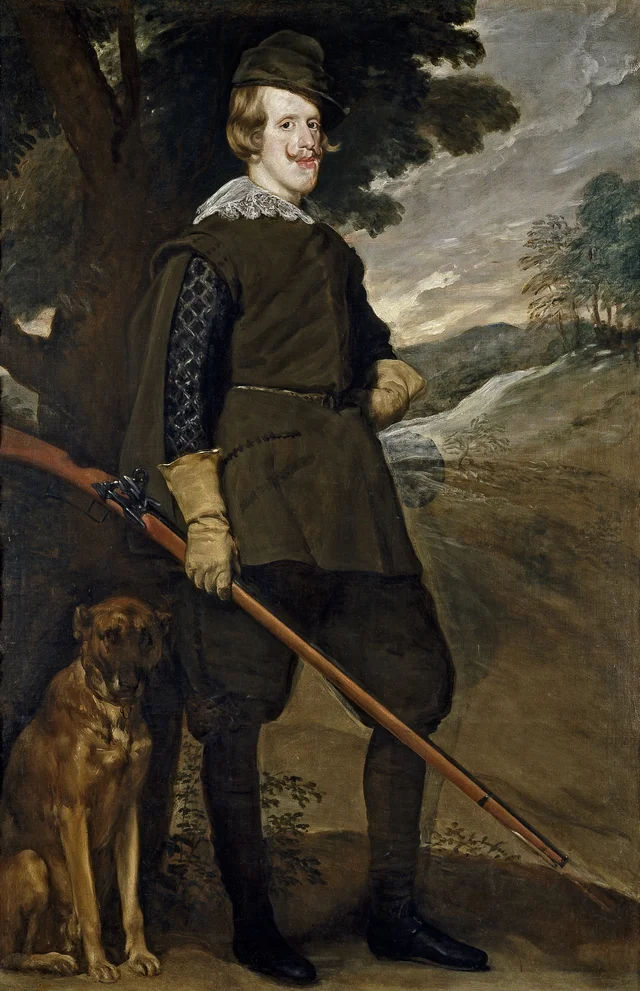 Felipe IV, cazadorDiego Velázquez, 1632
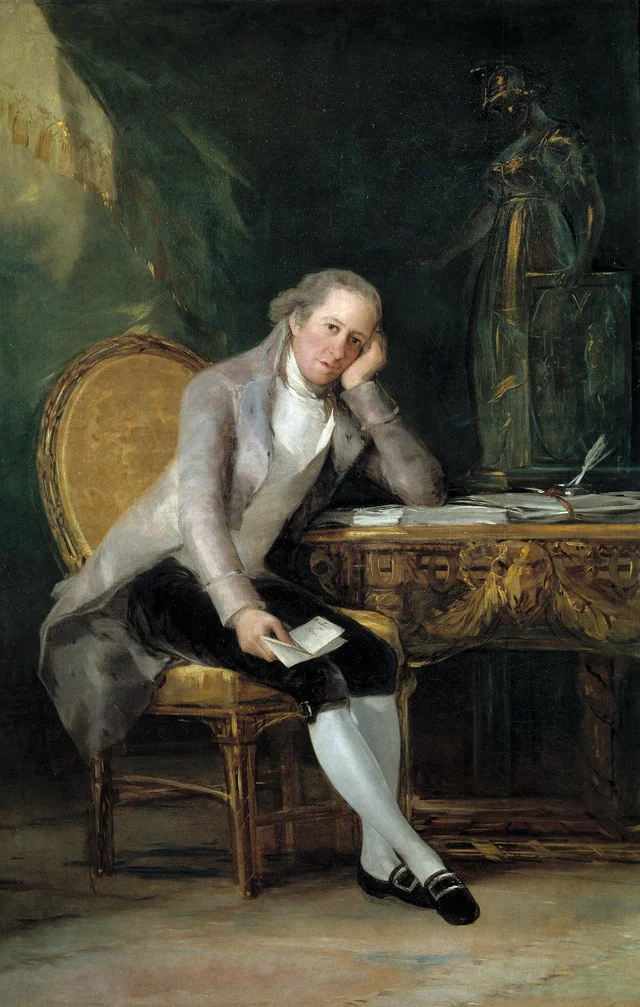 Retrato de Gaspar Melchor de JovellanosFrancisco Goya, 1798
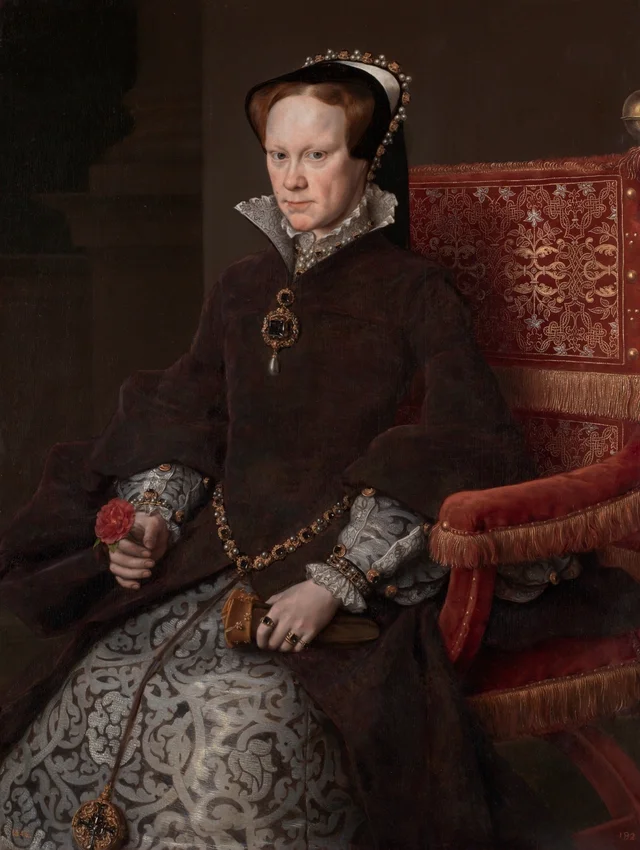 Retrato de María TudorAntonis Mor, 1554