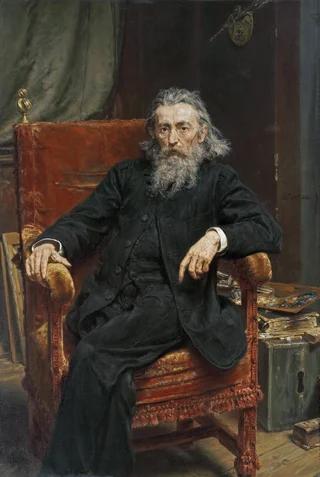
Jan Matejko
1838–1893 · Ville libre de Cracovie · Peinture d'histoire, Romantisme, Réalisme du XIXe siècle
L'histoire
Jan Matejko naquit en 1838 à Cracovie, dans une Pologne qui n'existait pas sur la carte. Le pays avait été partagé en trois entre la Russie, la Prusse et l'Autriche six décennies plus tôt, et à l'époque où Matejko peignait, la plupart de ses compatriotes n'avaient jamais vécu sous un gouvernement polonais. Il répondit à cet effacement par la taille. Ses tableaux d'histoire polonaise atteignent des dimensions énormes, la Bataille de Grunwald de 1878 s'étend sur près de 10 mètres de large, foisonnant de rois, de chevaliers et de bannières nommés, tirés d'une victoire de 1410 sur les chevaliers Teutoniques dont les Polonais pouvaient encore s'enorgueillir même sans État à eux.
Matejko condensa des décennies en une seule toile, inventa des rencontres qui n'eurent jamais lieu et habilla ses figures pour l'effet dramatique plutôt que d'après un costume documenté, des choix que des historiens ont depuis critiqués. Malgré cela, les tableaux furent sans cesse reproduits en estampes et en cartes postales, accrochés dans les foyers à travers les terres polonaises partagées, faisant le travail qu'un musée national ou un gouvernement national ne pouvait accomplir à l'époque.
Il enseigna à l'École des beaux-arts de Cracovie durant les deux dernières décennies de sa vie, formant la génération suivante de peintres polonais, et mourut en 1893, enterré dans la ville même où l'immense toile de Grunwald avait attiré les foules 15 ans plus tôt.
Œuvres
56 œuvres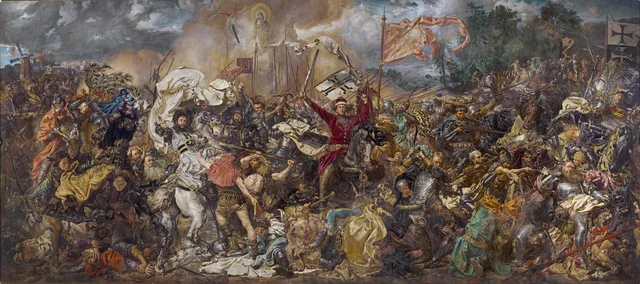 Bataille de GrunwaldJan Matejko, 1878
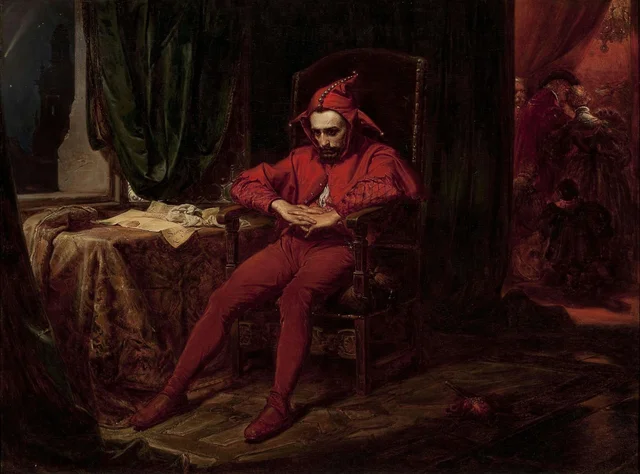 StańczykJan Matejko, 1862
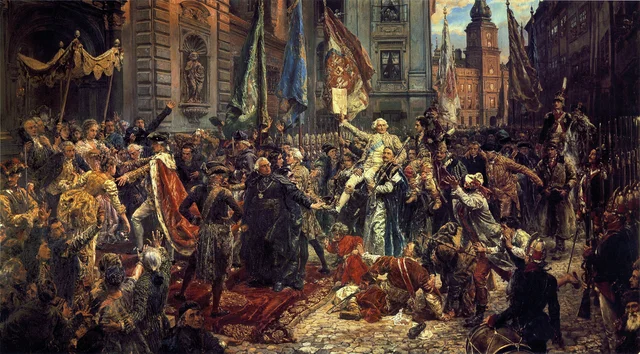 Constitution du 3 mai 1791Jan Matejko, 1891
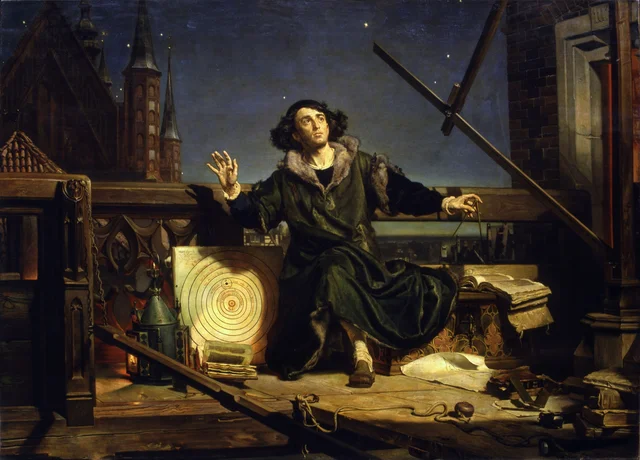 L'Astronome Copernic, ou Conversations avec DieuJan Matejko, 1873
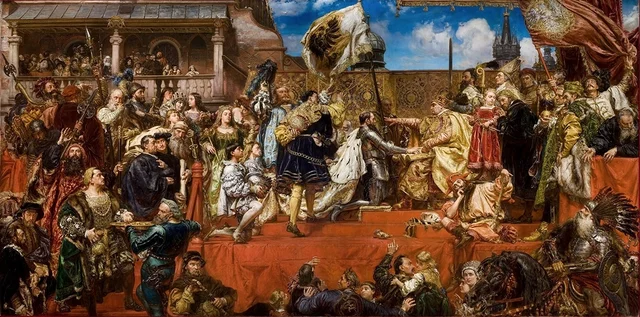 L'Hommage prussienJan Matejko, 1879
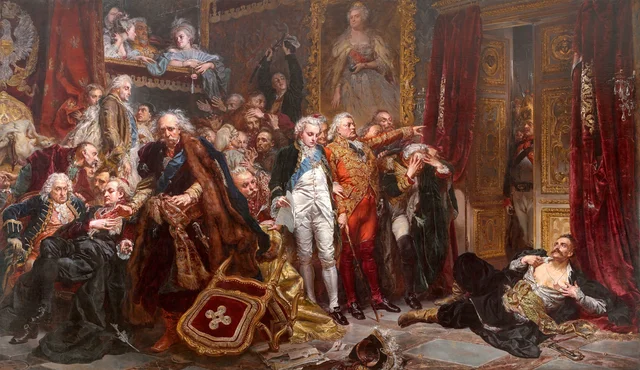 RejtanJan Matejko, 1866
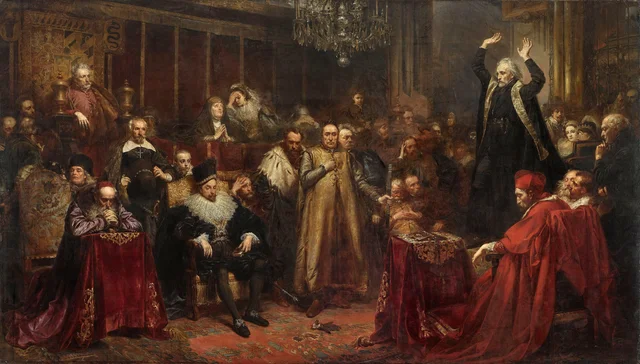 Le Sermon de SkargaJan Matejko, 1864
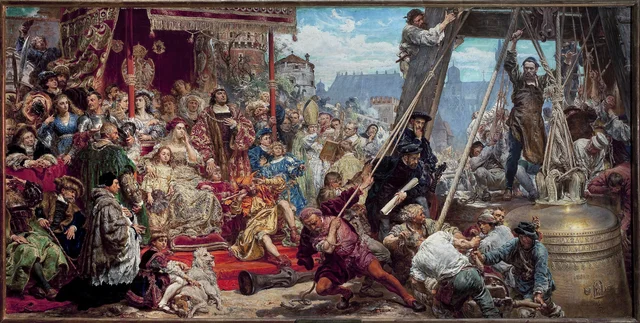 L'Installation de la cloche Sigismond au clocher de la cathédrale de Cracovie en 1521Jan Matejko, 1874
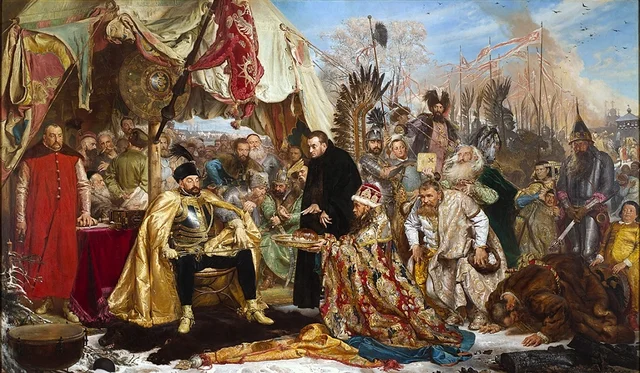 Étienne Báthory à PskovJan Matejko, 1872
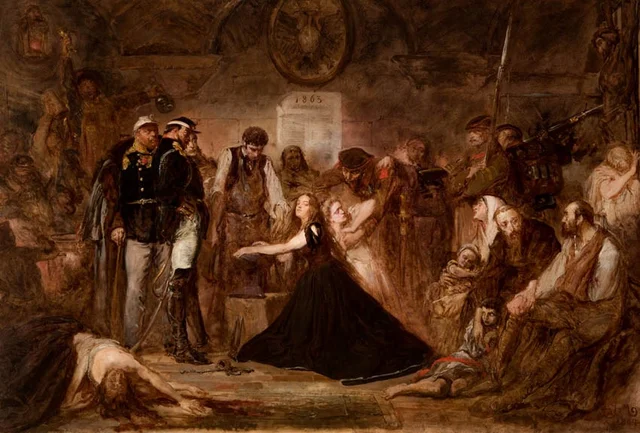 La Pologne – L'année 1863Jan Matejko, 1864
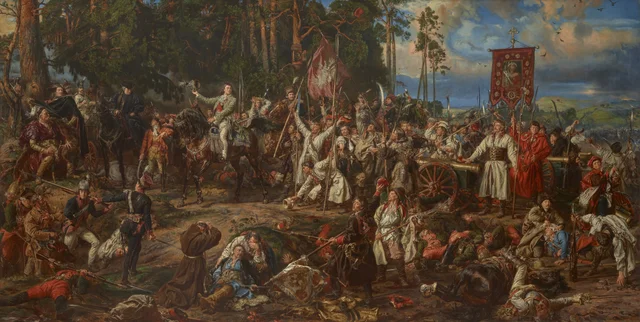 La Bataille de RacławiceJan Matejko, 1888
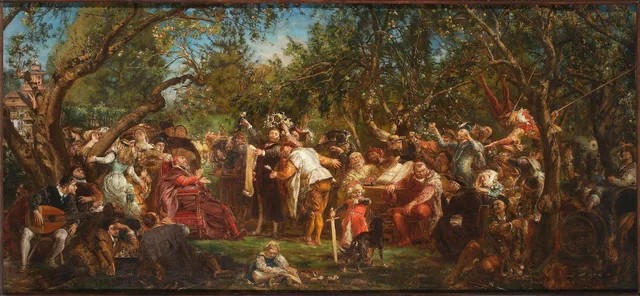 République de BabinJan Matejko, 1881
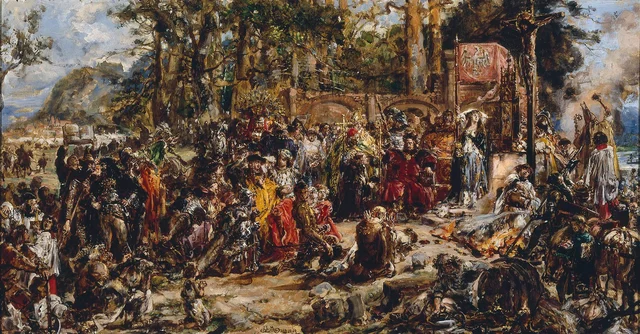 Le Baptême de la LituanieJan Matejko, 1888
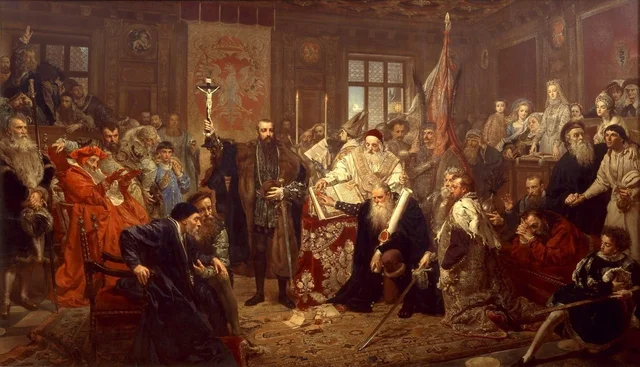 L'Union de LublinJan Matejko, 1869
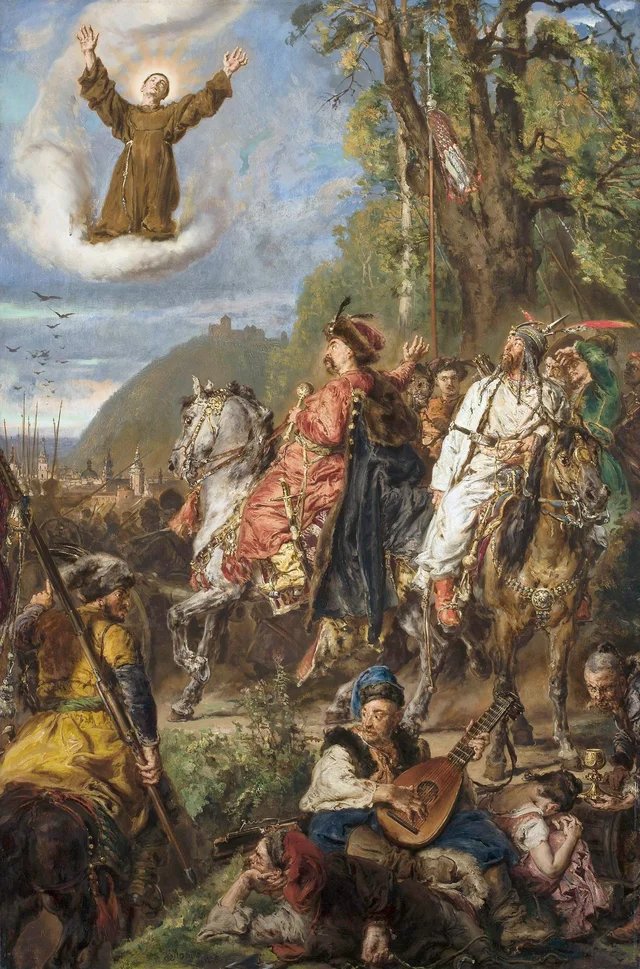 Bohdan Khmelnytsky avec Tougaï Bey près de LvivJan Matejko, 1885
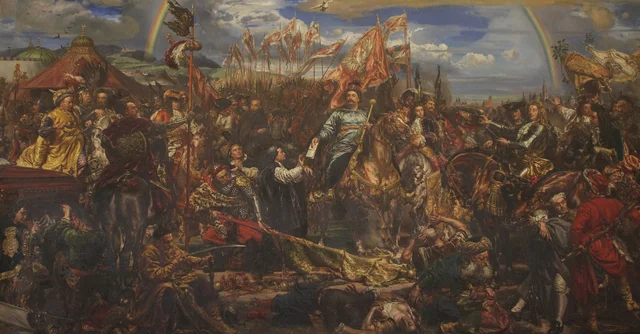 Jean Sobieski à VienneJan Matejko, 1883
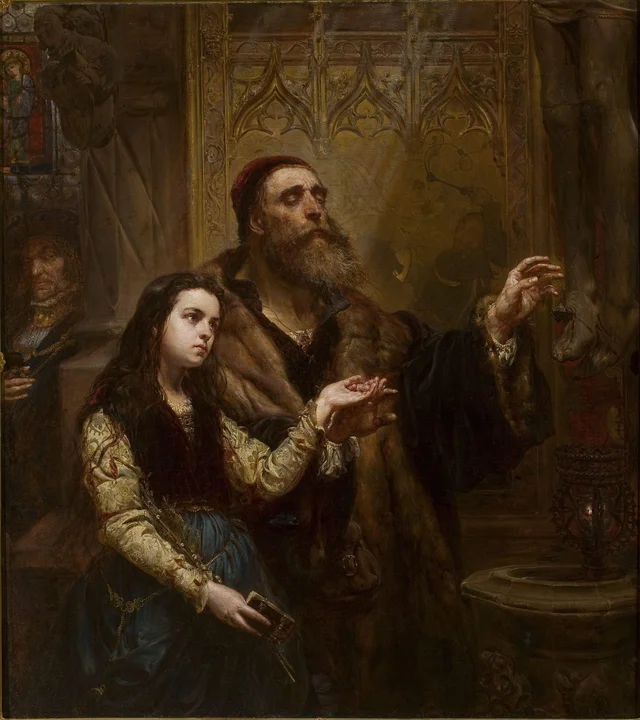 Veit Stoss aveugle avec sa petite-filleJan Matejko, 1865
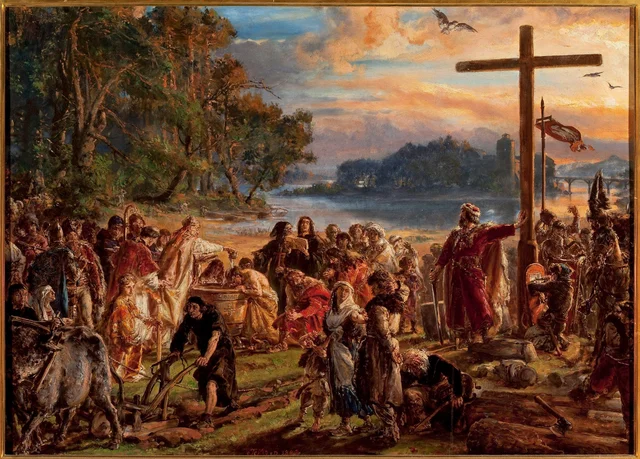 L'Introduction du christianisme en PologneJan Matejko, 1889
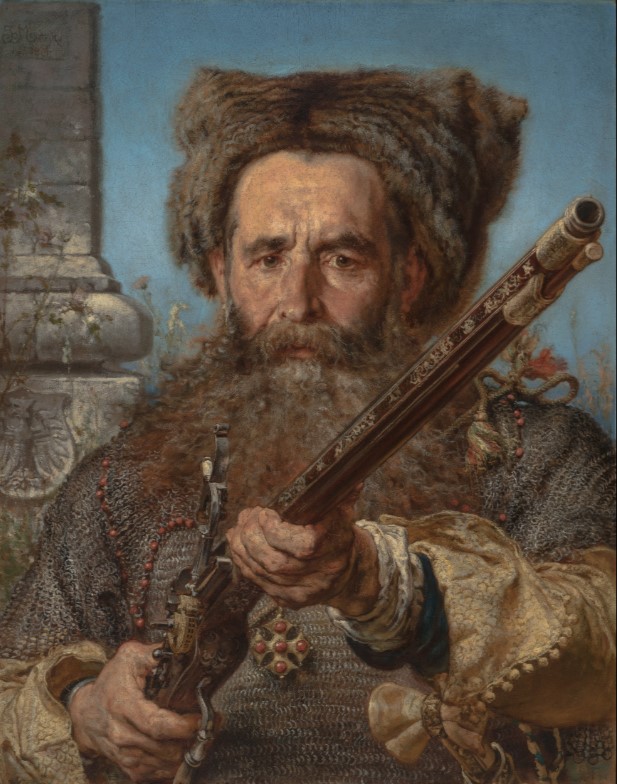 Ostafi Daszkiewicz.Jan Matejko, 1874
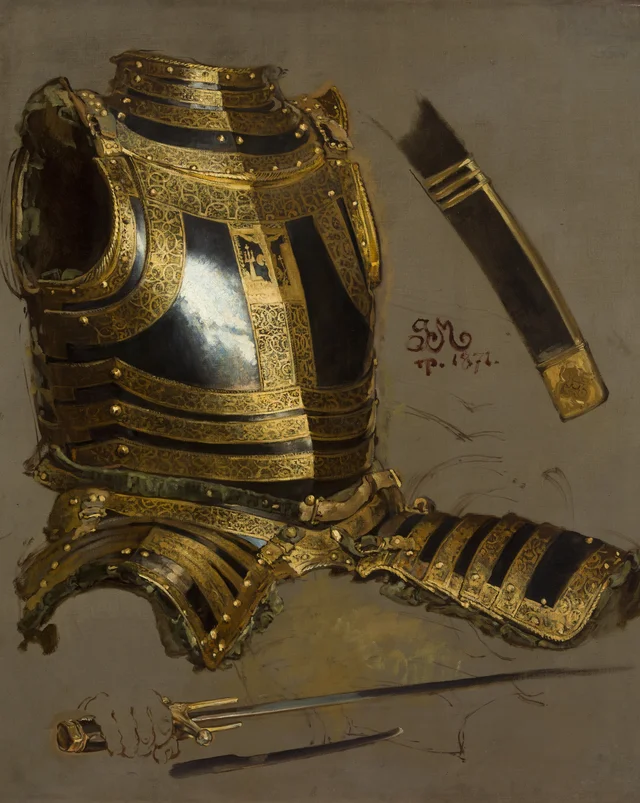 L'Armure d'Étienne BáthoryJan Matejko, 1871
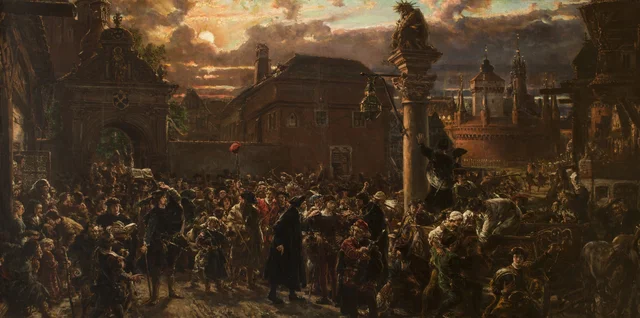 Des étudiants quittant Cracovie en 1549Jan Matejko, 1892
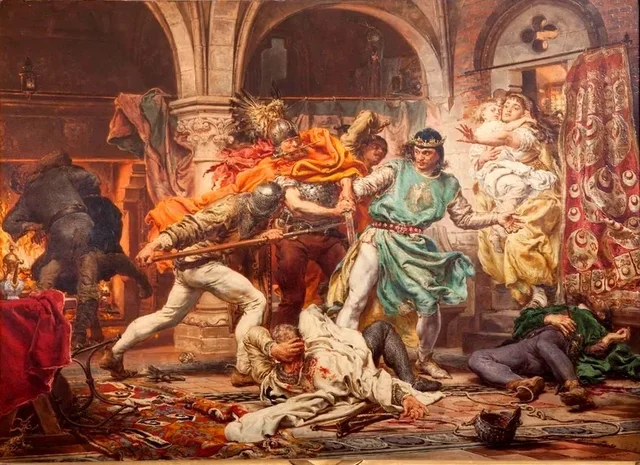 La Mort de Przemysł IIJan Matejko, 1875
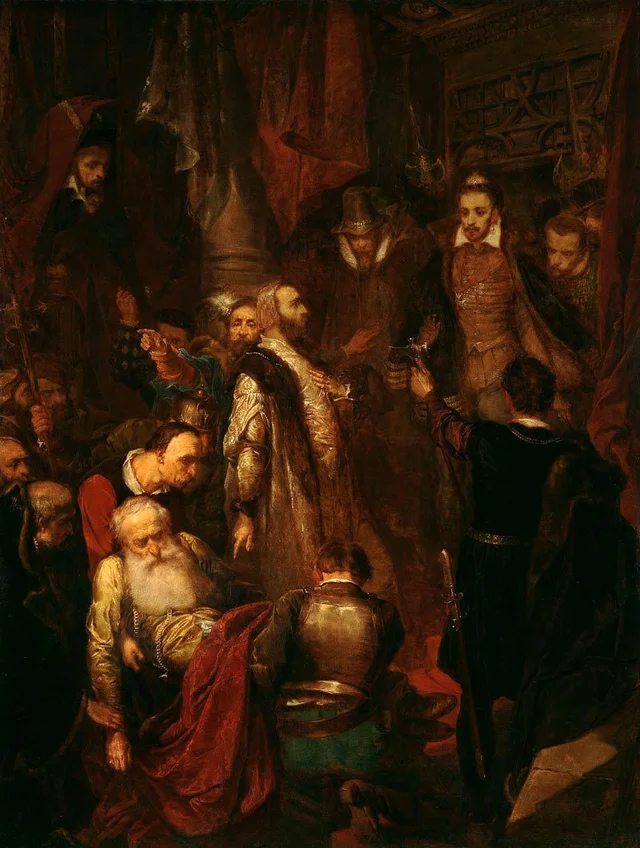 Le meurtre de Wapowski lors du couronnement de Henri de ValoisJan Matejko, 1861
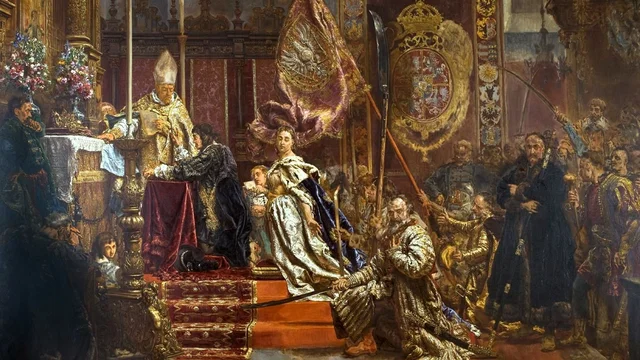 Le Serment de Lwów du roi Jean II CasimirJan Matejko, 1893
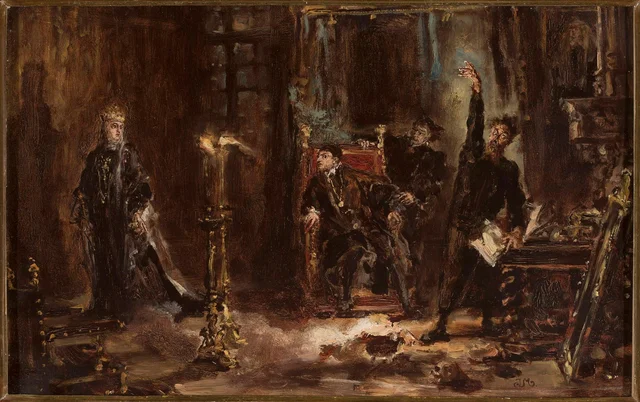 Twardowski invoquant l'esprit de Barbara pour Sigismond II Auguste, esquisseJan Matejko, 1884