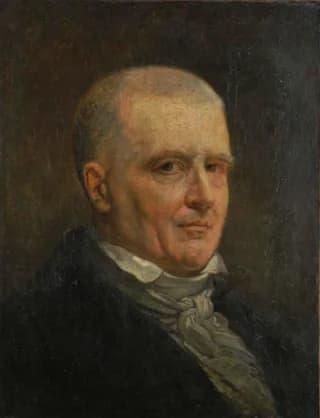
Jean-Honoré Fragonard
1732–1806 · France · Rococo
L'histoire
En 1767, un gentilhomme de petite noblesse s'adressa au peintre Gabriel-François Doyen avec une commande singulière : le peindre avec sa maîtresse, celle-ci sur une balançoire poussée par un évêque, disposée de façon qu'il puisse voir sous sa jupe depuis une cachette en contrebas. Doyen refusa et passa la commande à son jeune confrère Jean-Honoré Fragonard, qui l'accepta, remplaça l'évêque par un mari dissimulé dans l'ombre, et peignit ce qui devint « Les Hasards heureux de l'escarpolette », aujourd'hui à la Wallace Collection de Londres.
Fragonard s'était formé auprès de François Boucher, premier peintre décoratif de l'époque, et obtint en 1756 une bourse pour l'Académie de France à Rome, où il passa cinq ans à étudier les maîtres anciens. Il revint à Paris capable de traiter de grands sujets d'histoire, mais ce furent les roses et les verts tourbillonnants de tableaux comme « L'Escarpolette » et « Les Progrès de l'amour », commandés pour la favorite royale Madame du Barry, qui le rendirent célèbre et que ses commanditaires ne cessèrent de lui réclamer. On le connaissait aussi pour sa rapidité de main. Sa série de « figures de fantaisie » du milieu des années 1770, portraits en buste enlevés d'amis en costume imaginaire, aurait été peinte en une heure chacune environ.
Après 1767, il cessa largement d'envoyer ses œuvres aux Salons officiels, travaillant plutôt directement pour des collectionneurs privés sur des scènes de jardins, d'amants et de baisers dérobés. Dans les années 1780, le goût bascula durement vers un néoclassicisme sévère. Après la Révolution, sa fortune envolée, Fragonard passa ses dernières années comme modeste conservateur du musée du Louvre récemment ouvert, installé dans le palais même où avaient vécu les commanditaires aristocratiques qui avaient jadis commandé « L'Escarpolette ».
Œuvres
17 œuvres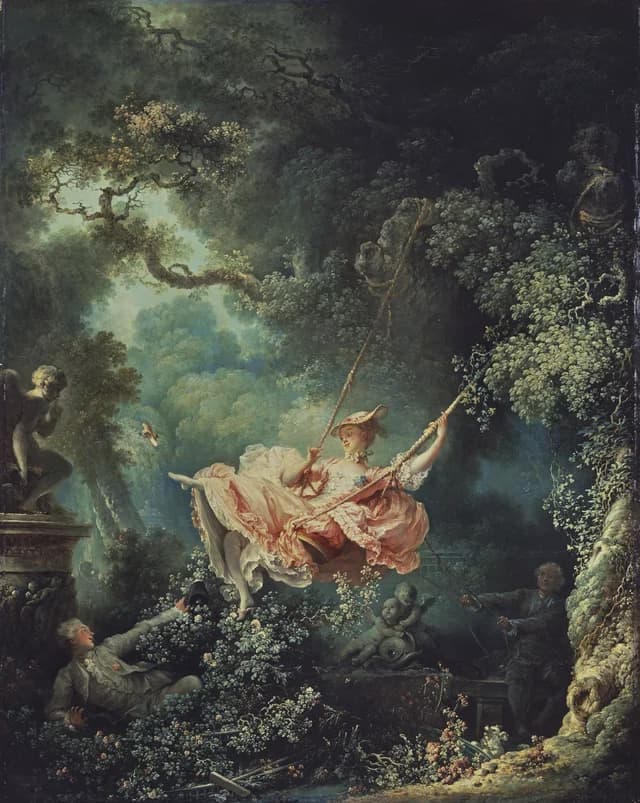 L'EscarpoletteJean-Honoré Fragonard, 1767
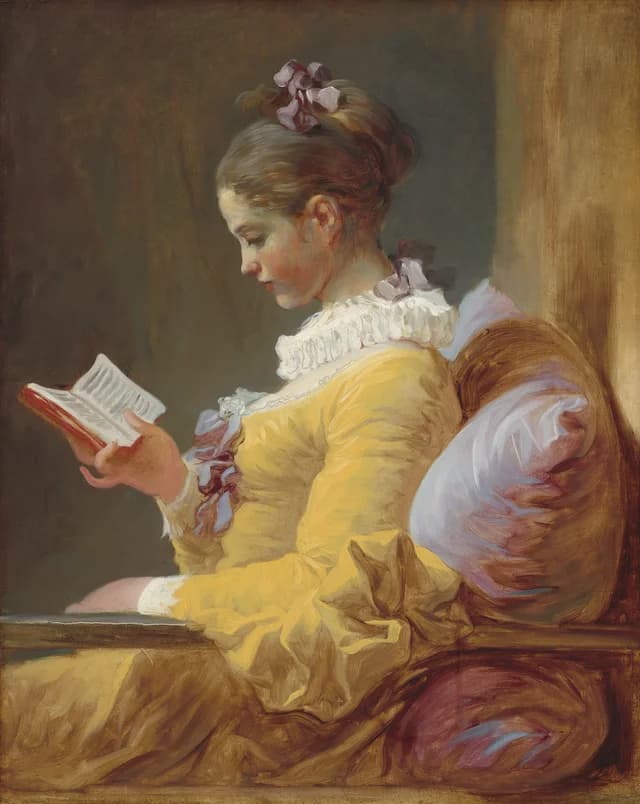 Jeune fille lisantJean-Honoré Fragonard, 1770
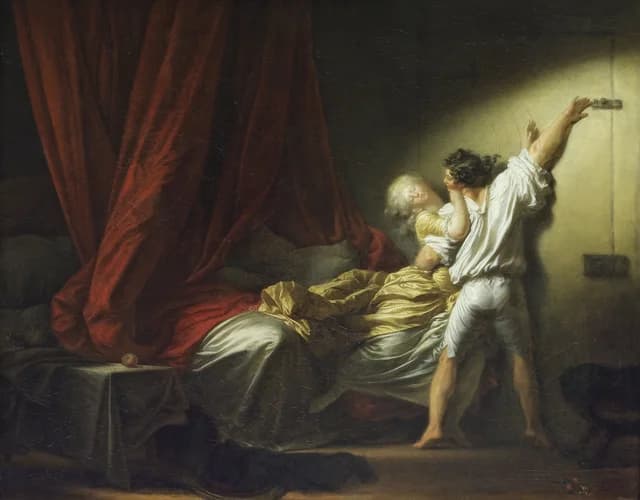 Le VerrouJean-Honoré Fragonard, 1777
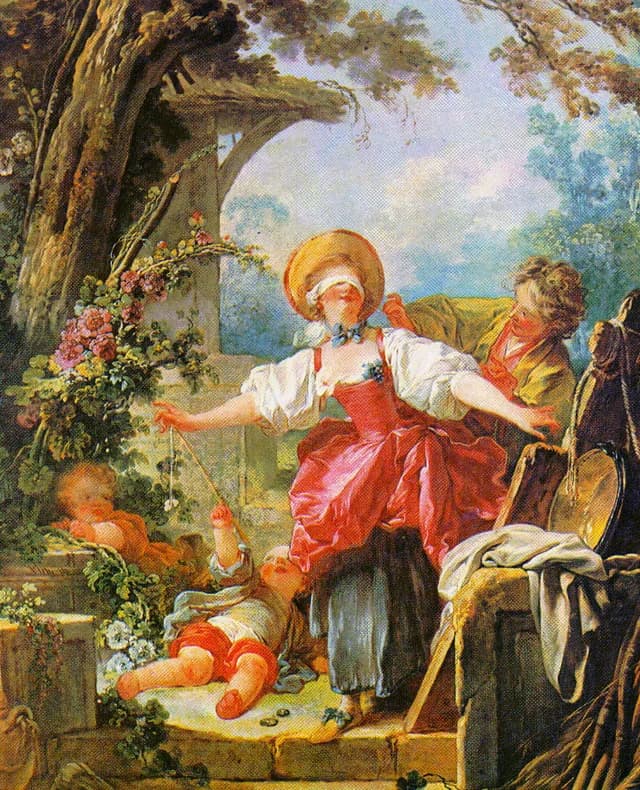 Le Colin-maillardJean-Honoré Fragonard, 1750
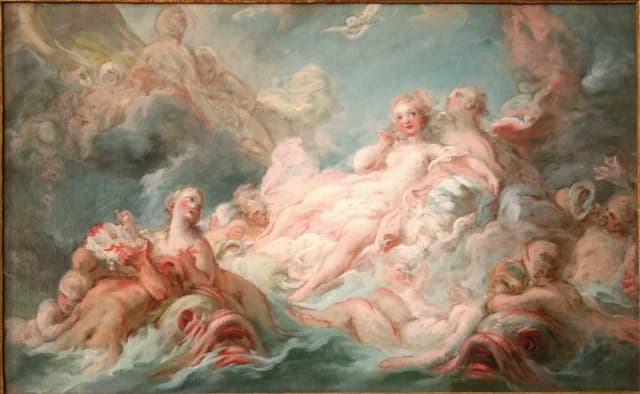 La Naissance de VénusJean-Honoré Fragonard, 1753
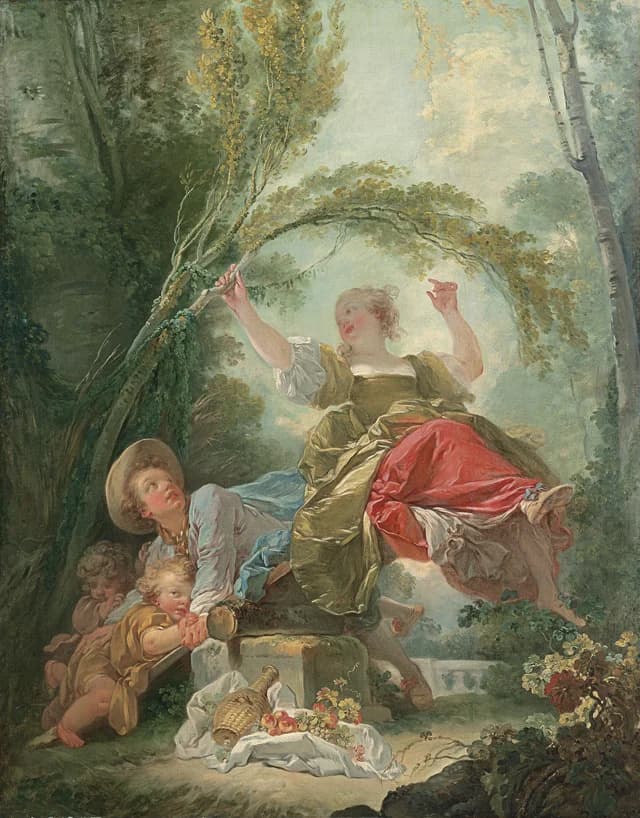 La BalançoireJean-Honoré Fragonard, 1750
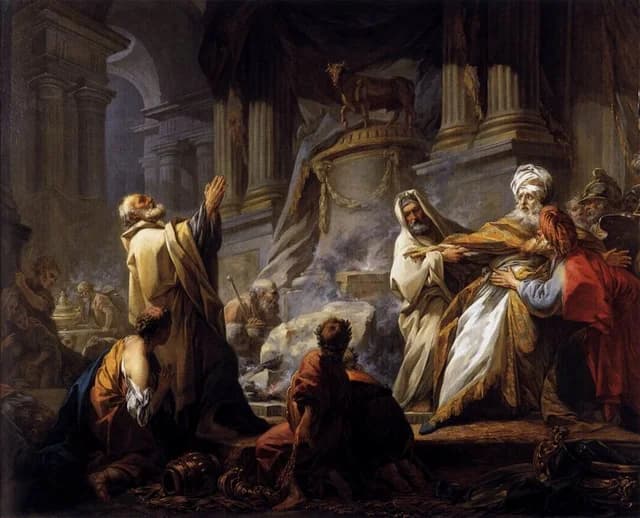 Jéroboam sacrifiant aux idolesJean-Honoré Fragonard, 1752
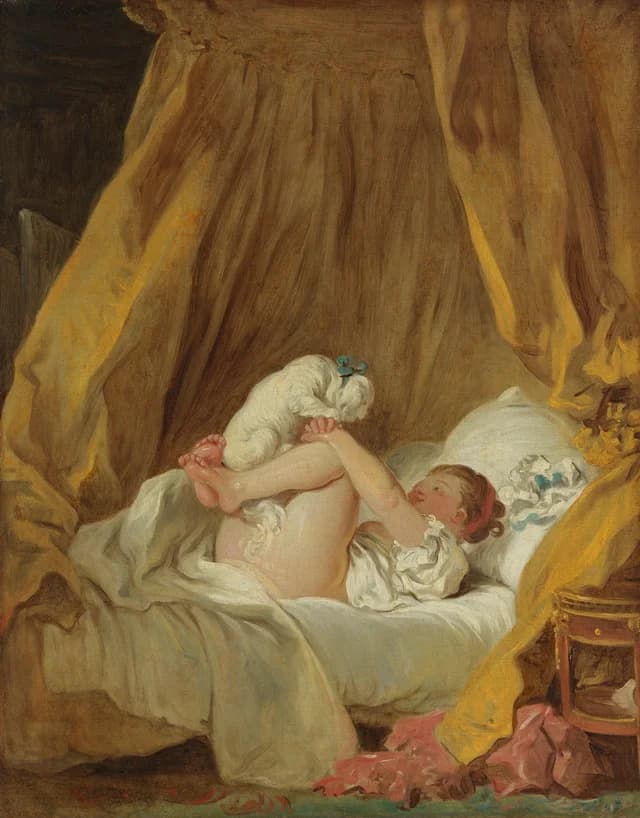 La GimbletteJean-Honoré Fragonard, 1770
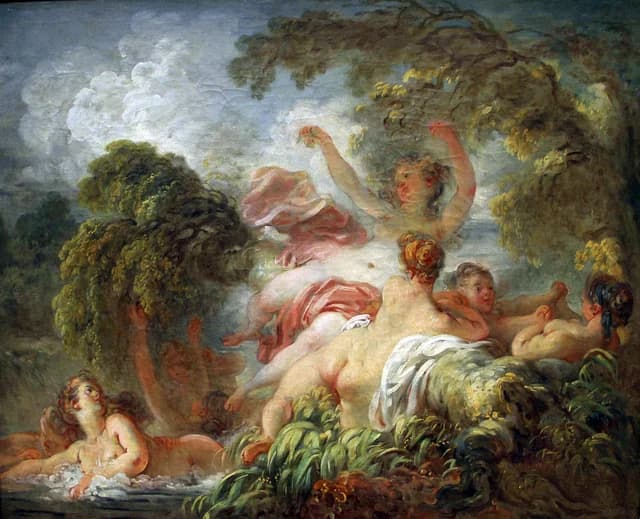 Les BaigneusesJean-Honoré Fragonard, 1765
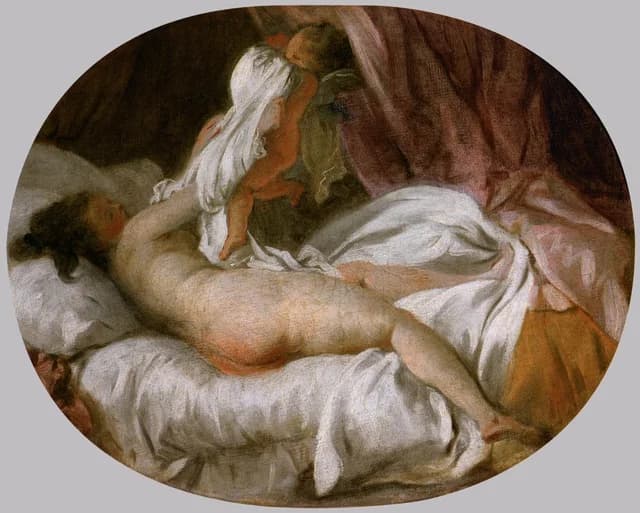 La Chemise enlevéeJean-Honoré Fragonard, 1770
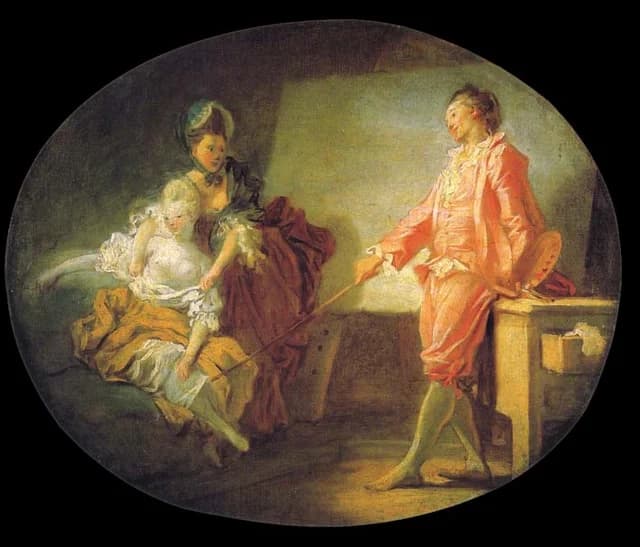 La Première Séance de pose du modèleJean-Honoré Fragonard, 1769
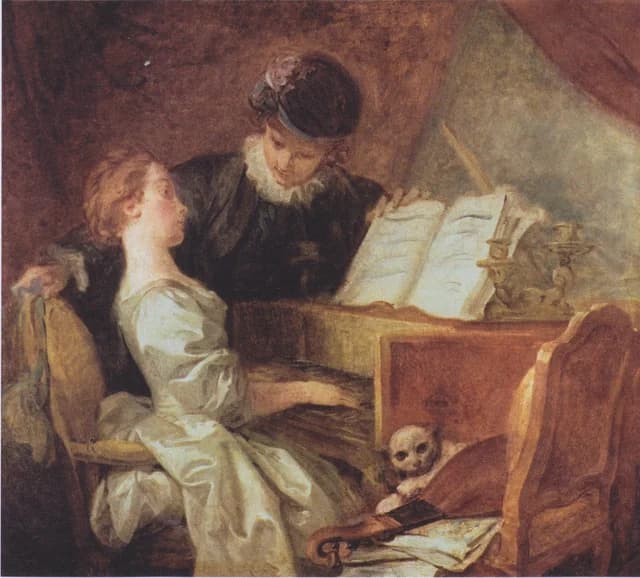 La Leçon de musiqueJean-Honoré Fragonard, 1770
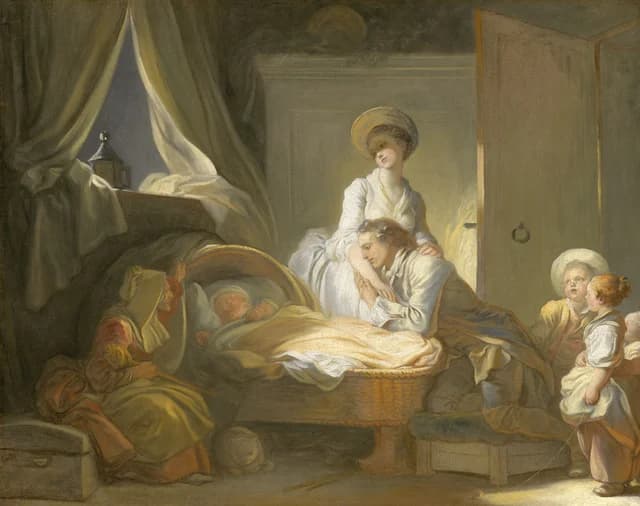 La Visite à la nourriceJean-Honoré Fragonard, 1775
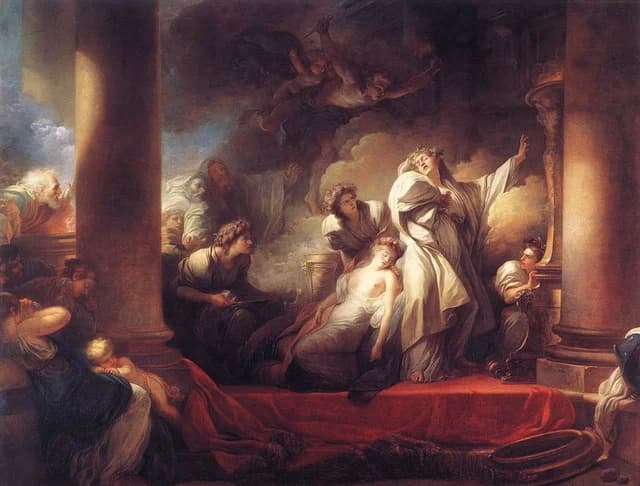 Corésus se sacrifiant pour sauver CallirhoéJean-Honoré Fragonard, 1765
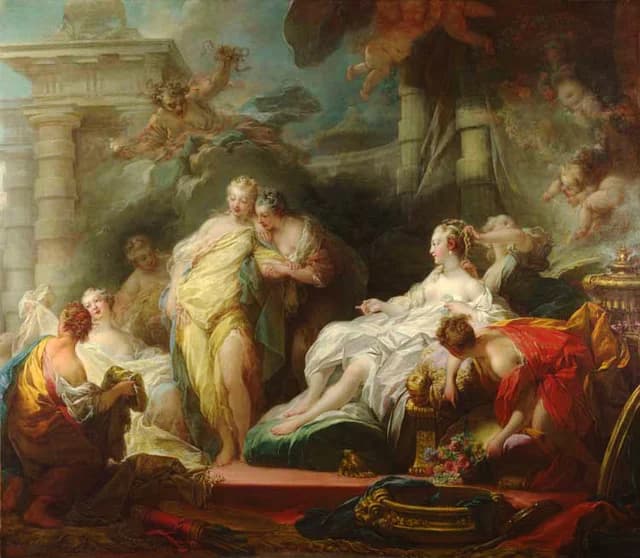 Psyché montrant à ses sœurs les présents de CupidonJean-Honoré Fragonard, 1753
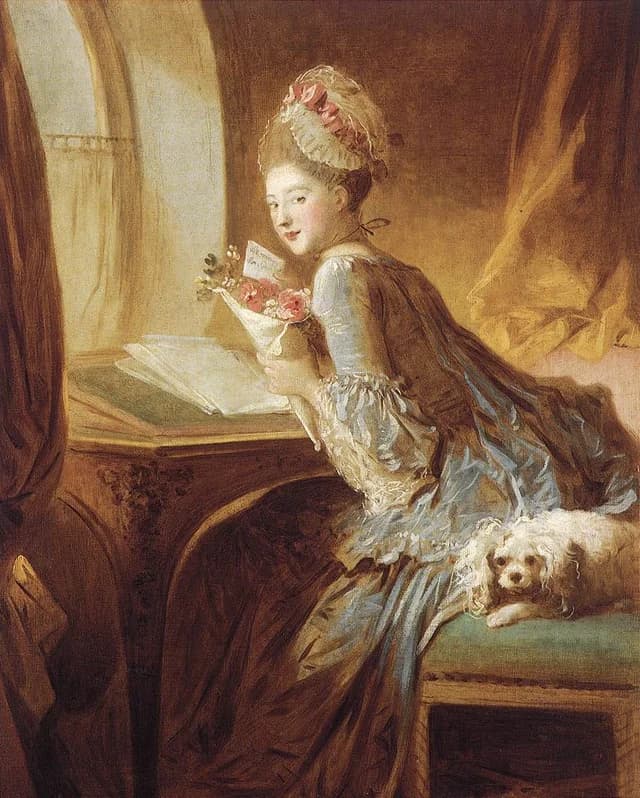 Le Billet douxJean-Honoré Fragonard, 1770
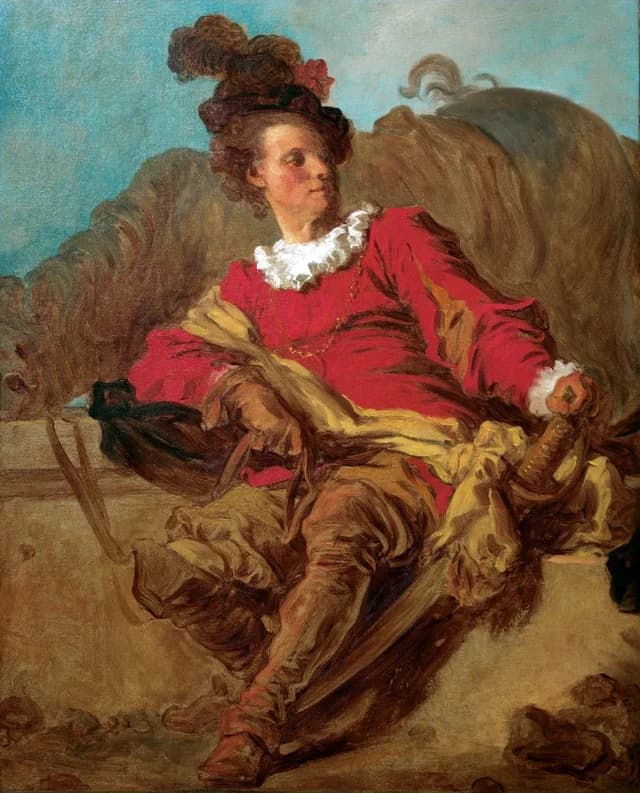 Jean-Claude Richard, abbé de Saint-NonJean-Honoré Fragonard, 1769