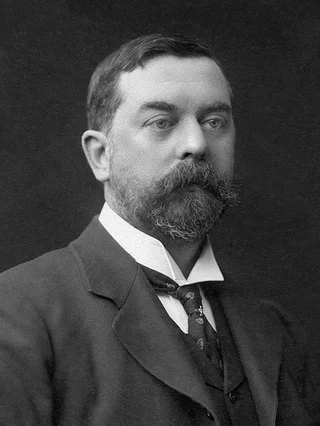
John Singer Sargent
1856–1925 · États-Unis · Impressionnisme
L'histoire
En 1884, Sargent demande à une mondaine parisienne née en Louisiane, Virginie Gautreau, de poser pour un portrait qu'il voulut faire de sa propre initiative, sans commande : la peau pâle, un profil pour lequel elle était célèbre, et une robe noire dont une bretelle ornée de bijoux glissait d'une épaule. Quand le tableau parut au Salon sous le titre Portrait de Mme***, tout Paris savait exactement de qui il s'agissait, et la bretelle tombante se lut comme un aveu ouvert des liaisons qu'on lui prêtait déjà. La réaction fut brutale. Un critique la traita de clown dans une pantomime, et la mère de Gautreau serait venue en larmes à l'atelier de Sargent le supplier de retirer l'œuvre.
Sargent repeignit la bretelle sur son épaule, mais le tort causé à sa réputation à Paris était fait, et il partit pour Londres dans l'année. Il y reconstruisit sa carrière presque à partir de rien, peignant l'aristocratie britannique et de riches expatriés américains, et dans les années 1890 il était le portraitiste le plus recherché du monde anglophone.
Il garda l'original de Madame X dans son propre atelier pendant des décennies, refusant de le vendre ou de l'exposer publiquement, et ne le céda au Metropolitan Museum de New York qu'en 1916, le disant la meilleure chose qu'il eût jamais peinte.
Autres articles
Œuvres
137 œuvres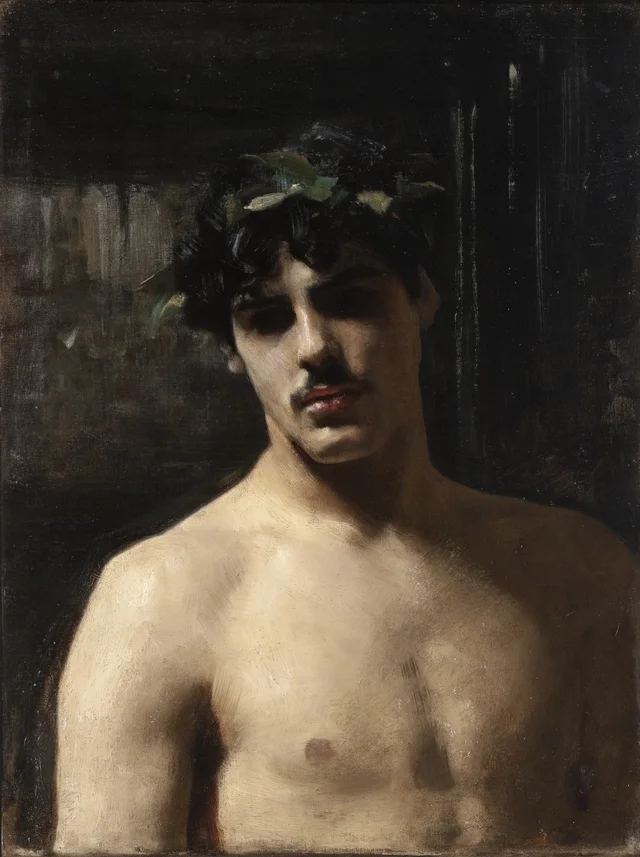 Homme portant des lauriersJohn Singer Sargent, 1877
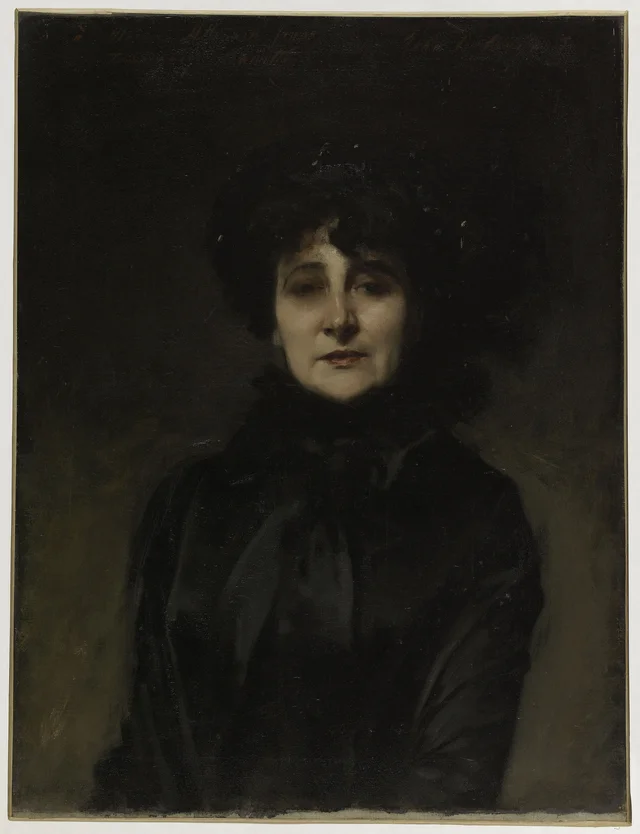 Mme Emma-Marie Allouard-JouanJohn Singer Sargent, 1882
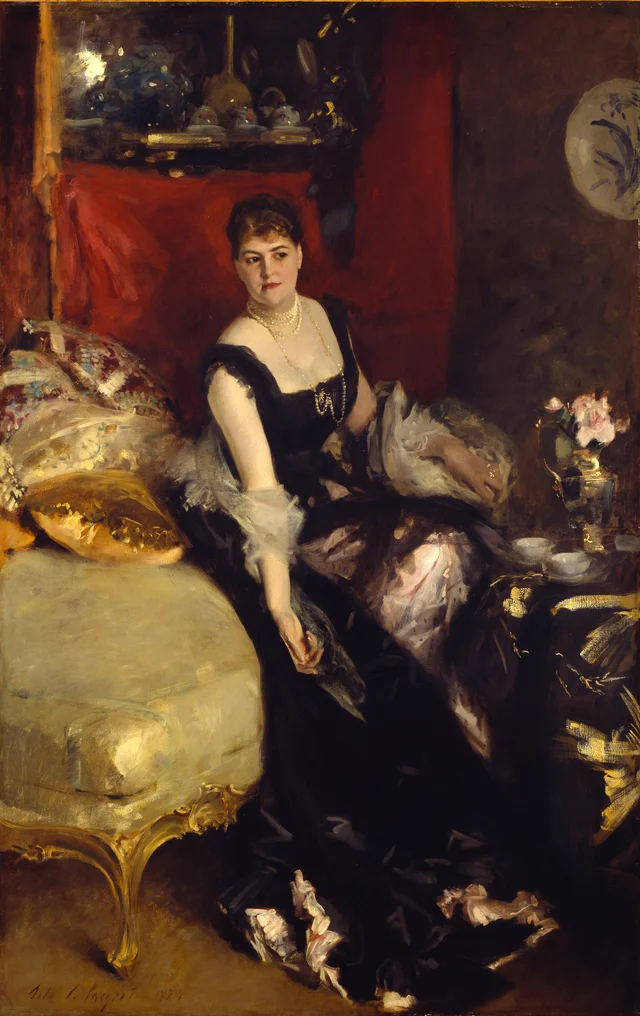 Madame Kate A. MooreJohn Singer Sargent, 1884
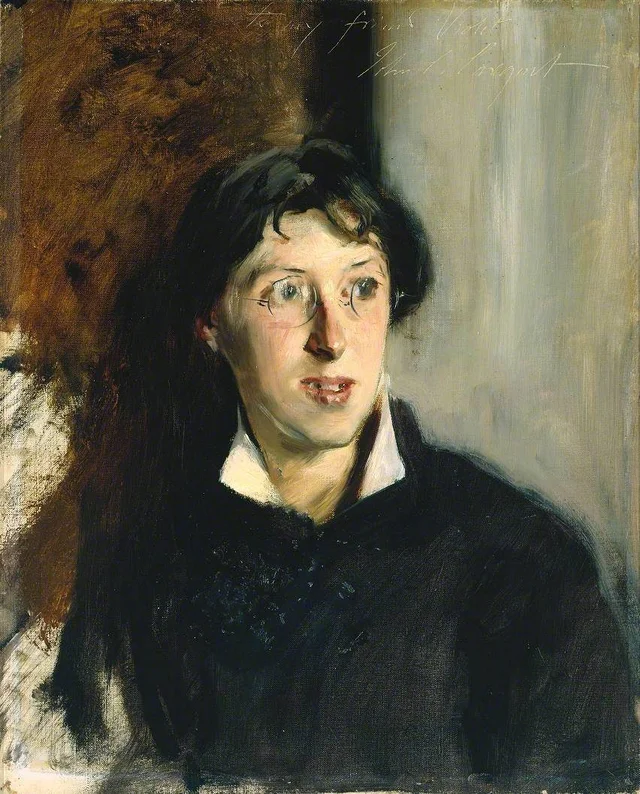 Portrait de Vernon LeeJohn Singer Sargent, 1881
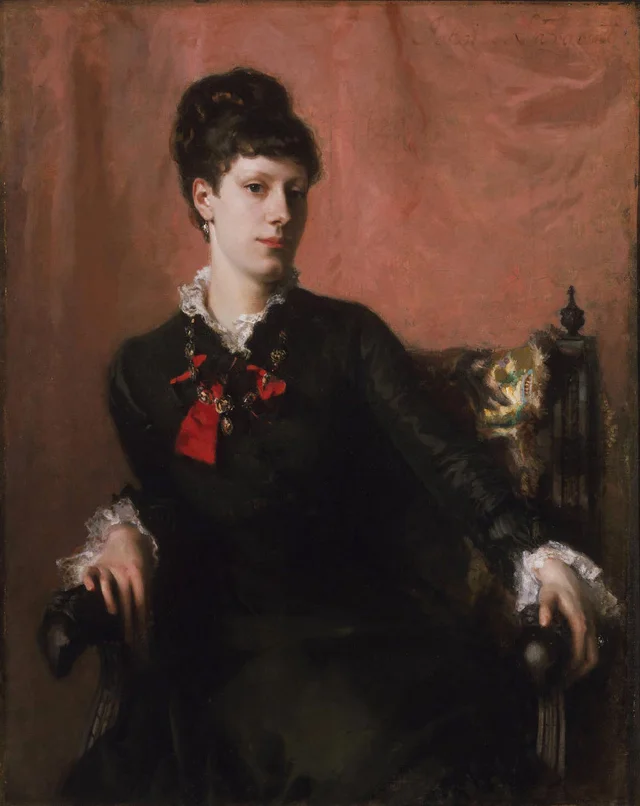 Portrait de Frances Sherborne Ridley WattsJohn Singer Sargent, 1877
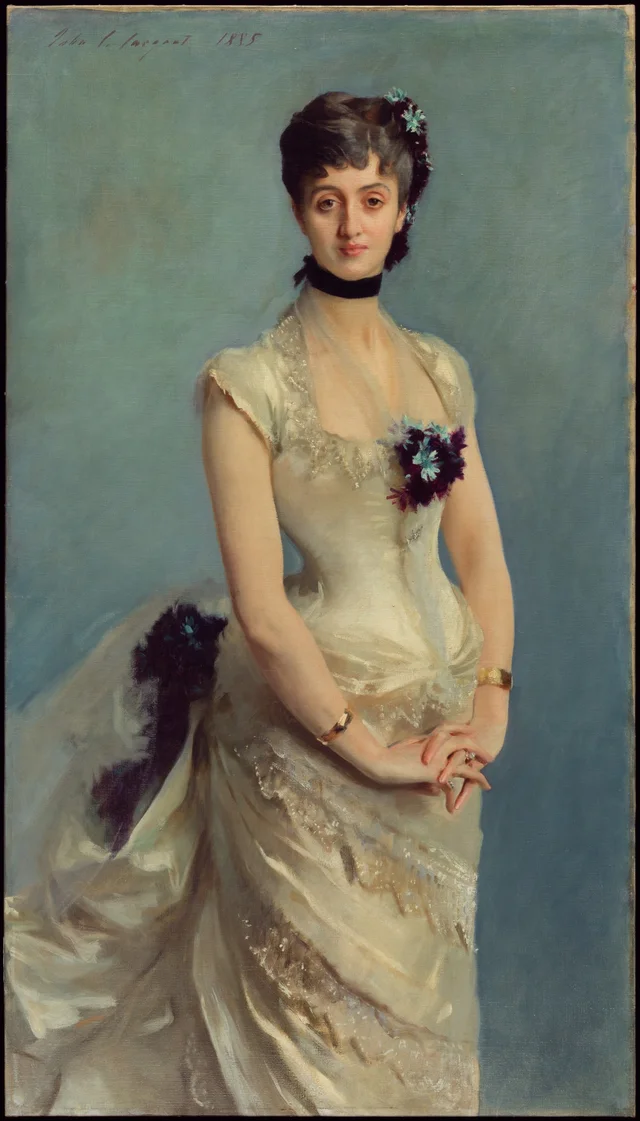 Portrait de Madame Paul PoirsonJohn Singer Sargent, 1885
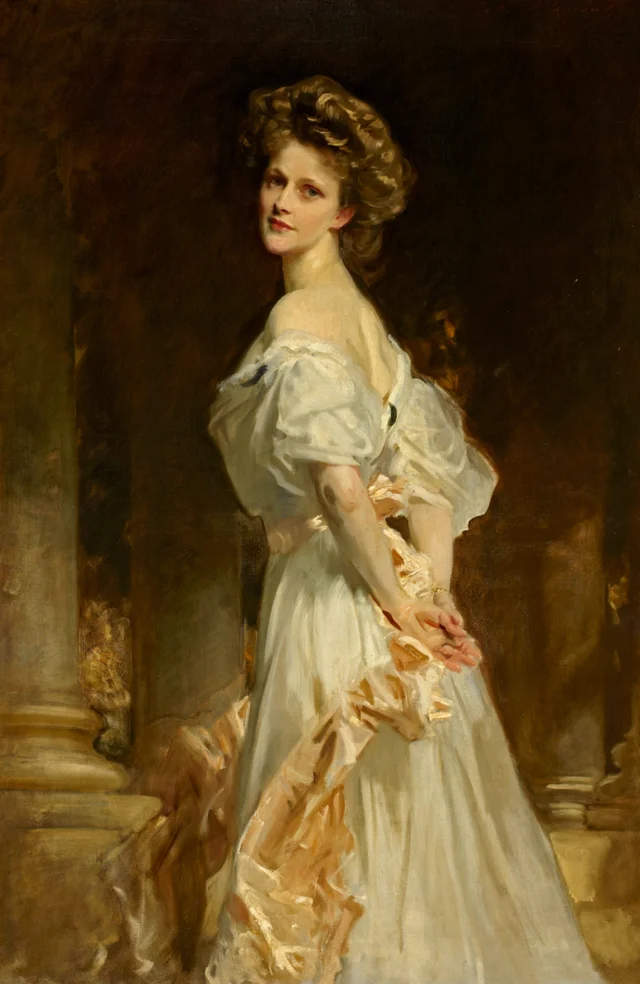 Portrait de Nancy AstorJohn Singer Sargent, 1908
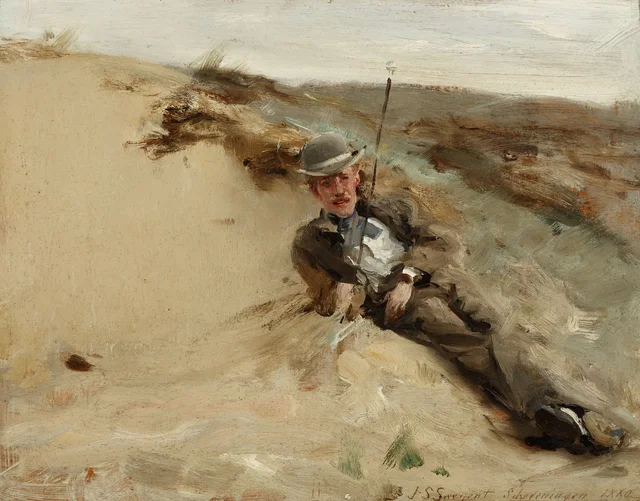 Portrait de Ralph Curtis sur la plage de ScheveningenJohn Singer Sargent, 1880
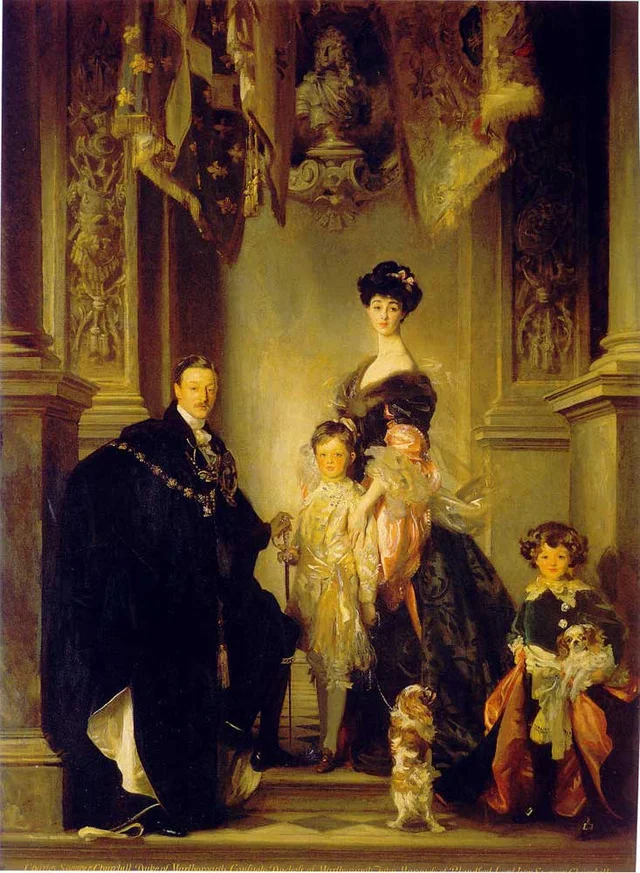 Portrait du 9e duc de Marlborough et de sa familleJohn Singer Sargent, 1905
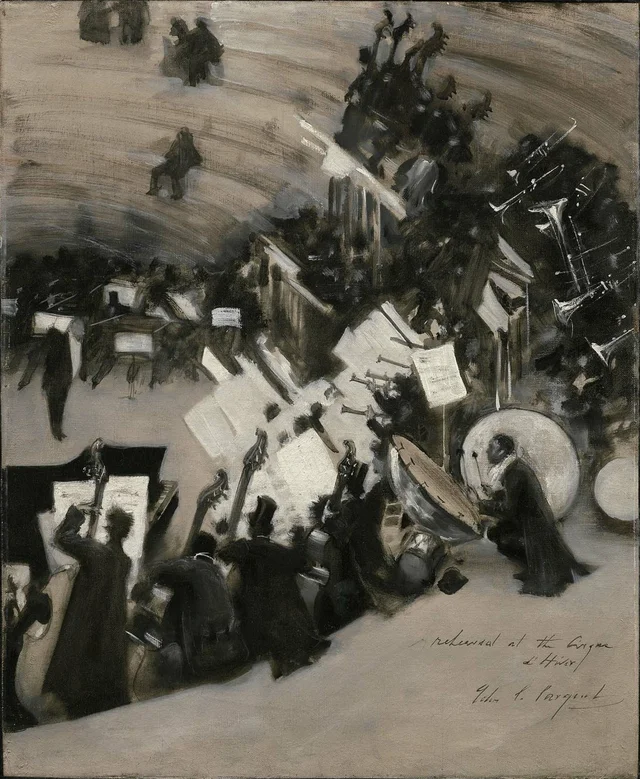 Répétition de l'orchestre Pasdeloup au Cirque d'HiverJohn Singer Sargent, 1879
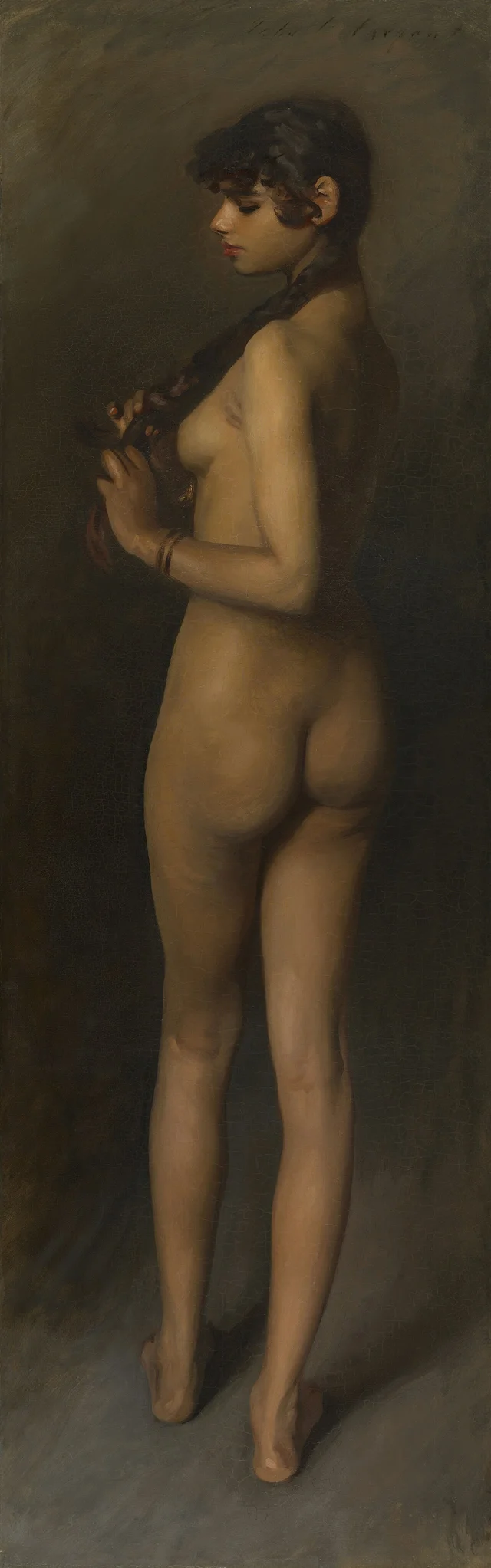 Étude d'après natureJohn Singer Sargent, 1891
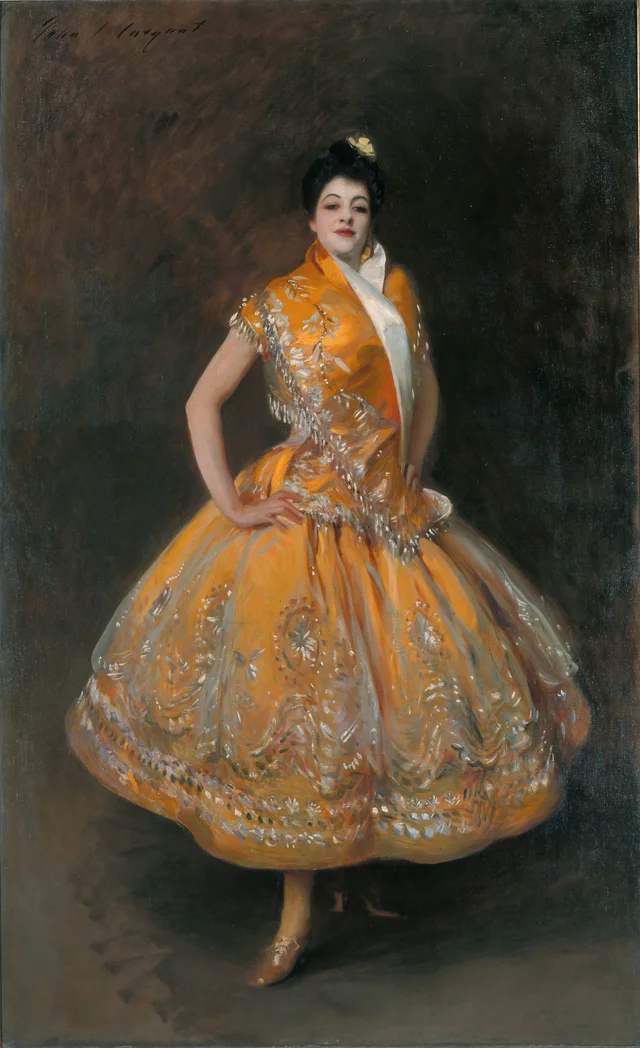 La CarmencitaJohn Singer Sargent, 1890
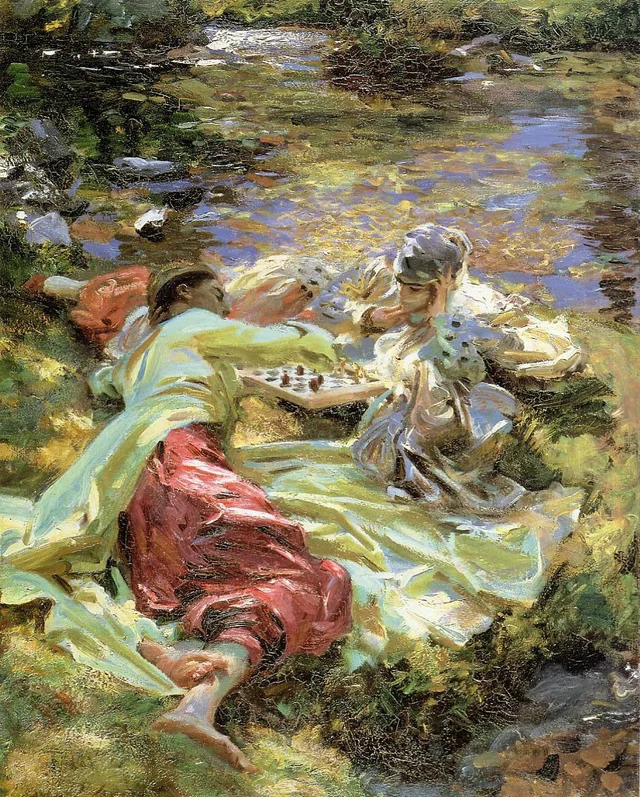 La Partie d'échecsJohn Singer Sargent, 1907
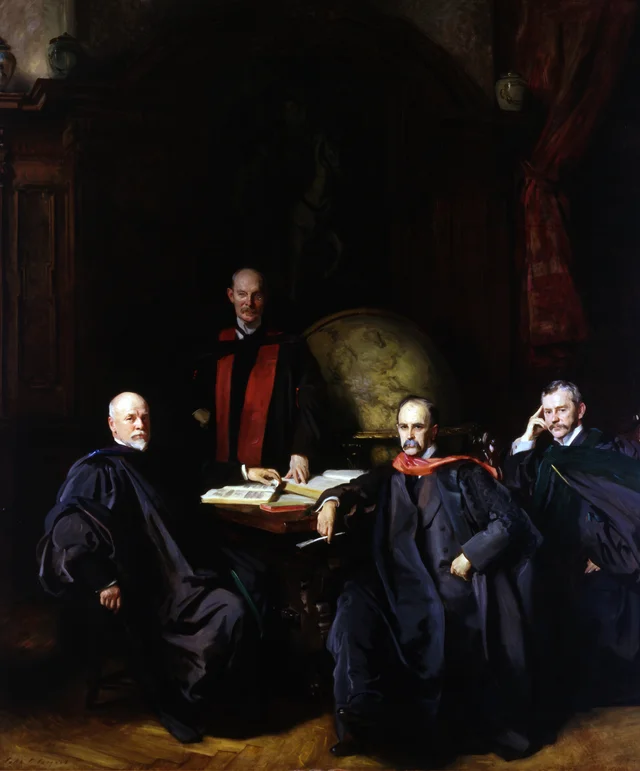 Les Quatre MédecinsJohn Singer Sargent, 1906
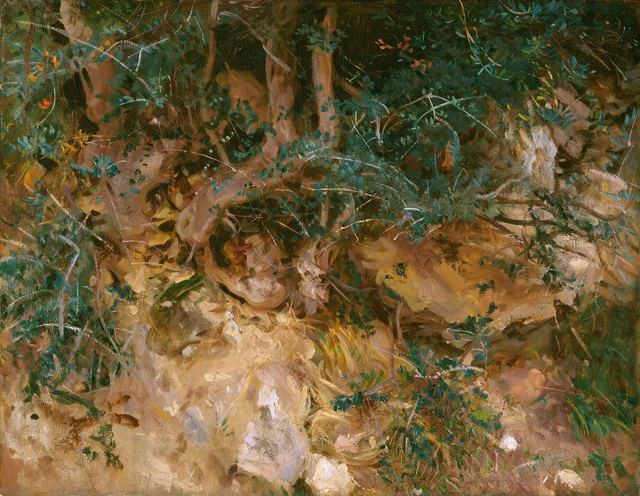 Valldemossa, Majorque : chardons et herbes sur un coteauJohn Singer Sargent, 1908
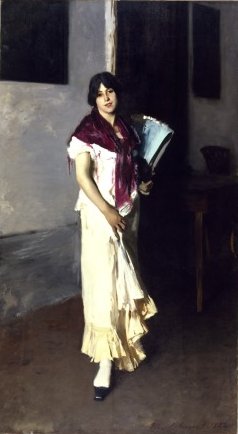 Une VénitienneJohn Singer Sargent, 1882
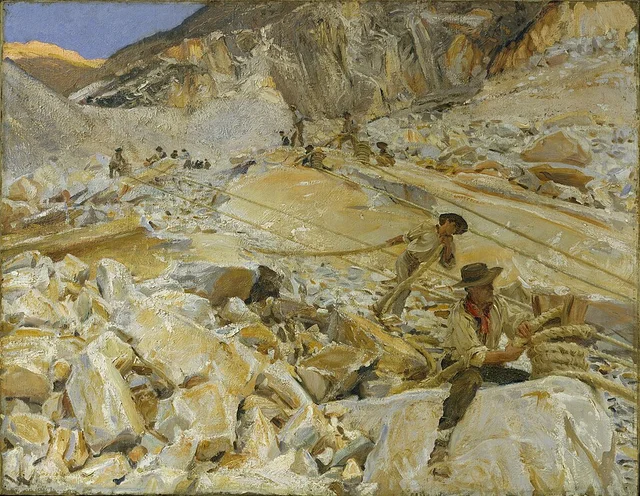 Transport du marbre des carrières à CarrareJohn Singer Sargent, 1911
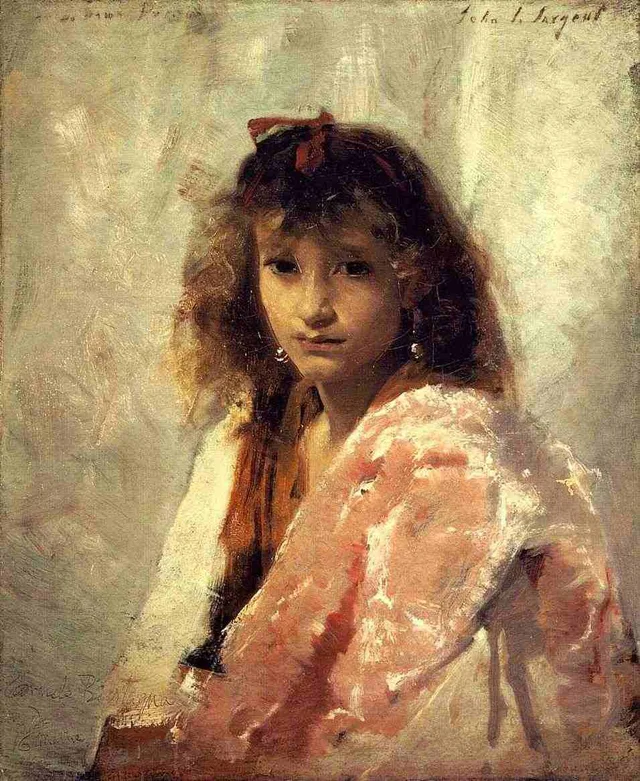 Carmela BertagnaJohn Singer Sargent, 1880
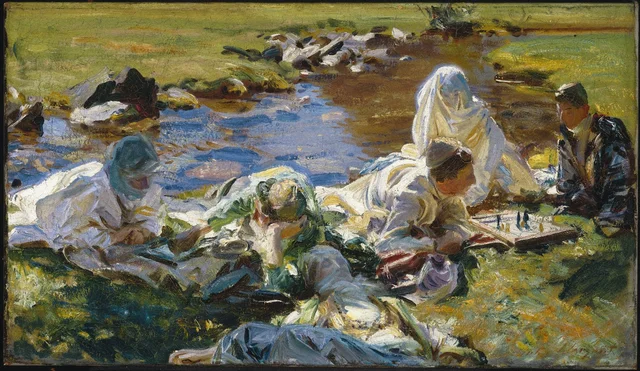 Dolce Far NienteJohn Singer Sargent, 1907
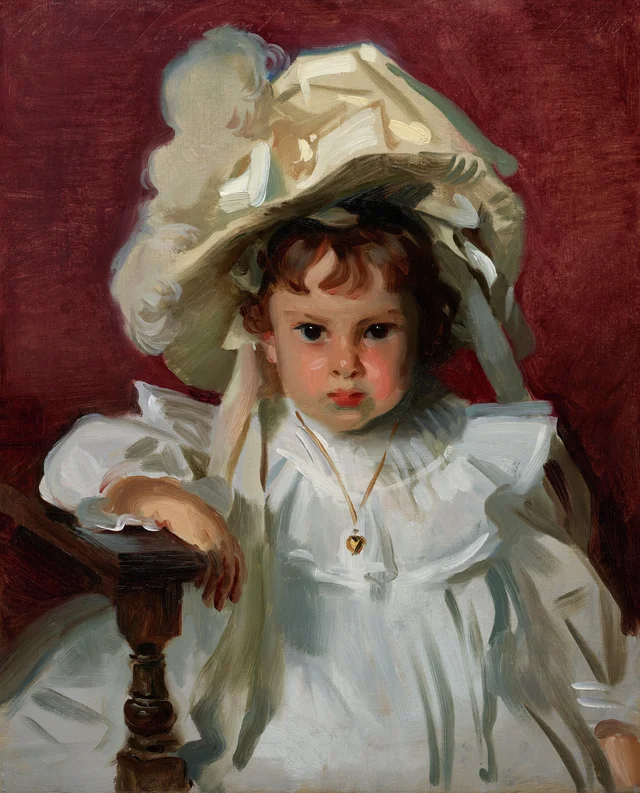 DorothyJohn Singer Sargent, 1900
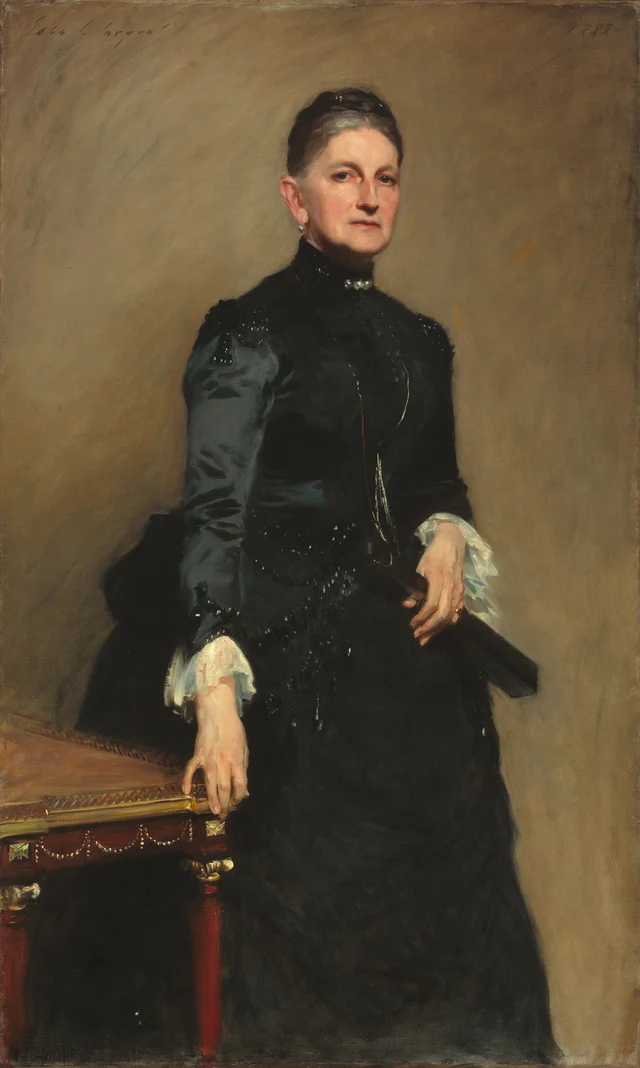 Eleanora O'Donnell Iselin (Mme Adrian Iselin)John Singer Sargent, 1888
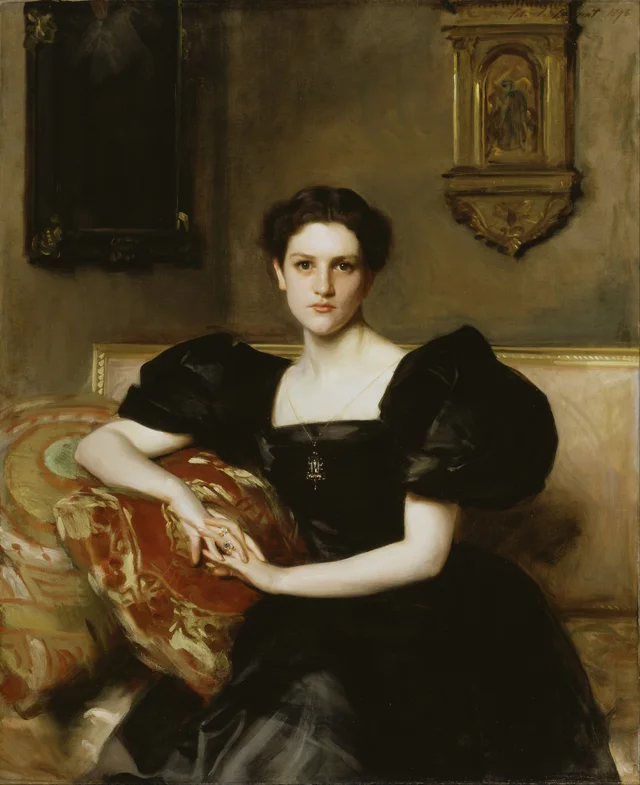 Elizabeth Winthrop Chanler (Mme John Jay Chapman)John Singer Sargent, 1893
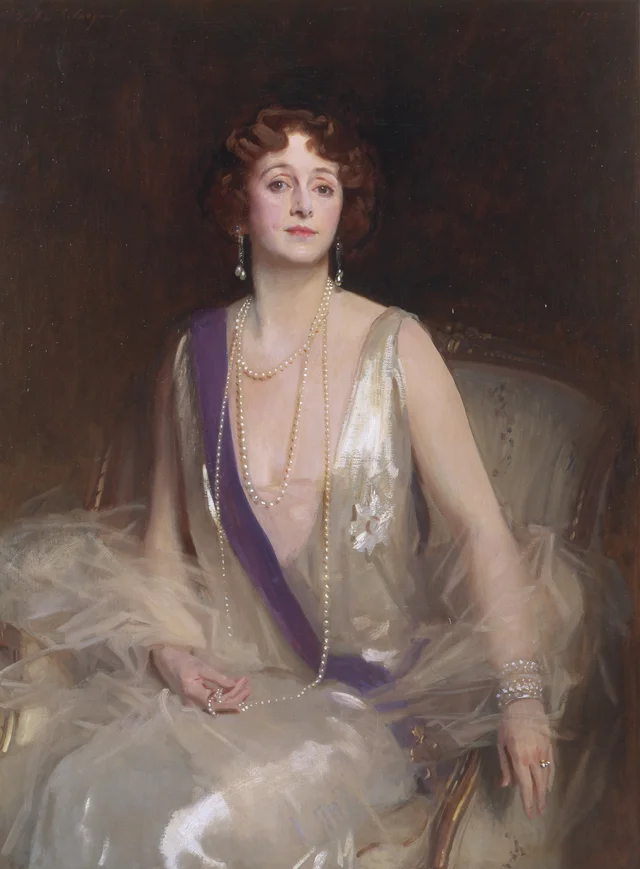 Grace Elvina, marquise Curzon de KedlestonJohn Singer Sargent, 1925
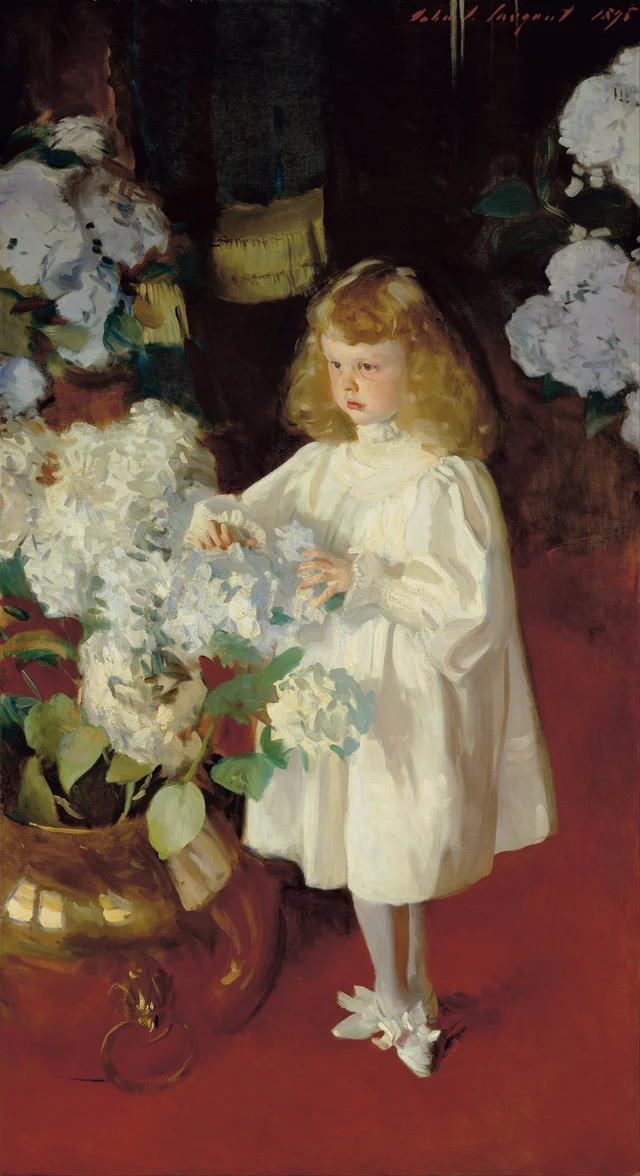 Helen SearsJohn Singer Sargent, 1895
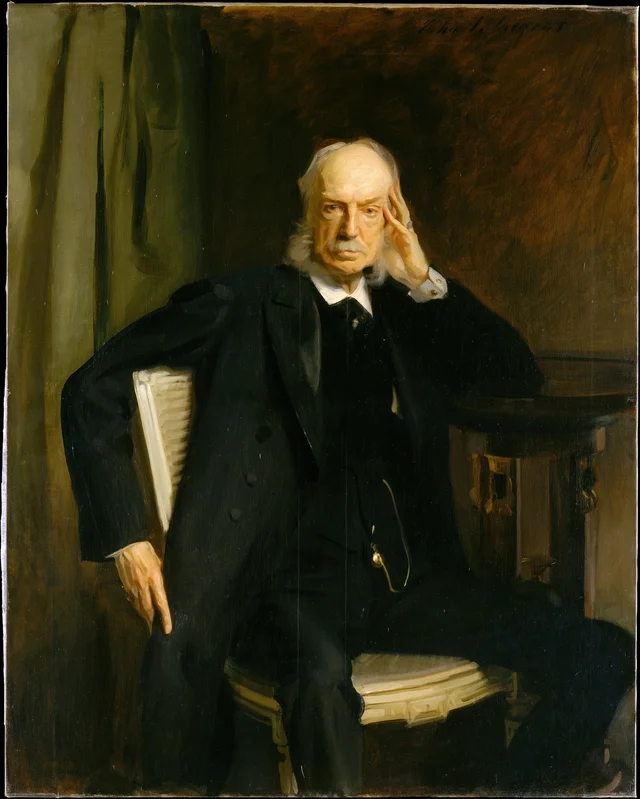 Henry G. MarquandJohn Singer Sargent, 1897