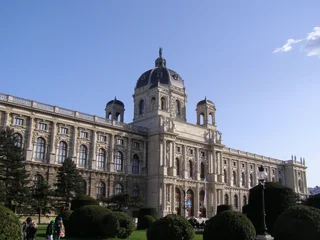
L'histoire
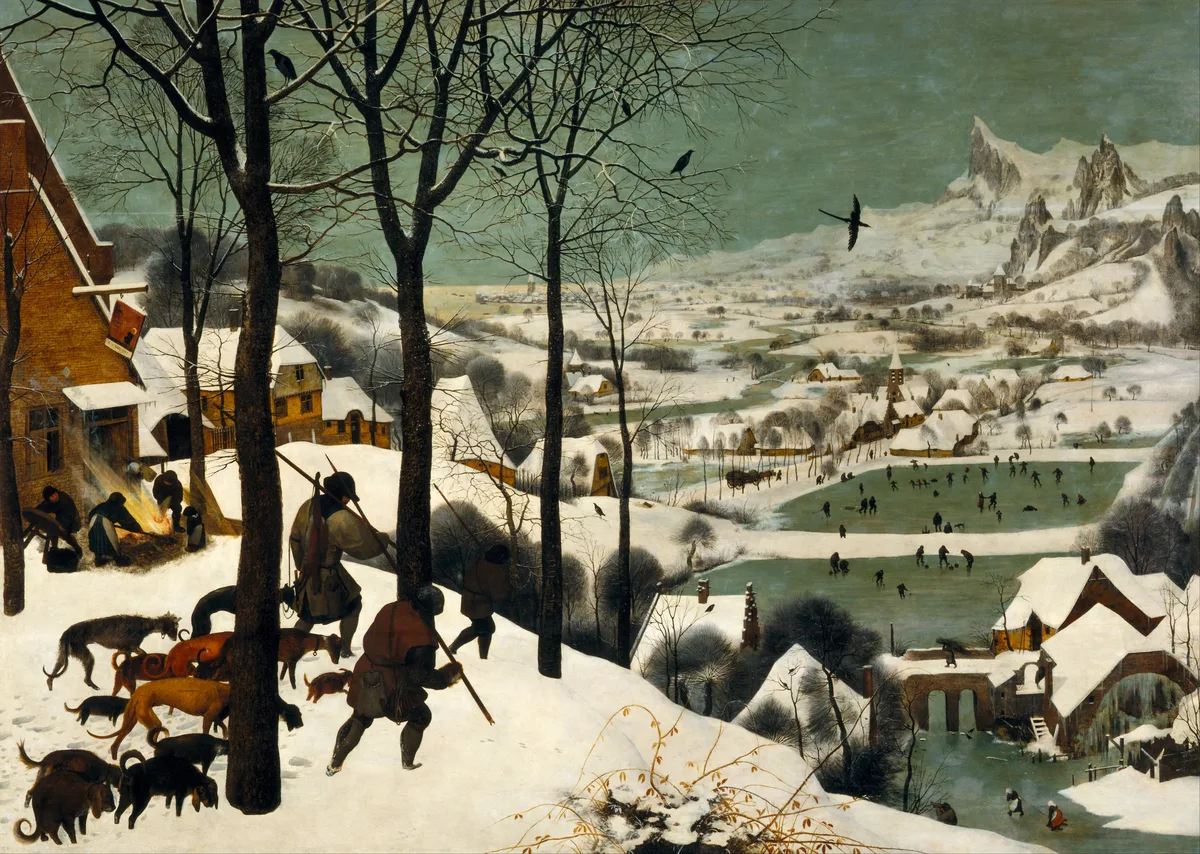
Une salle du premier étage réunit plus de tableaux de Pieter Bruegel l'Ancien que partout ailleurs sur terre, une douzaine environ, dont Les Chasseurs dans la neige, la file de chasseurs fatigués et de leurs chiens peinant sur une hauteur au-dessus d'une vallée gelée, peinte en 1565. Que Vienne les possède tient aux Habsbourg, la dynastie qui régna sur une grande partie de l'Europe pendant des siècles et employa une bonne part de ce pouvoir à acheter de l'art.
Le musée fut bâti pour montrer précisément cela. L'empereur François-Joseph l'inaugura en 1891 sur la Ringstraße, le grand boulevard tracé là où s'élevaient les vieux remparts de Vienne, dans un bâtiment-palais de Gottfried Semper et Karl von Hasenauer, son escalier décoré par le jeune Gustav Klimt avant qu'il ne devienne le Klimt de l'or et du scandale. L'idée était de rassembler sous un même toit les collections impériales dispersées et d'y laisser entrer le public.
Les murs se lisent donc comme un inventaire de la portée des Habsbourg. L'Art de la peinture de Vermeer, l'artiste vu de dos à son chevalet, que la famille garda comme l'un de ses trésors. Des salles de Titien, de Rubens et de Vélasquez, dont les portraits de cour des petites et graves infantes espagnoles vinrent à Vienne par les mariages qui liaient les deux branches de la famille. Et sous les galeries de peinture se trouve la Kunstkammer, un dédale d'ivoires sculptés, d'automates à mécanisme et de coupes en pierres précieuses réuni par des empereurs qui voulaient l'étrange et l'ingénieux autant que le beau. Son objet le plus célèbre est une salière en or réalisée par Benvenuto Cellini pour le roi de France.
Autres articles
Collection
381 œuvres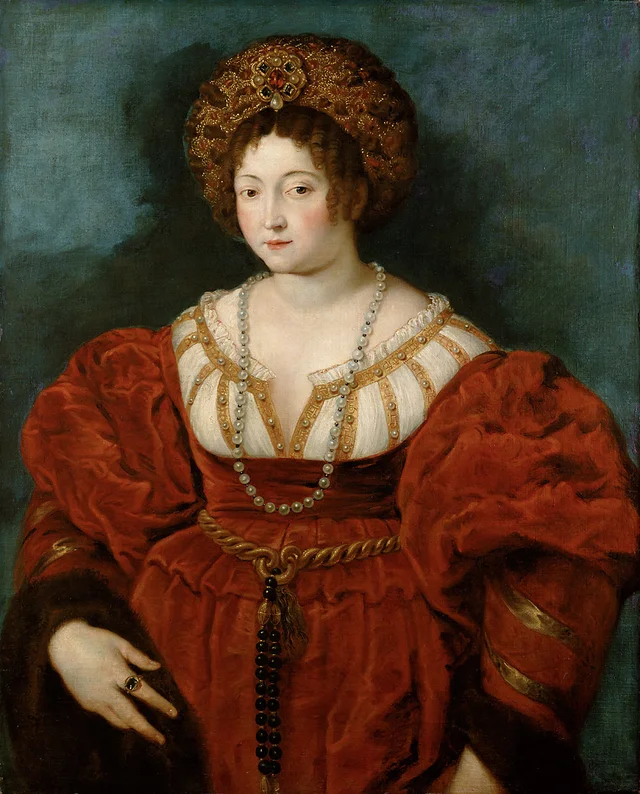 Isabelle d'EstePierre Paul Rubens, 1605
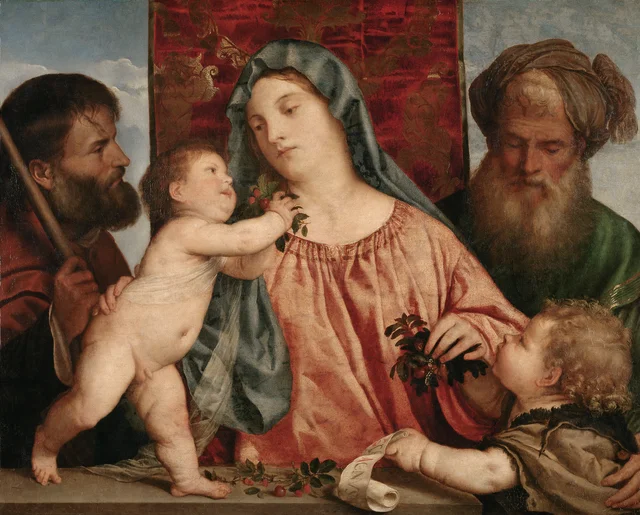 La Vierge aux cerisesTitien, 1517
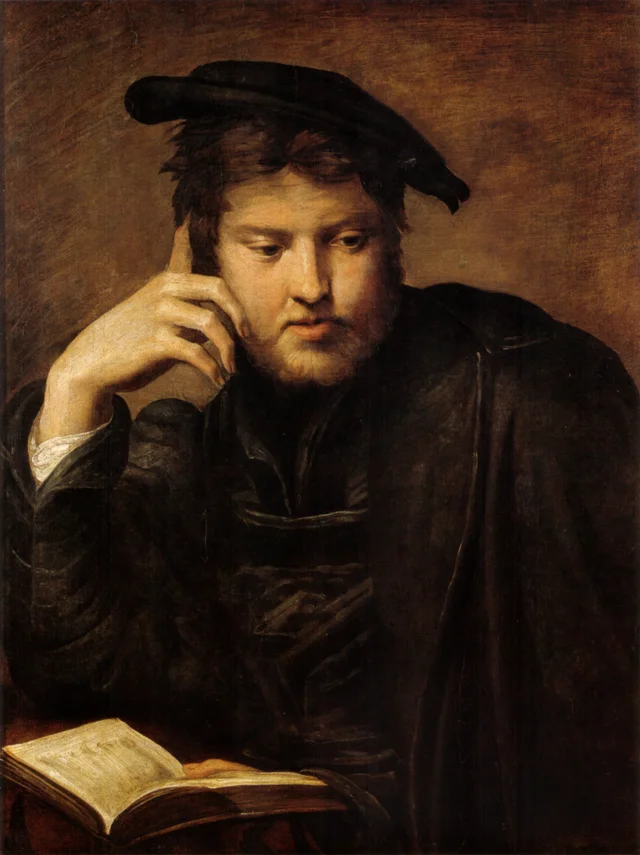 Homme tenant un livreLe Parmesan, 1529
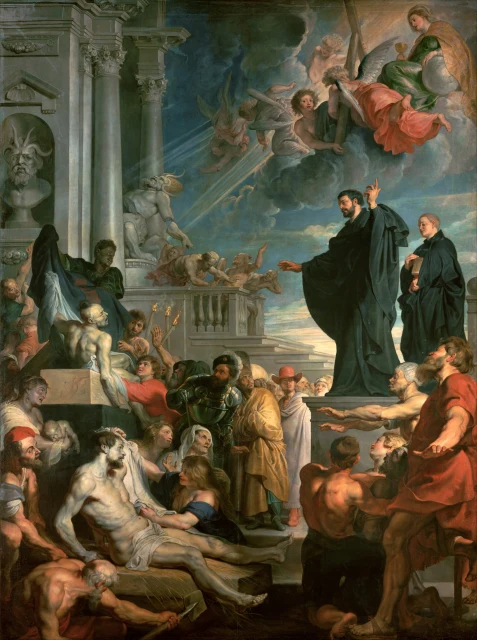 Miracles de saint François XavierPierre Paul Rubens, 1617
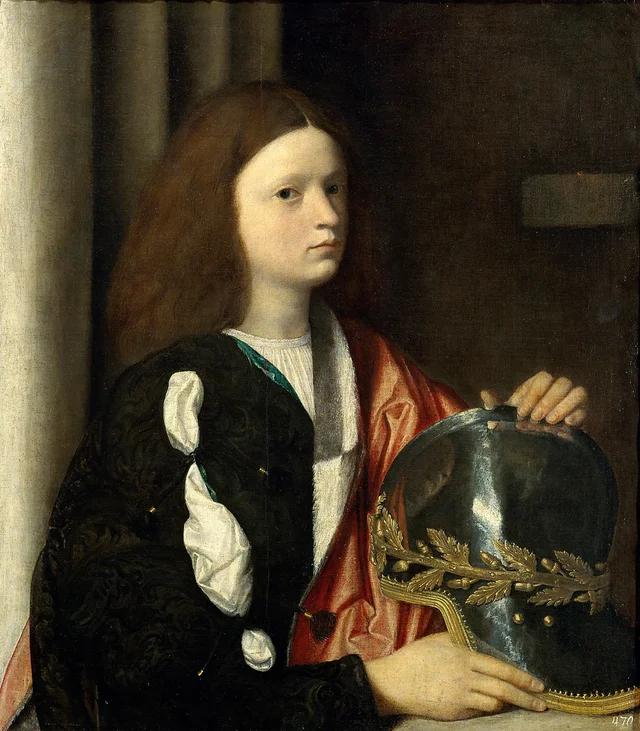 Portrait de Francesco Maria della RovereGiorgione, 1502
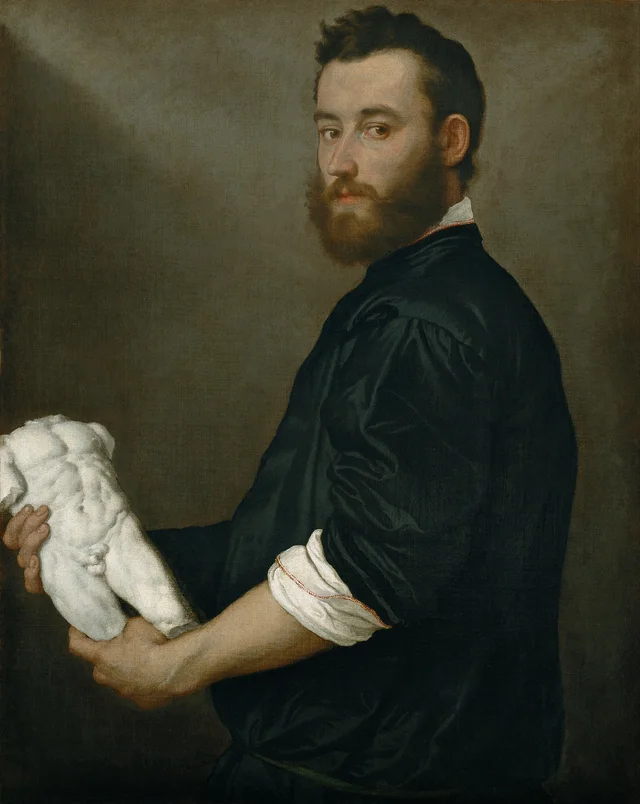 Portrait du sculpteur Alessandro VittoriaGiovanni Battista Moroni, 1552
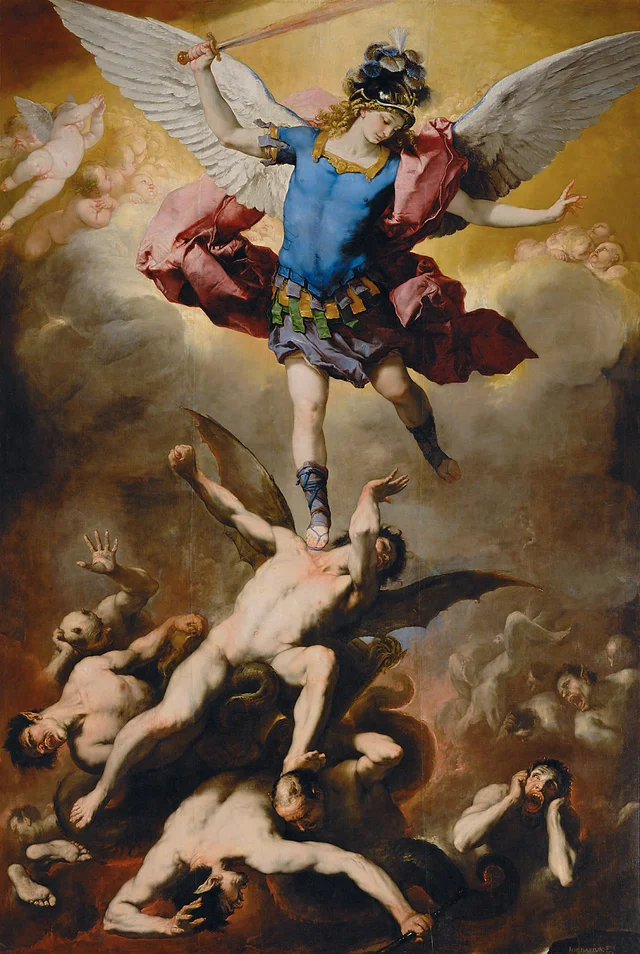 La Chute des anges rebellesLuca Giordano, 1666
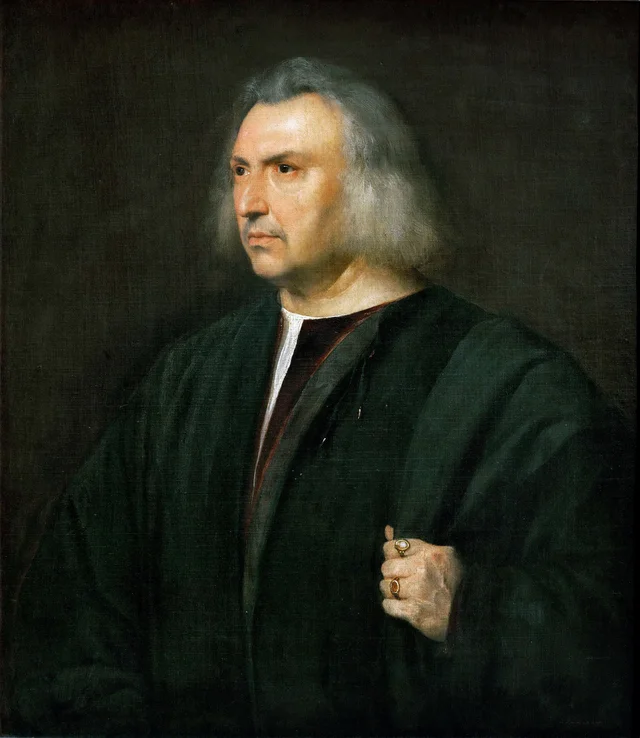 Le Médecin Gian Giacomo Bartolotti da ParmaTitien, 1516
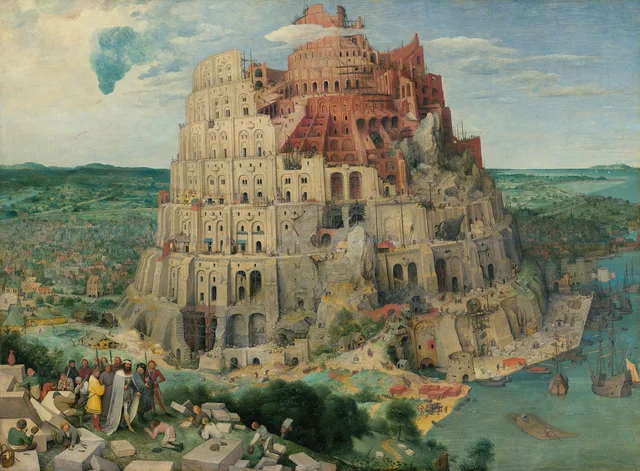 La Tour de BabelPieter Brueghel l'Ancien, 1563
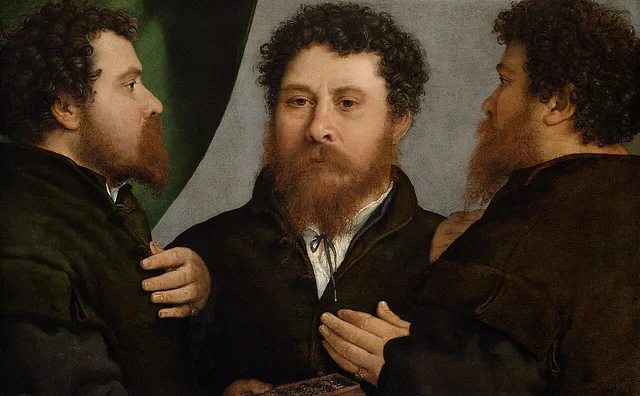 Triple portrait d’un orfèvre (Bartolomeo Carpan ?)Lorenzo Lotto, 1530
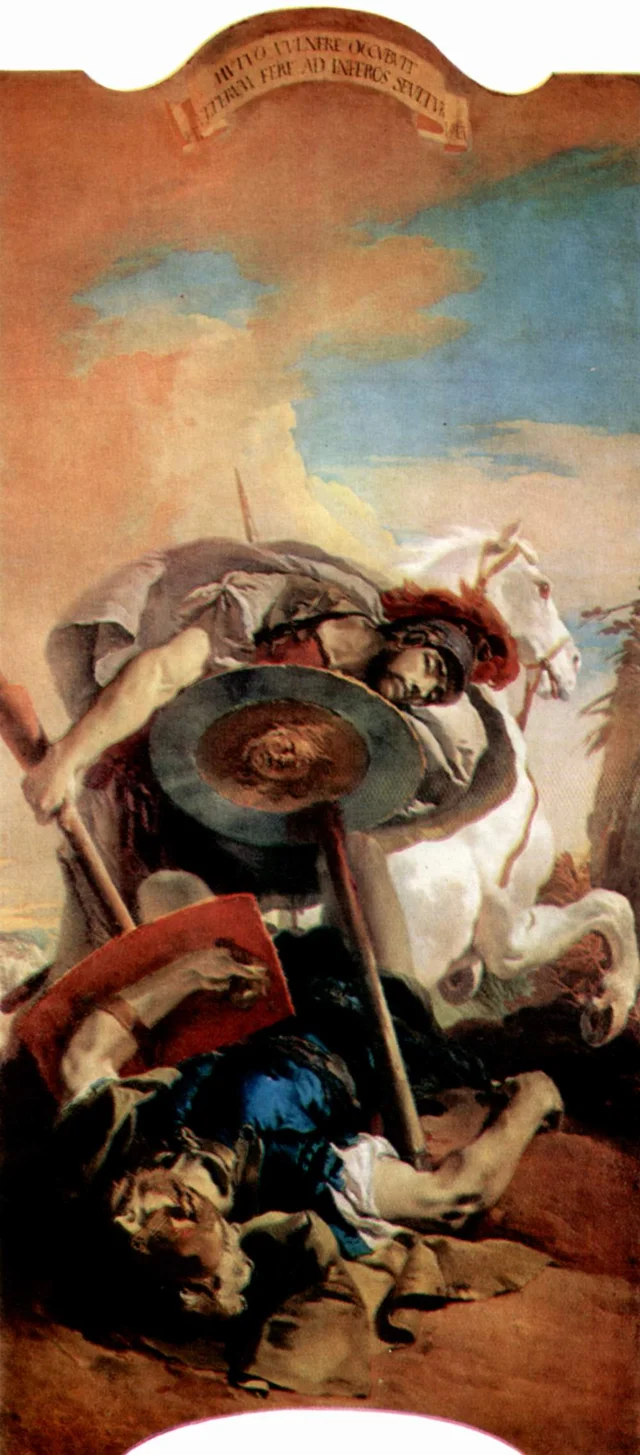 Mort du consul L. J. Brutus dans un duel avec ArunsGiovanni Battista Tiepolo, 1727
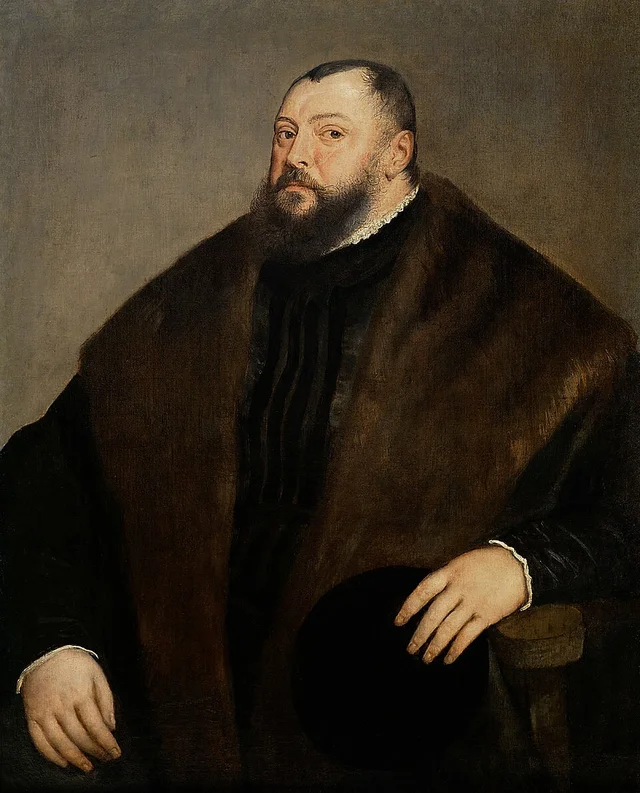 Jean-Frédéric, électeur de SaxeTitien, 1550
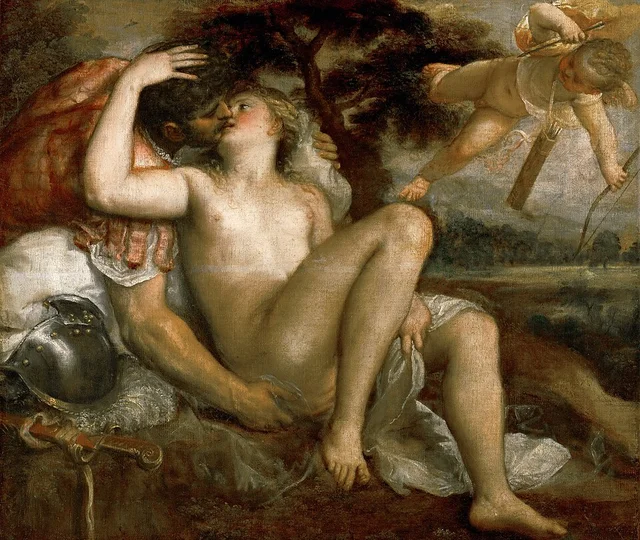 Mars, Vénus et AmourTitien, 1550
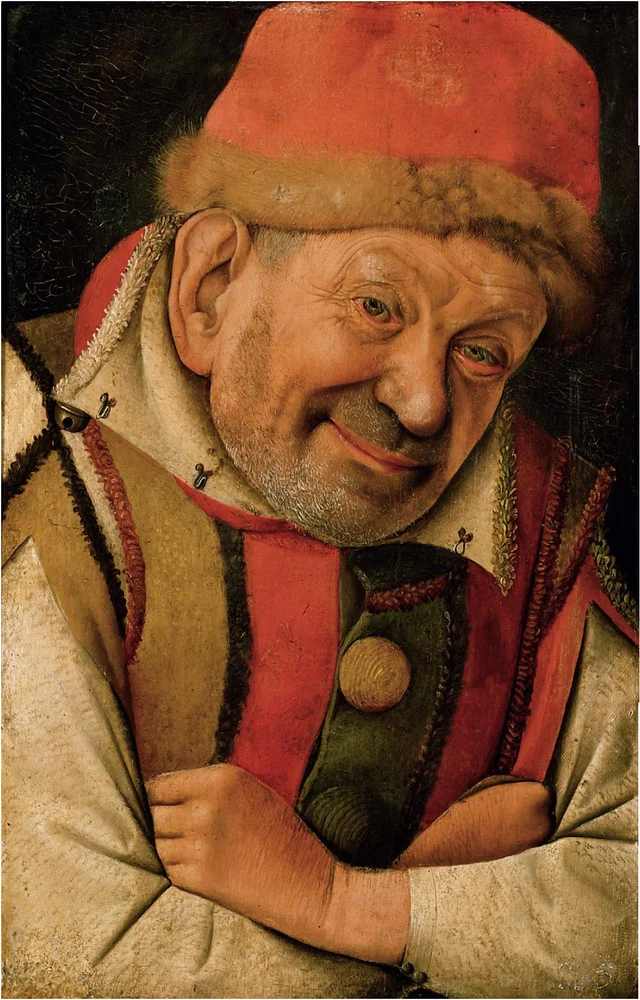 Portrait du bouffon de cour GonellaJean Fouquet, 1447
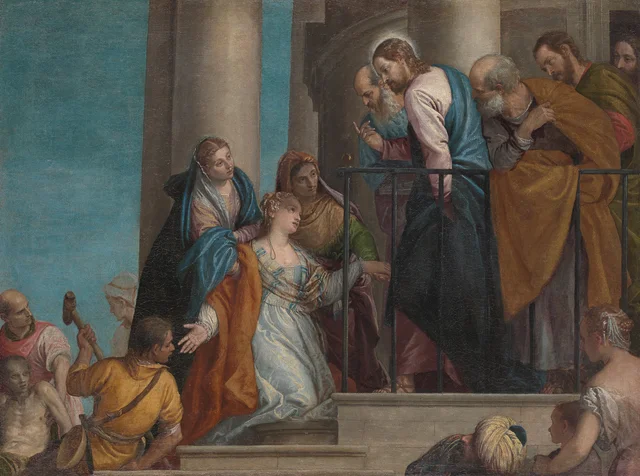 La Résurrection du jeune homme de NaïmPaolo Véronèse, 1560
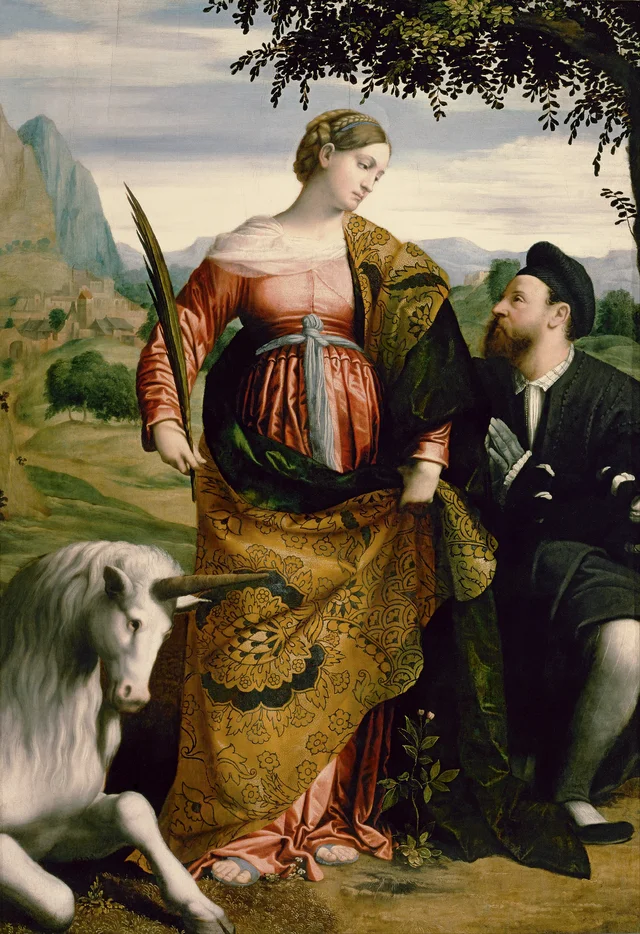 Sainte Justine avec la licorne, vénérée par un donateurMoretto da Brescia, 1530
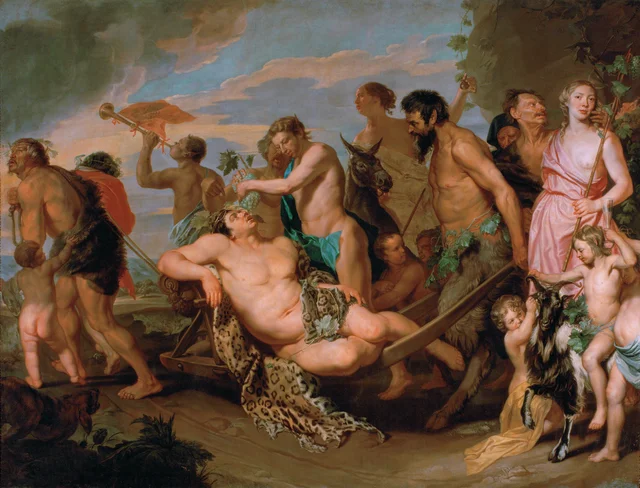 Le Triomphe de BacchusMichaelina Wautier, 1655
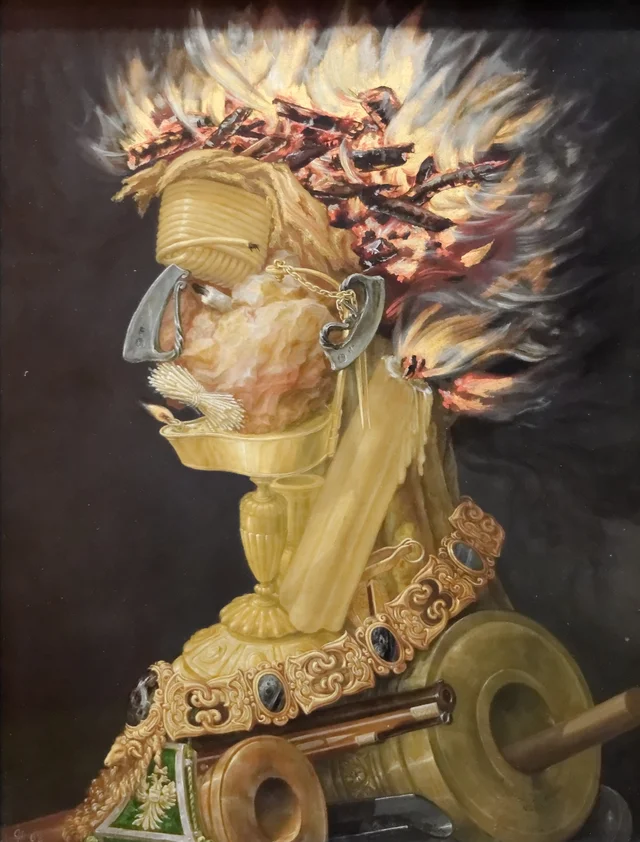 Le FeuGiuseppe Arcimboldo, 1566
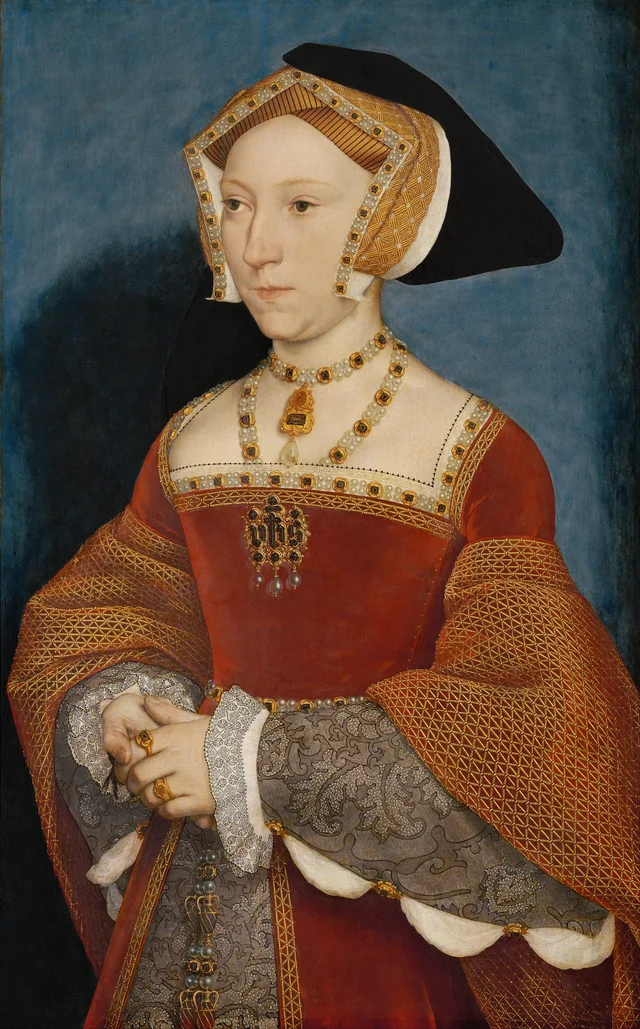 Jeanne SeymourHans Holbein le Jeune, 1536
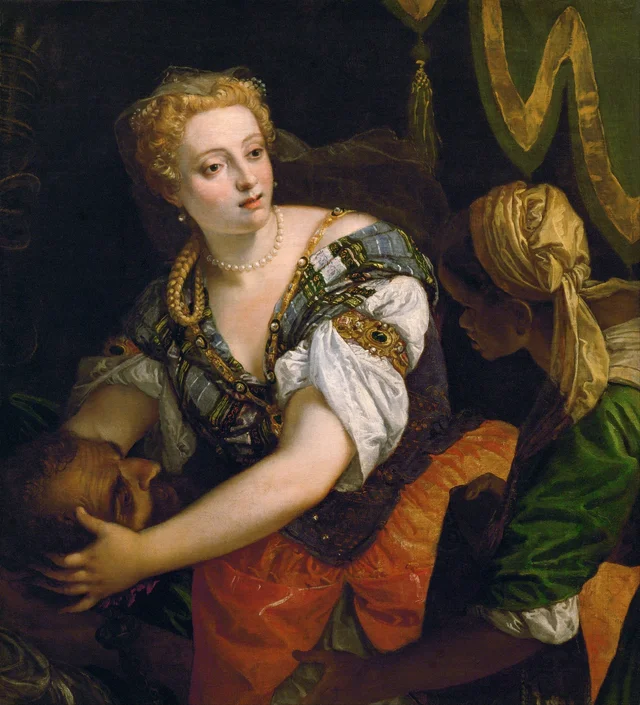 Judith tenant la tête d'HolophernePaolo Véronèse, 1582
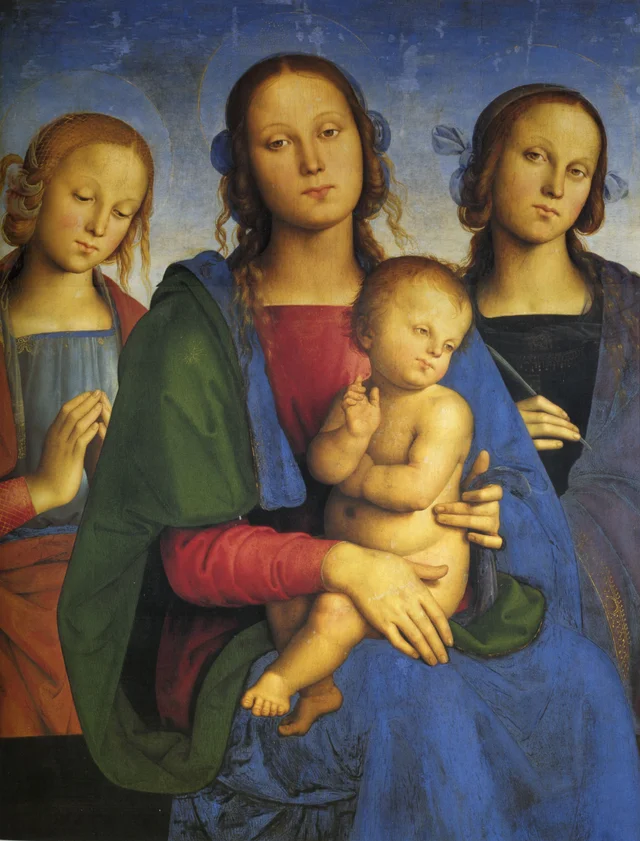 Vierge à l'Enfant avec deux saintesPietro Pérugin, 1493
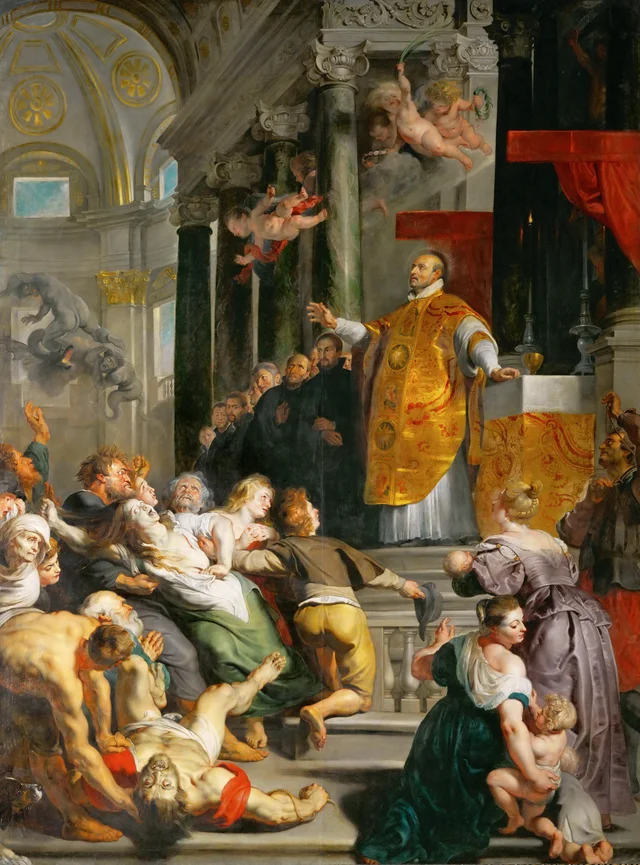 Le Miracle de saint Ignace de LoyolaPierre Paul Rubens, 1618
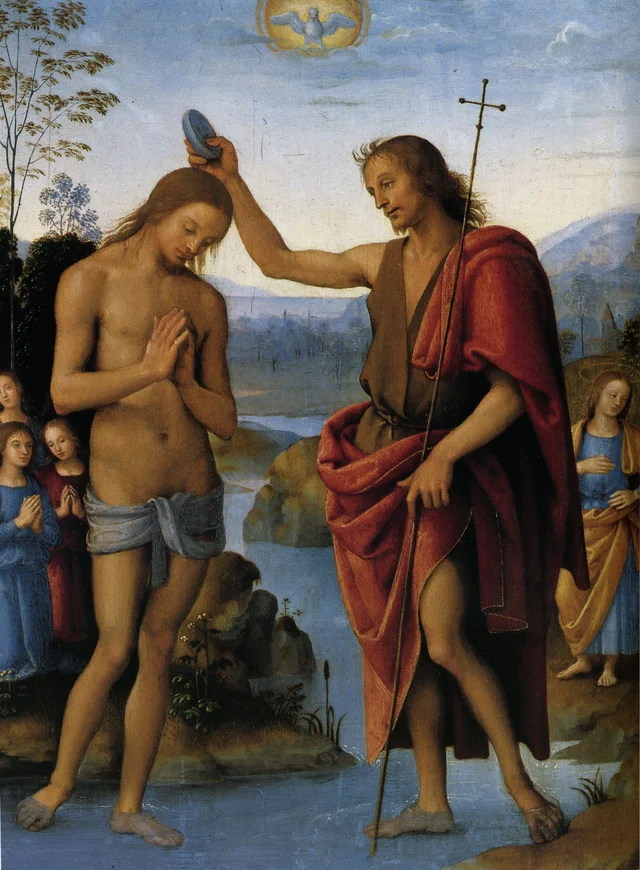 Le Baptême du ChristPietro Pérugin, 1499
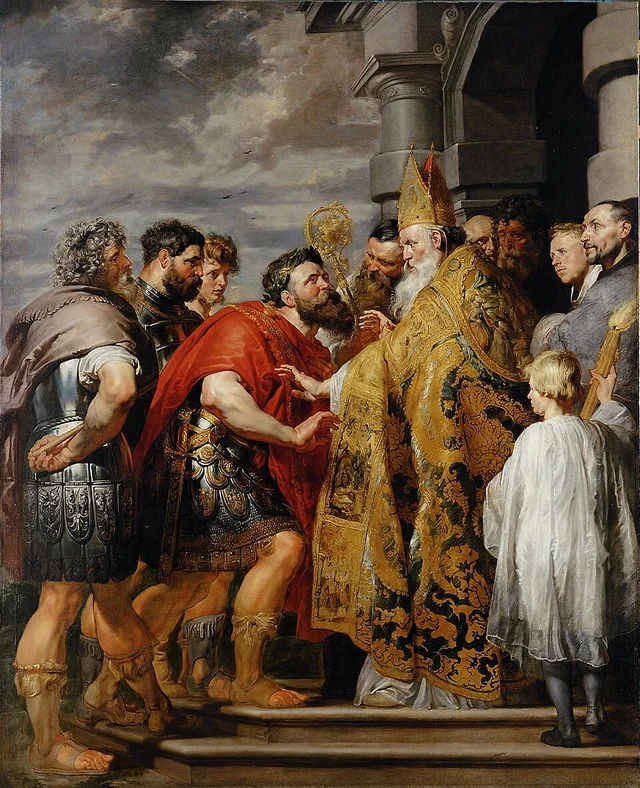 Théodose et saint AmbroisePierre Paul Rubens, 1617
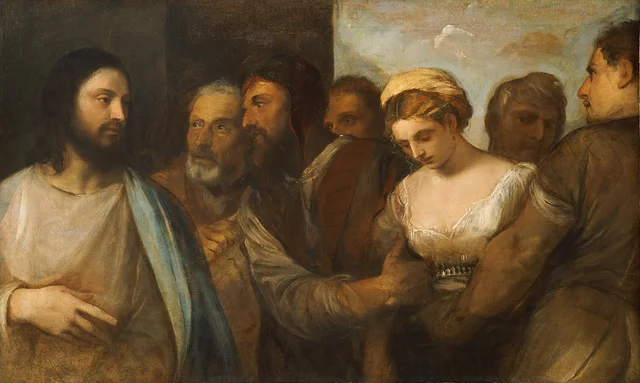 Le Christ et la femme adultèreTitien, 1513