L'histoire
Le Louvre a commencé comme une forteresse. Philippe Auguste l'éleva sur la rive droite de la Seine vers 1190 pour garder le Paris médiéval, et au fil des siècles les rois de France le transformèrent en palais royal, jusqu'à ce que Louis XIV installe sa cour à Versailles en 1682 et laisse les salles inachevées à la collection royale et aux artistes logés à l'intérieur.
La Révolution en fit un musée public. Le 10 août 1793, le Muséum central des arts ouvrit ses portes, montrant l'art confisqué de la couronne et de l'Église à tout citoyen qui souhaitait entrer. Napoléon le remplit du butin de ses campagnes et le rebaptisa brièvement de son nom. Beaucoup fut rendu après Waterloo, mais l'idée demeura, une collection nationale ordonnée pour l'étude et gratuite pour le public.
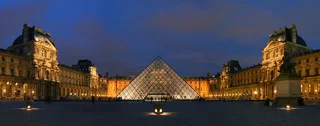
Aujourd'hui le Louvre conserve plus de 35 000 œuvres, de la Vénus de Milo au Radeau de la Méduse de Géricault. La foule, pourtant, se presse vers un petit portrait. En août 1911, il disparut : Vincenzo Peruggia, un homme à tout faire italien qui avait travaillé au musée, décrocha La Joconde de Léonard et la sortit sous son manteau. Pendant deux ans le cadre resta vide tandis que les visiteurs venaient contempler l'absence, et le tableau ne revint qu'en 1913, après que Peruggia eut tenté de le vendre à un marchand de Florence. La pyramide de verre de I. M. Pei, posée dans la cour en 1989, marque désormais l'entrée.
Autres articles
Collection
1 174 œuvres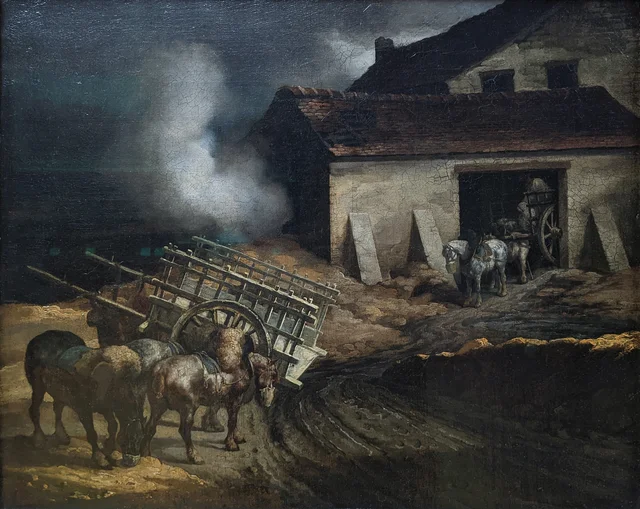 Un four à plâtreThéodore Géricault, 1821
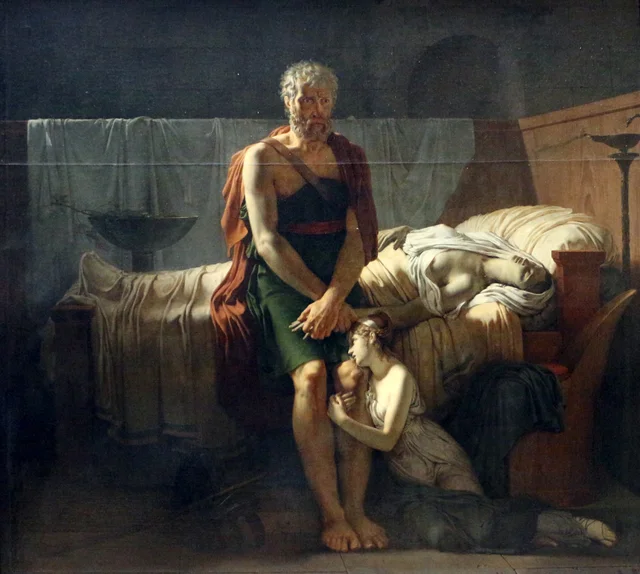 Le Retour de Marcus SextusPierre-Narcisse Guérin, 1799
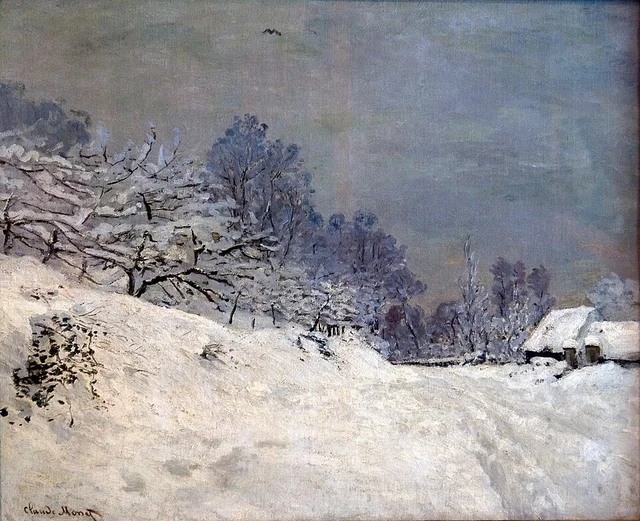 La Route devant la ferme Saint-Siméon en hiverClaude Monet, 1867
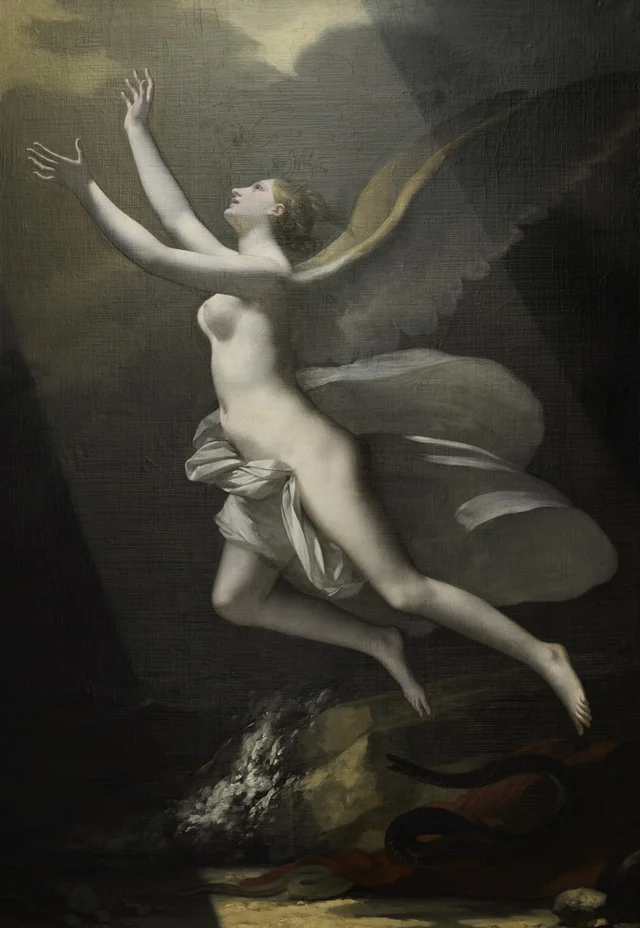 L'Âme brisant les liens qui l'attachent à la terrePierre-Paul Prud'hon, 1822
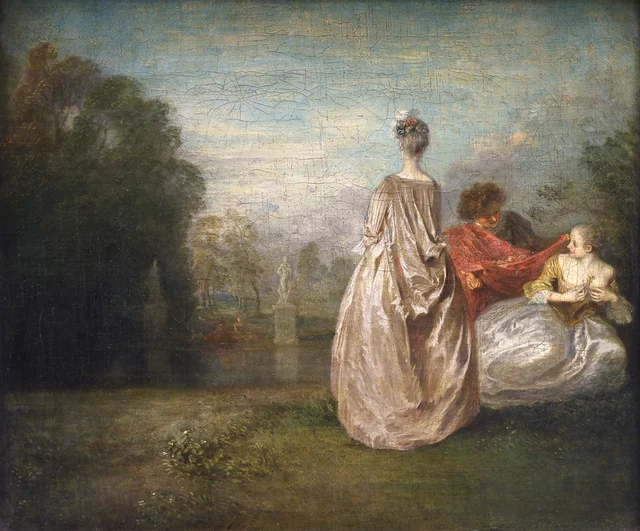 Les Deux CousinesJean-Antoine Watteau, 1716
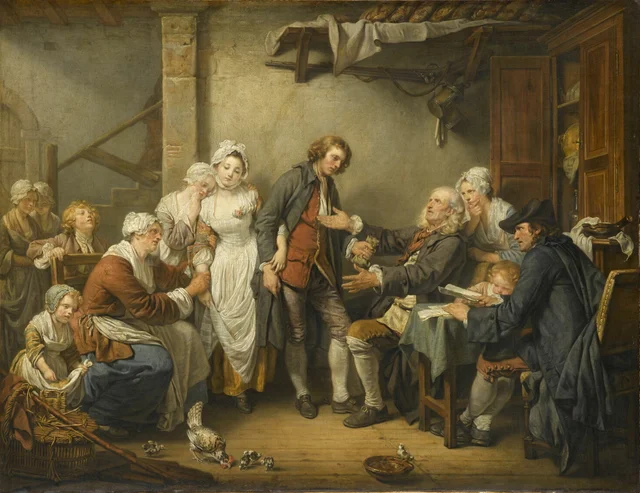 L'Accordée de villageJean-Baptiste Greuze, 1761
 Apollon amoureux de DaphnéNicolas Poussin, 1664
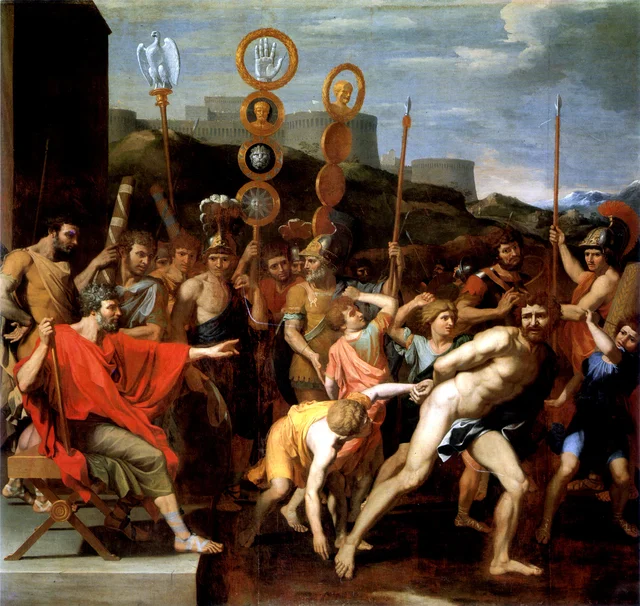 Camille livre le maître d'école de Falerii à ses élèvesNicolas Poussin, 1637
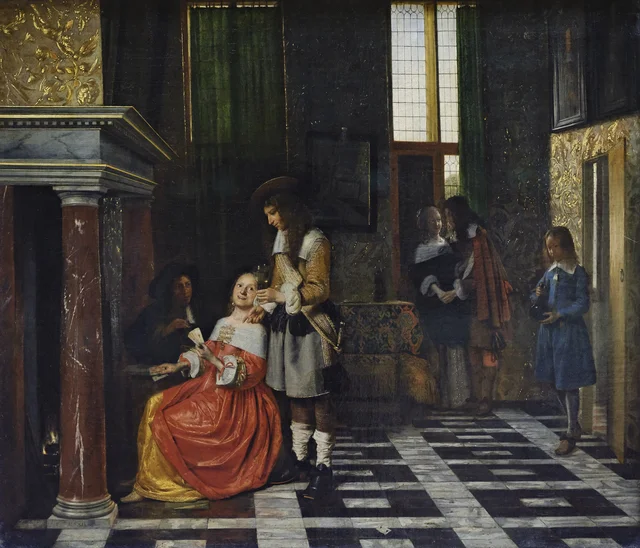 Joueurs de cartes dans un intérieur opulentPieter de Hooch, 1663
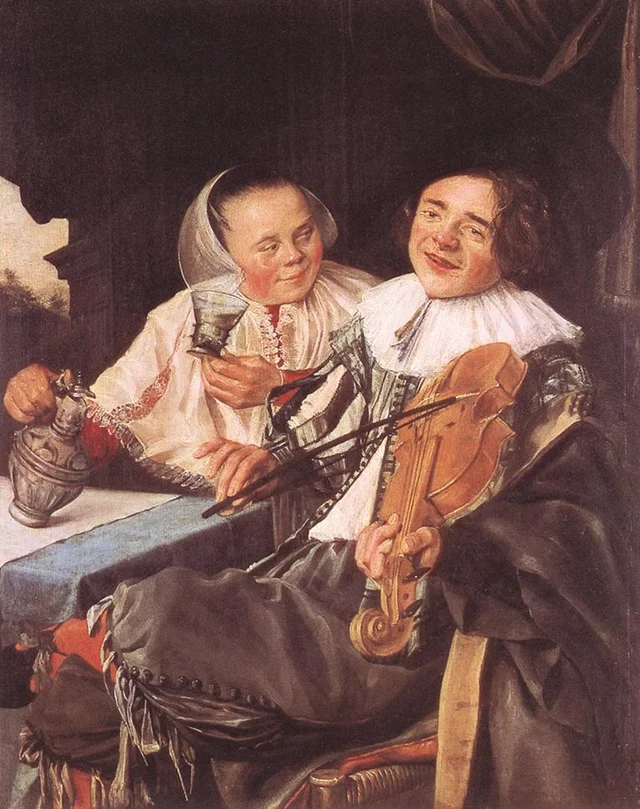 Couple en goguetteJudith Leyster, 1630
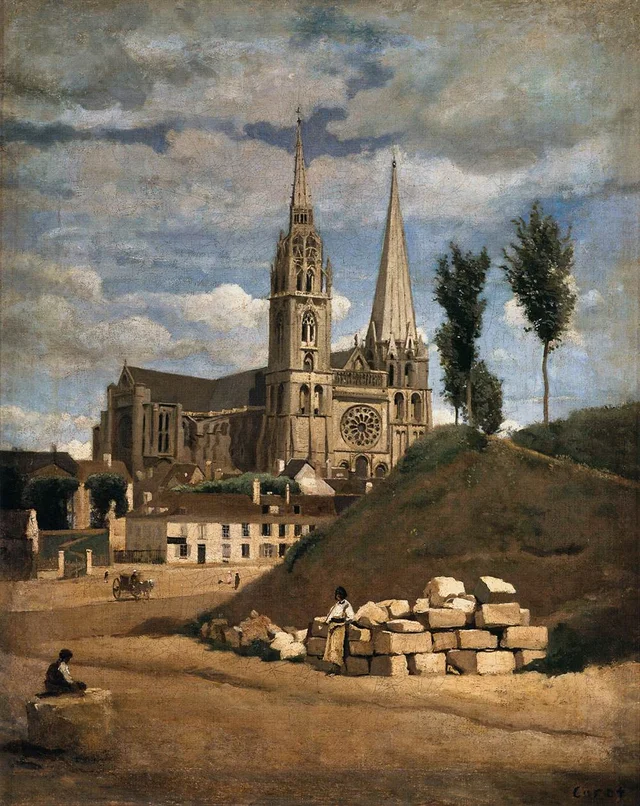 La Cathédrale de ChartresJean-Baptiste Camille Corot, 1830
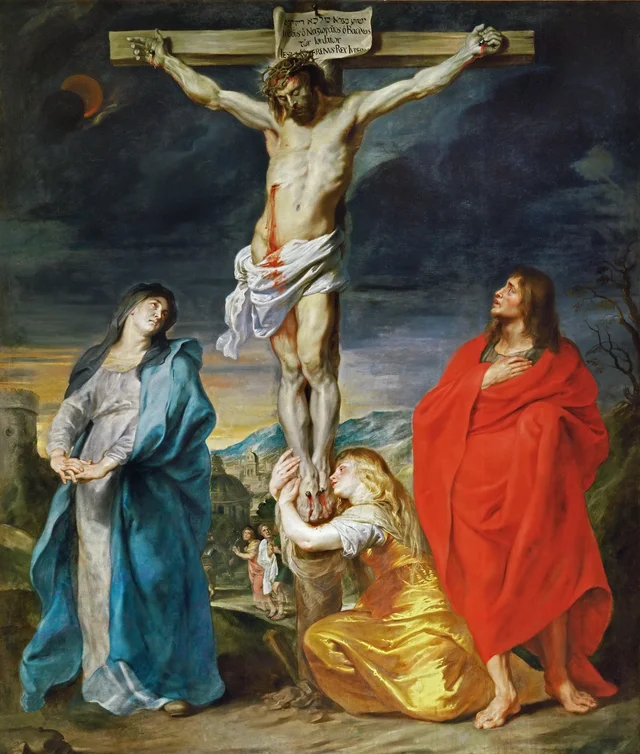 Crucifixion avec la Vierge Marie, saint Jean et sainte Marie-MadeleineAntoine van Dyck, 1618
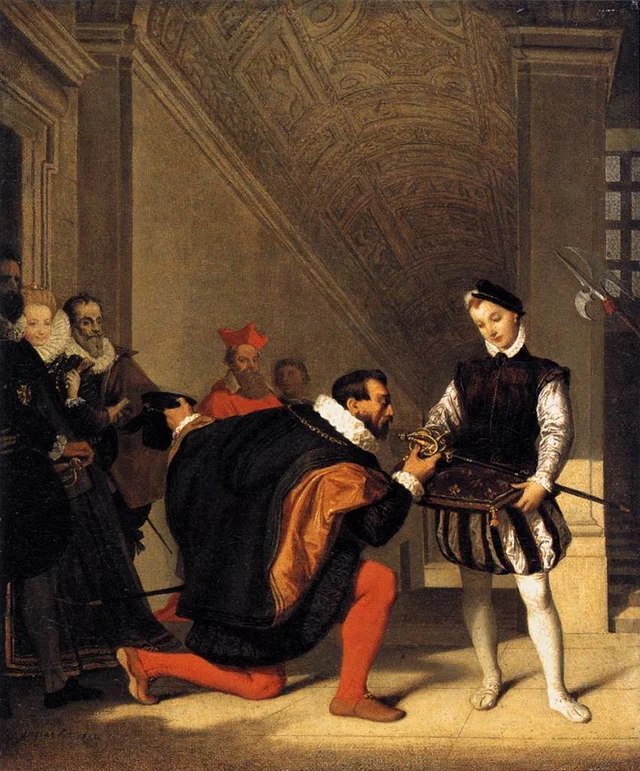 Don Pedro de Tolède baisant l'épée d'Henri IVJean-Auguste-Dominique Ingres, 1831
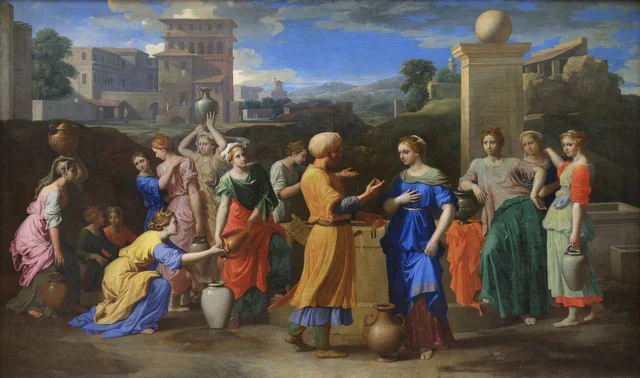 Éliézer et RébeccaNicolas Poussin, 1648
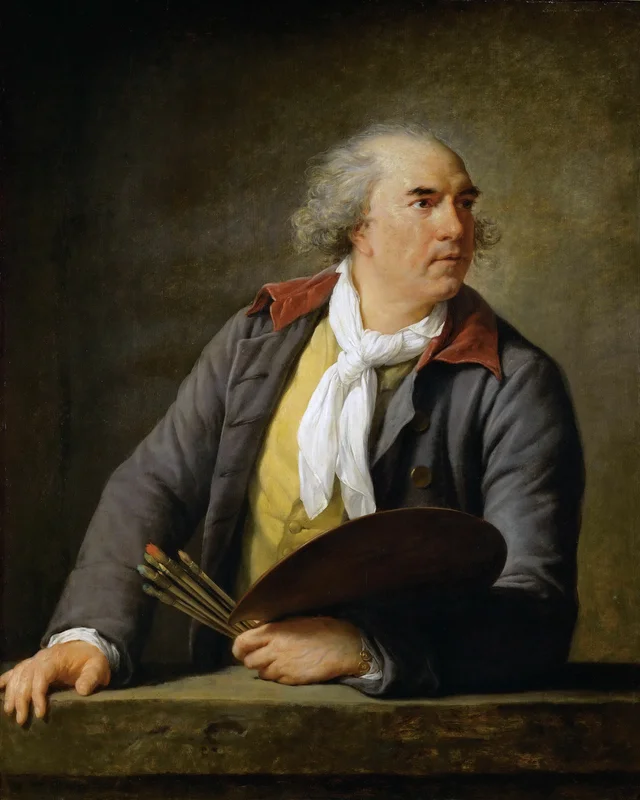 Hubert RobertÉlisabeth Louise Vigée Le Brun, 1788
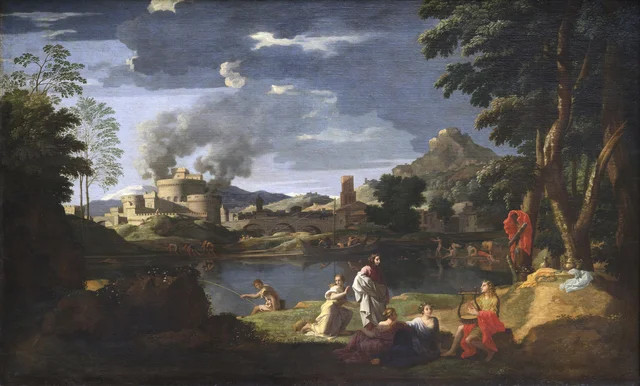 Paysage avec Orphée et EurydiceNicolas Poussin, 1650
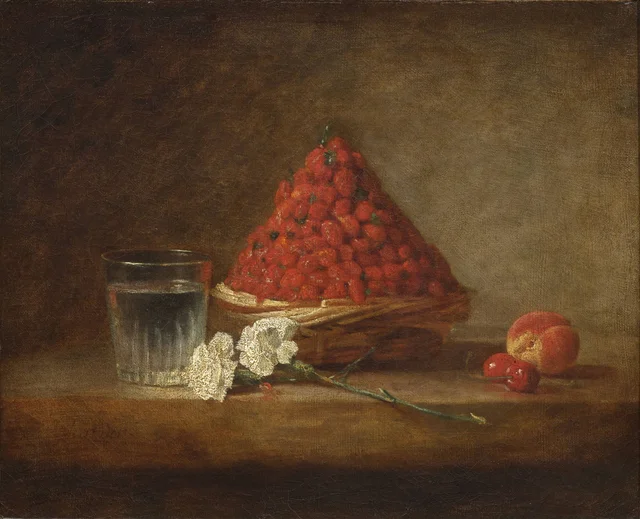 Le Panier de fraises des boisJean-Baptiste-Siméon Chardin, 1761
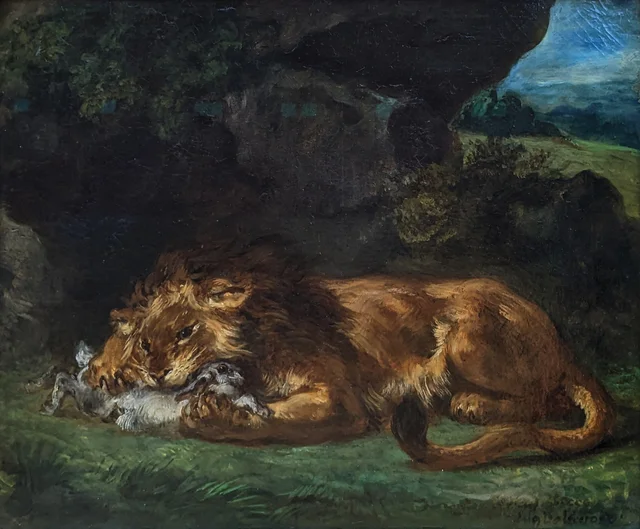 Lion dévorant un lapinEugène Delacroix, 1853
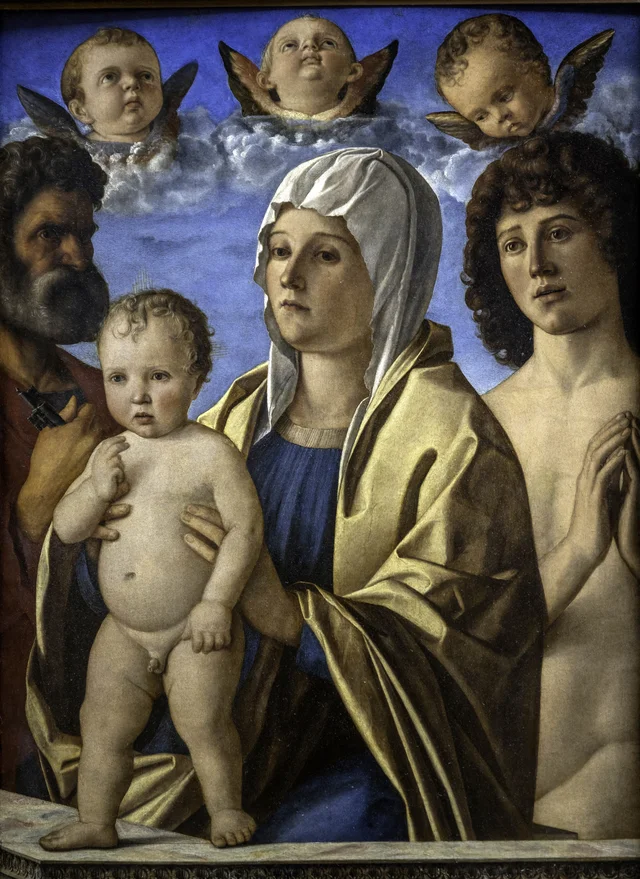 Vierge à l'Enfant avec saint Pierre et saint SébastienGiovanni Bellini, 1480
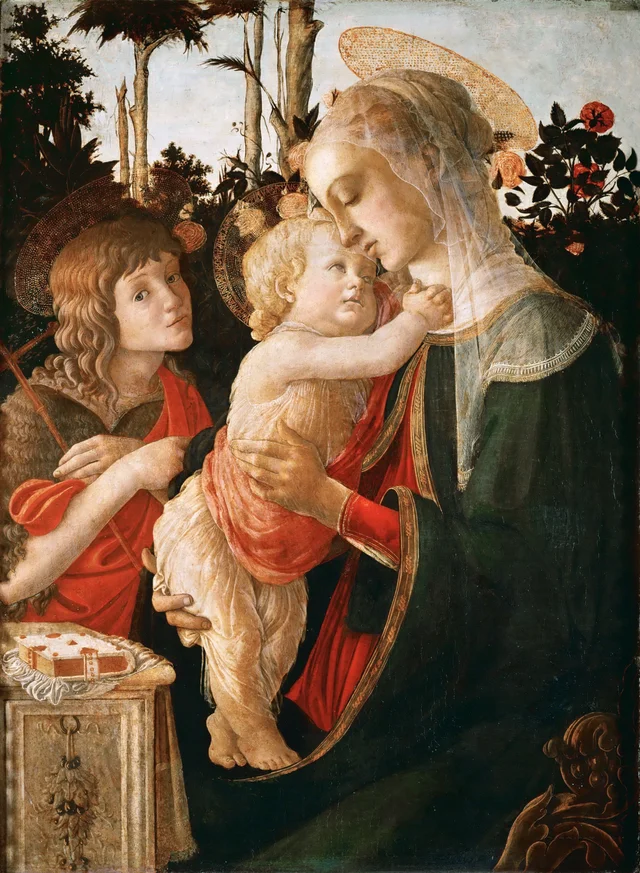 Vierge à l'Enfant avec le jeune saint Jean-BaptisteSandro Botticelli, 1500
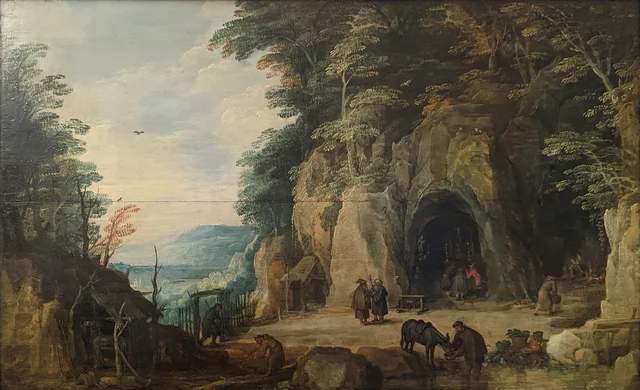 L'Ermitage d'un moine dans une grotteJoos de Momper le Jeune, 1600
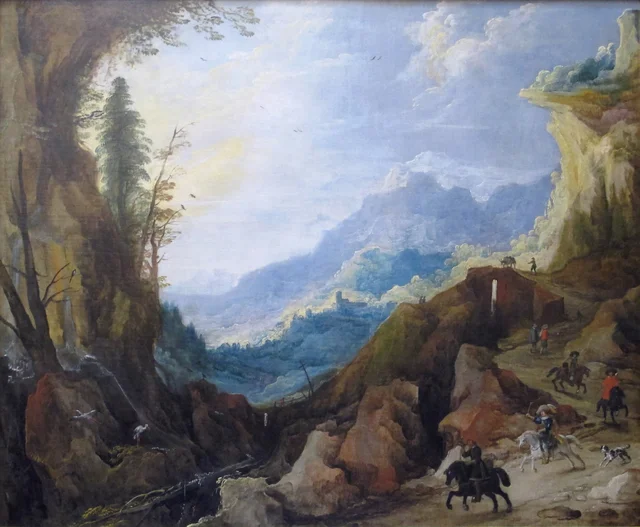 Paysage montagneux avec un pont et quatre cavaliersJoos de Momper le Jeune, 1600
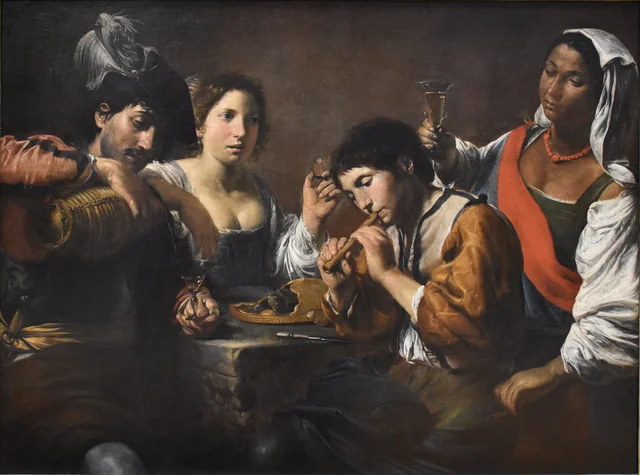 Musicien et buveursValentin de Boulogne, 1623
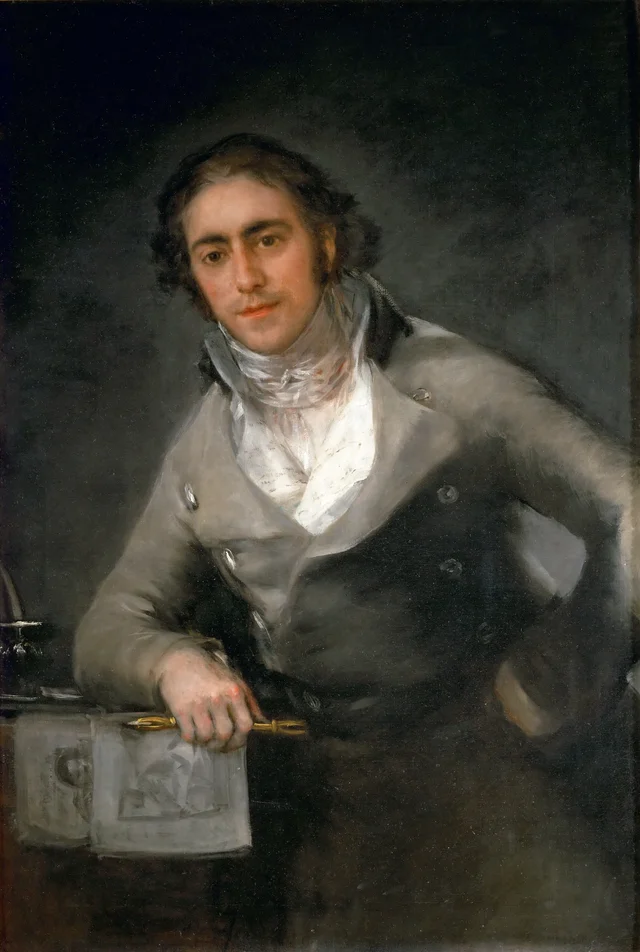 Portrait d'un hommeFrancisco Goya, 1806
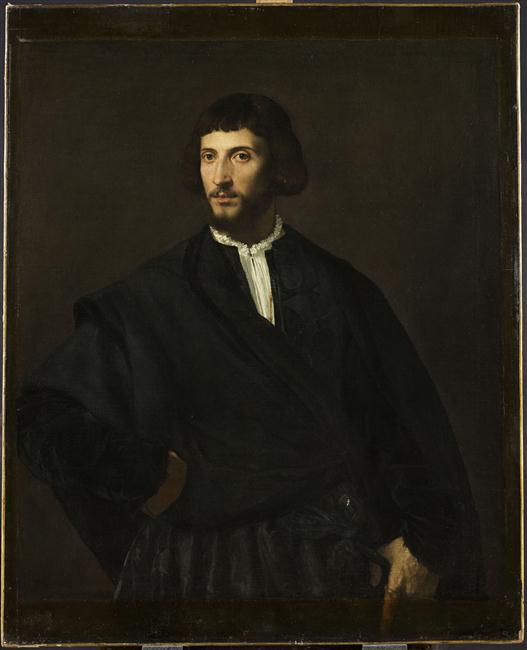 Portrait d'homme, la main sur la ceintureTitien, 1520