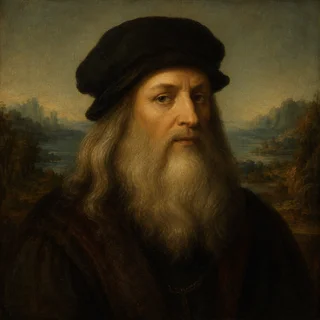
Léonard de Vinci
1452–1519 · République de Florence · Haute Renaissance, Renaissance
L'histoire
Léonard de Vinci naît en 1452 près de la petite ville toscane de Vinci, fils d'un notaire florentin et d'une paysanne que celui-ci n'épousa jamais. Étant illégitime, il ne pouvait embrasser la carrière juridique de son père ; enfant, on l'envoie donc se former dans l'atelier florentin du peintre Andrea del Verrocchio. C'est peut-être ce hasard de la naissance qui nous a donné un peintre.
Ce qu'il fit de la peinture était étrange pour son époque. Il n'achevait presque rien. Moins de vingt tableaux lui sont fermement attribués, car il traitait chaque commande comme une expérience et passait à autre chose avant d'avoir fini la précédente. Pour La Cène, réalisée à Milan dans les années 1490 pour le duc Ludovic Sforza, il abandonne la fresque véritable et invente sa propre technique murale afin de pouvoir travailler lentement et reprendre son ouvrage. La peinture commence à s'écailler de son vivant même, et les restaurateurs luttent depuis pour la maintenir.
L'essentiel de son temps allait à ses carnets plutôt qu'à ses tableaux. Il laisse environ 13 000 pages conservées, écrites de droite à gauche en écriture spéculaire, remplies de corps disséqués, d'eau en mouvement, d'engrenages et de machines volantes que personne ne construirait avant des siècles. Il ouvrit une trentaine de cadavres pour comprendre comment un bras humain se meut réellement, puis n'utilisa presque rien de tout cela pour achever un tableau.
Il emporta avec lui pendant plus de dix ans le portrait que nous appelons la Joconde, sans jamais le remettre à son commanditaire. En 1516, le jeune roi de France François Ier lui offre une demeure à Amboise, dans la vallée de la Loire, et surtout la liberté de penser. Léonard emporte ses tableaux vers le nord et meurt là en 1519. La Joconde resta en France, ce qui explique qu'elle soit aujourd'hui accrochée au Louvre, à Paris.
Autres articles
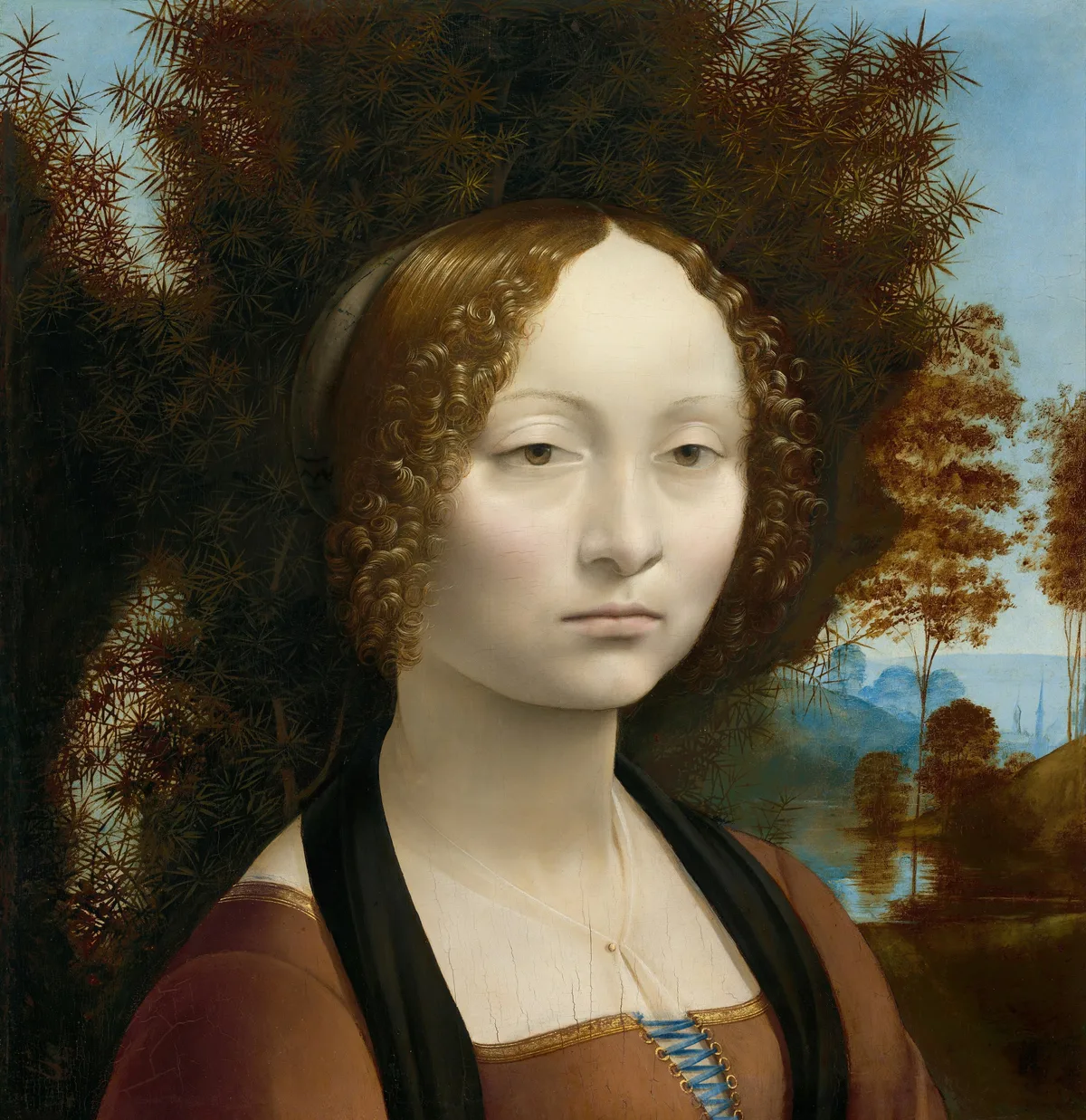 Article · 42 min de lectureLa National Gallery of Art de Washington : vingt tableaux venus de mains privées
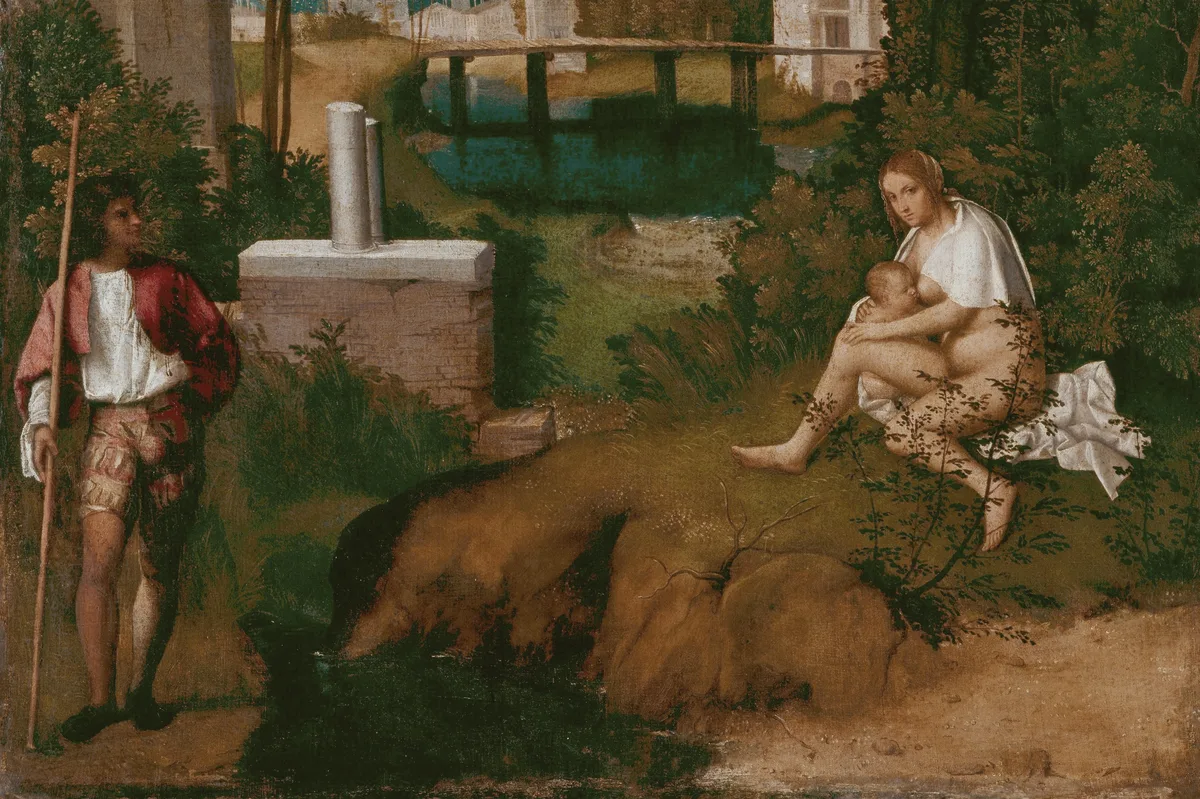 Article · 40 min de lectureLes Gallerie dell'Accademia de Venise : vingt œuvres et le chemin qui a conduit chacune jusqu'ici
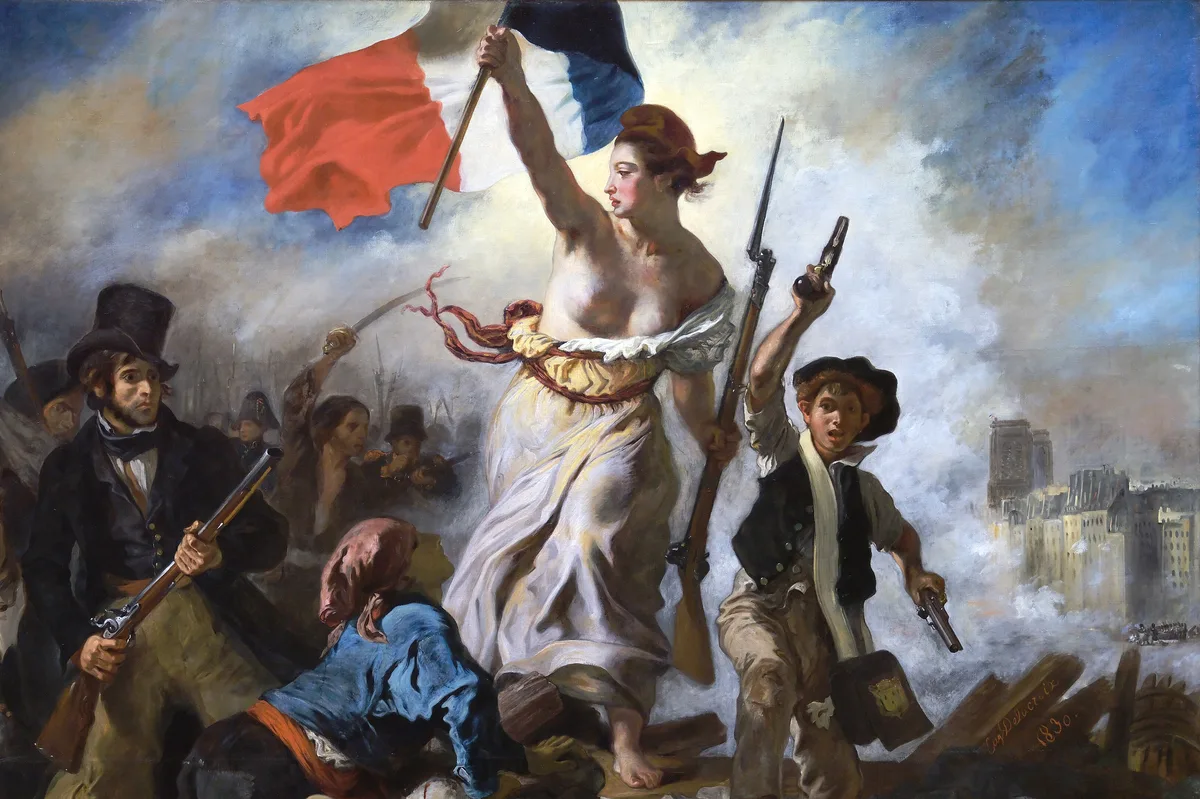 Article · 46 min de lectureQue voir au Louvre : 25 œuvres majeures
 Article · 47 min de lectureGalerie des Offices : le musée qui a survécu aux Médicis
 Article · 45 min de lectureL’Alte Pinakothek : 20 tableaux et comment ils sont arrivés à Munich
 Article · 43 min de lectureComment s'est constituée la National Gallery : d'Angerstein à Artemisia
Œuvres
34 œuvres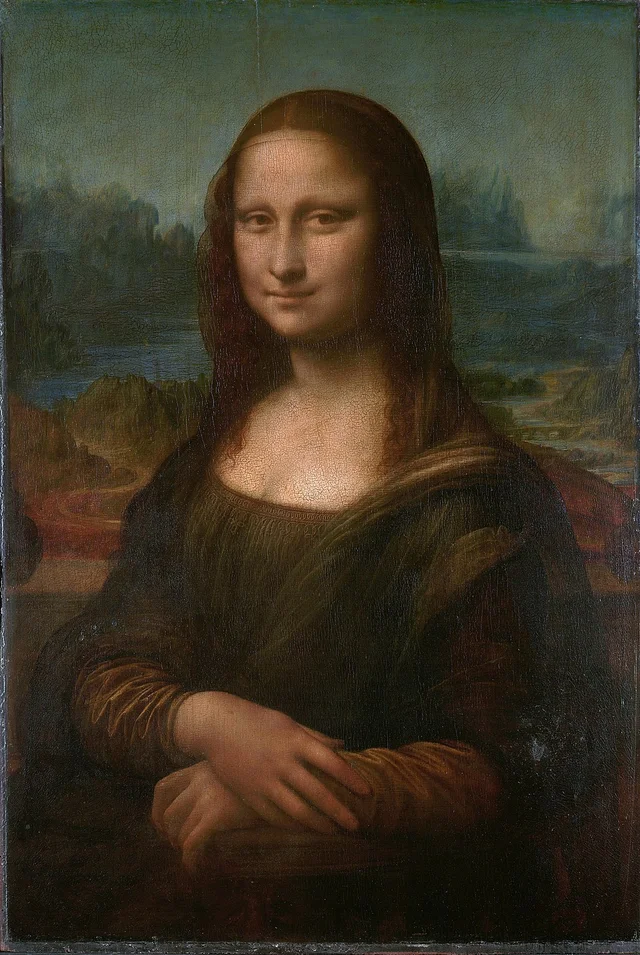 La JocondeLéonard de Vinci, 1503
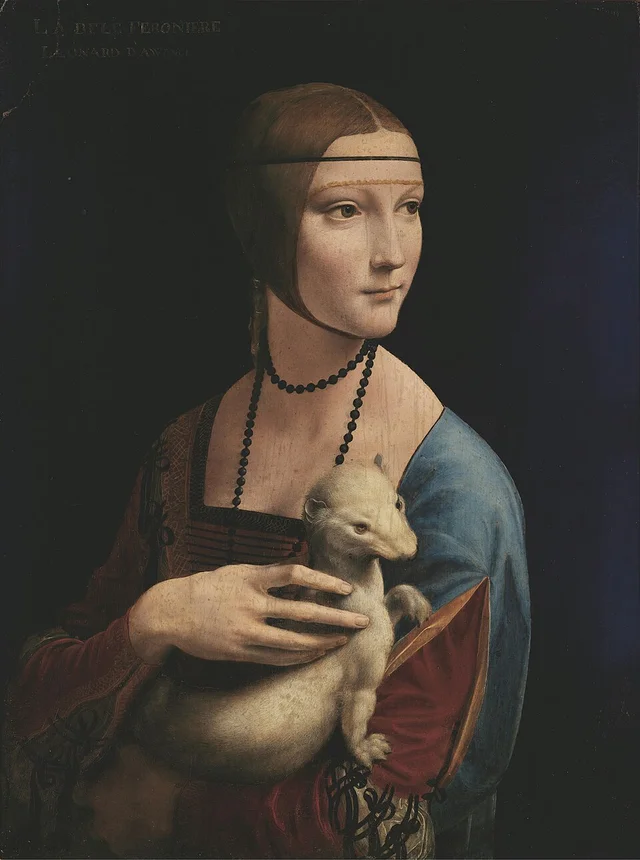 La Dame à l'hermineLéonard de Vinci, 1490
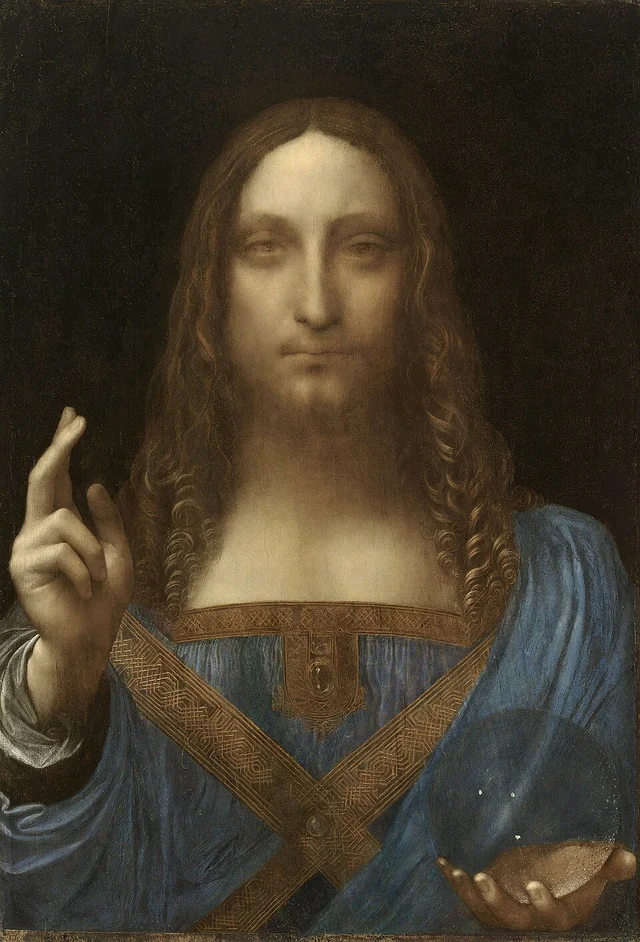 Salvator MundiLéonard de Vinci, 1490
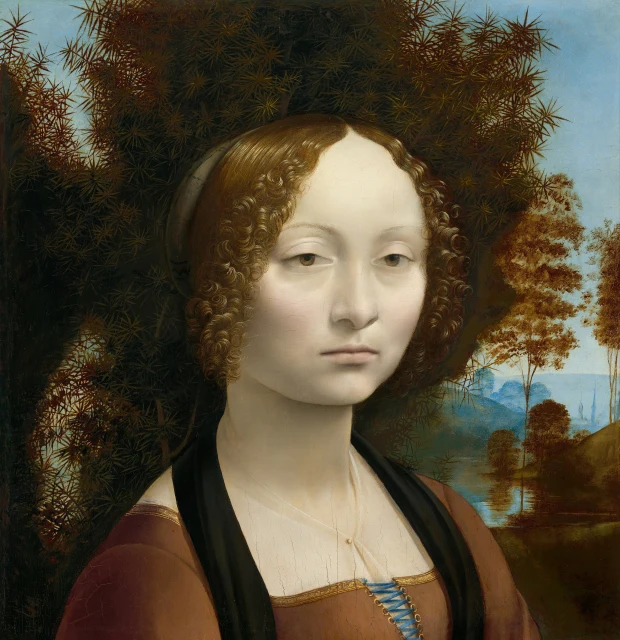 Ginevra de' BenciLéonard de Vinci, 1476
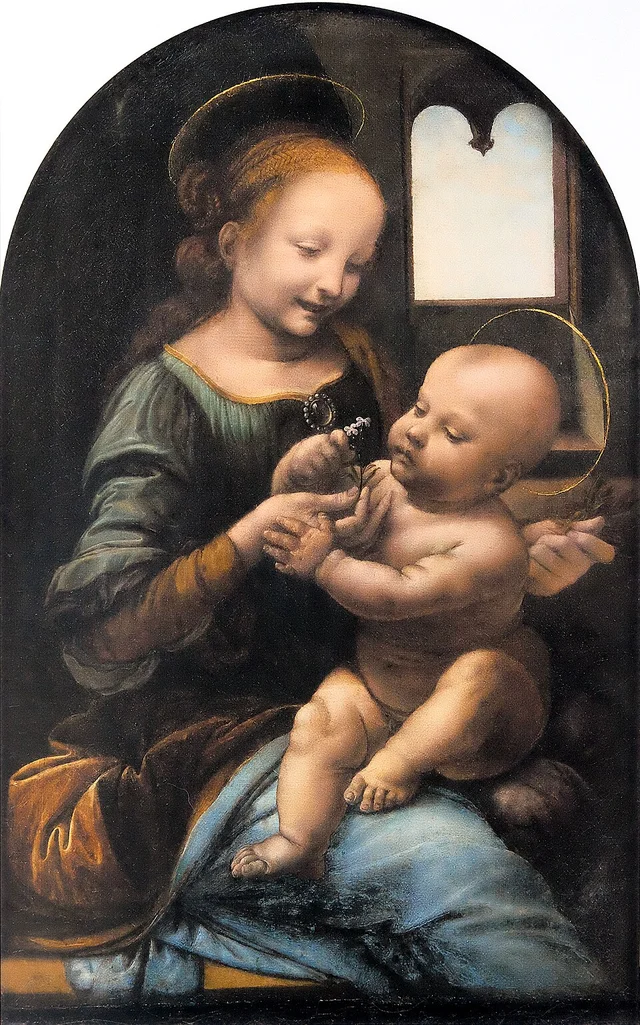 Madone BenoisLéonard de Vinci, 1480
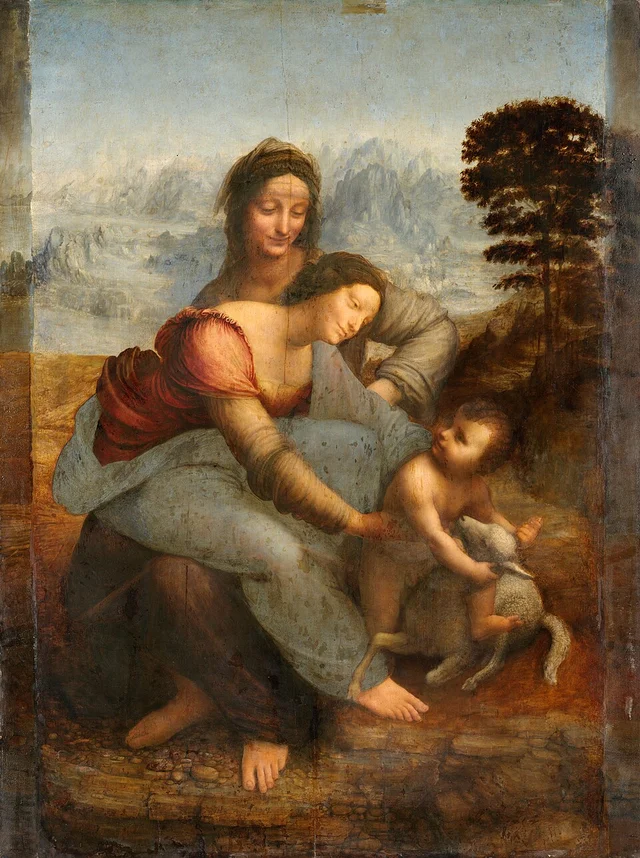 La Vierge, l'Enfant Jésus et sainte AnneLéonard de Vinci, 1511
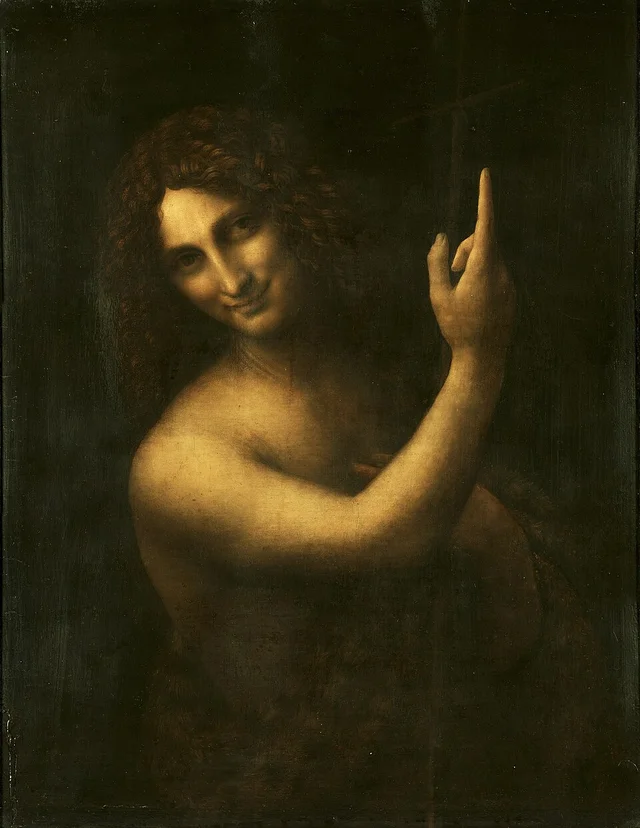 Saint Jean-BaptisteLéonard de Vinci, 1514
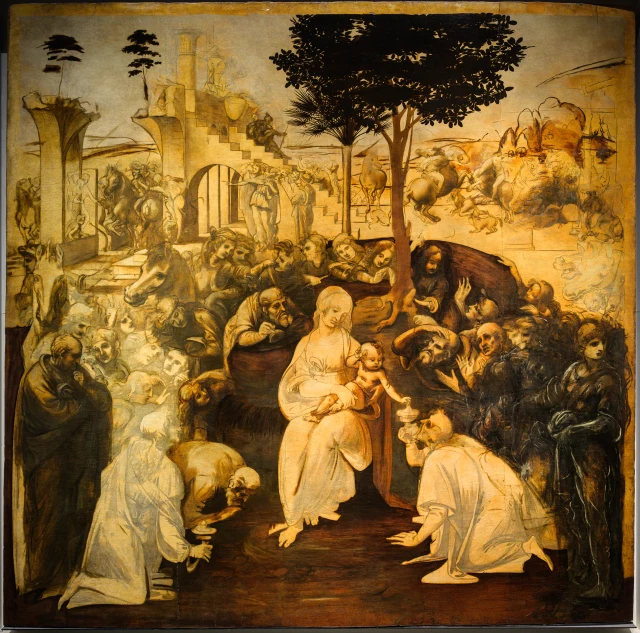 L'Adoration des magesLéonard de Vinci, 1482
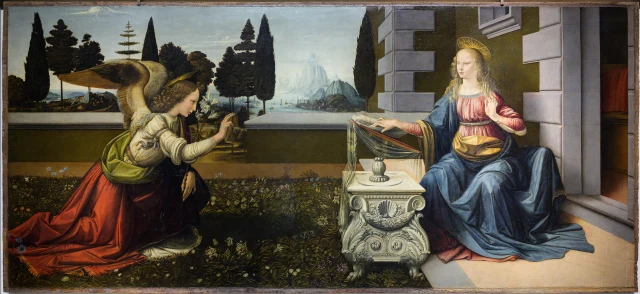 L'AnnonciationLéonard de Vinci, 1472
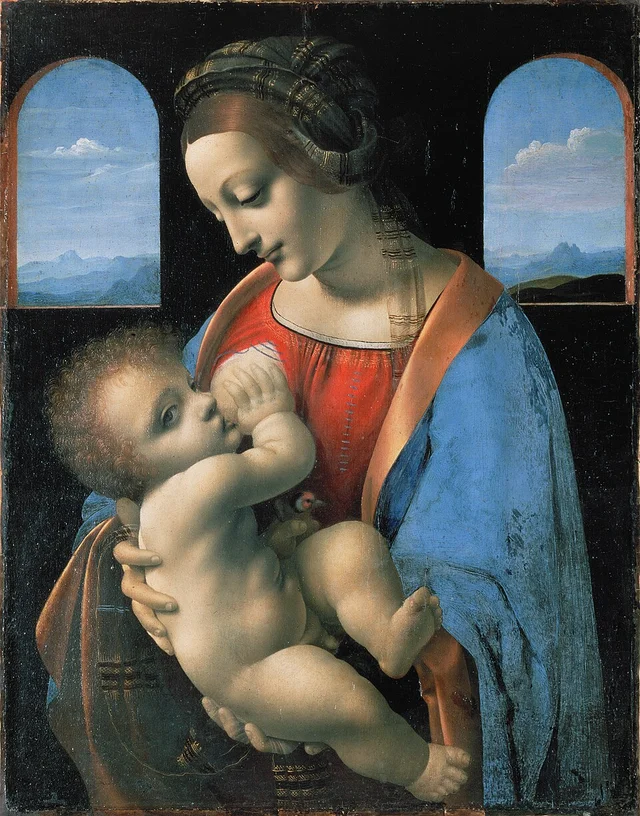 La Madone LittaLéonard de Vinci, 1490
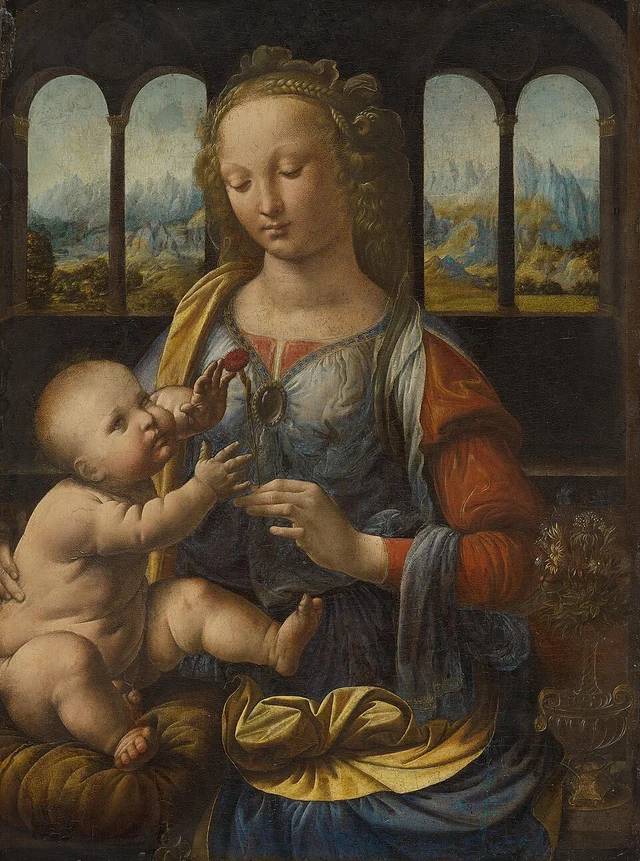 La Vierge à l'œilletLéonard de Vinci, 1475
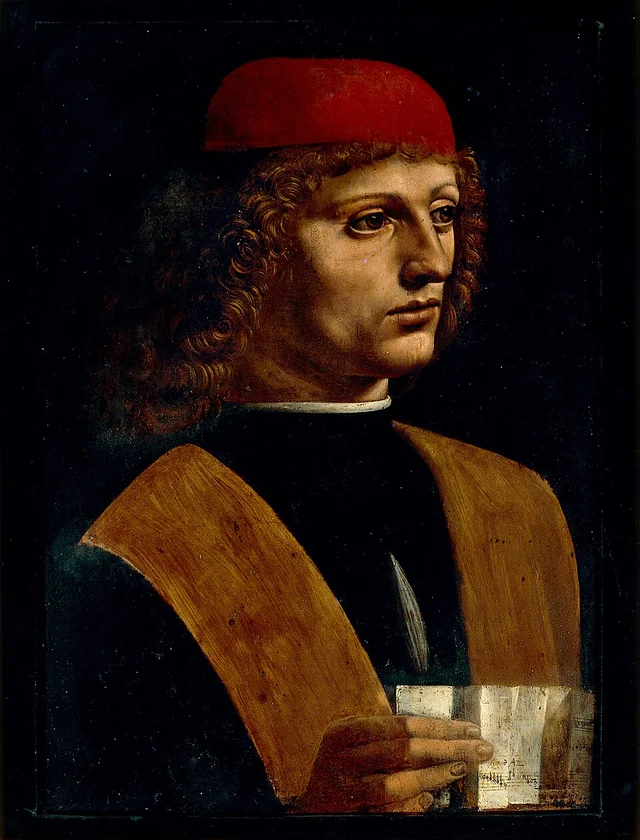 Portrait d'un musicienLéonard de Vinci, 1485
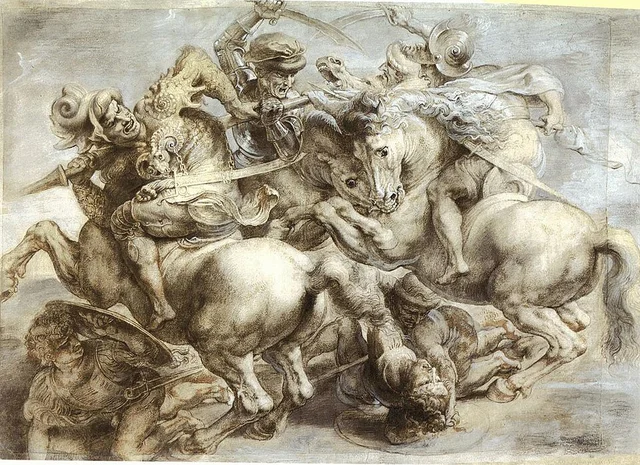 La Bataille d'AnghiariLéonard de Vinci, 1503
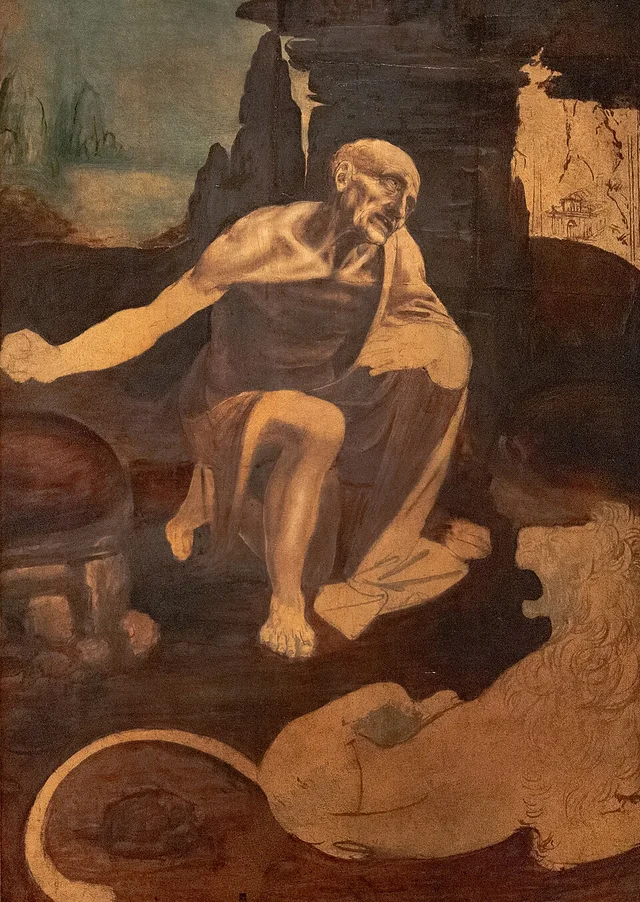 Saint Jérôme dans le désertLéonard de Vinci, 1480
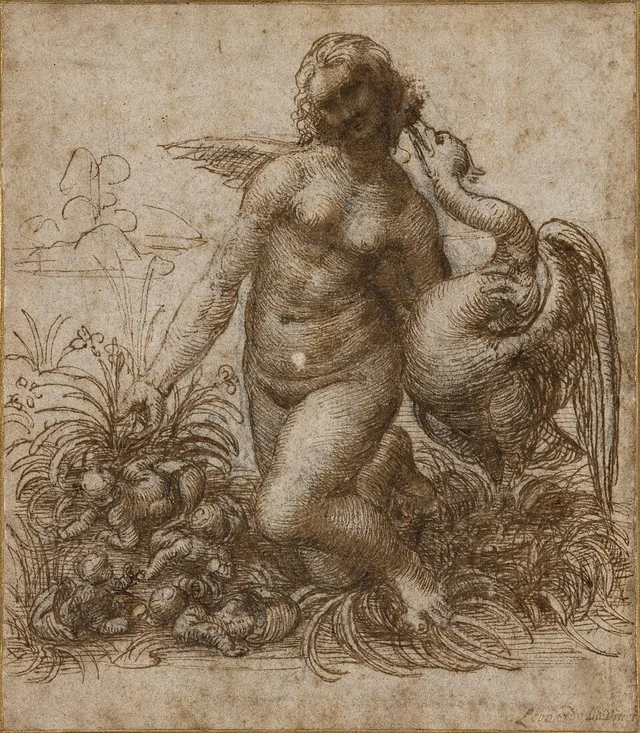 Léda et le CygneLéonard de Vinci, 1506
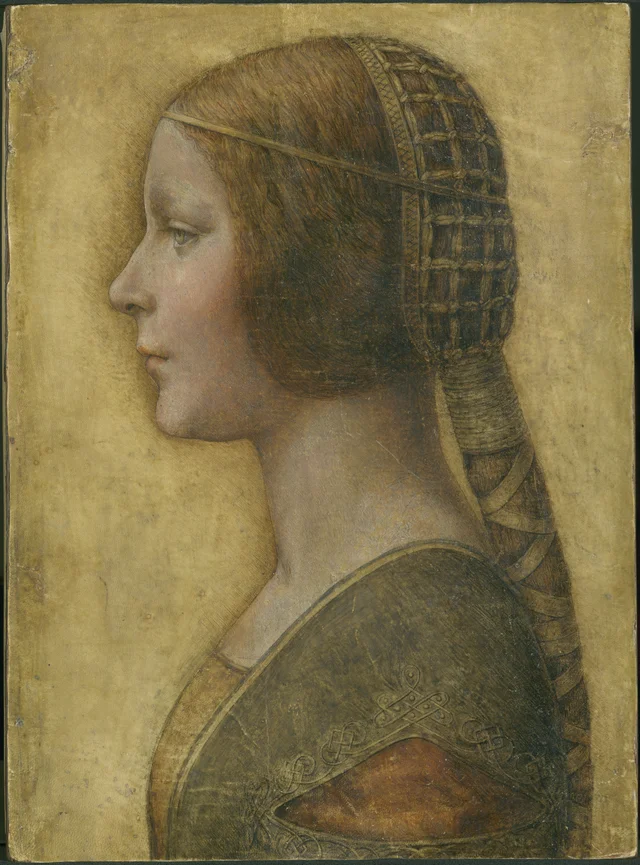 Portrait d'une jeune fiancéeLéonard de Vinci, 1495
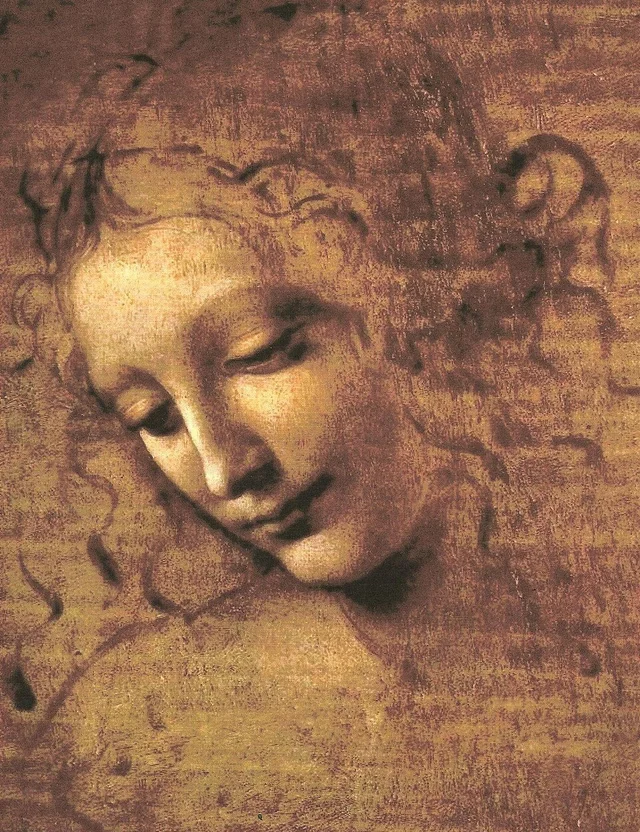 La ScapigliataLéonard de Vinci, 1500
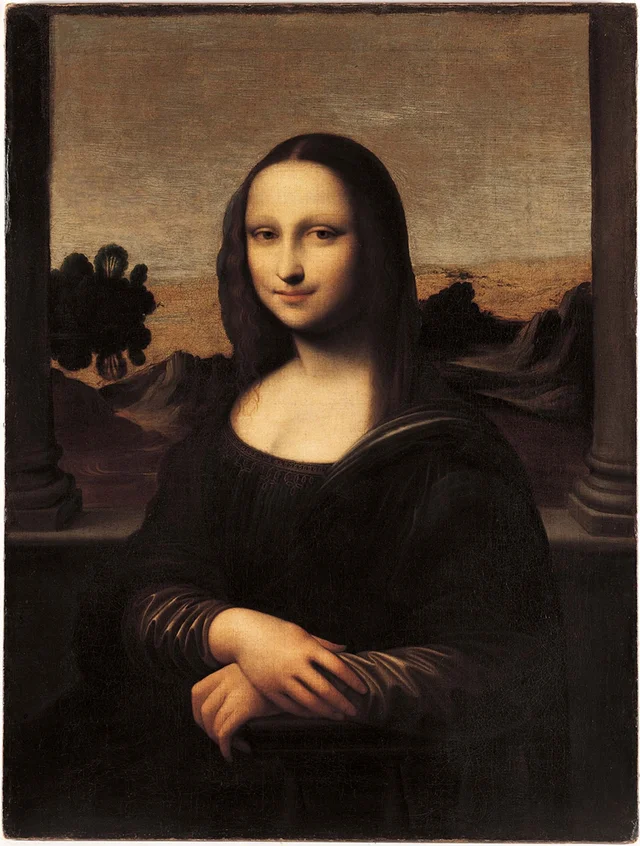 Joconde d'IsleworthLéonard de Vinci, 1502
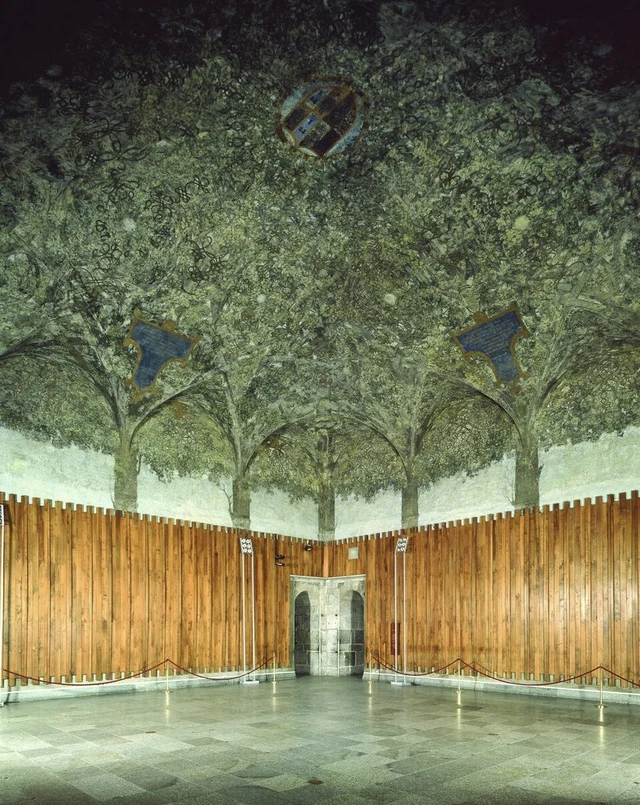 Sala delle AsseLéonard de Vinci, 1498
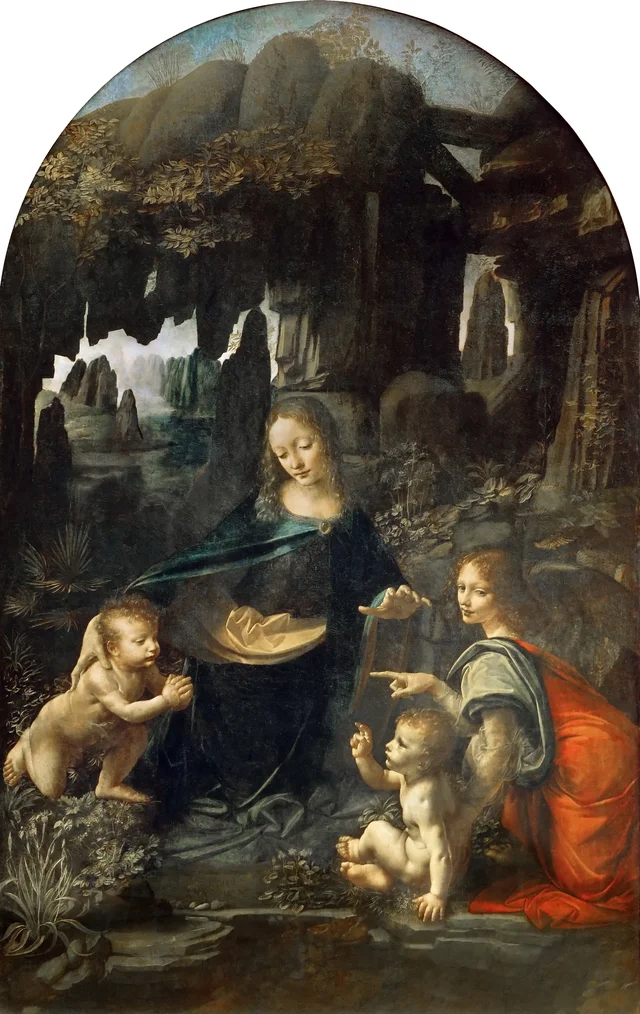 La Vierge aux rochersLéonard de Vinci, 1484
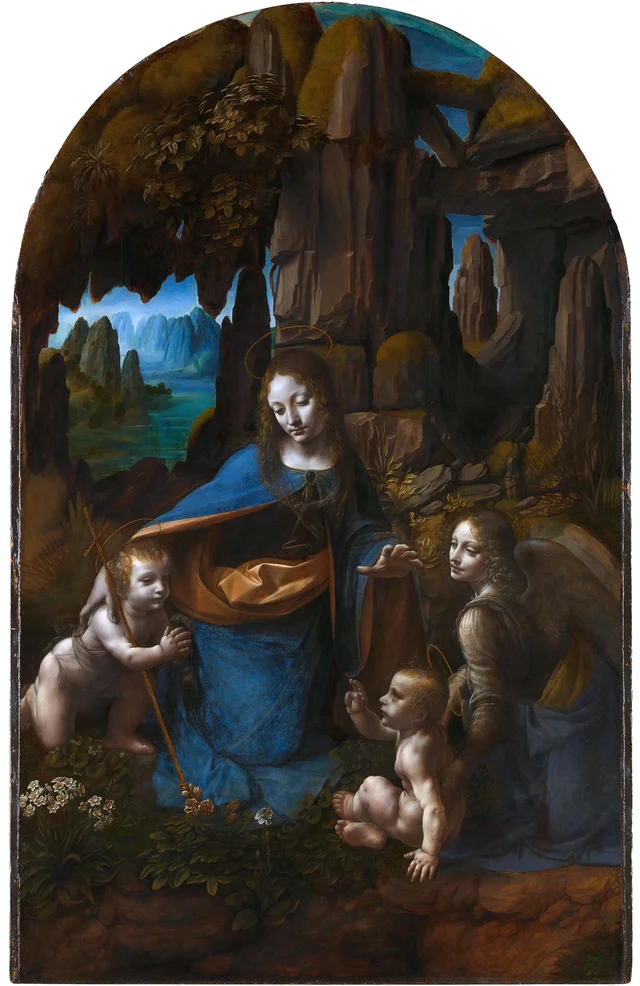 La Vierge aux rochersLéonard de Vinci, 1494
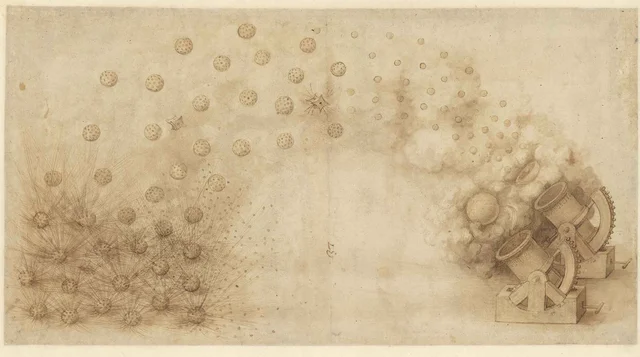 Codex Atlanticus (F0033)Léonard de Vinci, 1485
![Couronne de laurier, palmier et genévrier avec un phylactère portant l'inscription Virtutem Forma Decorat [revers]](https://artgabmlhtb6ca6sy.blob.core.windows.net/artwork-images/a044731d-b9c2-4001-8475-8e7f08d54ee3/640w.webp) Couronne de laurier, palmier et genévrier avec un phylactère portant l'inscription Virtutem Forma Decorat [revers]Léonard de Vinci, 1474
Couronne de laurier, palmier et genévrier avec un phylactère portant l'inscription Virtutem Forma Decorat [revers]Léonard de Vinci, 1474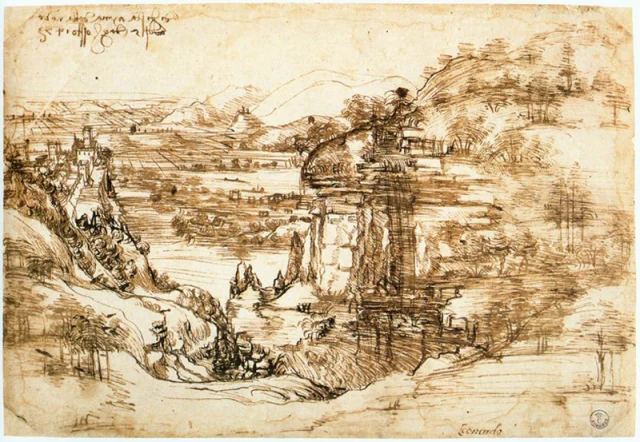 Paysage de la vallée de l'ArnoLéonard de Vinci, 1473
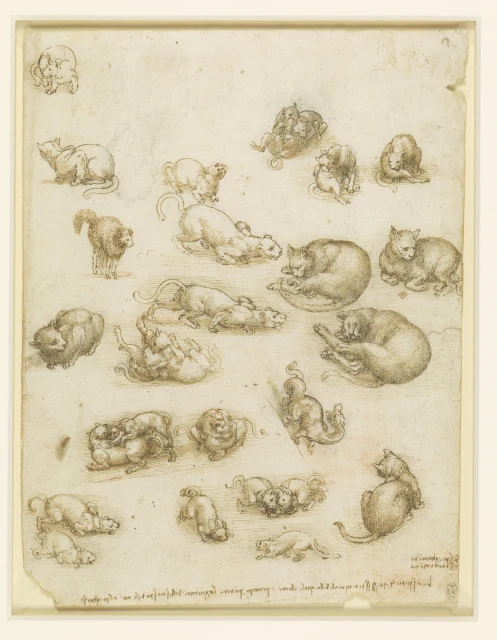 Chats, lions et un dragonLéonard de Vinci, 1517