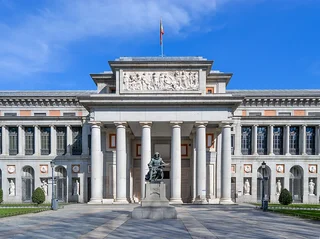
L'histoire
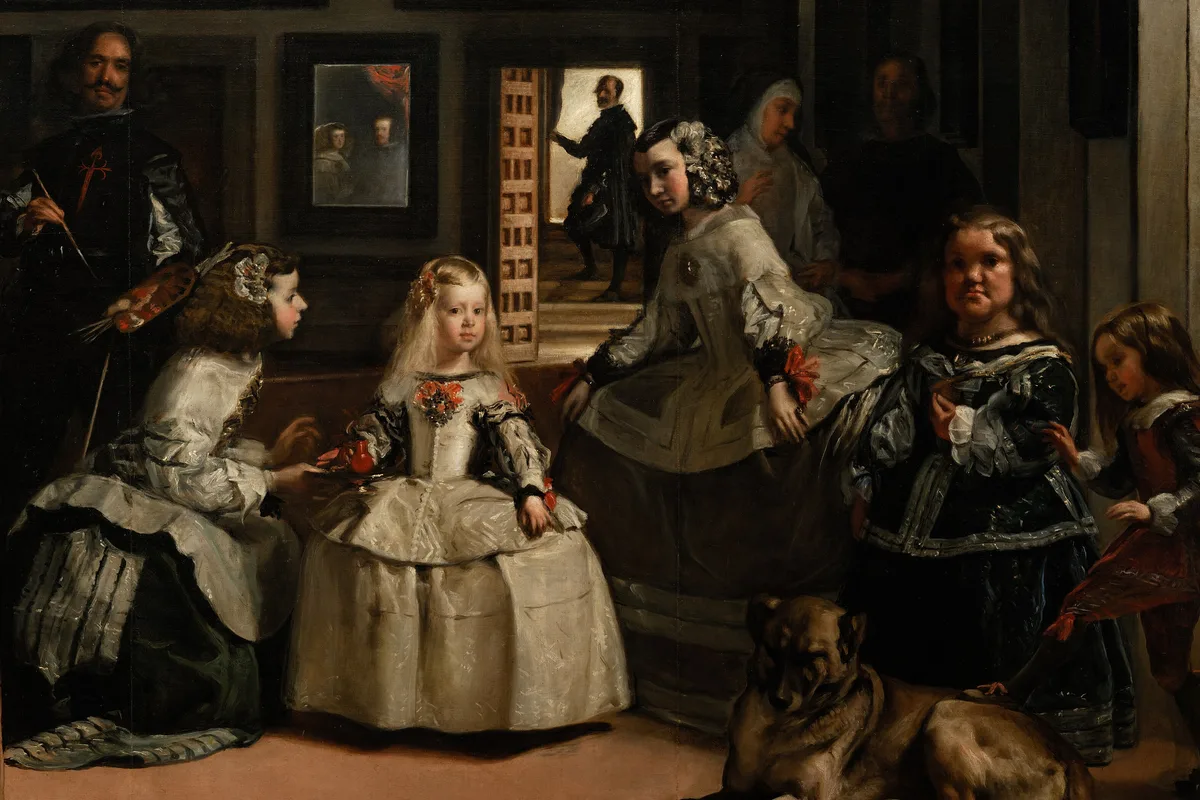
Le Prado est la collection d'un roi rendue publique. Pendant trois siècles, les Habsbourg puis les Bourbons d'Espagne achetèrent et commandèrent à l'échelle royale, et leur goût est le musée : le Titien et Rubens que les rois aimaient, Vélasquez qui servit la cour d'Espagne presque toute sa vie. Ses Ménines sont accrochées au cœur du bâtiment, le peintre regardant depuis l'arrière de sa propre toile, dans une salle du vieil Alcázar royal.
La galerie ouvrit en 1819 dans un édifice que l'architecte Juan de Villanueva avait d'abord conçu comme un cabinet de sciences naturelles. Ses murs portent les versants les plus sombres de l'art espagnol autant que sa splendeur, le Tres de Mayo de Goya, le peloton d'exécution levant ses lanternes dans la nuit, et les Peintures noires qu'il appliqua directement sur les murs de sa propre maison, âgé, sourd et retiré du monde, sans jamais vouloir les montrer.
Le plus ancien de ses grands trésors précède ce goût royal espagnol, Le Jardin des délices de Jérôme Bosch, la vision en trois panneaux du paradis, du désir et de l'enfer, entrée plus tard dans la collection de Philippe II et envoyée à son palais-monastère de l'Escurial. Elle attire maintenant les foules vers ce que seule la cour avait jadis le droit de voir.
Autres articles
Collection
870 œuvres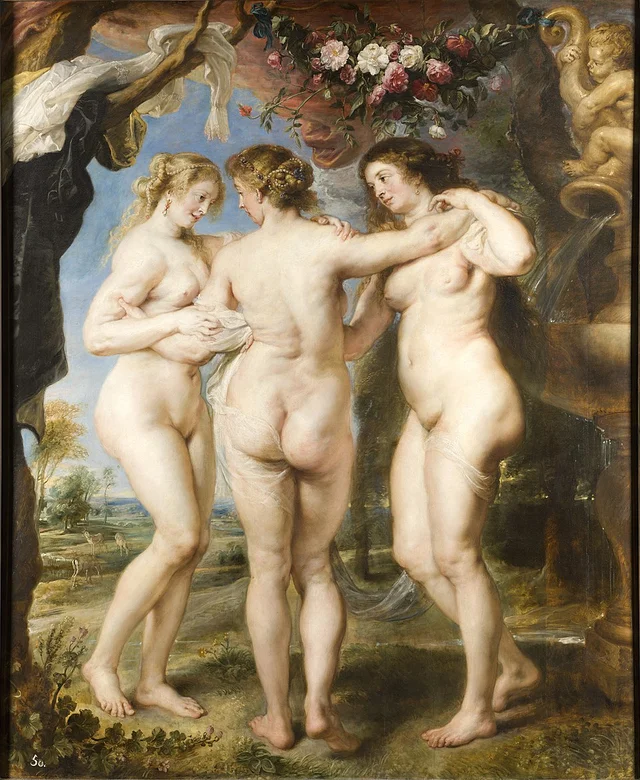 Les Trois GrâcesPierre Paul Rubens, 1630
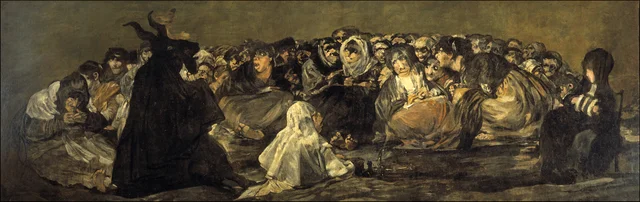 Le Sabbat des sorcièresFrancisco Goya, 1820
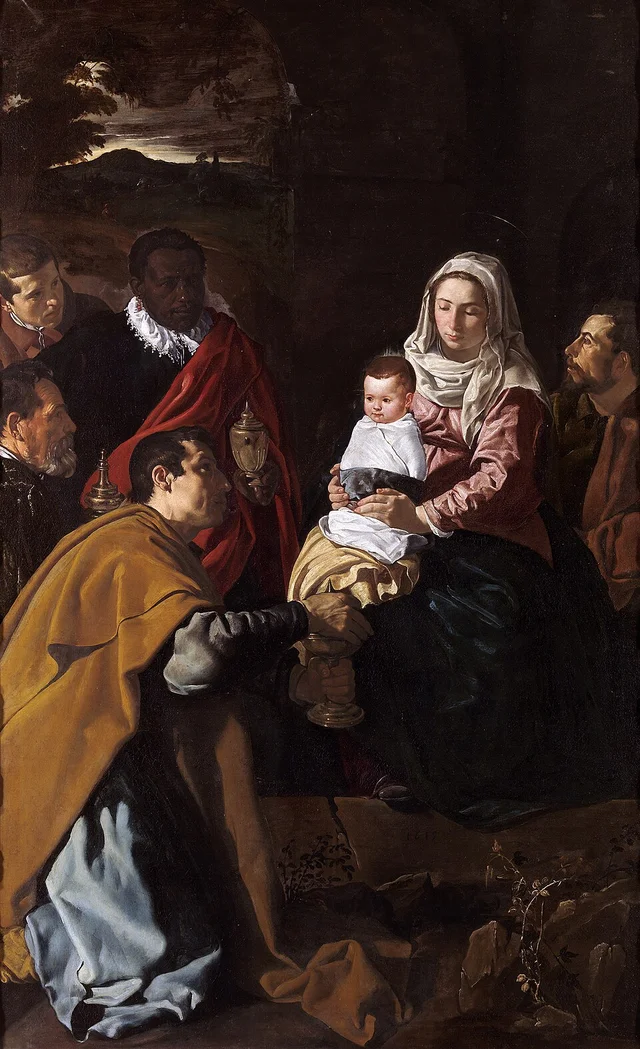 L'Adoration des MagesDiego Vélasquez, 1619
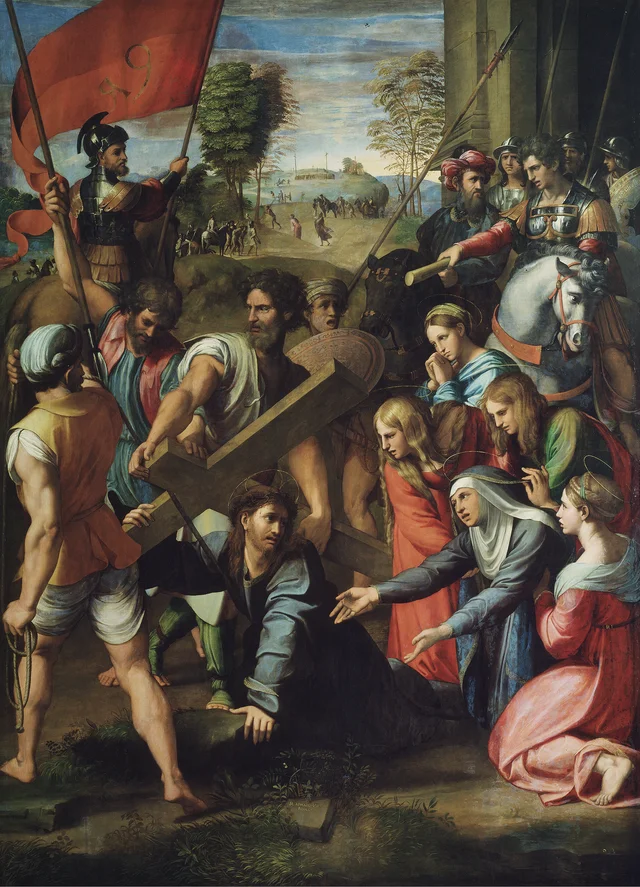 La Chute du Christ sur le chemin du CalvaireRaphaël, 1515
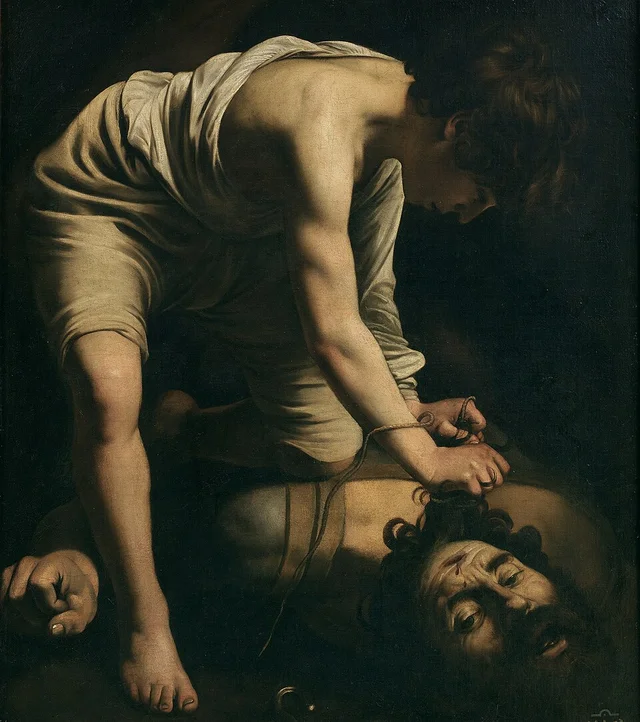 David et GoliathLe Caravage, 1600
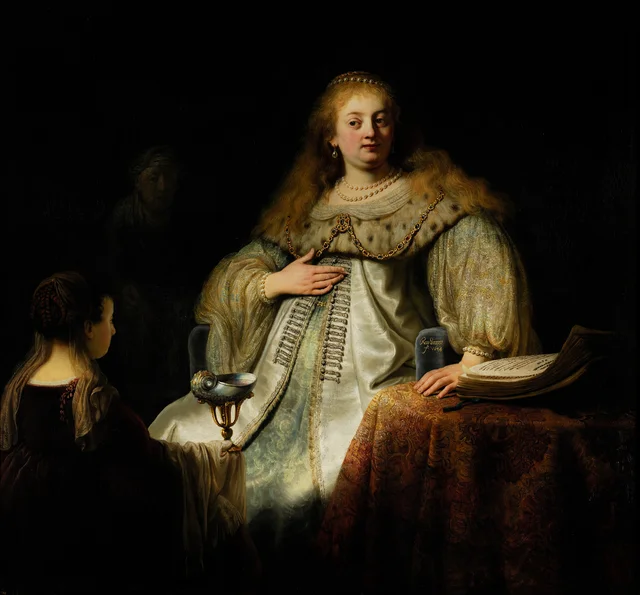 Judith au banquet d'HolopherneRembrandt, 1634
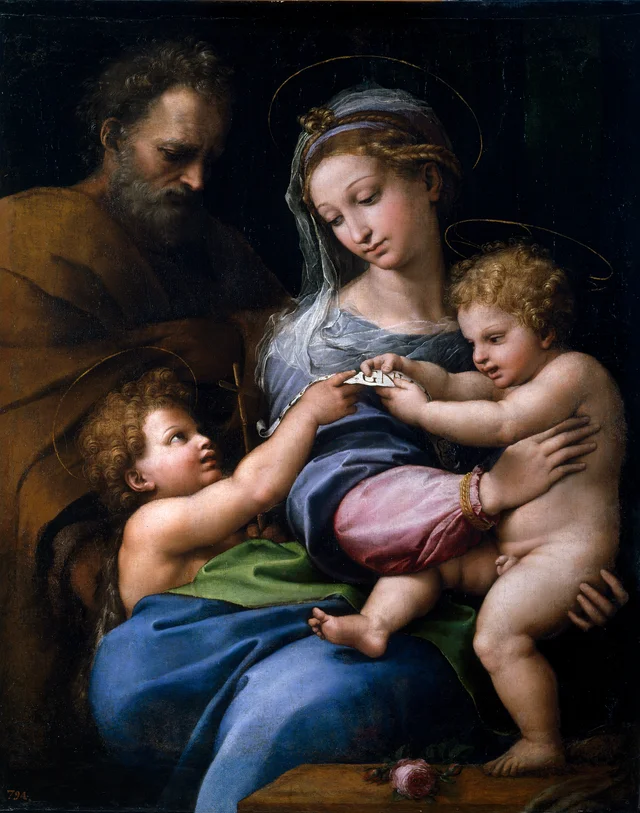 Madone à la roseRaphaël, 1517
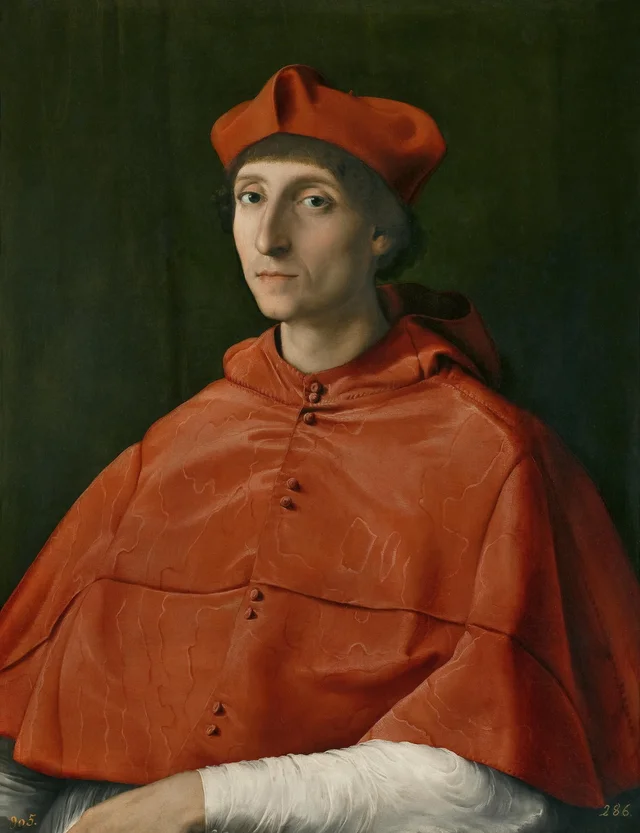 Portrait d'un cardinalRaphaël, 1510
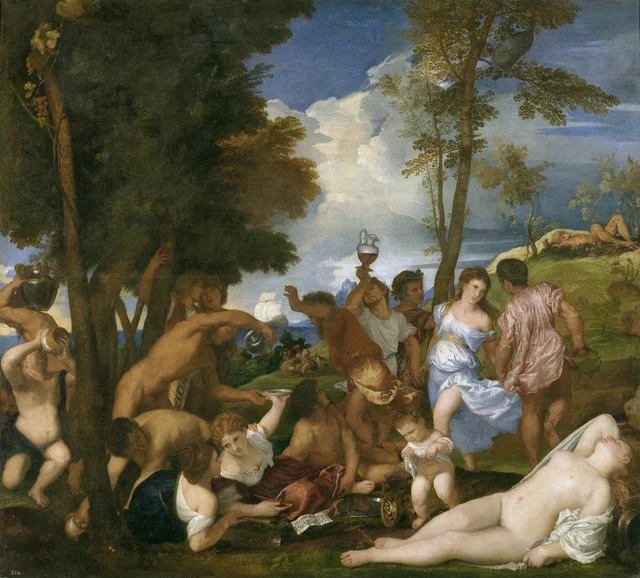 La Bacchanale des AndriensTitien, 1523
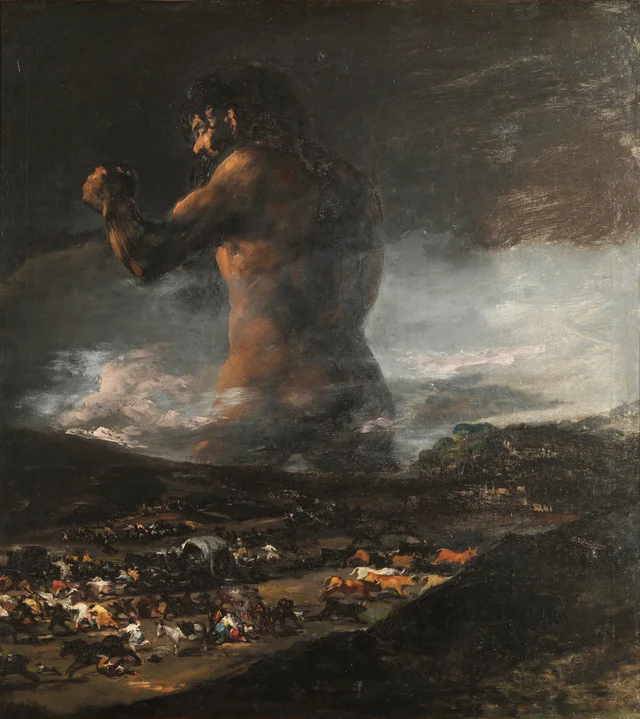 Le ColosseAsensio Juliá, 1808
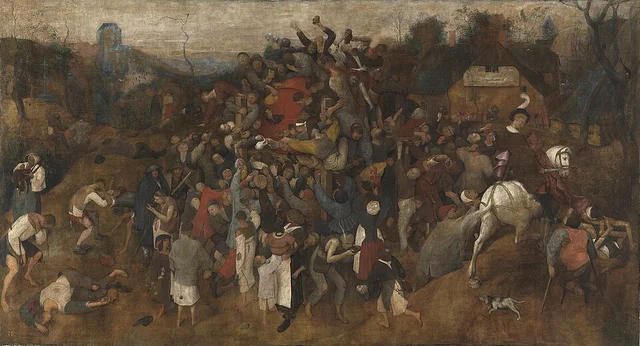 Le Vin de la Saint-MartinPieter Brueghel l'Ancien, 1566
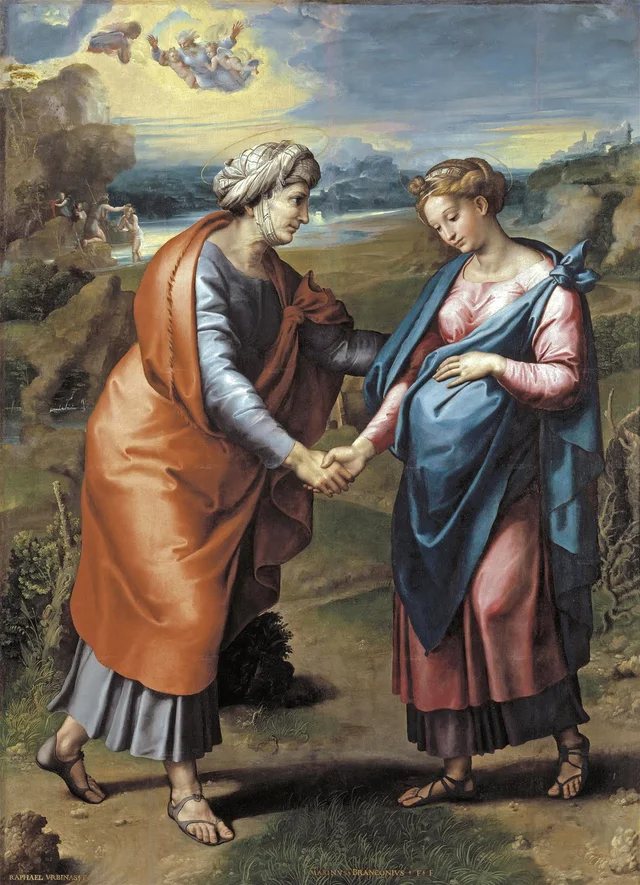 La VisitationRaphaël, 1517
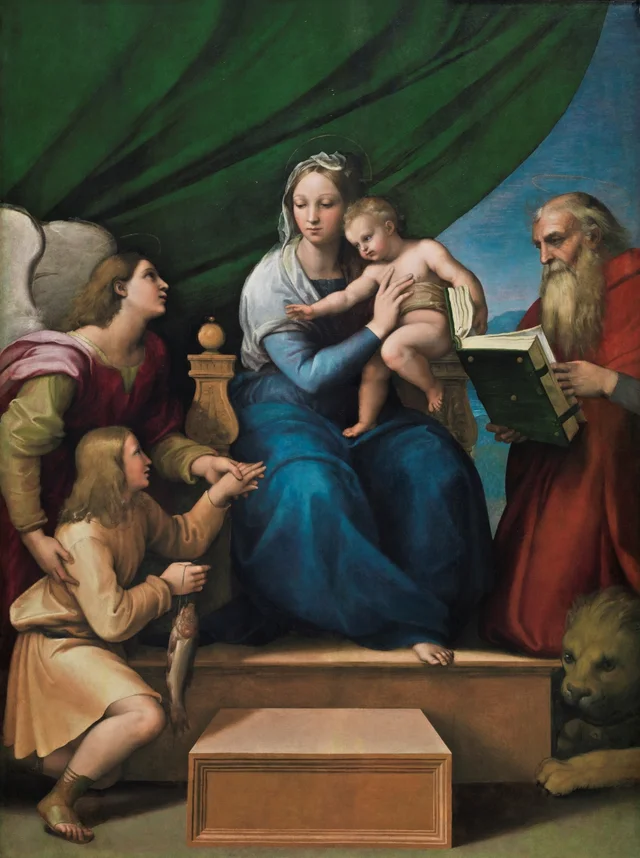 La Madone au poissonRaphaël, 1513
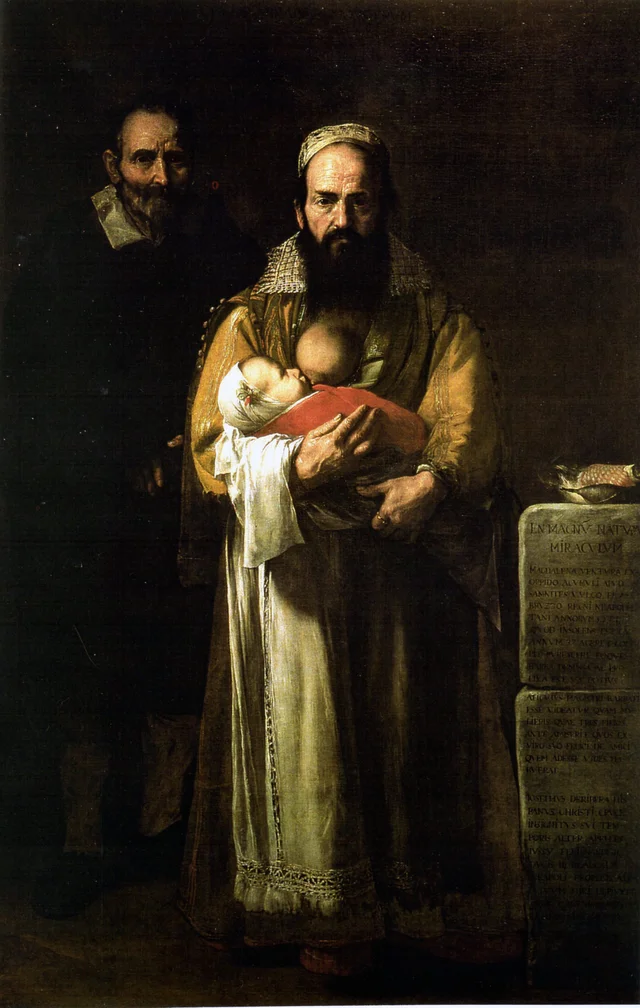 Magdalena Ventura avec son mari et son filsJusepe de Ribera, 1631
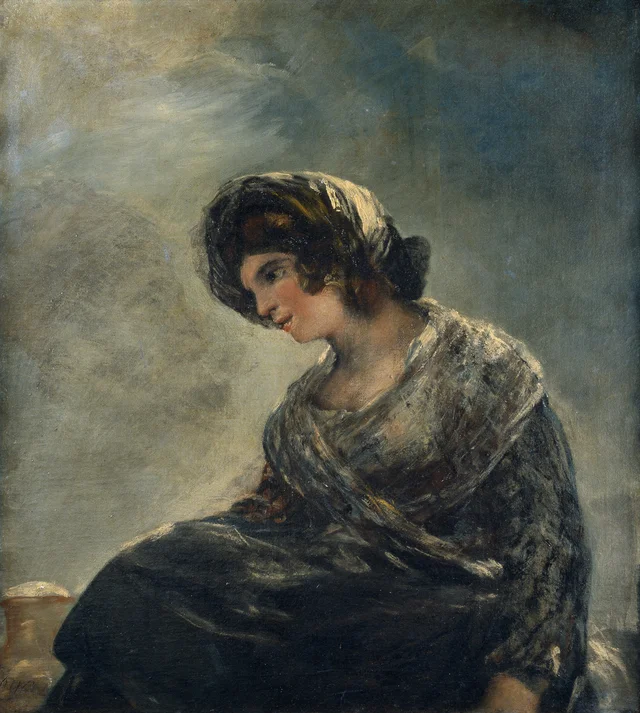 La Laitière de BordeauxFrancisco Goya, 1827
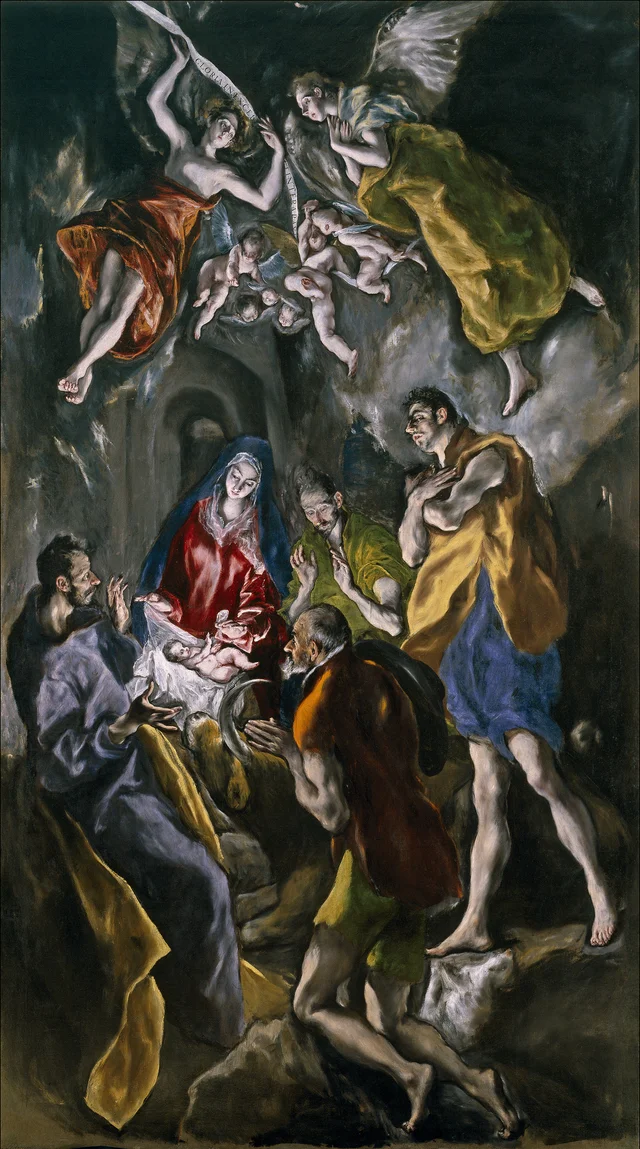 L'Adoration des bergersEl Greco, 1612
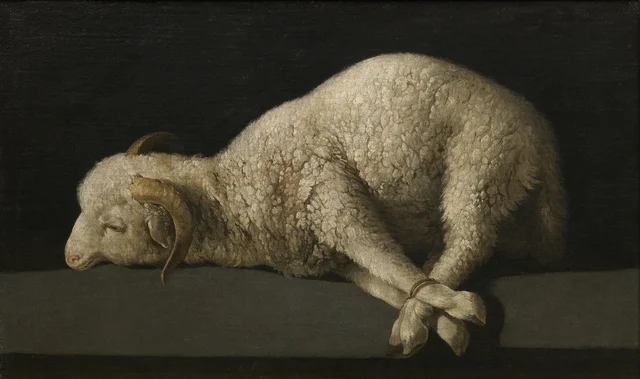 Agnus DeiFrancisco de Zurbarán, 1635
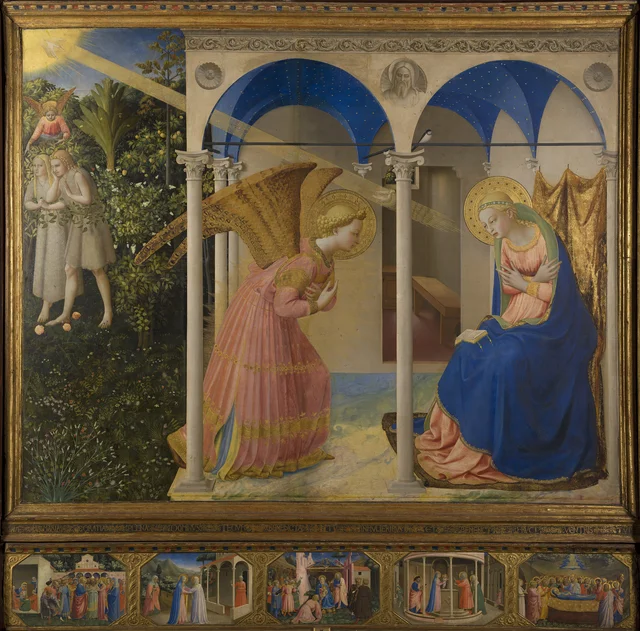 L'AnnonciationFra Angelico, 1425
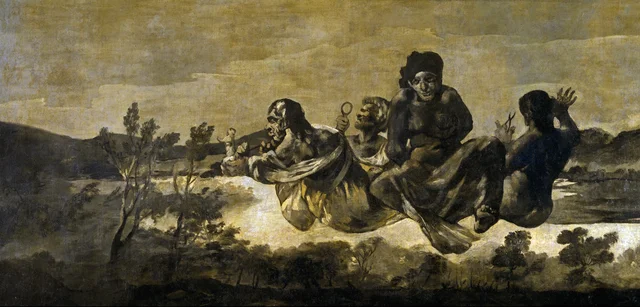 AtroposFrancisco Goya, 1819
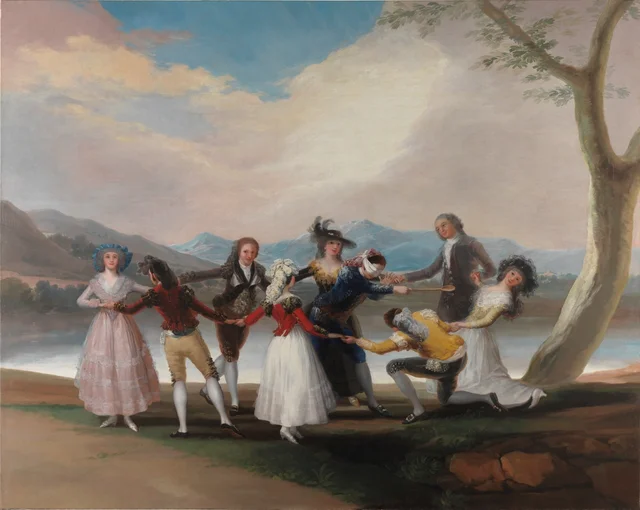 Le Colin-maillardFrancisco Goya, 1788
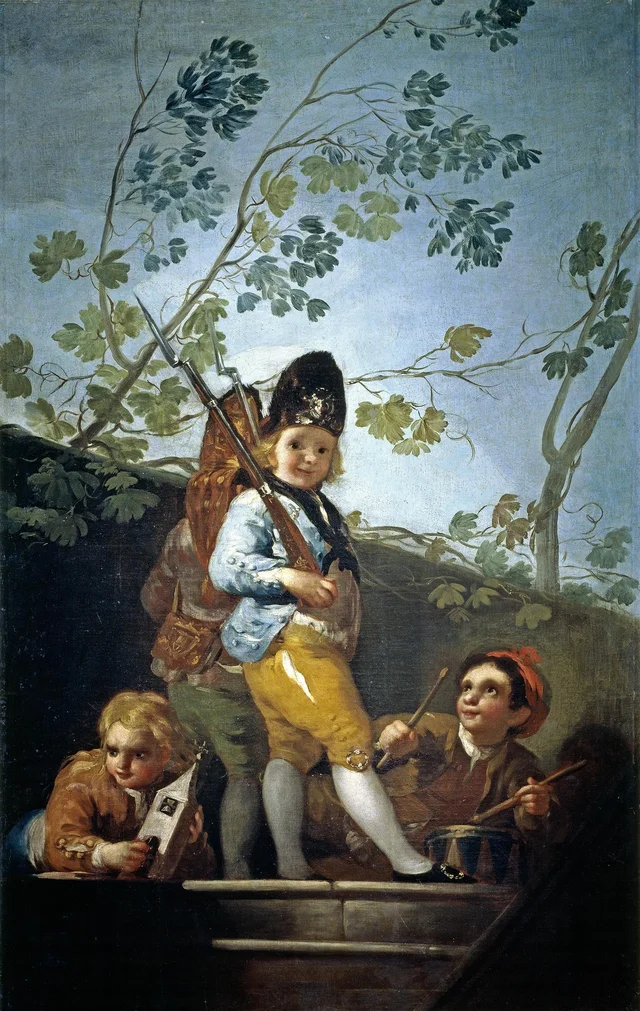 Enfants jouant aux soldatsFrancisco Goya, 1778
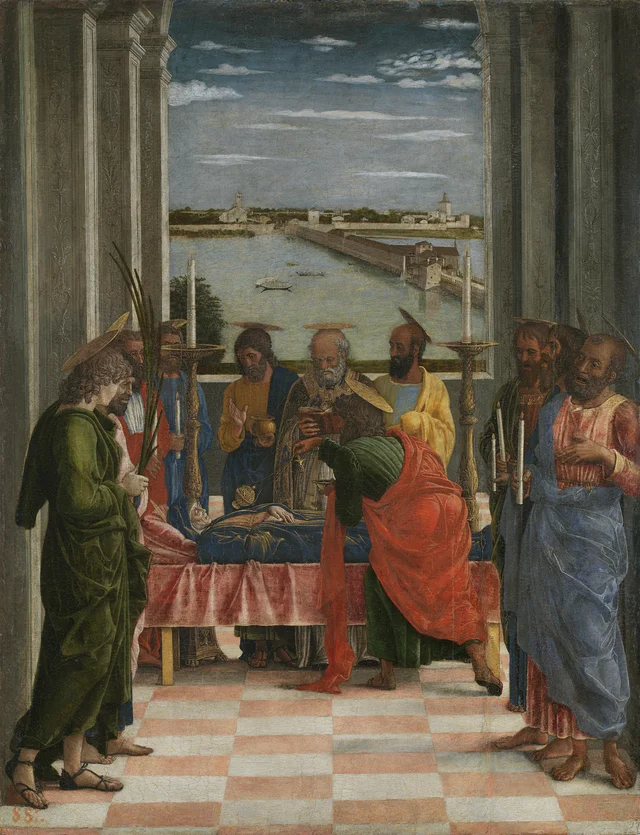 La Mort de la ViergeAndrea Mantegna, 1462
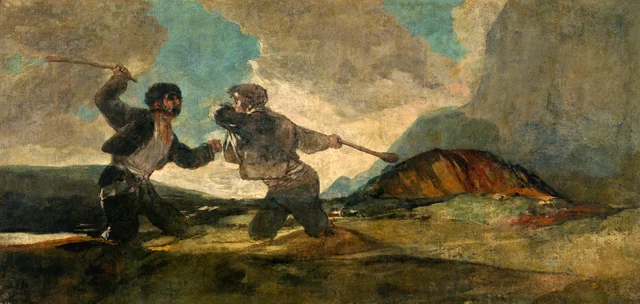 Duel au gourdinFrancisco Goya, 1820
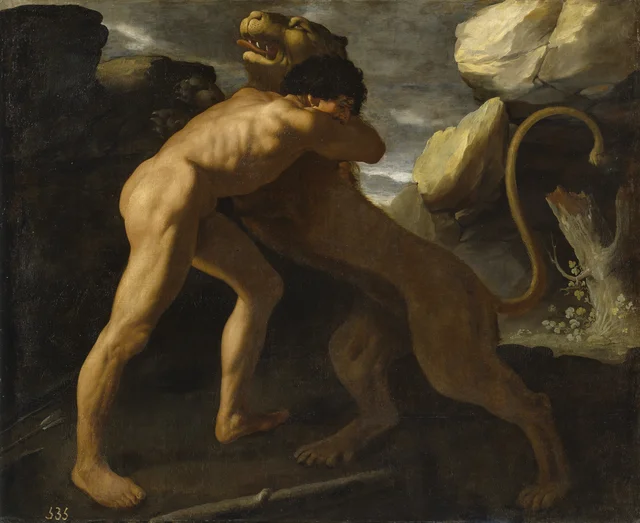 Hercule combattant le lion de NéméeFrancisco de Zurbarán, 1634
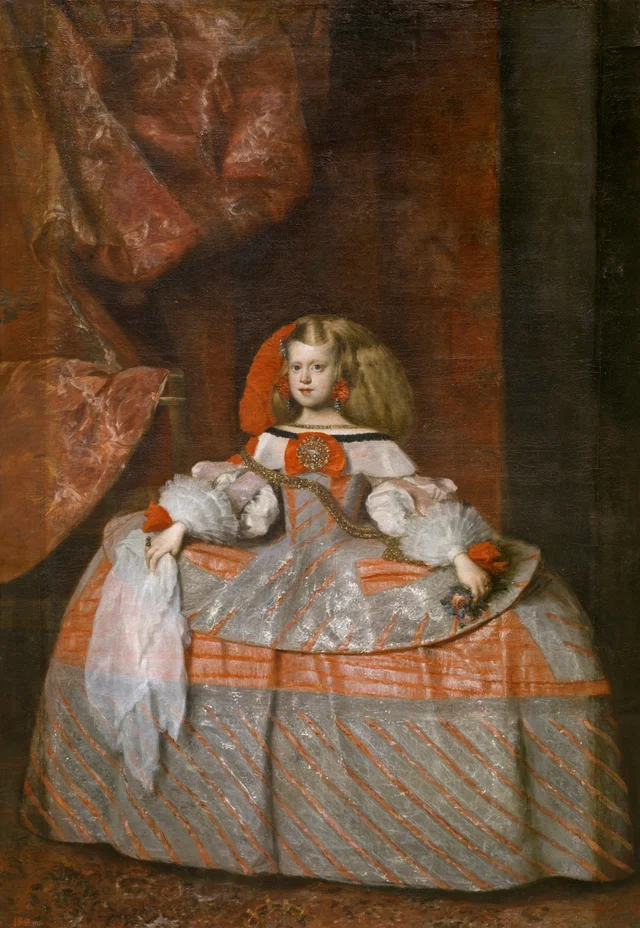 L'infante Marguerite-Thérèse en robe roseJuan Bautista Martínez del Mazo, 1660