La storia
Il Louvre nacque come fortezza. Filippo II Augusto la eresse sulla riva destra della Senna intorno al 1190 per difendere la Parigi medievale, e nei secoli successivi i re di Francia la trasformarono in un palazzo reale, finché Luigi XIV nel 1682 spostò la corte a Versailles e lasciò le sale incompiute alle collezioni reali e agli artisti che vi alloggiavano.
Fu la Rivoluzione a farne un museo pubblico. Il 10 agosto 1793 il Muséum central des arts aprì le porte, mostrando le opere confiscate alla corona e alla Chiesa a qualunque cittadino volesse entrare. Napoleone lo riempì con il bottino delle sue campagne e per un breve periodo gli diede il proprio nome. Molto fu restituito dopo Waterloo, ma l'idea rimase, una collezione nazionale ordinata per lo studio e gratuita per il pubblico.
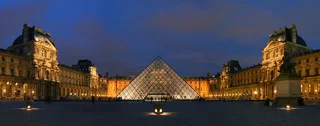
Oggi il Louvre conserva più di 35.000 opere, dalla Venere di Milo alla Zattera della Medusa di Géricault. La folla, però, si accalca verso un piccolo ritratto. Nell'agosto 1911 sparì: Vincenzo Peruggia, un tuttofare italiano che aveva lavorato nel museo, staccò dalla parete la Gioconda di Leonardo e la portò fuori sotto il cappotto. Per due anni la cornice restò vuota mentre i visitatori venivano a fissare quel vuoto, e il dipinto tornò solo nel 1913, dopo che Peruggia cercò di venderlo a un mercante di Firenze. La piramide di vetro di I. M. Pei, collocata nel cortile nel 1989, segna oggi l'ingresso.
Altri articoli
Collezione
1174 opere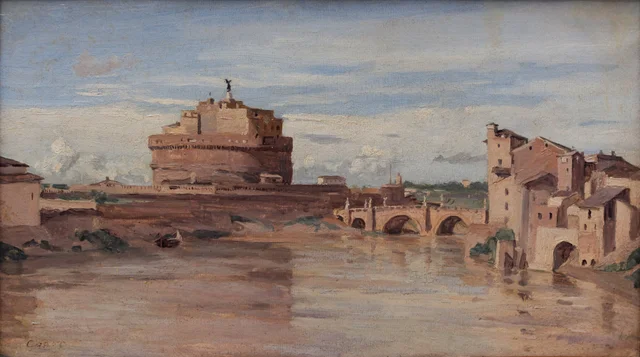 Castel Sant'Angelo e il TevereJean-Baptiste Camille Corot, 1826
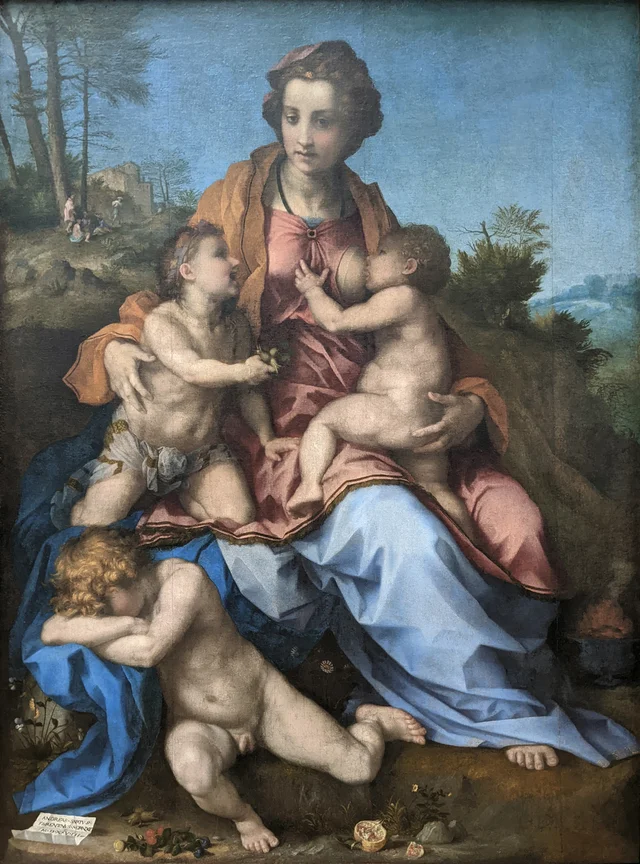 La CaritàAndrea del Sarto, 1518
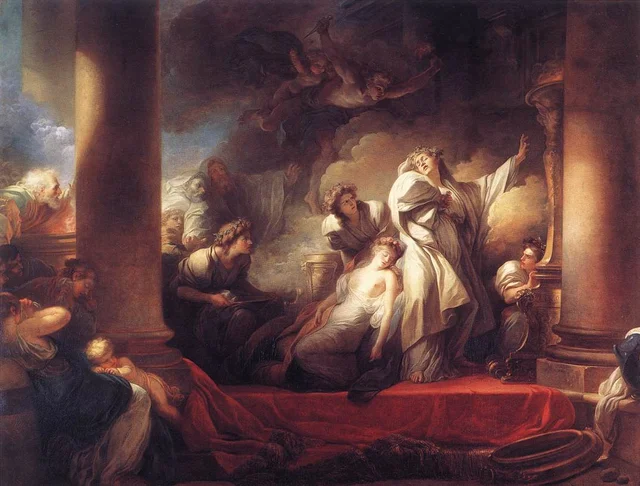 Coreso si sacrifica per salvare CalliroeJean-Honoré Fragonard, 1765
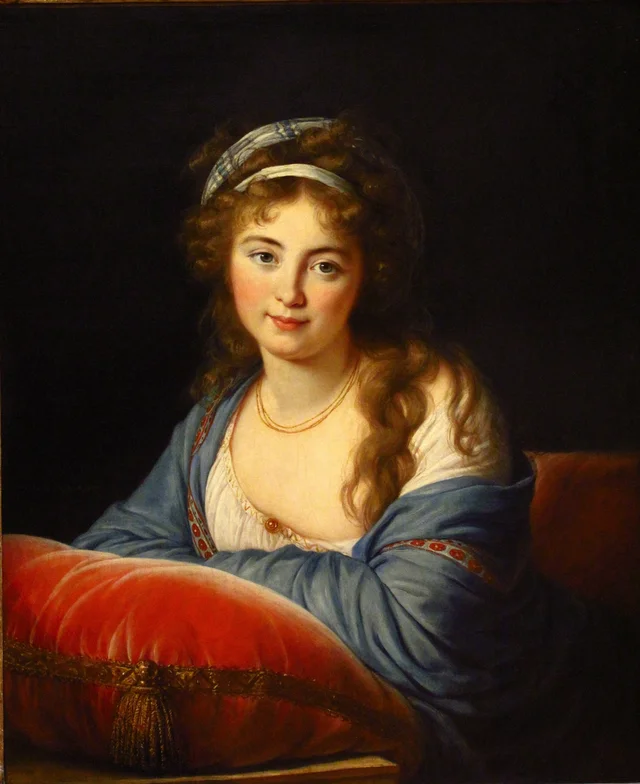 La contessa Ekaterina Vasil'evna SkavronskajaÉlisabeth Louise Vigée Le Brun, 1796
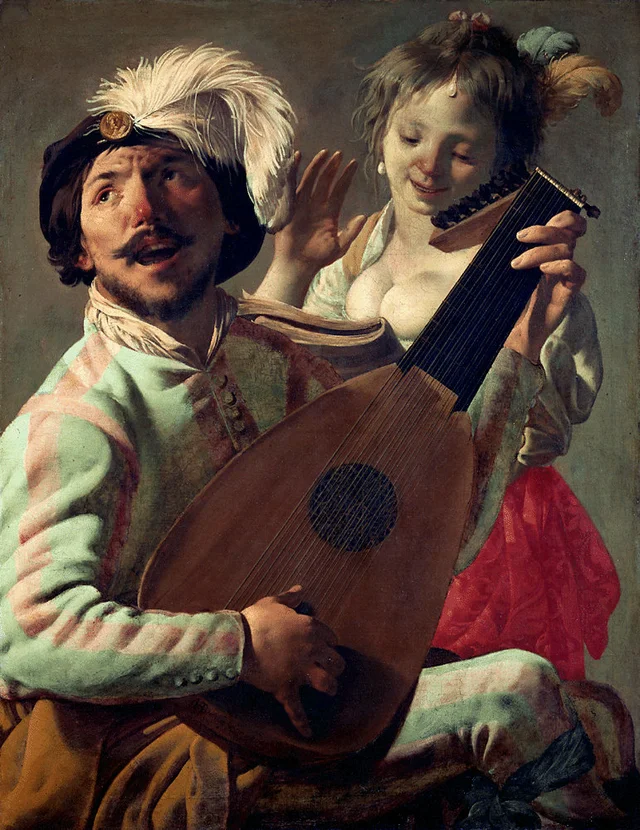 DuettoHendrick ter Brugghen, 1628
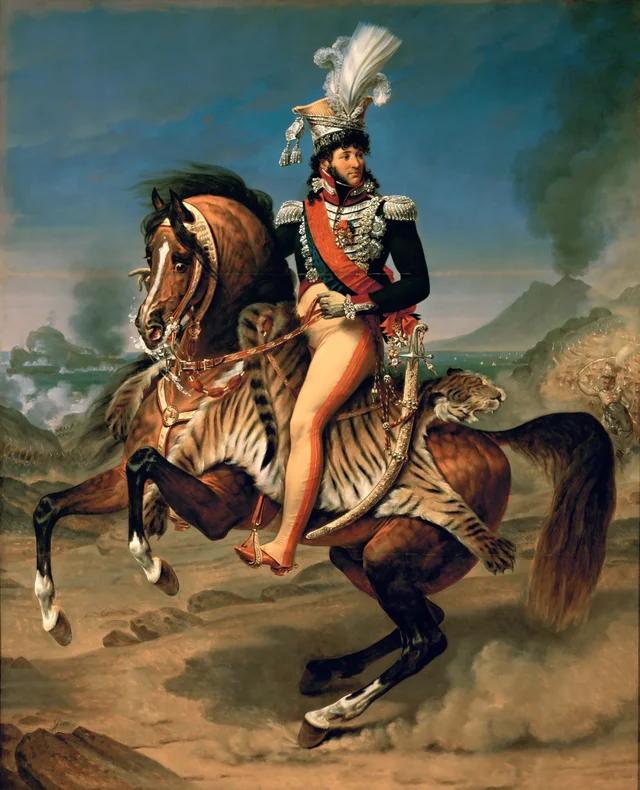 Ritratto equestre di Gioacchino MuratAntoine-Jean Gros, 1812
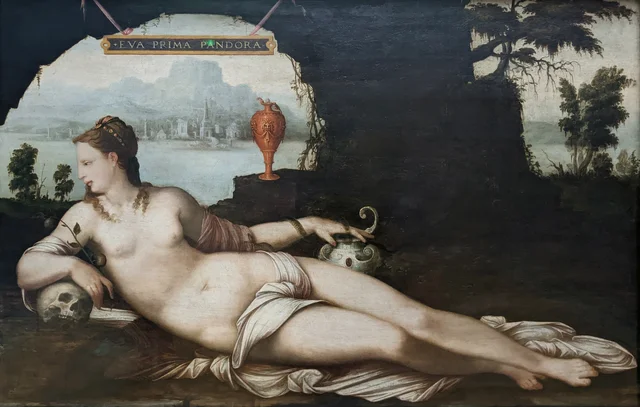 Eva Prima PandoraJean Cousin, 1550
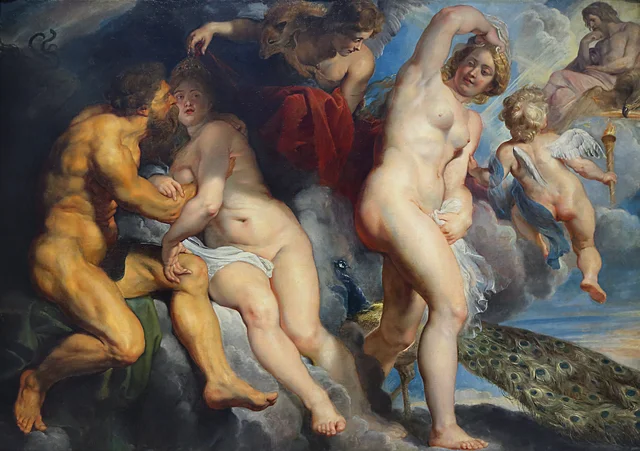 Issione, re dei Lapiti, ingannato da Giunone, che desiderava sedurrePieter Paul Rubens, 1615
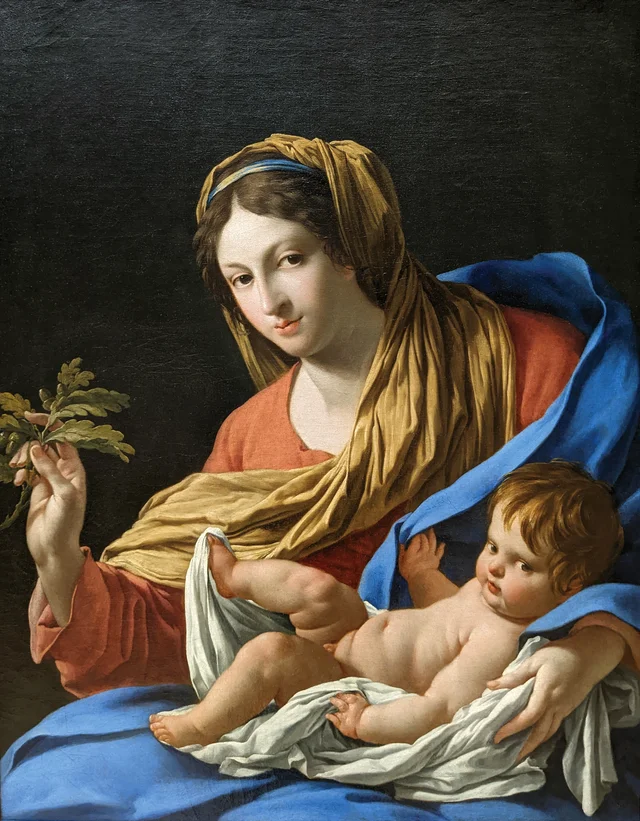 Madonna col BambinoSimon Vouet, 1640
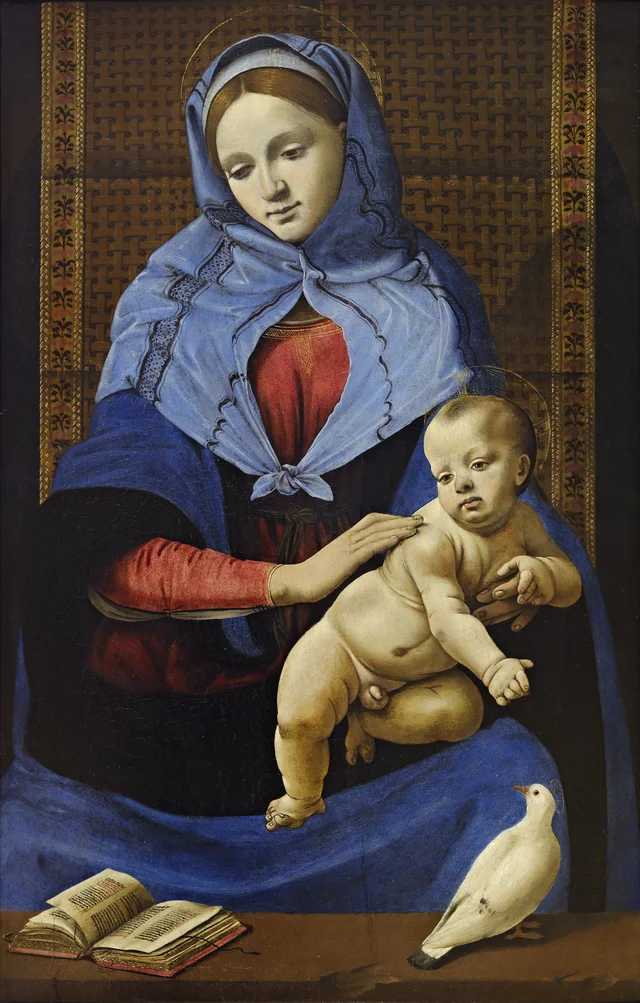 Madonna col Bambino e una colombaPiero di Cosimo, 1490
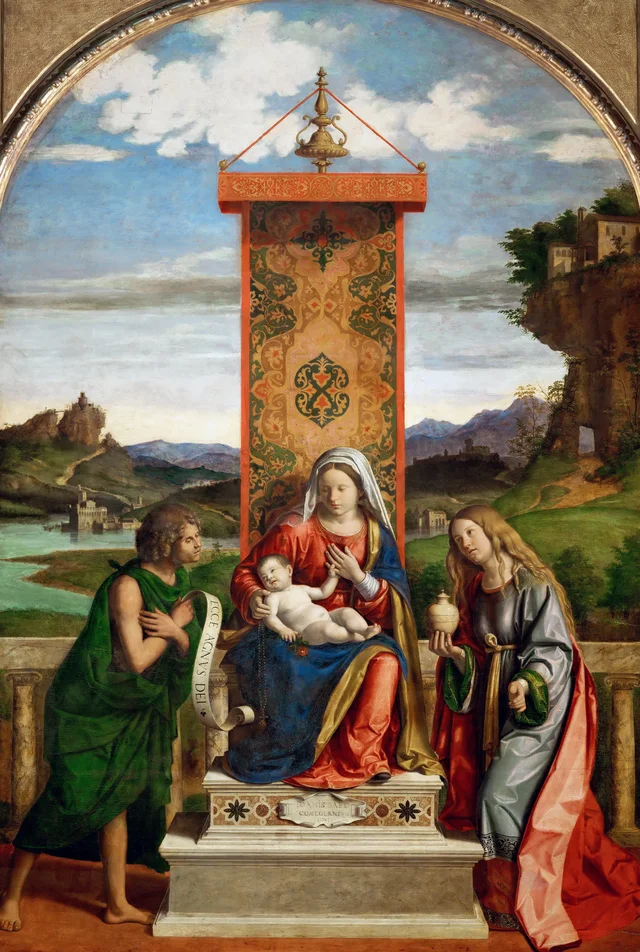 Madonna col Bambino tra san Giovanni Battista e la MaddalenaGiovanni Battista Cima da Conegliano, 1511
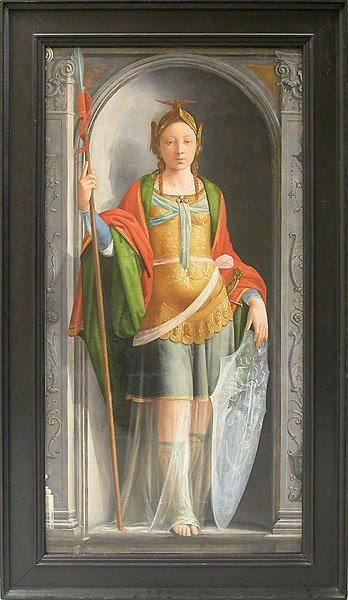 MinervaFra Bartolomeo, 1490
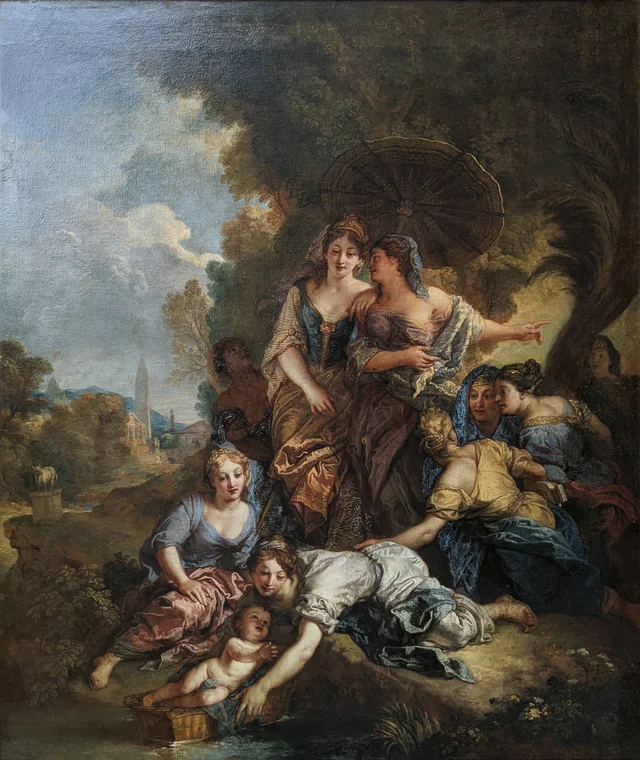 Mosè salvato dalle acqueCharles de La Fosse, 1701
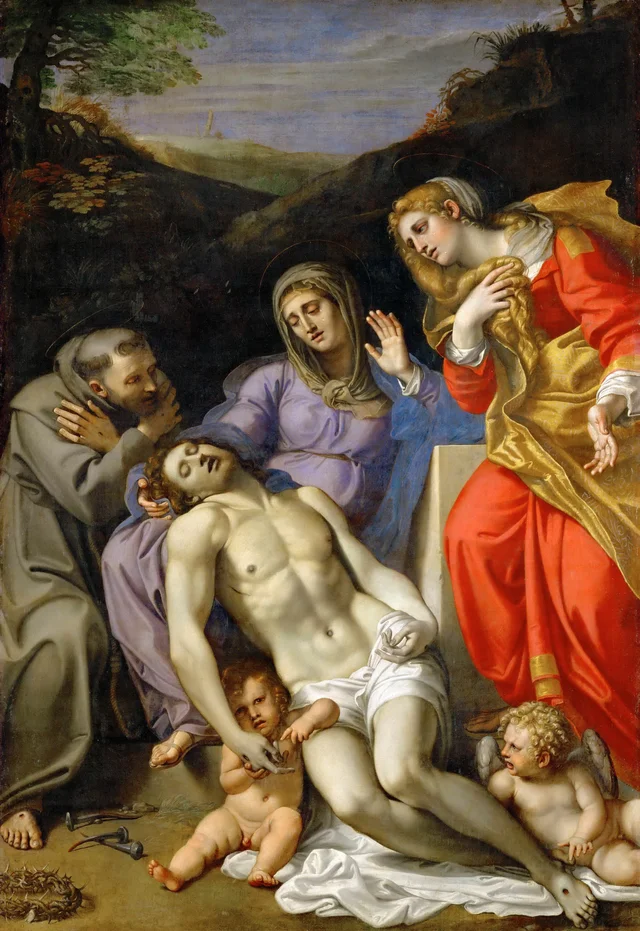 Pietà con i santi Francesco e Maria MaddalenaAnnibale Carracci, 1602
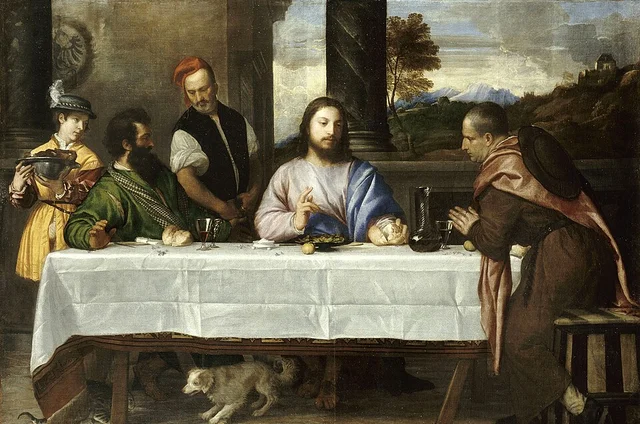 I pellegrini di EmmausTiziano, 1533
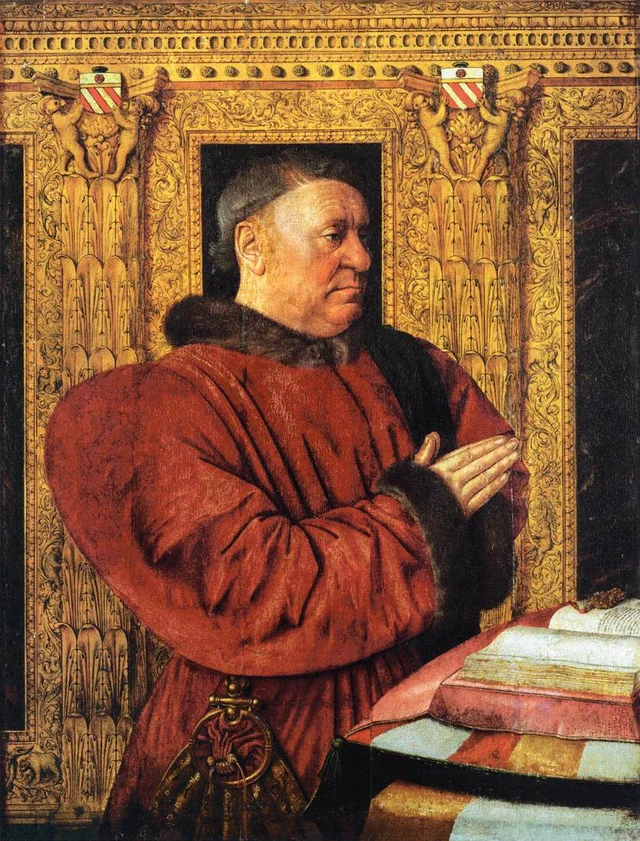 Ritratto di Guillaume Jouvenel des UrsinsJean Fouquet, 1460
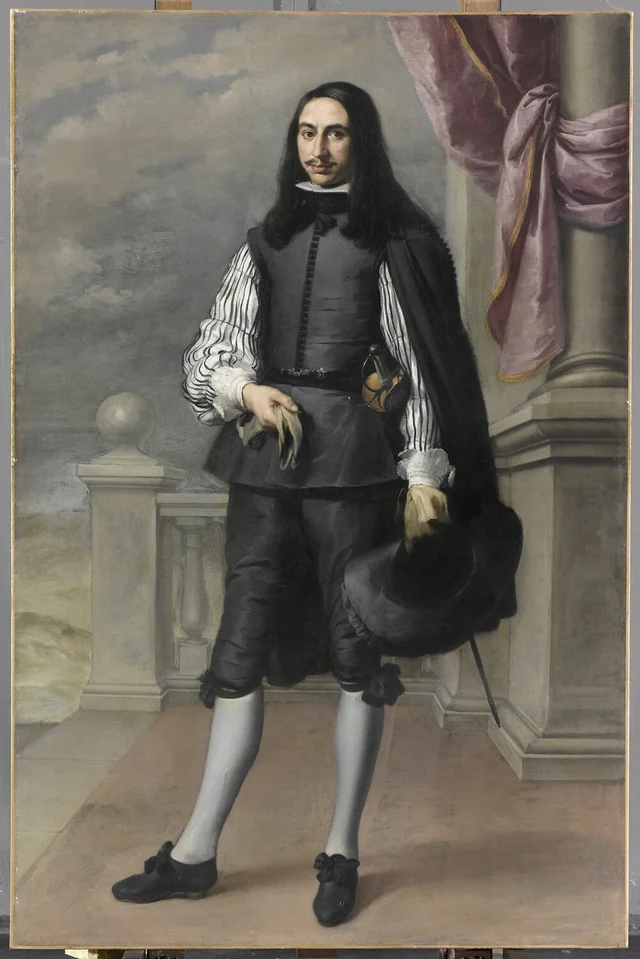 Ritratto di Íñigo Fernández de VelascoBartolomé Esteban Murillo, 1659
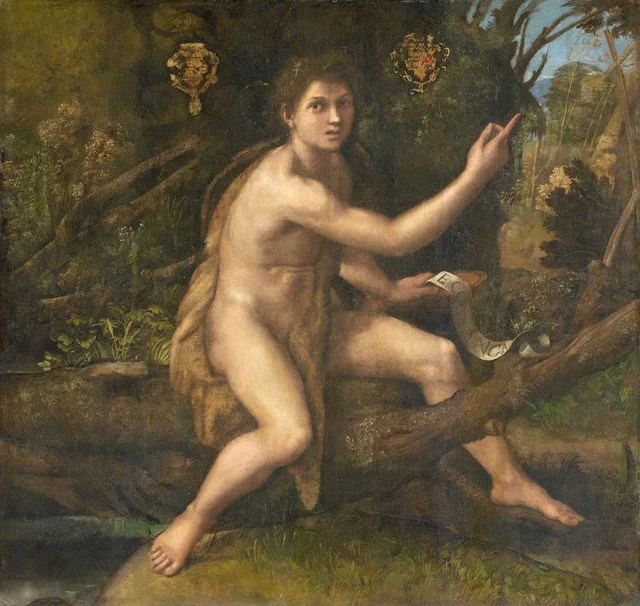 San Giovanni Battista nel desertoRaffaello, 1516
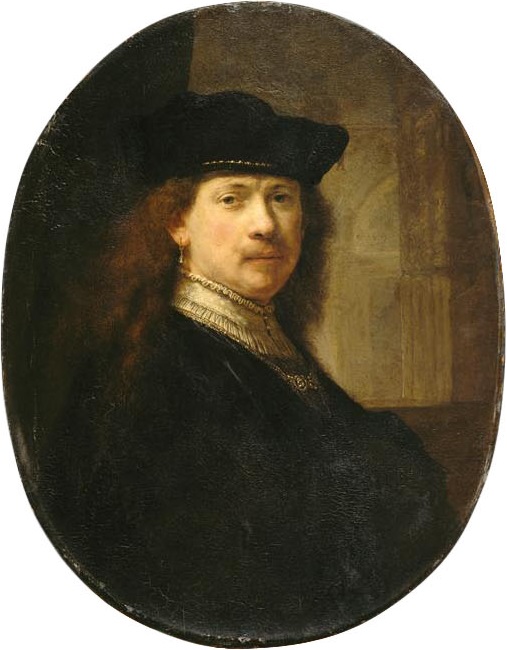 Autoritratto con elementi architettonici sullo sfondoRembrandt, 1639
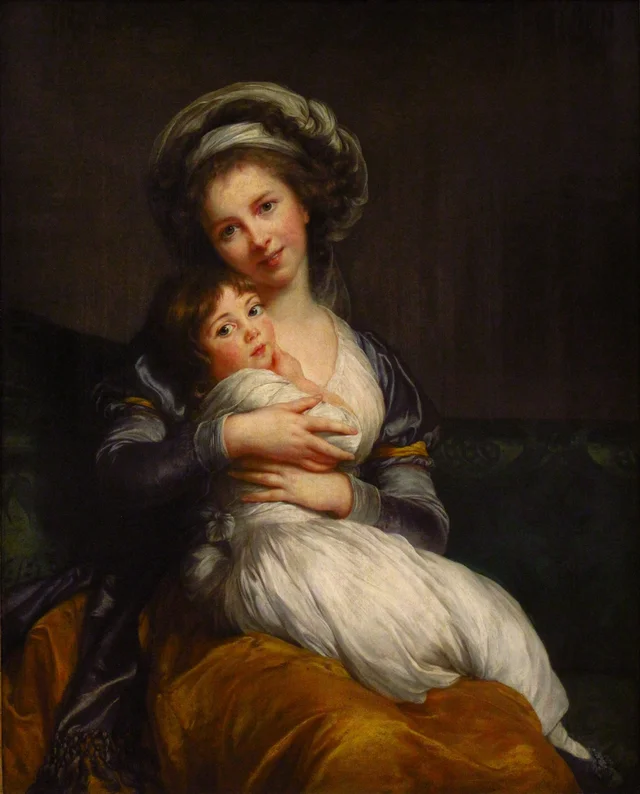 Autoritratto con la figlia JulieÉlisabeth Louise Vigée Le Brun, 1786
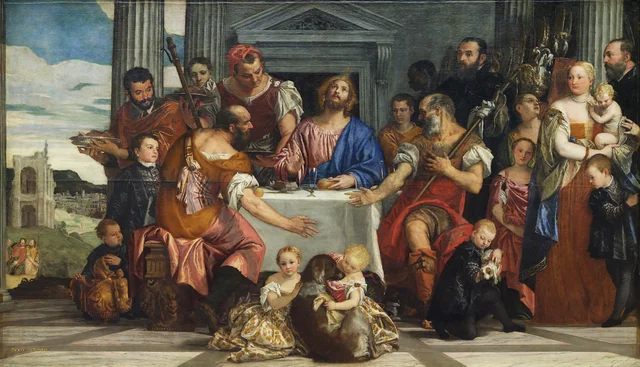 Cena in EmmausPaolo Veronese, 1559
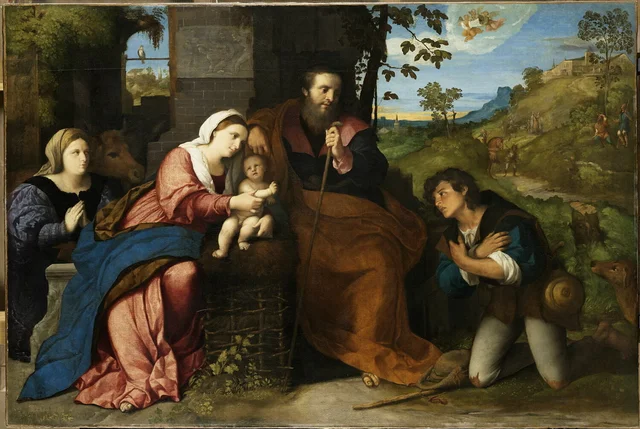 Adorazione dei pastori con un donatorePalma il Vecchio, 1520
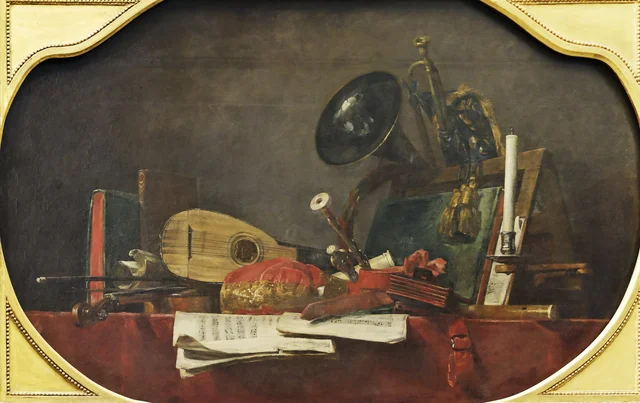 Gli attributi della musicaJean-Baptiste-Siméon Chardin, 1765
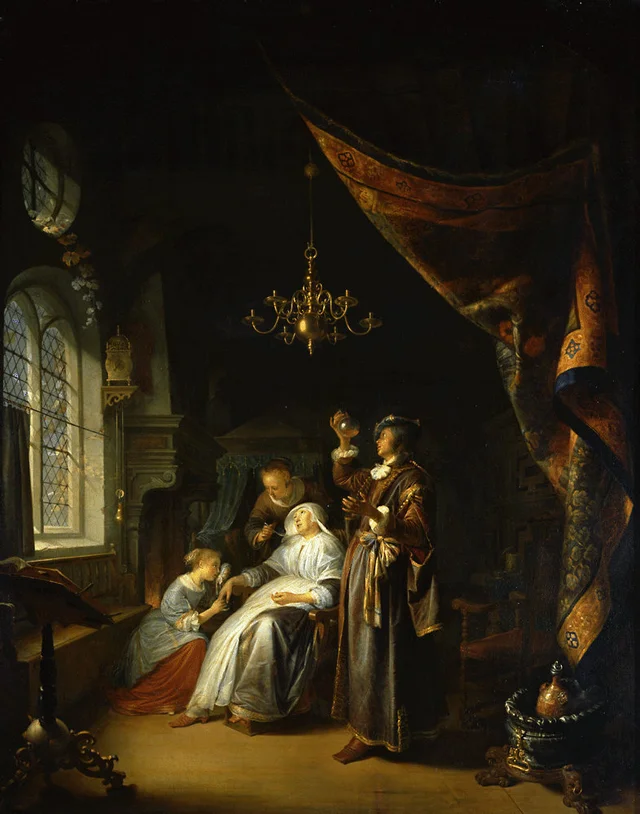 La donna idropicaGerrit Dou, 1663
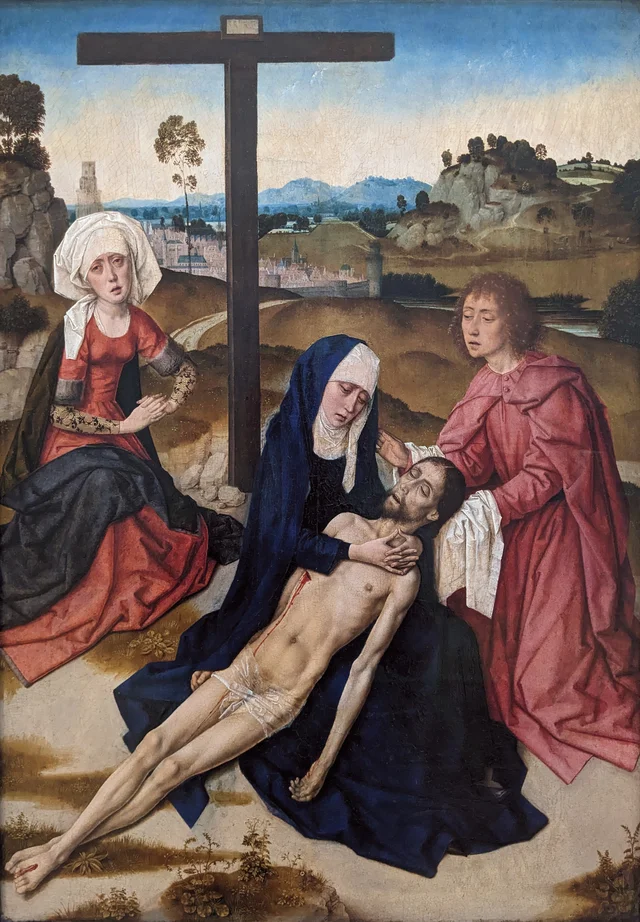 Compianto sul Cristo mortoDieric Bouts, 1460