La storia
Il Louvre nacque come fortezza. Filippo II Augusto la eresse sulla riva destra della Senna intorno al 1190 per difendere la Parigi medievale, e nei secoli successivi i re di Francia la trasformarono in un palazzo reale, finché Luigi XIV nel 1682 spostò la corte a Versailles e lasciò le sale incompiute alle collezioni reali e agli artisti che vi alloggiavano.
Fu la Rivoluzione a farne un museo pubblico. Il 10 agosto 1793 il Muséum central des arts aprì le porte, mostrando le opere confiscate alla corona e alla Chiesa a qualunque cittadino volesse entrare. Napoleone lo riempì con il bottino delle sue campagne e per un breve periodo gli diede il proprio nome. Molto fu restituito dopo Waterloo, ma l'idea rimase, una collezione nazionale ordinata per lo studio e gratuita per il pubblico.
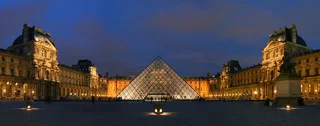
Oggi il Louvre conserva più di 35.000 opere, dalla Venere di Milo alla Zattera della Medusa di Géricault. La folla, però, si accalca verso un piccolo ritratto. Nell'agosto 1911 sparì: Vincenzo Peruggia, un tuttofare italiano che aveva lavorato nel museo, staccò dalla parete la Gioconda di Leonardo e la portò fuori sotto il cappotto. Per due anni la cornice restò vuota mentre i visitatori venivano a fissare quel vuoto, e il dipinto tornò solo nel 1913, dopo che Peruggia cercò di venderlo a un mercante di Firenze. La piramide di vetro di I. M. Pei, collocata nel cortile nel 1989, segna oggi l'ingresso.
Altri articoli
Collezione
1174 opere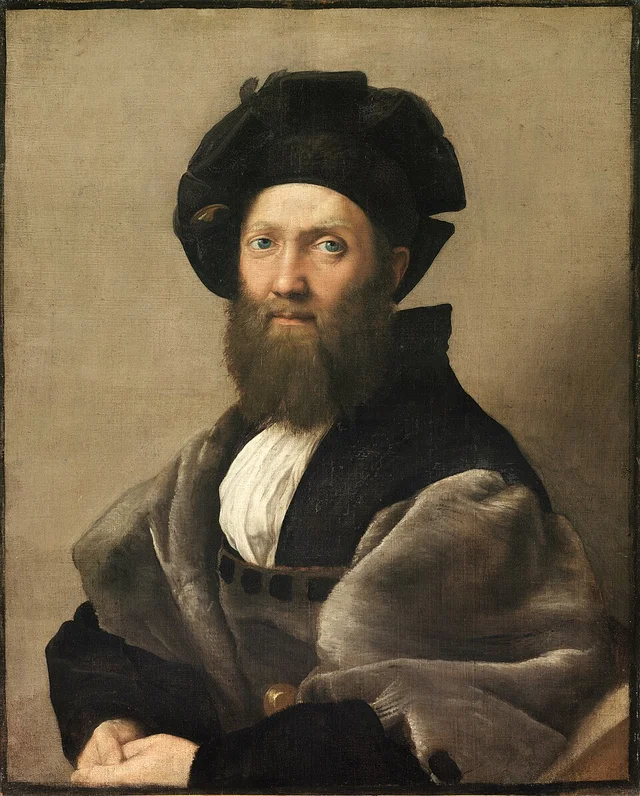 Ritratto di Baldassare CastiglioneRaffaello, 1515
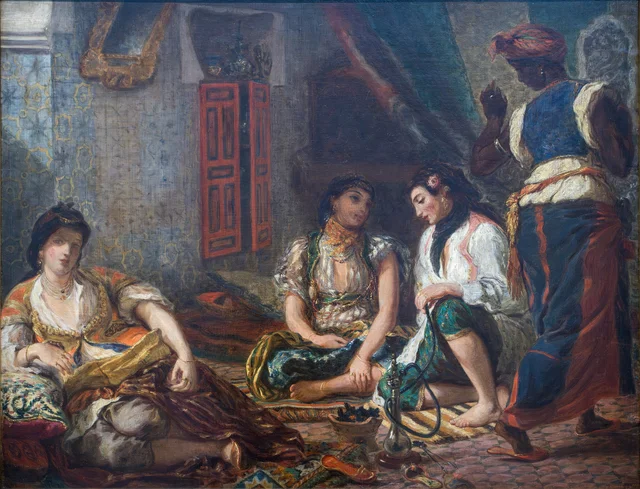 Le donne di Algeri nel loro appartamentoEugène Delacroix, 1834
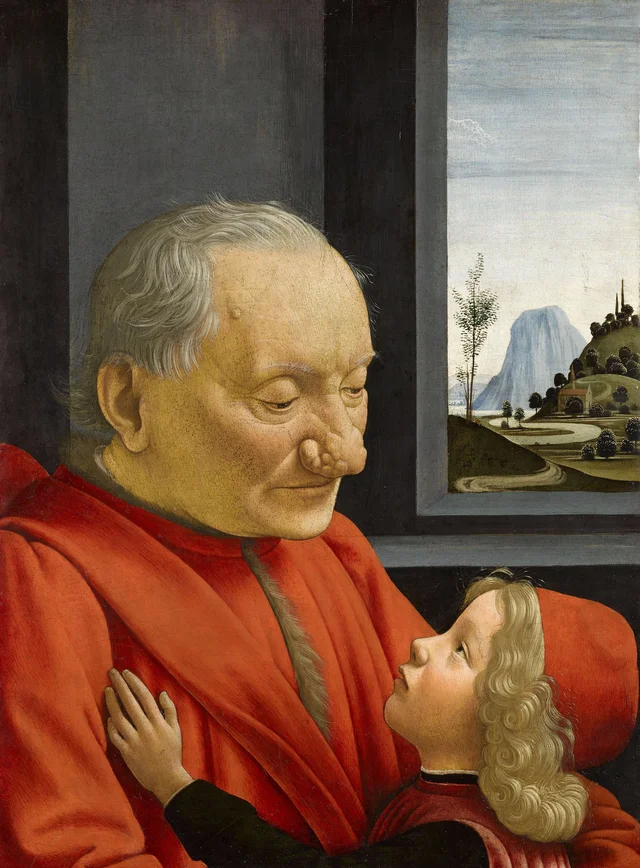 Vecchio con nipoteDomenico Ghirlandaio, 1490
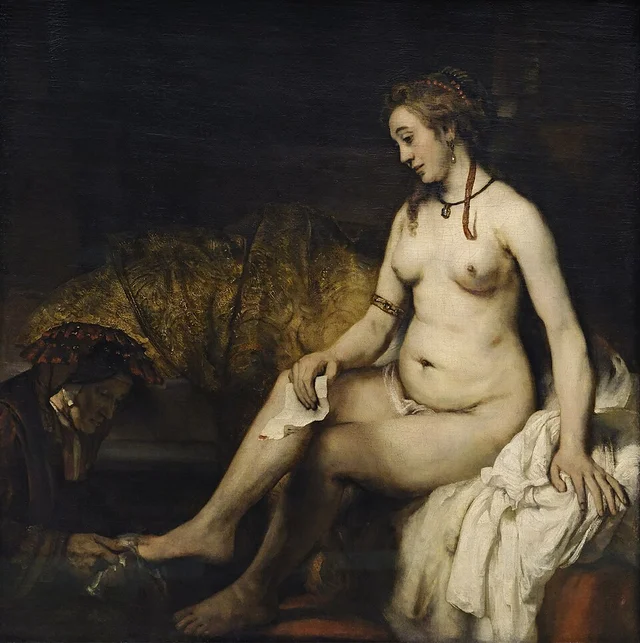 Betsabea al bagnoRembrandt, 1654
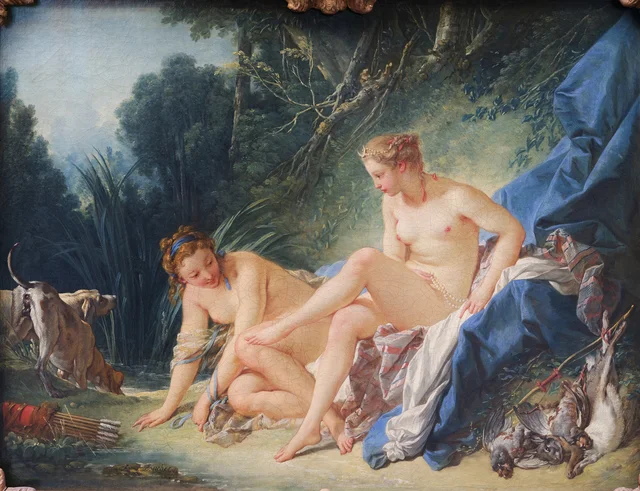 Diana esce dal bagnoFrançois Boucher, 1742
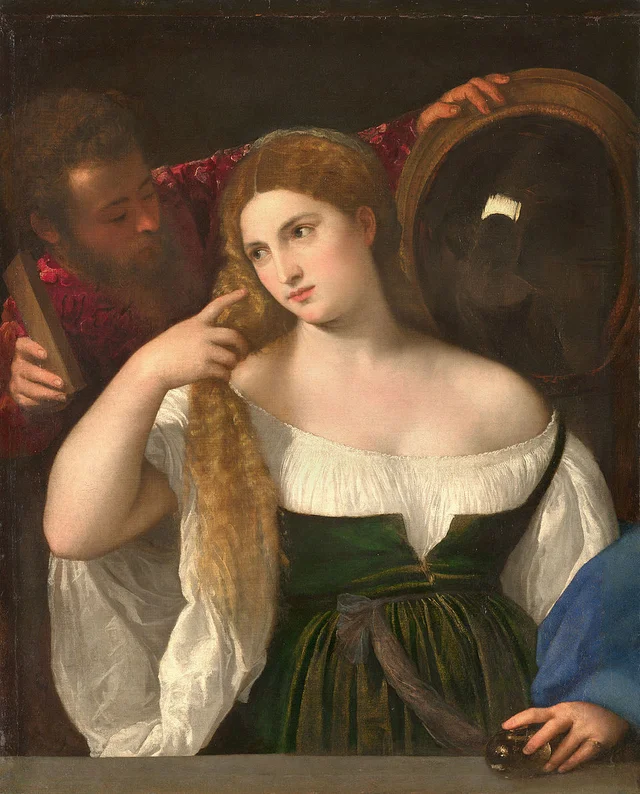 Donna allo specchioTiziano, 1515
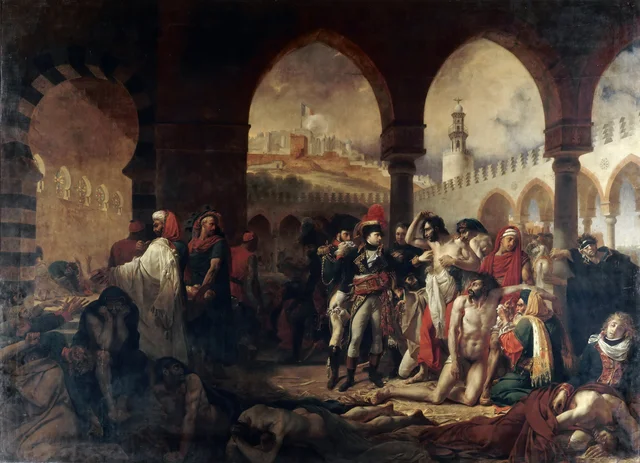 Bonaparte visita gli appestati di GiaffaAntoine-Jean Gros, 1804
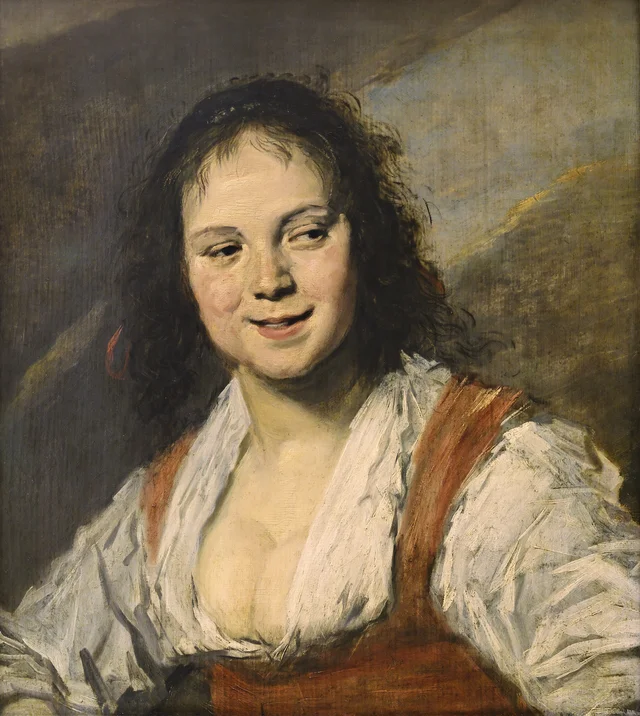 La zingaraFrans Hals, 1628
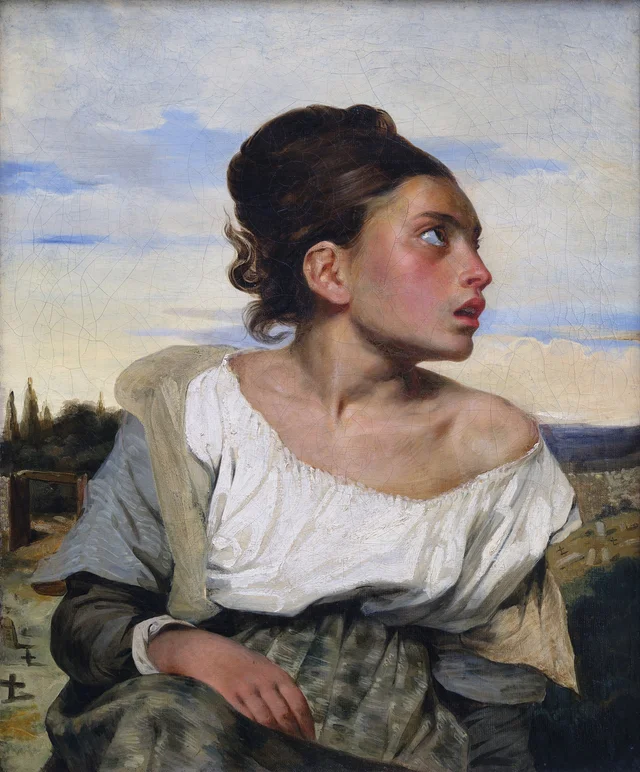 Giovane orfana al cimiteroEugène Delacroix, 1824
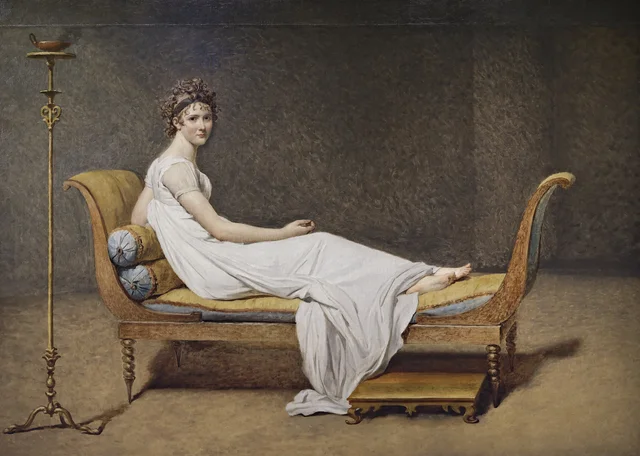 Ritratto di Madame RécamierJacques-Louis David, 1800
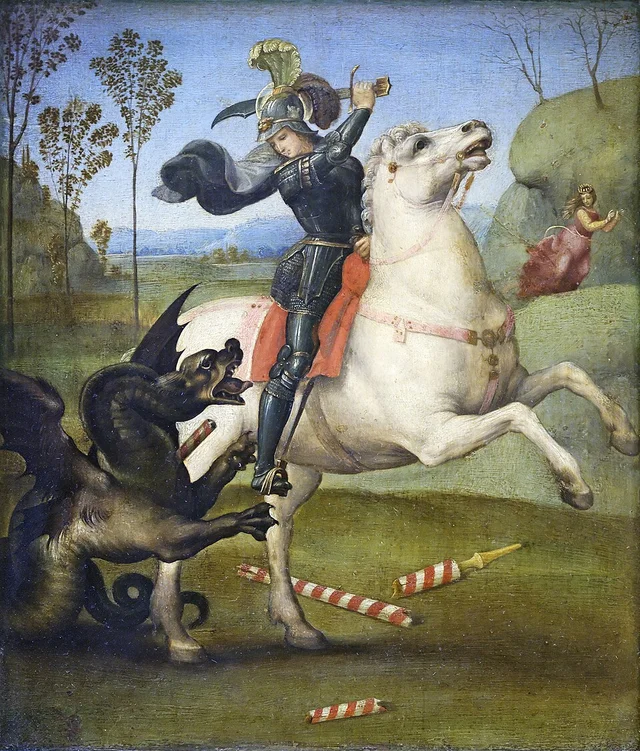 San Giorgio e il dragoRaffaello, 1500
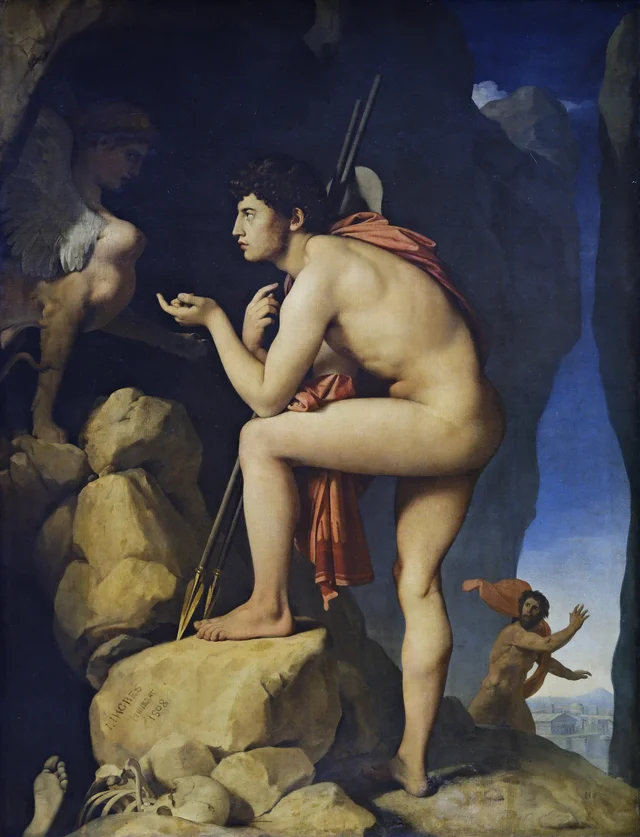 Edipo e la SfingeJean-Auguste-Dominique Ingres, 1808
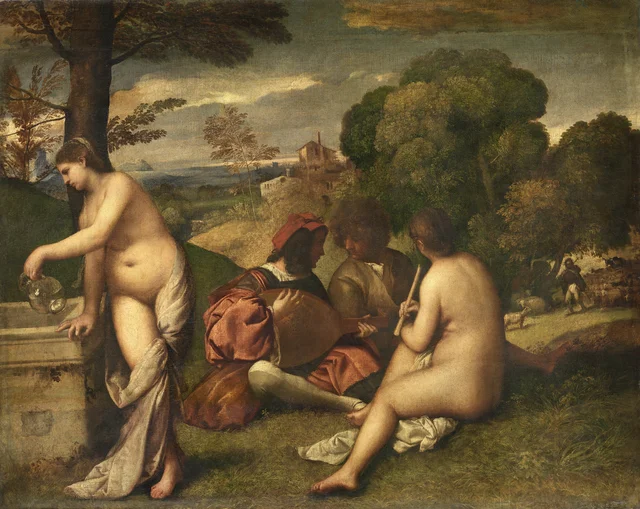 Concerto campestreTiziano, 1510
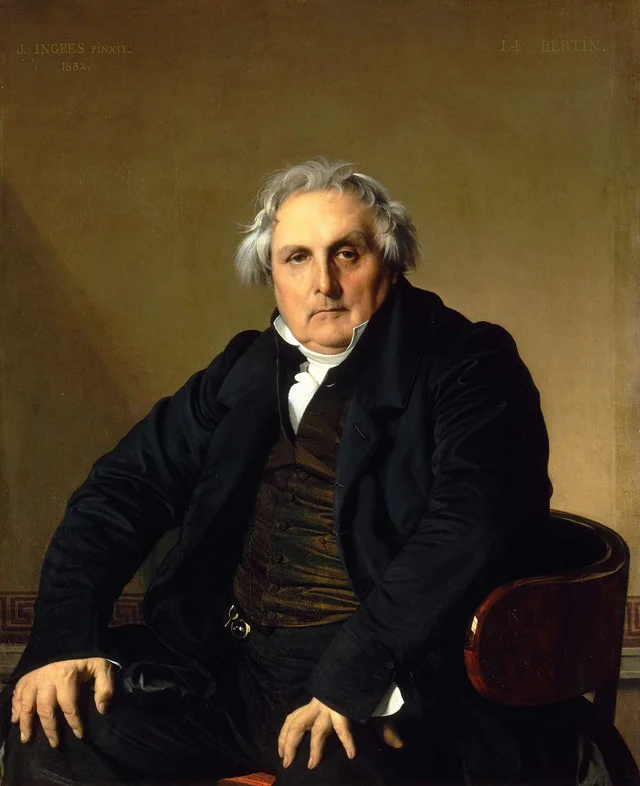 Ritratto di Monsieur BertinJean-Auguste-Dominique Ingres, 1832
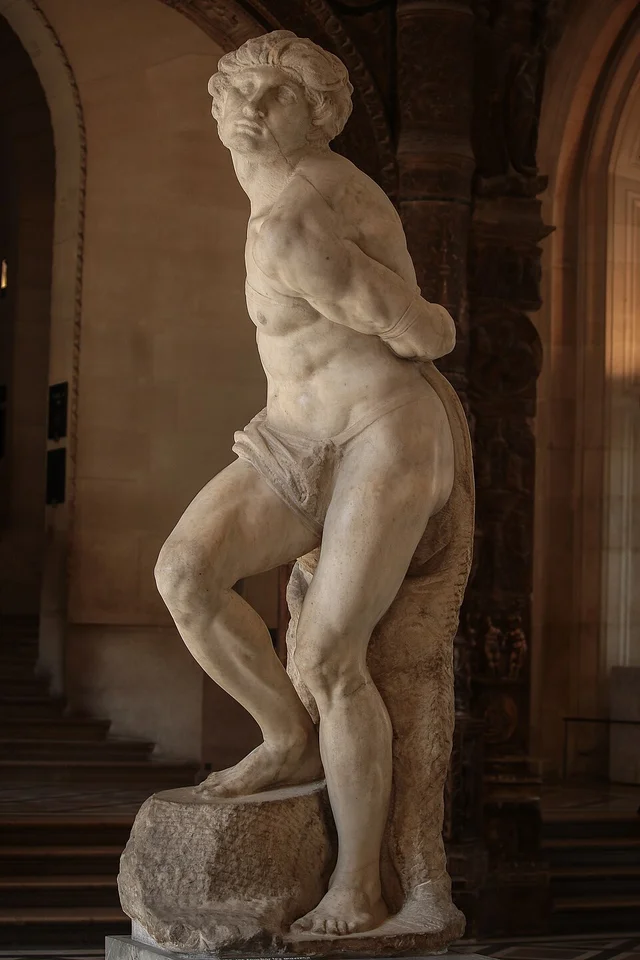 Schiavo ribelleMichelangelo, 1514
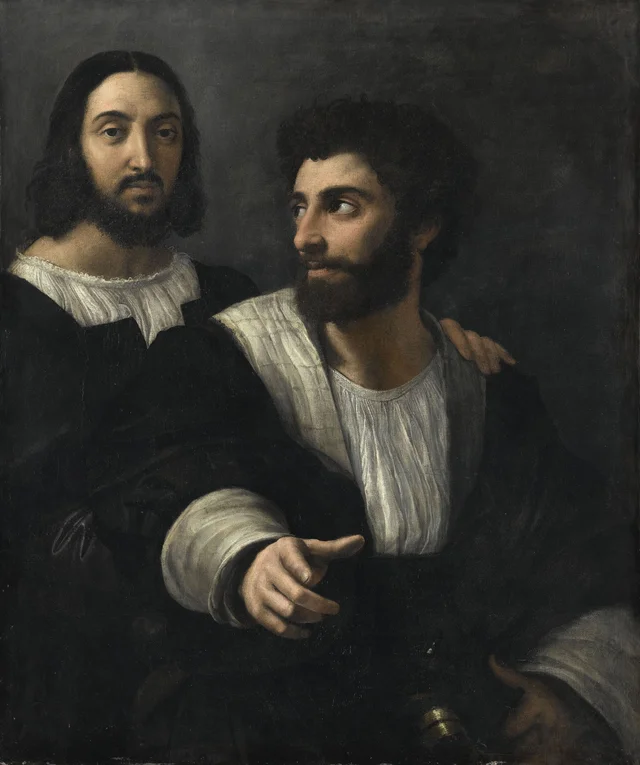 Autoritratto con un amicoRaffaello, 1519
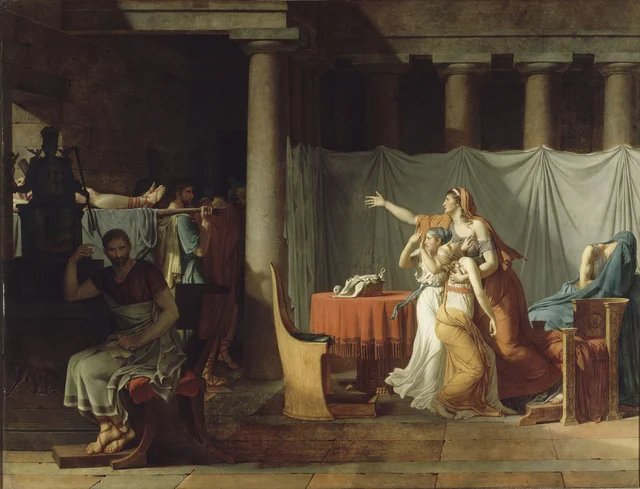 I littori riportano a Bruto i corpi dei suoi figliJacques-Louis David, 1789
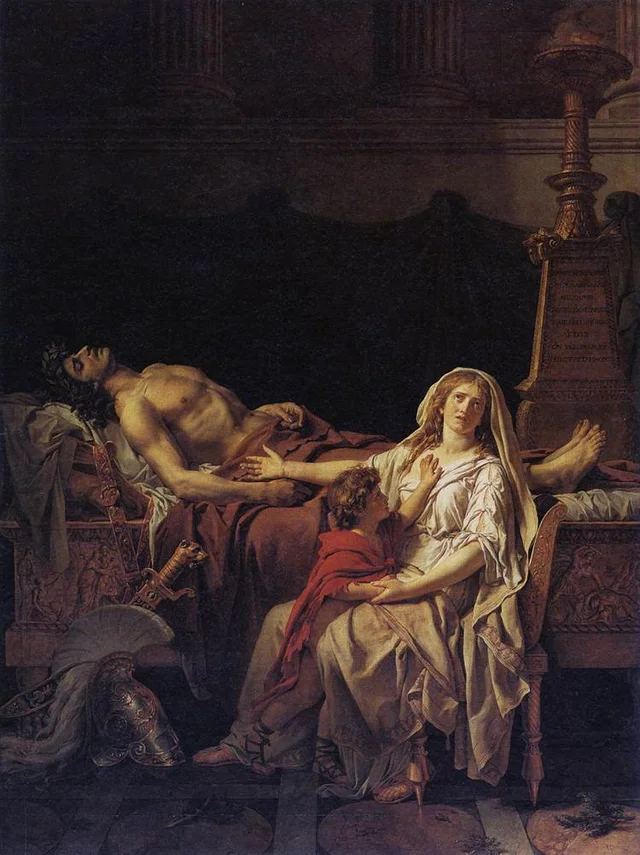 Andromaca che piange EttoreJacques-Louis David, 1783
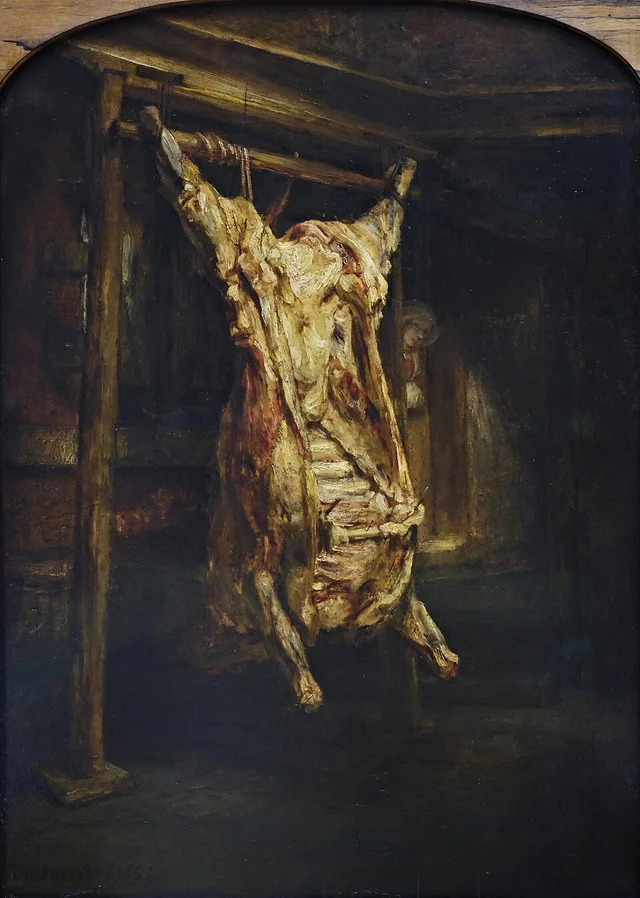 Il bue squartatoRembrandt, 1655
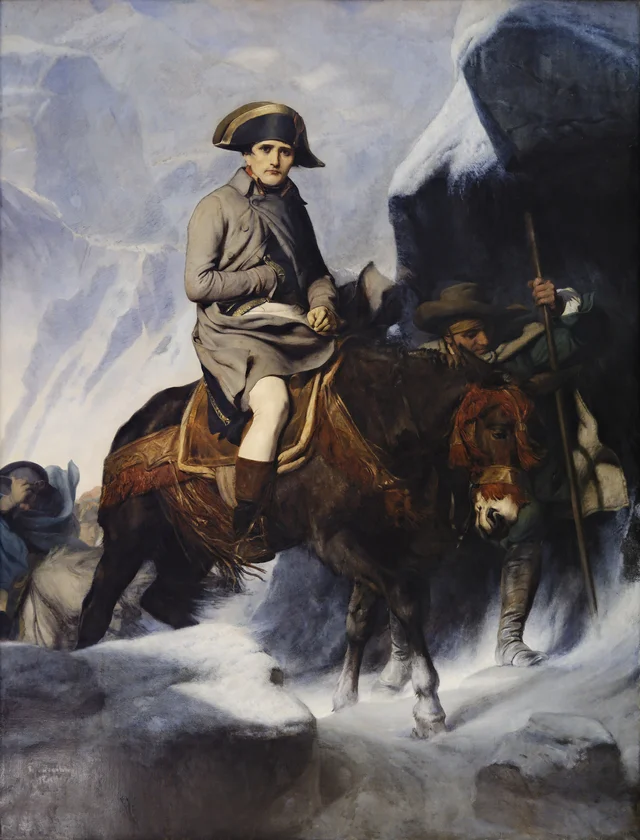 Bonaparte attraversa le AlpiPaul Delaroche, 1848
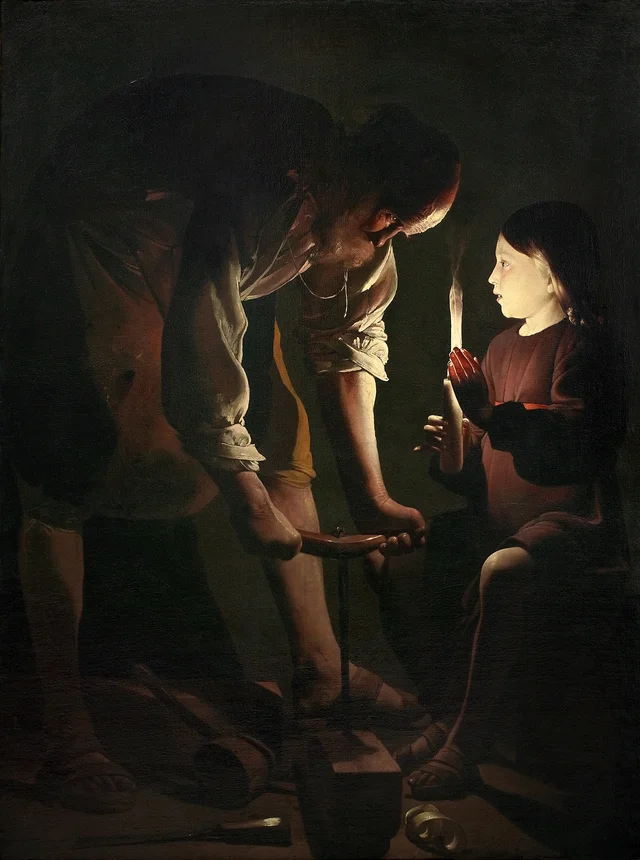 San Giuseppe falegnameGeorges de La Tour, 1642
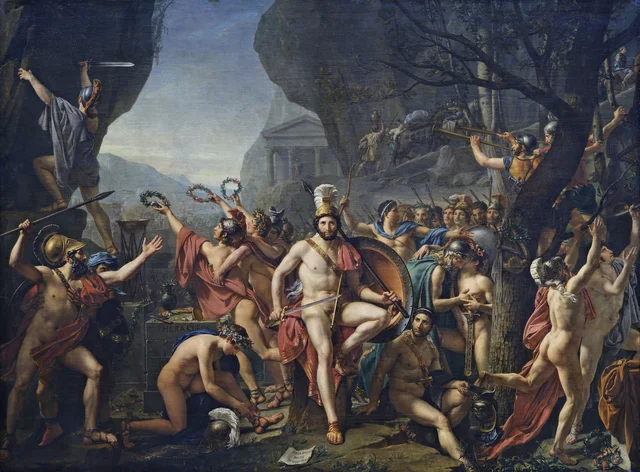 Leonida alle TermopiliJacques-Louis David, 1814
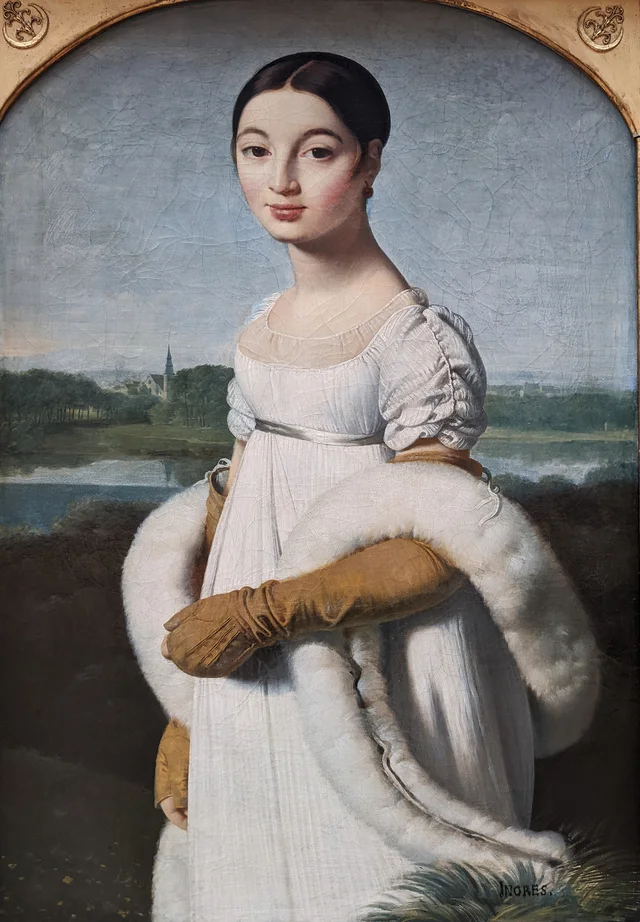 Mademoiselle Caroline RivièreJean-Auguste-Dominique Ingres, 1806
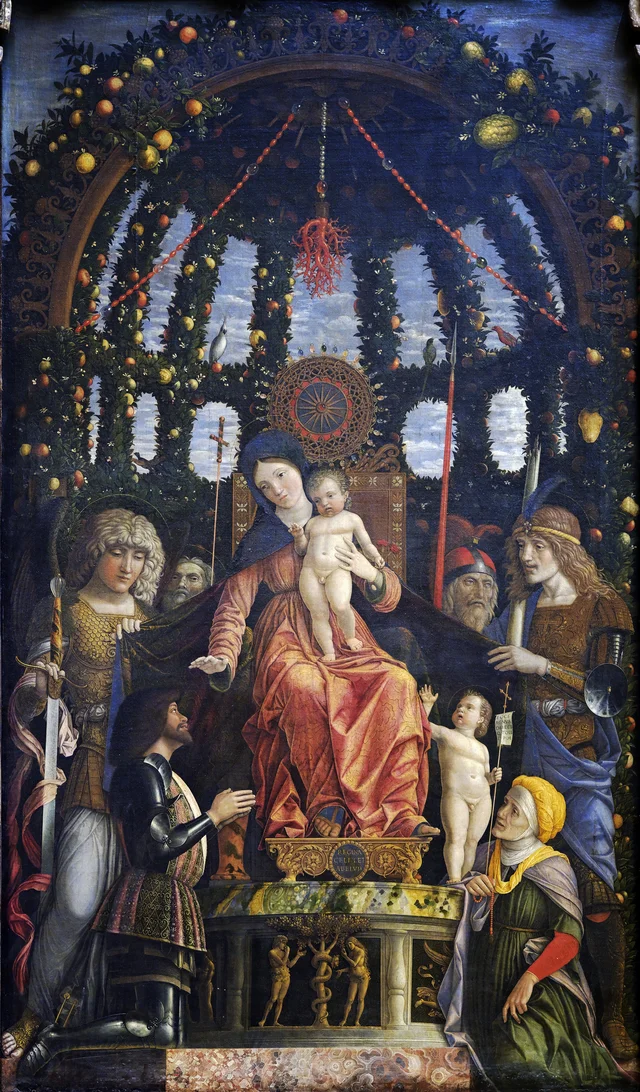 Madonna della VittoriaAndrea Mantegna, 1495
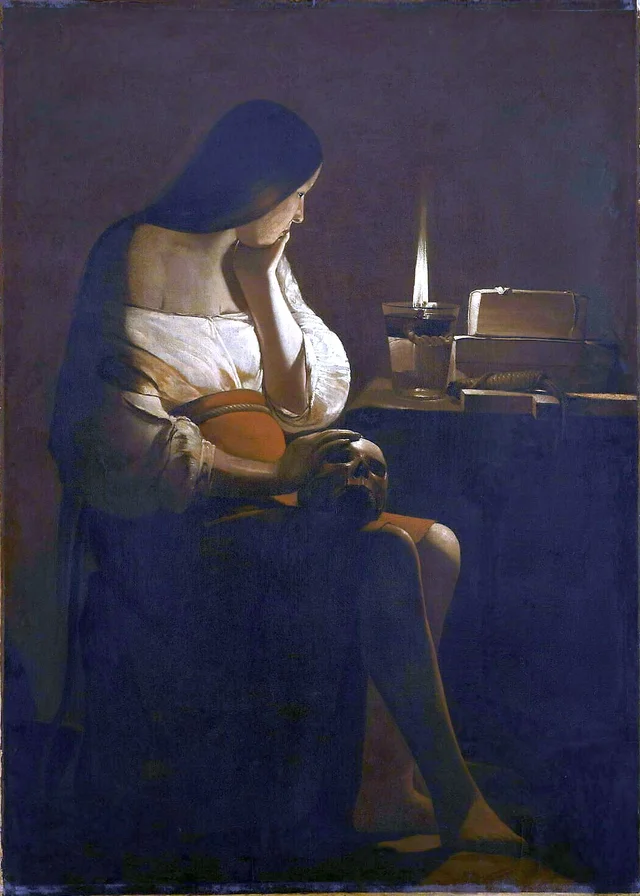 Maddalena dalla fiamma fumanteGeorges de La Tour, 1642