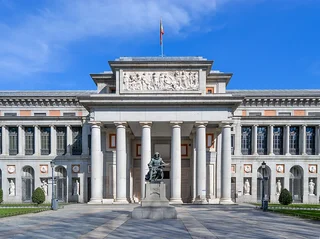
La storia
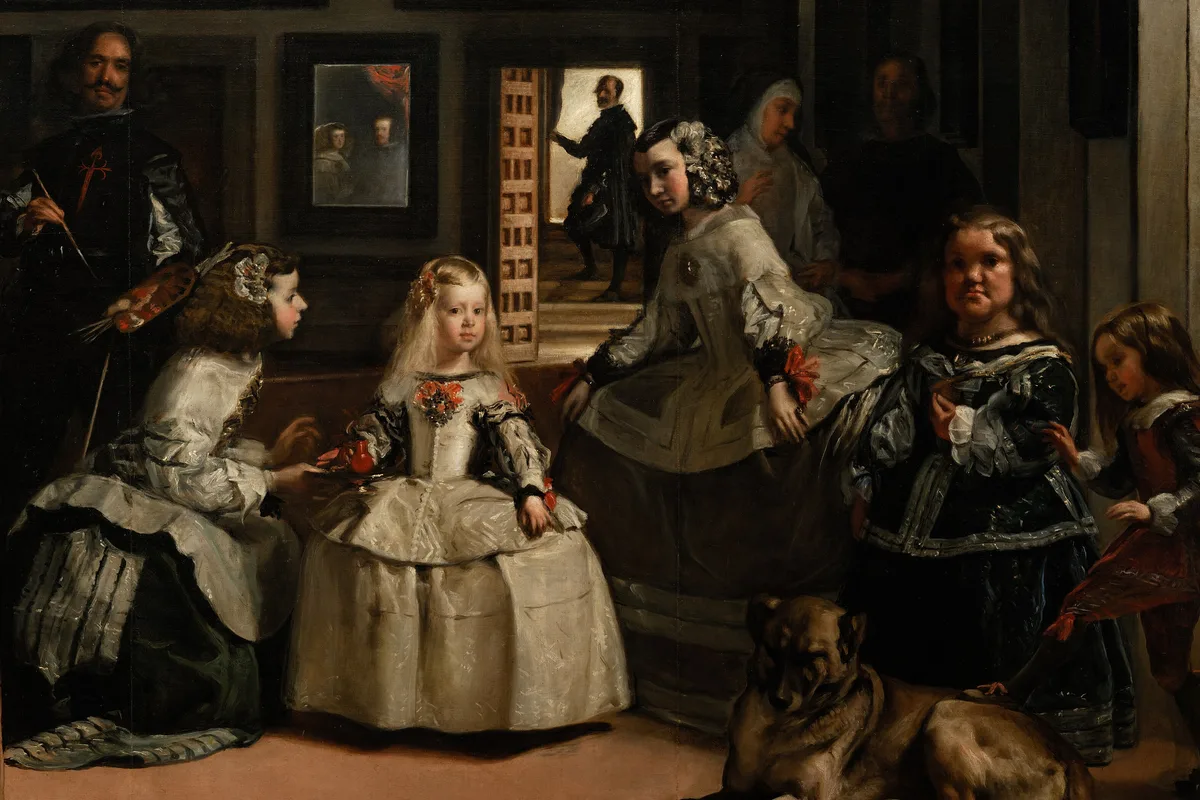
Il Prado è la collezione di un re resa pubblica. Per tre secoli gli Asburgo e i Borbone di Spagna acquistarono e commissionarono su scala regale, e il loro gusto è il museo: Tiziano e Rubens, amati dai sovrani, Velázquez, che servì la corte spagnola per gran parte della vita. Le sue Meninas sono al cuore dell'edificio, il pittore che guarda fuori da dietro la propria tela in una sala del vecchio Alcázar reale.
La galleria aprì nel 1819 in un edificio che l'architetto Juan de Villanueva aveva pensato in origine come sala di scienze naturali. Le sue pareti portano insieme lo splendore e i risvolti più cupi dell'arte spagnola, Il 3 maggio 1808 di Goya, il plotone d'esecuzione che alza le lanterne nel buio, e le Pitture nere che dipinse direttamente sui muri della propria casa in tarda età, sordo e ritirato, e mai destinate a essere mostrate.
Il più antico dei suoi grandi tesori precede quel gusto reale spagnolo, Il Giardino delle delizie di Hieronymus Bosch, la visione a tre pannelli del paradiso, del desiderio e dell'inferno, entrata più tardi nella collezione di Filippo II e inviata al suo palazzo-monastero dell'Escorial. Ora richiama folle davanti a ciò che un tempo solo la corte poteva vedere.
Altri articoli
Collezione
870 opere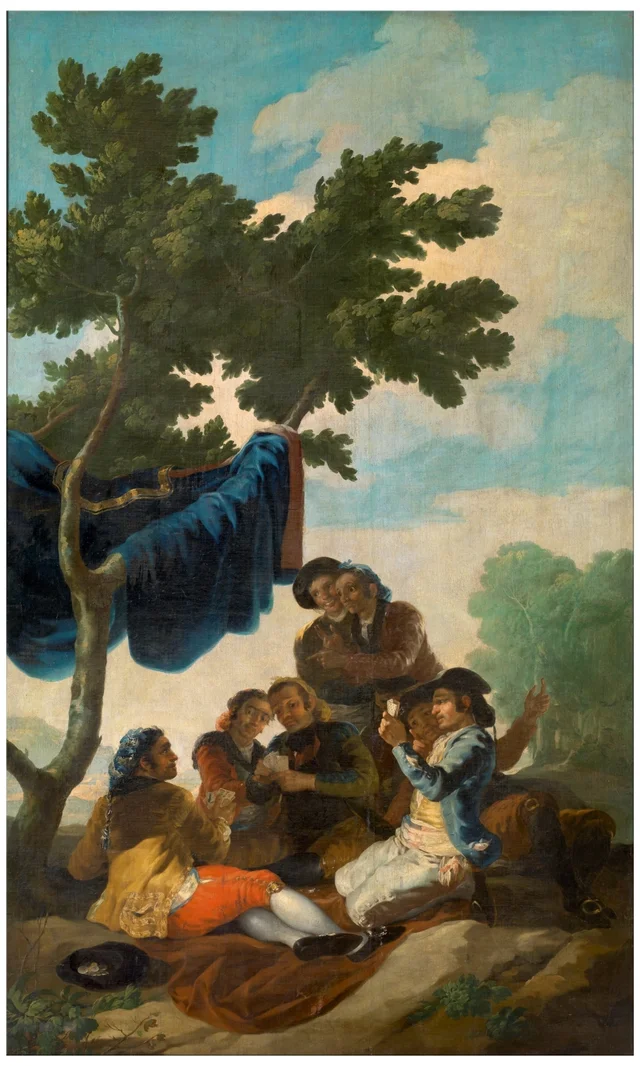 I giocatori di carteFrancisco Goya, 1777
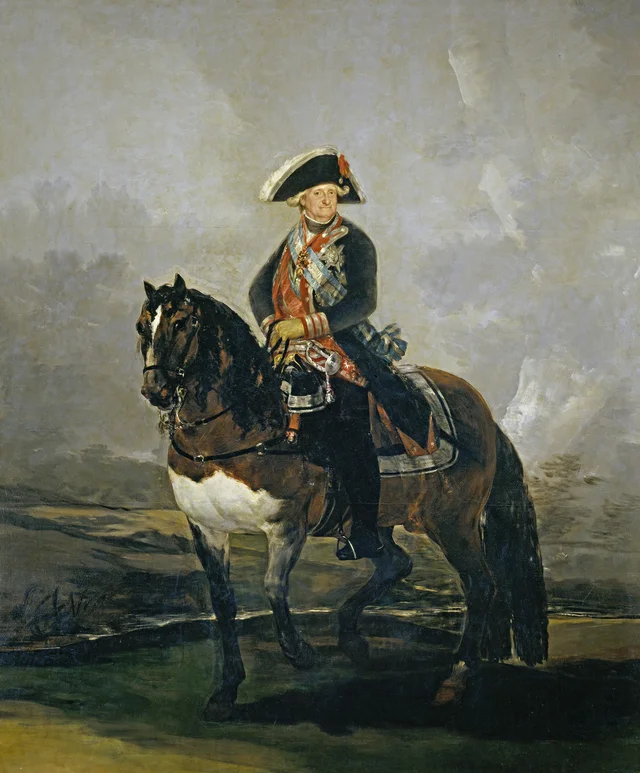 Carlo IV a cavalloFrancisco Goya, 1800
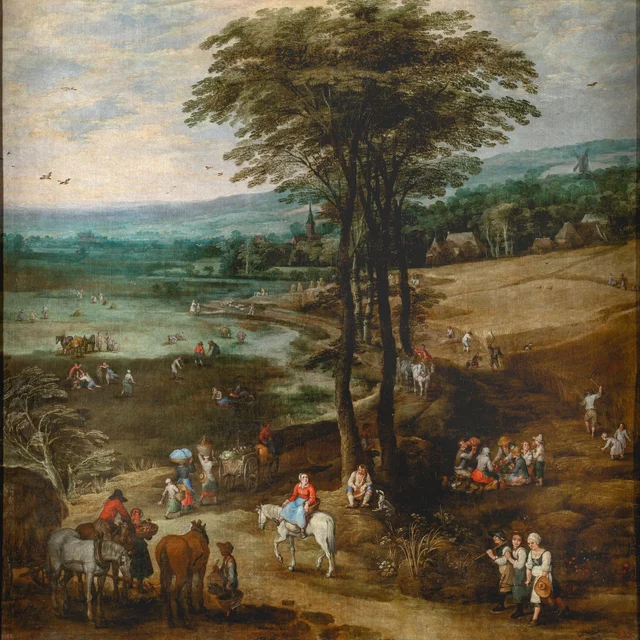 Vita di campagnaJan Brueghel il Vecchio, 1620
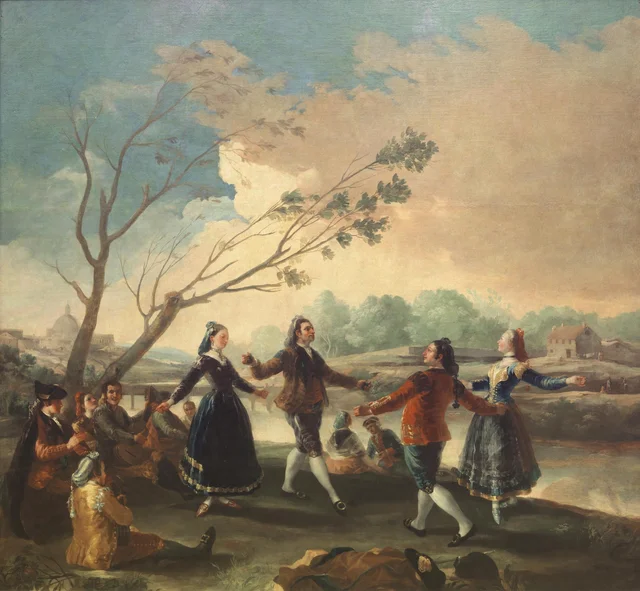 Ballo sulle rive del ManzanarreFrancisco Goya, 1776
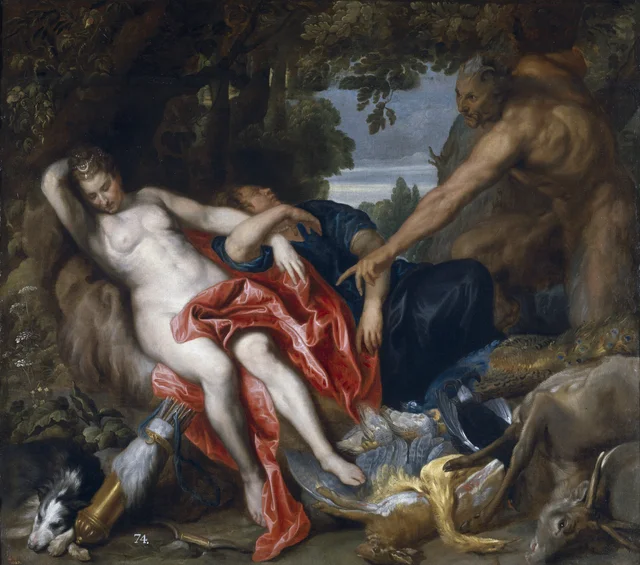 Diana e una ninfa sorprese da un satiroAnton van Dyck, 1622
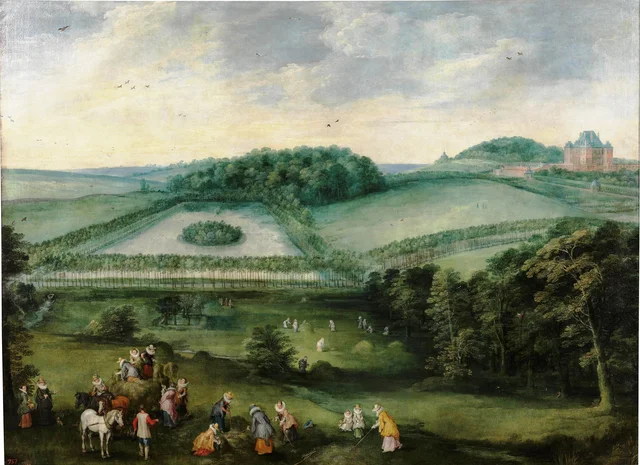 Escursione nella campagna dell'infanta Isabella Clara EugeniaJan Brueghel il Vecchio, 1601
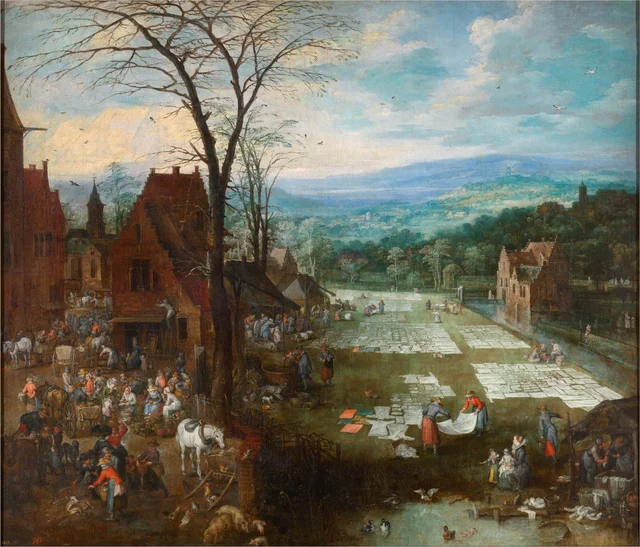 Mercato e lavatoio fiamminghiJan Brueghel il Vecchio e Joos de Momper, 1620
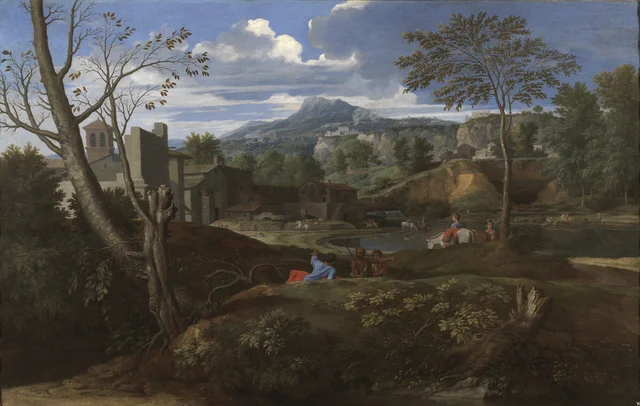 Paesaggio idealeNicolas Poussin, 1648
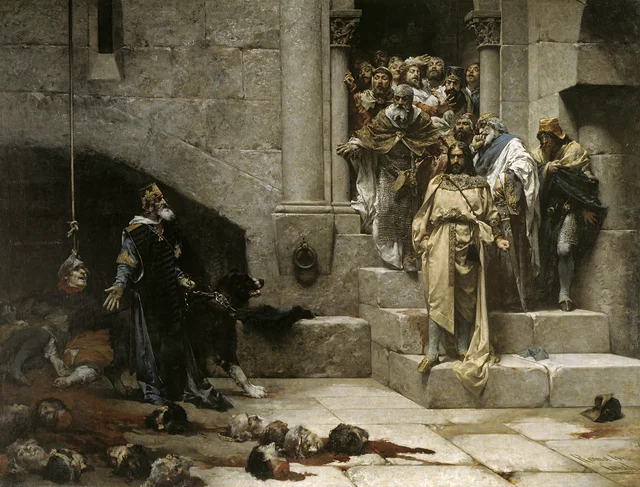 La campana di HuescaJosé Casado del Alisal, 1880
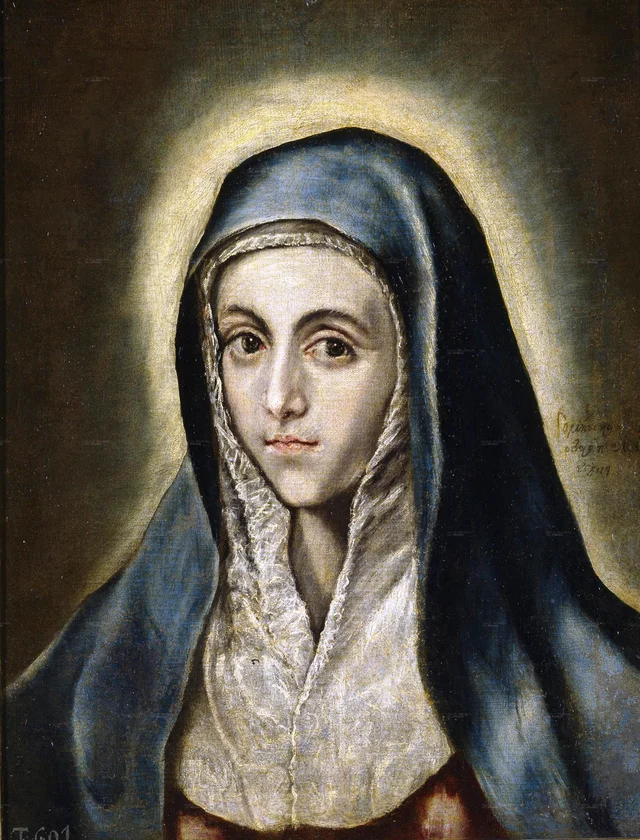 Mater dolorosaEl Greco, 1597
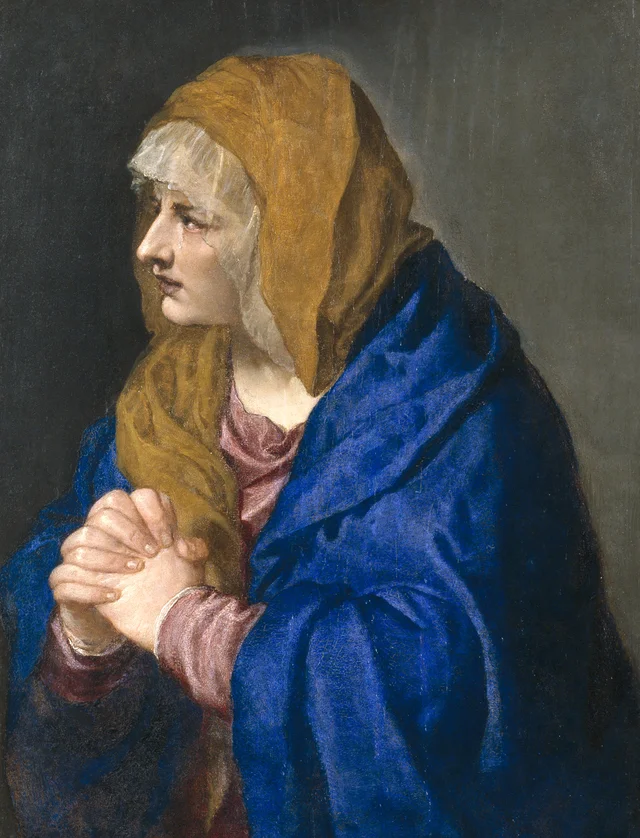 Mater Dolorosa con le mani giunteTiziano, 1554
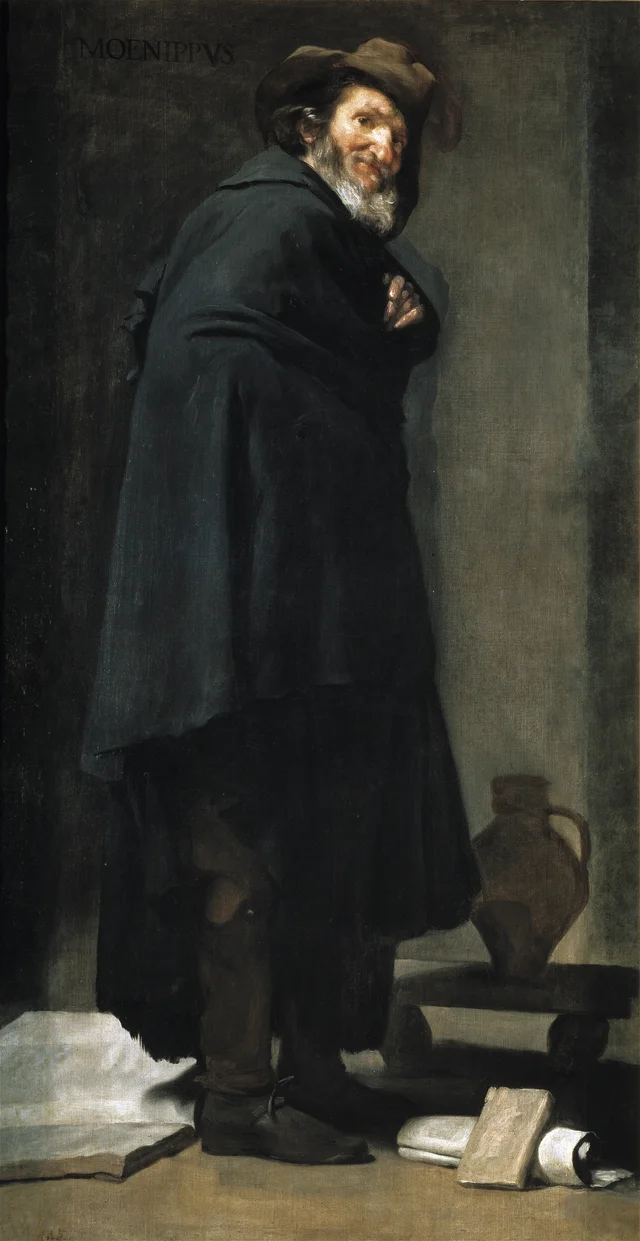 MenippoDiego Velázquez, 1639
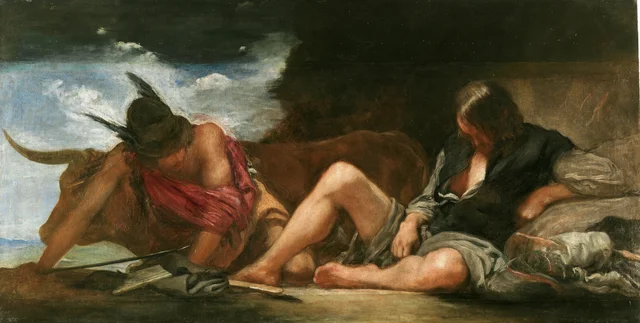 Mercurio e ArgoDiego Velázquez, 1659
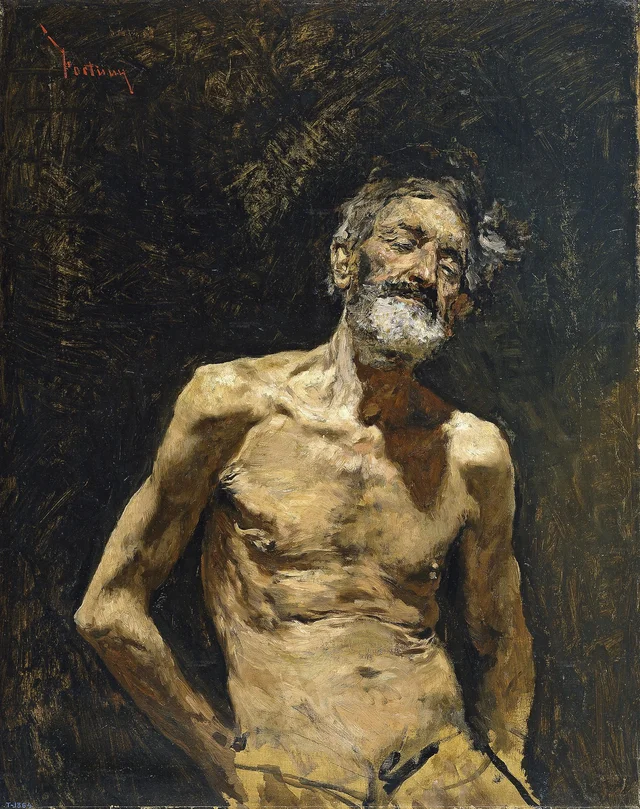 Vecchio nudo al soleMariano Fortuny Marsal, 1871
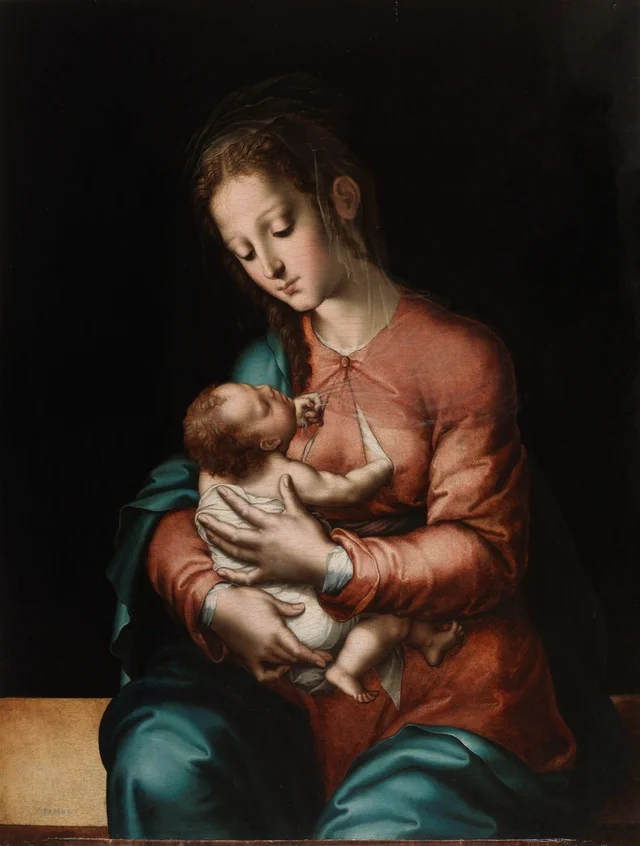 Madonna del LatteLuis de Morales, 1570
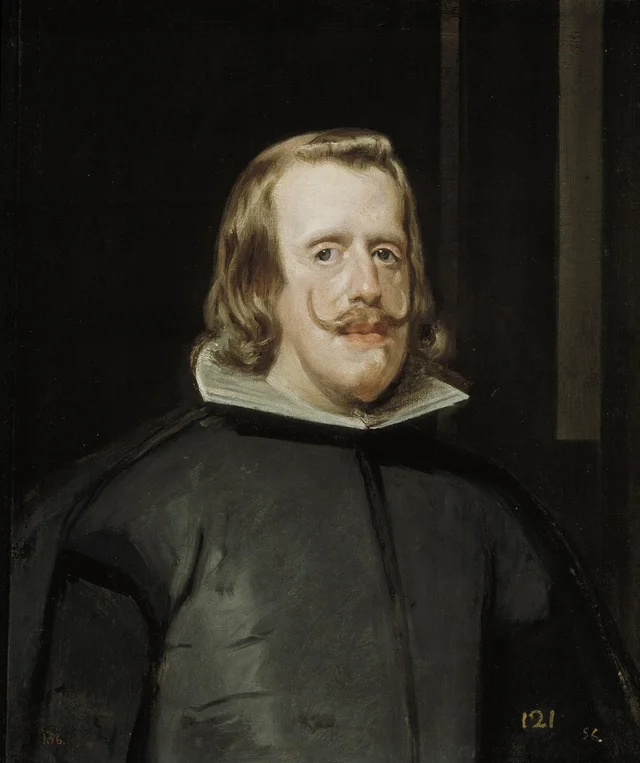 Filippo IV in età avanzataDiego Velázquez, 1653
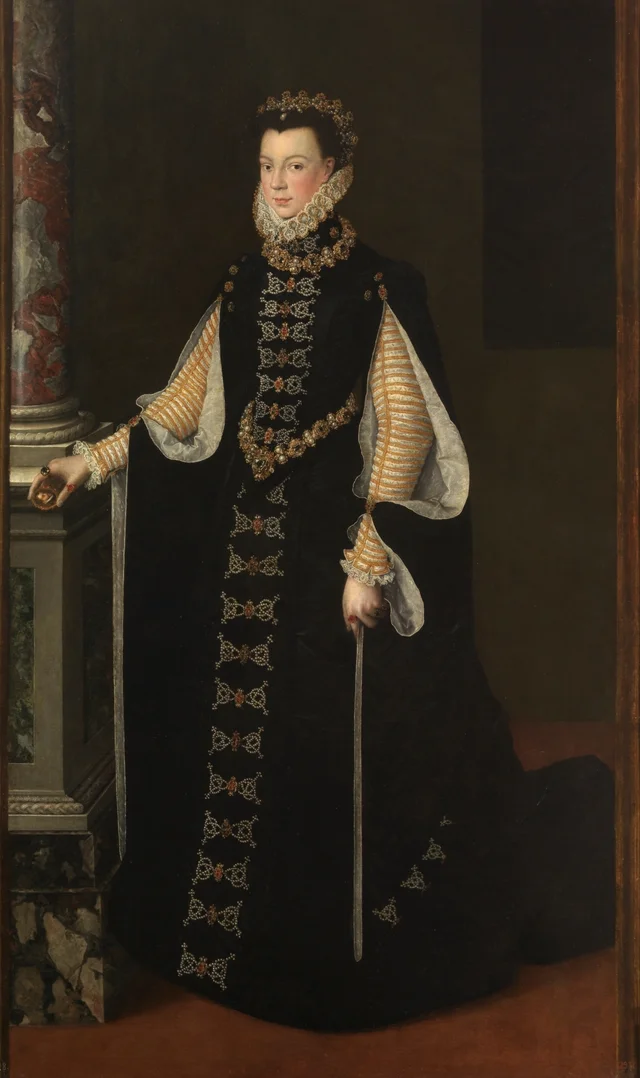 Ritratto di Elisabetta di ValoisSofonisba Anguissola, 1561
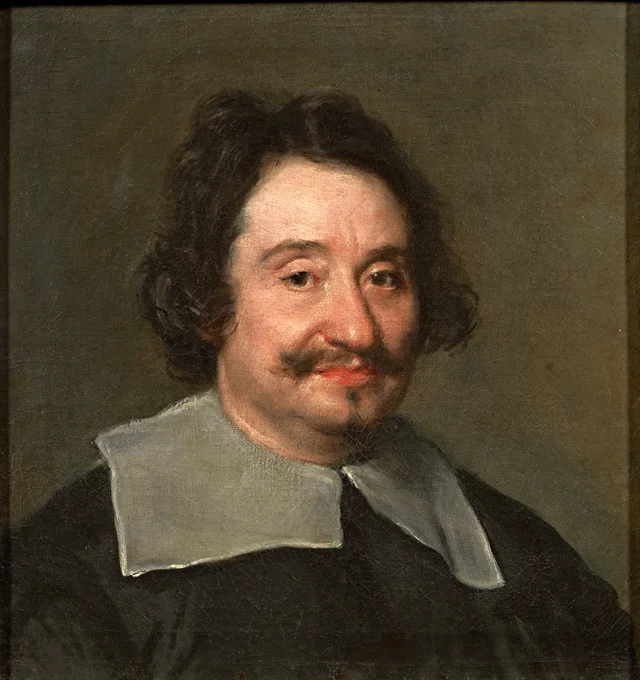 Ritratto di Ferdinando BrandaniDiego Velázquez, 1650
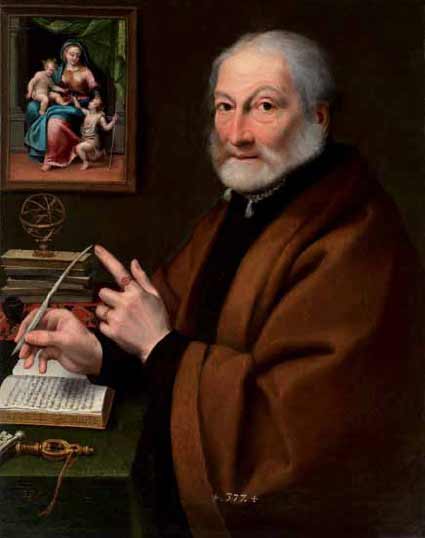 Ritratto di Giovanni Battista CaselliSofonisba Anguissola, 1557
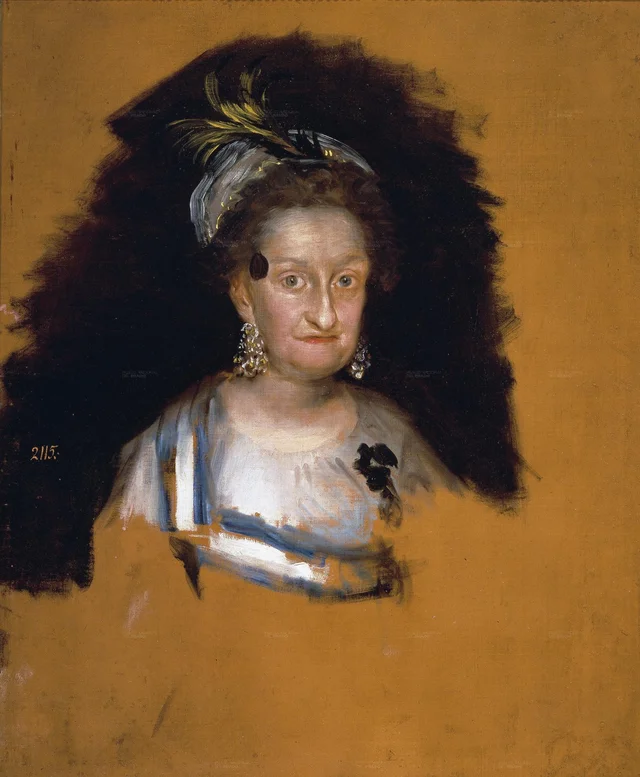 Ritratto di Maria Giuseppa di SpagnaFrancisco Goya, 1800
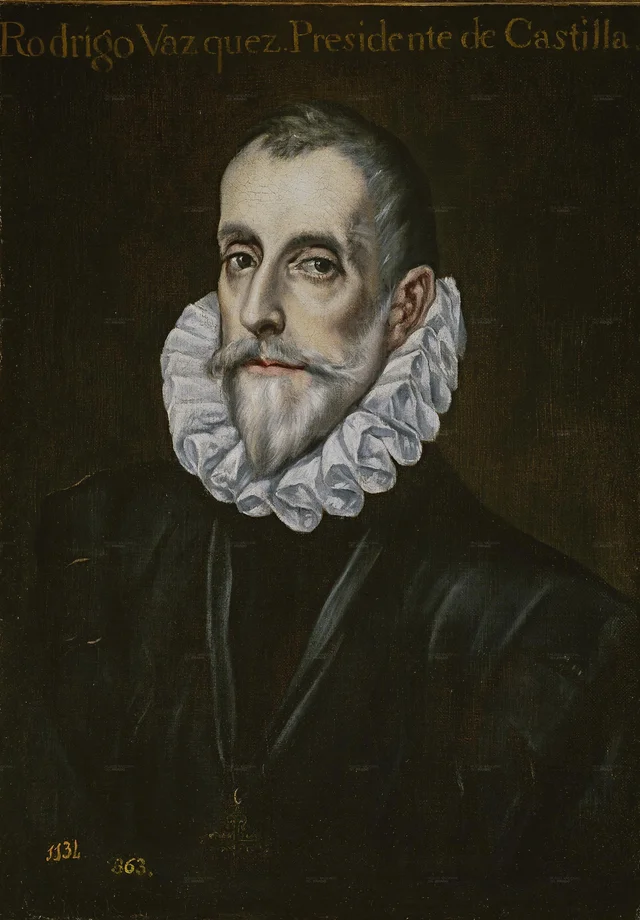 Ritratto di Rodrigo Vázquez de ArceCopia da El Greco, 1587
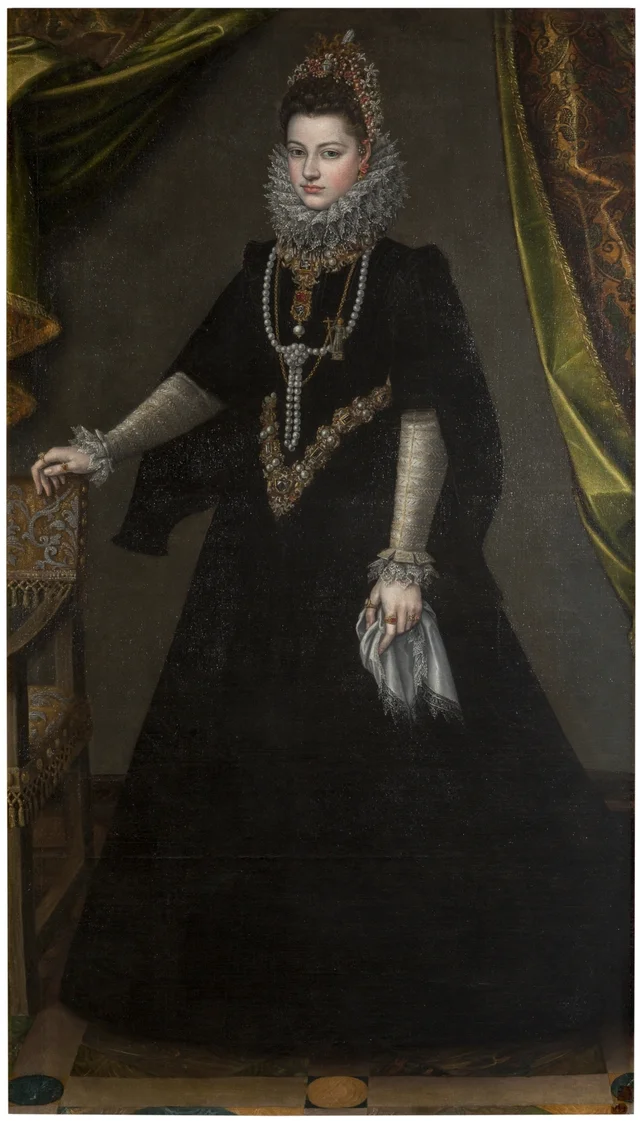 Ritratto dell'infanta Isabella Clara EugeniaSofonisba Anguissola, 1599
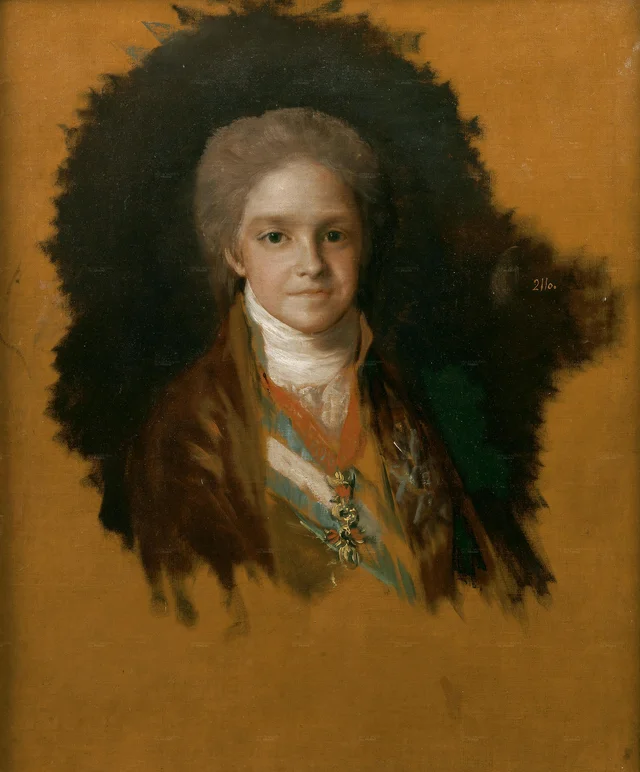 Ritratto dell'infante Carlo Maria Isidro di SpagnaFrancisco Goya, 1800
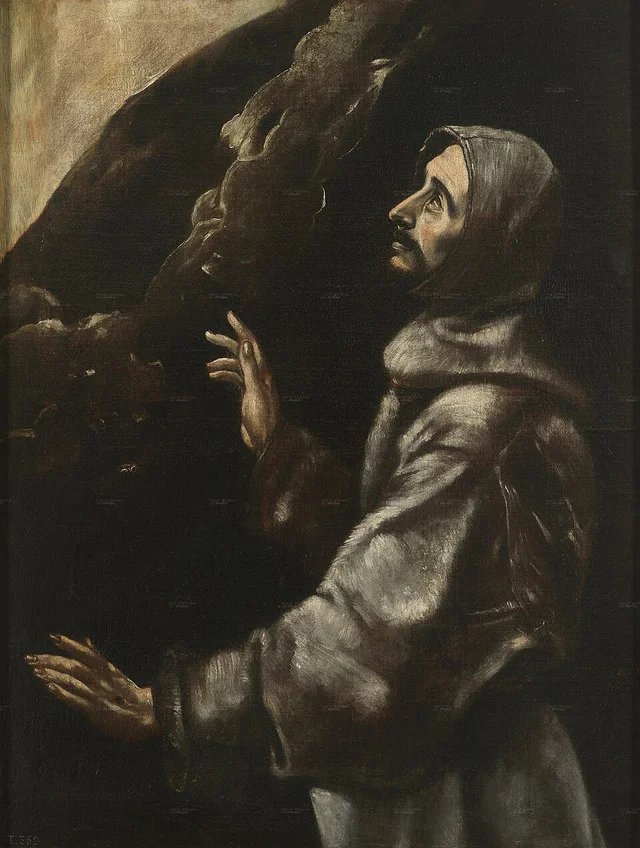 San Francesco d'Assisi in estasiEl Greco, 1600
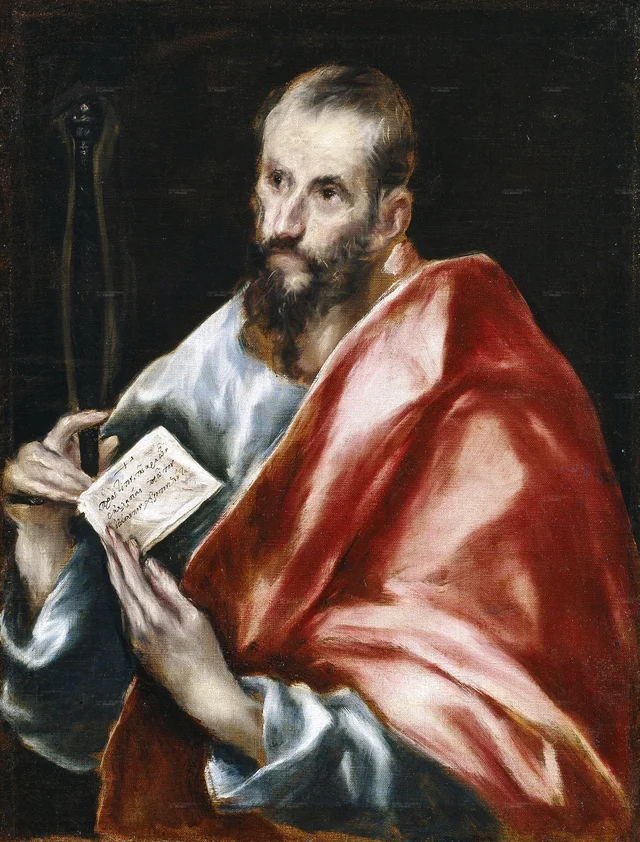 San PaoloEl Greco, 1610