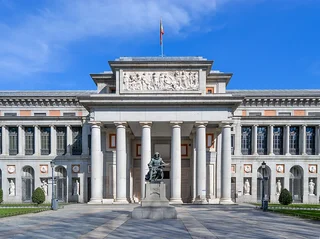
La storia
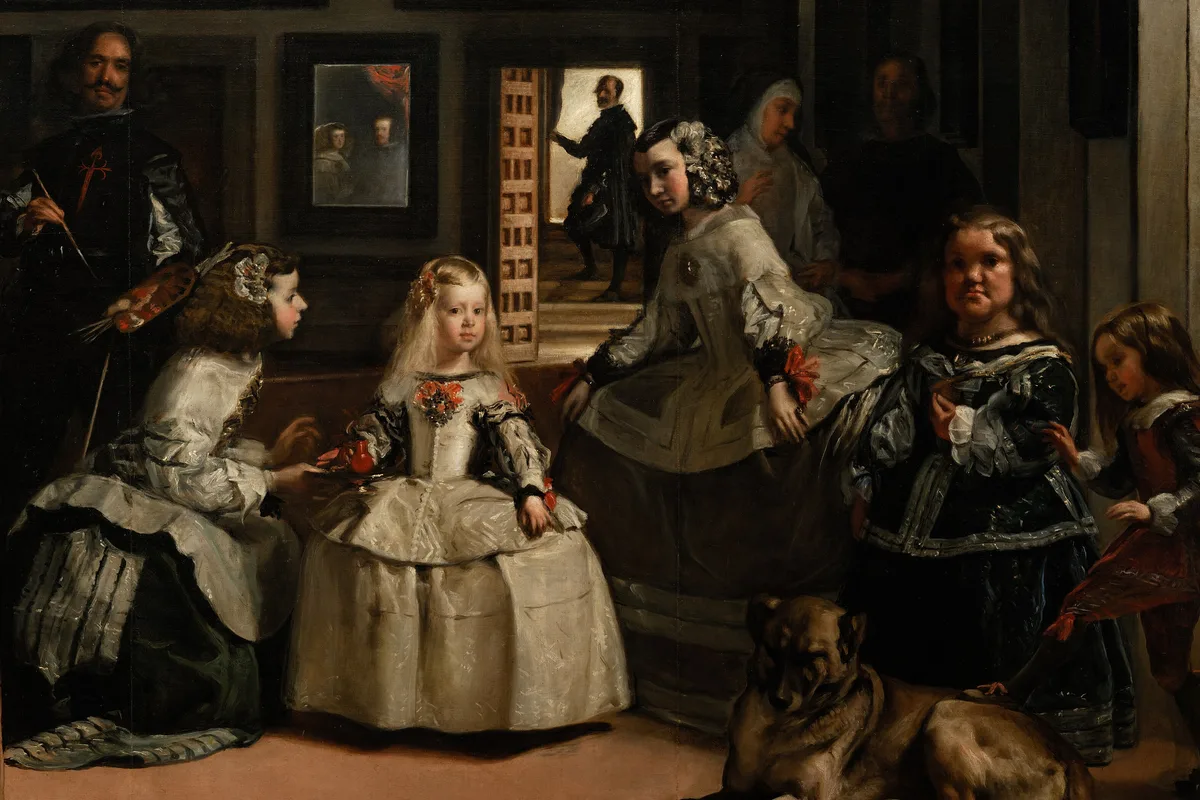
Il Prado è la collezione di un re resa pubblica. Per tre secoli gli Asburgo e i Borbone di Spagna acquistarono e commissionarono su scala regale, e il loro gusto è il museo: Tiziano e Rubens, amati dai sovrani, Velázquez, che servì la corte spagnola per gran parte della vita. Le sue Meninas sono al cuore dell'edificio, il pittore che guarda fuori da dietro la propria tela in una sala del vecchio Alcázar reale.
La galleria aprì nel 1819 in un edificio che l'architetto Juan de Villanueva aveva pensato in origine come sala di scienze naturali. Le sue pareti portano insieme lo splendore e i risvolti più cupi dell'arte spagnola, Il 3 maggio 1808 di Goya, il plotone d'esecuzione che alza le lanterne nel buio, e le Pitture nere che dipinse direttamente sui muri della propria casa in tarda età, sordo e ritirato, e mai destinate a essere mostrate.
Il più antico dei suoi grandi tesori precede quel gusto reale spagnolo, Il Giardino delle delizie di Hieronymus Bosch, la visione a tre pannelli del paradiso, del desiderio e dell'inferno, entrata più tardi nella collezione di Filippo II e inviata al suo palazzo-monastero dell'Escorial. Ora richiama folle davanti a ciò che un tempo solo la corte poteva vedere.
Altri articoli
Collezione
870 opere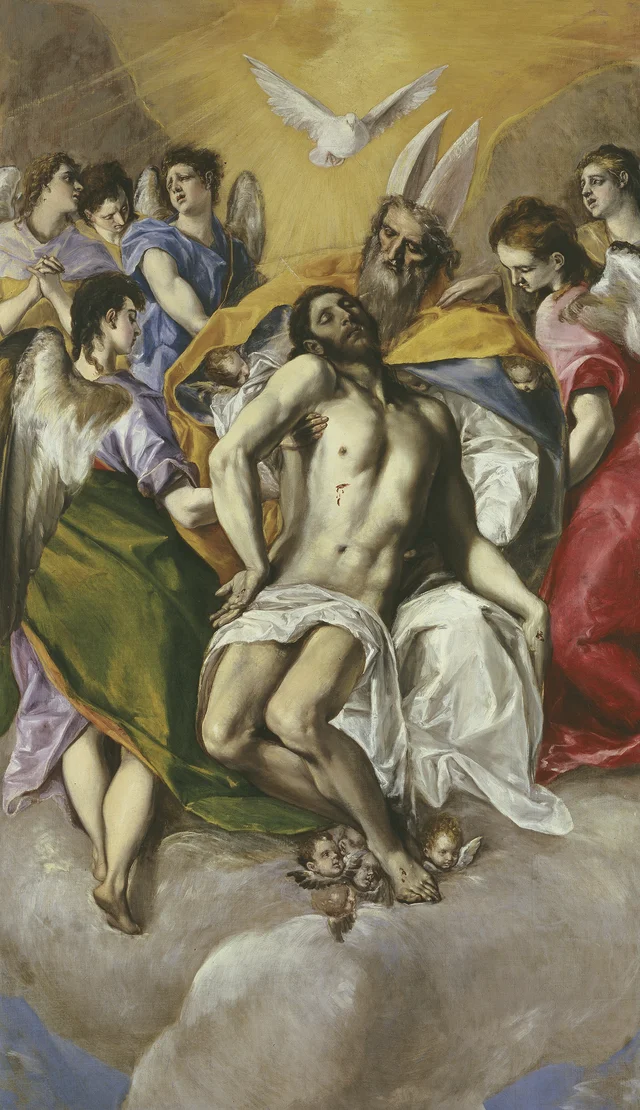 La TrinitàEl Greco, 1577
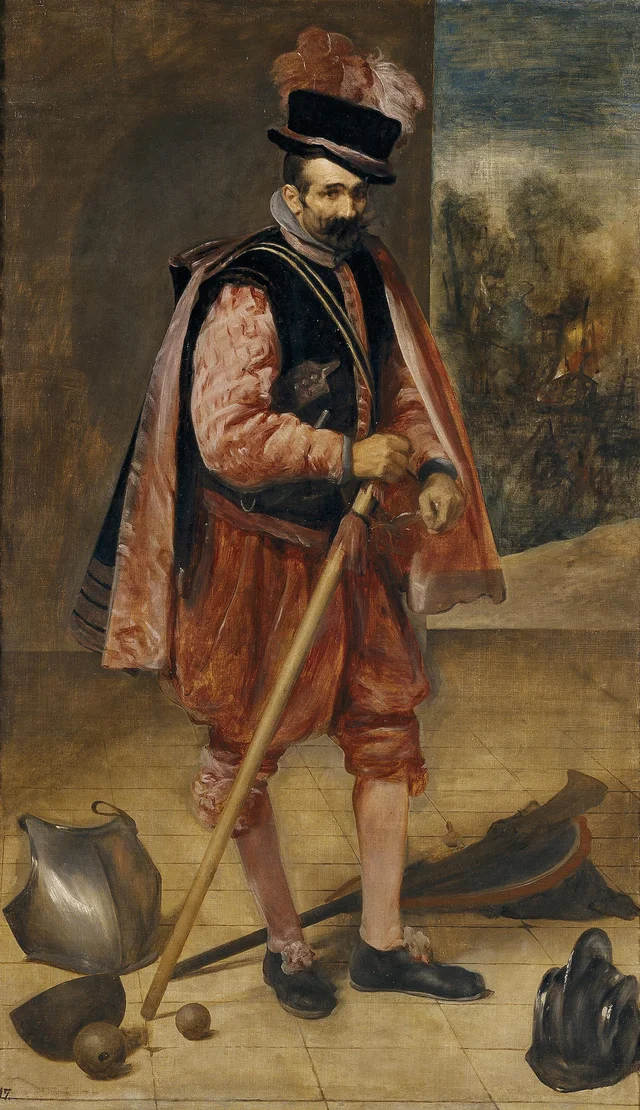 Il buffone detto Don Giovanni d'AustriaDiego Velázquez, 1632
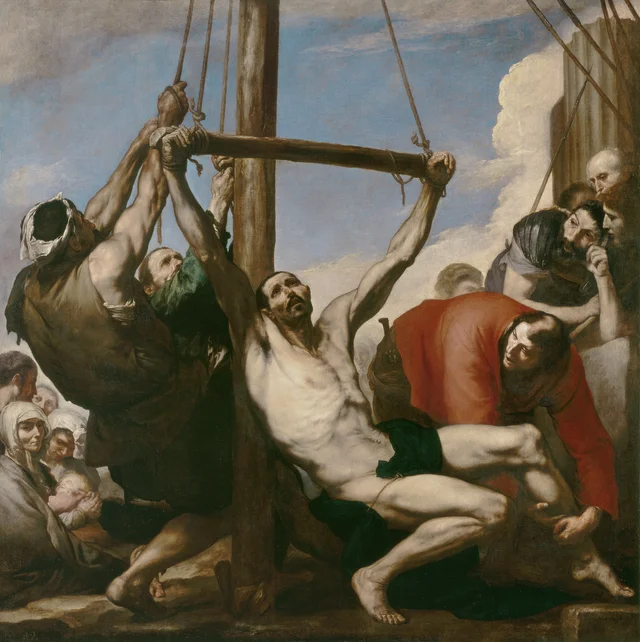 Il martirio di san FilippoJusepe de Ribera, 1639
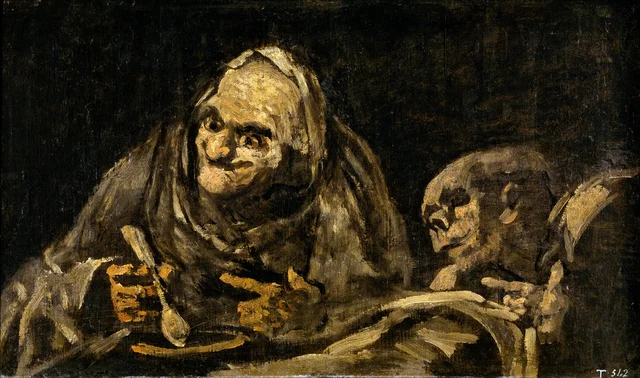 Due vecchi che mangiano zuppaFrancisco Goya, 1819
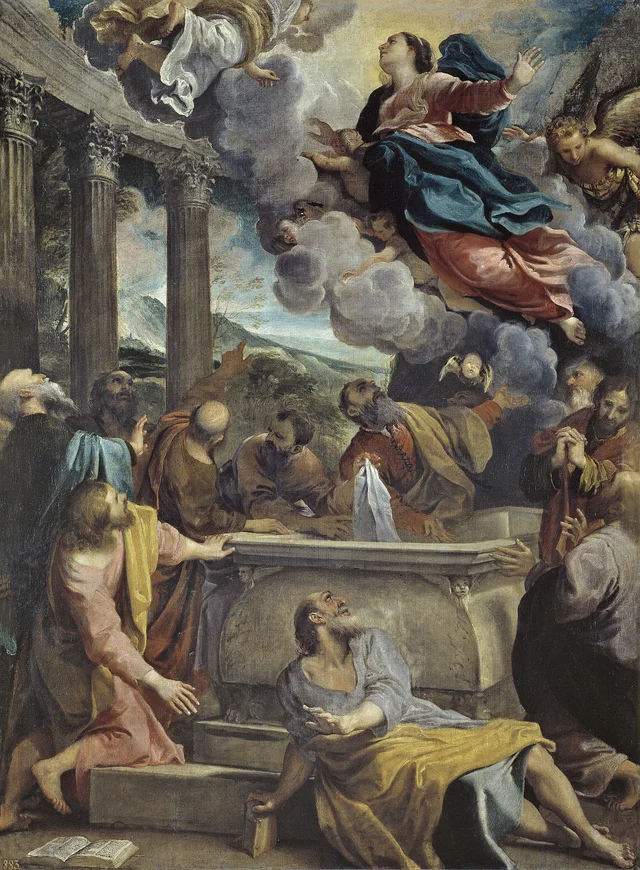 Assunzione della VergineAnnibale Carracci, 1587
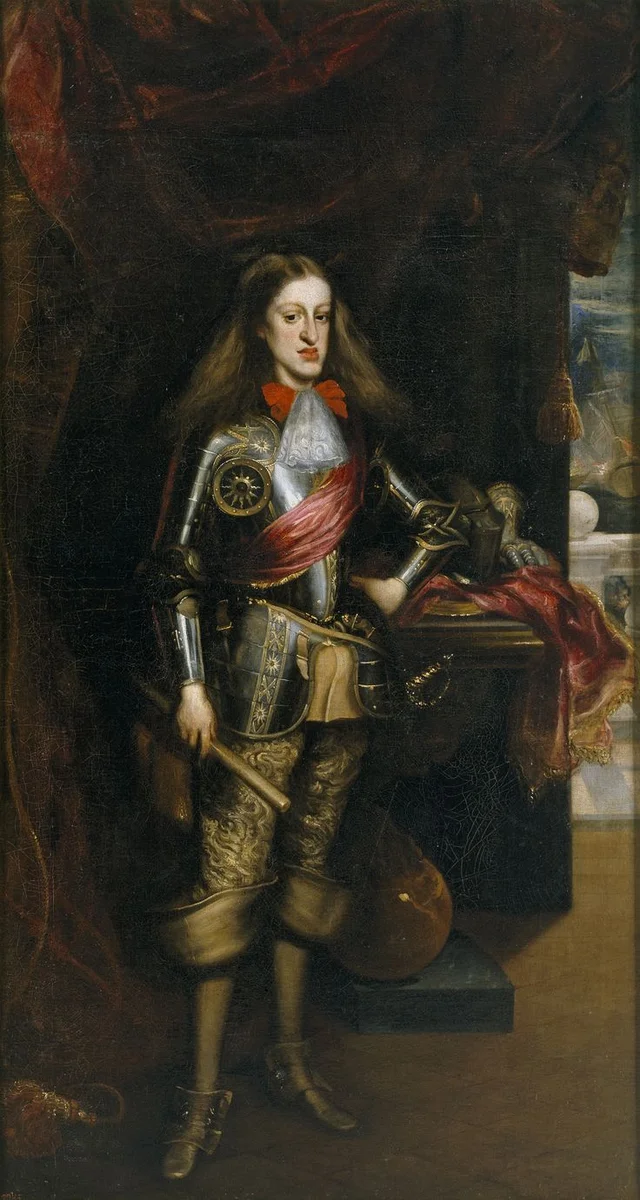 Carlo II in armaturaJuan Carreño de Miranda, 1681
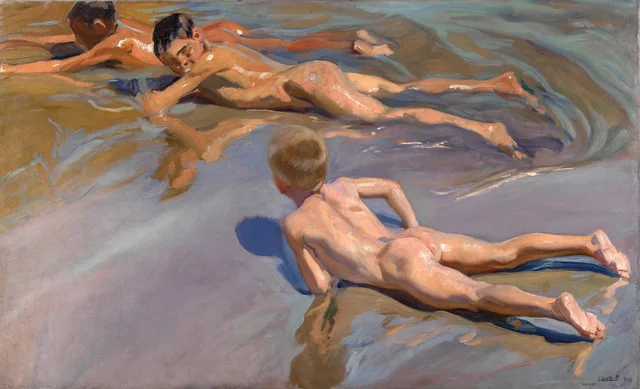 Ragazzi sulla spiaggiaJoaquín Sorolla, 1910
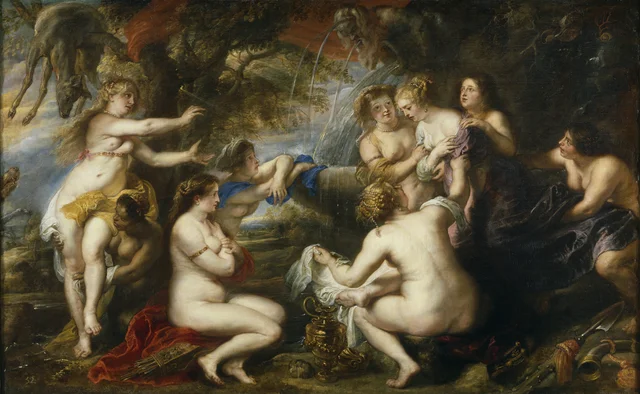 Diana e CallistoPieter Paul Rubens, 1635
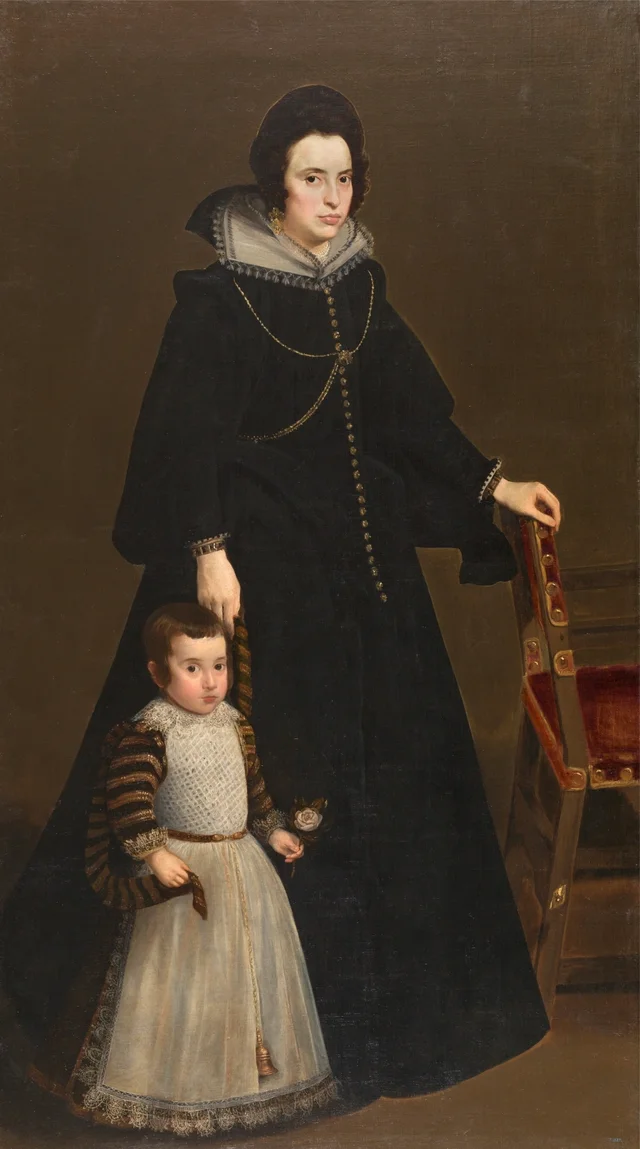 Doña Antonia de Ipeñarrieta y Galdós e suo figlio don LuisDiego Velázquez, 1632
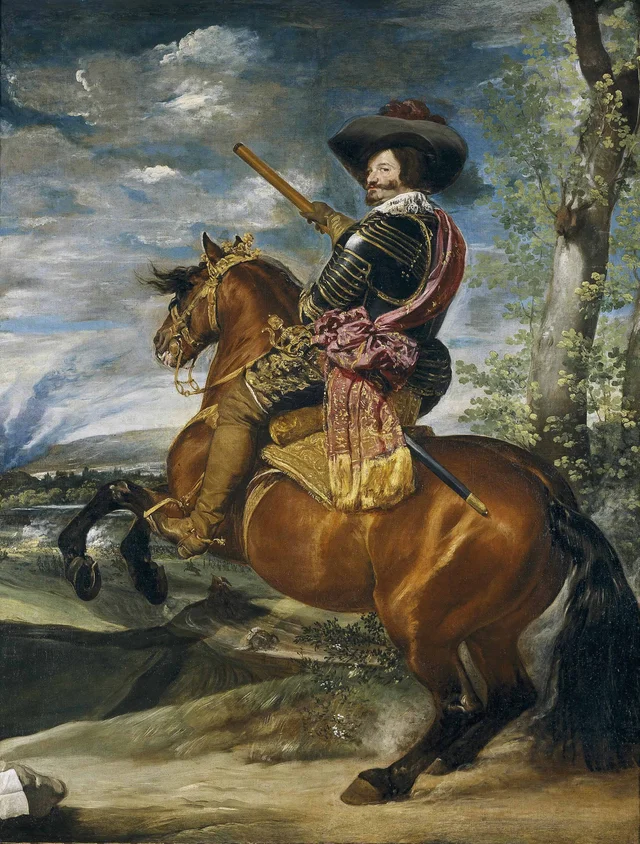 Ritratto equestre del conte-duca di OlivaresDiego Velázquez, 1636
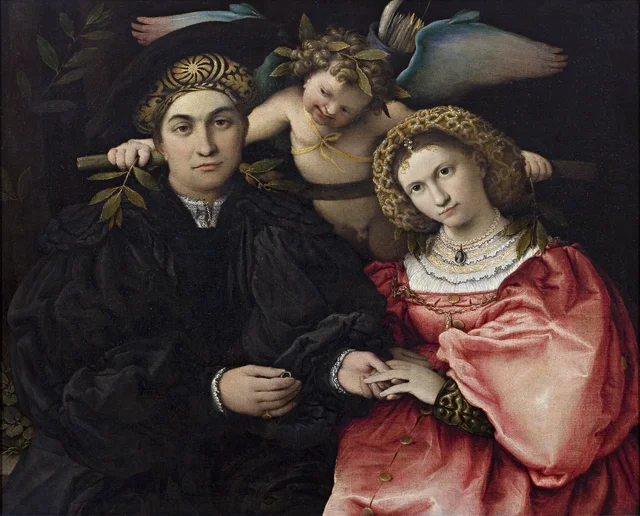 Marsilio Cassotti e la sposa FaustinaLorenzo Lotto, 1523
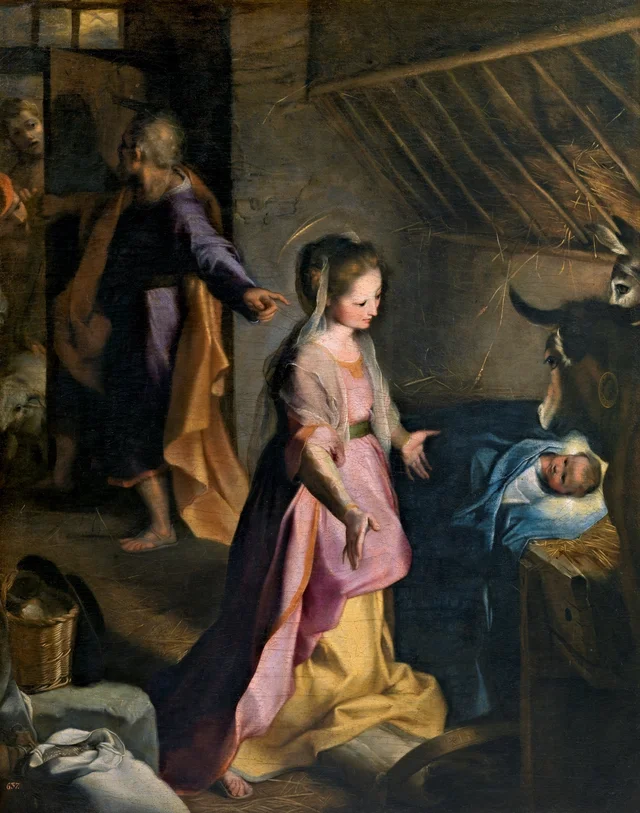 NativitàFederico Barocci, 1597
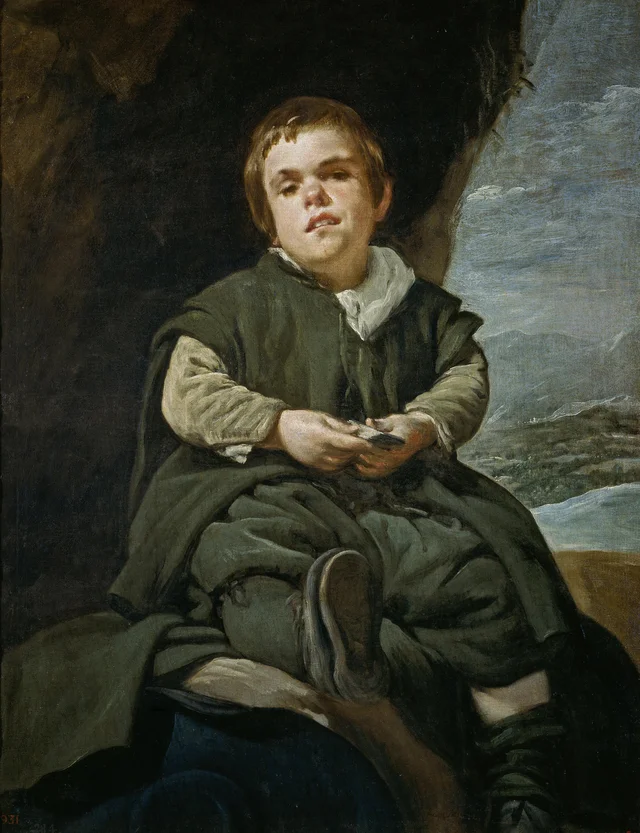 Ritratto di Francisco LezcanoDiego Velázquez, 1634
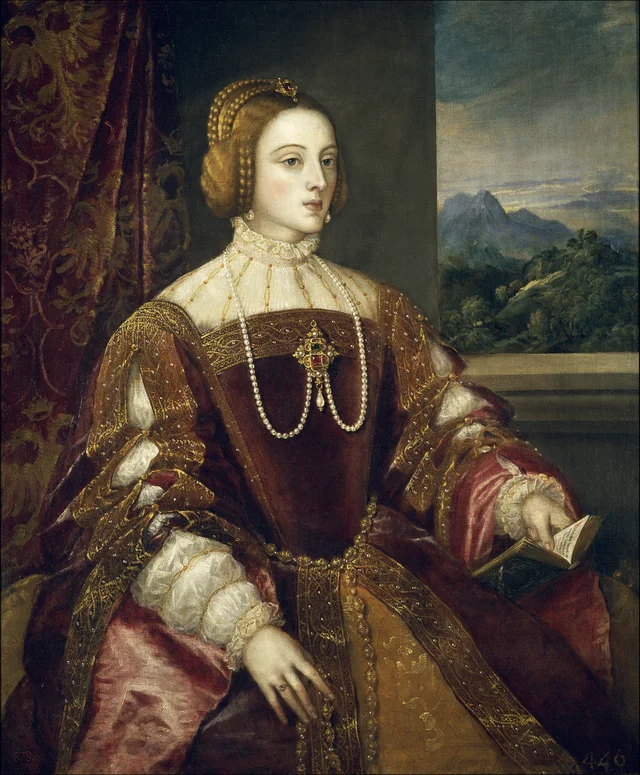 Ritratto di Isabella di PortogalloTiziano, 1548
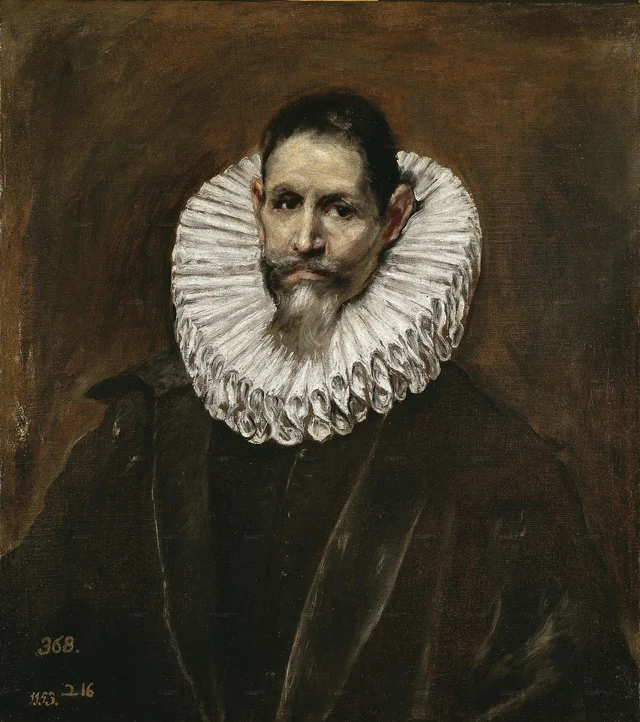 Ritratto di Jerónimo de CevallosEl Greco, 1609
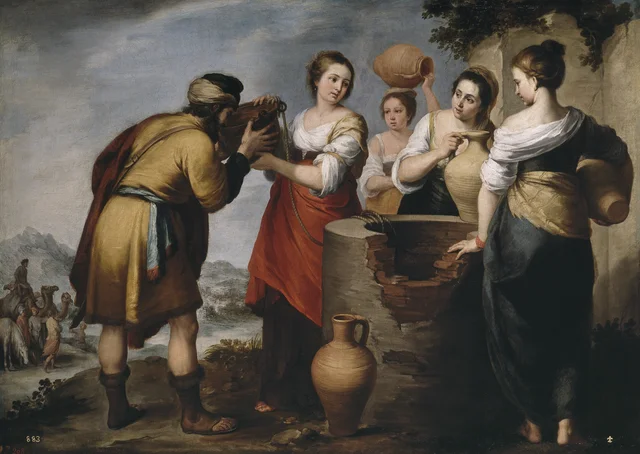 Rebecca ed EliezerBartolomé Esteban Murillo, 1660
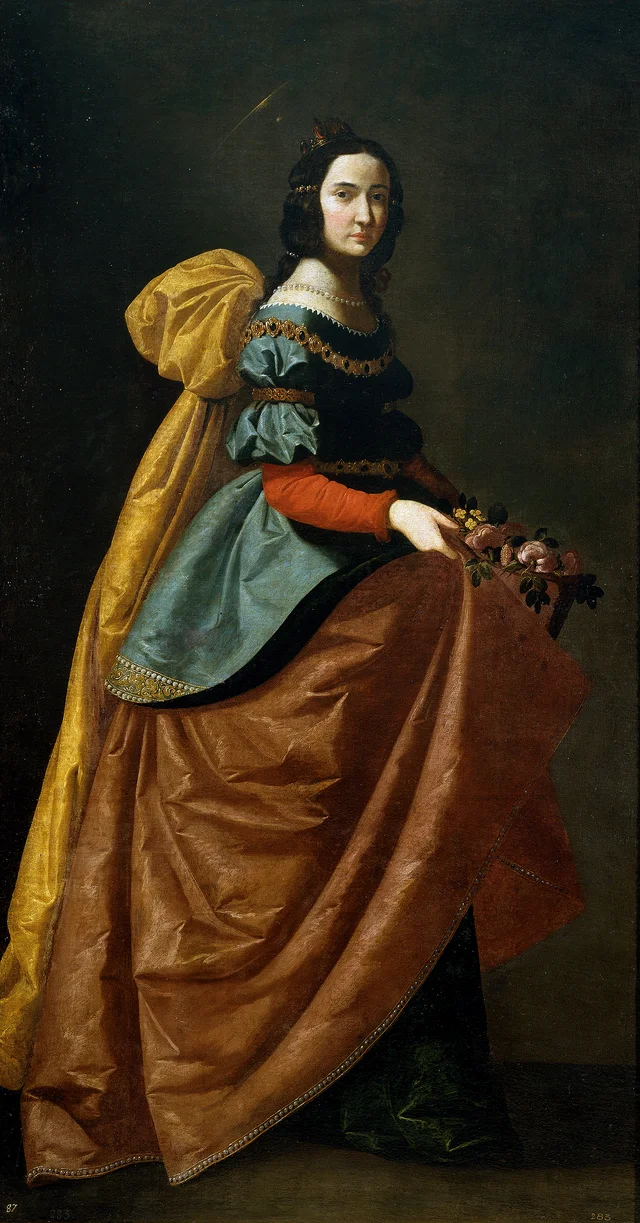 Sant’Elisabetta del PortogalloFrancisco de Zurbarán, 1635
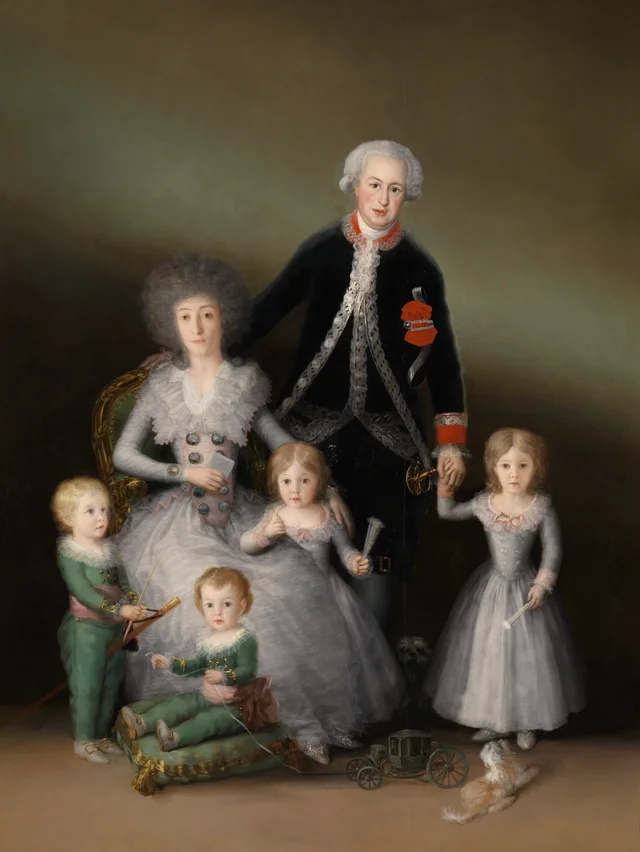 I duchi di Osuna e i loro figliFrancisco Goya, 1788
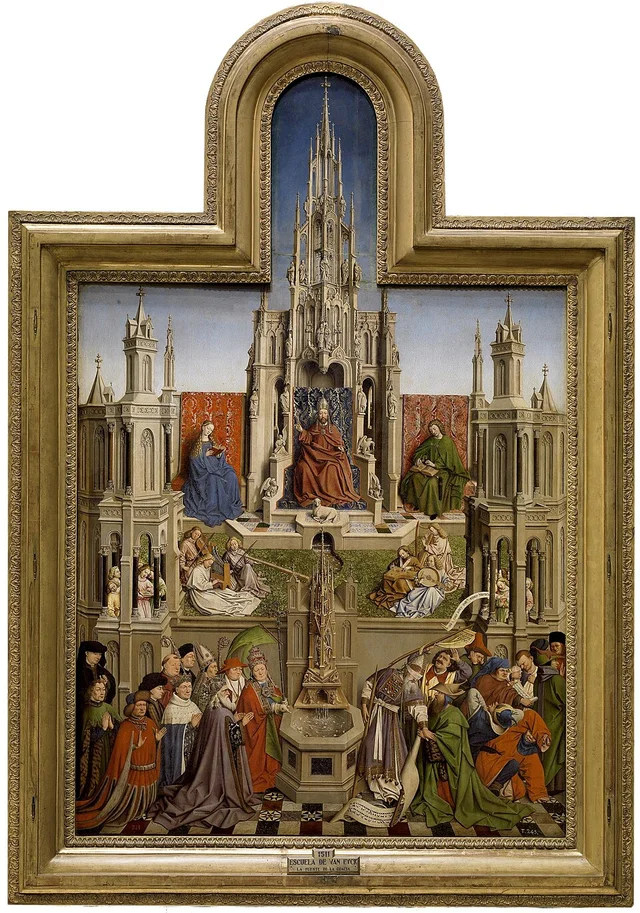 La Fontana della VitaAnonimo, 1454
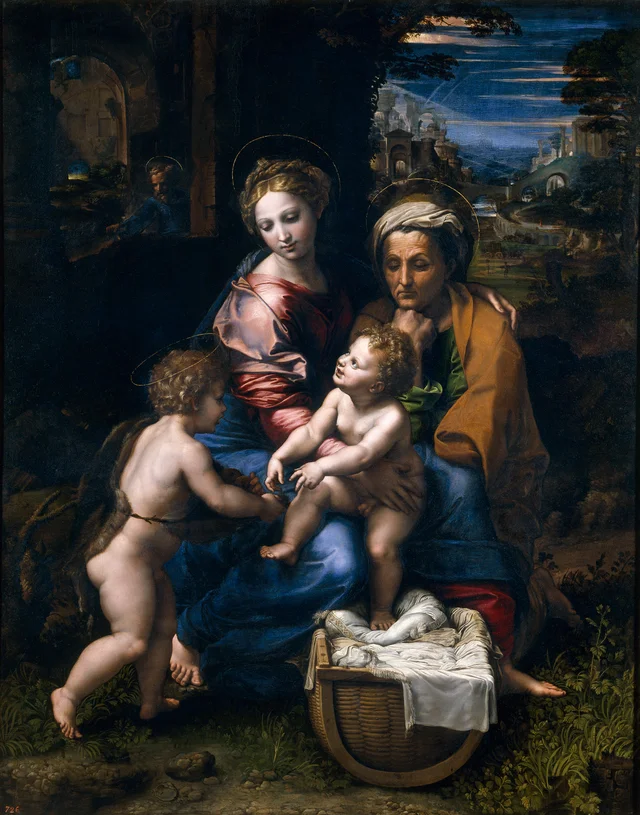 La Sacra FamigliaRaffaello, 1518
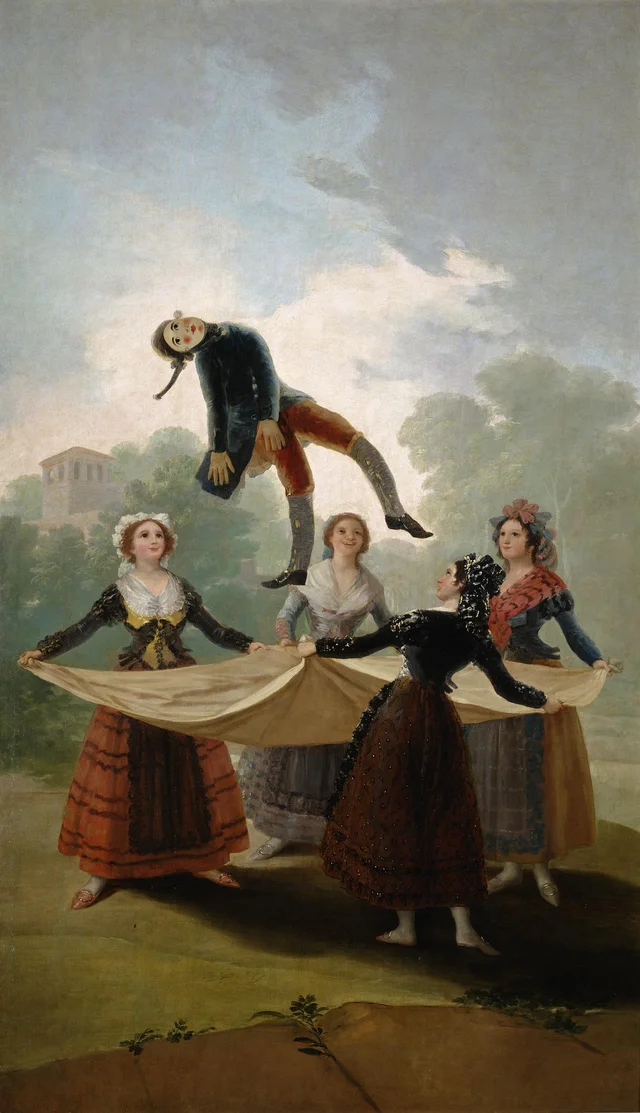 Il fantoccioFrancisco Goya, 1791
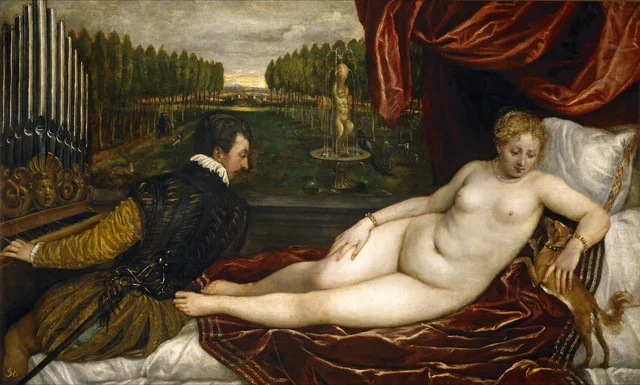 Venere e la musicaTiziano, 1550
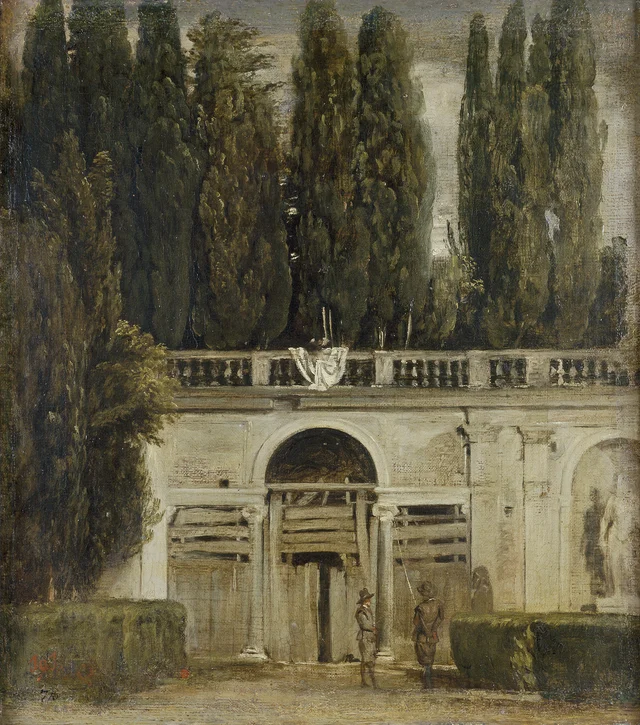 Veduta del giardino di Villa MediciDiego Velázquez, 1630
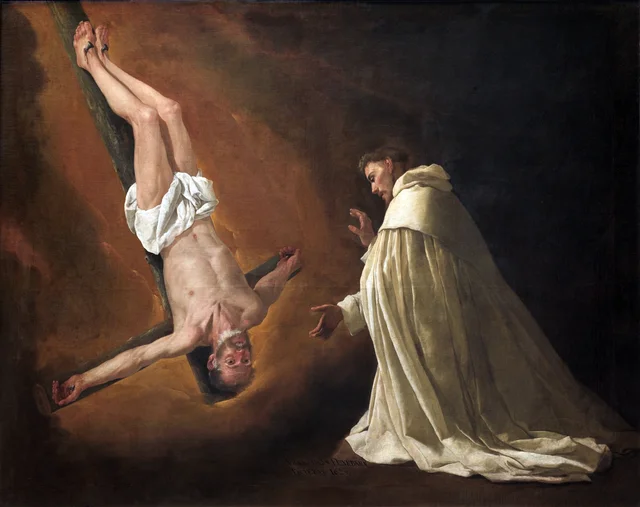 Apparizione dell'apostolo Pietro a san Pietro NolascoFrancisco de Zurbarán, 1629
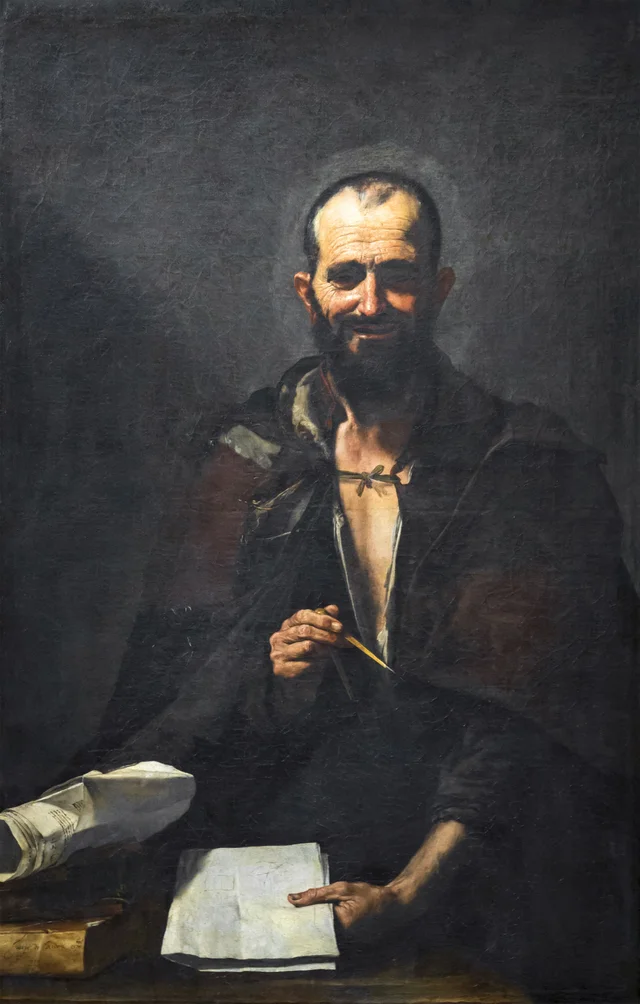 DemocritoJusepe de Ribera, 1630