音声ガイド
ストーリー
このギャラリーが一人の男の名を負うのは、それが文字どおり、一人の男の事業だったからだ。モスクワの織物商パーヴェル・トレチャコフは、1850年代に、明確な目的を持ってロシア絵画を買いはじめた。まじめな収集家がこぞってヨーロッパ美術を追いかけていた時代に、国のコレクションを築くという目的だ。彼は存命の画家から直に買い、絵が家族を押し出すほど自宅を埋め尽くし、1892年、およそ2,000点のコレクション全体をモスクワ市に贈った。
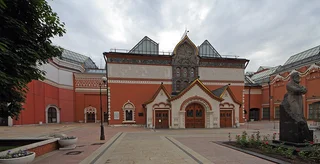
彼が拡張した建物は、それ自体が名所となった。赤れんが、白い石、そして民話が命を得たような尖った切妻からなるおとぎ話のような正面は、1900年以降、画家ヴィクトル・ヴァスネツォフが設計した。器が、内のロシア美術と釣り合うように。
そしてその美術は、ロシア絵画そのものの物語だ。ここには、ロシア美術で最も偉大なイコンと広く目されるアンドレイ・ルブリョフの15世紀の「至聖三者」があり、アカデミーと袂を分かった写実主義者たち、移動派の巨大なカンヴァスがある。そのひとつ、たった今殺した息子を抱きかかえるイヴァン雷帝を描いたイリヤ・レーピンの絵は、来館者に二度襲われ、1913年に切り裂かれ、2018年に再び打たれ、そのたびに丹念に修復された。近くにはクラムスコイの油断ない肖像、スリコフのロシア史の広大で人であふれる場面、そして美術館が美術として見せる中世イコンの一室まるごとが掛かっている。
コレクション
112点の作品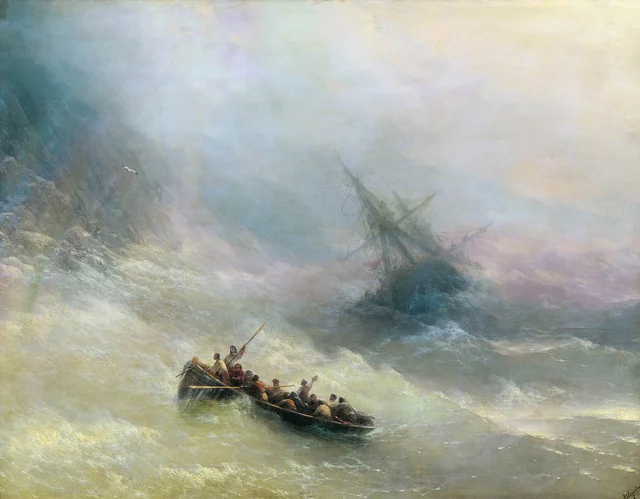 虹イワン・アイヴァゾフスキー, 1873
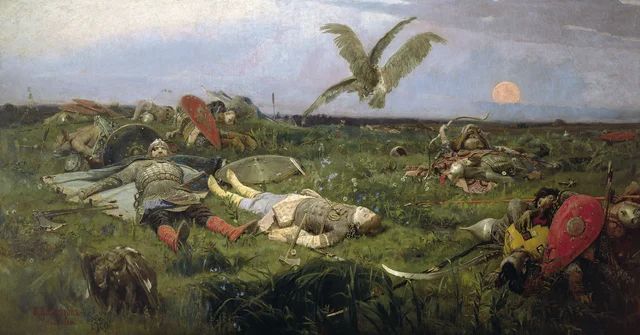 イーゴリ公の合戦の後ヴィクトル・ヴァスネツォフ, 1880
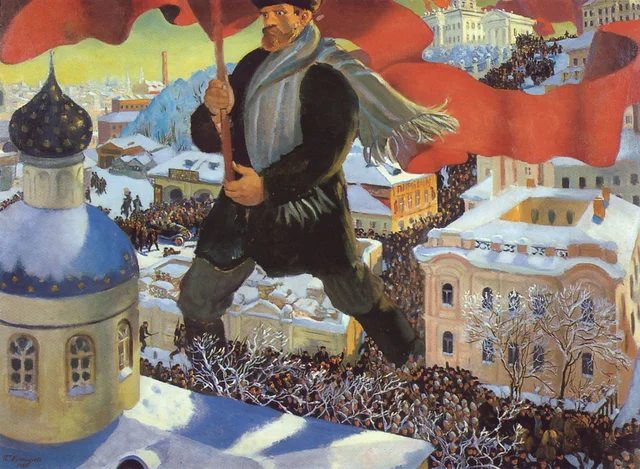 ボリシェヴィキボリス・クストーディエフ, 1920
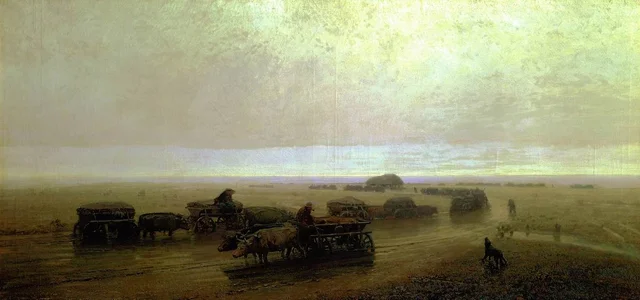 マリウポリのチュマク街道アルヒープ・クインジ, 1875
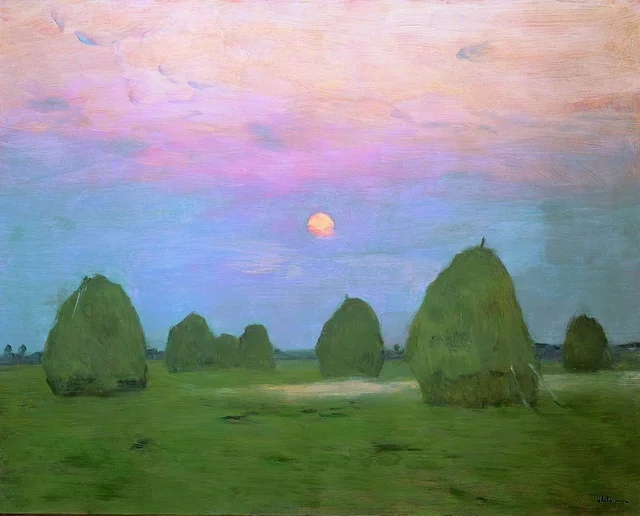 薄暮・干し草の山イサーク・レヴィタン, 1899
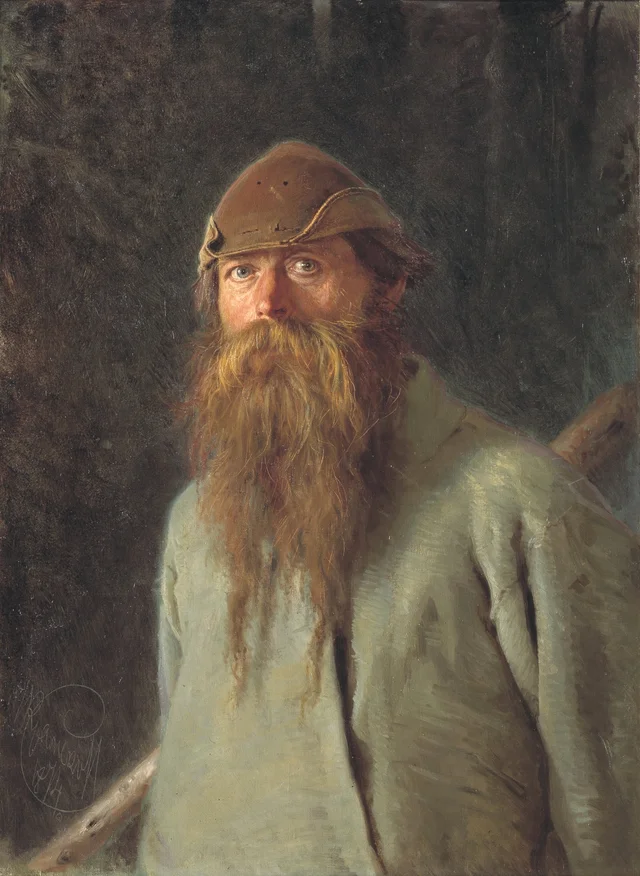 森番イワン・クラムスコイ, 1874
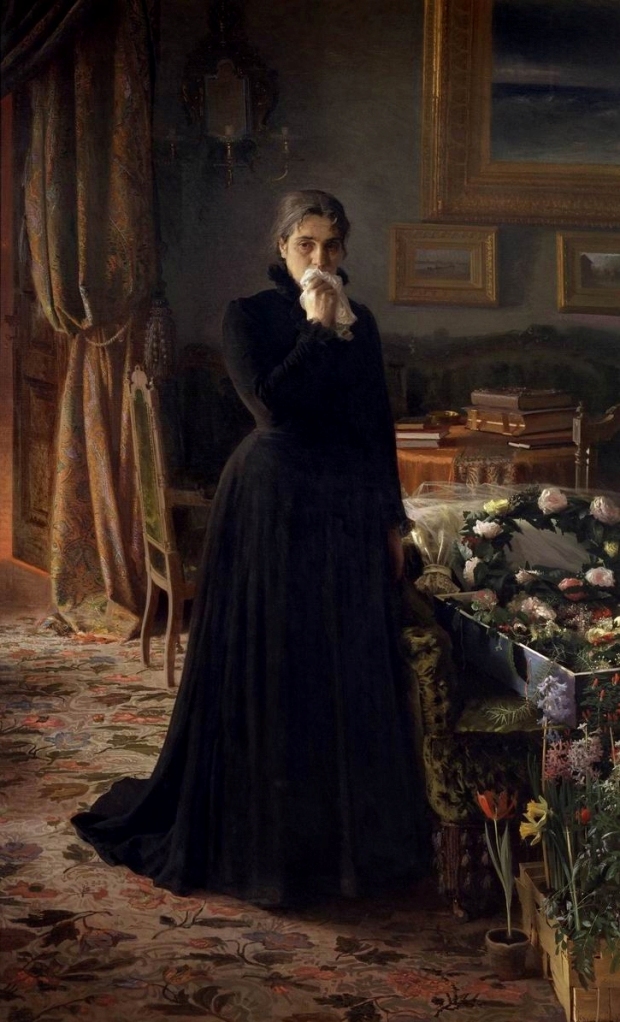 癒えぬ悲しみイワン・クラムスコイ, 1884
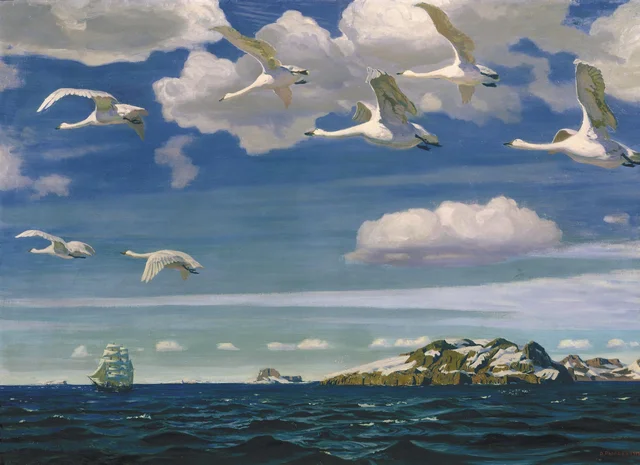 青い大空の中でアルカージー・ルィロフ, 1918
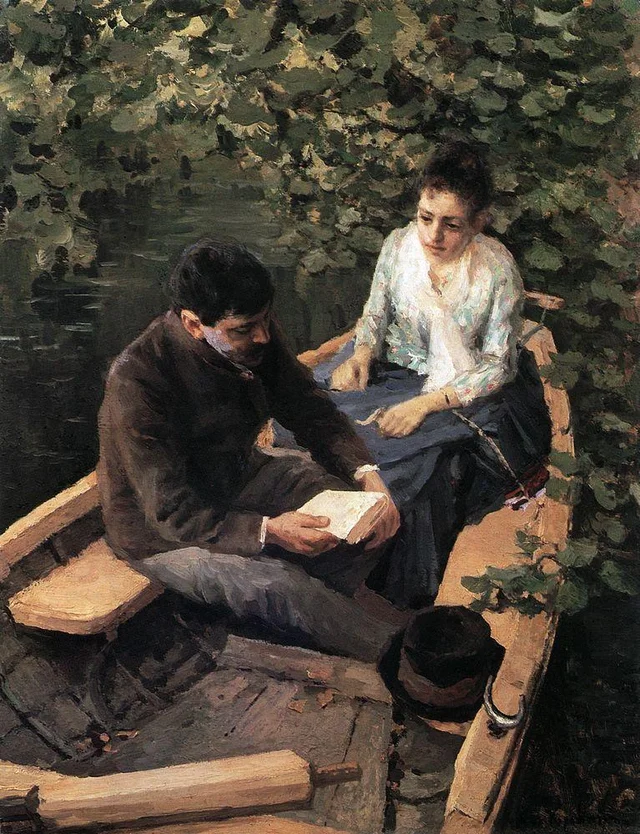 ボートにてコンスタンチン・コローヴィン, 1888
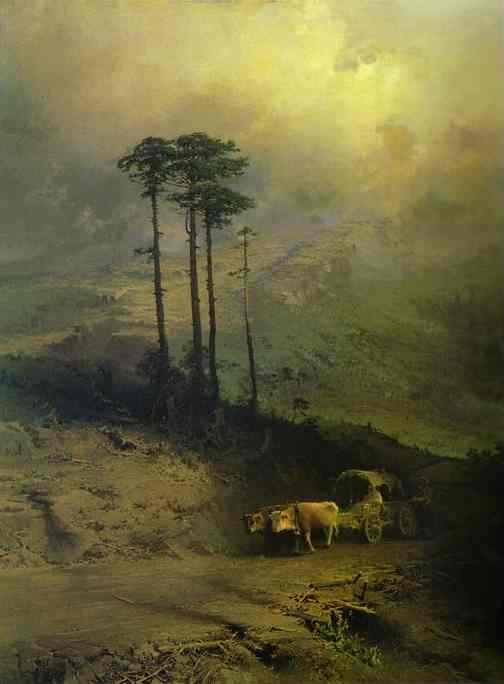 クリミアの山中でフョードル・ヴァシーリエフ, 1873
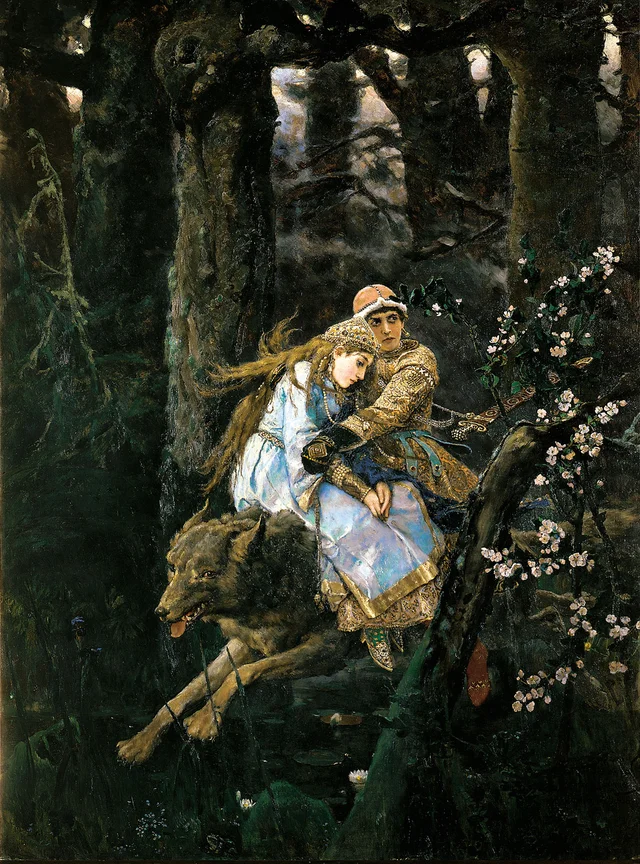 灰色狼に乗るイワン王子ヴィクトル・ヴァスネツォフ, 1889
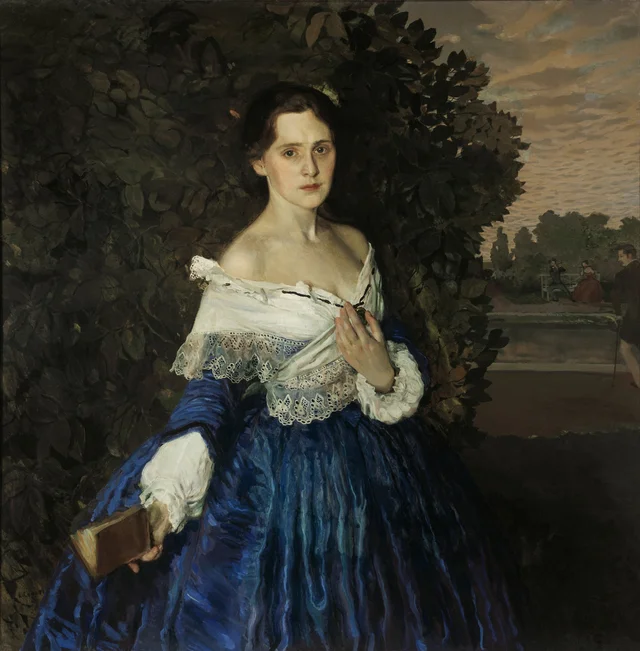 青衣の婦人コンスタンティン・ソモフ, 1897
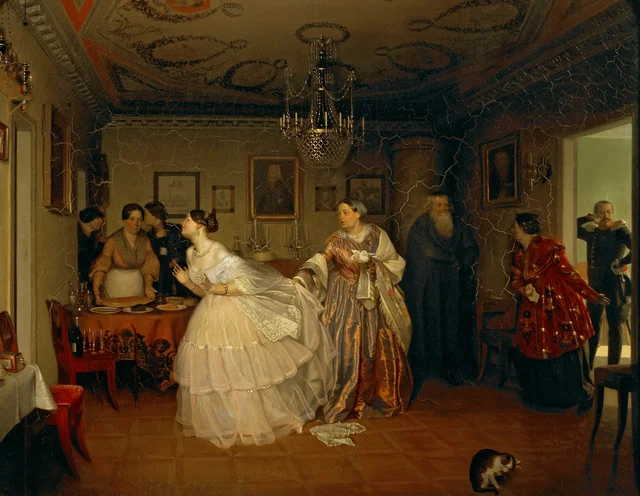 少佐の求婚パーヴェル・フェドートフ, 1848
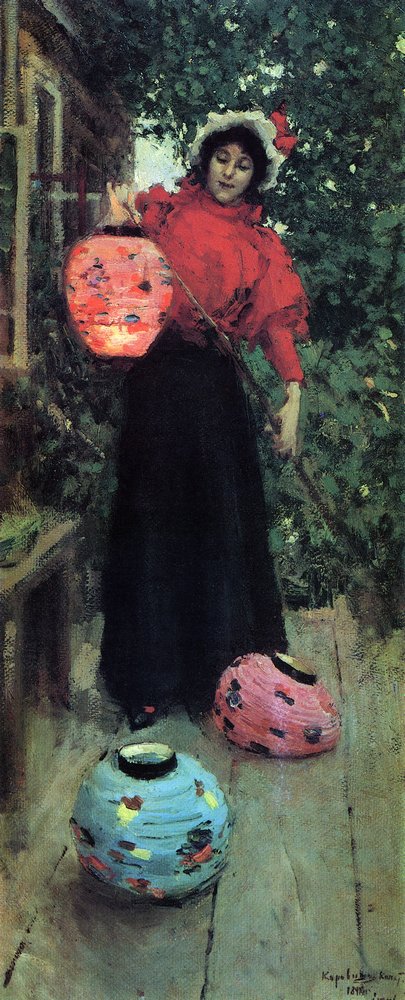 紙提灯コンスタンチン・コローヴィン, 1896
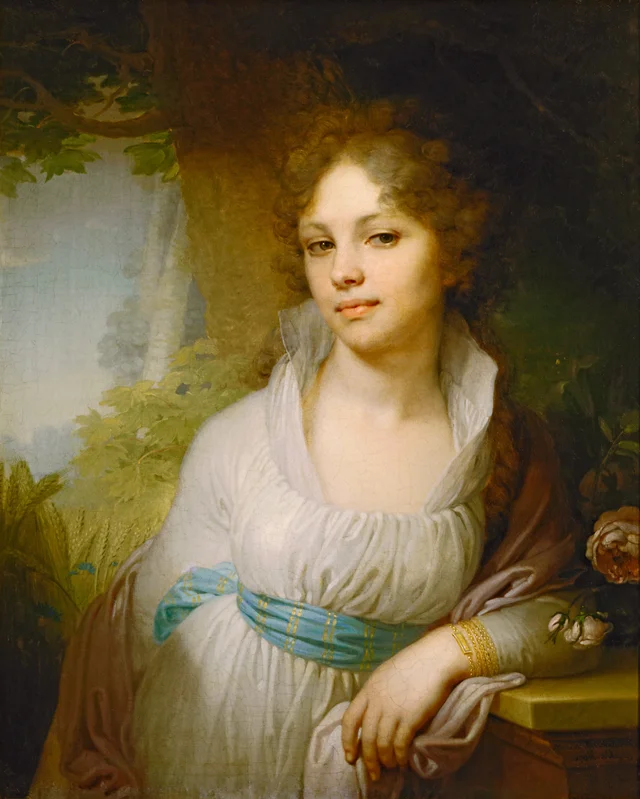 マリヤ・イワーノヴナ・ロプヒナの肖像ウラジーミル・ボロビコフスキー, 1797
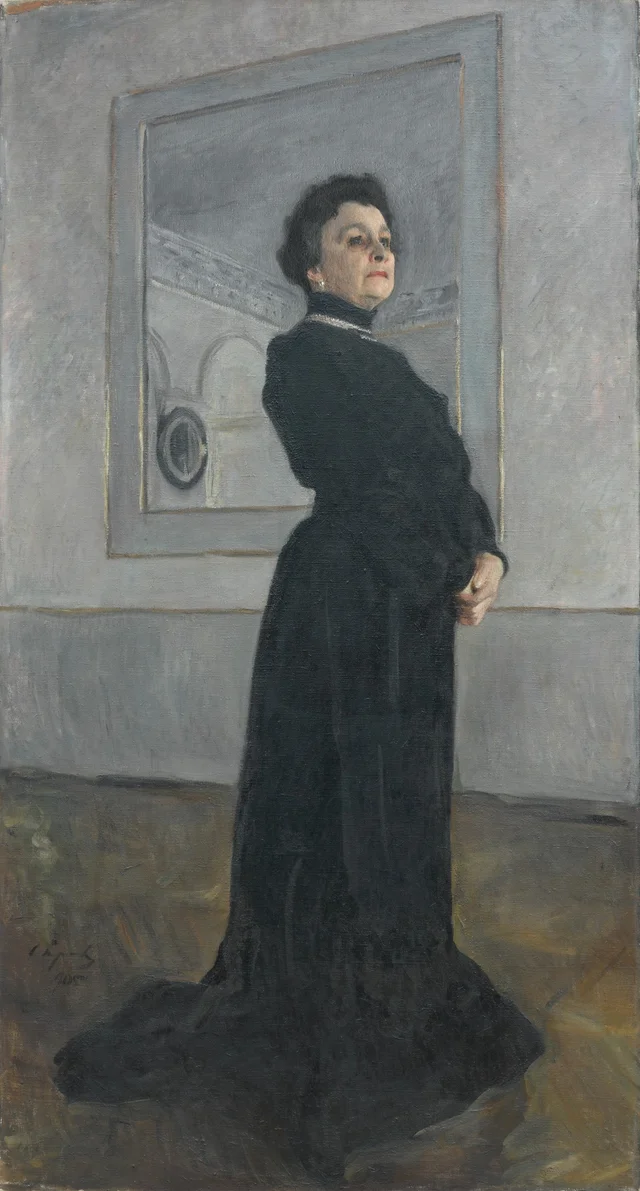 マリヤ・エルモーロワの肖像ヴァレンティン・セローフ, 1905
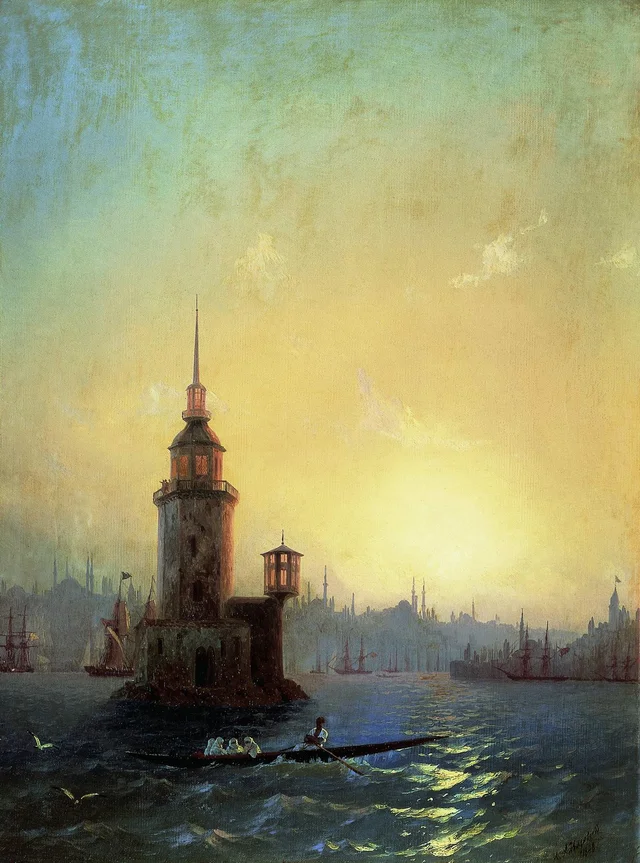 乙女の塔イワン・アイヴァゾフスキー, 1848
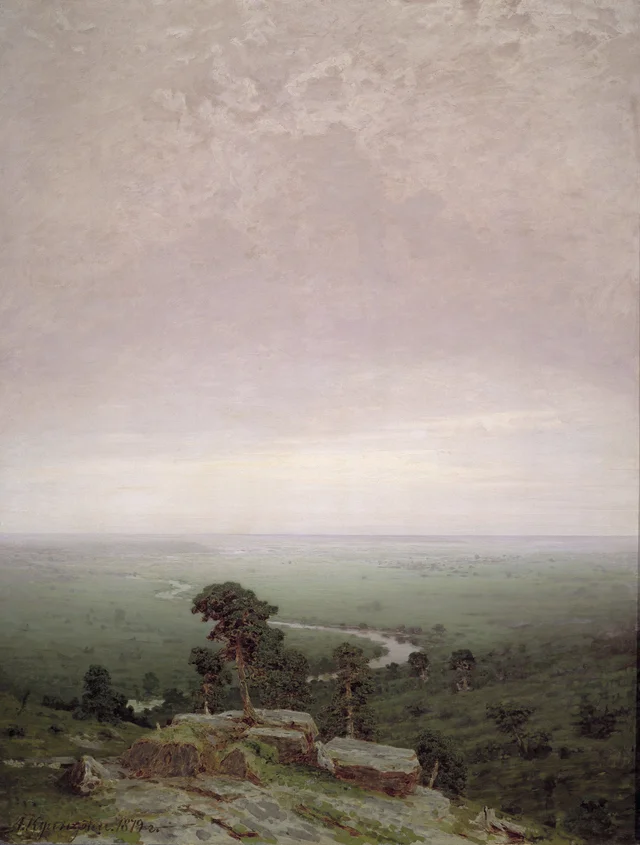 北アルヒープ・クインジ, 1879
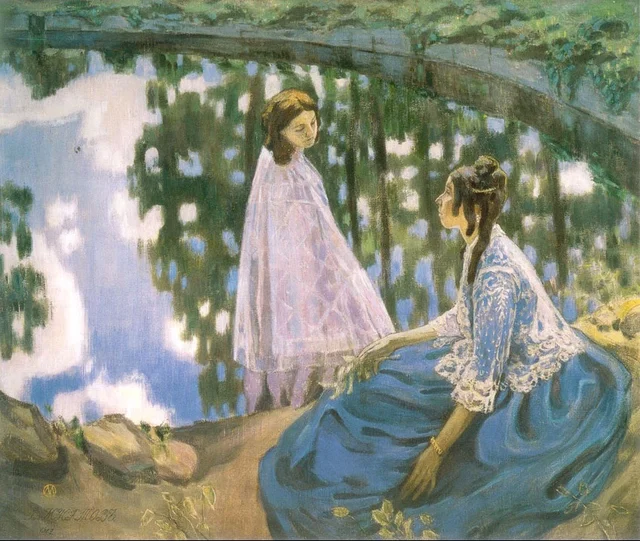 池ヴィクトル・ボリソフ=ムサートフ, 1902
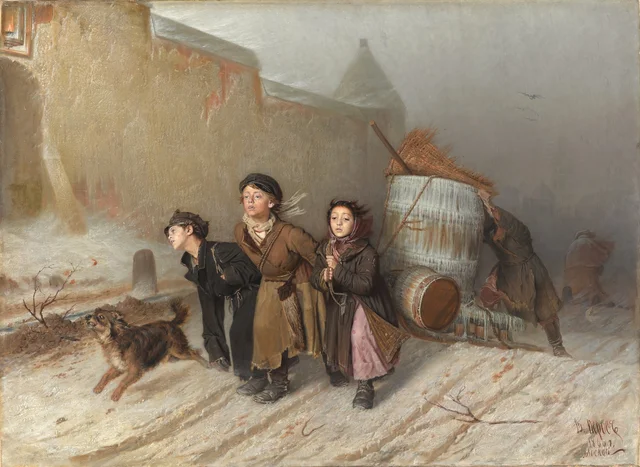 トロイカワシーリー・ペロフ, 1866
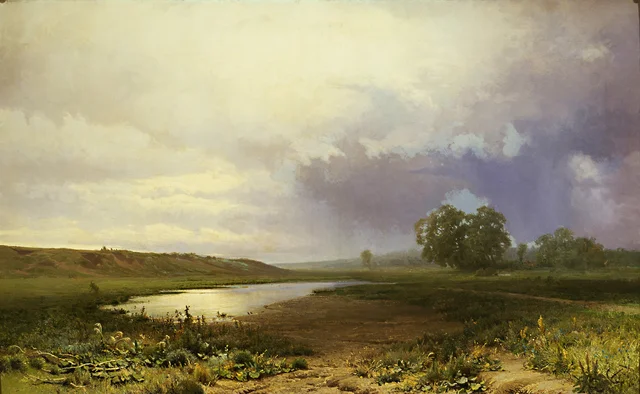 濡れた草原フョードル・ヴァシーリエフ, 1872
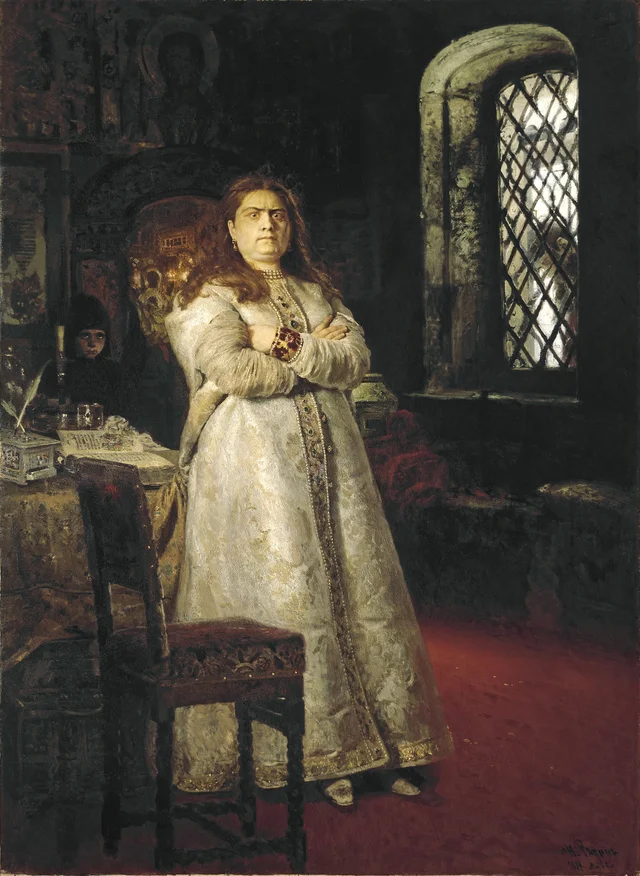 ノヴォデヴィチ修道院のツァレヴナ・ソフィヤイリヤ・レーピン, 1879
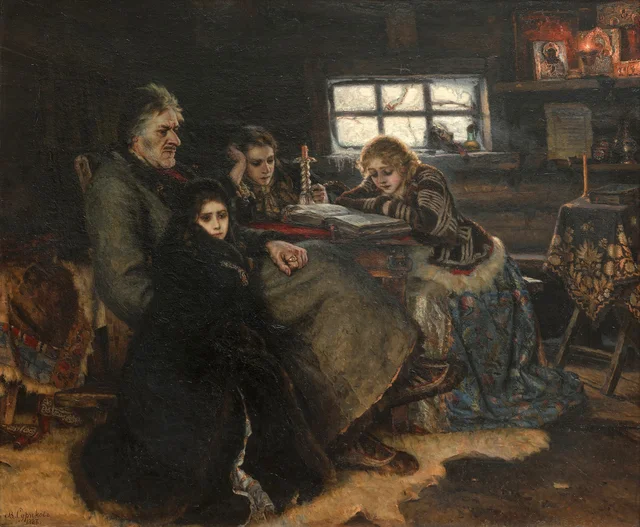 ベリョーゾヴォのメンシコフワシーリー・スリコフ, 1883
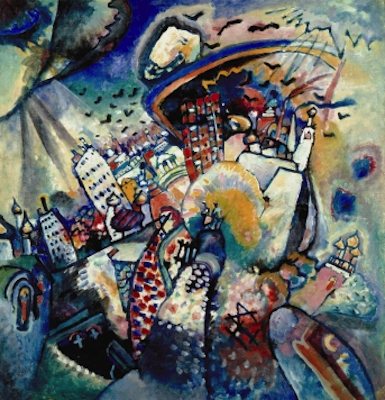 モスクワ Iワシリー・カンディンスキー, 1916
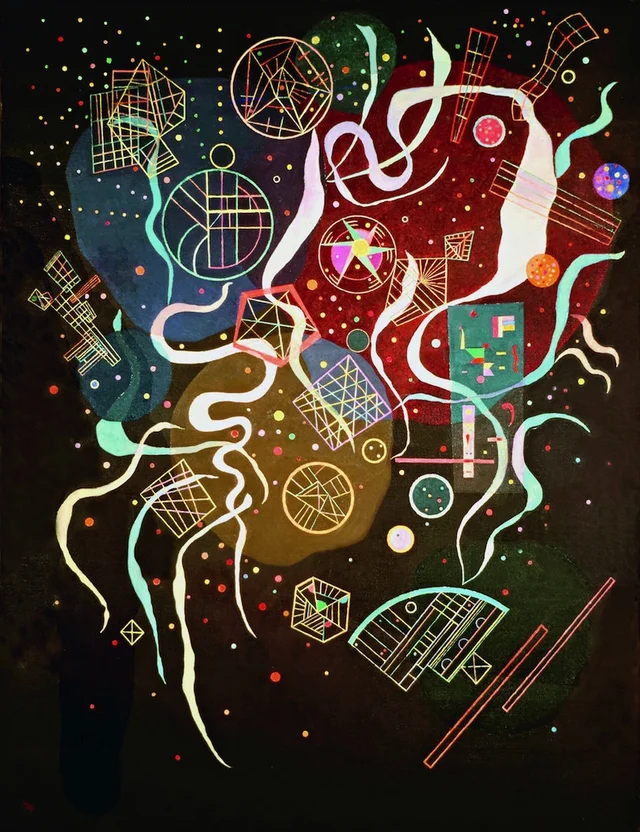 運動 Iワシリー・カンディンスキー, 1935