音声ガイド
ストーリー
このギャラリーが一人の男の名を負うのは、それが文字どおり、一人の男の事業だったからだ。モスクワの織物商パーヴェル・トレチャコフは、1850年代に、明確な目的を持ってロシア絵画を買いはじめた。まじめな収集家がこぞってヨーロッパ美術を追いかけていた時代に、国のコレクションを築くという目的だ。彼は存命の画家から直に買い、絵が家族を押し出すほど自宅を埋め尽くし、1892年、およそ2,000点のコレクション全体をモスクワ市に贈った。
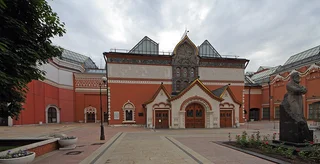
彼が拡張した建物は、それ自体が名所となった。赤れんが、白い石、そして民話が命を得たような尖った切妻からなるおとぎ話のような正面は、1900年以降、画家ヴィクトル・ヴァスネツォフが設計した。器が、内のロシア美術と釣り合うように。
そしてその美術は、ロシア絵画そのものの物語だ。ここには、ロシア美術で最も偉大なイコンと広く目されるアンドレイ・ルブリョフの15世紀の「至聖三者」があり、アカデミーと袂を分かった写実主義者たち、移動派の巨大なカンヴァスがある。そのひとつ、たった今殺した息子を抱きかかえるイヴァン雷帝を描いたイリヤ・レーピンの絵は、来館者に二度襲われ、1913年に切り裂かれ、2018年に再び打たれ、そのたびに丹念に修復された。近くにはクラムスコイの油断ない肖像、スリコフのロシア史の広大で人であふれる場面、そして美術館が美術として見せる中世イコンの一室まるごとが掛かっている。
コレクション
112点の作品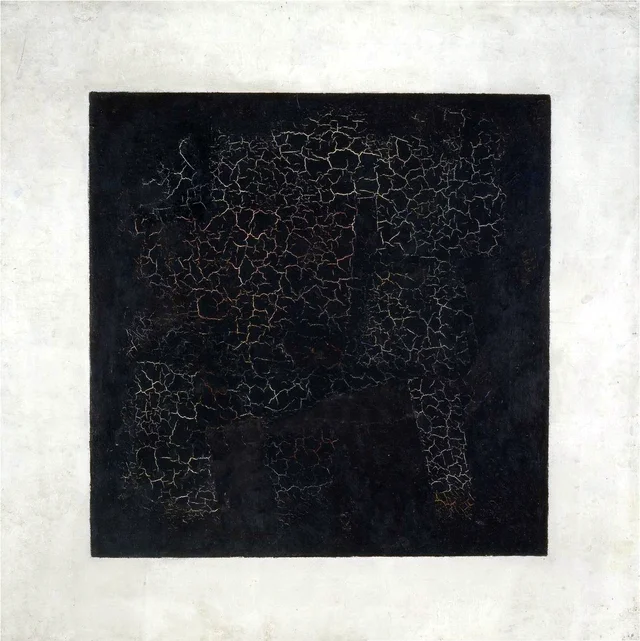 黒い正方形(1915年)カジミール・マレーヴィチ, 1915
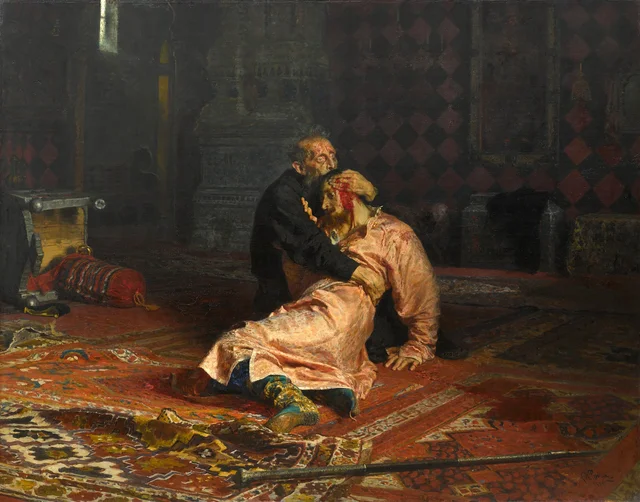 雷帝イヴァンとその息子イヴァン、1581年11月16日イリヤ・レーピン, 1883
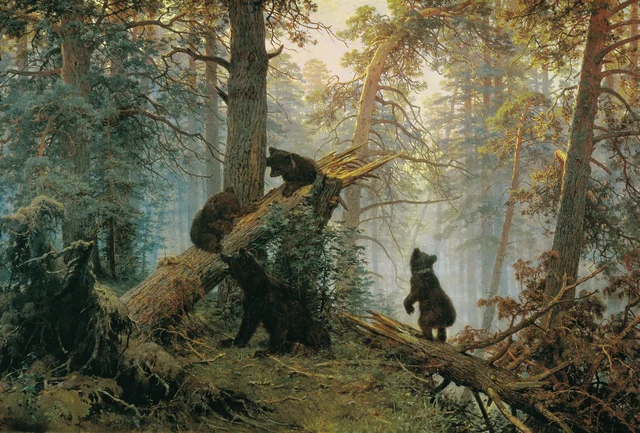 松林の朝イヴァン・シーシキン, 1889
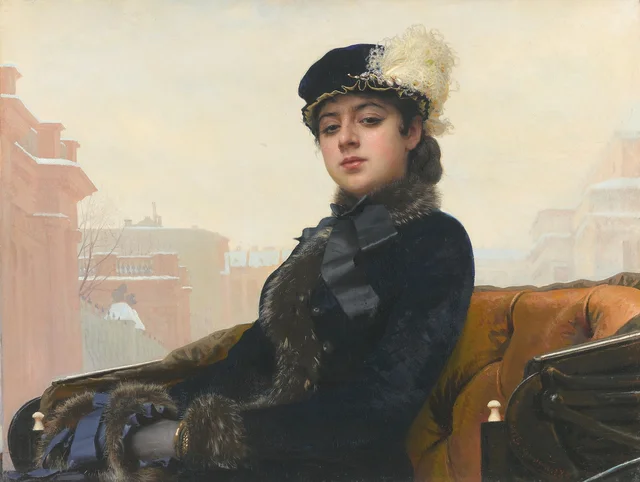 見知らぬ女の肖像イワン・クラムスコイ, 1883
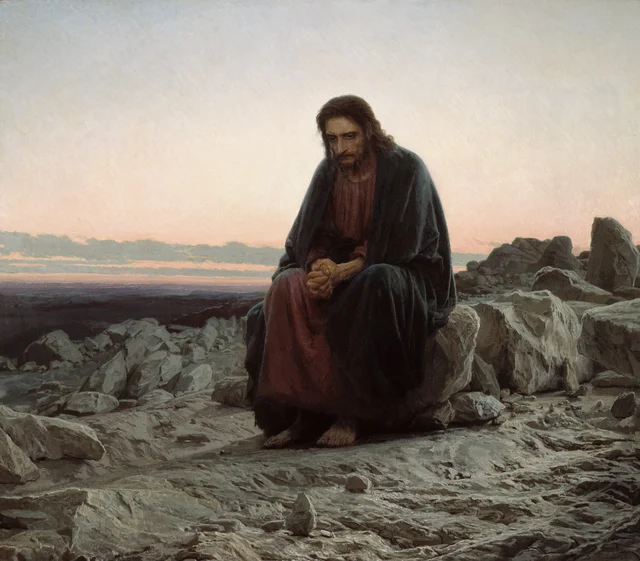 荒野のキリストイワン・クラムスコイ, 1872
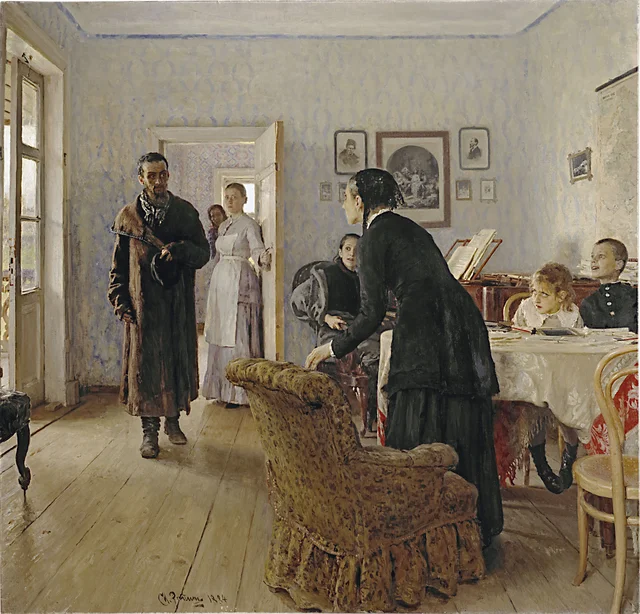 予期せぬ帰宅イリヤ・レーピン, 1888
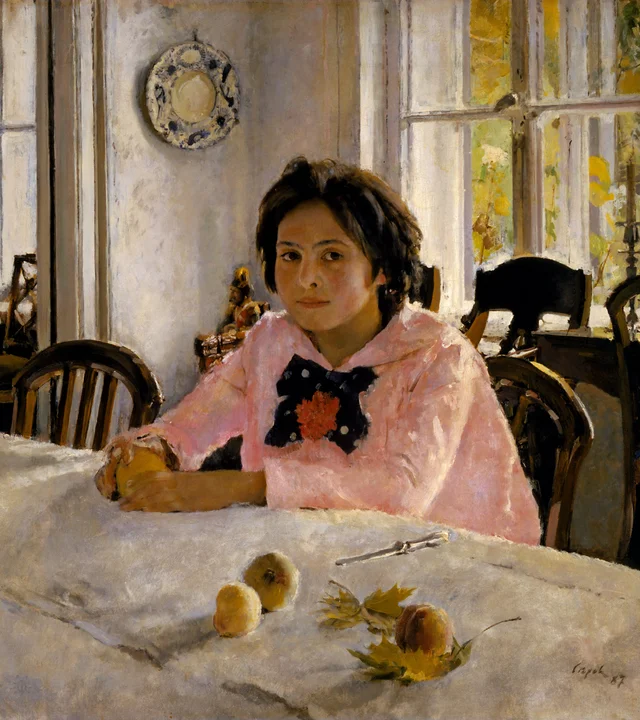 桃を持つ少女ヴァレンティン・セローフ, 1887
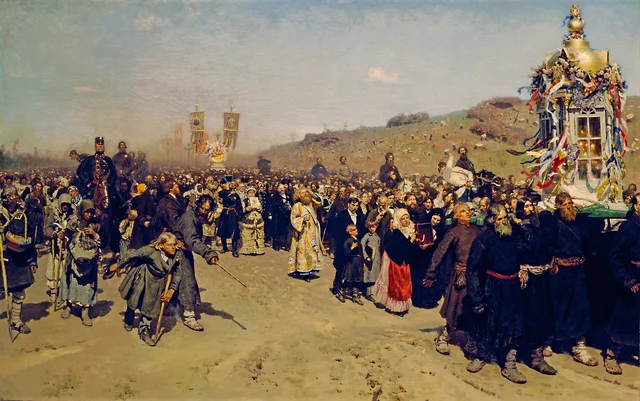 クルスク県の宗教行列イリヤ・レーピン, 1880
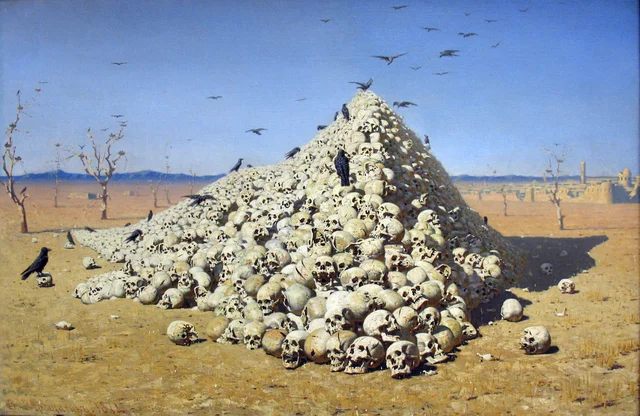 戦争の神化ワシーリー・ヴェレシチャーギン, 1871
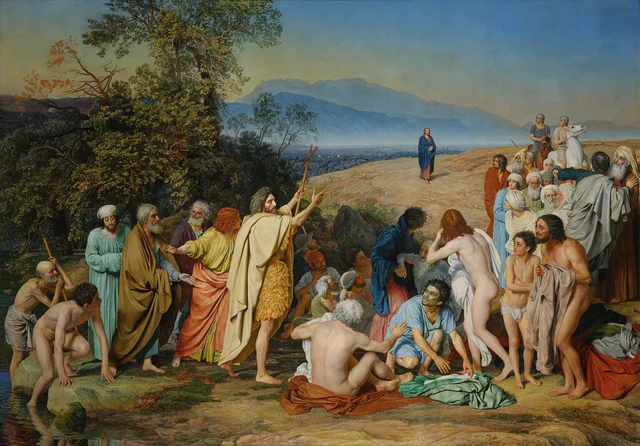 民衆の前に現れたキリストアレクサンドル・イワノフ, 1847
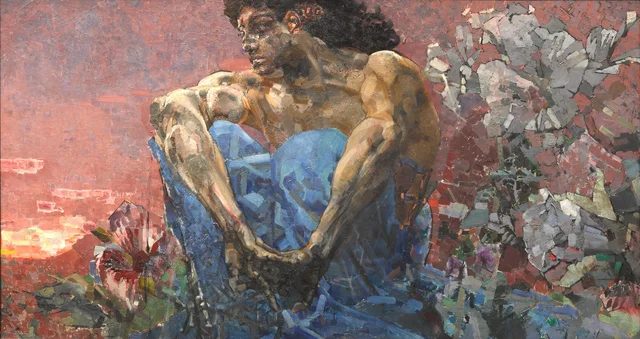 座る悪魔ミハイル・ヴルーベリ, 1890
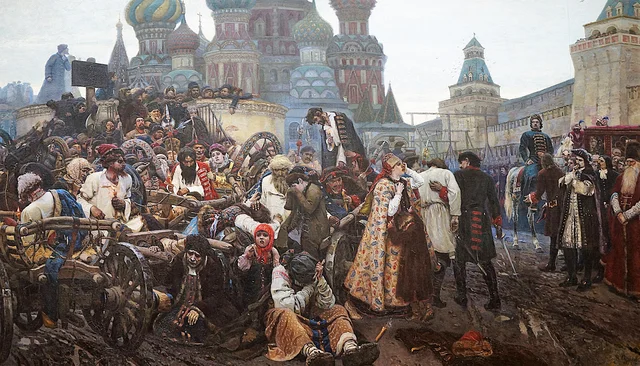 銃兵処刑の朝ワシーリー・スリコフ, 1881
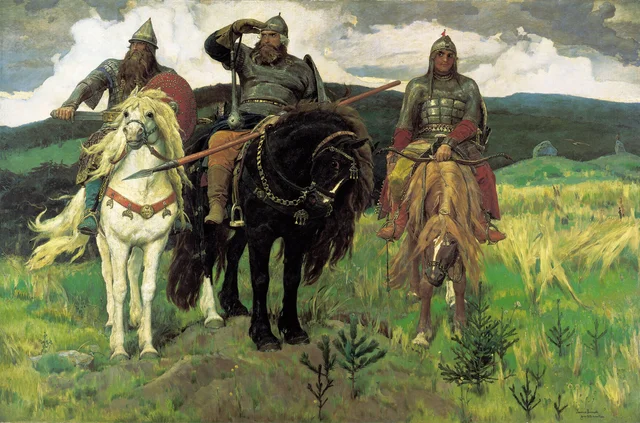 ボガトィーリ(勇士たち)ヴィクトル・ヴァスネツォフ, 1898
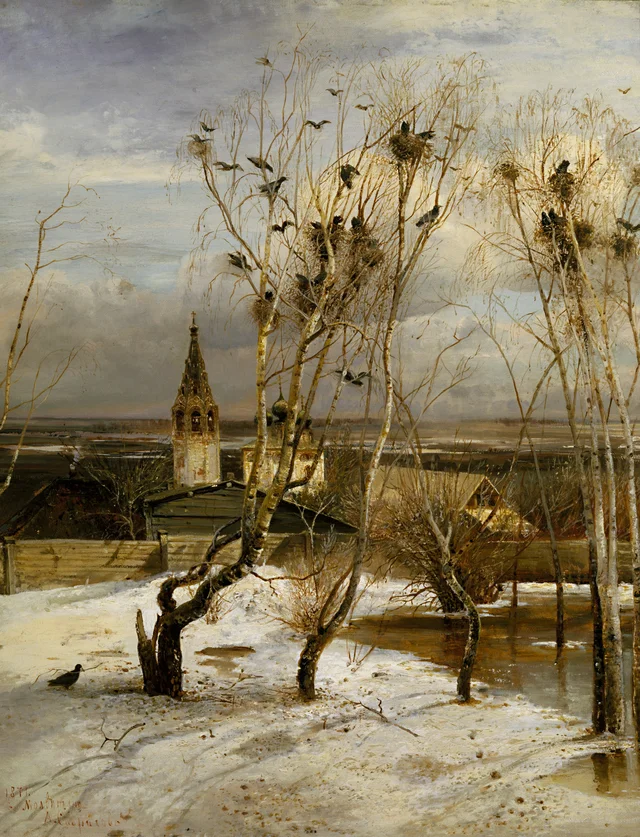 ミヤマガラスが帰ってきたアレクセイ・サヴラソフ, 1871
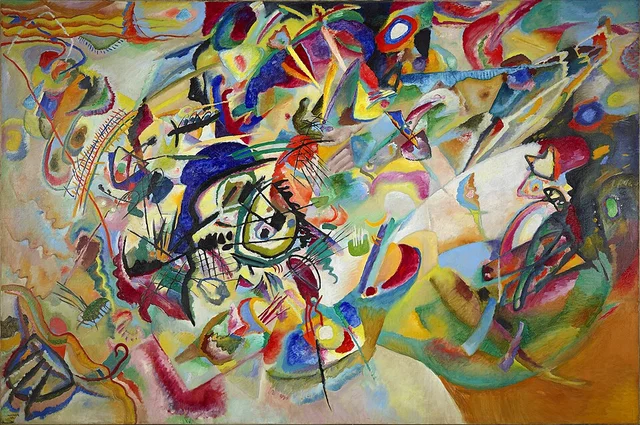 コンポジションVIIワシリー・カンディンスキー, 1913
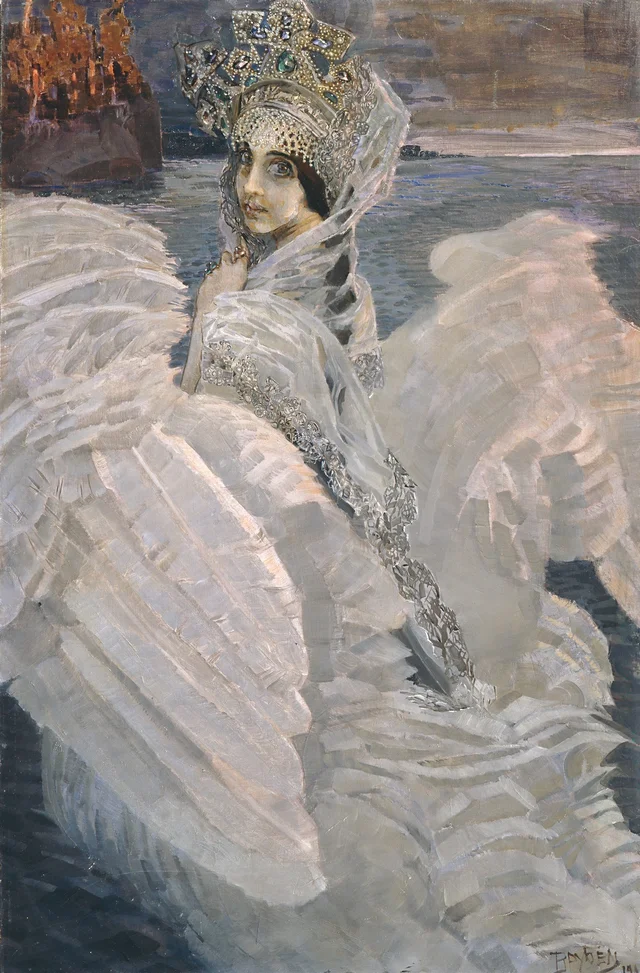 白鳥の王女ミハイル・ヴルーベリ, 1900
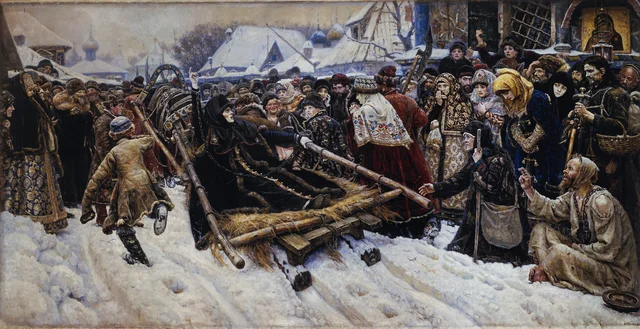 貴族夫人モロゾワワシーリー・スリコフ, 1887
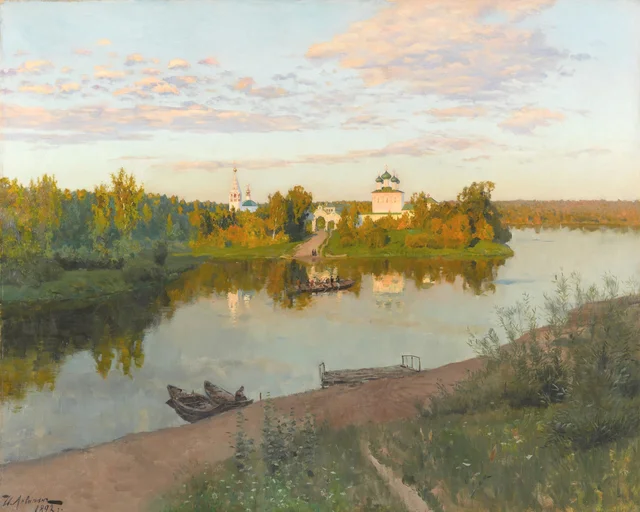 夕べの鐘イサーク・レヴィタン, 1892
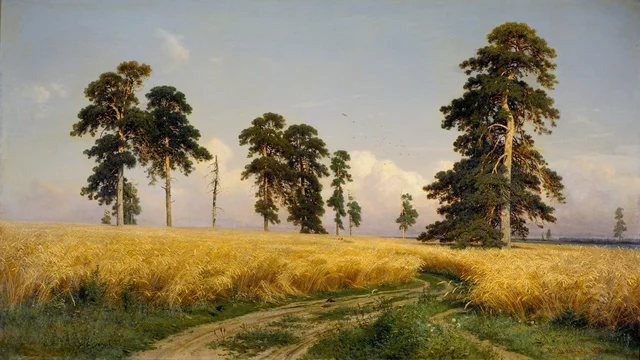 ライ麦畑イヴァン・シーシキン, 1878
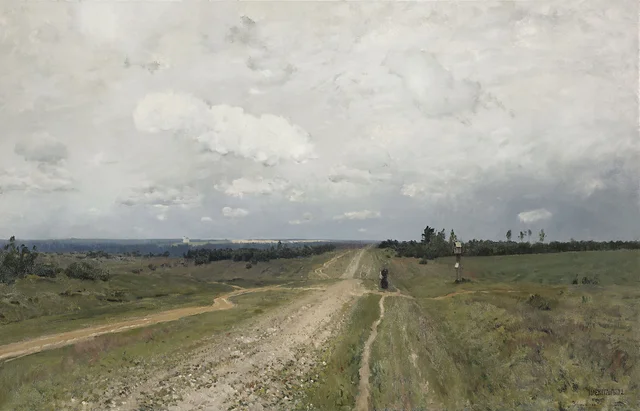 ウラジーミルカ街道イサーク・レヴィタン, 1892
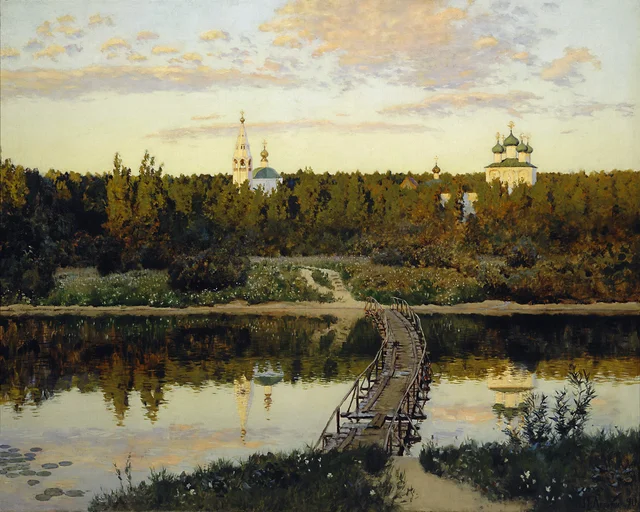 静かな修道院イサーク・レヴィタン, 1890
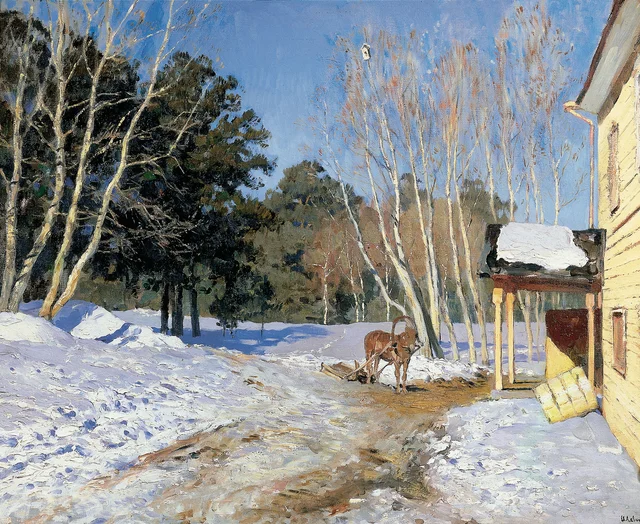 三月イサーク・レヴィタン, 1895
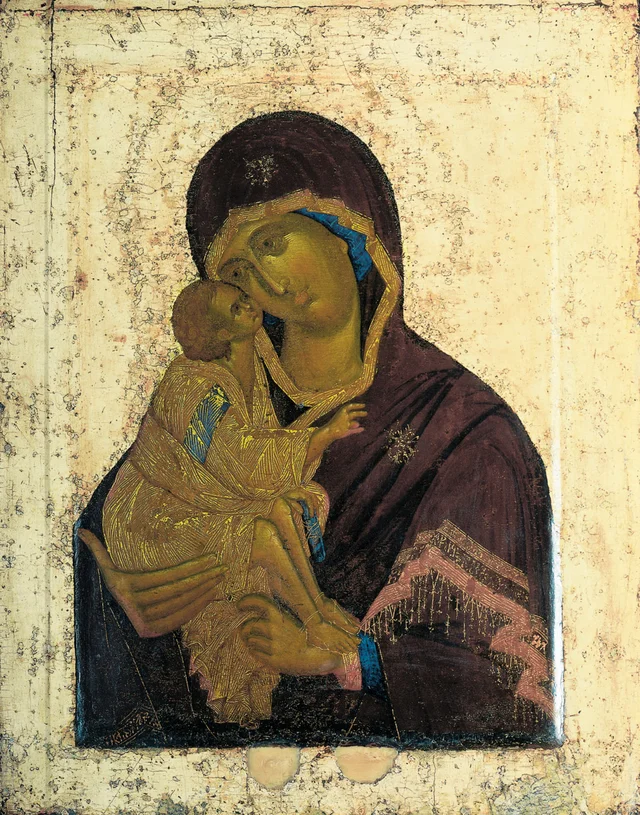 ドンの生神女フェオファン・グレク, 1382
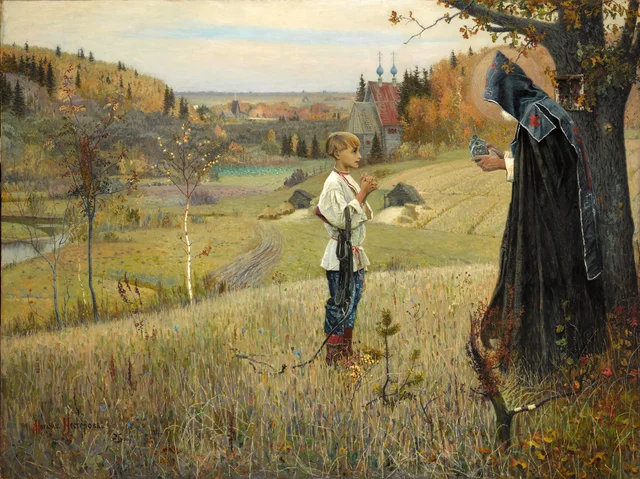 少年バルフォロメイの幻視ミハイル・ネステロフ, 1889
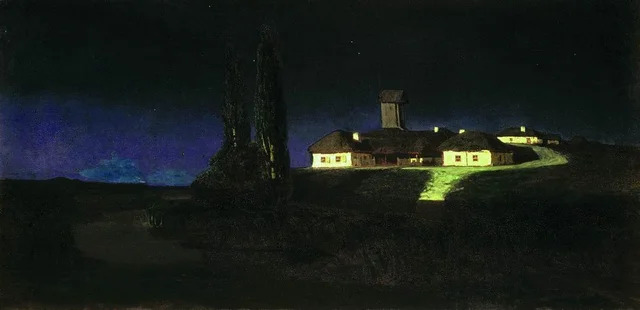 ウクライナの夜アルヒープ・クインジ, 1876