音声ガイド
ストーリー
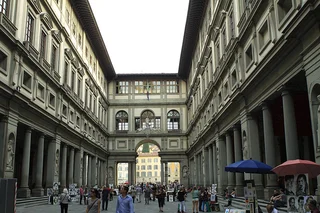
ウフィツィという言葉は、ただ「オフィス(役所)」を意味する。自らをトスカーナ大公国の初代大公としたコジモ1世・デ・メディチは、市の行政機関と同業組合をひとところに集めたいと考え、1560年、ジョルジョ・ヴァザーリにアルノ川へと下るこの細長いU字形の建物を設計させた。無数の窓で照らされた最上階は、のちにガラスがはめられ一族の美術品が掛けられて、役所は静かにギャラリーへと変わっていった。
そのなかのすべてがフィレンツェのものであるのは、一人の女性のおかげだ。メディチ家最後の人、アンナ・マリーア・ルイーザ・デ・メディチは、1737年、メディチ家のコレクション全体をトスカーナ国家に遺す協定に署名した。ただひとつ、何ものも市の外へ出さないという条件をつけて。この条項がなければ、ボッティチェリもラファエロもヨーロッパじゅうの競売場へ散らばっていただろう。
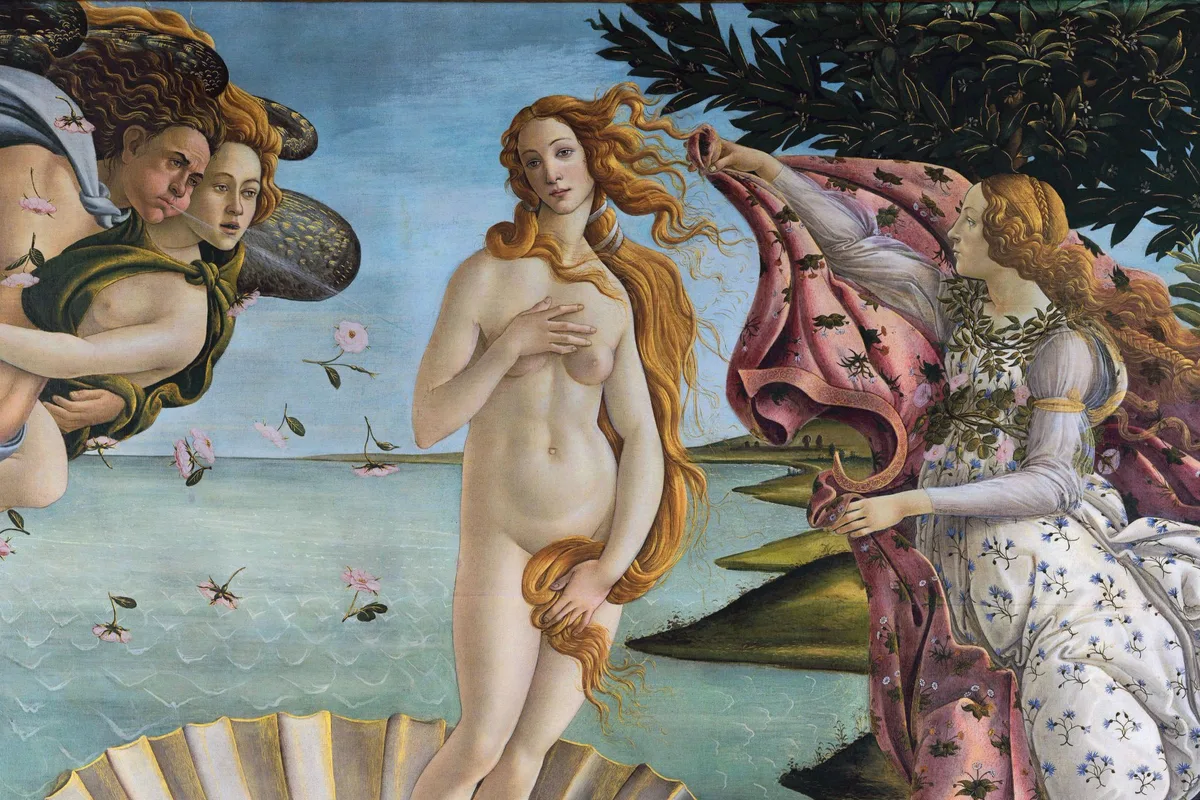
その代わり、作品はいまもここにある。サンドロ・ボッティチェリの「ヴィーナスの誕生」、貝に乗って現れる女神と、オレンジの木立と踊る人物たちの「プリマヴェーラ(春)」が、同じ一連の部屋に掛かっている。ヴァザーリの回廊と呼ばれる高架の通路は、いまも川をまたいでギャラリーとピッティ宮殿を結んでいる。メディチ家が家と役所のあいだを、通りに触れずに行き来できるように造られたものだ。1993年にはマフィアの車爆弾がすぐ外で爆発し、5人が命を落とし数十点の作品が損なわれた。ギャラリーはその夜の記録として、傷を負った絵を1点、いまも展示し続けている。
他の記事
コレクション
742点の作品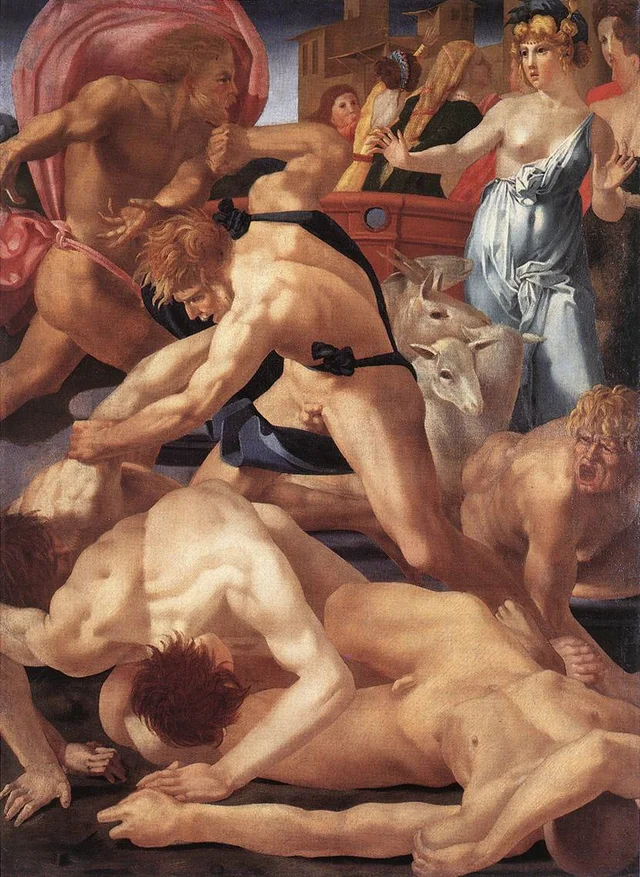 エテロの娘たちを守るモーセロッソ・フィオレンティーノ, 1523
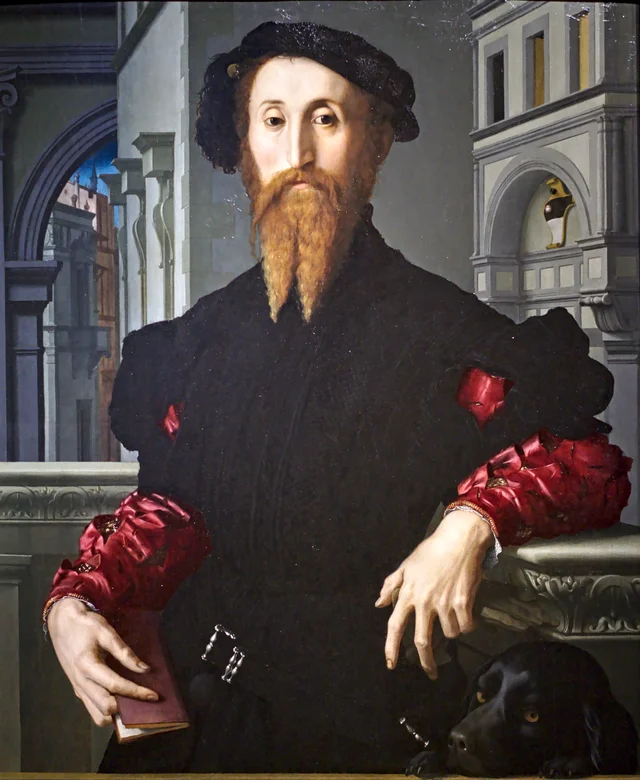 バルトロメオ・パンチャティキの肖像ブロンズィーノ, 1540
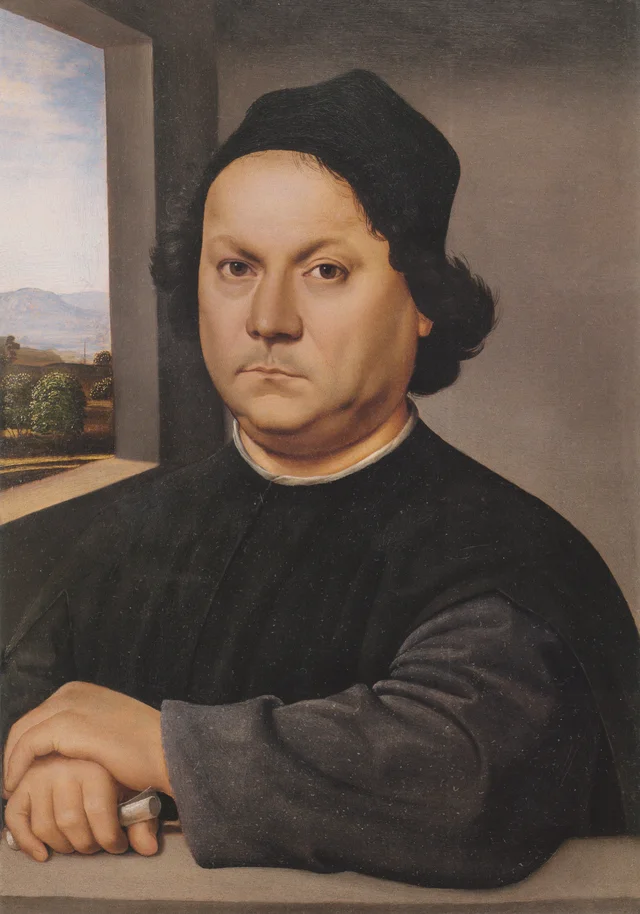 ペルジーノの肖像ラファエロ, 1504
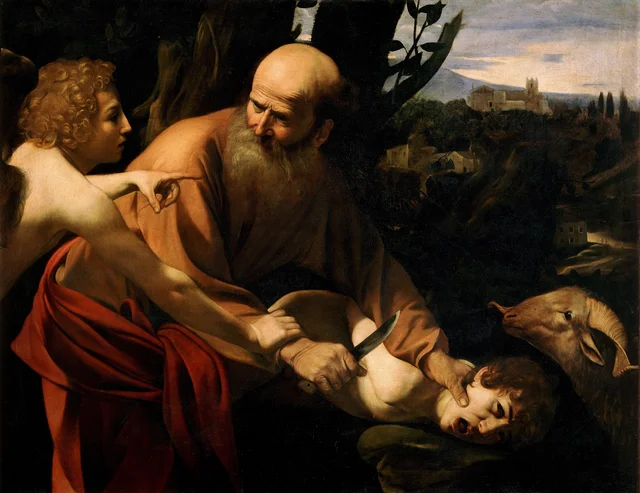 イサクの犠牲カラヴァッジョ, 1603
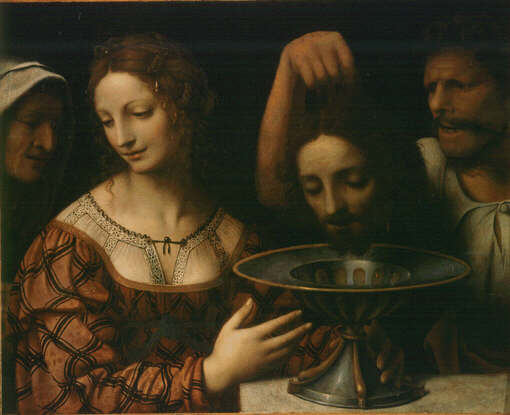 洗礼者ヨハネの首を持つサロメベルナルディーノ・ルイーニ, 1527
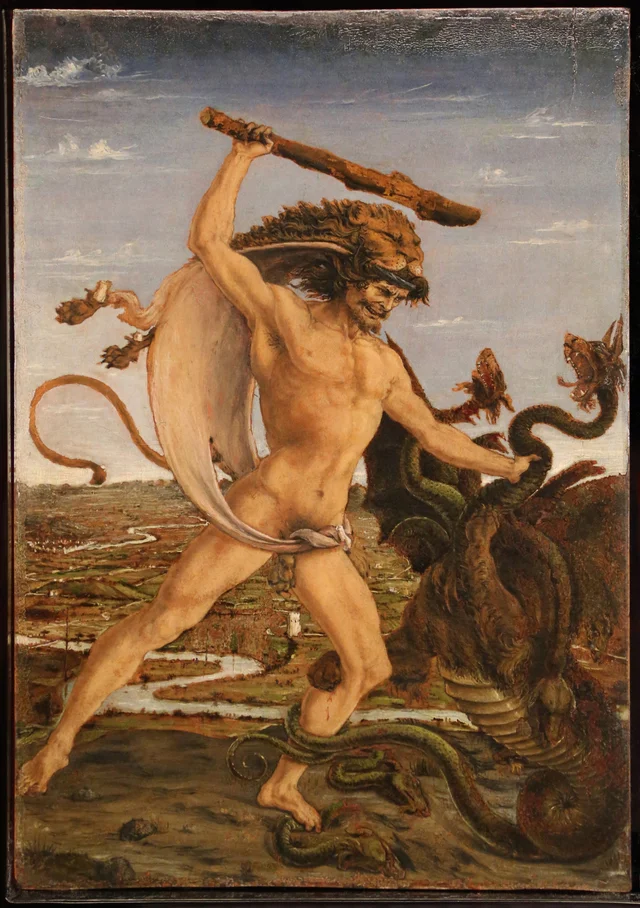 ヘラクレスとヒュドラアントニオ・デル・ポッライウォーロ, 1475
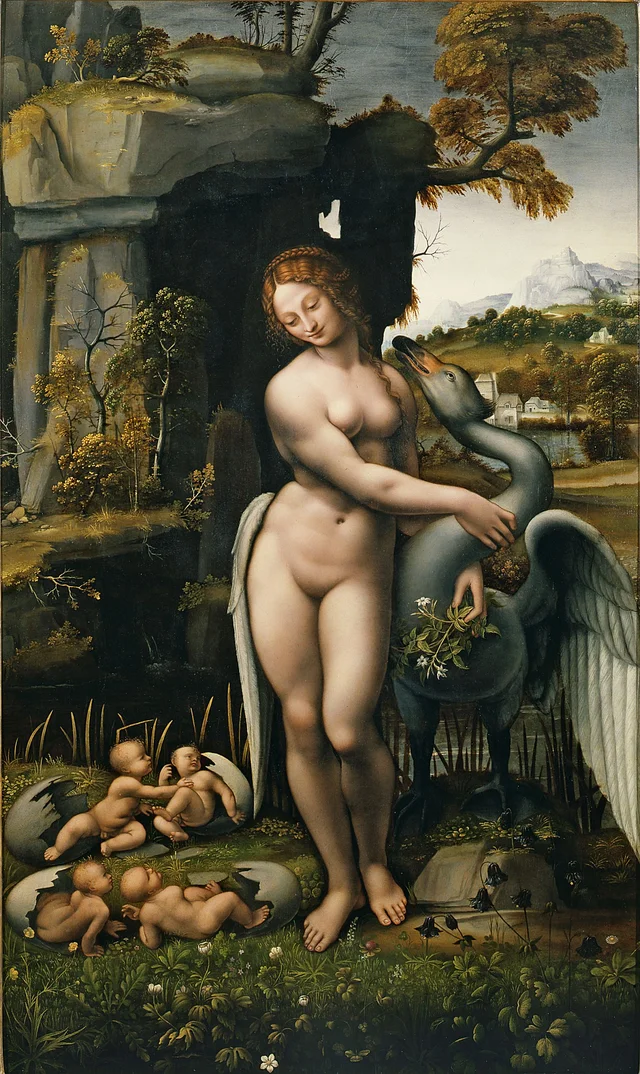 レダと白鳥フランチェスコ・メルツィ, 1505
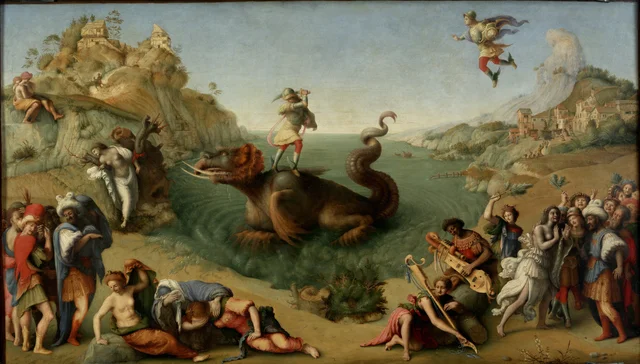 アンドロメダを救うペルセウスピエロ・ディ・コジモ, 1510
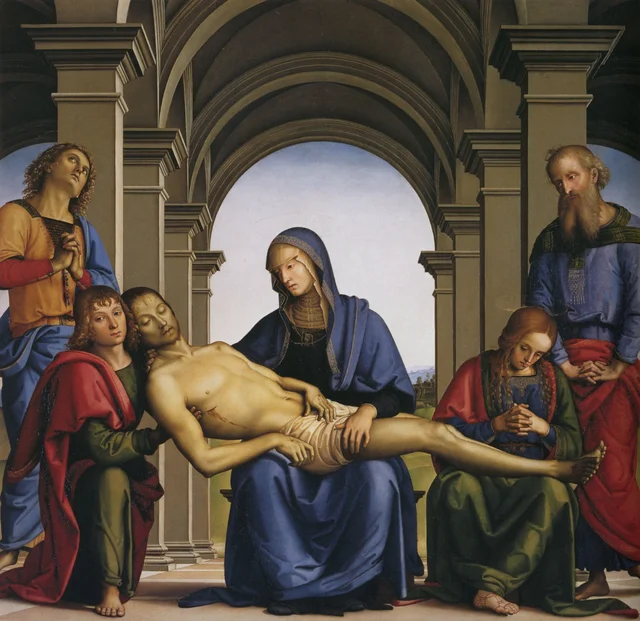 ピエタピエトロ・ペルジーノ, 1483
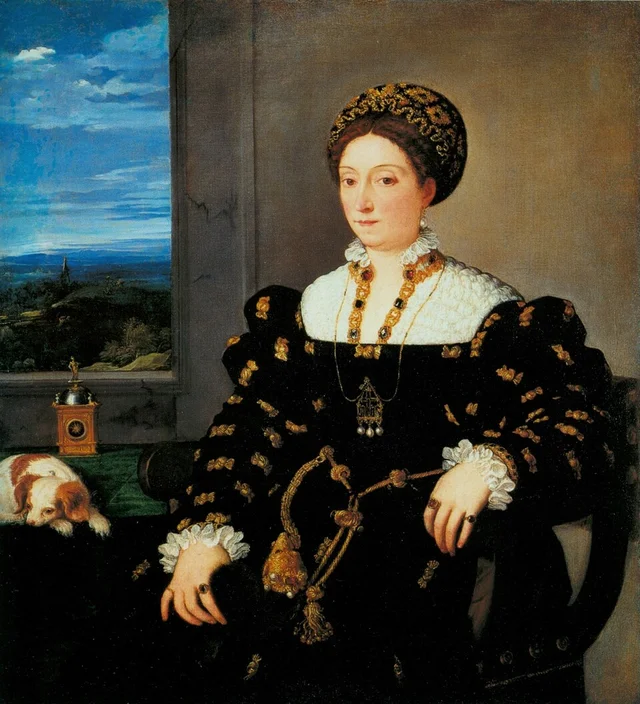 エレオノーラ・ゴンザーガ・デッラ・ローヴェレの肖像ティツィアーノ, 1537
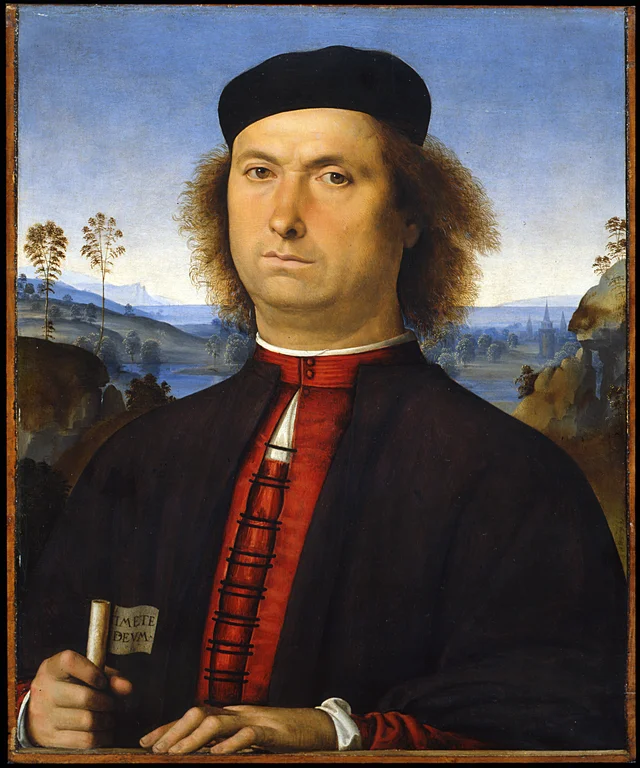 フランチェスコ・デッレ・オペレの肖像ピエトロ・ペルジーノ, 1494
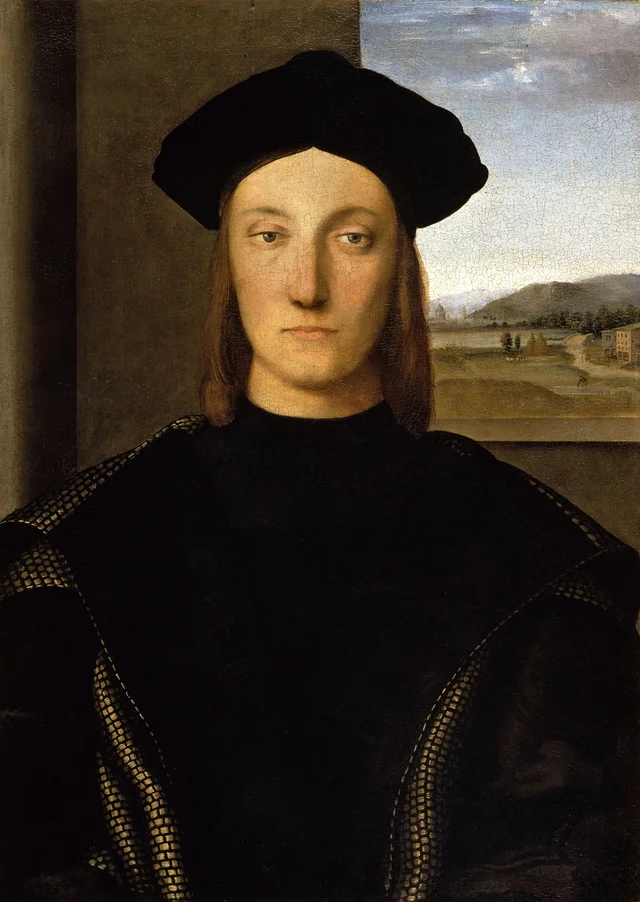 グイドバルド・ダ・モンテフェルトロの肖像ラファエロ, 1506
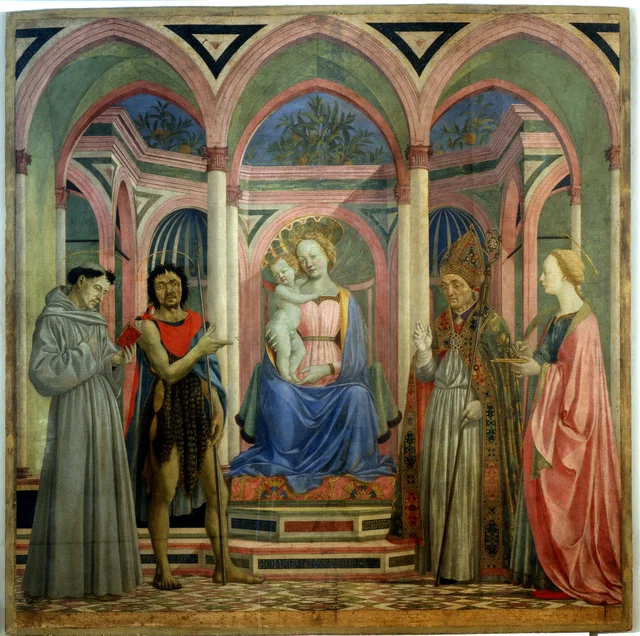 サンタ・ルチア・デ・マニョーリ祭壇画ドメニコ・ヴェネツィアーノ, 1445
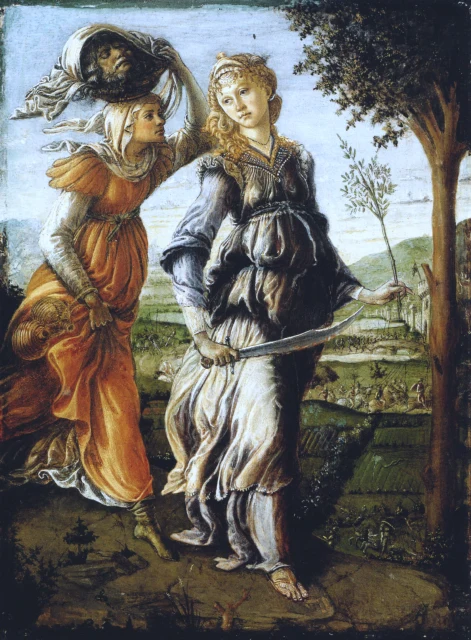 ベトリアへ帰るユディトサンドロ・ボッティチェッリ, 1470
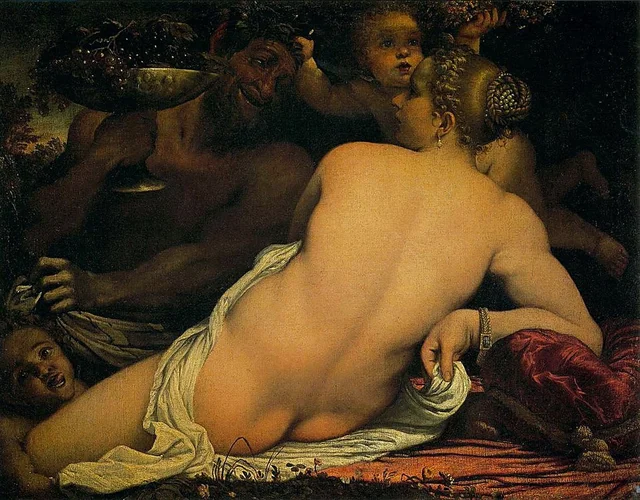 サテュロスとキューピッドたちのいるヴィーナスアンニーバレ・カラッチ, 1588
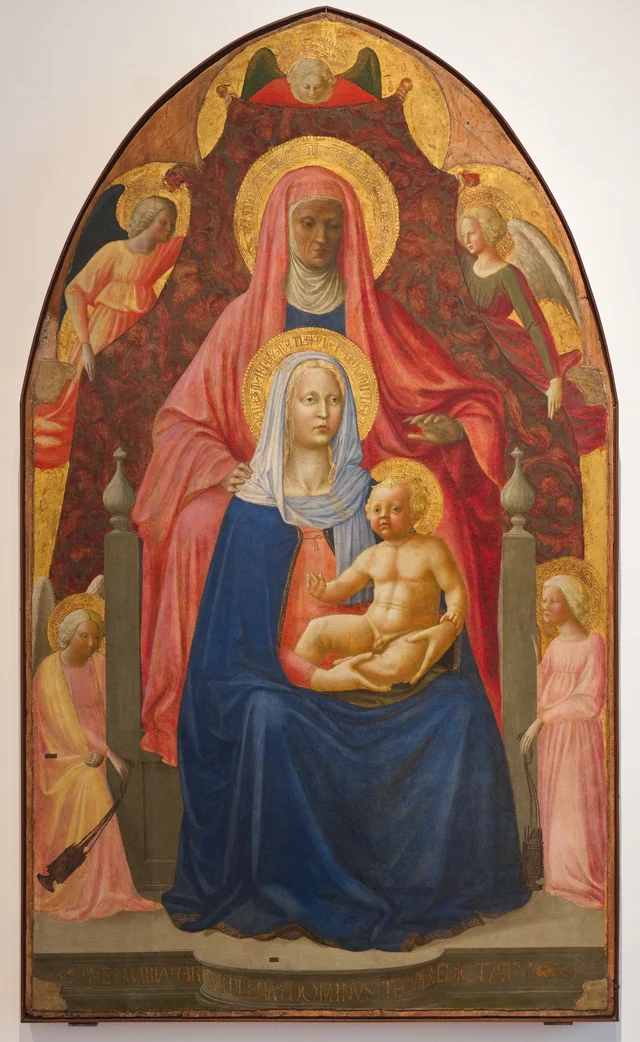 聖母子と聖アンナマザッチョ, 1424
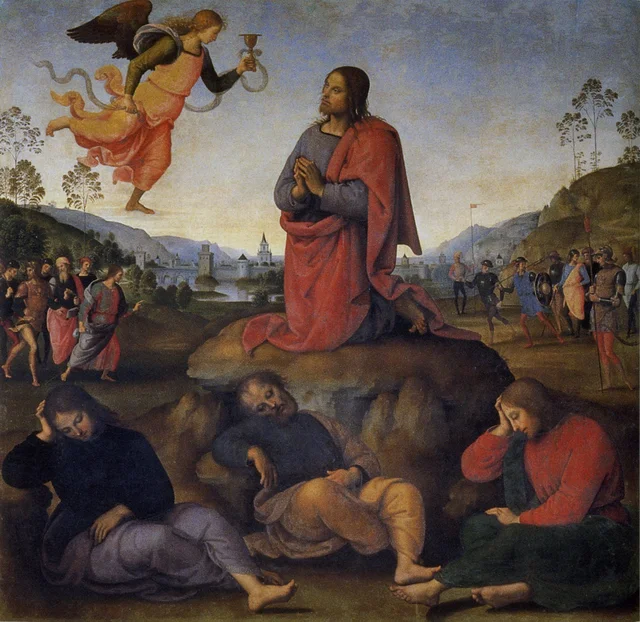 ゲッセマネの祈りピエトロ・ペルジーノ, 1483
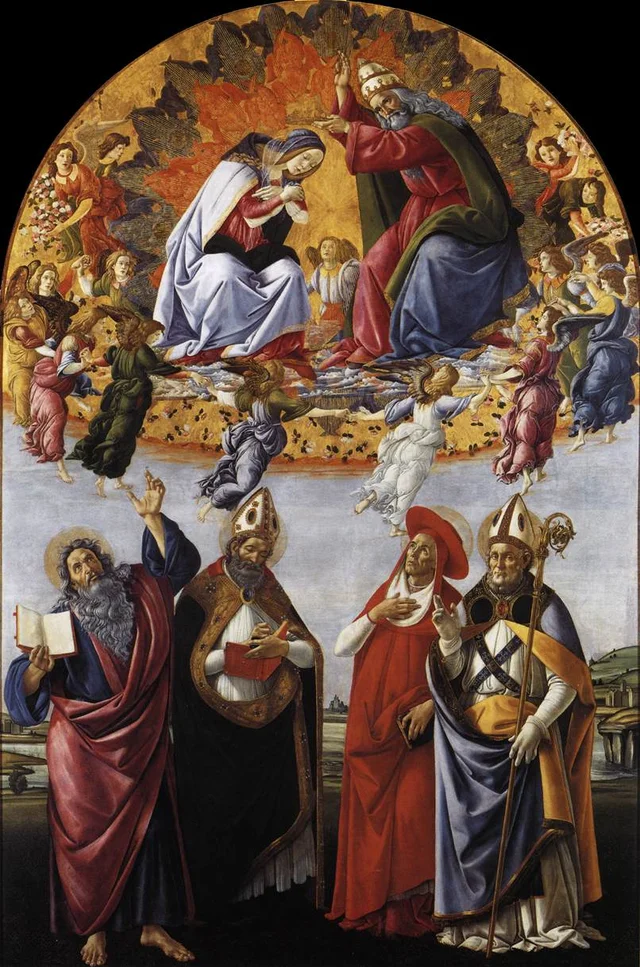 聖母戴冠サンドロ・ボッティチェッリ, 1488
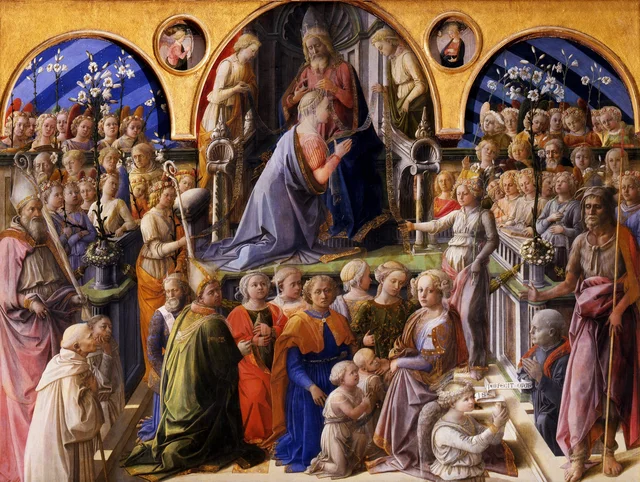 聖母戴冠フィリッポ・リッピ, 1441
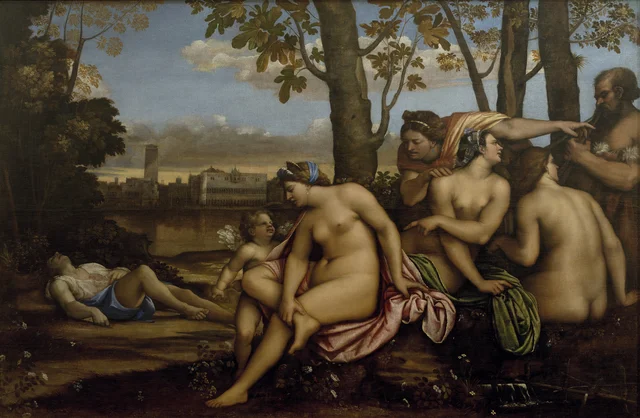 アドニスの死セバスティアーノ・デル・ピオンボ, 1512
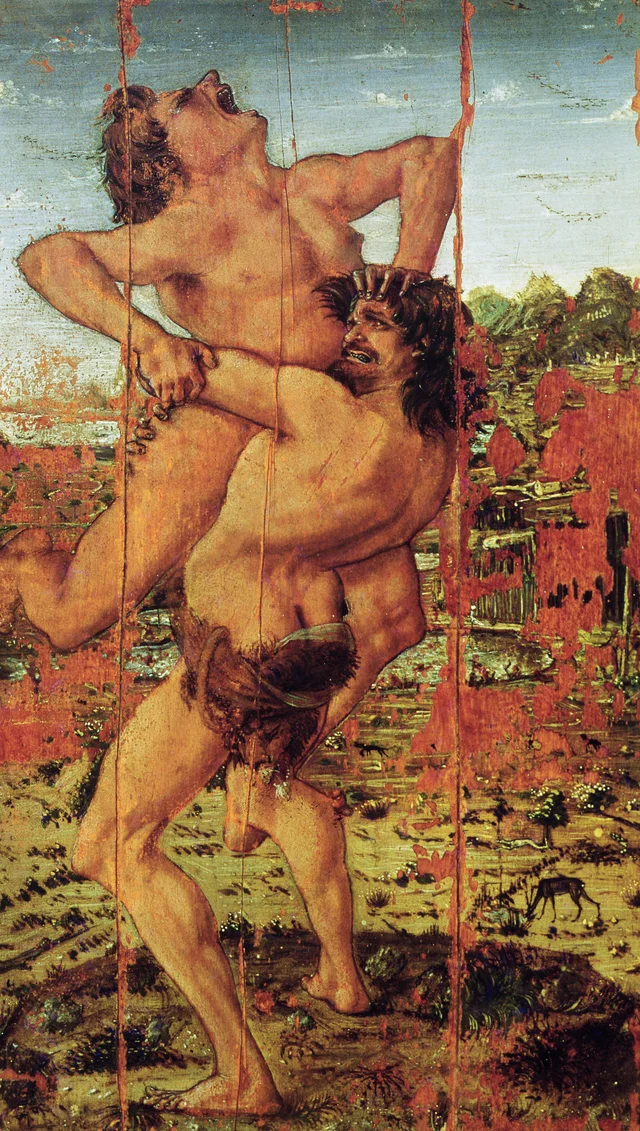 ヘラクレスとアンタイオスアントニオ・デル・ポッライウォーロ, 1475
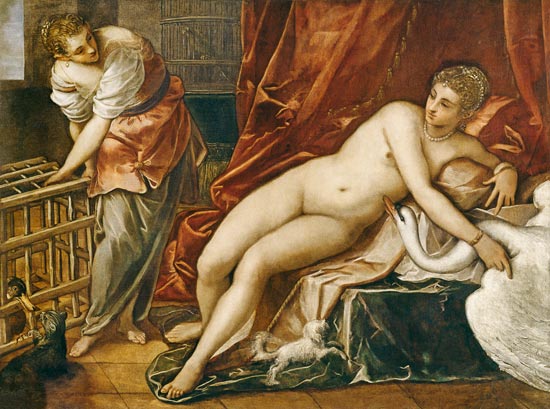 レダと白鳥ヤコポ・ティントレット, 1550
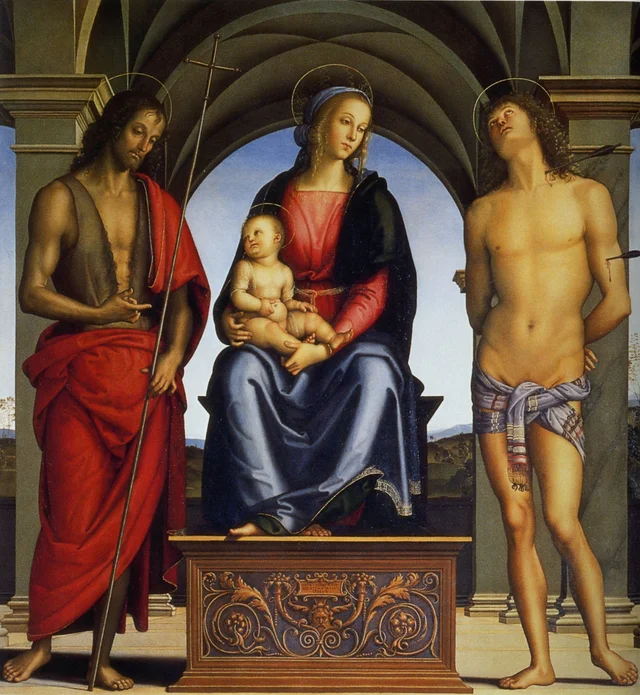 洗礼者ヨハネと聖セバスティアヌスを伴う玉座の聖母子ピエトロ・ペルジーノ, 1493
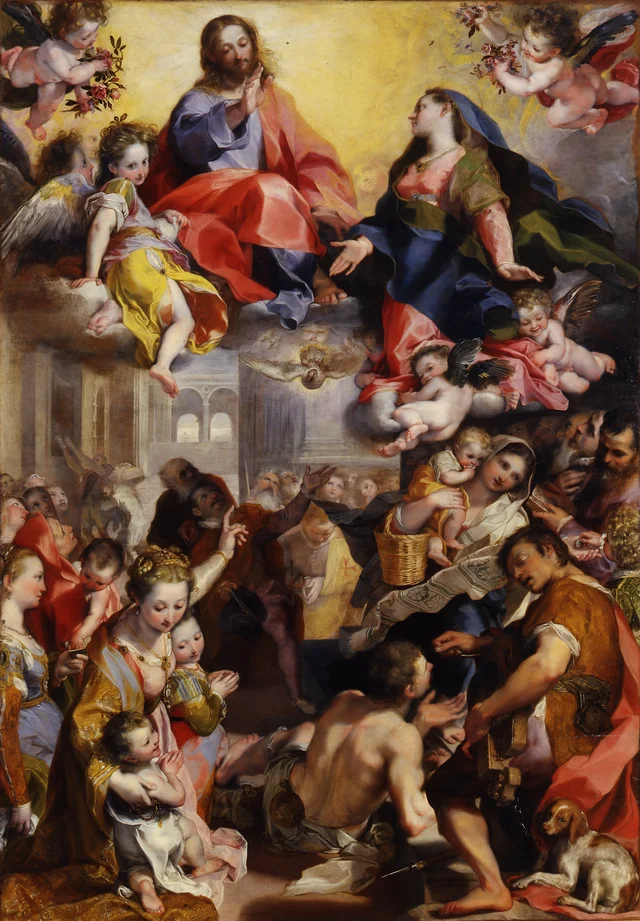 民衆の聖母フェデリコ・バロッチ, 1579
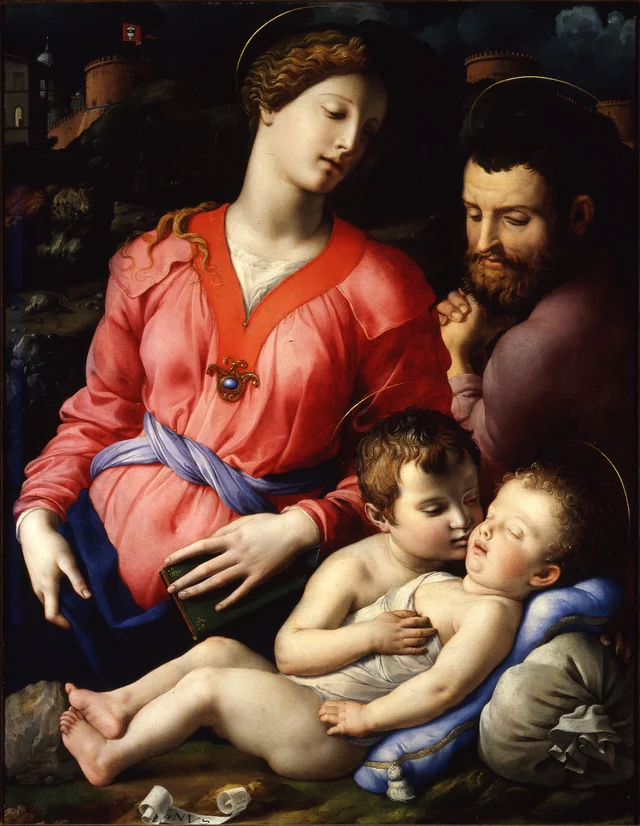 パンチャティキの聖家族ブロンズィーノ, 1539