A história
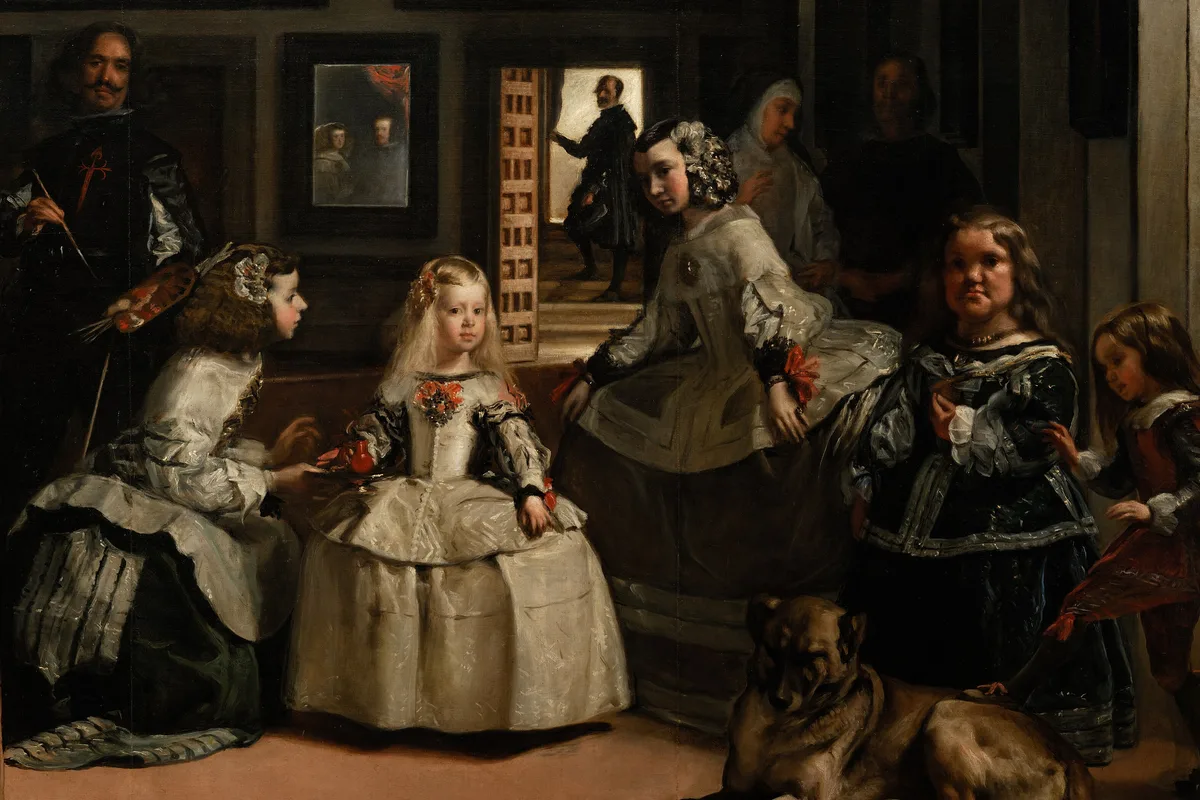
O Prado é a coleção de um rei tornada pública. Durante três séculos os Habsburgo e os Bourbon espanhóis compraram e encomendaram em escala real, e seu gosto é o próprio museu, com Ticiano e Rubens, que os reis amavam, e Velázquez, que serviu à corte espanhola por quase toda a vida. Sua tela As Meninas está no coração do edifício, o pintor olhando por trás da própria tela numa sala do antigo Alcázar real.
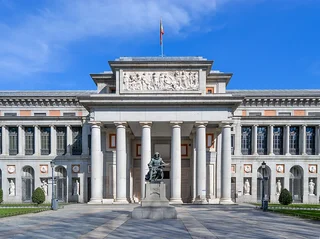
A galeria abriu em 1819 num edifício que o arquiteto Juan de Villanueva projetara primeiro como um salão de ciências naturais. Suas paredes carregam os rumos mais sombrios da arte espanhola ao lado de seu esplendor: o Três de Maio de 1808 de Goya, o pelotão de fuzilamento erguendo suas lanternas no escuro, e as Pinturas Negras que ele lançou diretamente sobre as paredes de sua própria casa no fim da vida, surdo e recluso, sem nunca pretender mostrá-las.
O mais antigo de seus grandes tesouros é anterior a esse gosto real espanhol, o Jardim das Delícias Terrenas de Hieronymus Bosch, a visão em três painéis do paraíso, do desejo e do inferno, mais tarde incorporada à coleção de Filipe II e enviada a seu palácio-mosteiro de El Escorial. Hoje atrai multidões ao que outrora só à corte era permitido ver.
Mais artigos
Acervo
870 obras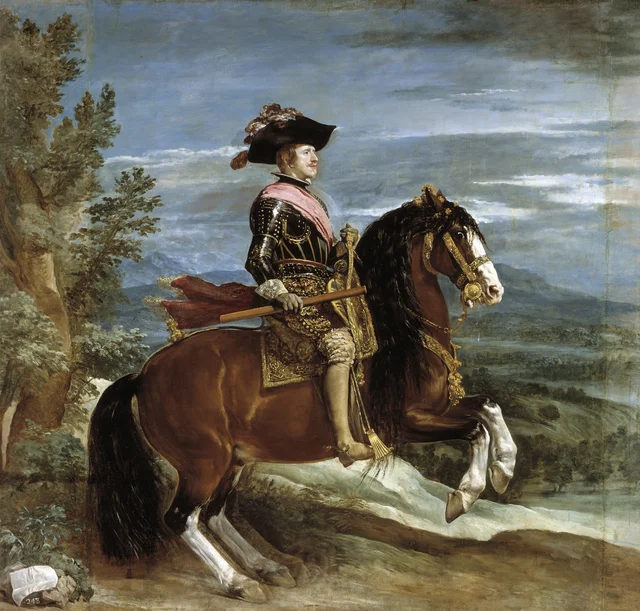 Retrato equestre de Filipe IVDiego Velázquez, 1634
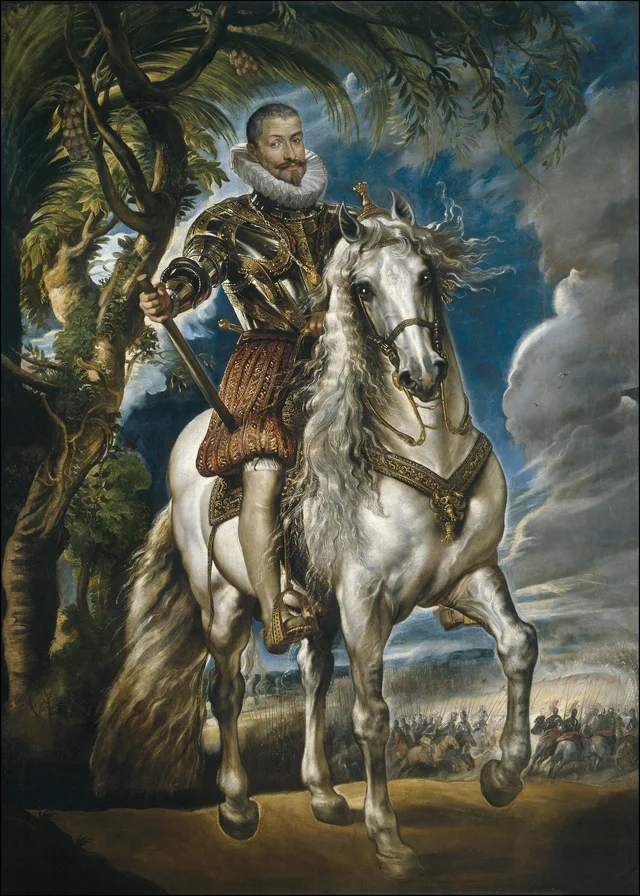 Retrato equestre do duque de LermaPedro Paulo Rubens, 1603
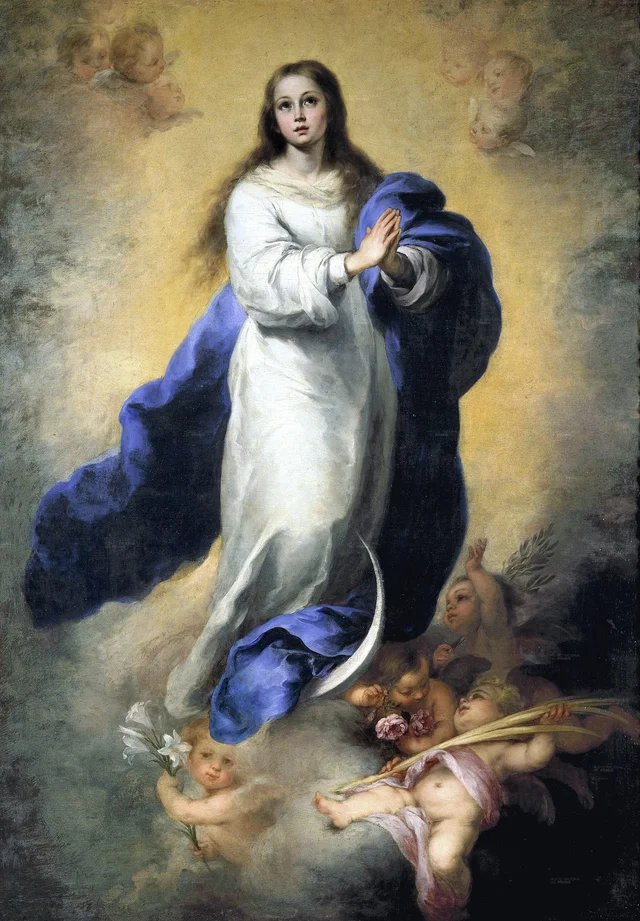 Imaculada Conceição de El EscorialBartolomé Esteban Murillo, 1660
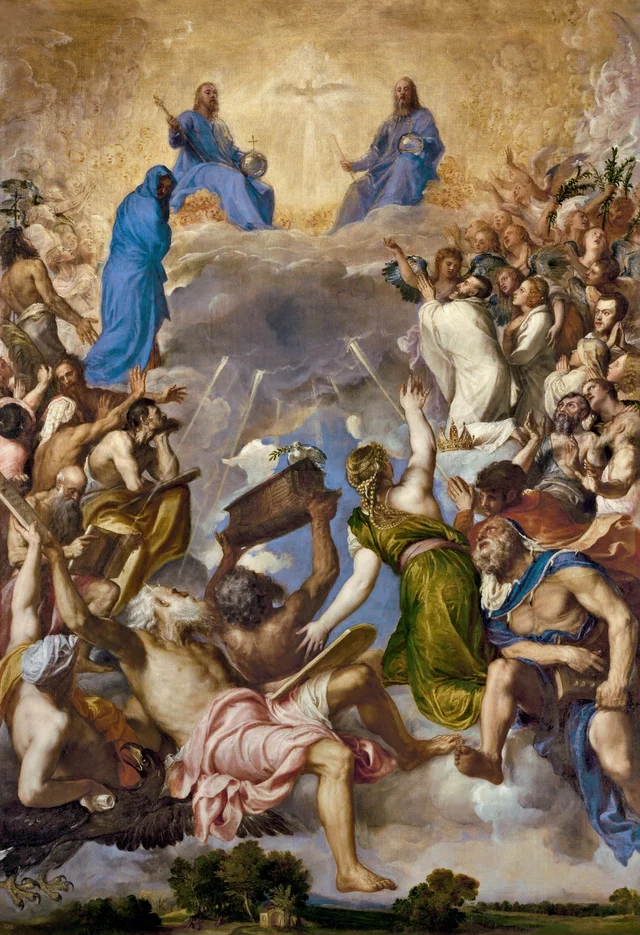 A GlóriaTiciano, 1552
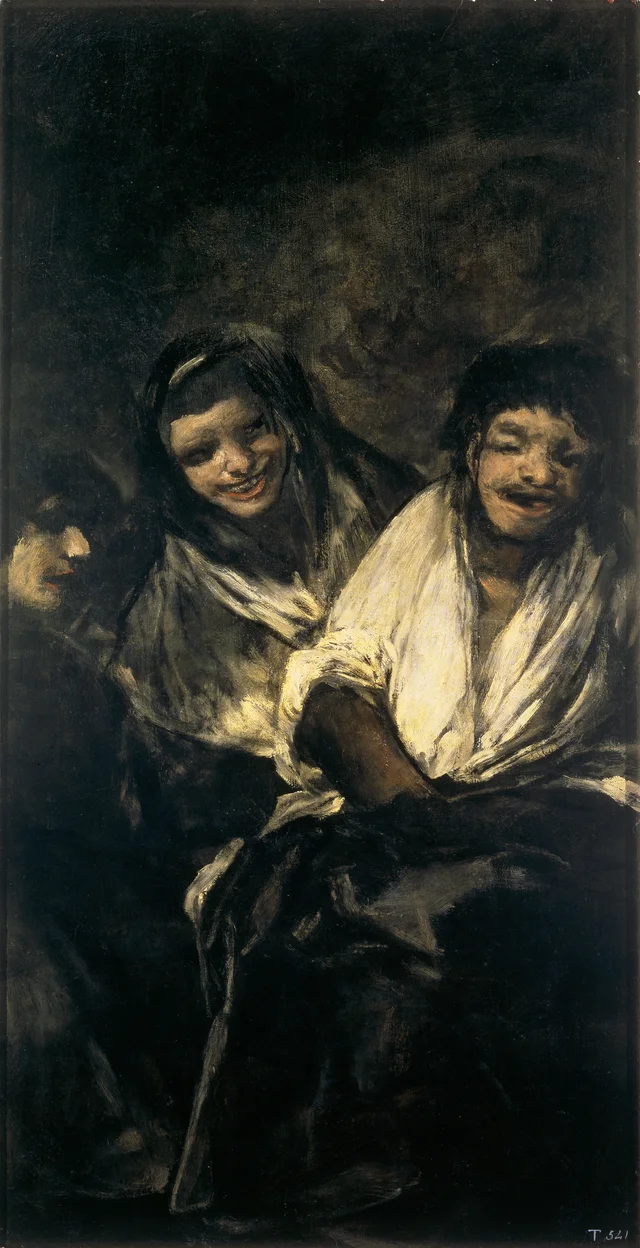 Homem escarnecido por duas mulheresFrancisco Goya, 1819
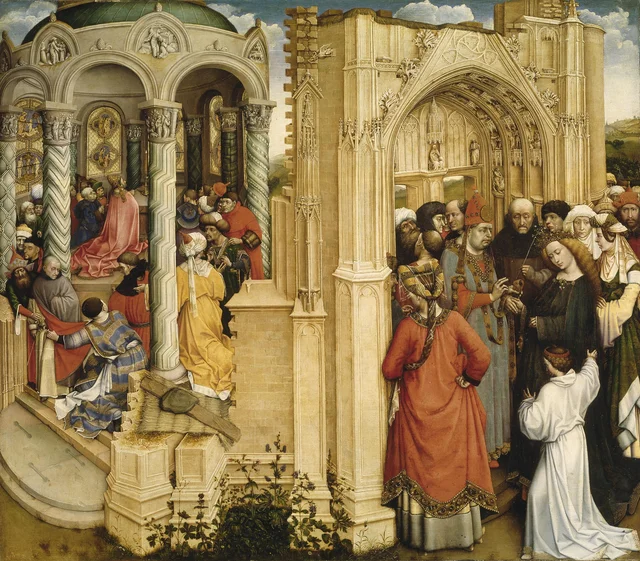 O casamento da VirgemRobert Campin, 1420
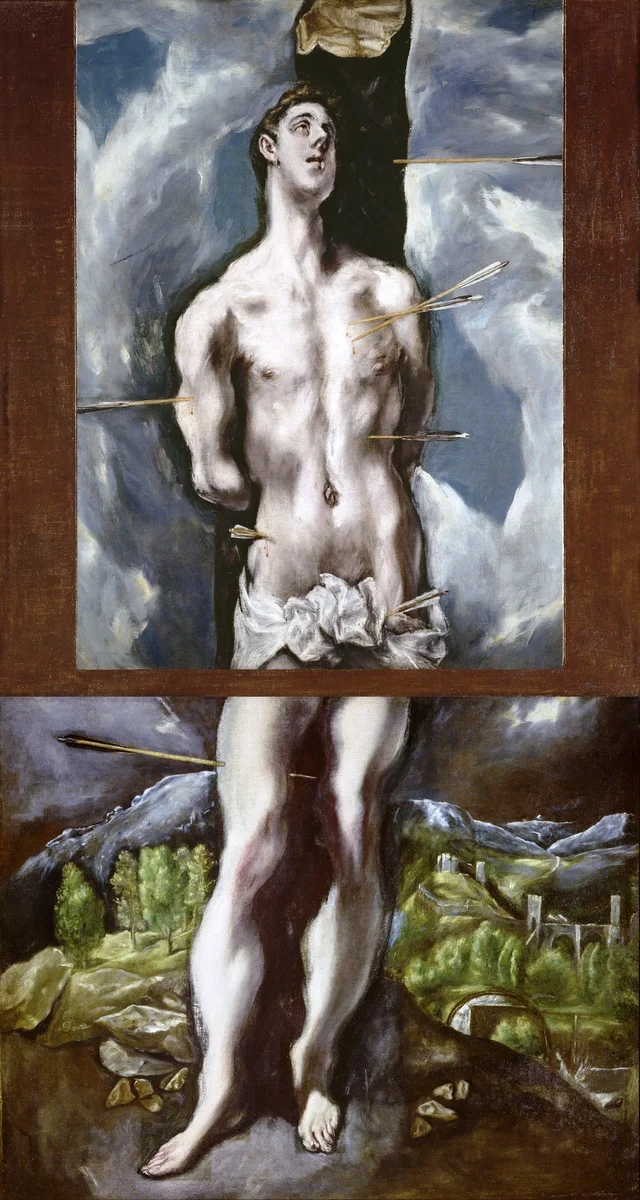 Martírio de São SebastiãoEl Greco, 1610
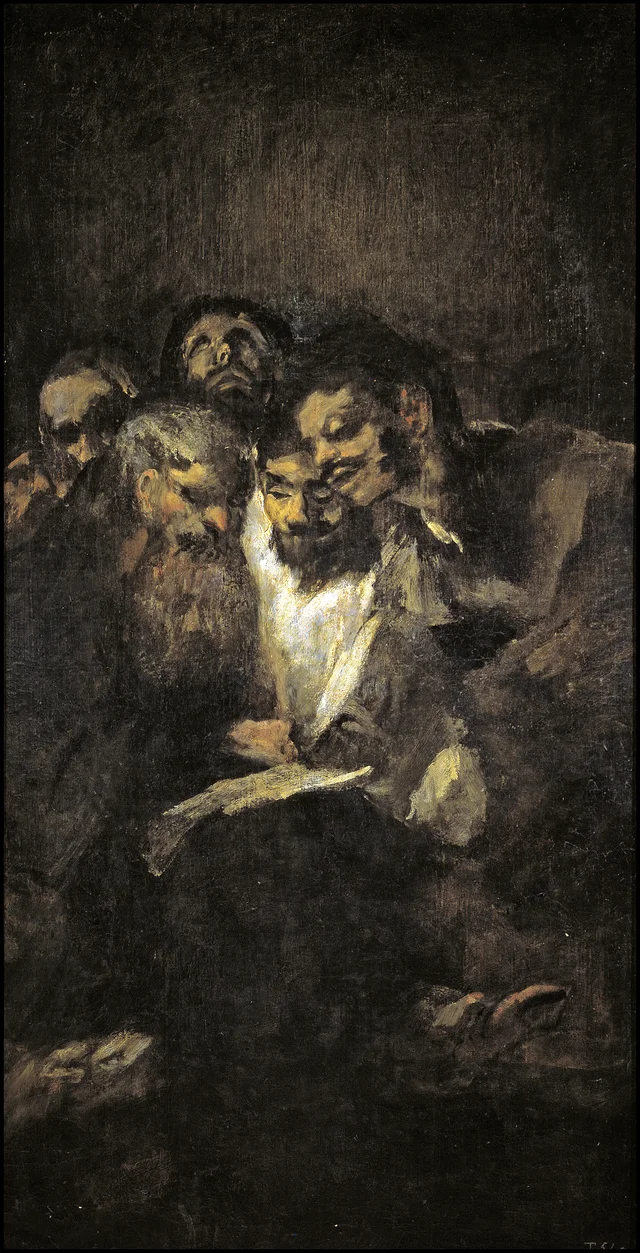 Homens lendoFrancisco Goya, 1819
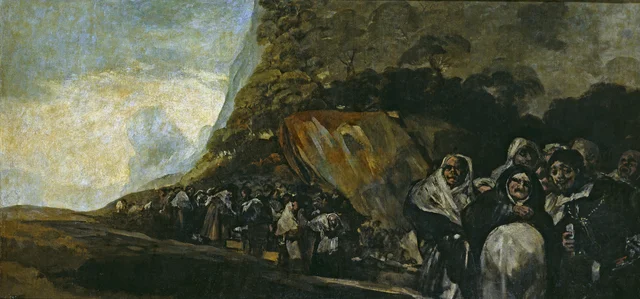 A romaria de San IsidroFrancisco Goya, 1819
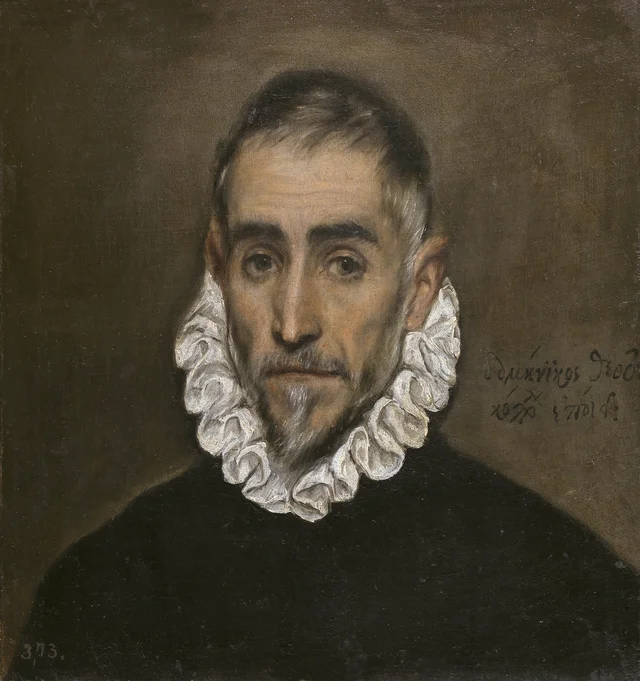 Retrato de um homem idosoEl Greco, 1597
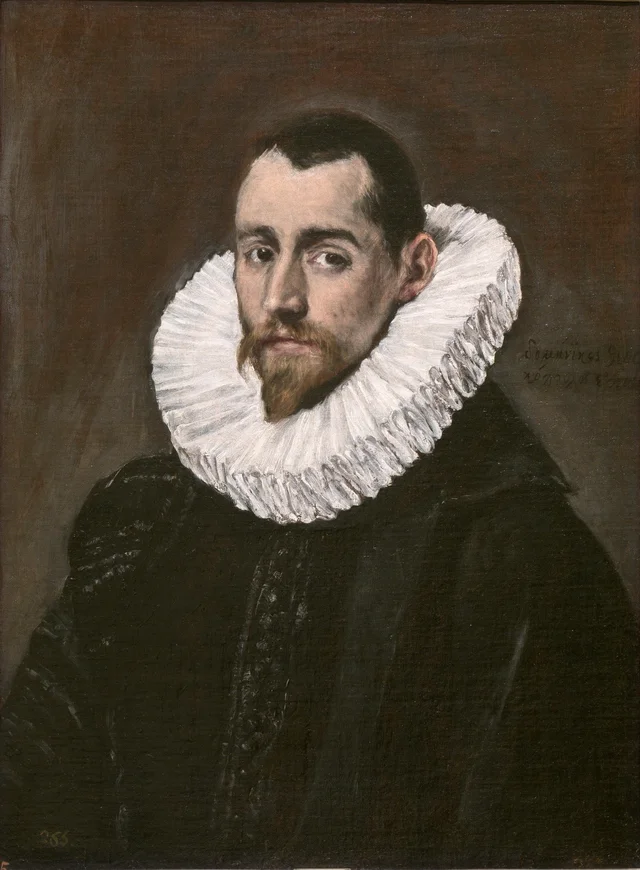 Retrato de um jovem cavalheiroEl Greco, 1600
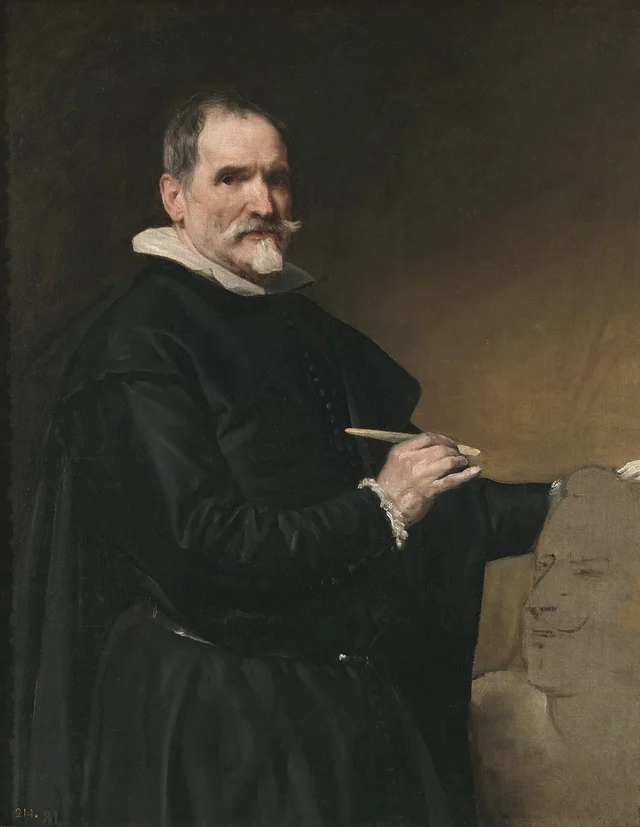 Retrato de Juan Martínez MontañésDiego Velázquez, 1635
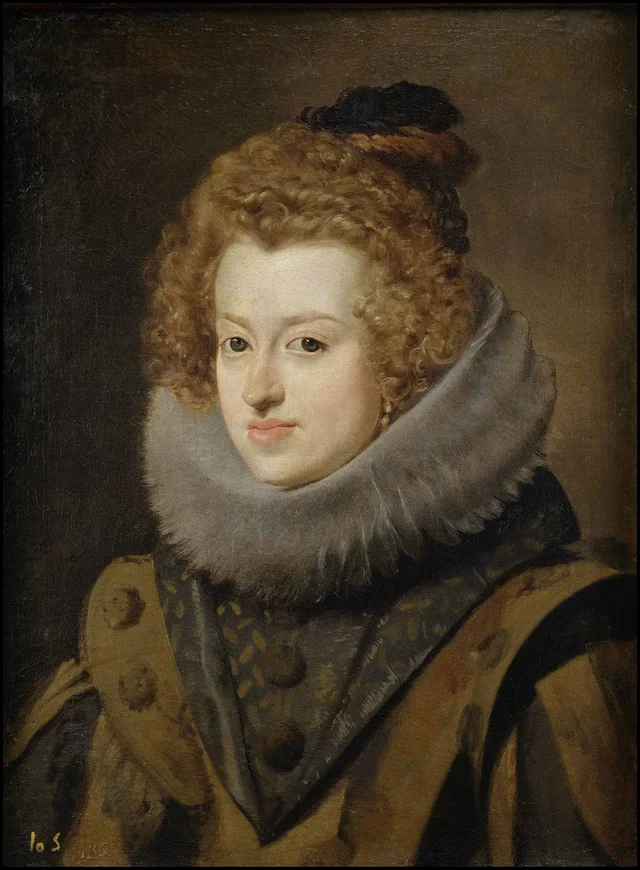 Retrato de Maria Ana da Espanha, rainha da Hungria (1606-1646)Diego Velázquez, 1630
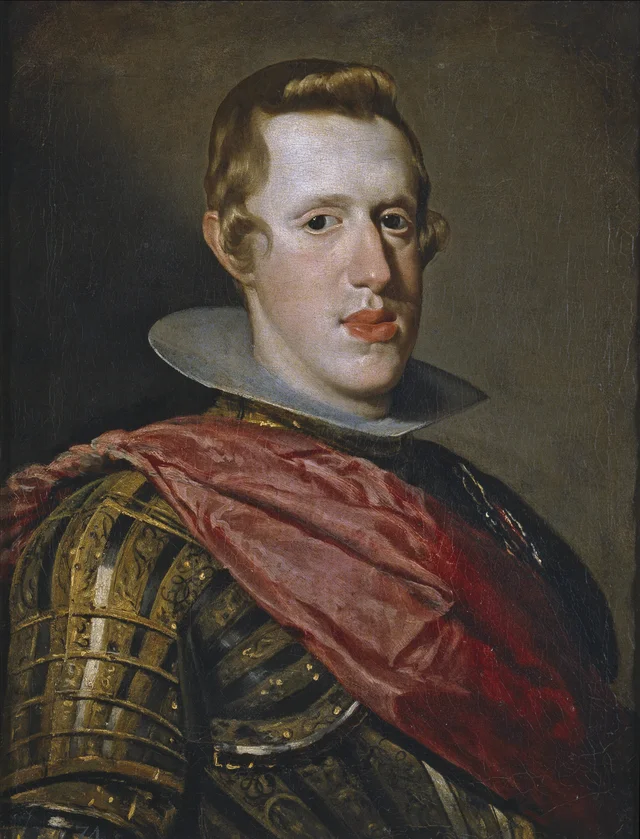 Retrato de Filipe IV com armaduraDiego Velázquez, 1626
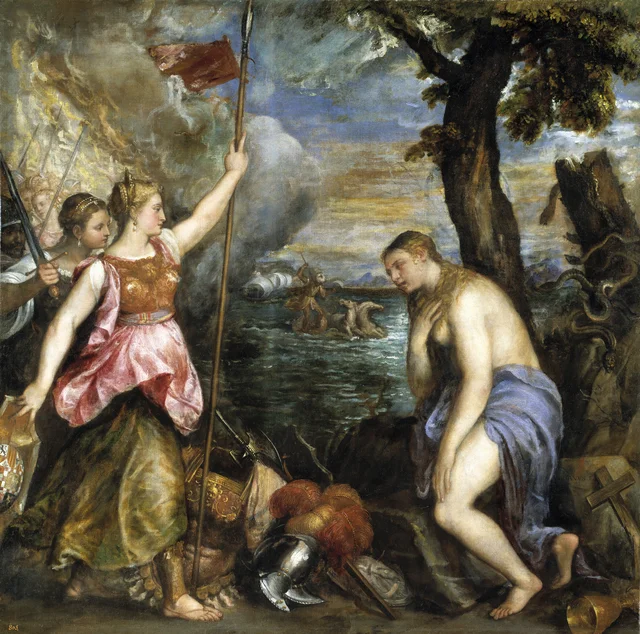 A Religião socorrida pela EspanhaTiciano, 1573
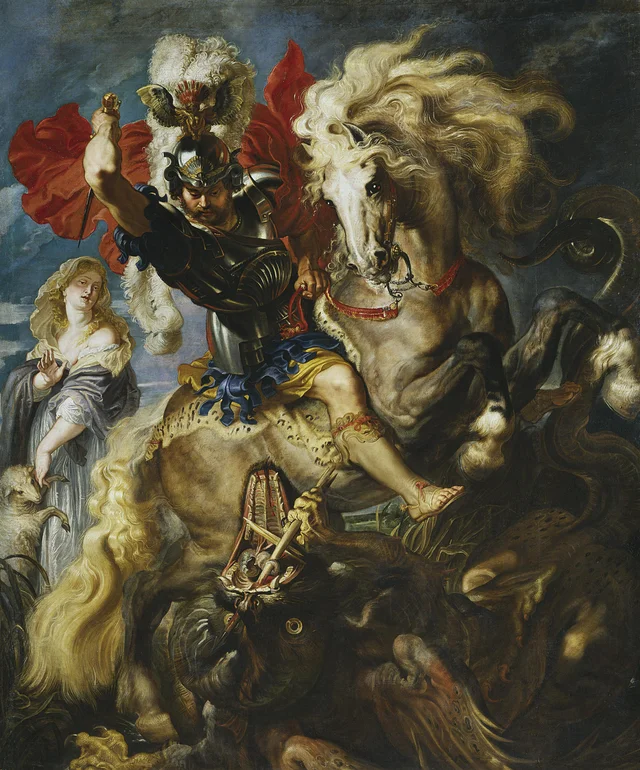 São Jorge e o dragãoPedro Paulo Rubens, 1605
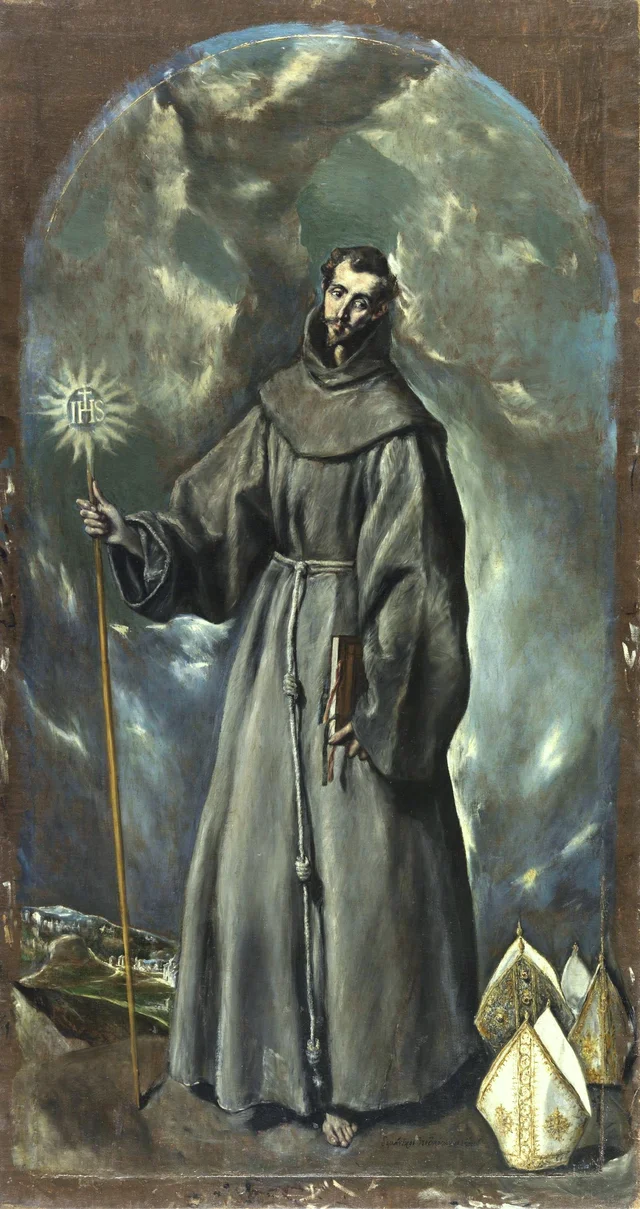 São Bernardino de SenaEl Greco, 1603
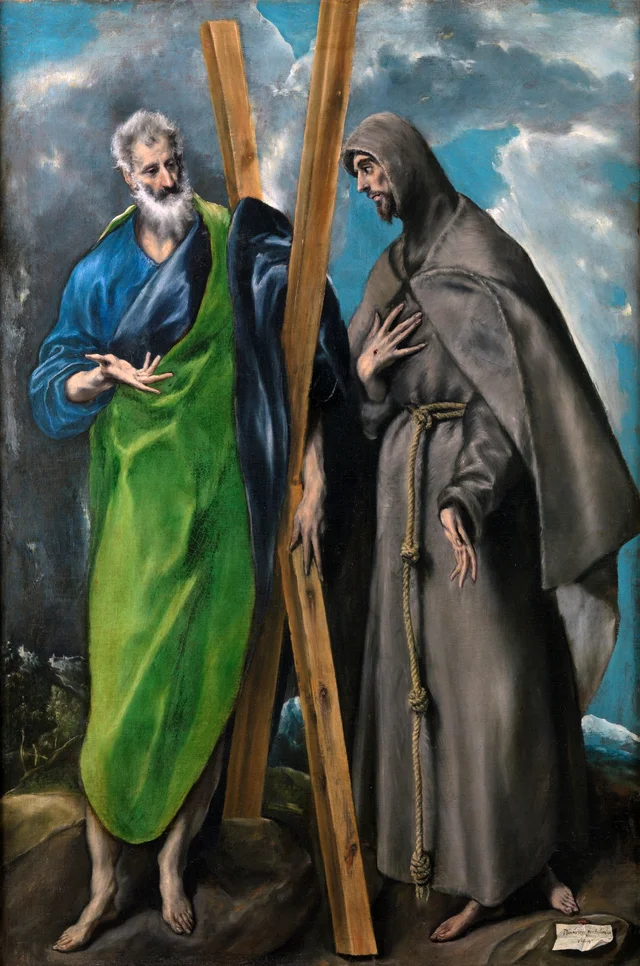 Santo André e São FranciscoEl Greco, 1595
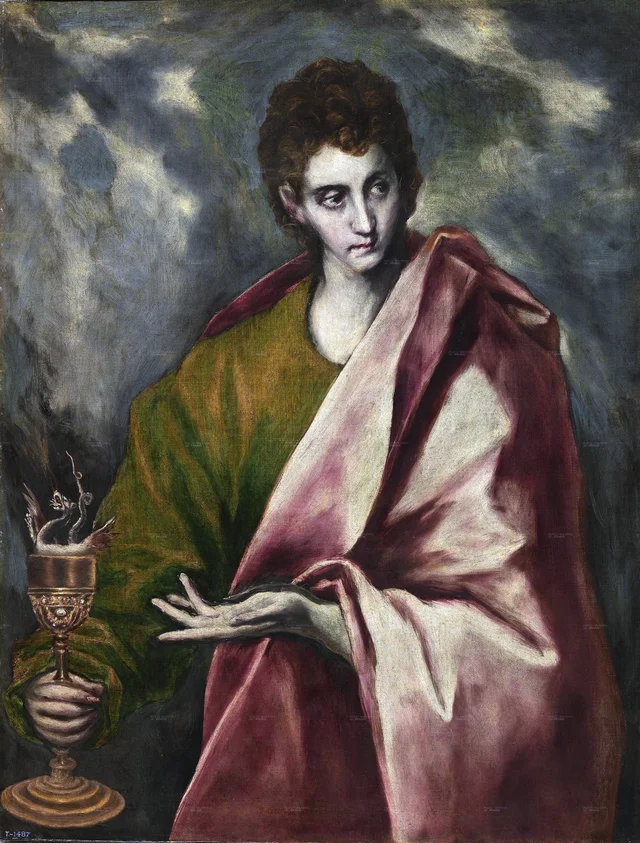 São João EvangelistaEl Greco, 1609
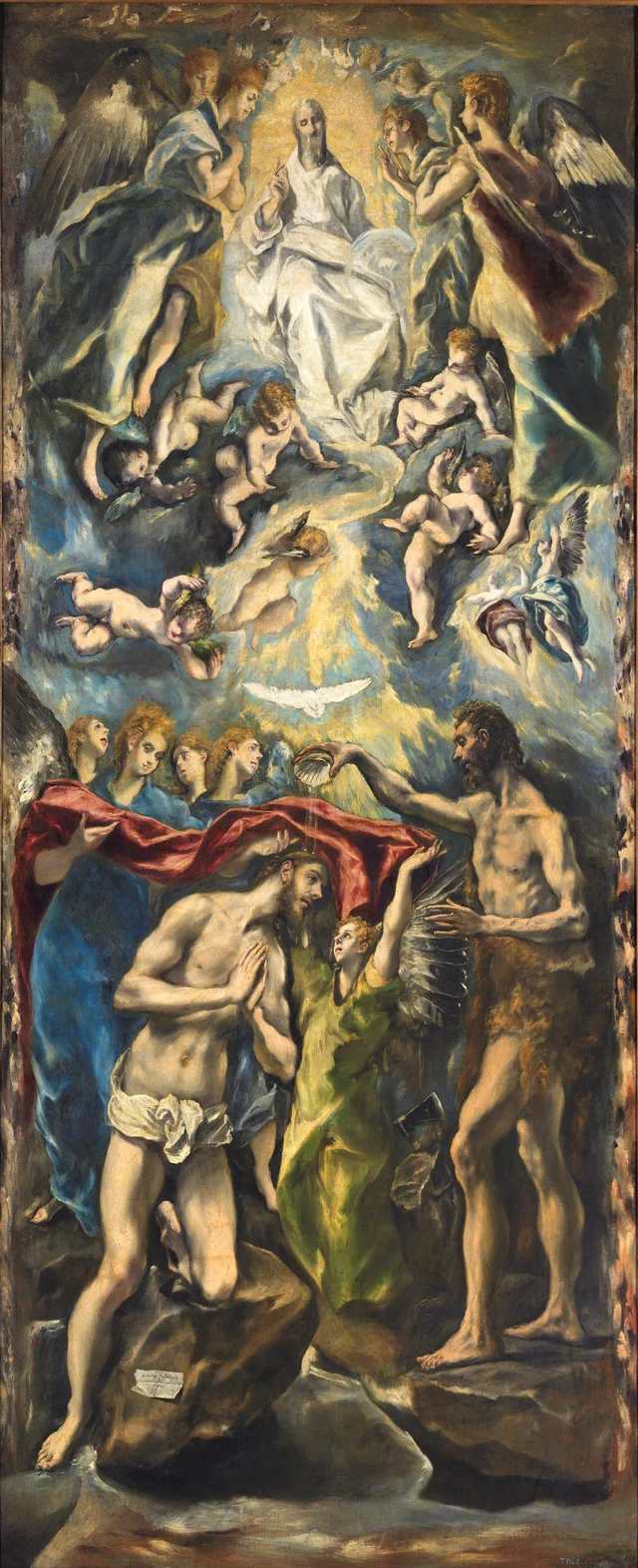 O batismo de CristoEl Greco, 1598
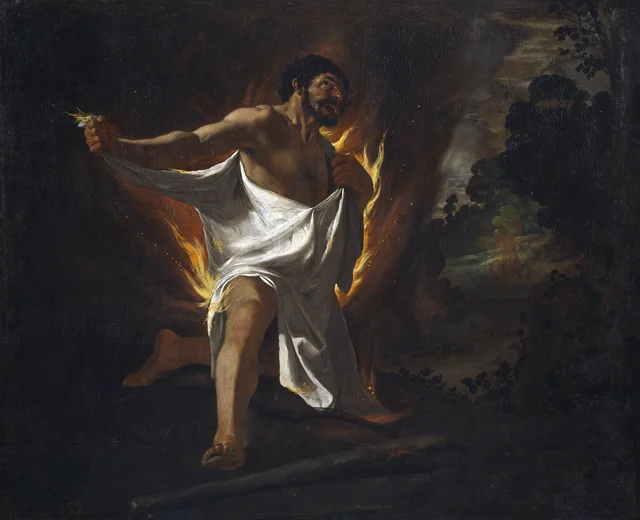 A morte de HérculesFrancisco de Zurbarán, 1634
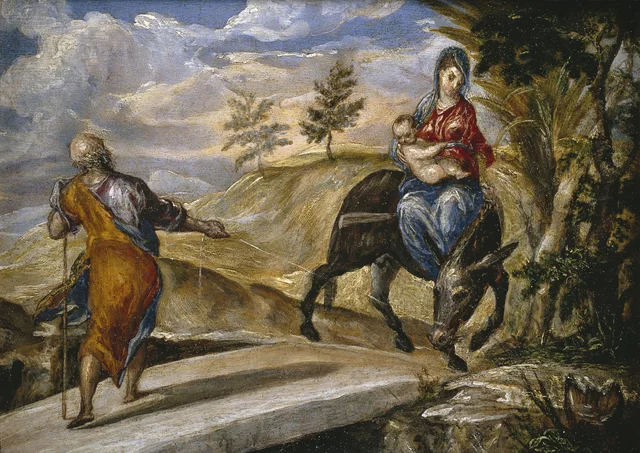 A fuga para o EgitoEl Greco, 1570
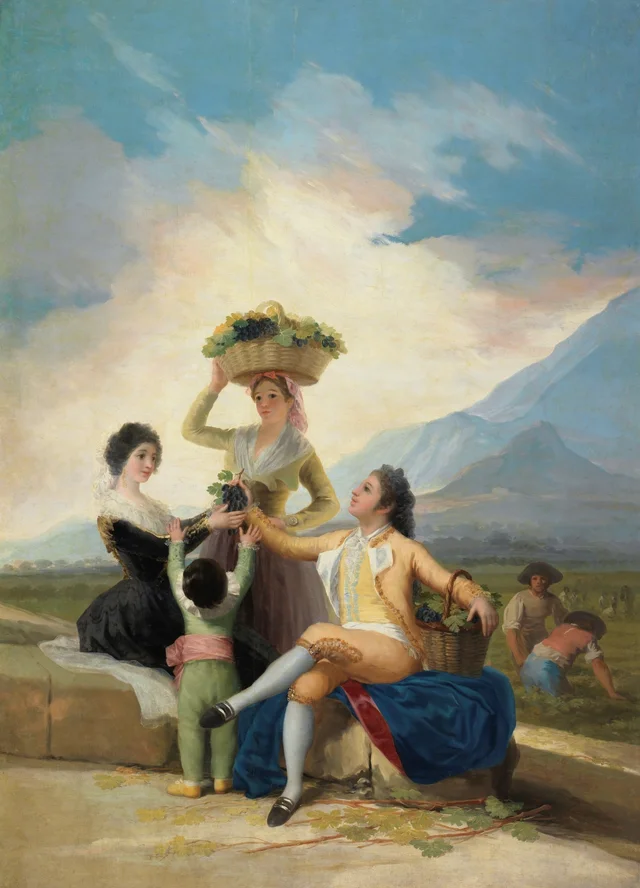 A vindimaFrancisco Goya, 1786
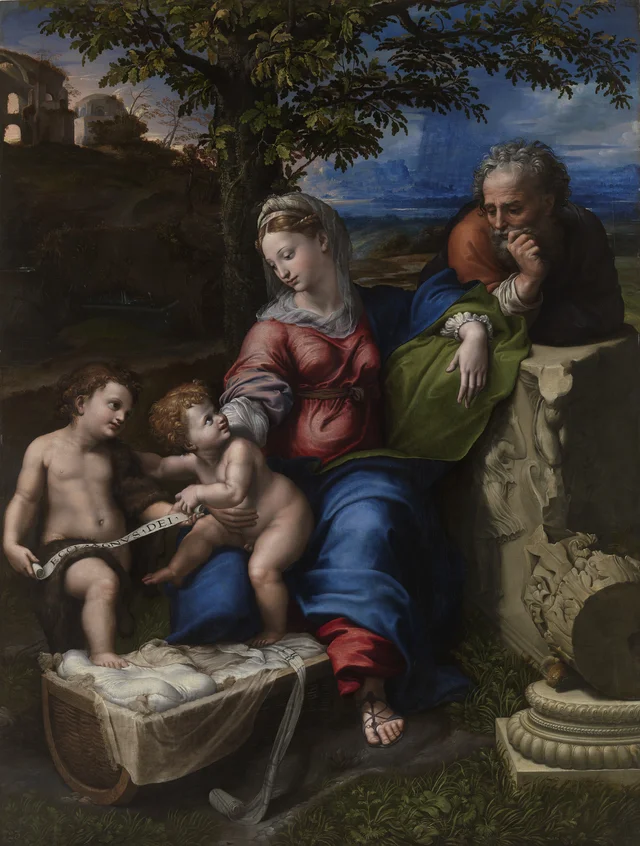 A Sagrada FamíliaRafael, 1518
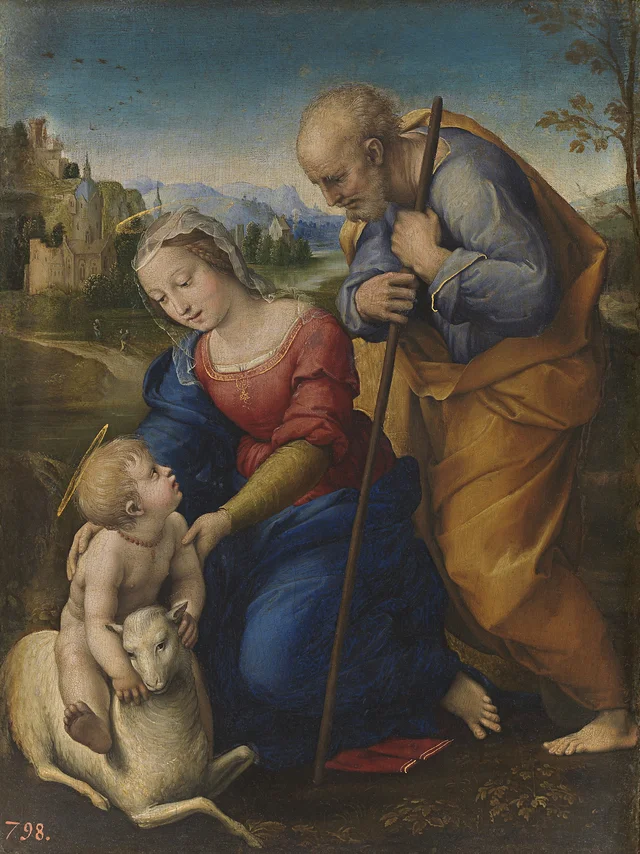 A Sagrada Família com o cordeiroRafael, 1507