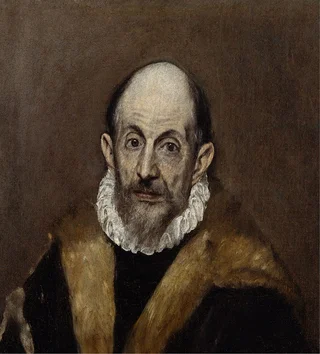
埃尔·格列柯
1541–1614 · 卡斯蒂利亚王国 · 西班牙文艺复兴
语音导览
故事
他一生都用希腊字母署名——多梅尼科斯·塞奥托科普洛斯,即便在西班牙人给他起了“埃尔·格列柯”(意为“希腊人”)这个绰号之后依然如此。他1541年出生于克里特岛,最初学习的是扁平、金色的拜占庭圣像画法,后来远航至威尼斯与罗马,学习意大利文艺复兴的油画技法。约1577年,他定居于西班牙旧日的宗教中心托莱多,此后再未离开。
他初到西班牙时曾希望获得宫廷的委托。西班牙国王腓力二世确实给过他一次机会,委托他为埃斯科里亚尔宫殿修道院创作一幅殉道题材的作品,约1582年完成,但国王不喜欢这幅画,将它挂在不起眼的角落,转而聘用了别人。这断绝了他进入宫廷的可能,却也让他获得了自由——托莱多的教堂与神父们此后一直请他作画,那些燃烧般拉长、烛光映照的圣徒形象,恰好契合这座反宗教改革(天主教会对抗新教的运动)核心城市的气质。
1614年他去世后大约300年间,他一直被视为一个怪人,他笔下拉长的人物被当作视力或审美缺陷。直到20世纪初,塞尚和年轻的毕加索等画家才在这些变形中看出了某种刻意而现代的东西。毕加索在构思立体主义的那些年里,曾仔细研究过埃尔·格列柯的作品。
更多文章
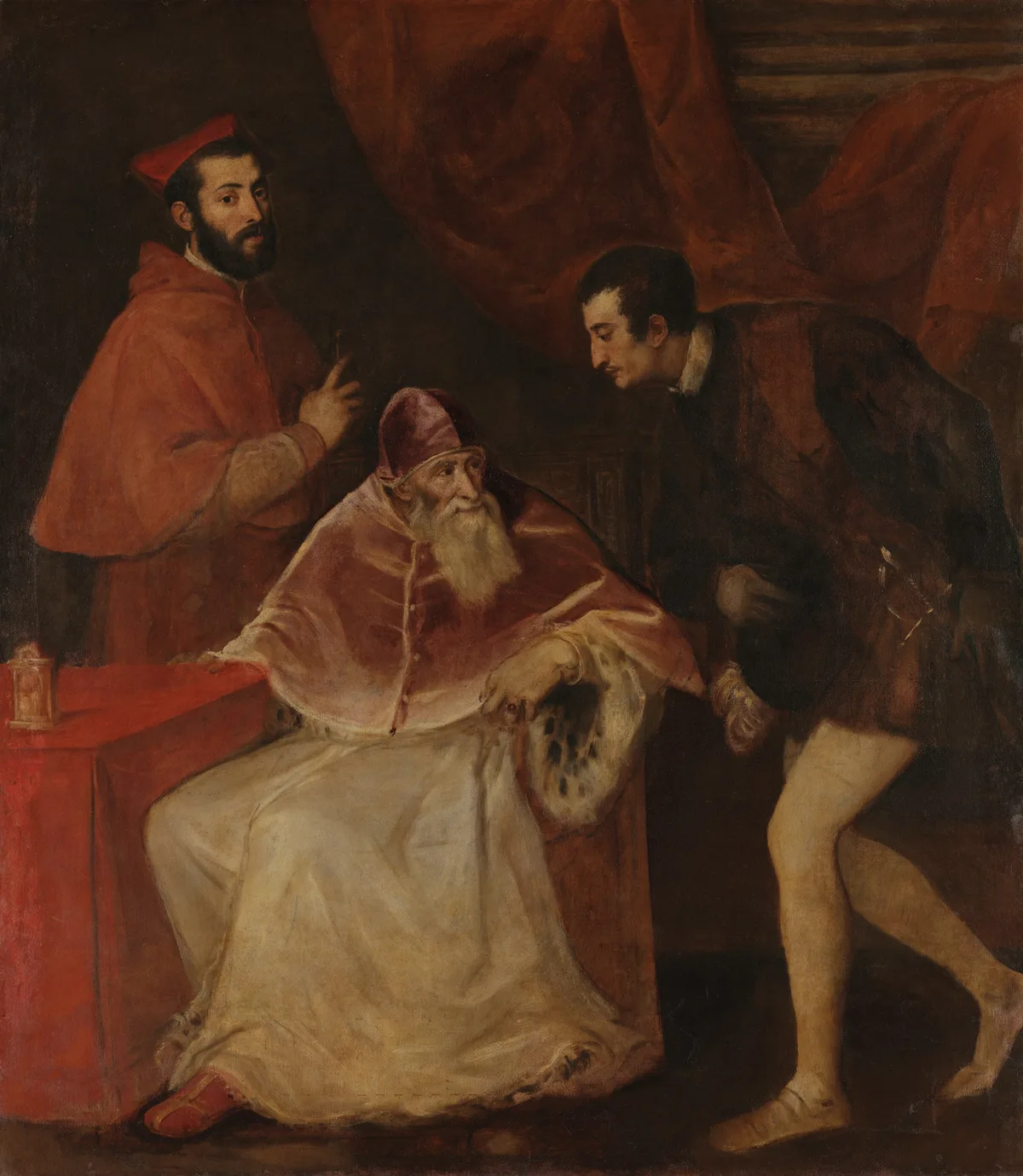
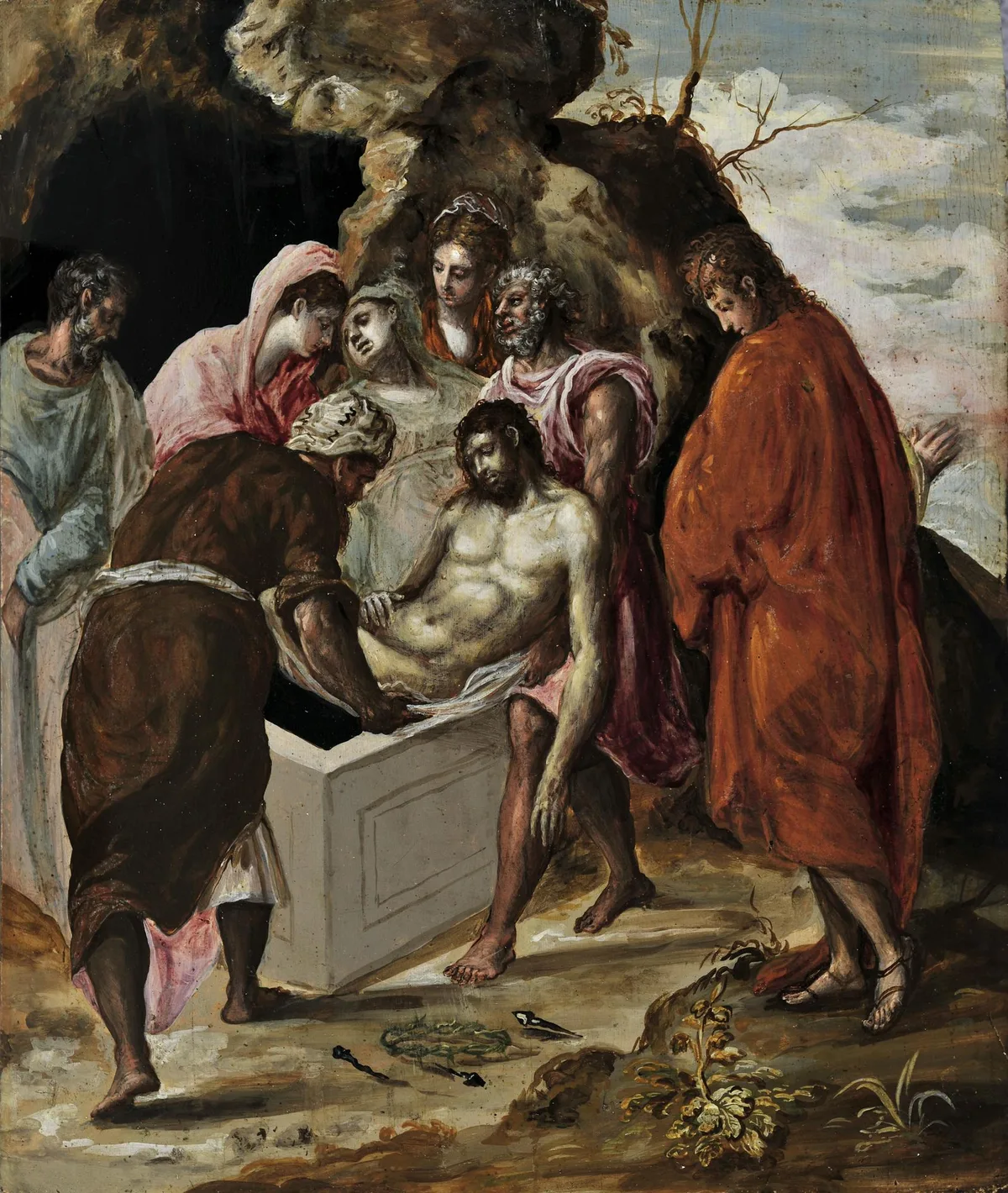
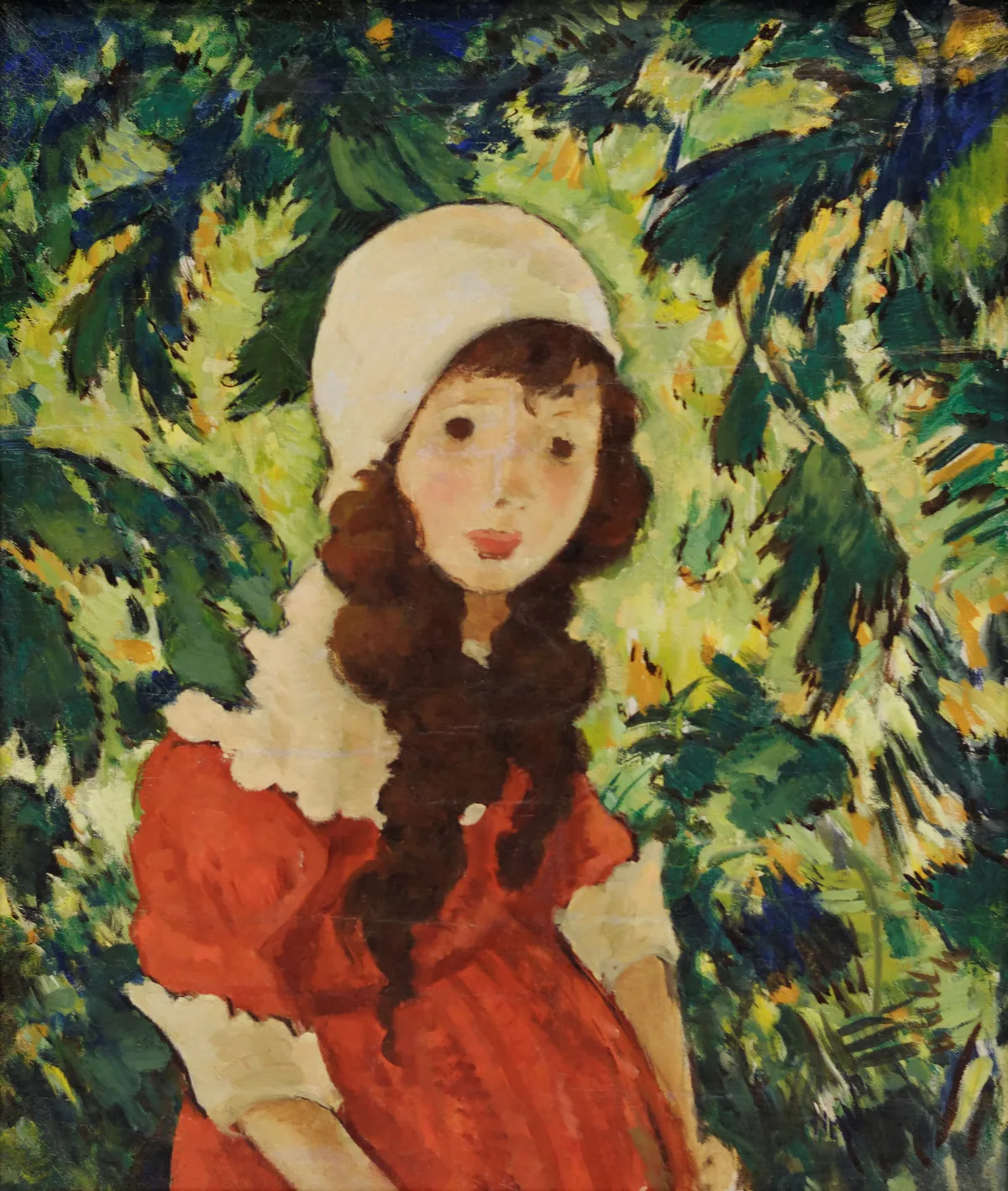
作品
254 件作品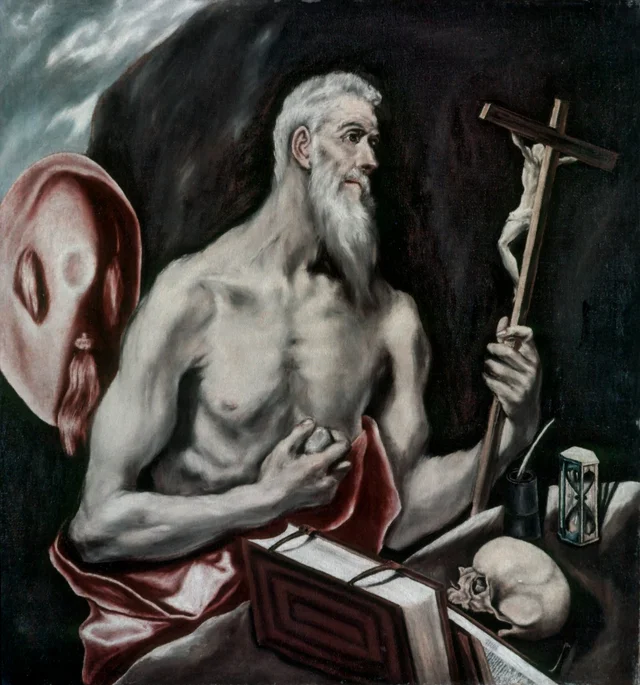 忏悔的圣哲罗姆埃尔·格列柯, 1597
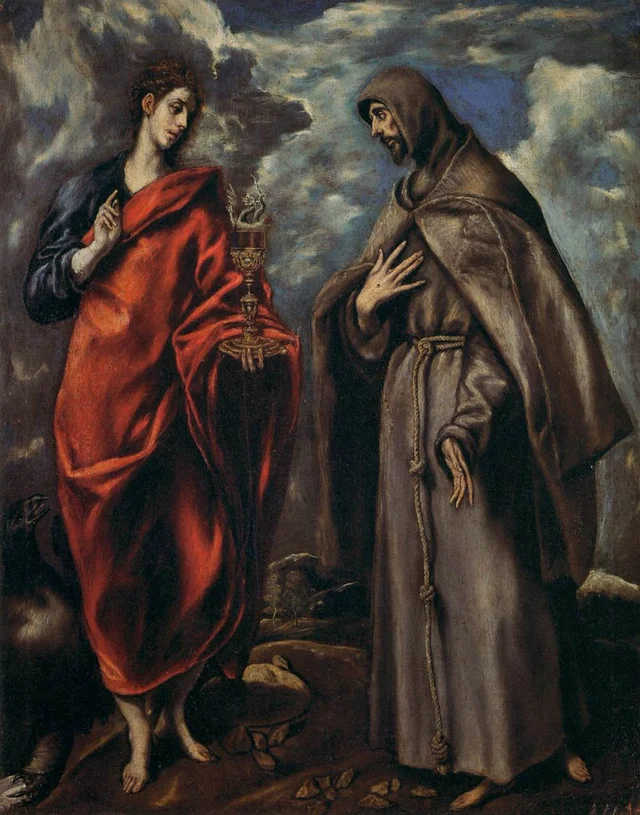 福音书作者圣约翰与圣方济各埃尔·格列柯, 1600
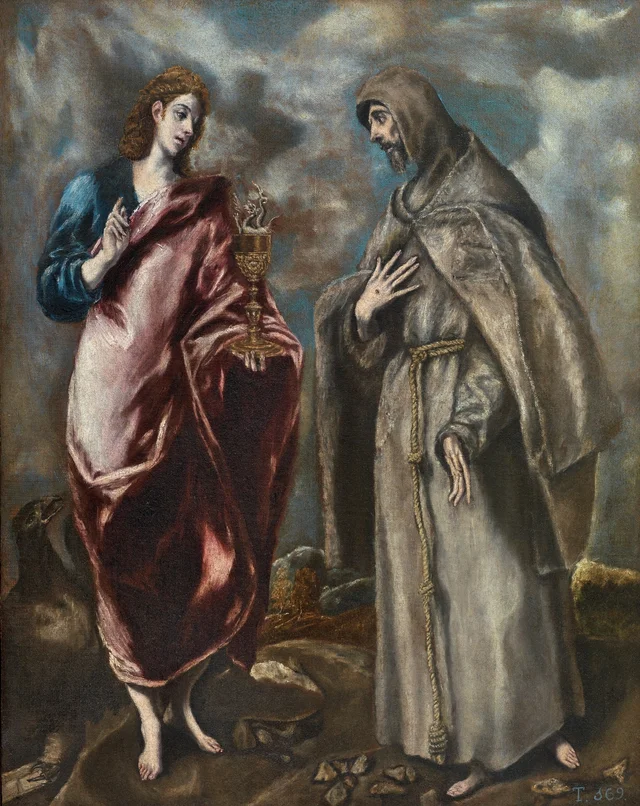 圣若望福音史家与阿西西的圣方济各埃尔·格列柯, 1597
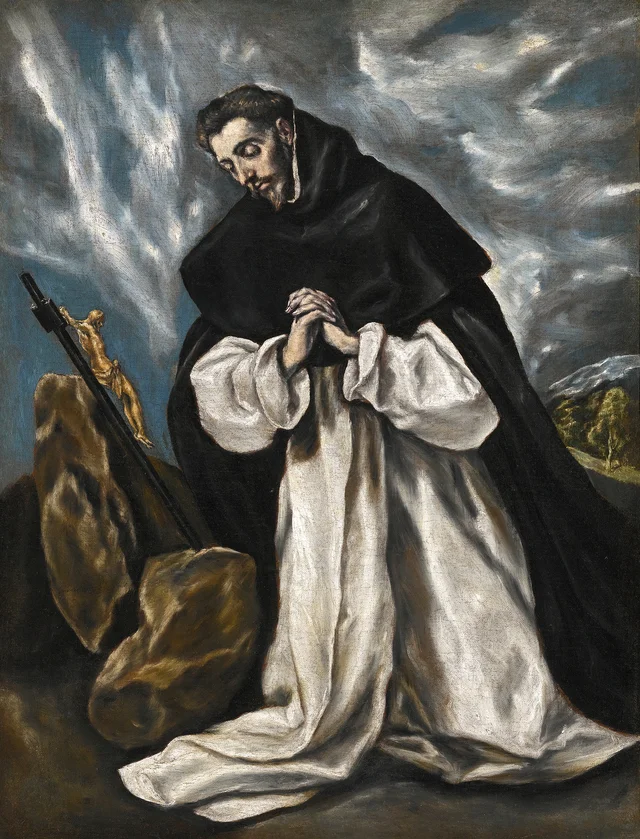 祈祷中的圣多明我埃尔·格列柯, 1600
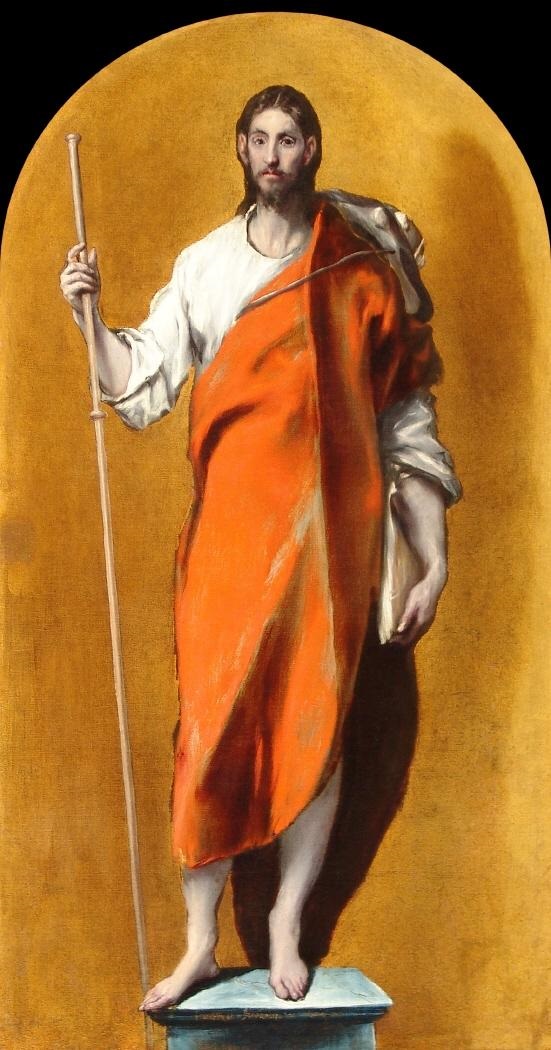 朝圣者圣雅各埃尔·格列柯, 1590
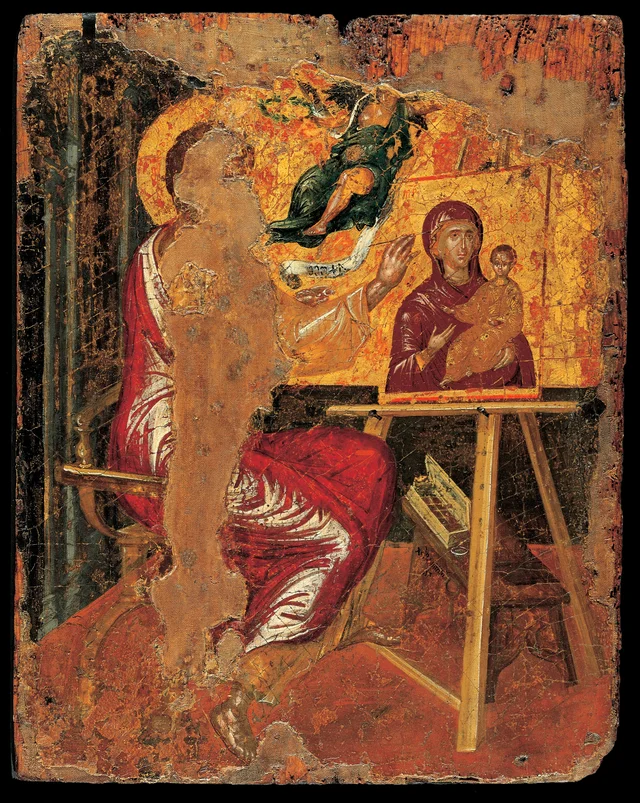 圣路加绘制圣母像埃尔·格列柯, 1560
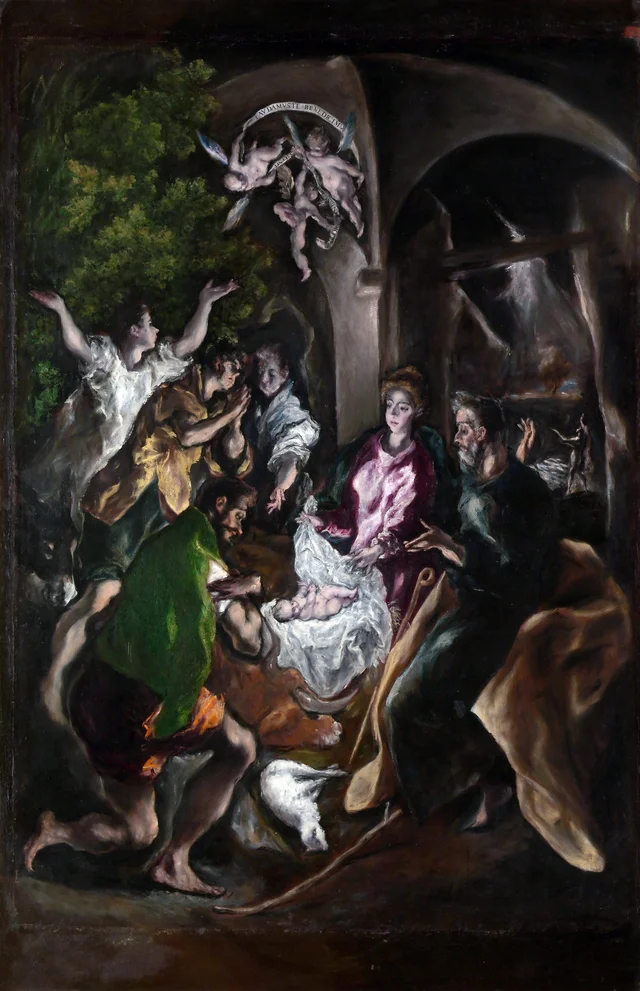 牧羊人的朝拜埃尔·格列柯, 1607
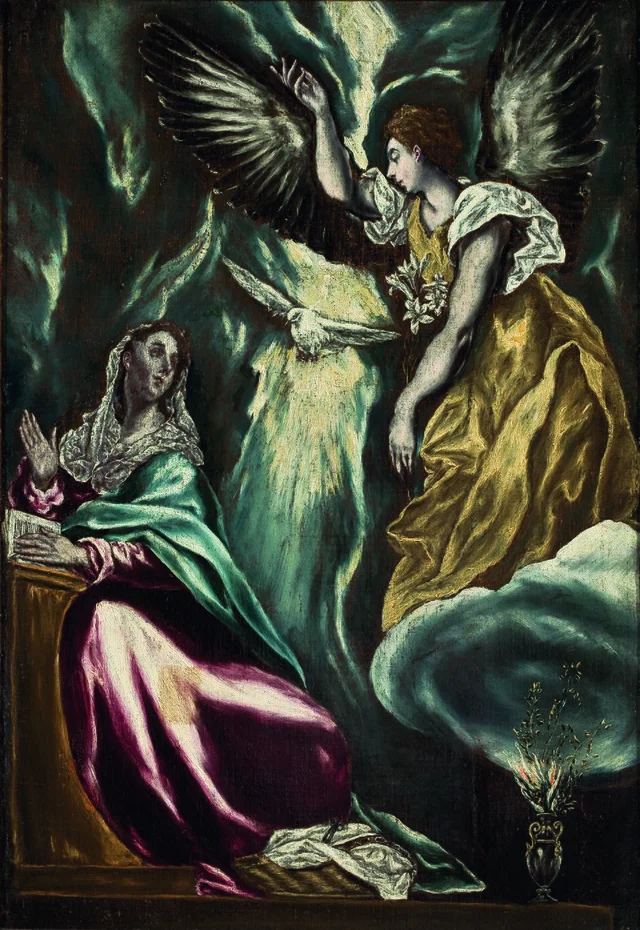 天使报喜埃尔·格列柯, 1600
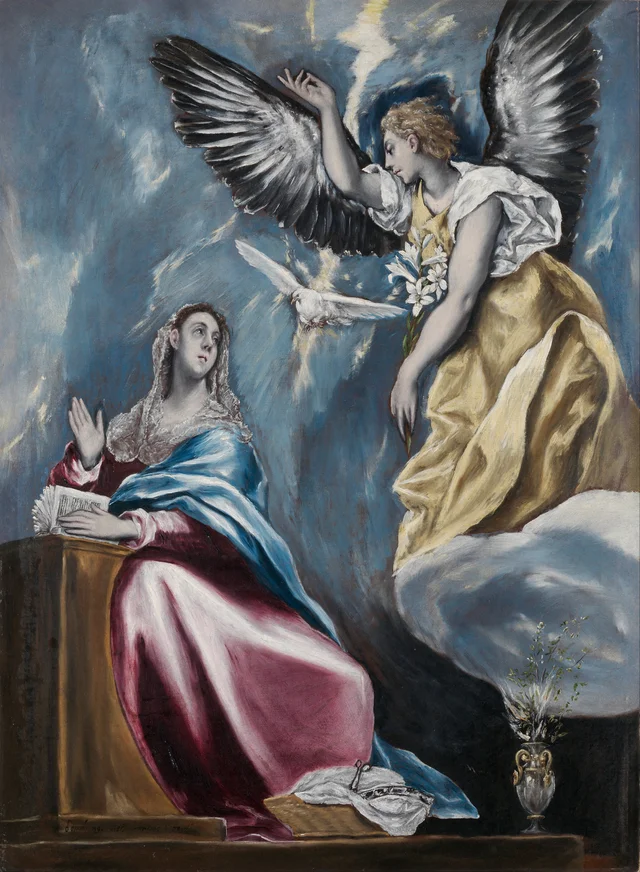 天使报喜埃尔·格列柯, 1597
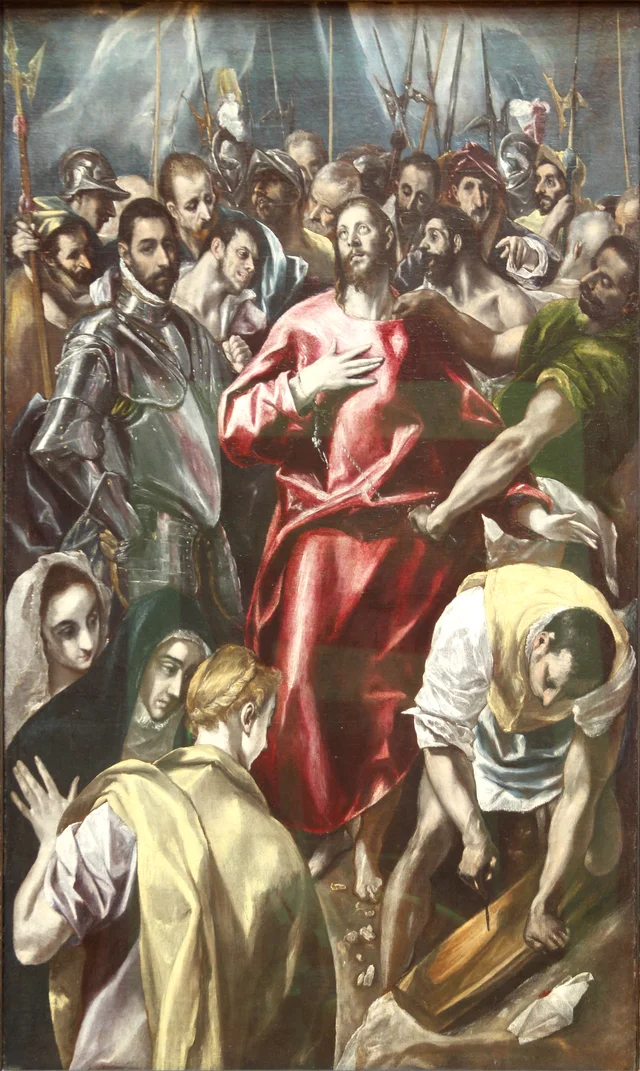 剥去基督的外衣埃尔·格列柯, 1580
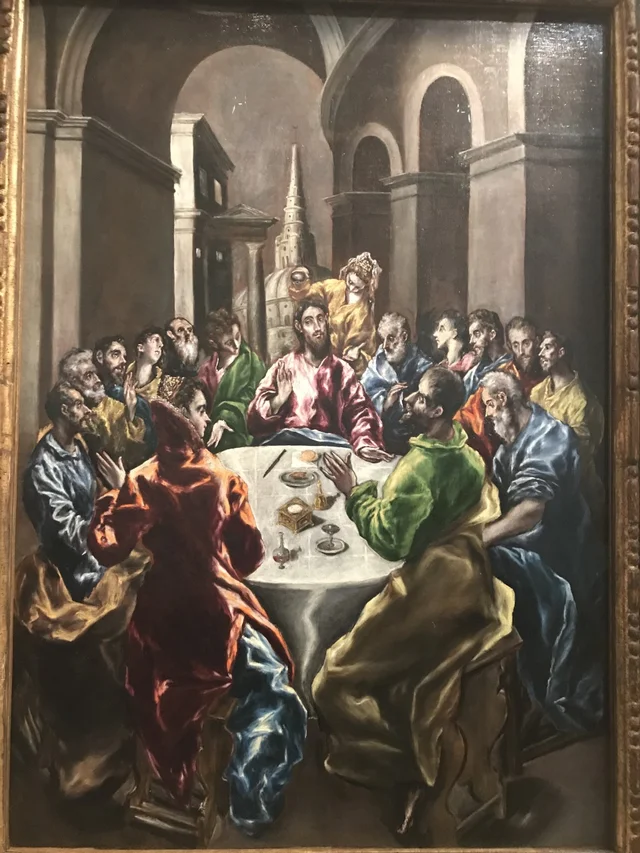 西门家的宴会埃尔·格列柯, 1608
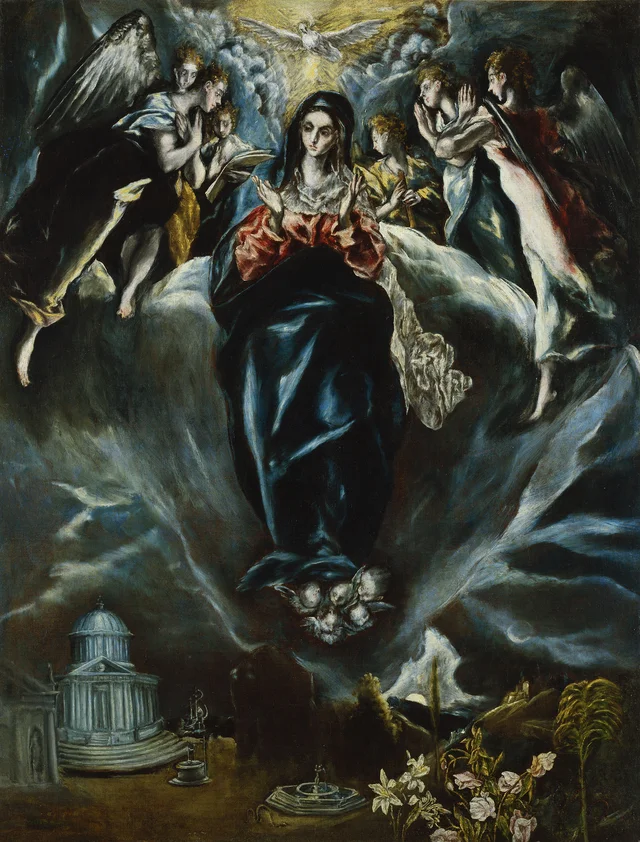 圣母无原罪始胎埃尔·格列柯, 1611
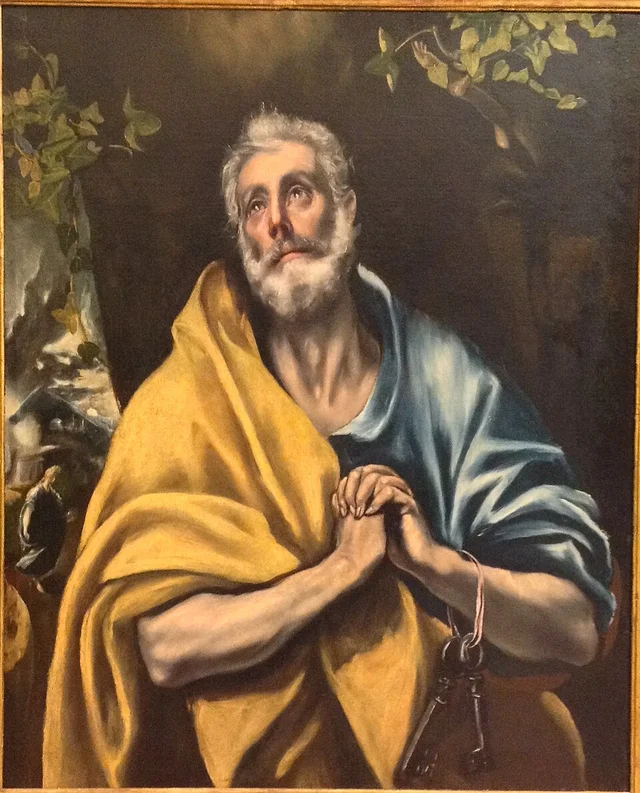 圣彼得的眼泪埃尔·格列柯, 1587
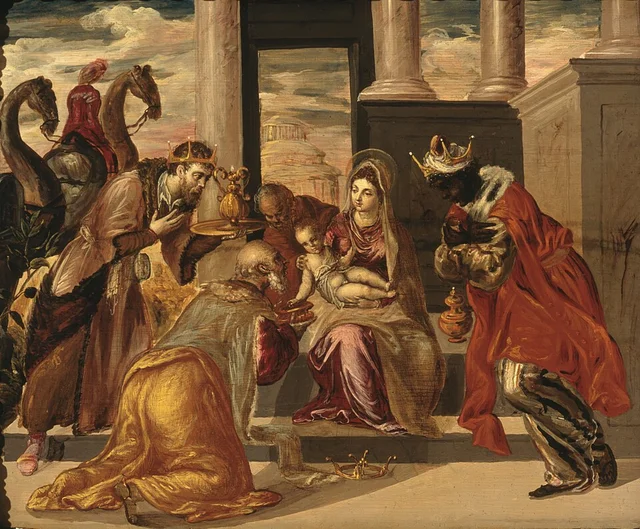 有骆驼的三博士朝拜埃尔·格列柯, 1568
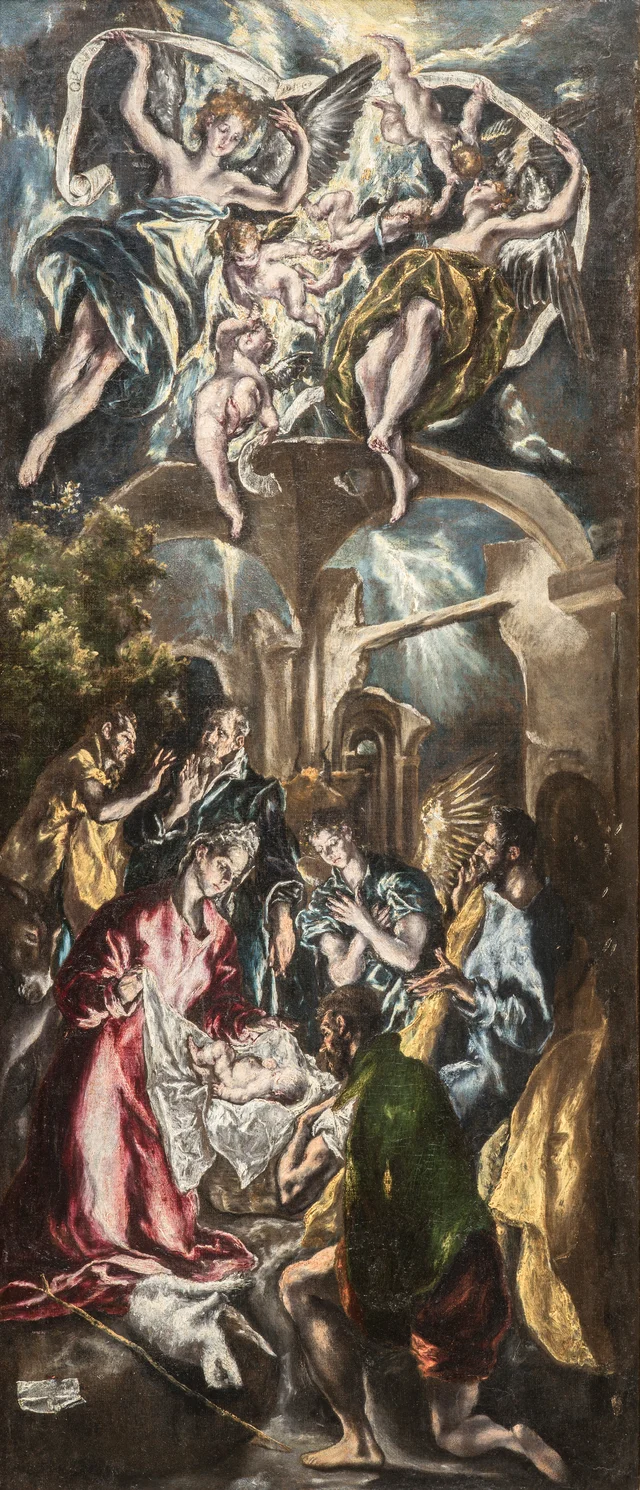 牧羊人的朝拜埃尔·格列柯, 1600
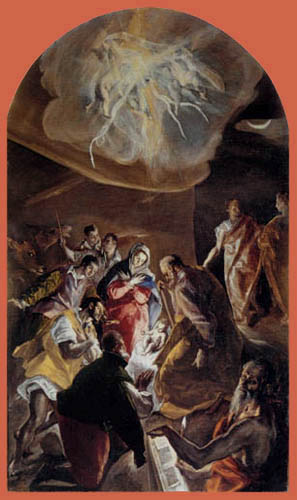 牧羊人的朝拜埃尔·格列柯, 1577
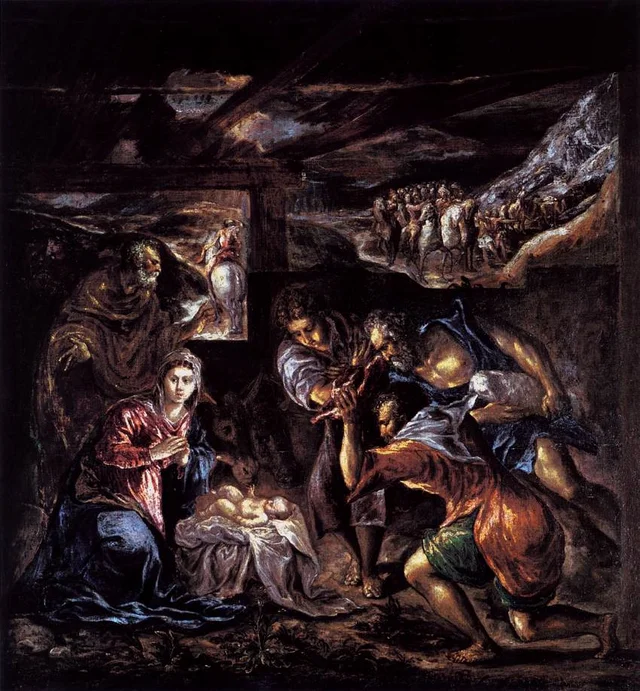 牧羊人的朝拜埃尔·格列柯, 1570
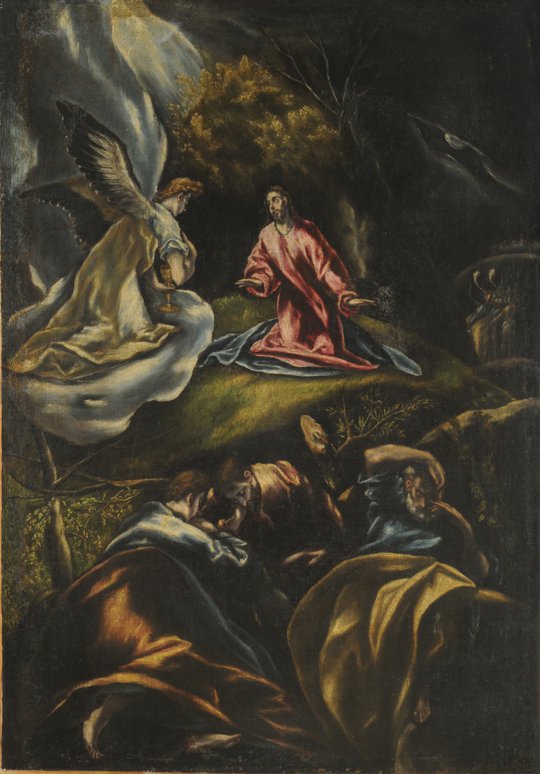 客西马尼园的祈祷埃尔·格列柯, 1604
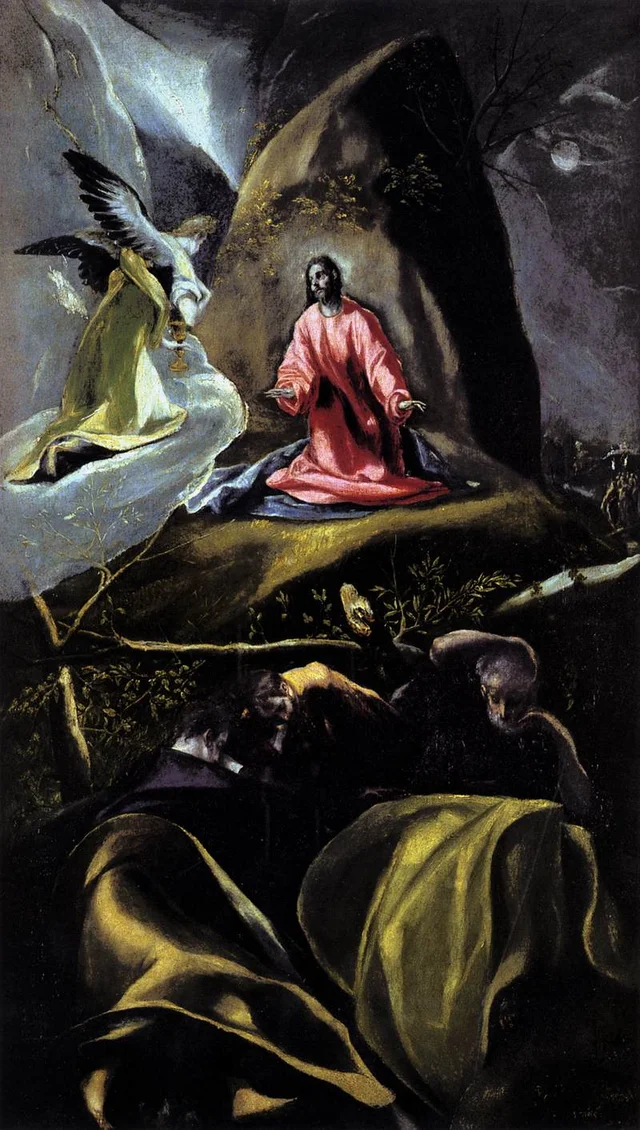 客西马尼园的祈祷埃尔·格列柯, 1603
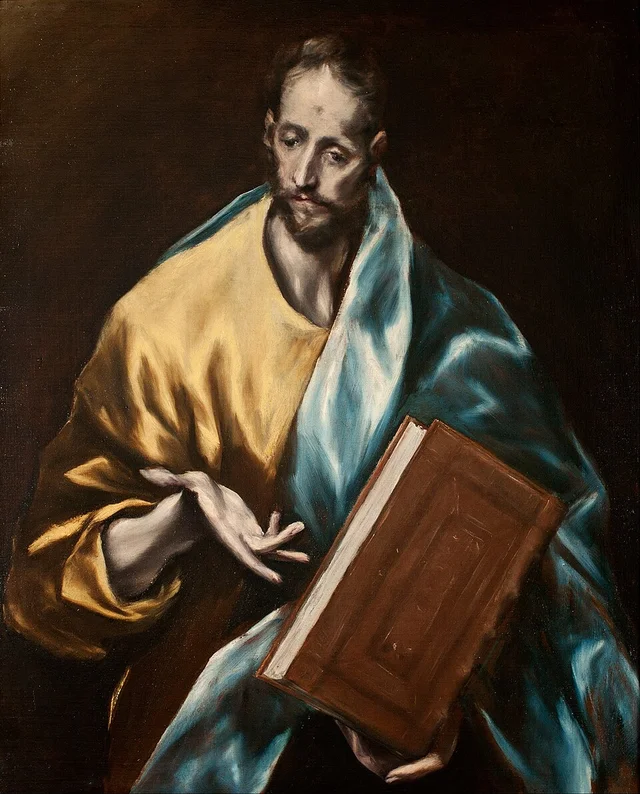 小雅各宗徒埃尔·格列柯, 1609
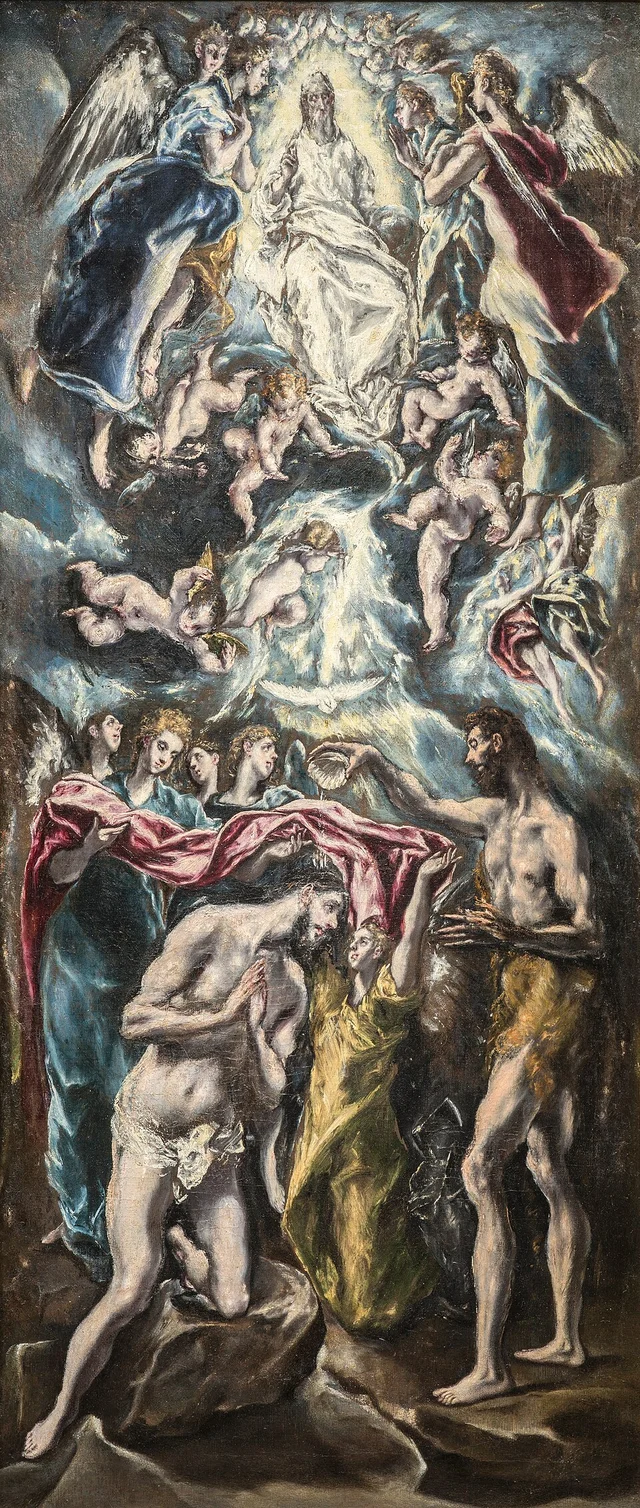 基督受洗埃尔·格列柯, 1596
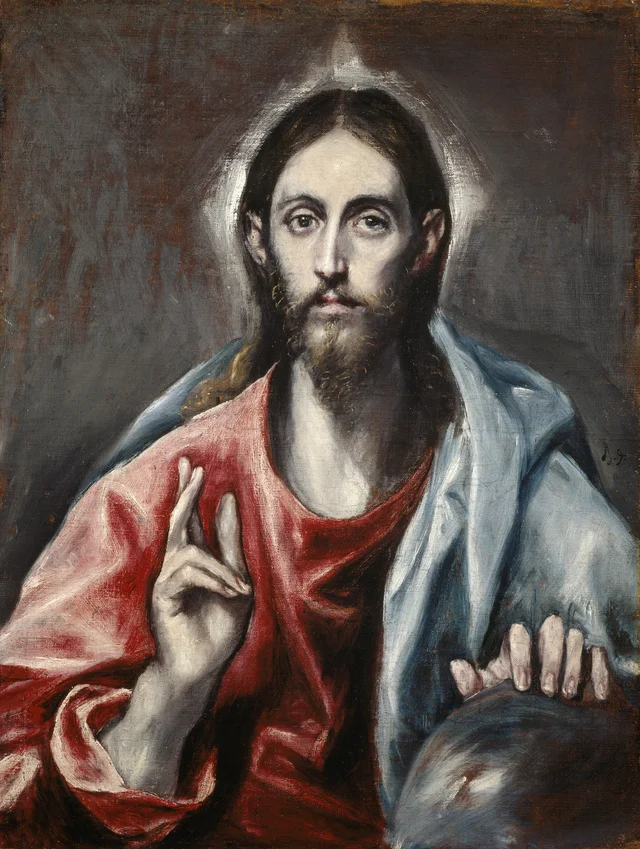 世界的救主埃尔·格列柯, 1600
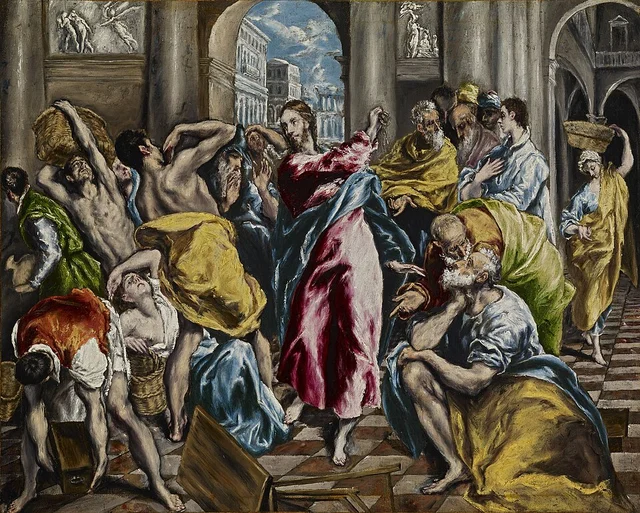 基督驱赶圣殿中的商人埃尔·格列柯, 1595
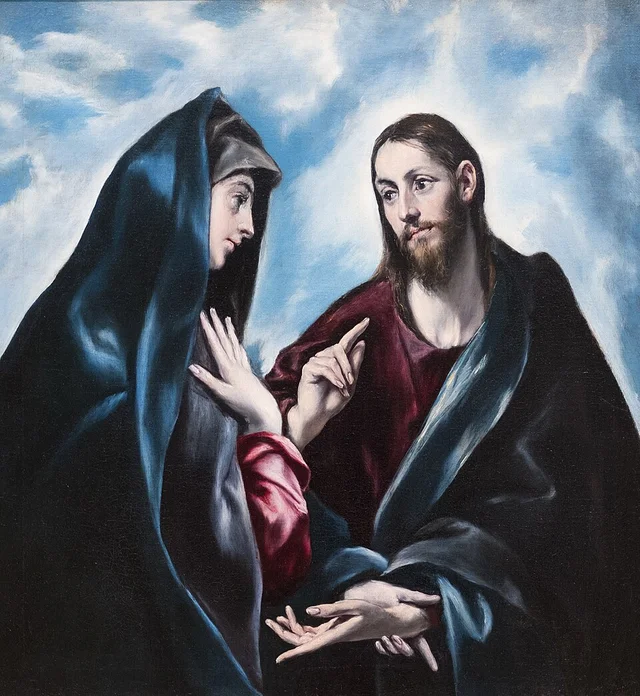 基督向圣母告别埃尔·格列柯, 1590
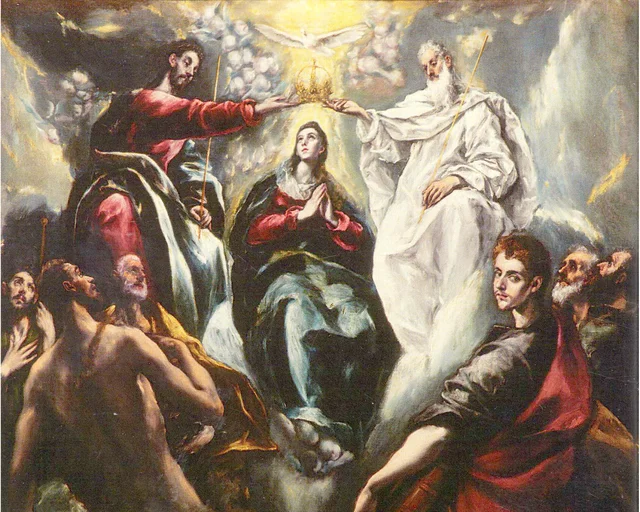 圣母加冕埃尔·格列柯, 1597