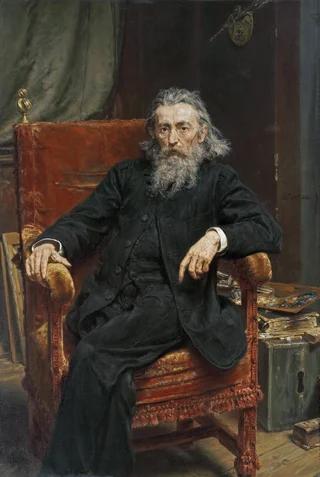
Jan Matejko
1838–1893 · Freie Stadt Krakau · Historienmalerei, Romantik, Realismus des 19. Jahrhunderts
Die Geschichte
Jan Matejko wurde 1838 in Krakau geboren, in einem Polen, das es auf der Landkarte nicht gab. Das Land war sechs Jahrzehnte zuvor von Russland, Preußen und Österreich dreigeteilt worden, und als Matejko malte, hatten die meisten seiner Landsleute nie unter einer polnischen Regierung gelebt. Er begegnete dieser Auslöschung mit Größe. Seine Bilder polnischer Geschichte reichen in gewaltige Maße, die Schlacht bei Tannenberg von 1878 misst fast 10 Meter in der Breite, überfüllt mit namentlich bekannten Königen, Rittern und Bannern aus einem Sieg von 1410 über den Deutschen Orden, auf den die Polen auch ohne eigenen Staat noch stolz sein konnten.
Matejko verdichtete Jahrzehnte auf eine einzige Leinwand, erfand Begegnungen, die nie stattfanden, und kleidete seine Figuren mehr um der dramatischen Wirkung willen als nach belegtem Kostüm, Entscheidungen, die spätere Historiker kritisiert haben. Dennoch wurden die Bilder unablässig als Drucke und Postkarten vervielfältigt, hingen in Wohnungen über die geteilten polnischen Länder hinweg und leisteten, was ein Nationalmuseum oder eine nationale Regierung damals nicht leisten konnten.
Er lehrte die letzten zwei Jahrzehnte seines Lebens an der Krakauer Kunstschule und bildete die nächste Generation polnischer Maler aus. Er starb 1893, begraben in derselben Stadt, in der die gewaltige Tannenberg-Leinwand fünfzehn Jahre zuvor die Menge angezogen hatte.
Werke
56 Werke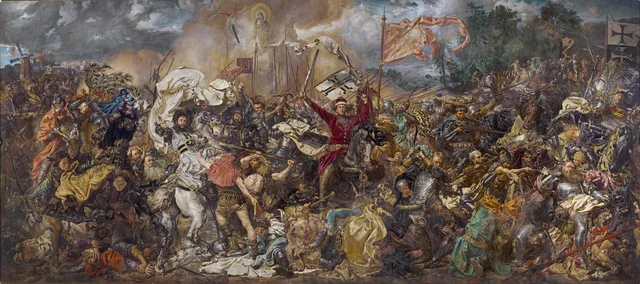 Schlacht bei TannenbergJan Matejko, 1878
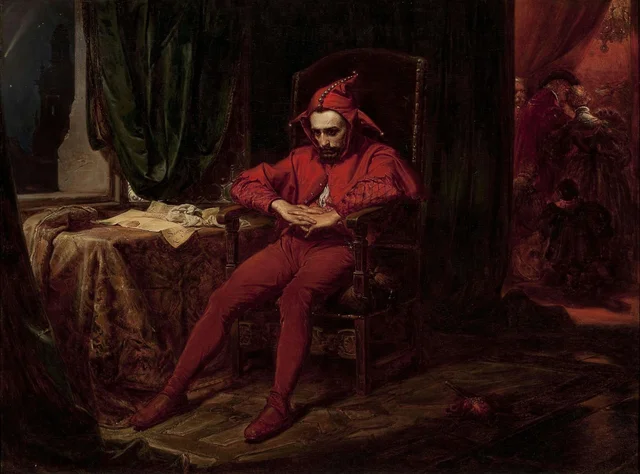 StańczykJan Matejko, 1862
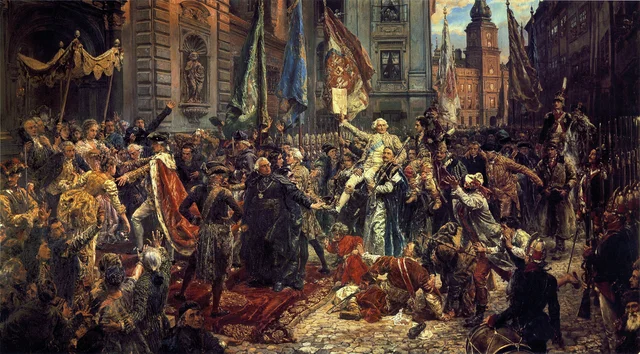 Verfassung vom 3. Mai 1791Jan Matejko, 1891
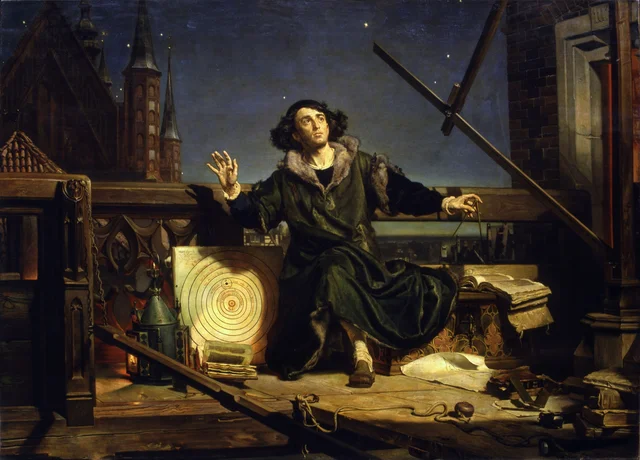 Astronom Kopernikus, oder Gespräche mit GottJan Matejko, 1873
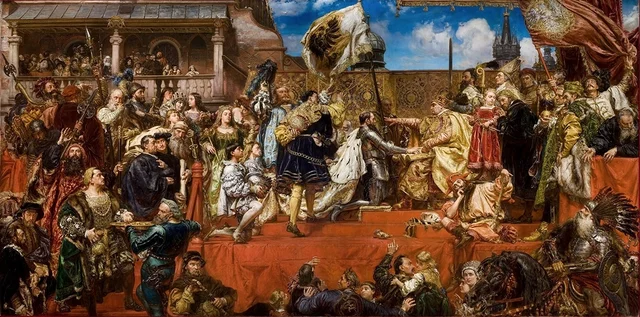 Die Preußische HuldigungJan Matejko, 1879
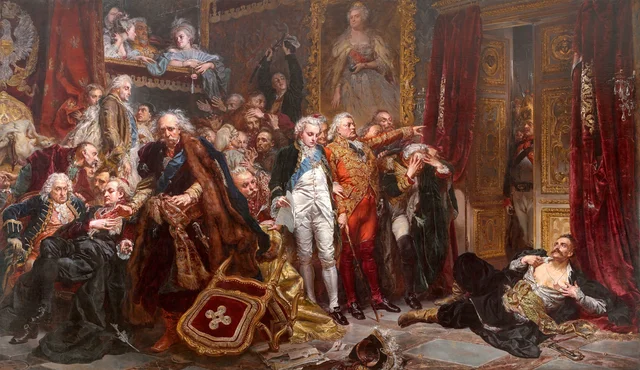 RejtanJan Matejko, 1866
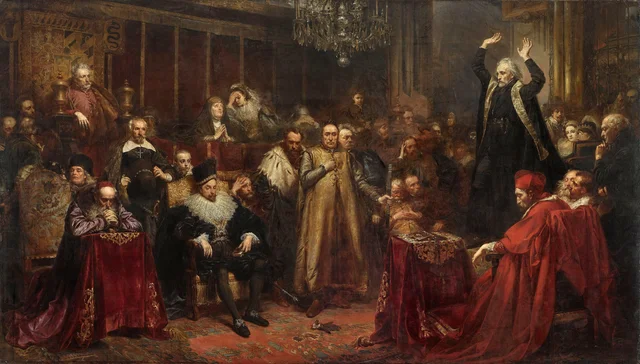 Skargas PredigtJan Matejko, 1864
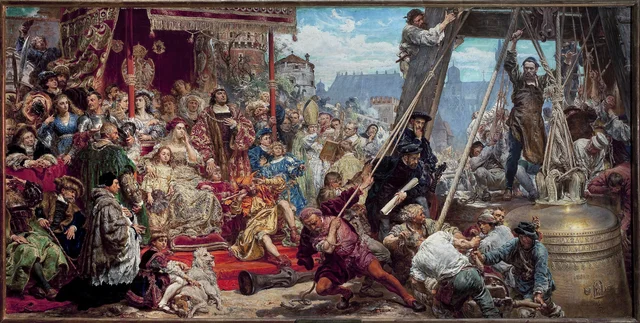 Das Aufhängen der Sigismundglocke am Turm der Kathedrale zu Krakau 1521Jan Matejko, 1874
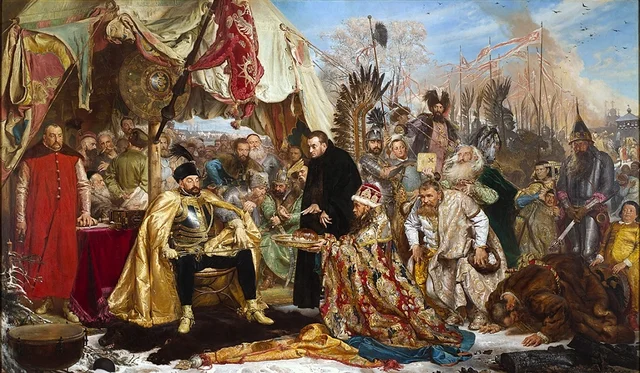 Stephan Báthory vor PskowJan Matejko, 1872
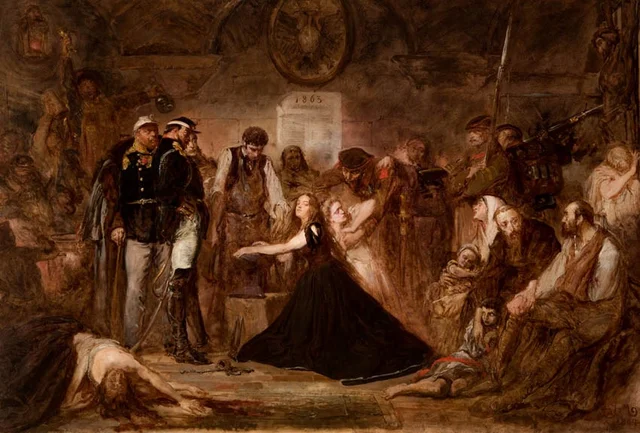 Polen – Das Jahr 1863Jan Matejko, 1864
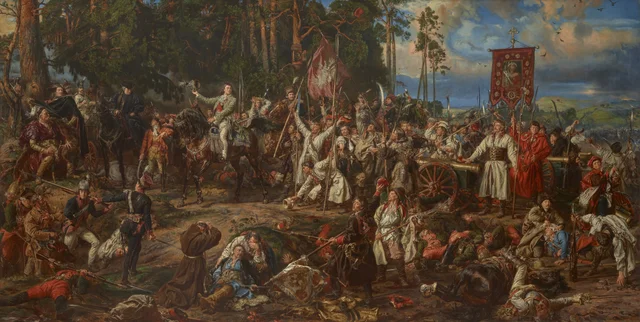 Die Schlacht bei RacławiceJan Matejko, 1888
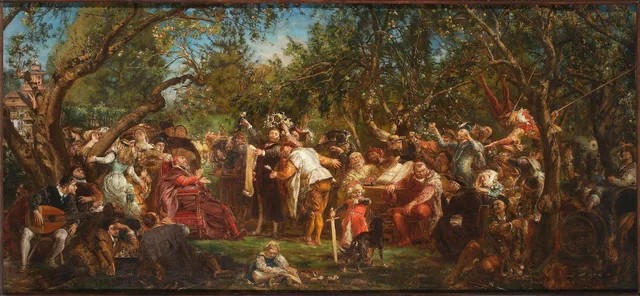 Babiner RepublikJan Matejko, 1881
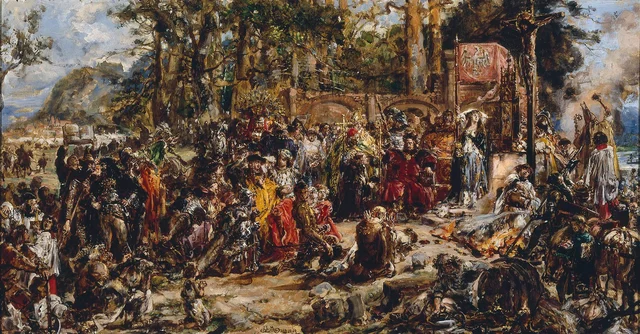 Die Taufe LitauensJan Matejko, 1888
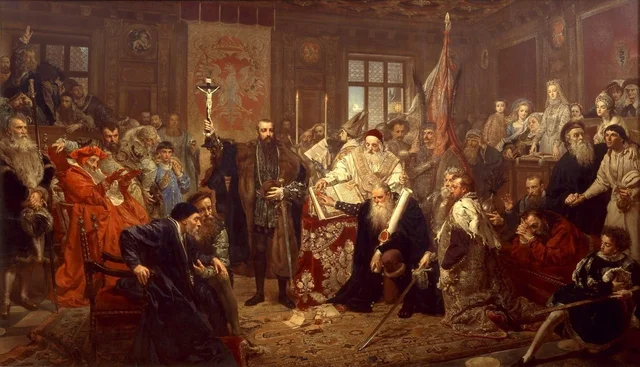 Die Union von LublinJan Matejko, 1869
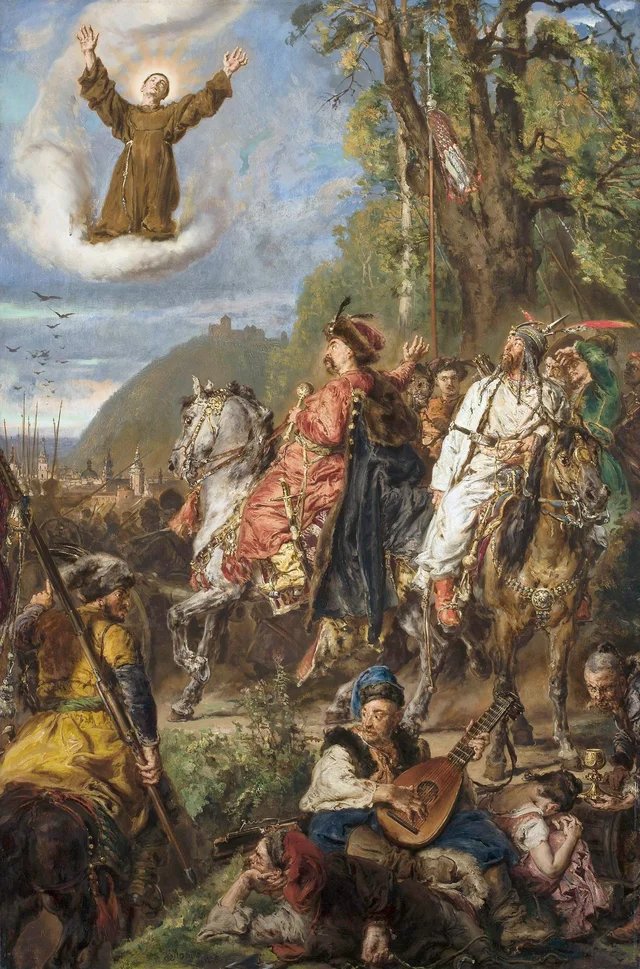 Bohdan Chmelnyzkyj mit Tuhaj Bej bei LembergJan Matejko, 1885
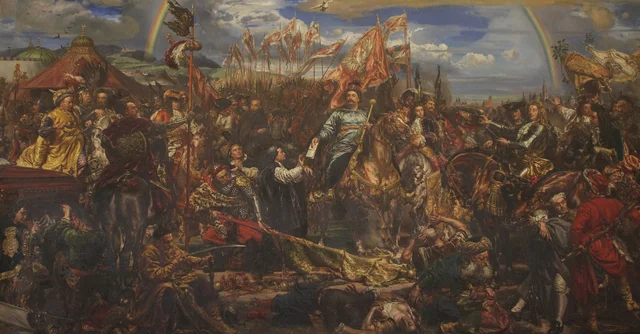 Sobieski bei WienJan Matejko, 1883
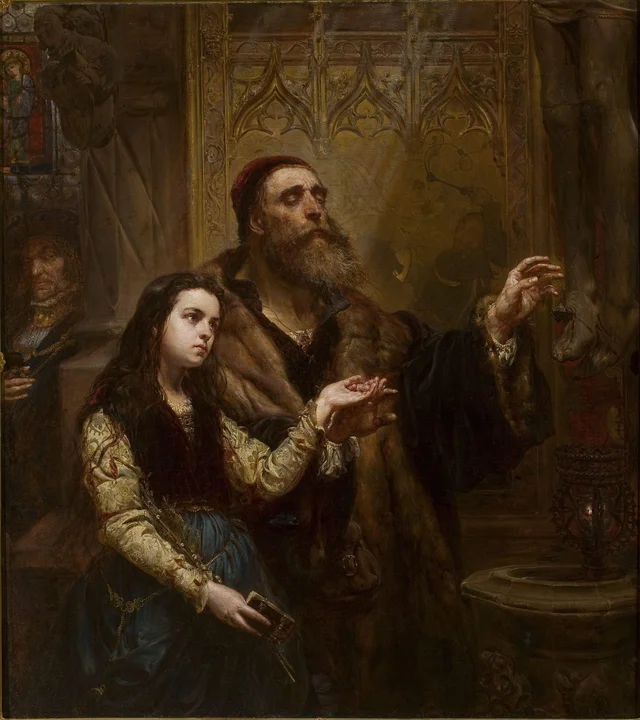 Der blinde Veit Stoß mit seiner EnkelinJan Matejko, 1865
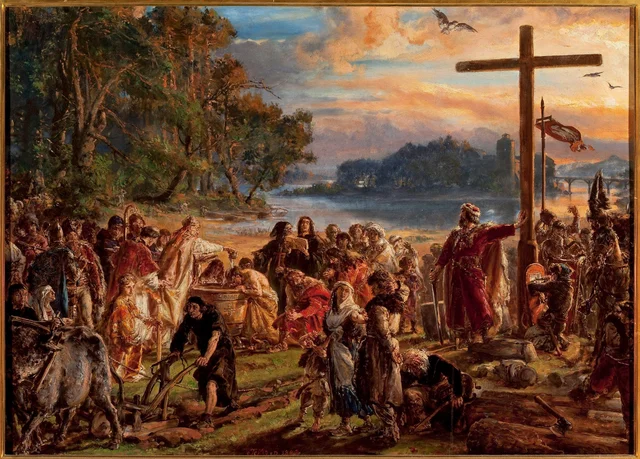 Die Einführung des Christentums in PolenJan Matejko, 1889
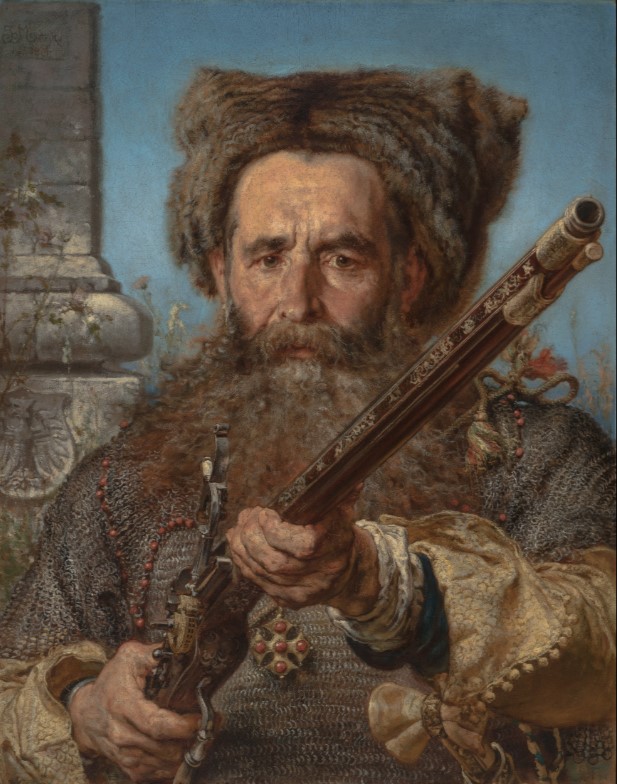 Ostafi Daszkiewicz.Jan Matejko, 1874
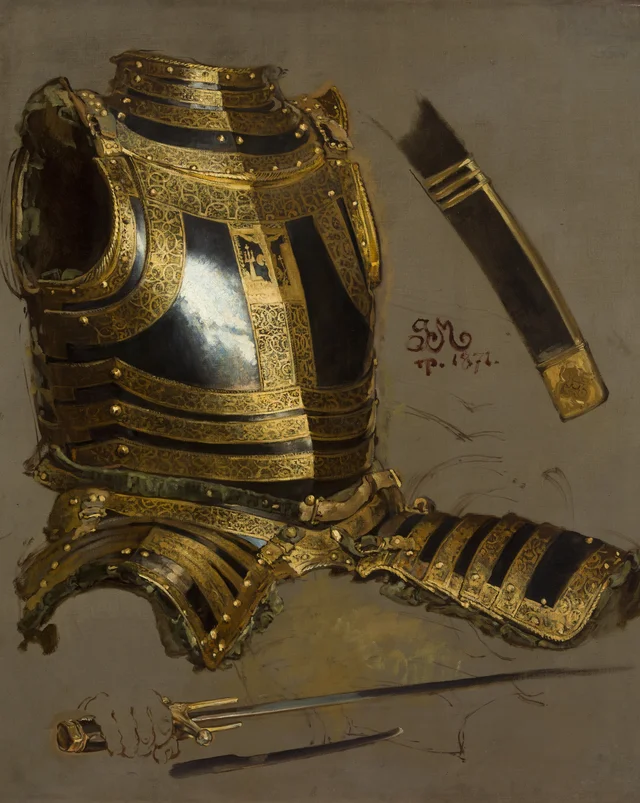 Die Rüstung Stephan BáthorysJan Matejko, 1871
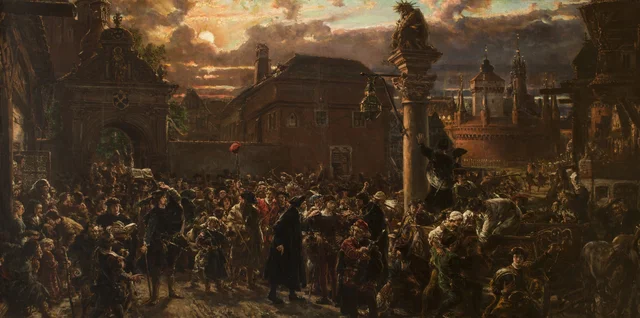 Studenten verlassen Krakau im Jahr 1549Jan Matejko, 1892
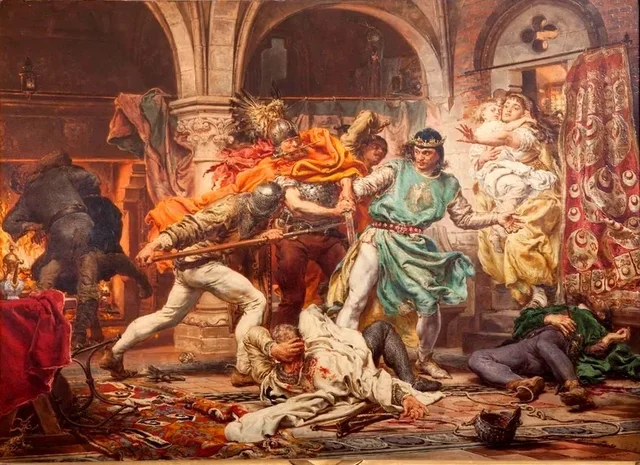 Der Tod Przemysławs II.Jan Matejko, 1875
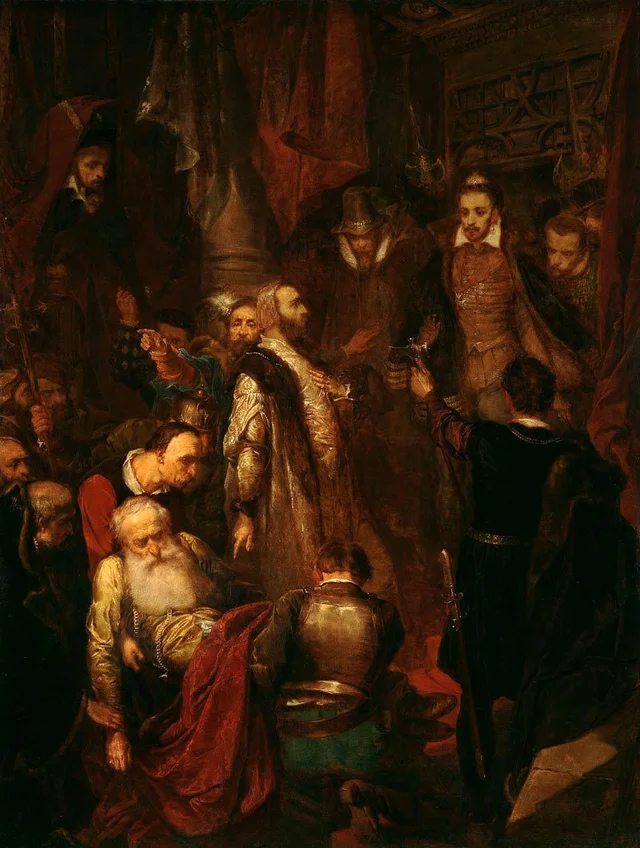 Die Tötung Wapowskis während der Krönung Heinrichs von ValoisJan Matejko, 1861
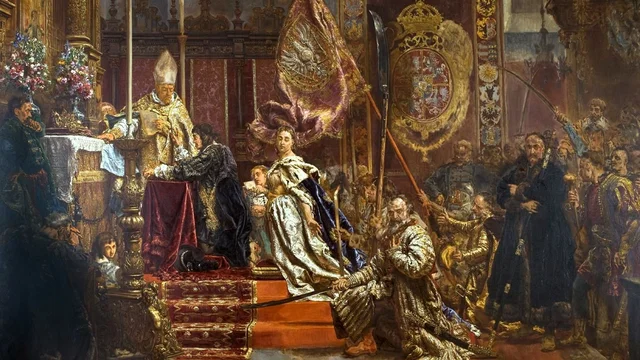 Der Lemberger Eid König Johann II. KasimirJan Matejko, 1893
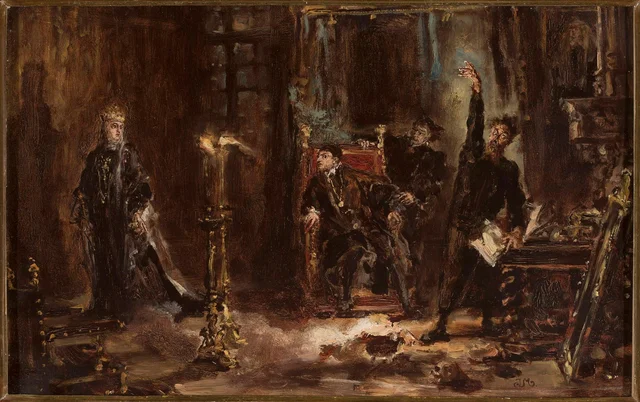 Twardowski beschwört den Geist Barbaras für Sigismund II. August, SkizzeJan Matejko, 1884