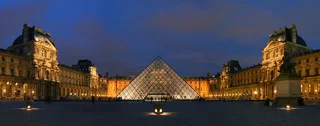
Die Geschichte
Der Louvre begann als Festung. Philipp II. ließ sie um 1190 am rechten Seineufer errichten, um das mittelalterliche Paris zu schützen, und über die folgenden Jahrhunderte bauten die französischen Könige sie zu einem Schloss um, bis Ludwig XIV. seinen Hof 1682 nach Versailles verlegte und die halbfertigen Säle der königlichen Sammlung und den dort einquartierten Künstlern überließ.
Die Revolution machte daraus ein öffentliches Museum. Am 10. August 1793 öffnete das Muséum central des arts seine Türen und zeigte die beschlagnahmte Kunst von Krone und Kirche jedem Bürger, der eintreten wollte. Napoleon füllte es mit der Beute seiner Feldzüge und benannte es kurzzeitig nach sich selbst. Vieles kehrte nach Waterloo zurück, doch die Idee hielt, eine für das Studium geordnete Nationalsammlung, frei zugänglich für alle.
Heute besitzt der Louvre mehr als 35.000 Werke, von der Venus von Milo bis zu Géricaults Floß der Medusa. Die Menge aber drängt zu einem kleinen Bildnis. Im August 1911 verschwand es: Vincenzo Peruggia, ein italienischer Handwerker, der im Museum gearbeitet hatte, nahm Leonardos Mona Lisa von der Wand und trug sie unter seinem Mantel hinaus. Zwei Jahre lang hing der Rahmen leer, während Besucher kamen, um die Lücke anzustarren, und das Bild kehrte erst 1913 zurück, nachdem Peruggia versucht hatte, es einem Händler in Florenz zu verkaufen. Die gläserne Pyramide von I. M. Pei, 1989 in den Hof gesetzt, markiert heute den Eingang.
Weitere Artikel
Sammlung
1.174 Werke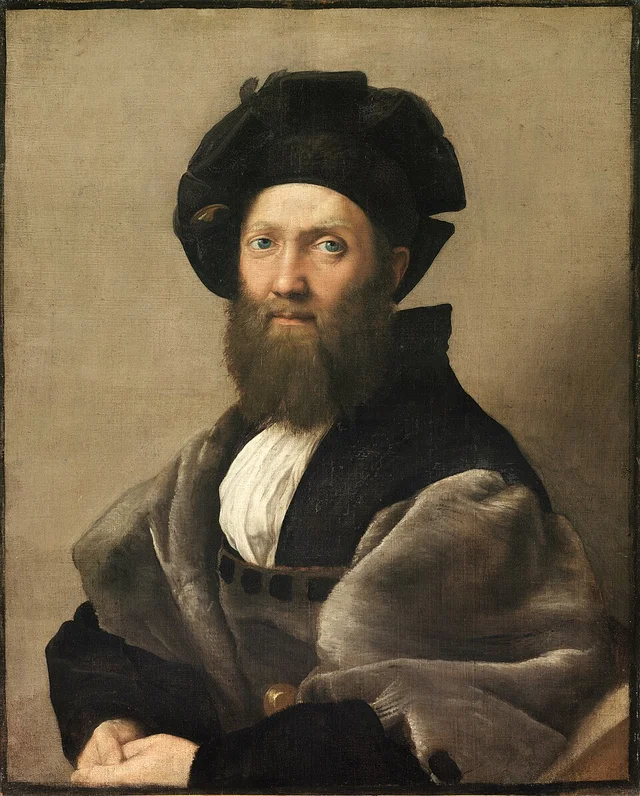 Porträt des Baldassare CastiglioneRaffael, 1515
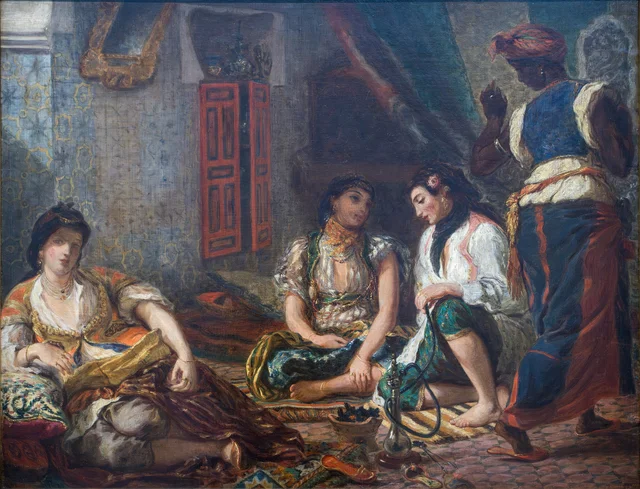 Die Frauen von Algier in ihrem GemachEugène Delacroix, 1834
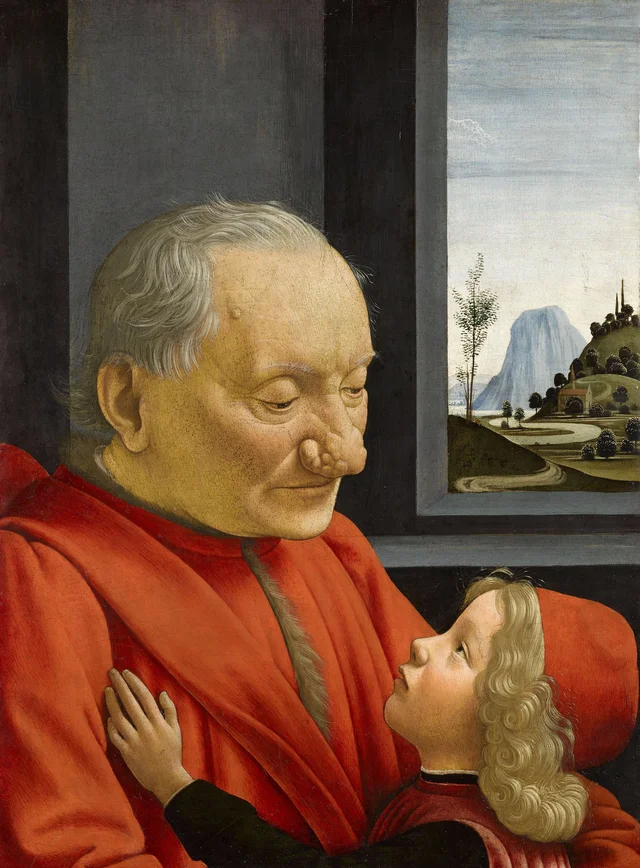 Der alte Mann mit seinem EnkelDomenico Ghirlandaio, 1490
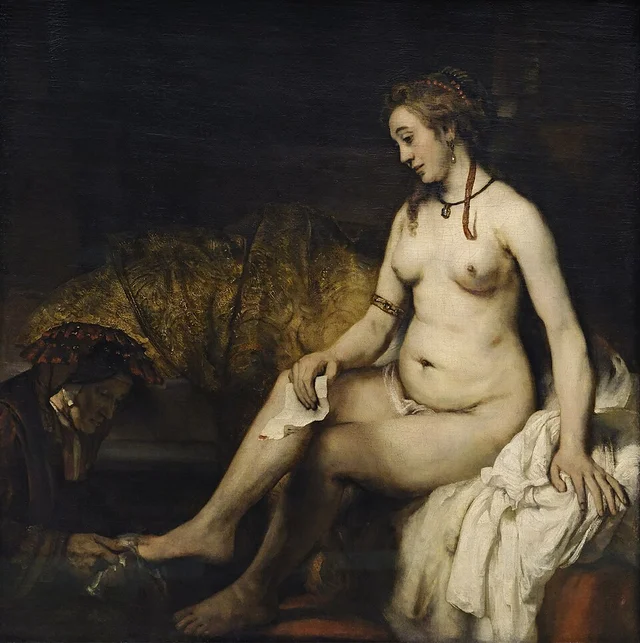 Bathseba im BadeRembrandt, 1654
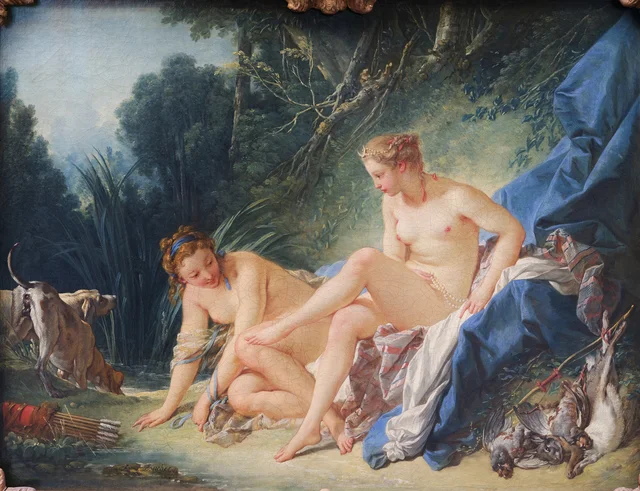 Diana beim Verlassen des BadesFrançois Boucher, 1742
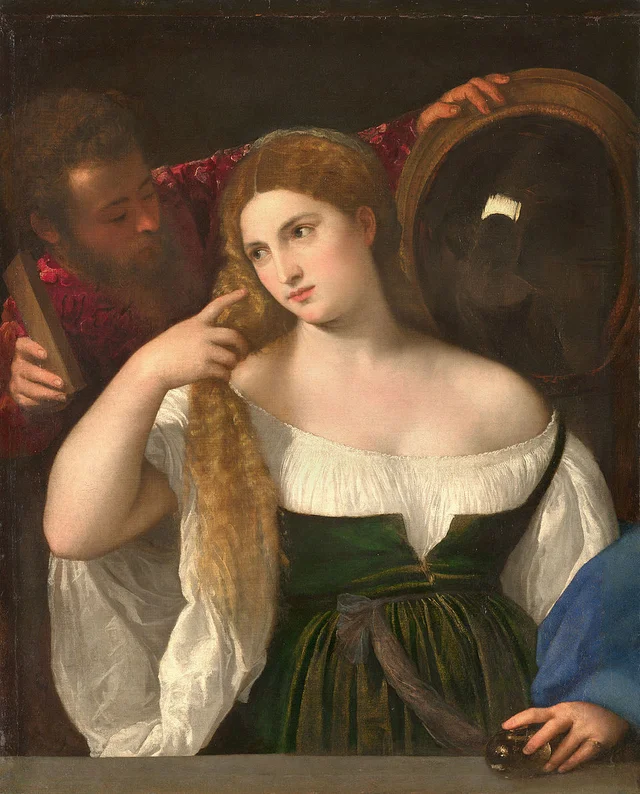 Frau mit SpiegelTizian, 1515
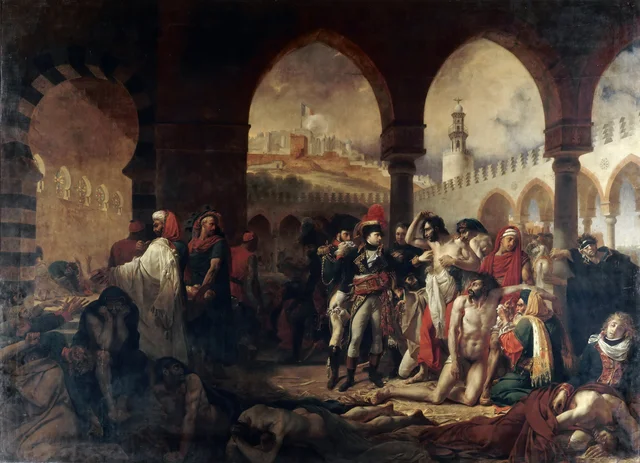 Bonaparte besucht die Pestkranken von JaffaAntoine-Jean Gros, 1804
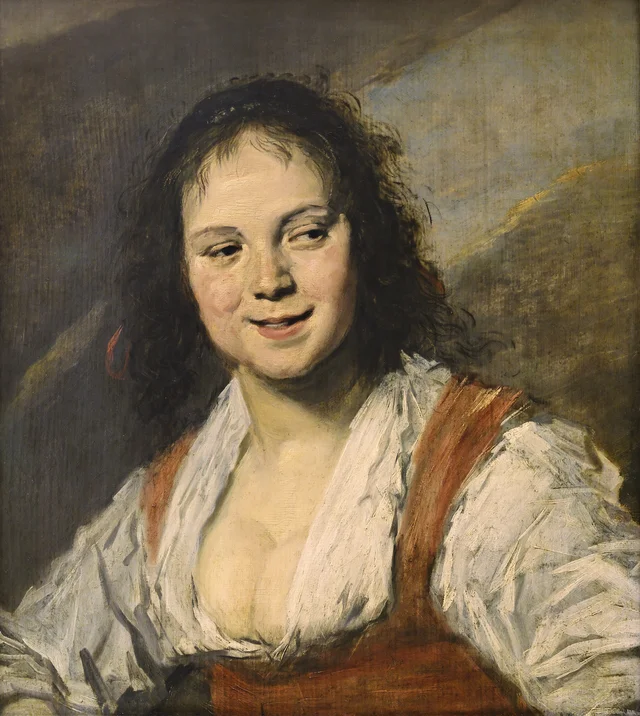 Die ZigeunerinFrans Hals, 1628
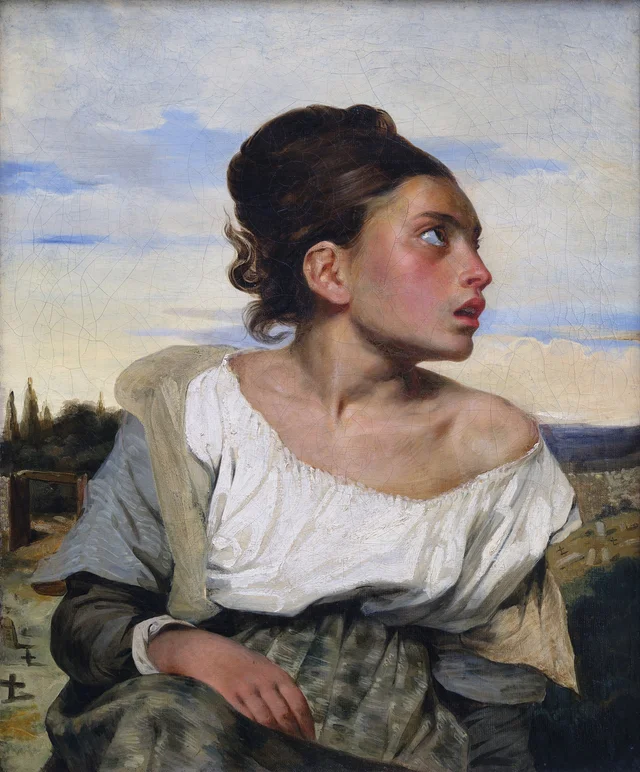 Waisenmädchen auf dem FriedhofEugène Delacroix, 1824
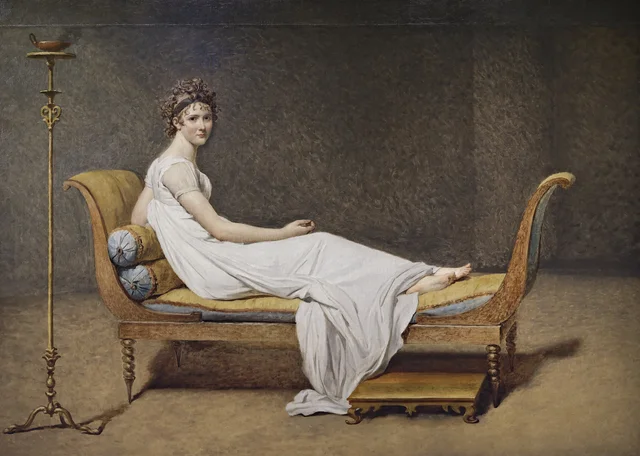 Bildnis der Madame RécamierJacques-Louis David, 1800
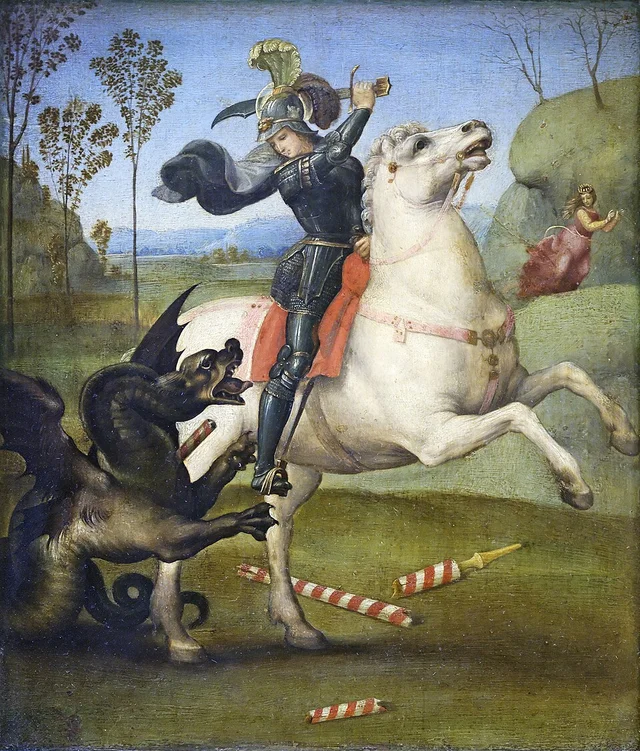 Der heilige Georg und der DracheRaffael, 1500
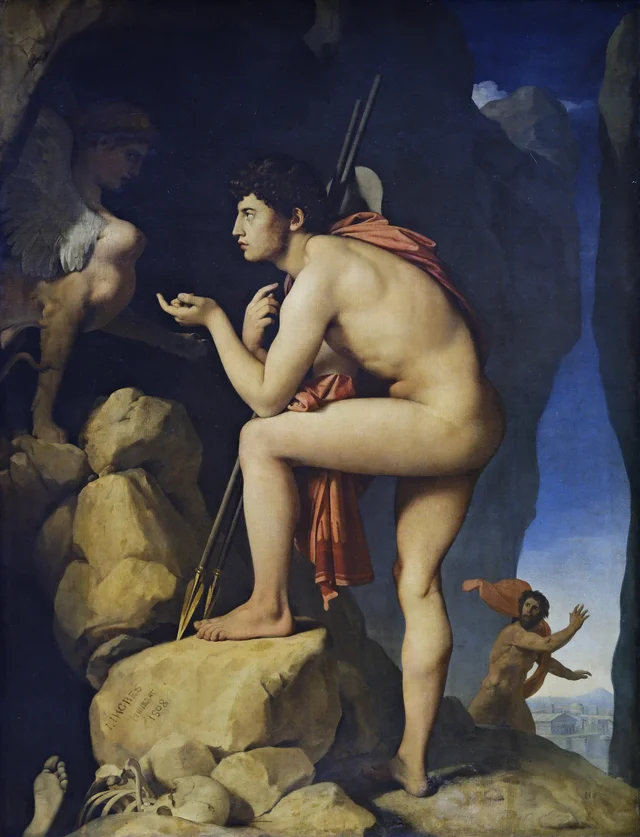 Ödipus und die SphinxJean-Auguste-Dominique Ingres, 1808
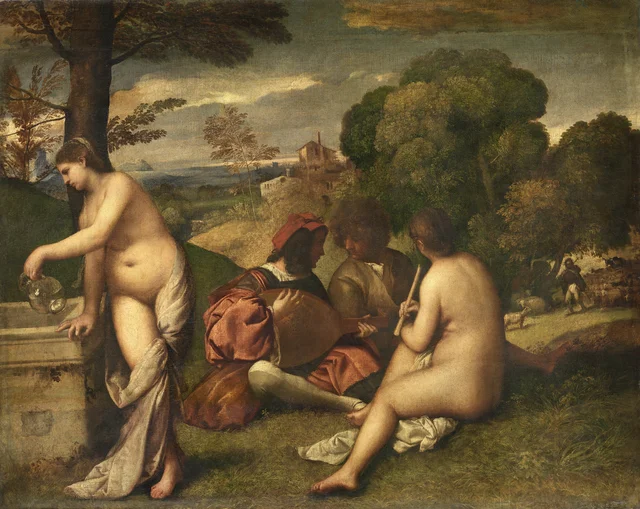 Ländliches KonzertTizian, 1510
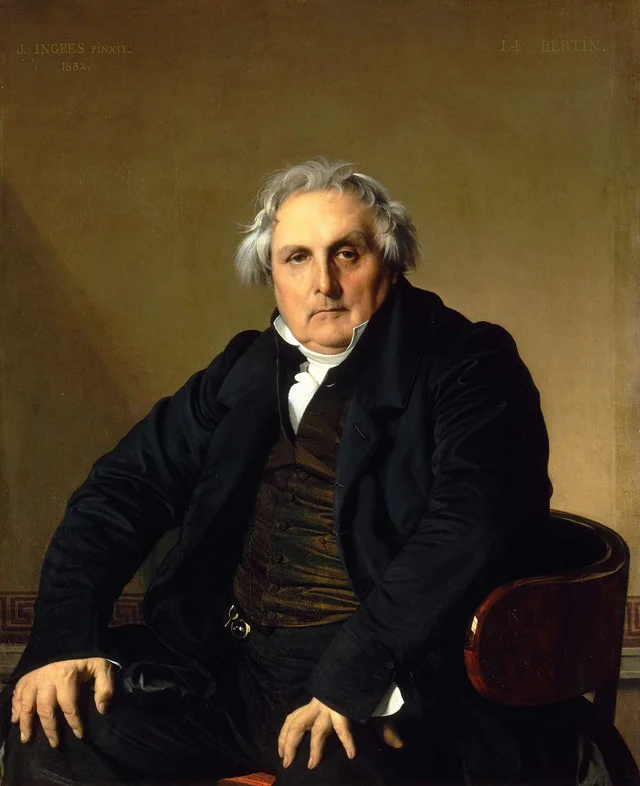 Bildnis des Monsieur BertinJean-Auguste-Dominique Ingres, 1832
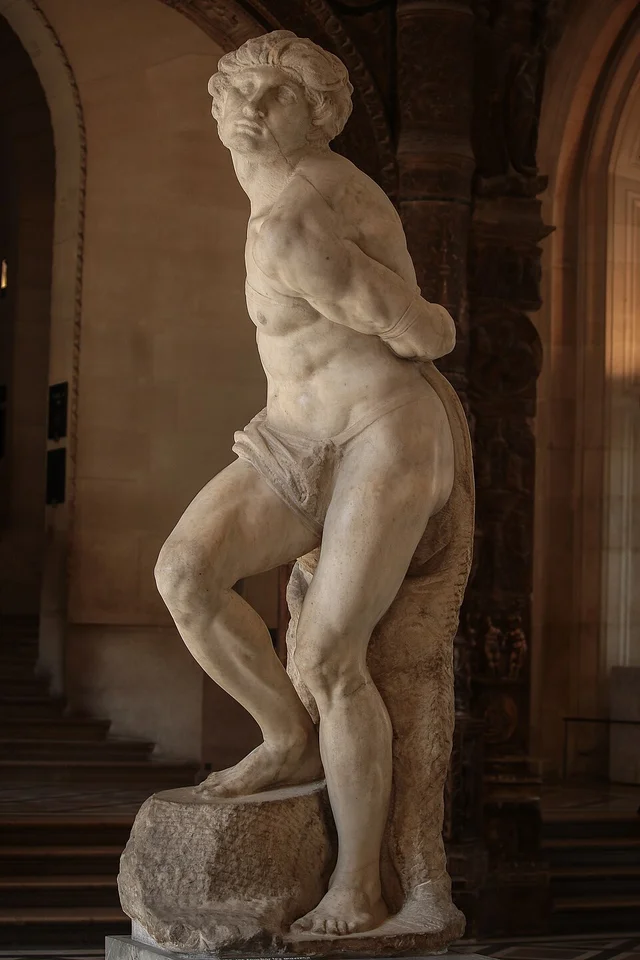 Der rebellische SklaveMichelangelo, 1514
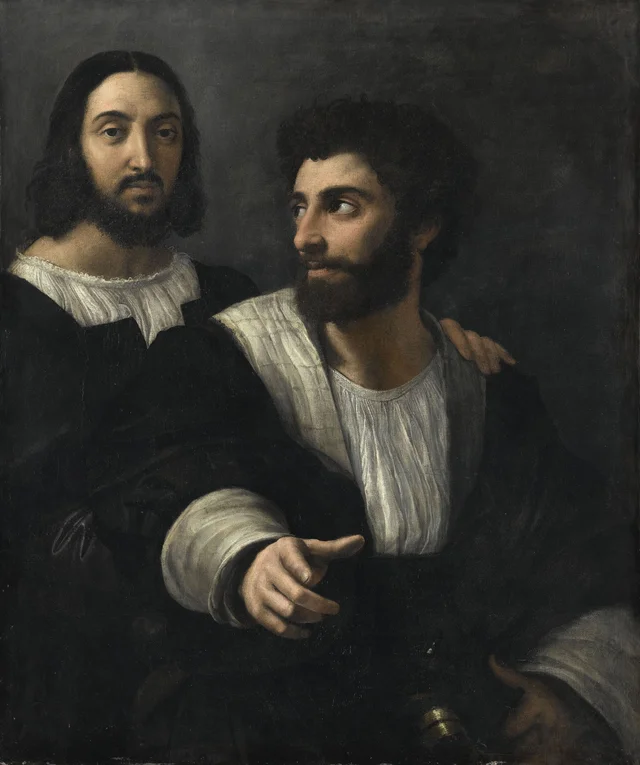 Selbstbildnis mit einem FreundRaffael, 1519
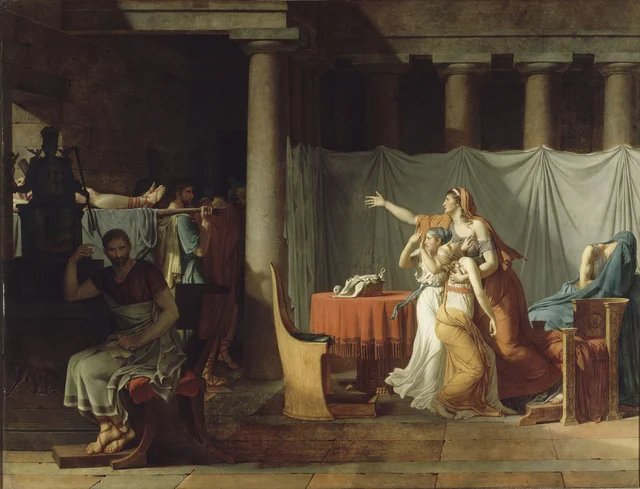 Die Liktoren bringen Brutus die Leichen seiner SöhneJacques-Louis David, 1789
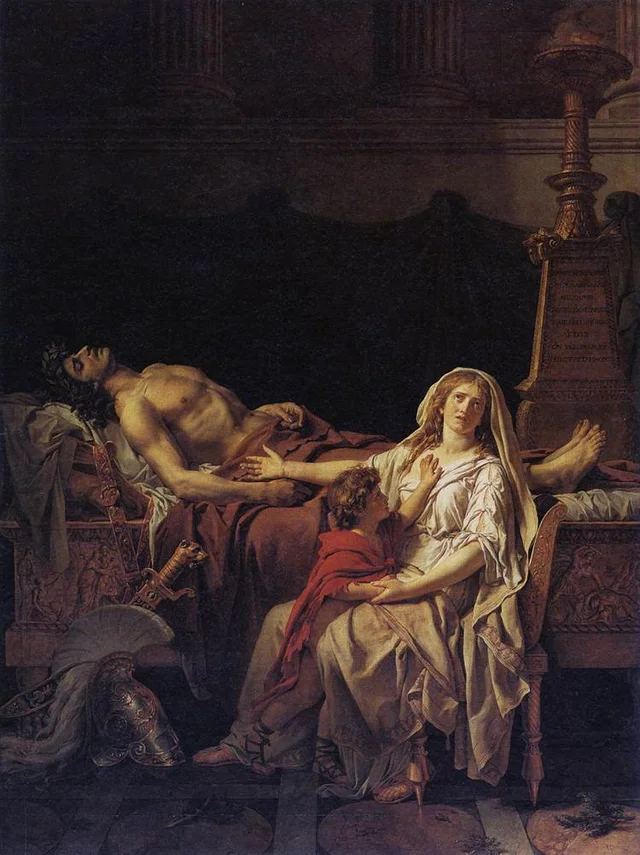 Andromache betrauert HektorJacques-Louis David, 1783
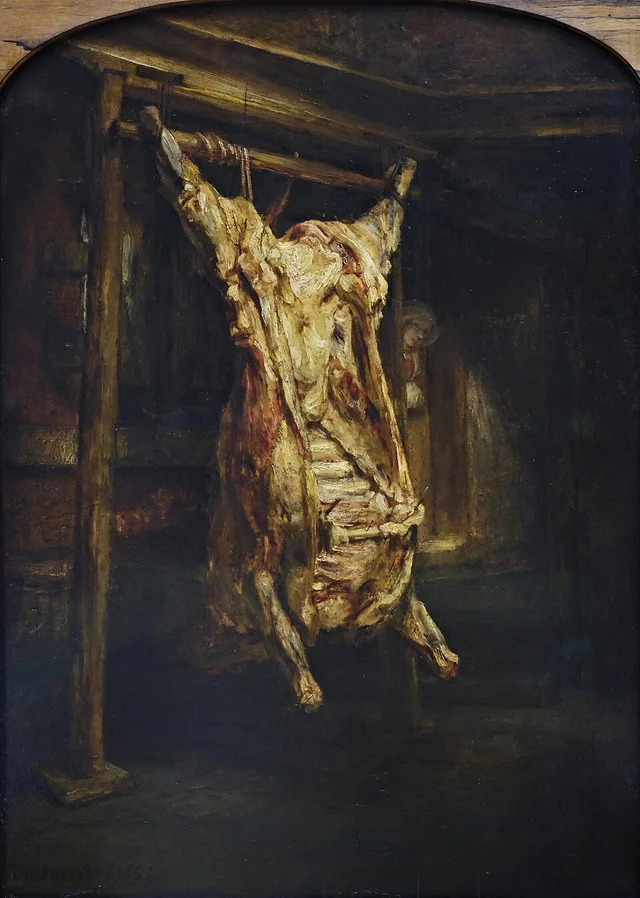 Der geschlachtete OchseRembrandt, 1655
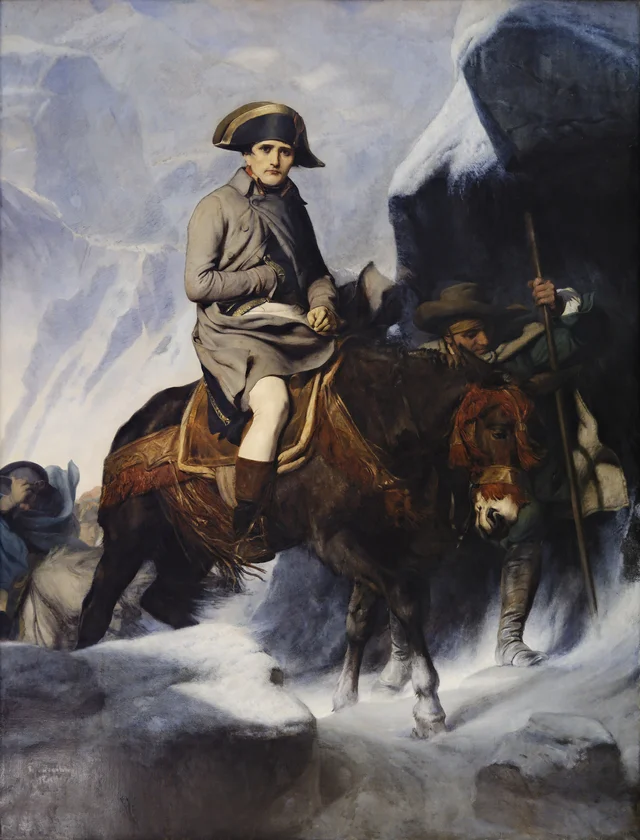 Bonaparte überquert die AlpenPaul Delaroche, 1848
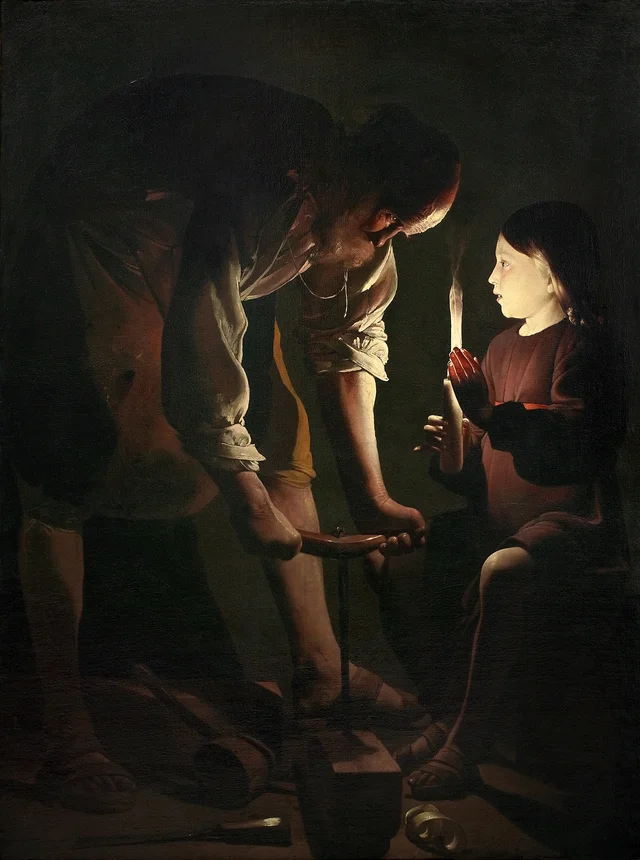 Der heilige Joseph als ZimmermannGeorges de La Tour, 1642
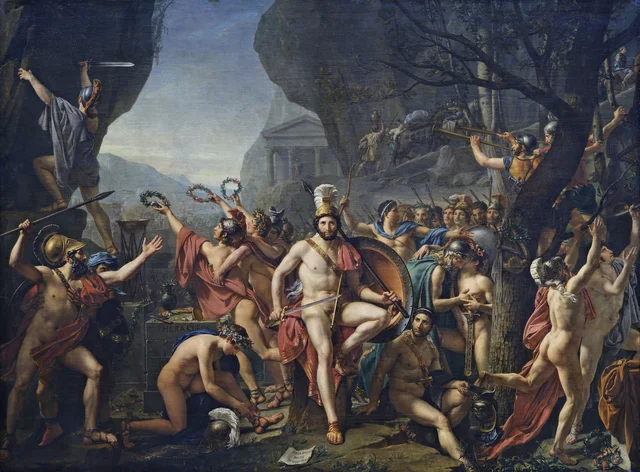 Leonidas bei den ThermopylenJacques-Louis David, 1814
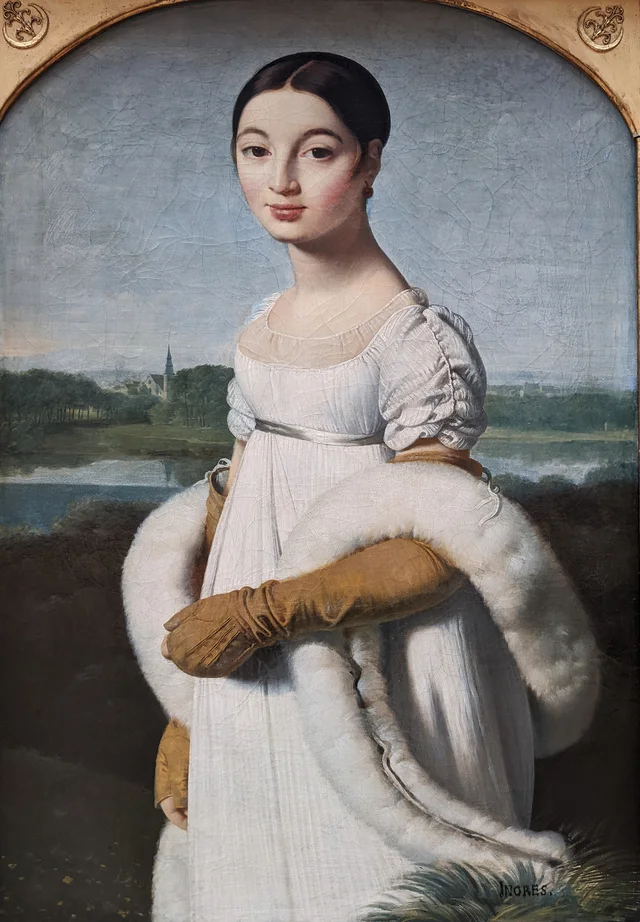 Mademoiselle Caroline RivièreJean-Auguste-Dominique Ingres, 1806
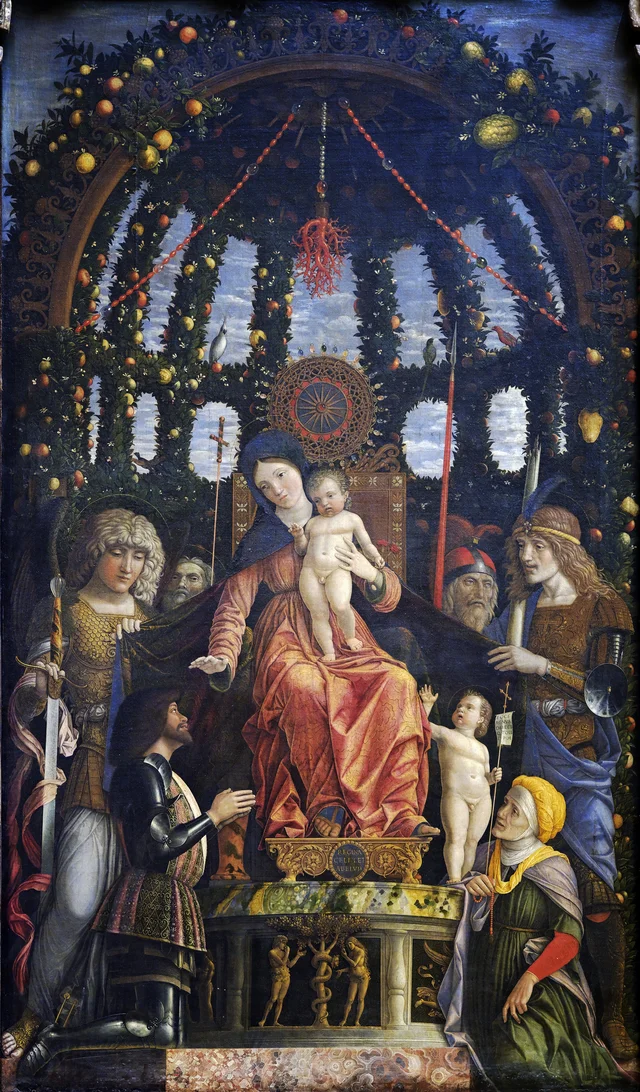 Madonna della VittoriaAndrea Mantegna, 1495
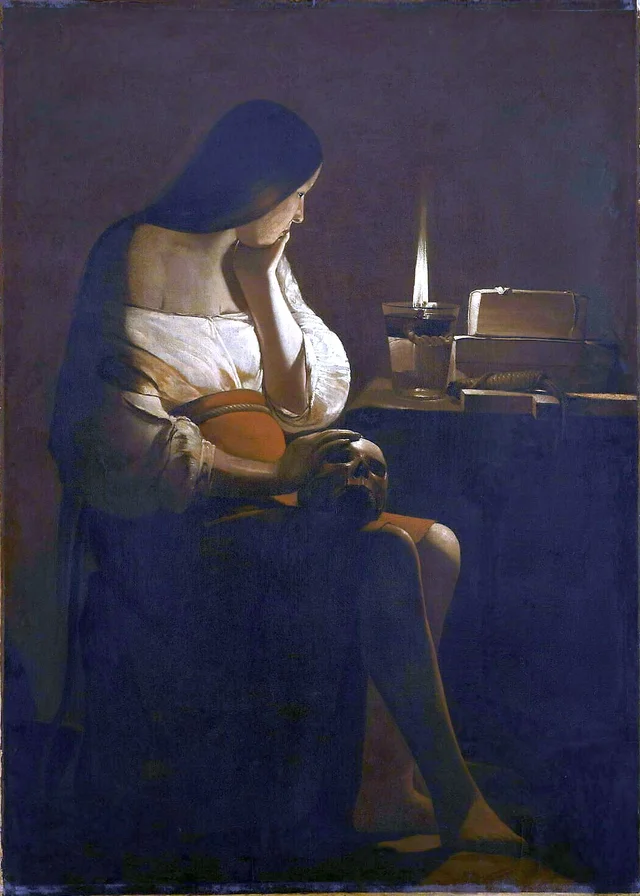 Die Magdalena mit der rußenden FlammeGeorges de La Tour, 1642