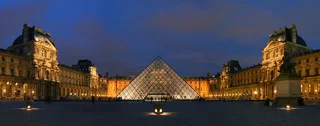
The story
The Louvre began as a fortress. Philip II raised it on the right bank of the Seine around 1190 to guard medieval Paris, and over the following centuries French kings rebuilt it into a royal palace, until Louis XIV moved his court to Versailles in 1682 and left the half-finished halls to the royal collection and the artists lodged inside.
The Revolution turned it into a public museum. On 10 August 1793 the Muséum central des arts opened its doors, showing the confiscated art of the crown and the church to any citizen who wished to walk in. Napoleon filled it with the spoils of his campaigns and briefly renamed it after himself. Much was returned after Waterloo, but the idea held, a national collection arranged for study and free to the public.
Today the Louvre holds more than 35,000 works, from the Venus de Milo to Géricault's Raft of the Medusa. The crowds, though, press toward one small portrait. In August 1911 it vanished: Vincenzo Peruggia, an Italian handyman who had worked in the museum, lifted Leonardo's Mona Lisa off the wall and carried it out under his coat. For two years the frame hung empty while visitors came to stare at the gap, and the painting returned only in 1913, after Peruggia tried to sell it to a dealer in Florence. I. M. Pei's glass pyramid, set in the courtyard in 1989, now marks the entrance.
More articles
Collection
1,174 works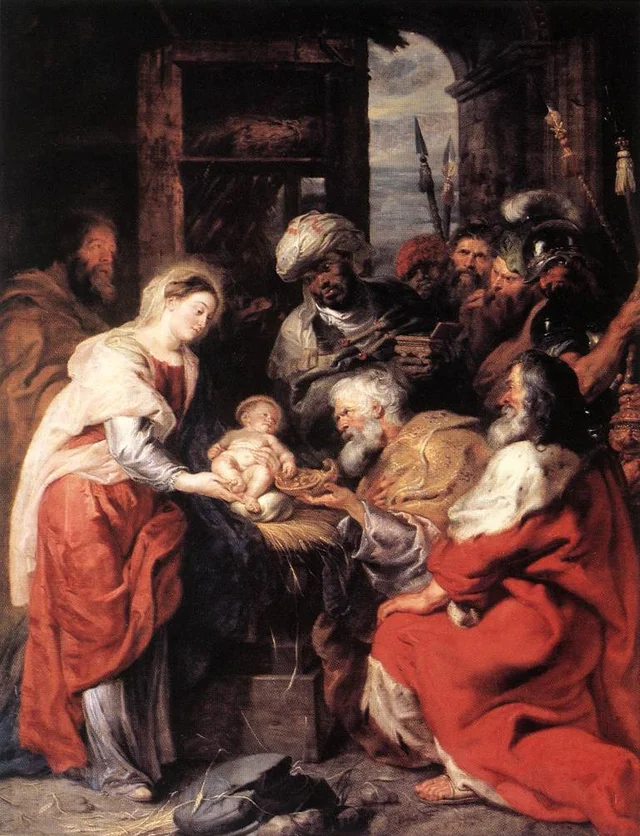 The Adoration of the MagiPeter Paul Rubens, 1626
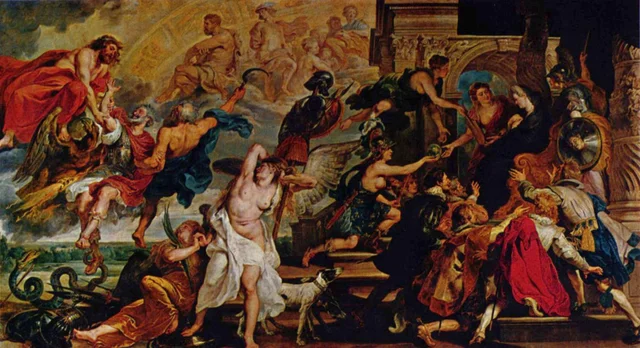 The Apotheosis of Henri IV and the Proclamation of the Regency of Marie de MédicisPeter Paul Rubens, 1623
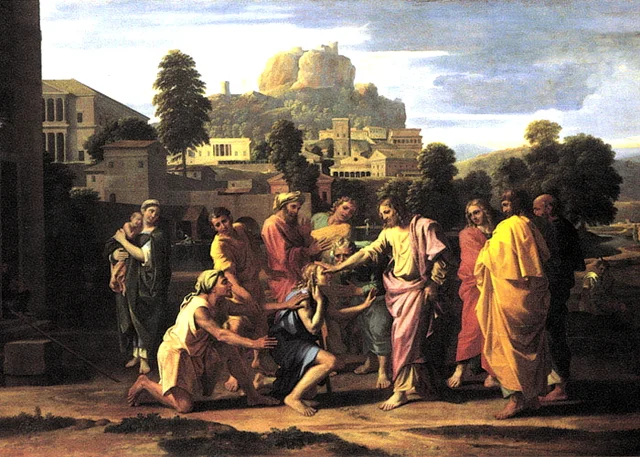 The Blind of JerichoNicolas Poussin, 1650
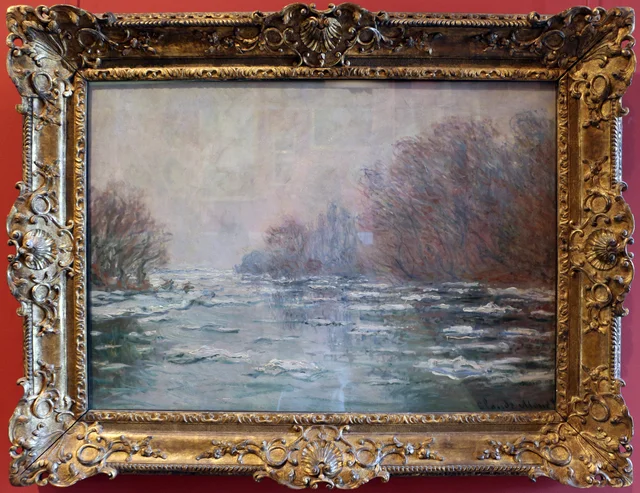 The Breaking up near VétheuilClaude Monet, 1880
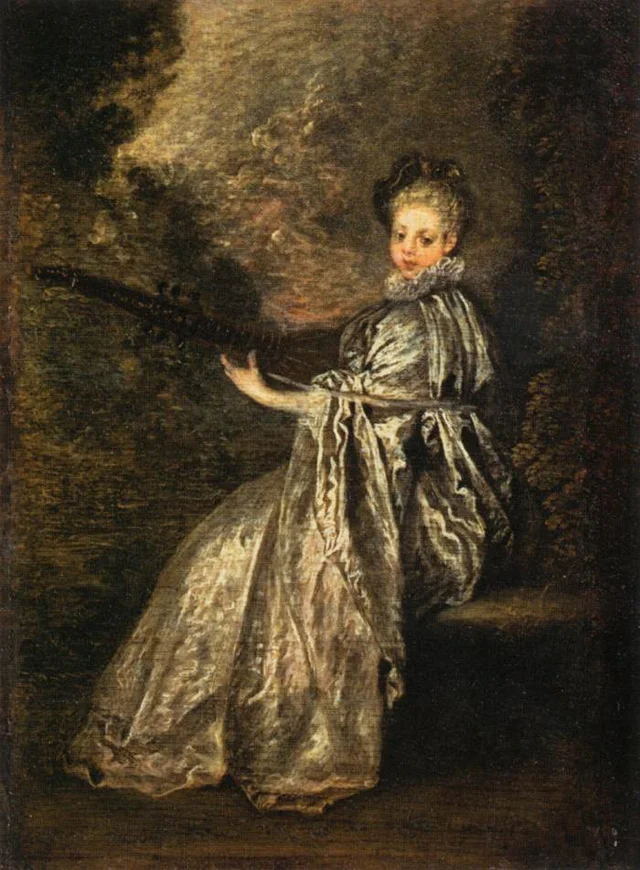 The Delicate MusicianJean-Antoine Watteau, 1717
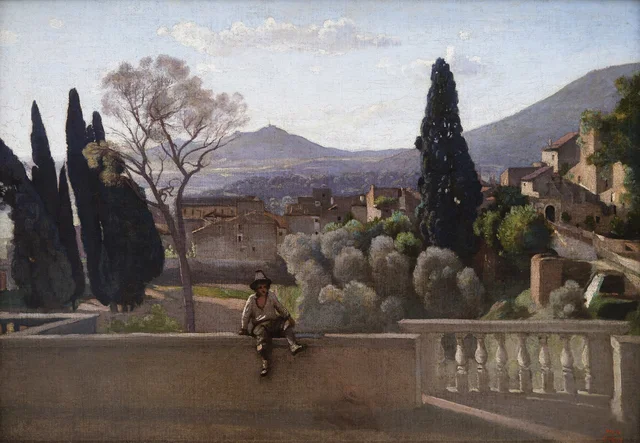 The Gardens of the Villa d'Este at TivoliJean-Baptiste Camille Corot, 1843
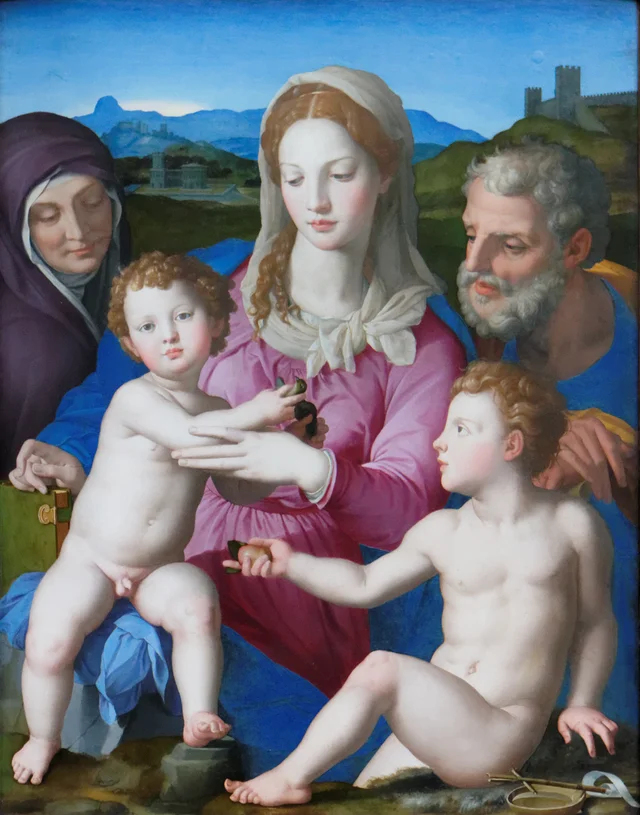 The Holy Family with St. Anna and the Infant St. John the BaptistBronzino, 1548
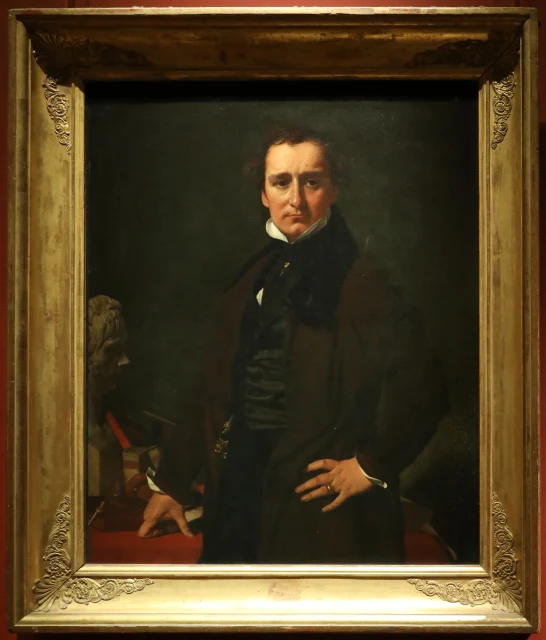 The Sculptor Lorenzo BartoliniJean-Auguste-Dominique Ingres, 1820
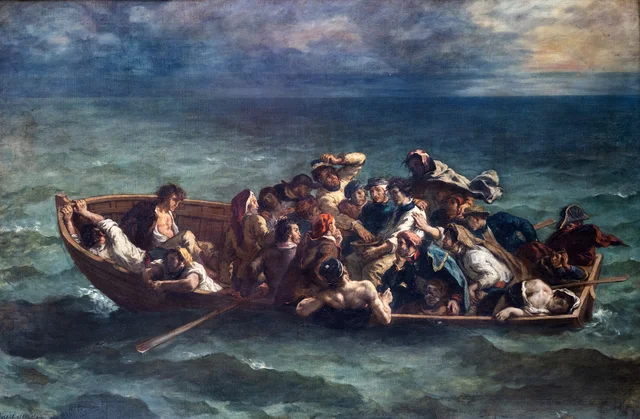 The Shipwreck of Don JuanEugène Delacroix, 1840
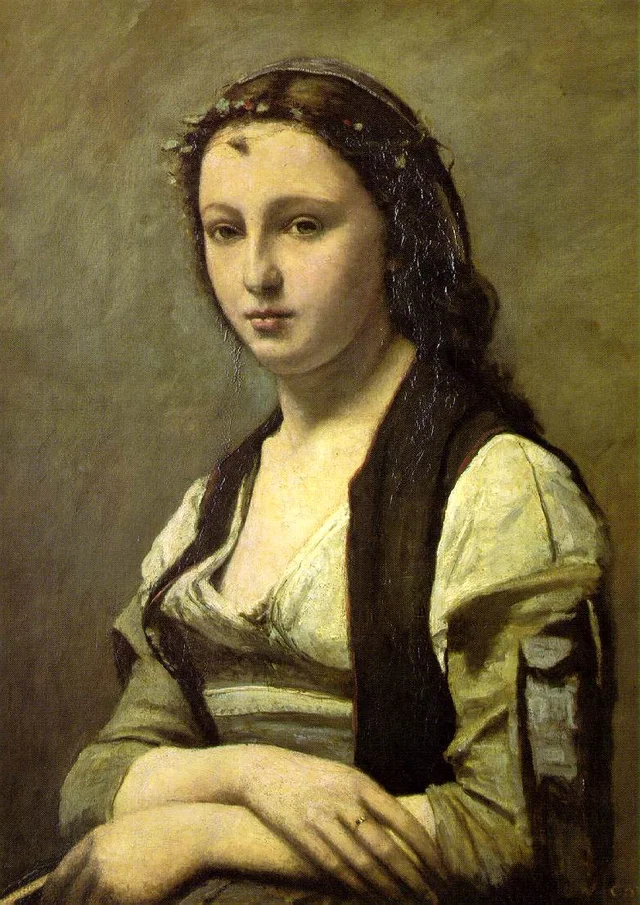 The Woman with a PearlJean-Baptiste Camille Corot, 1868
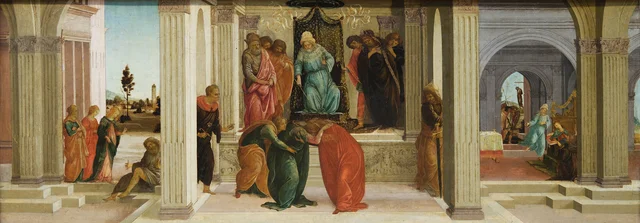 Three Scenes from the Story of EstherFilippino Lippi, 1470
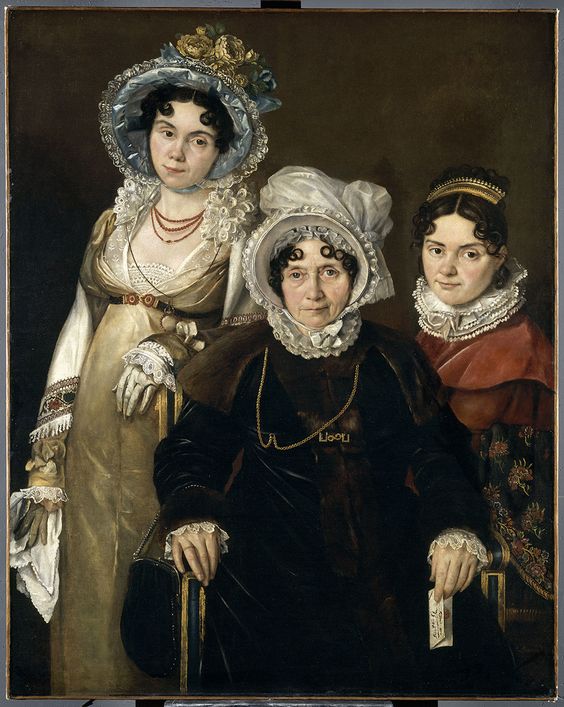 Three Women of GandJacques-Louis David, 1812
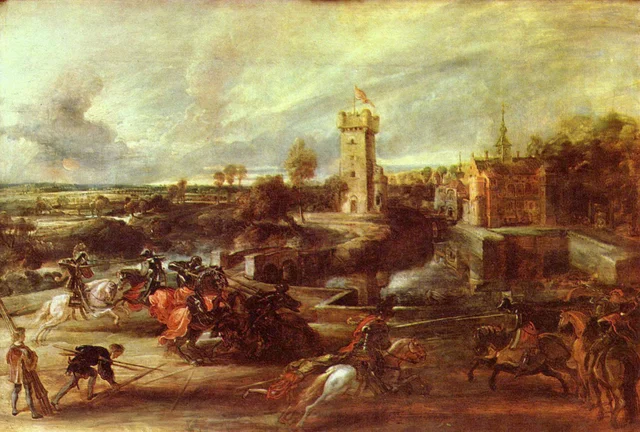 Tournament near the Moats of the Château de SteenPeter Paul Rubens, 1639
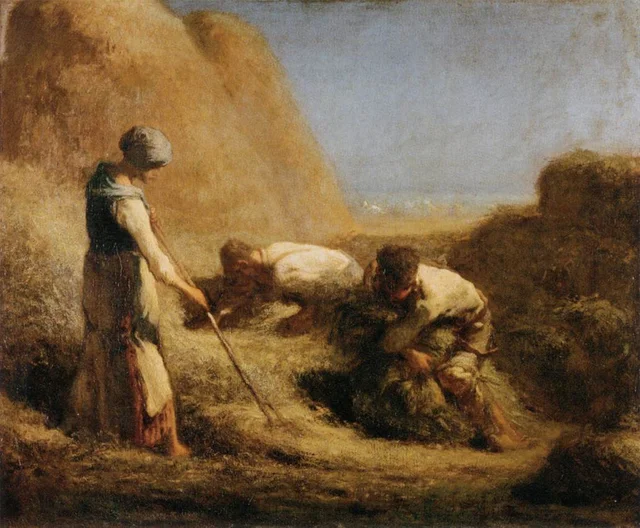 Trussing HayJean-François Millet, 1850
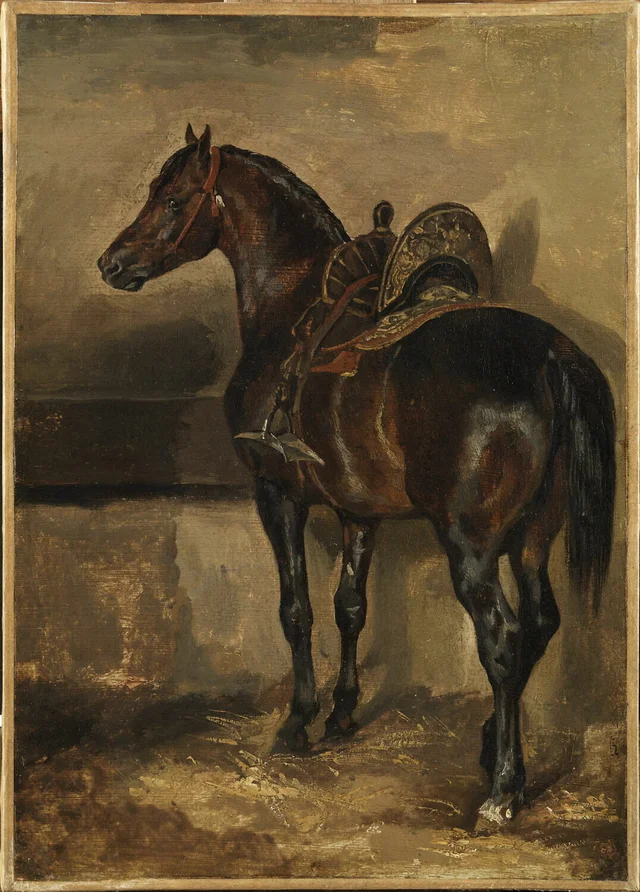 Turkish Horse in a StableThéodore Géricault, 1811
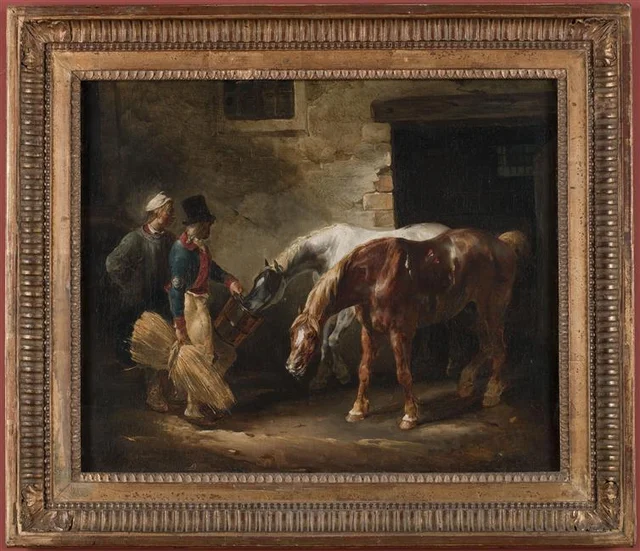 Two Post Horses at the Door of a StableThéodore Géricault, 1821
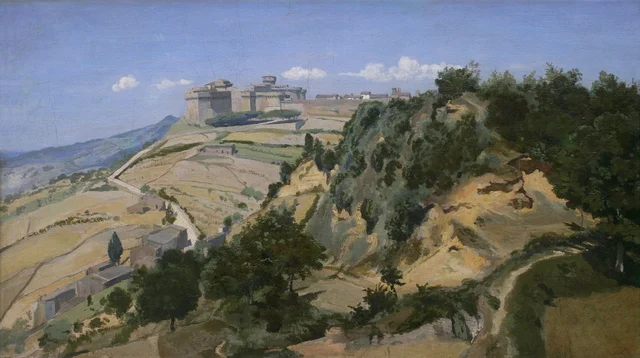 View of VolterraJean-Baptiste Camille Corot, 1834
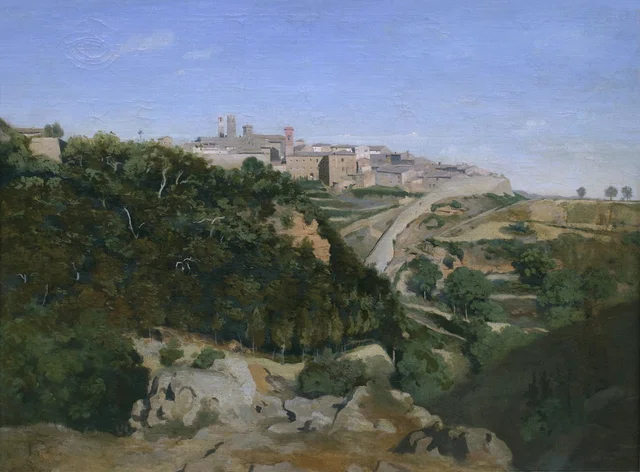 View of VolterraJean-Baptiste Camille Corot, 1834
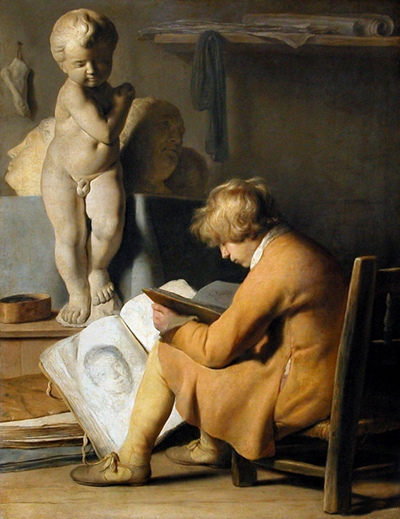 Young Boy in a StudioJan Lievens, 1644
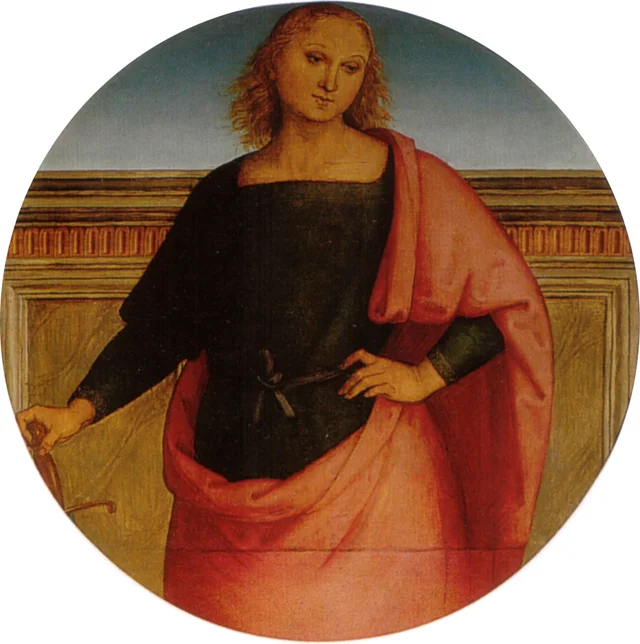 Young Saint with a SwordPietro Perugino, 1513
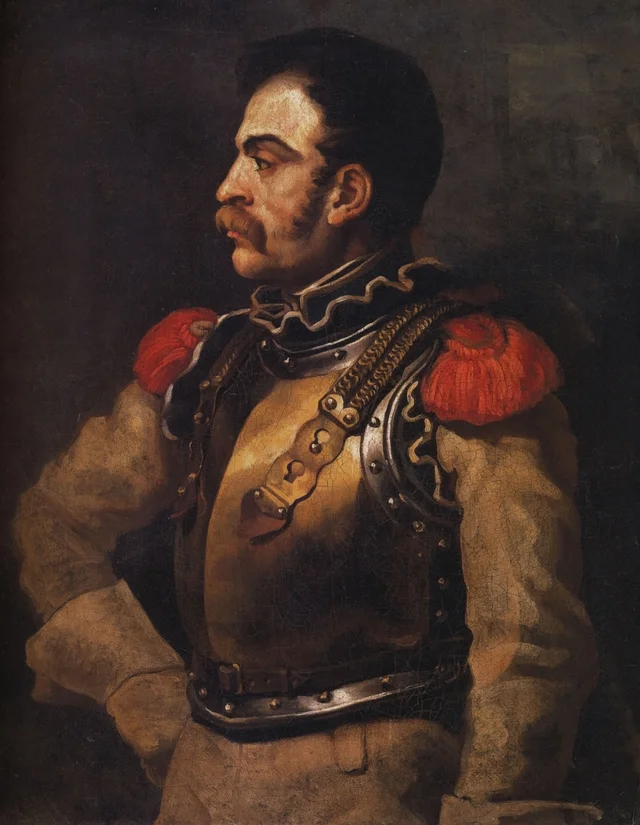 A Carabinier, Half-LengthThéodore Géricault, 1814
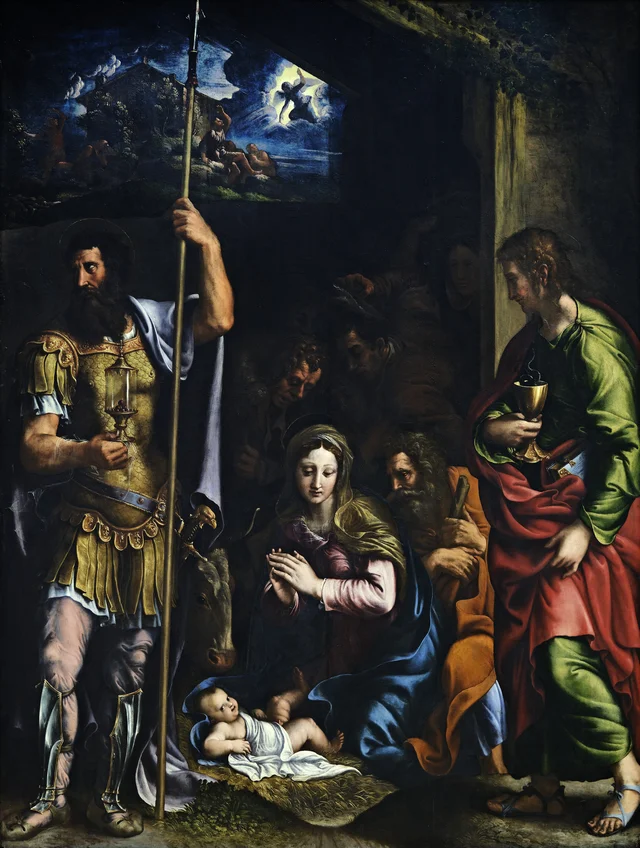 Adoration of the Shepherds with Sts. Longinus and JohnGiulio Romano, 1536
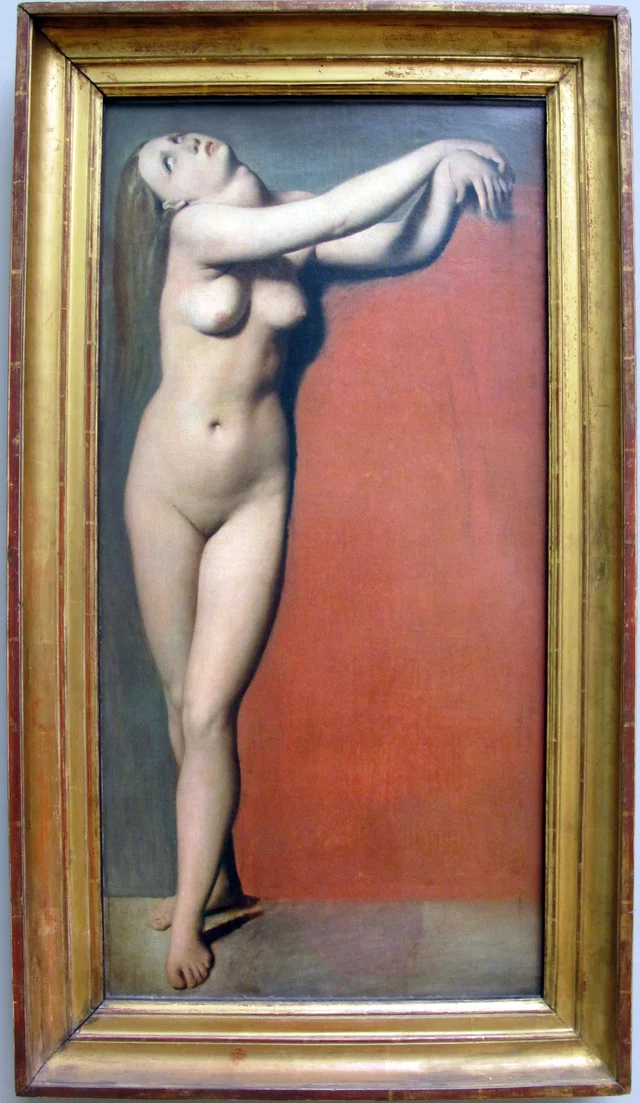 AngéliqueJean-Auguste-Dominique Ingres, 1819
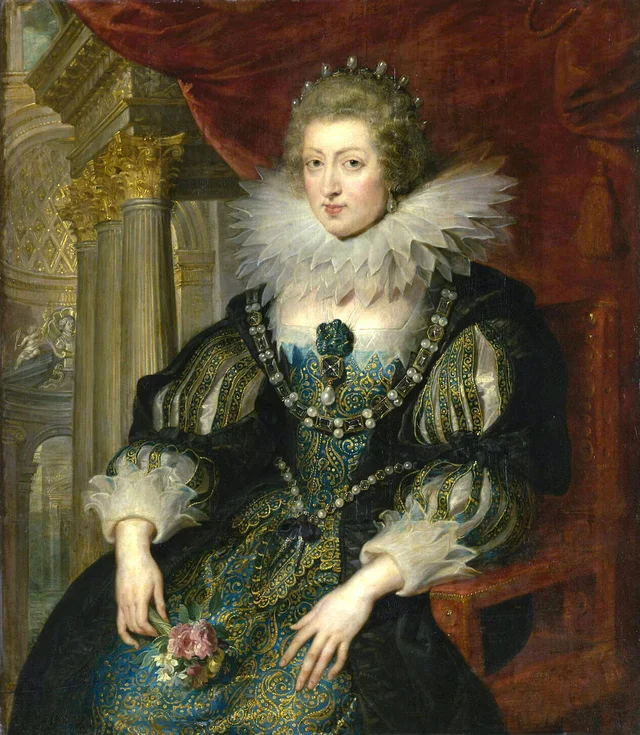 Anne of Austria, Queen of FranceCopy after Peter Paul Rubens, 1620
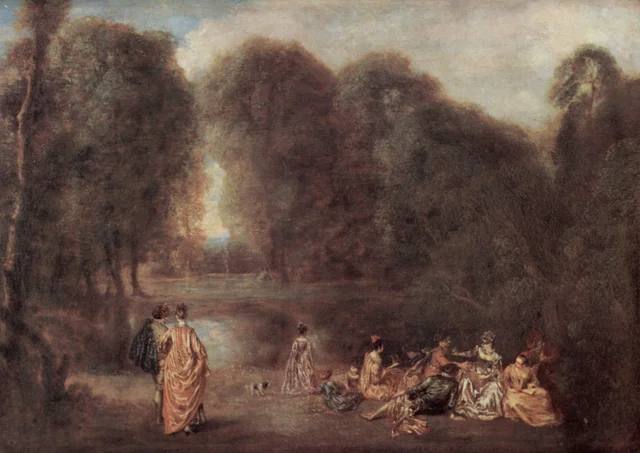 Assembly in a ParkJean-Antoine Watteau, 1716