
The story
The Louvre began as a fortress. Philip II raised it on the right bank of the Seine around 1190 to guard medieval Paris, and over the following centuries French kings rebuilt it into a royal palace, until Louis XIV moved his court to Versailles in 1682 and left the half-finished halls to the royal collection and the artists lodged inside.
The Revolution turned it into a public museum. On 10 August 1793 the Muséum central des arts opened its doors, showing the confiscated art of the crown and the church to any citizen who wished to walk in. Napoleon filled it with the spoils of his campaigns and briefly renamed it after himself. Much was returned after Waterloo, but the idea held, a national collection arranged for study and free to the public.
Today the Louvre holds more than 35,000 works, from the Venus de Milo to Géricault's Raft of the Medusa. The crowds, though, press toward one small portrait. In August 1911 it vanished: Vincenzo Peruggia, an Italian handyman who had worked in the museum, lifted Leonardo's Mona Lisa off the wall and carried it out under his coat. For two years the frame hung empty while visitors came to stare at the gap, and the painting returned only in 1913, after Peruggia tried to sell it to a dealer in Florence. I. M. Pei's glass pyramid, set in the courtyard in 1989, now marks the entrance.
More articles

Collection
1,174 works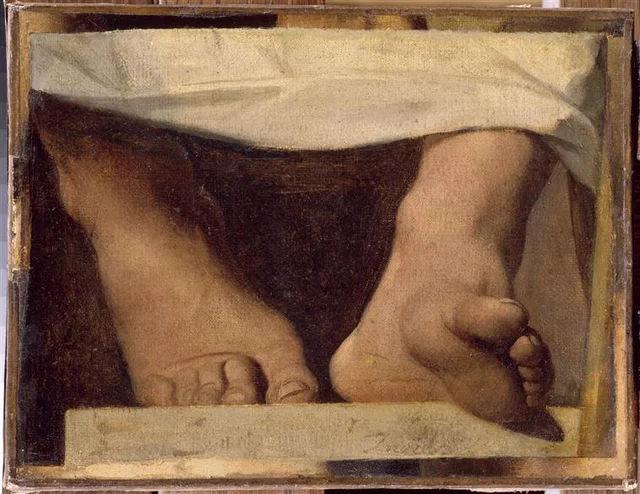 The Feet of Homer, Study for The Apotheosis of HomerJean-Auguste-Dominique Ingres, 1826
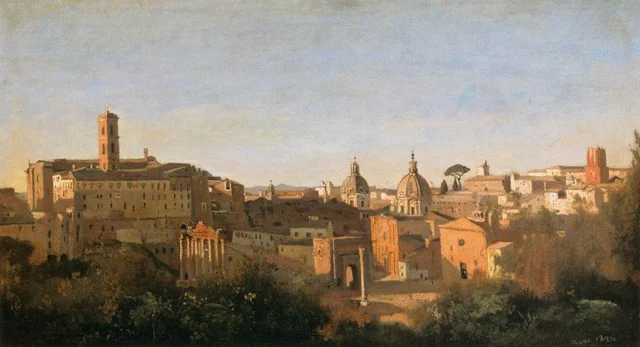 The Forum Seen from the Farnese GardensJean-Baptiste Camille Corot, 1826
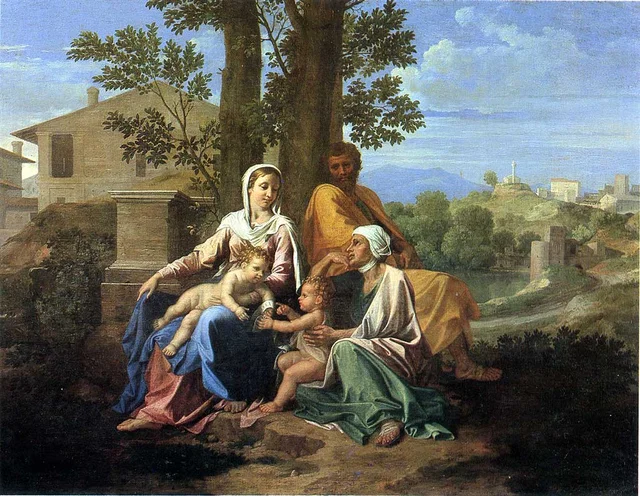 The Holy Family with Saint John and Saint Elizabeth in a LandscapeNicolas Poussin, 1650
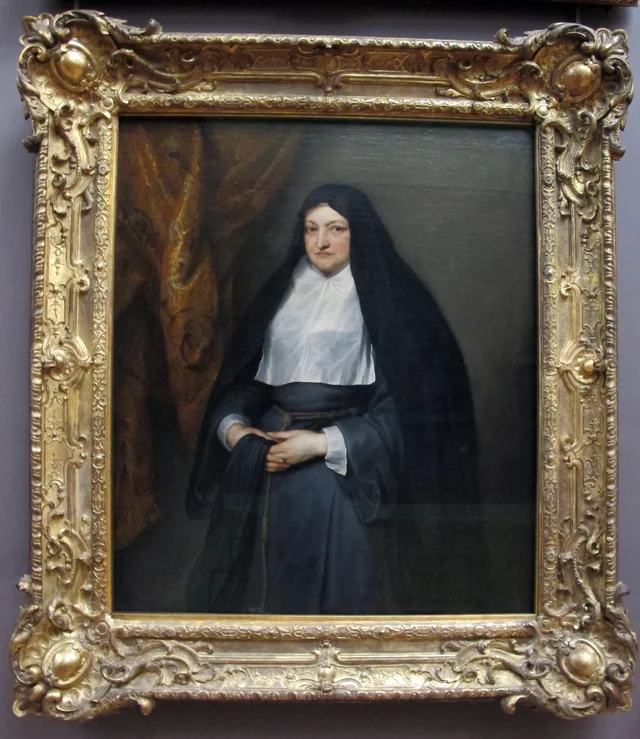 The Infanta Isabella Clara Eugenia, Regent of the NetherlandsAnthony van Dyck, 1630
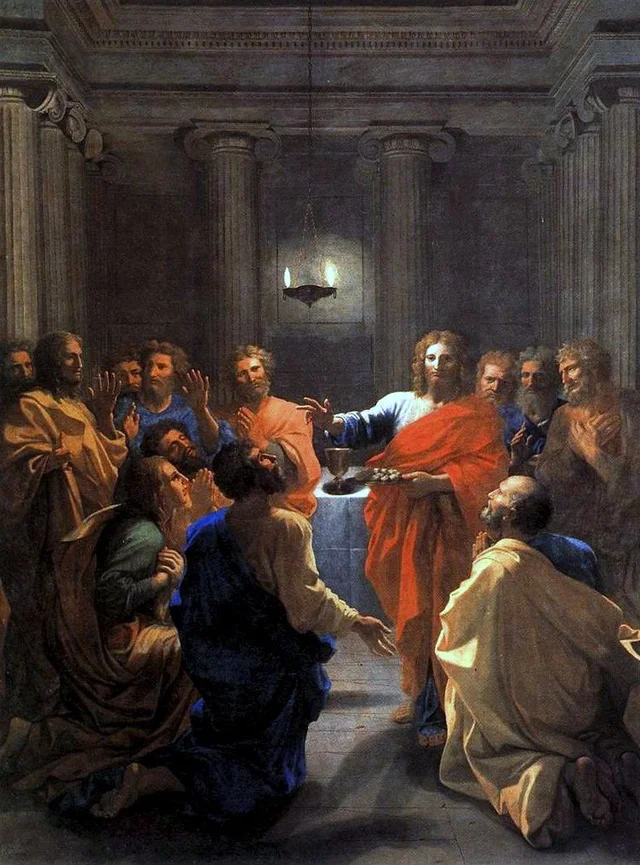 The Institution of the EucharistNicolas Poussin, 1641
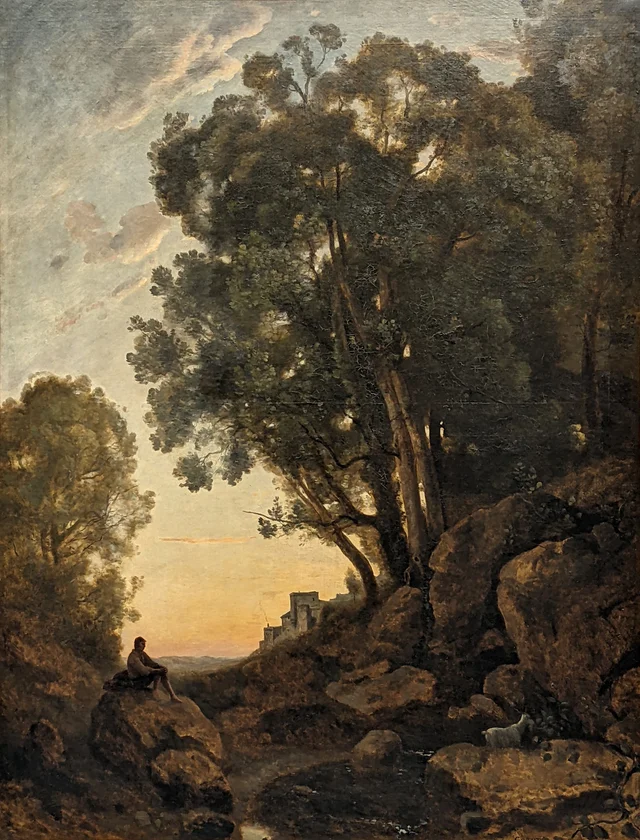 The Italian Goatherd. Sunset EffectJean-Baptiste Camille Corot, 1848
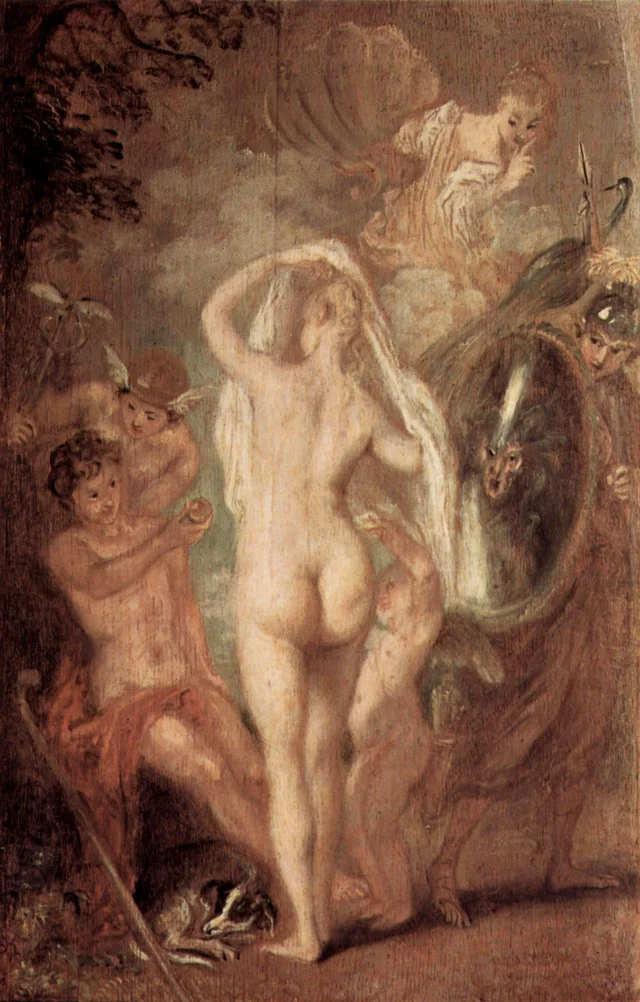 The Judgment of ParisJean-Antoine Watteau, 1718
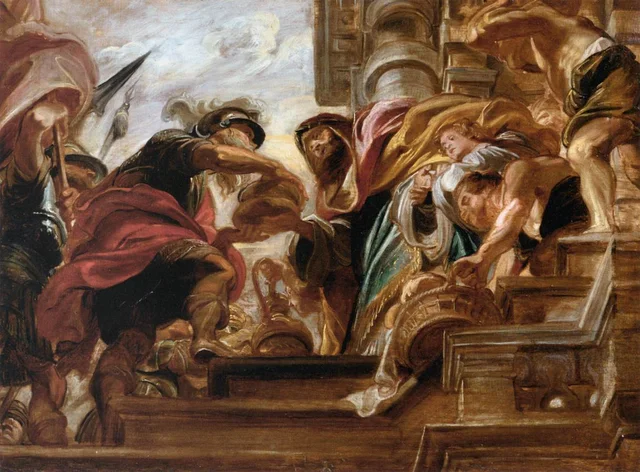 The Meeting of Abraham and MelchisedekPeter Paul Rubens, 1620
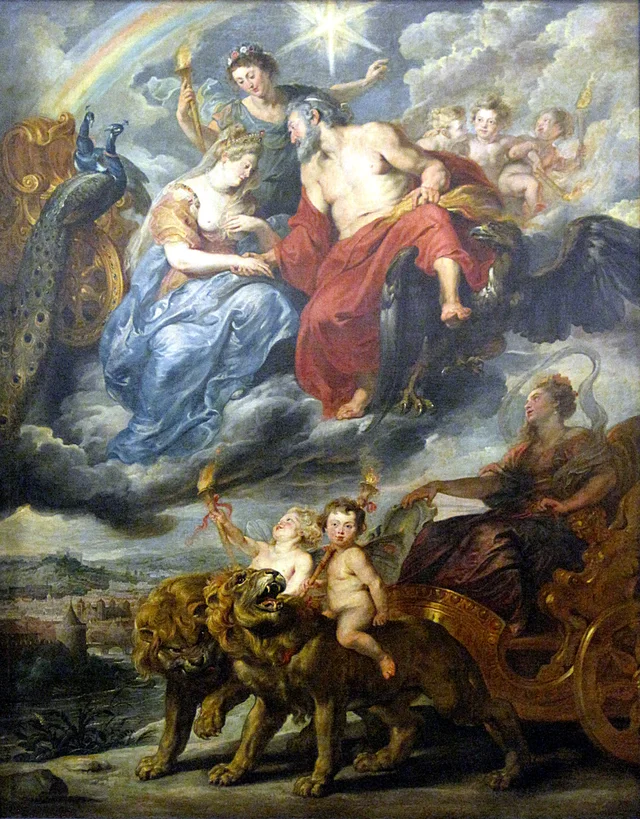 The Meeting of Marie de' Medici and Henry IV at LyonsPeter Paul Rubens, 1623
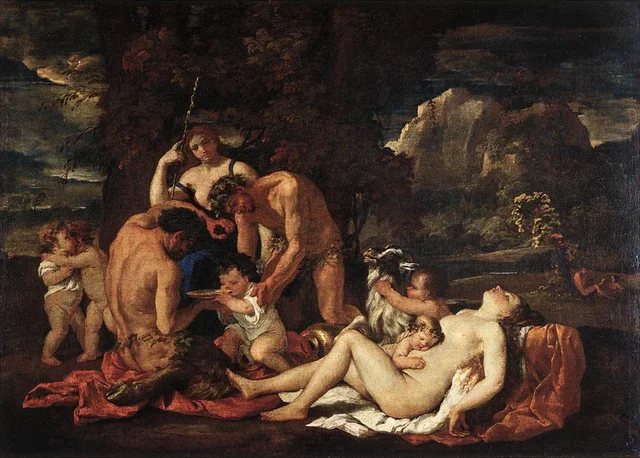 The Nurture of BacchusNicolas Poussin, 1624
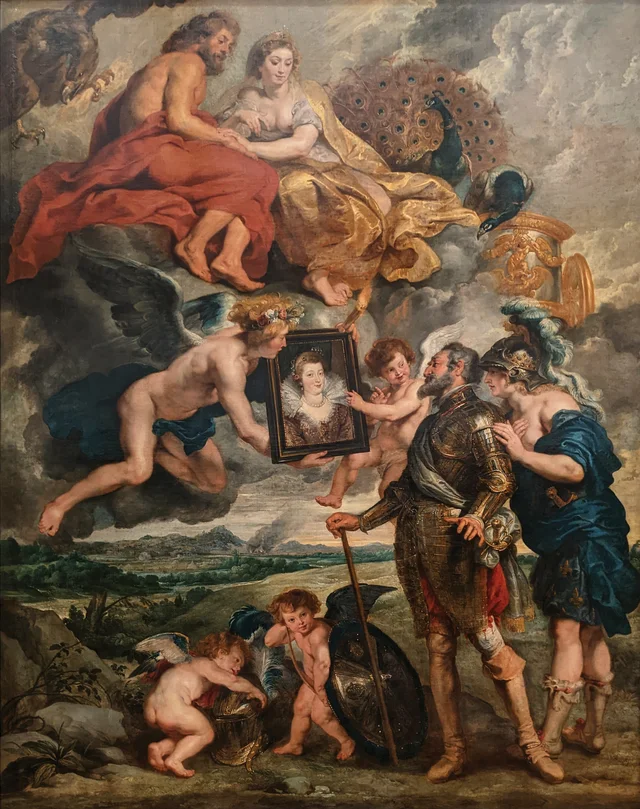 The Presentation of Marie de' Medici's Portrait to Henry IVPeter Paul Rubens, 1623
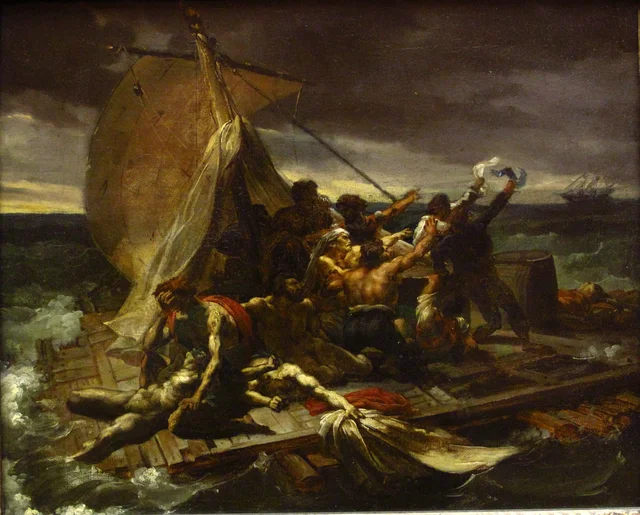 The Raft of the Medusa (first study)Théodore Géricault, 1818
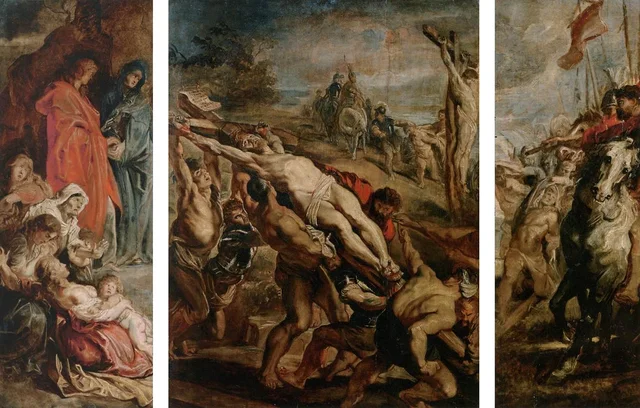 The Raising of the CrossPeter Paul Rubens, 1610
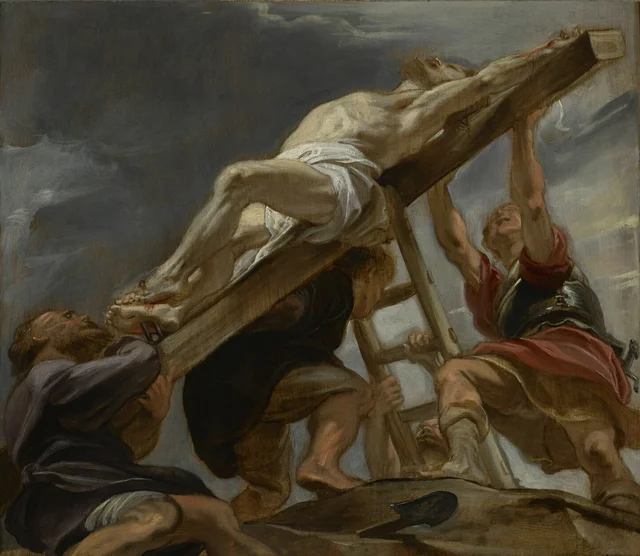 The Raising of the CrossPeter Paul Rubens, 1620
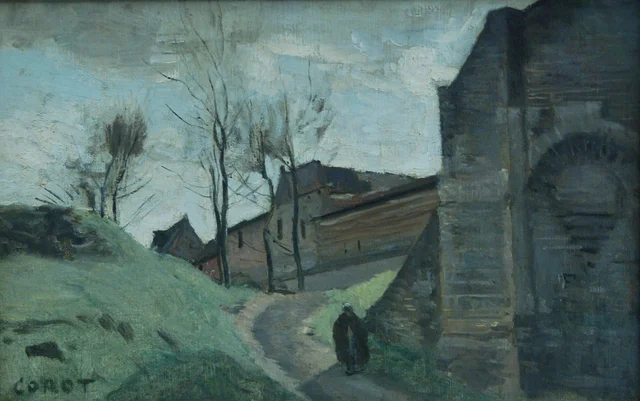 The Ramparts of Arras, Porte Saint-MichelJean-Baptiste Camille Corot, 1871
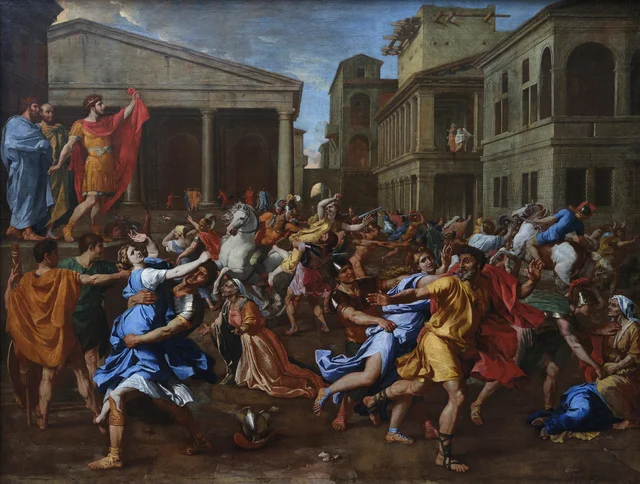 The Rape of the Sabine WomenNicolas Poussin, 1637
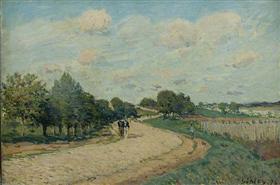 The Road to MantesAlfred Sisley, 1874
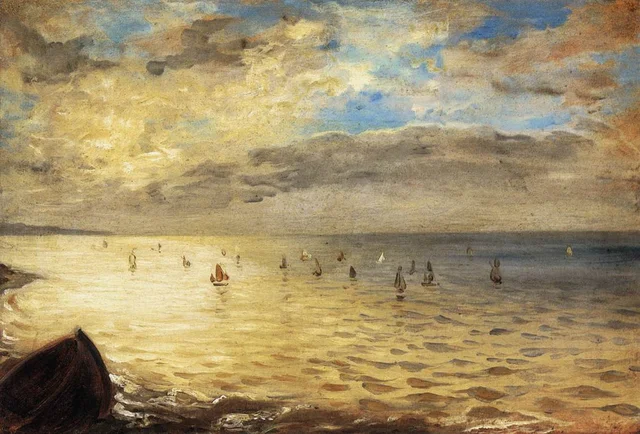 The Sea Seen from the Heights of DieppeEugène Delacroix, 1852
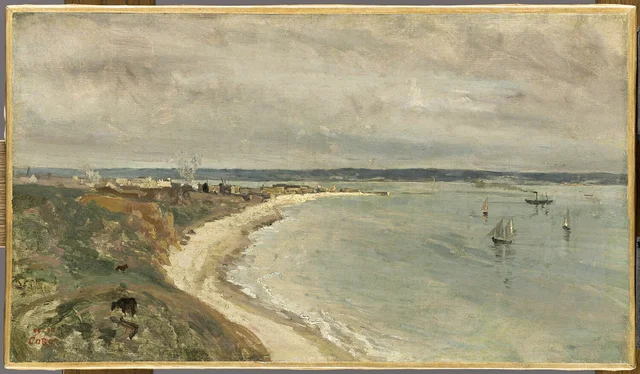 The Sea Seen from the Top of the CliffsJean-Baptiste Camille Corot, 1830
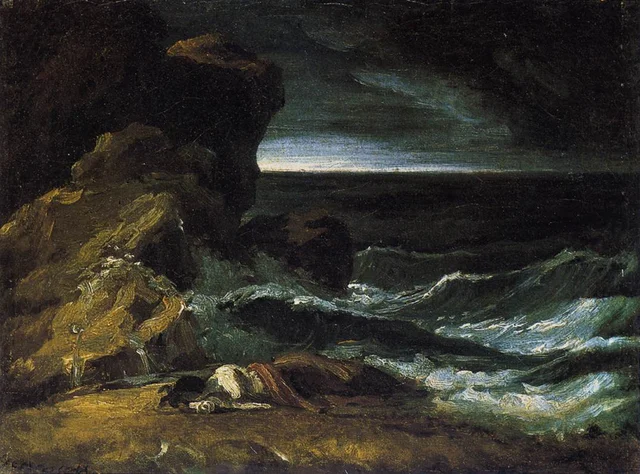 The Storm, or The WreckThéodore Géricault
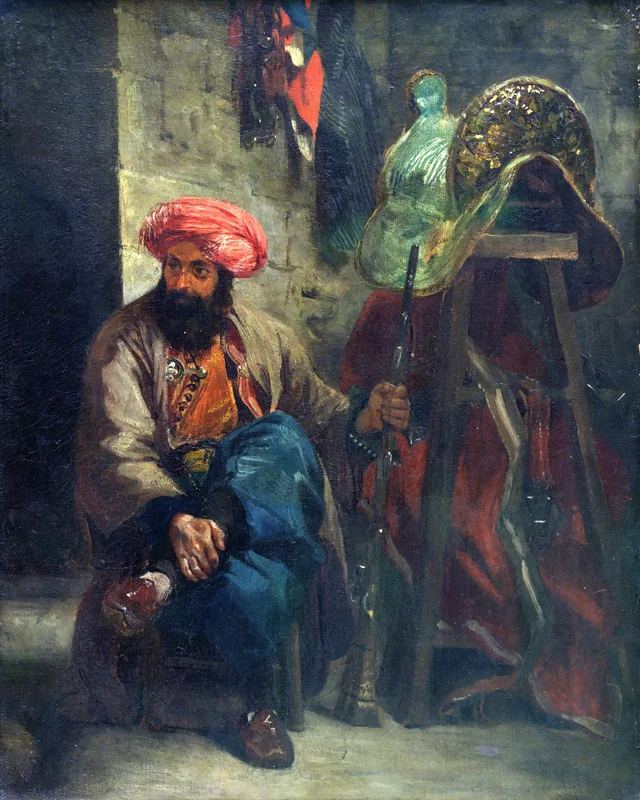 The Turk in the SaddleEugène Delacroix, 1837
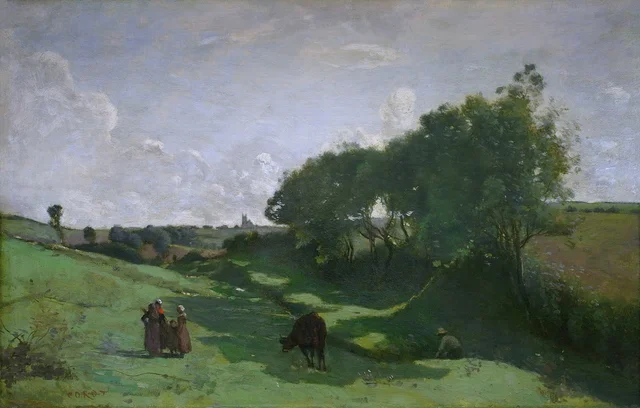 The ValeJean-Baptiste Camille Corot, 1857
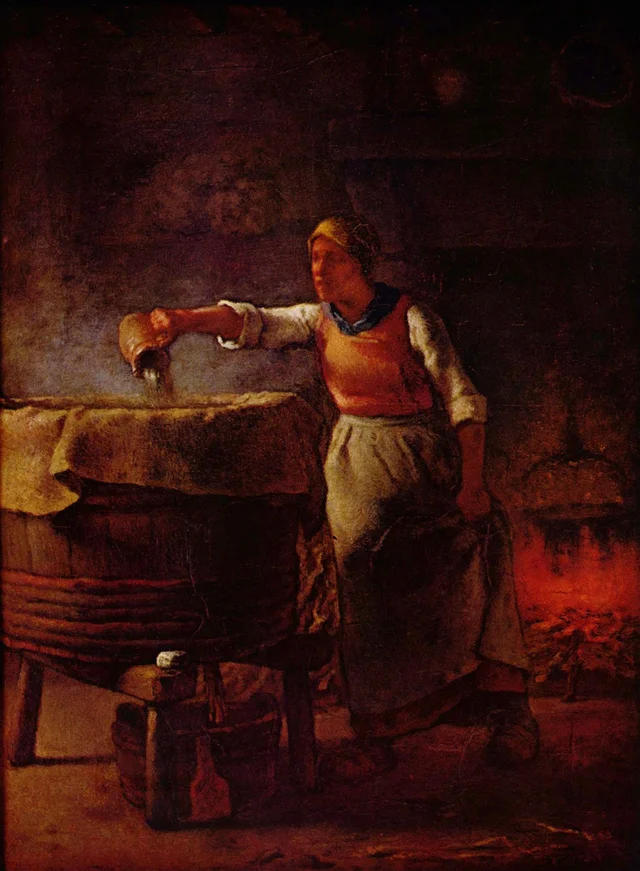 The WasherwomanJean-François Millet, 1849
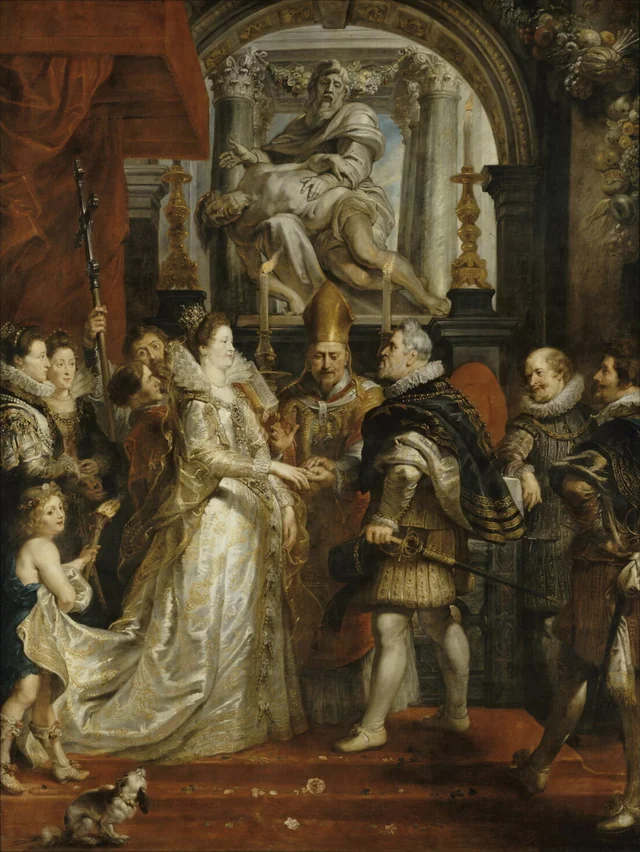 The Wedding by Proxy of Marie de' Medici to King Henry IVPeter Paul Rubens, 1623
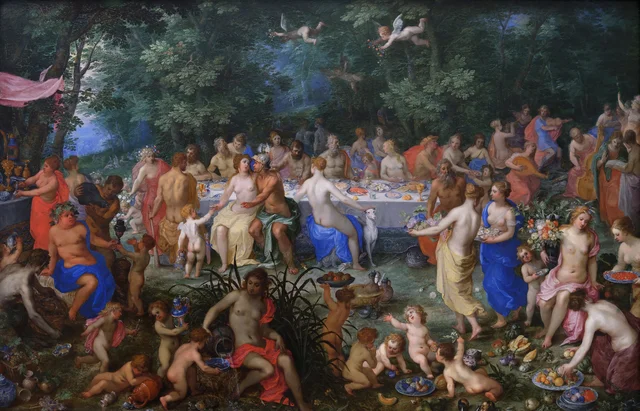 The Wedding of Thetis and PeleusHendrick van Balen the Elder, 1600