
The story
The Louvre began as a fortress. Philip II raised it on the right bank of the Seine around 1190 to guard medieval Paris, and over the following centuries French kings rebuilt it into a royal palace, until Louis XIV moved his court to Versailles in 1682 and left the half-finished halls to the royal collection and the artists lodged inside.
The Revolution turned it into a public museum. On 10 August 1793 the Muséum central des arts opened its doors, showing the confiscated art of the crown and the church to any citizen who wished to walk in. Napoleon filled it with the spoils of his campaigns and briefly renamed it after himself. Much was returned after Waterloo, but the idea held, a national collection arranged for study and free to the public.
Today the Louvre holds more than 35,000 works, from the Venus de Milo to Géricault's Raft of the Medusa. The crowds, though, press toward one small portrait. In August 1911 it vanished: Vincenzo Peruggia, an Italian handyman who had worked in the museum, lifted Leonardo's Mona Lisa off the wall and carried it out under his coat. For two years the frame hung empty while visitors came to stare at the gap, and the painting returned only in 1913, after Peruggia tried to sell it to a dealer in Florence. I. M. Pei's glass pyramid, set in the courtyard in 1989, now marks the entrance.
More articles

Collection
1,174 works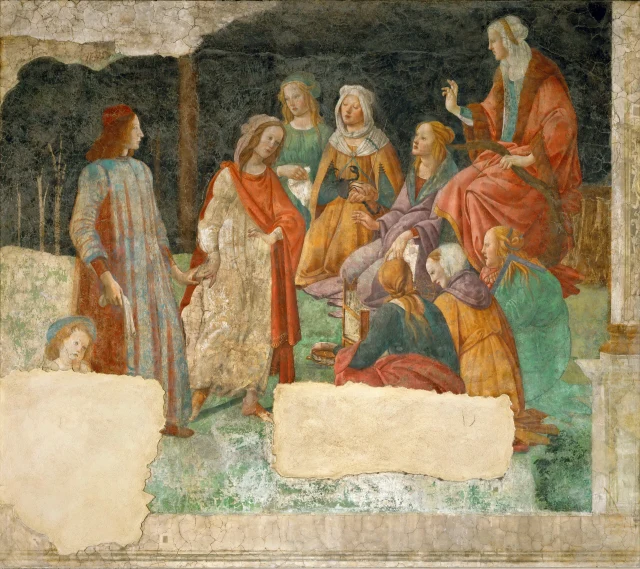 A Young Man Being Introduced to the Seven Liberal ArtsSandro Botticelli, 1484
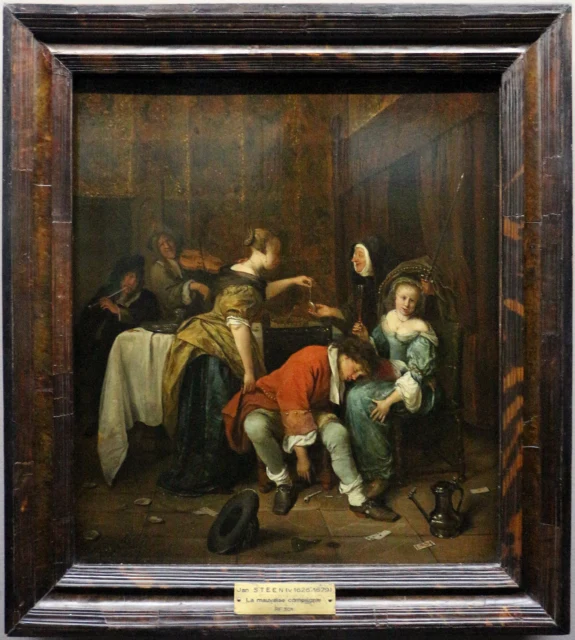 Bad CompanyJan Steen, 1667
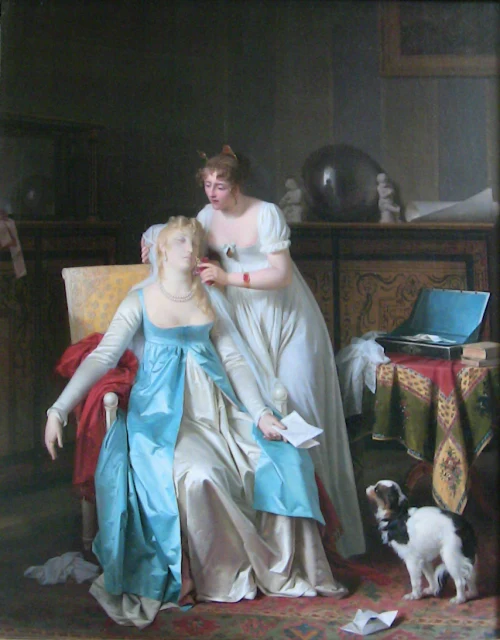 Bad NewsMarguerite Gérard, 1804
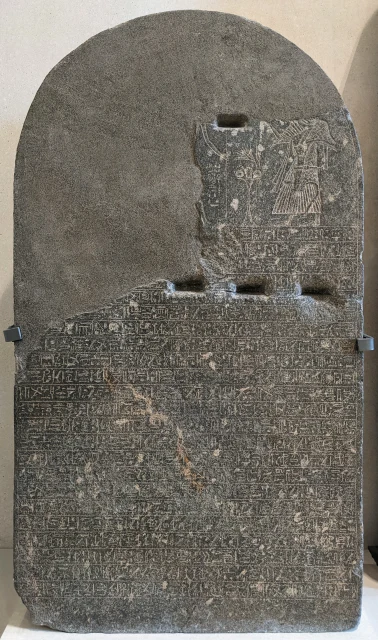 Banishment StelaUnknown Egyptian artist (Third Intermediate Period), -1022
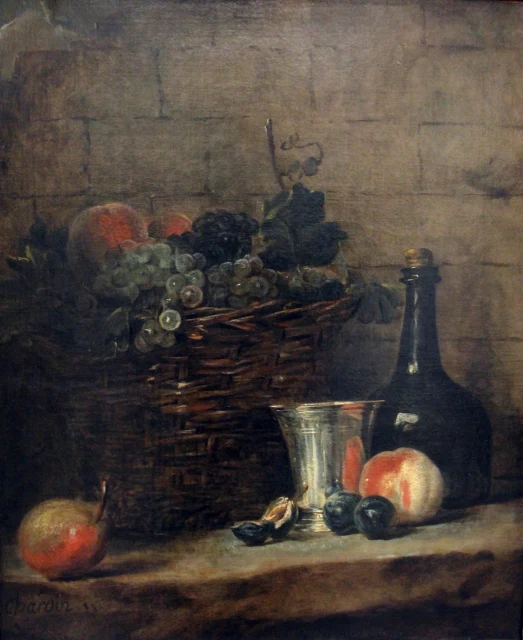 Basket of Grapes, Silver Goblet and BottleJean-Baptiste-Siméon Chardin, 1728
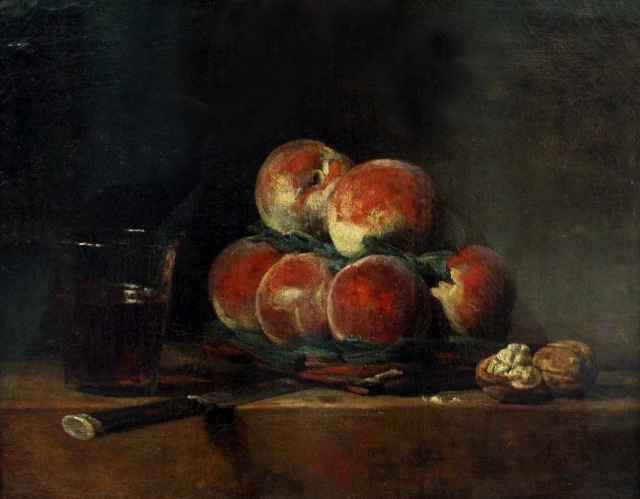 Basket of Peaches, with Walnuts, Knife and Glass of WineJean-Baptiste-Siméon Chardin, 1768
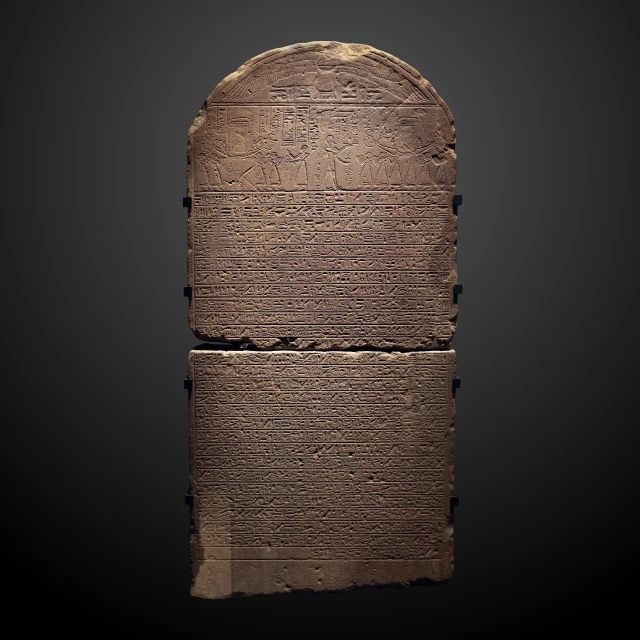 Bentresh StelaUnknown Egyptian artist (Third Intermediate Period), -1006
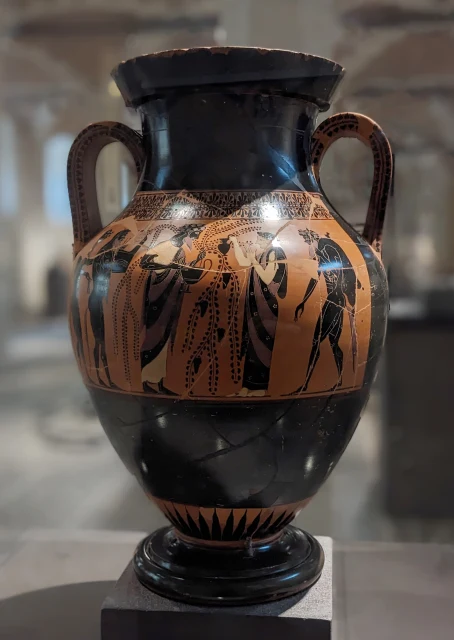 Bilingual Amphora of Andokides, with Heracles and CerberusAndokides Painter, -512
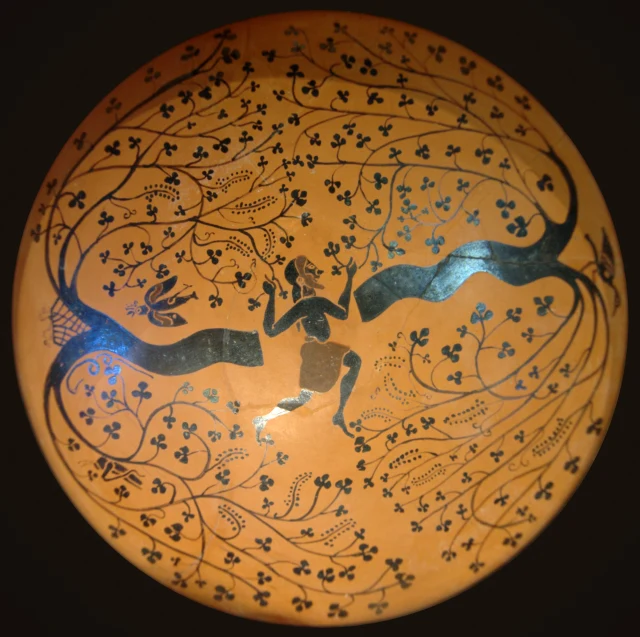 Bird-Catcher CupUnknown Ionian vase painter (Archaic), -550
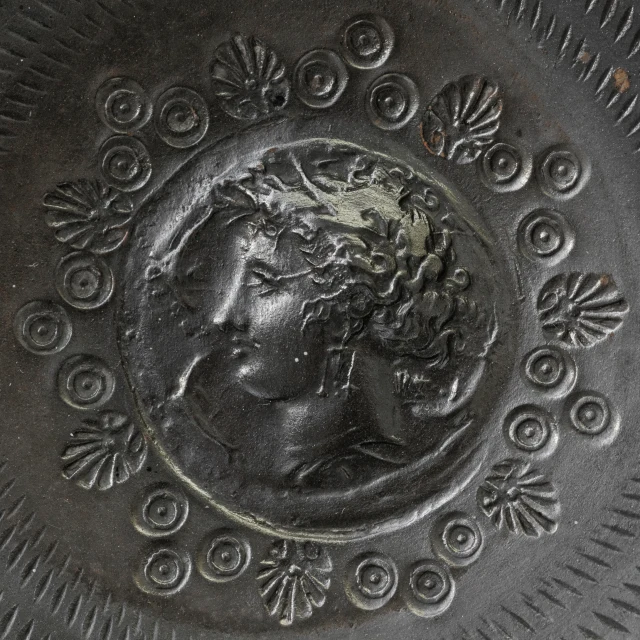 Black-Glaze Cup with a Relief Medallion of ArethusaUnknown Campanian potter (Hellenistic), -250
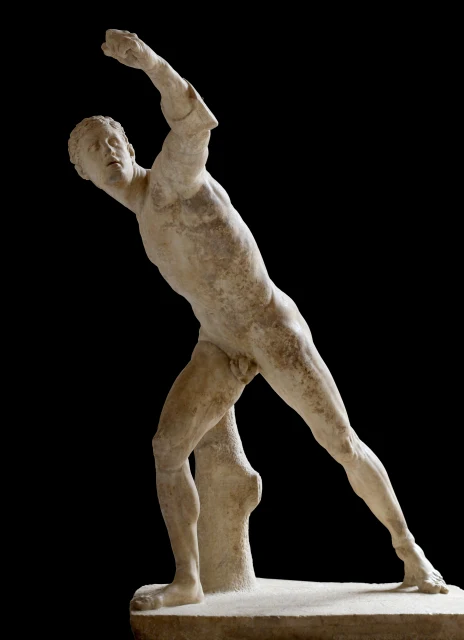 Borghese GladiatorAgasias of Ephesus, -100
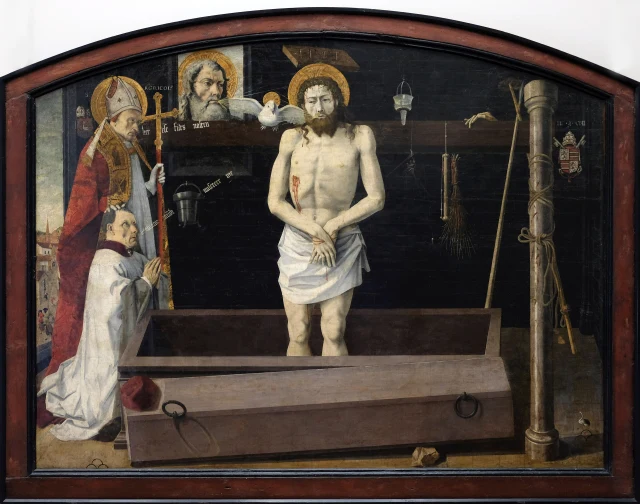 Boulbon AltarpieceUnknown Provençal painter (15th century), 1450
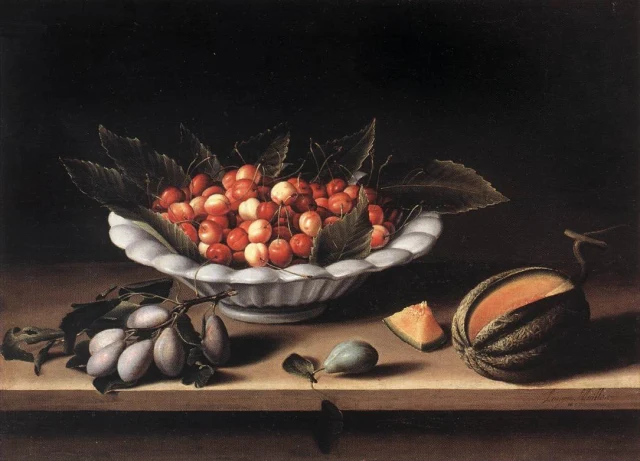 Bowl of Cherries, Plums and MelonLouise Moillon, 1633
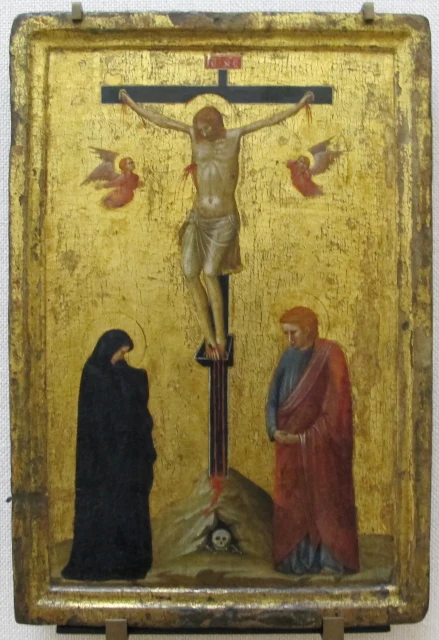 CalvaryExpressionist Master of Santa Chiara, 1330
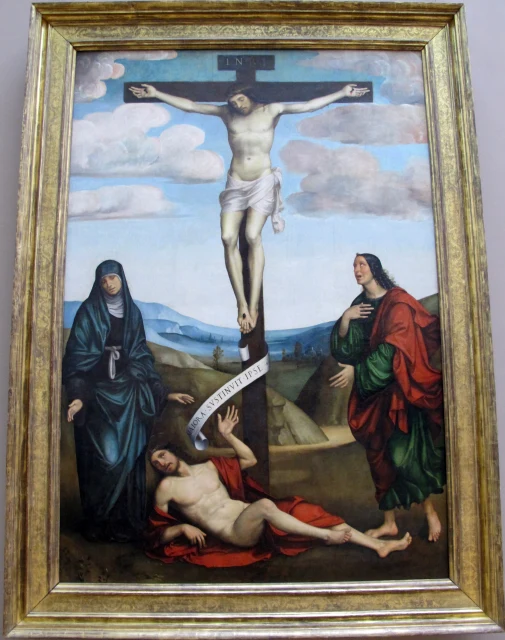 Calvary with Saint Job Lying at the Foot of the CrossFrancesco Francia, 1513
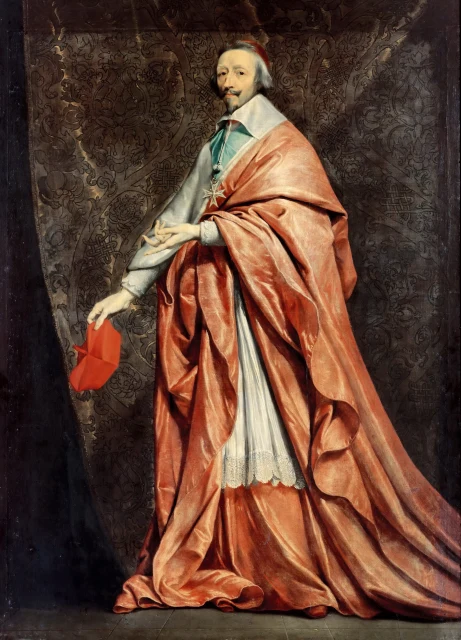 Cardinal de RichelieuPhilippe de Champaigne, 1637
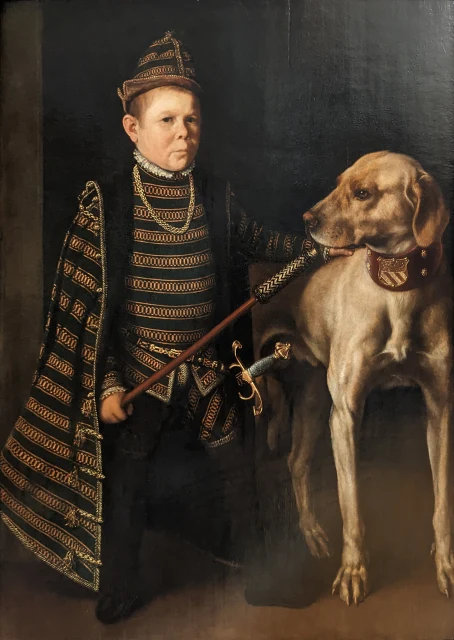 Cardinal Granvelle's DwarfAntonis Mor, 1555
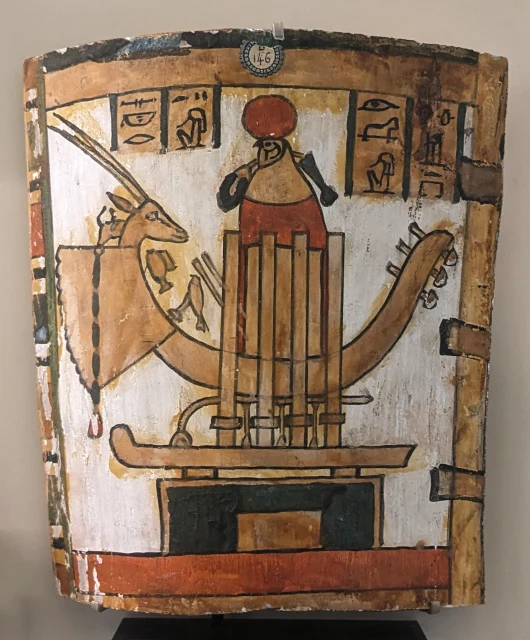 Cartonnage Fragment with the Barque of SokarUnknown Egyptian artist (Third Intermediate Period), -867
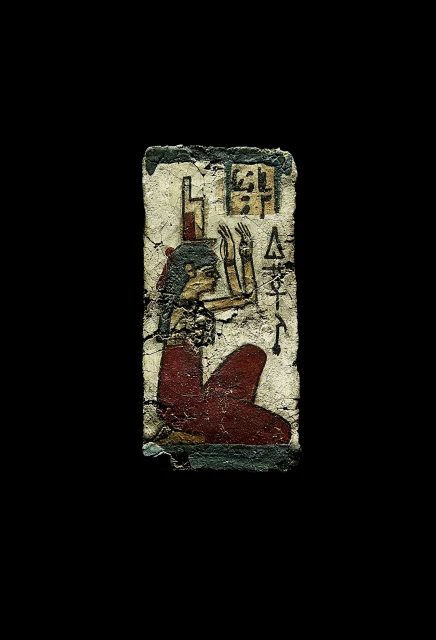 Cartonnage Plaque with Isis MourningUnknown Egyptian artist (Late Period or Ptolemaic)
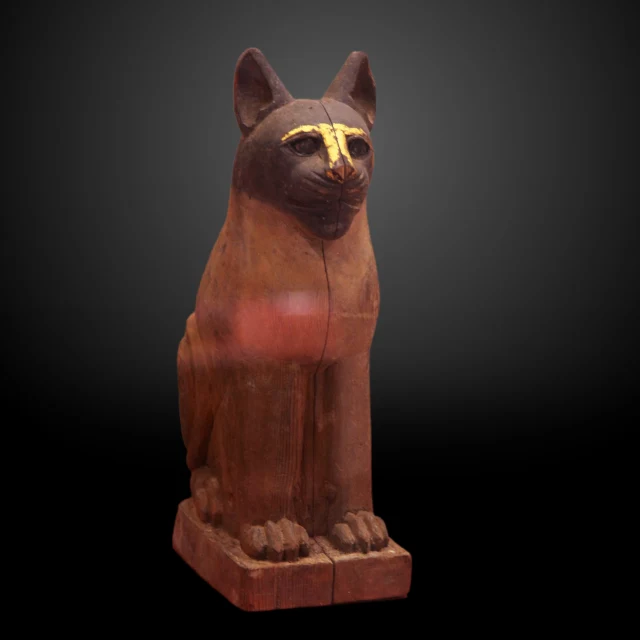 Cat CoffinUnknown Egyptian artist (Late Period or Ptolemaic), -498
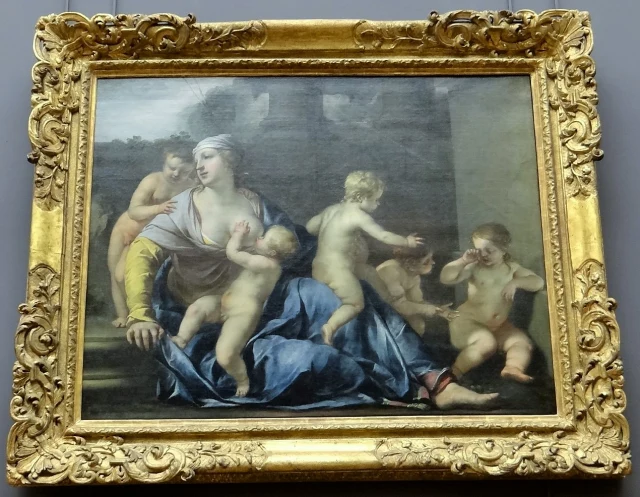 CharityJacques Blanchard, 1633
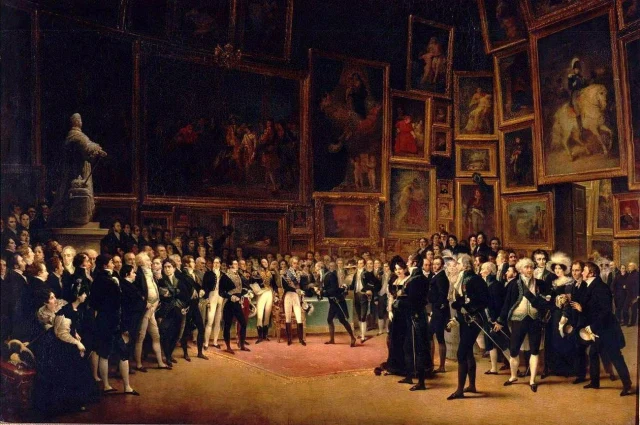 Charles X Distributing Awards to Artists at the Close of the Salon of 1824François Joseph Heim, 1827
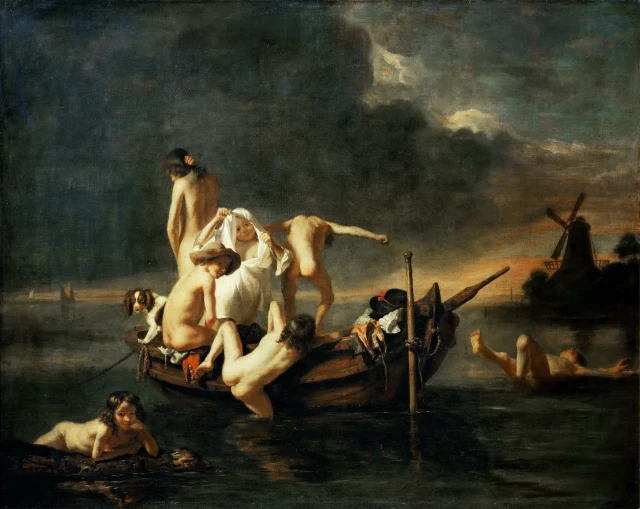 Children BathingNicolaes Maes, 1657
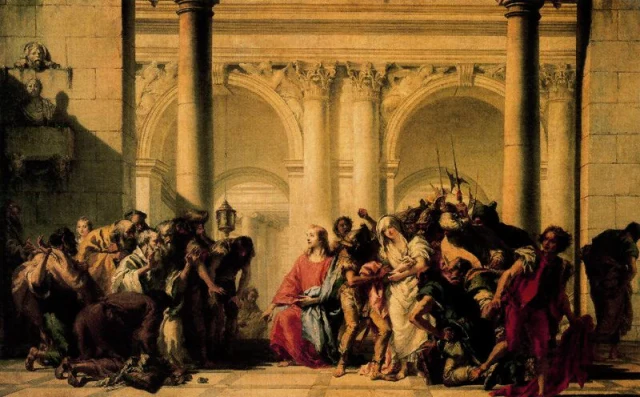 Christ and the Woman Taken in AdulteryGiovanni Domenico Tiepolo, 1762
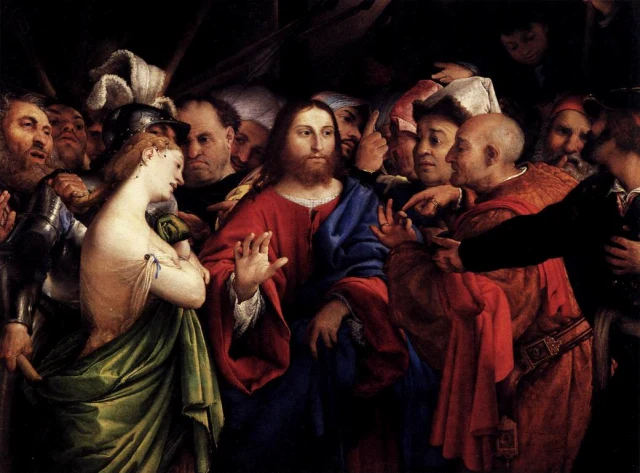 Christ and the Woman Taken in AdulteryLorenzo Lotto, 1528