
The story
The Louvre began as a fortress. Philip II raised it on the right bank of the Seine around 1190 to guard medieval Paris, and over the following centuries French kings rebuilt it into a royal palace, until Louis XIV moved his court to Versailles in 1682 and left the half-finished halls to the royal collection and the artists lodged inside.
The Revolution turned it into a public museum. On 10 August 1793 the Muséum central des arts opened its doors, showing the confiscated art of the crown and the church to any citizen who wished to walk in. Napoleon filled it with the spoils of his campaigns and briefly renamed it after himself. Much was returned after Waterloo, but the idea held, a national collection arranged for study and free to the public.
Today the Louvre holds more than 35,000 works, from the Venus de Milo to Géricault's Raft of the Medusa. The crowds, though, press toward one small portrait. In August 1911 it vanished: Vincenzo Peruggia, an Italian handyman who had worked in the museum, lifted Leonardo's Mona Lisa off the wall and carried it out under his coat. For two years the frame hung empty while visitors came to stare at the gap, and the painting returned only in 1913, after Peruggia tried to sell it to a dealer in Florence. I. M. Pei's glass pyramid, set in the courtyard in 1989, now marks the entrance.
More articles

Collection
1,174 works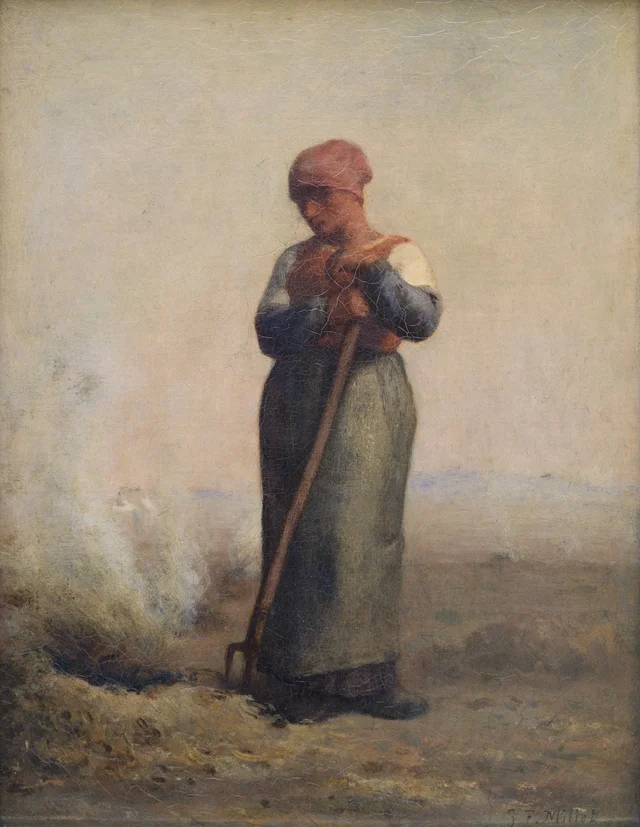 The Weed BurnerJean-François Millet, 1859
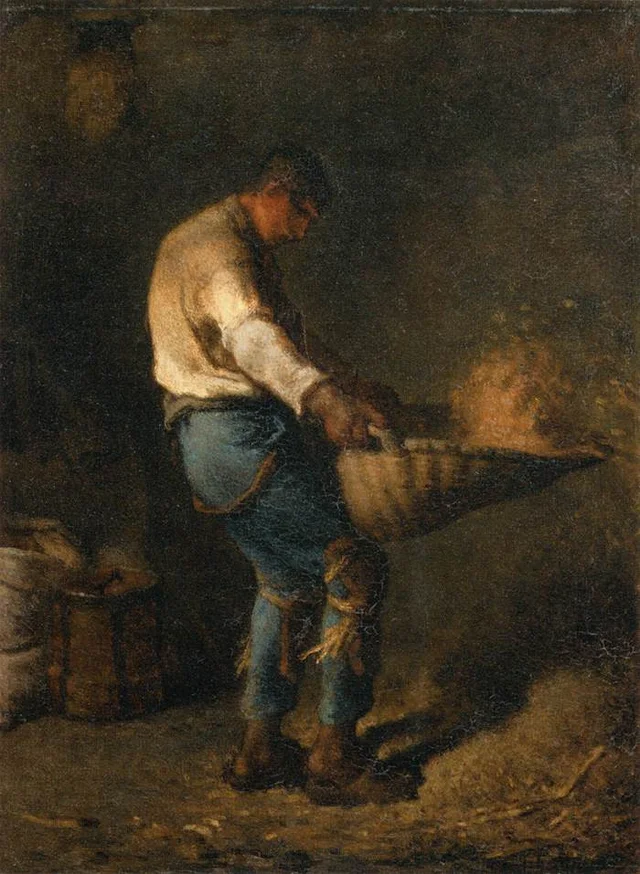 The WinnowerJean-François Millet, 1848
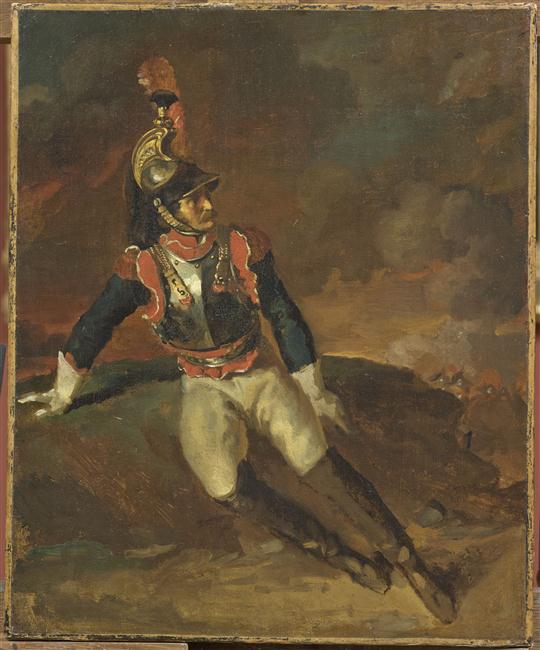 The Wounded CuirassierThéodore Géricault, 1814
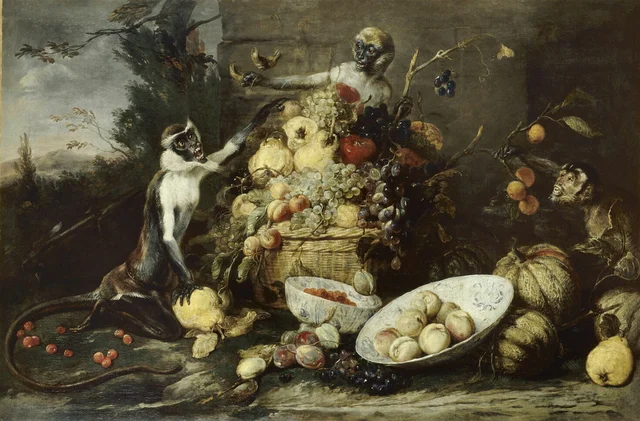 Three Monkeys Stealing FruitFrans Snyders, 1645
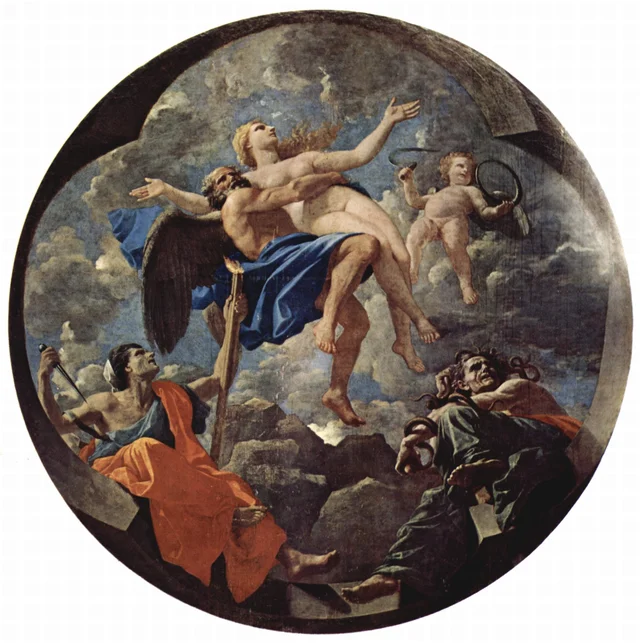 Time defending Truth against the attacks of Envy and DiscordNicolas Poussin, 1641
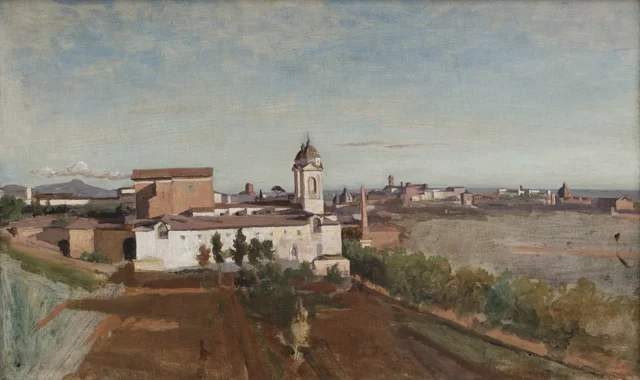 Trinità dei MontiJean-Baptiste Camille Corot, 1832
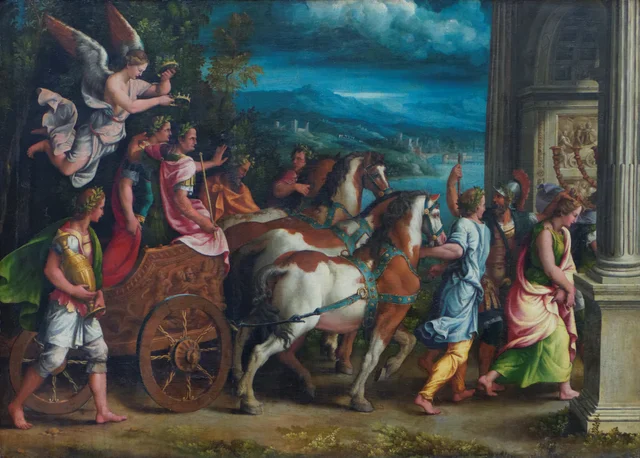 Triumph of Titus and VespasianGiulio Romano, 1537
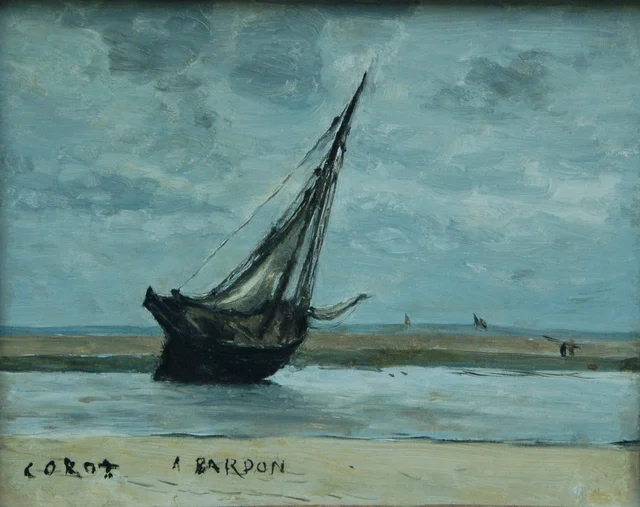 Trouville, Beached BoatJean-Baptiste Camille Corot, 1830
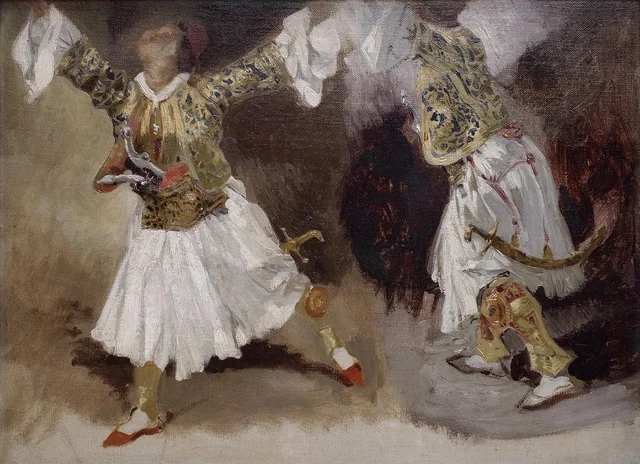 Two Greek soldiers dancingEugène Delacroix, 1825
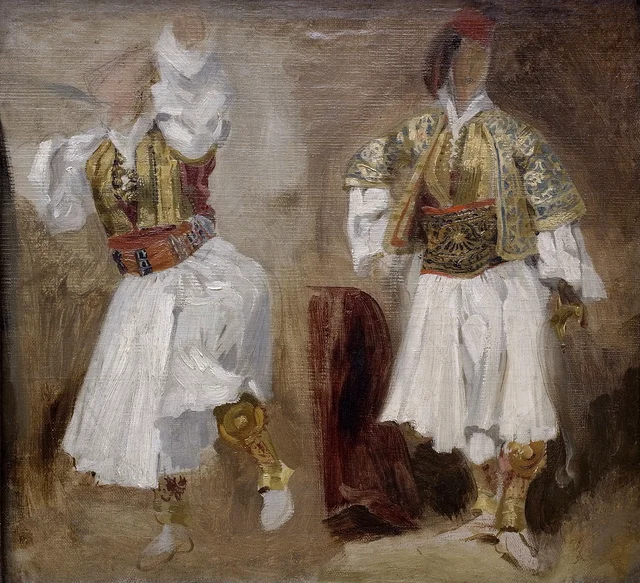 Two studies of Suliote costumesEugène Delacroix, 1822
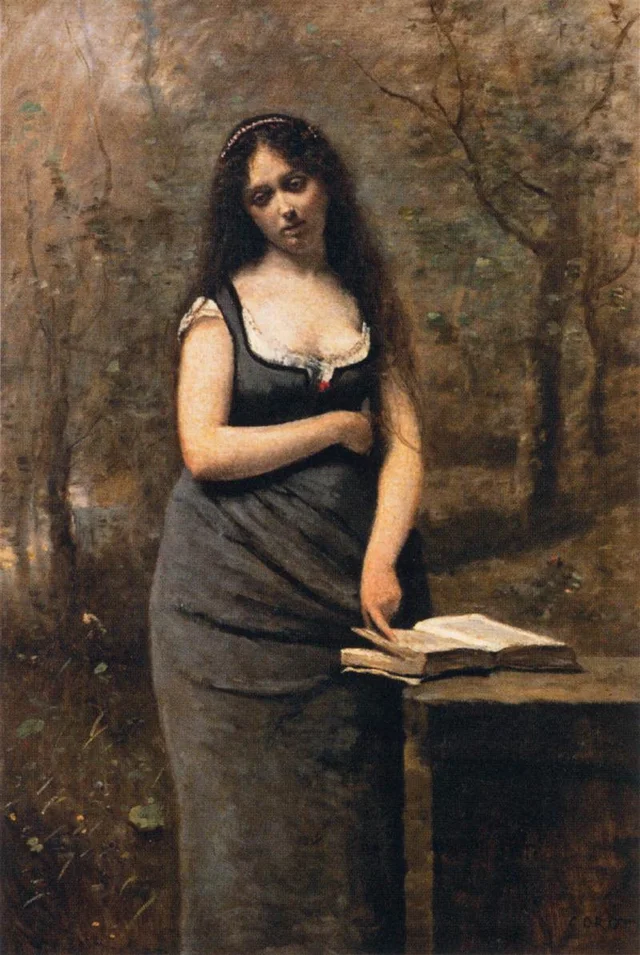 VellédaJean-Baptiste Camille Corot, 1868
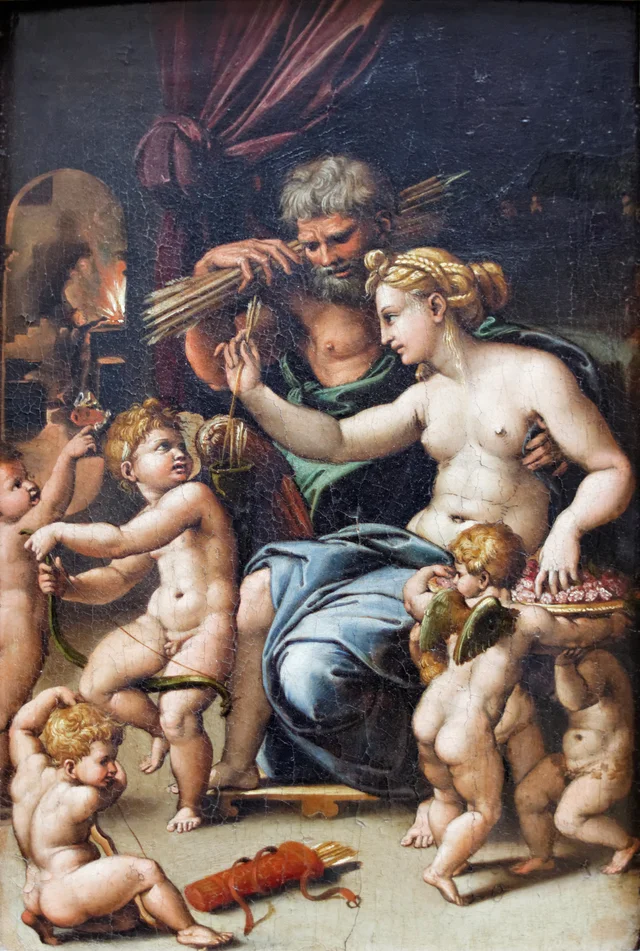 Venus and VulcanGiulio Romano, 1525
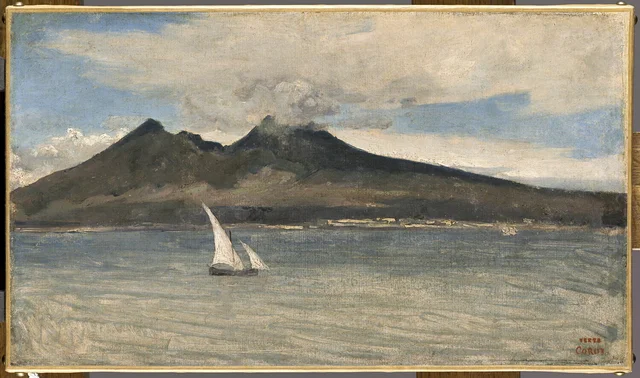 VesuviusJean-Baptiste Camille Corot, 1828
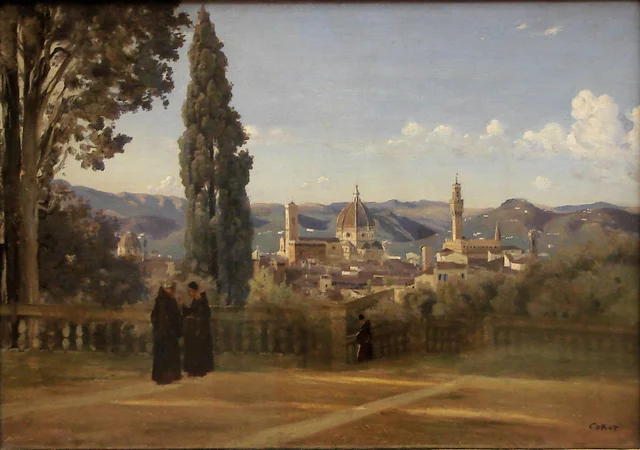 View of Florence from the Boboli GardensJean-Baptiste Camille Corot, 1835
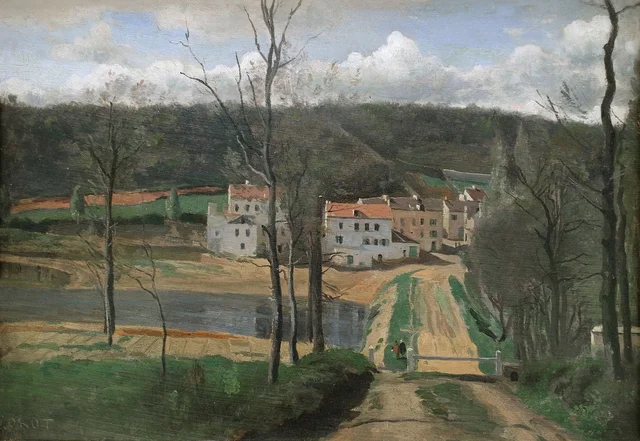 Ville-d'AvrayJean-Baptiste Camille Corot
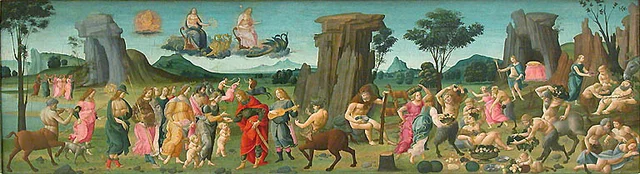 Wedding of Peleus and ThetisBartolomeo di Giovanni, 1490
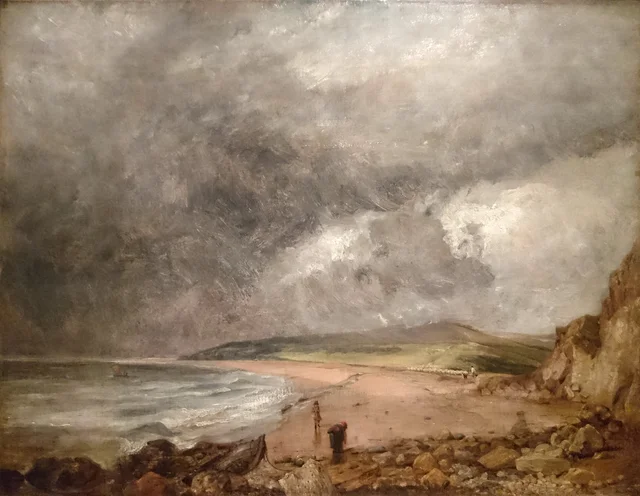 Weymouth Bay with Approaching StormJohn Constable, 1818
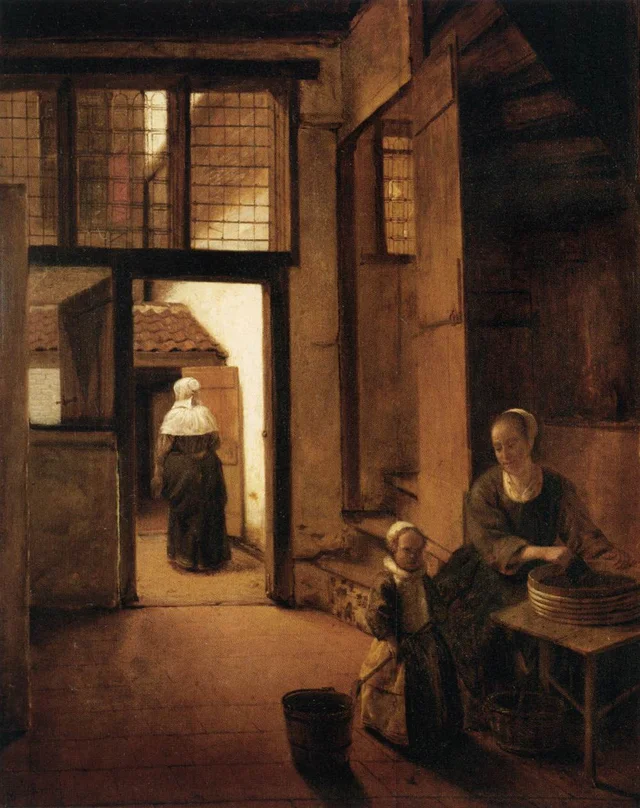 Woman Peeling Vegetables in the Back Room of a Dutch HousePieter de Hooch, 1657
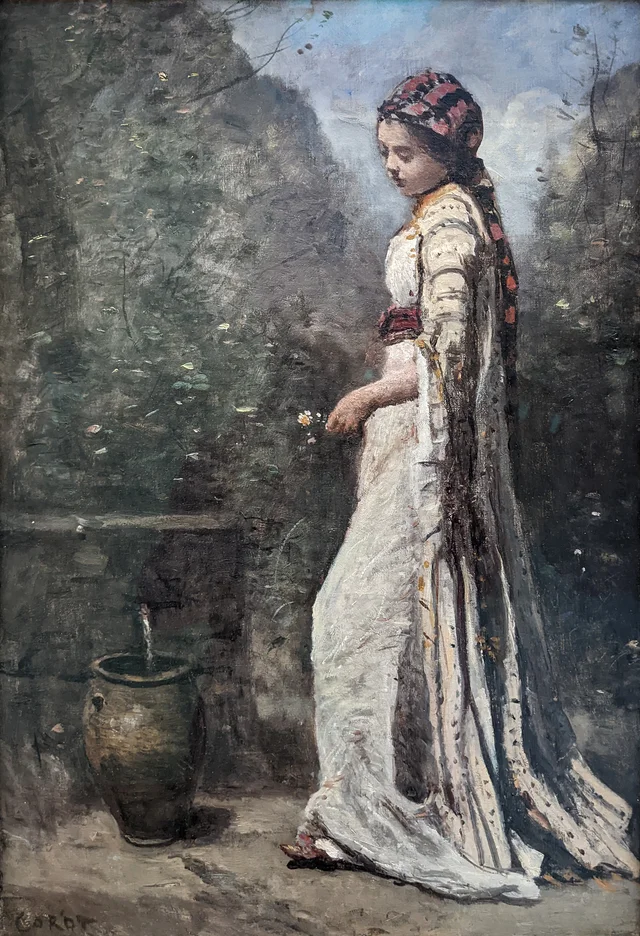 Young Greek Girl at the FountainJean-Baptiste Camille Corot, 1867
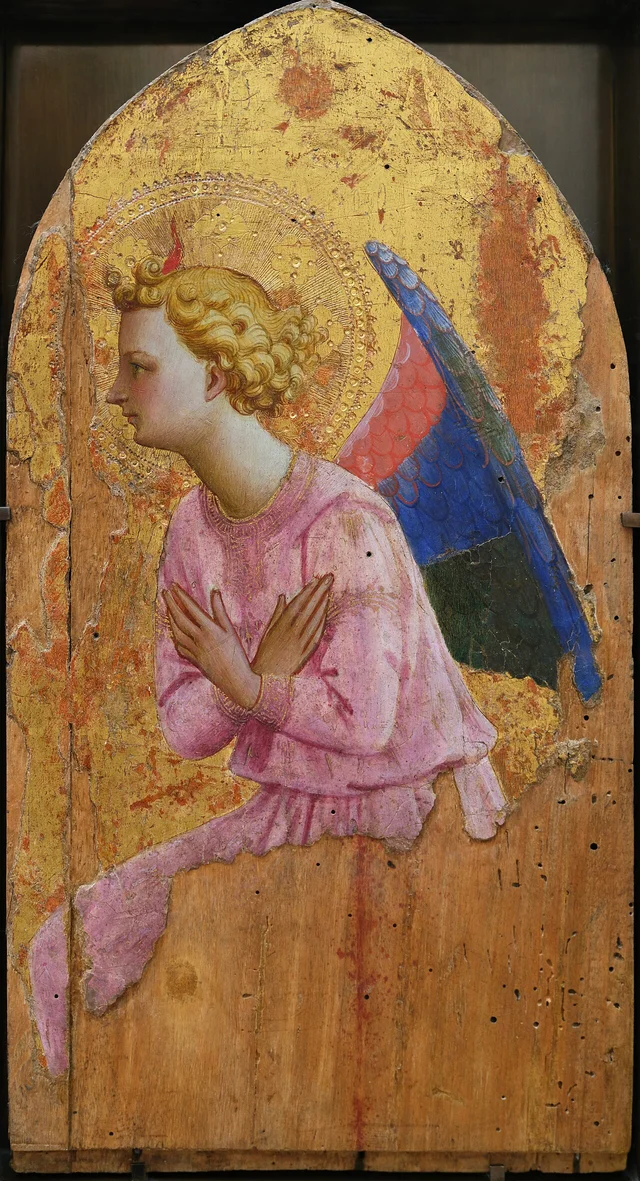 Adoring Angel, Looking LeftFra Angelico, 1430
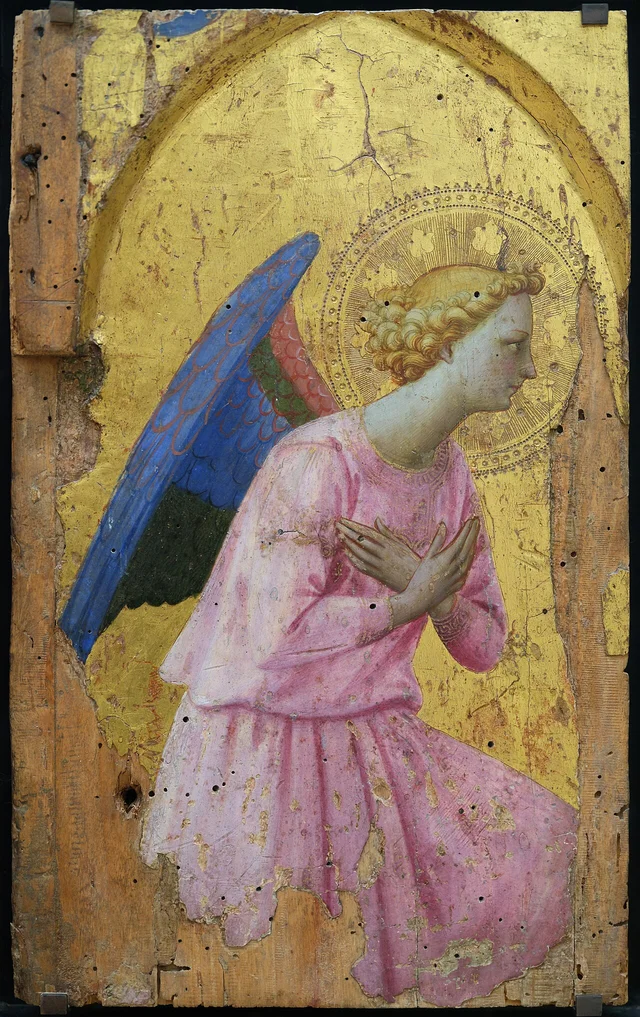 Adoring Angel, Looking RightFra Angelico, 1437
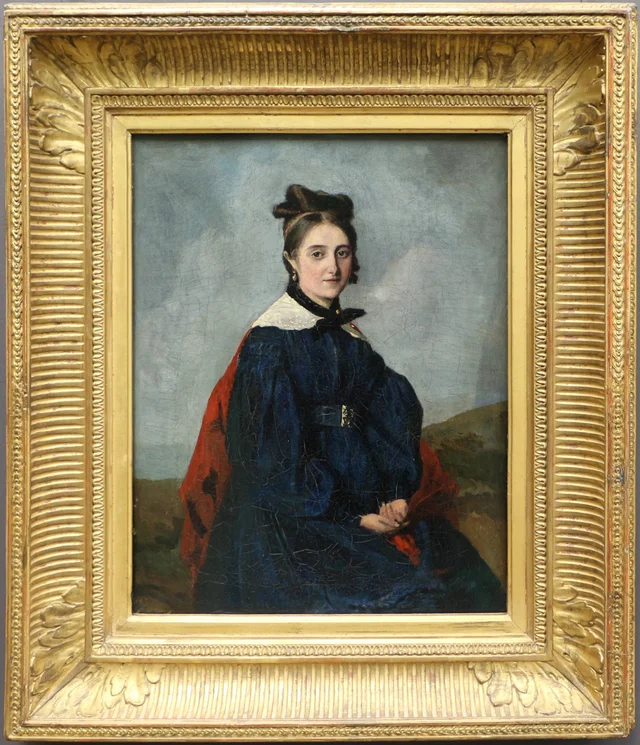 Alexina LegouxJean-Baptiste Camille Corot, 1829
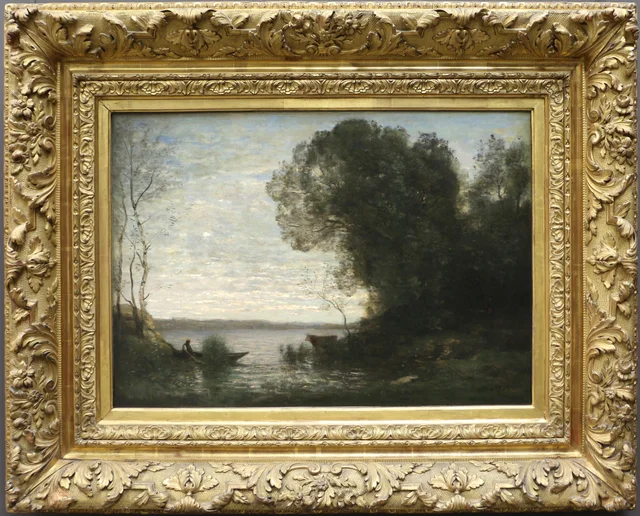 An evening. Boatman mooredJean-Baptiste Camille Corot, 1855
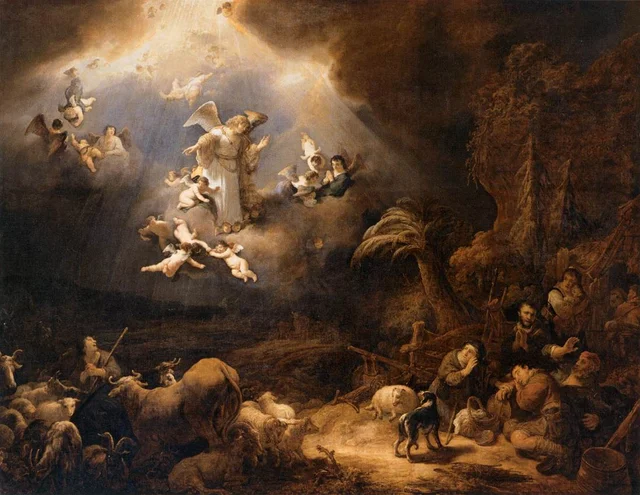 Angels Announcing Christ's Birth to the ShepherdsGovert Flinck, 1639
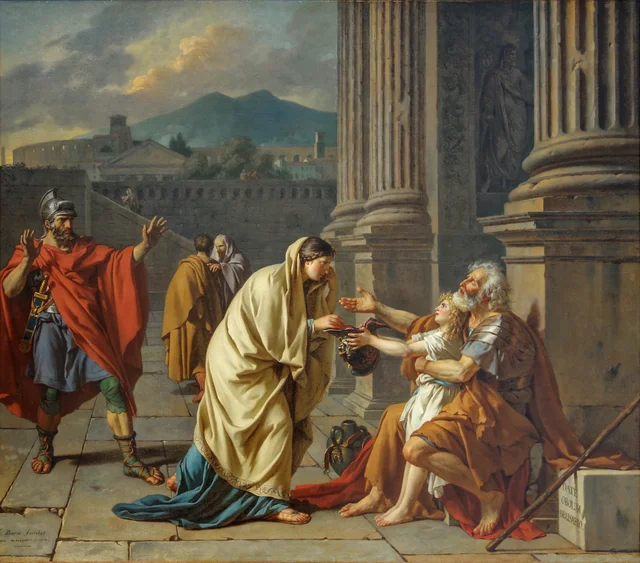 Belisarius Begging for AlmsJacques-Louis David, 1784