
The story
The Louvre began as a fortress. Philip II raised it on the right bank of the Seine around 1190 to guard medieval Paris, and over the following centuries French kings rebuilt it into a royal palace, until Louis XIV moved his court to Versailles in 1682 and left the half-finished halls to the royal collection and the artists lodged inside.
The Revolution turned it into a public museum. On 10 August 1793 the Muséum central des arts opened its doors, showing the confiscated art of the crown and the church to any citizen who wished to walk in. Napoleon filled it with the spoils of his campaigns and briefly renamed it after himself. Much was returned after Waterloo, but the idea held, a national collection arranged for study and free to the public.
Today the Louvre holds more than 35,000 works, from the Venus de Milo to Géricault's Raft of the Medusa. The crowds, though, press toward one small portrait. In August 1911 it vanished: Vincenzo Peruggia, an Italian handyman who had worked in the museum, lifted Leonardo's Mona Lisa off the wall and carried it out under his coat. For two years the frame hung empty while visitors came to stare at the gap, and the painting returned only in 1913, after Peruggia tried to sell it to a dealer in Florence. I. M. Pei's glass pyramid, set in the courtyard in 1989, now marks the entrance.
More articles

Collection
1,174 works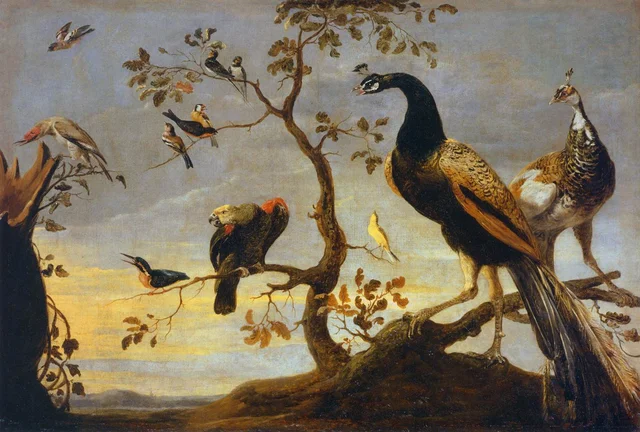 Birds in the branchesFrans Snyders, 1625
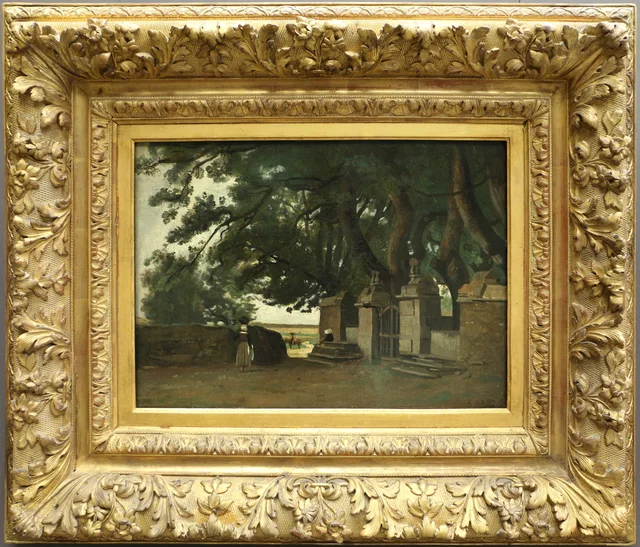 Breton landscape. A gate shaded by tall treesJean-Baptiste Camille Corot, 1845
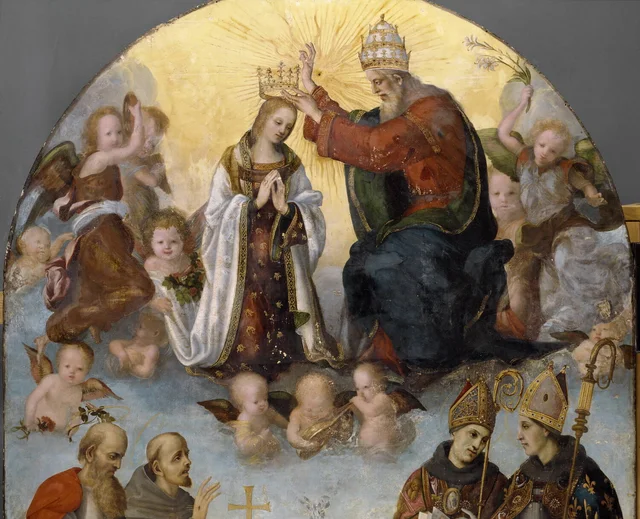 Coronation of Mary with Saints Jerome, Francis of Assisi, Bonaventura and Louis of ToulouseAlonso Berruguete, 1512
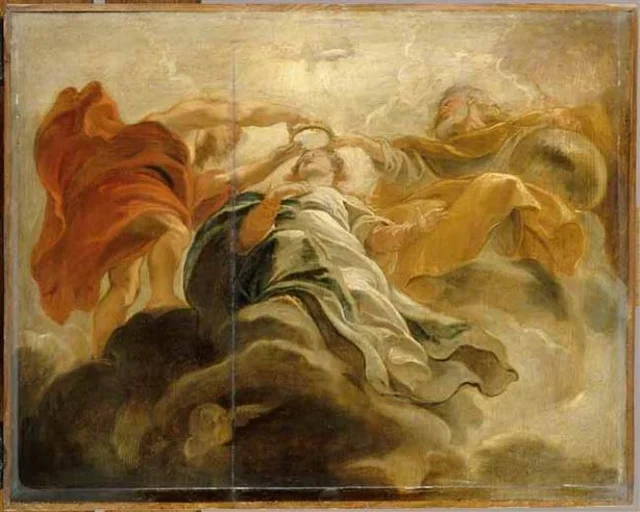 Coronation of the VirginPeter Paul Rubens, 1620
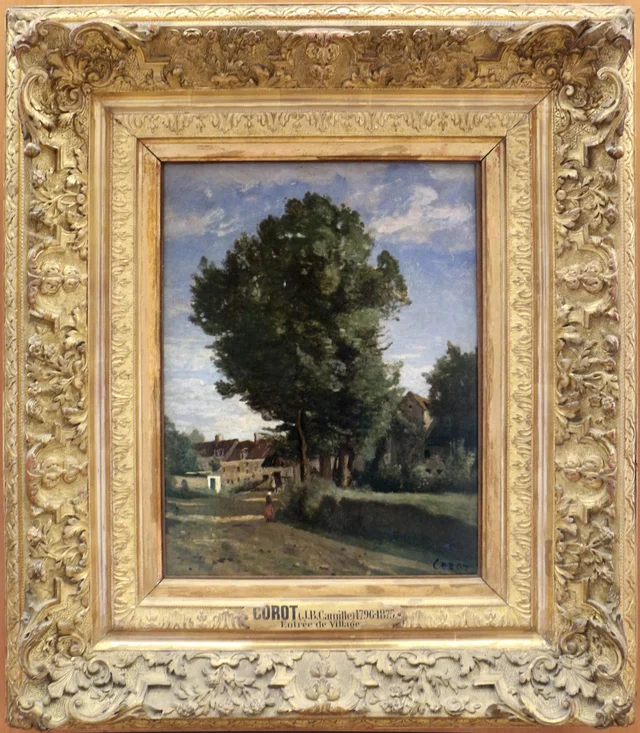 Entry of the VillageJean-Baptiste Camille Corot, 1860
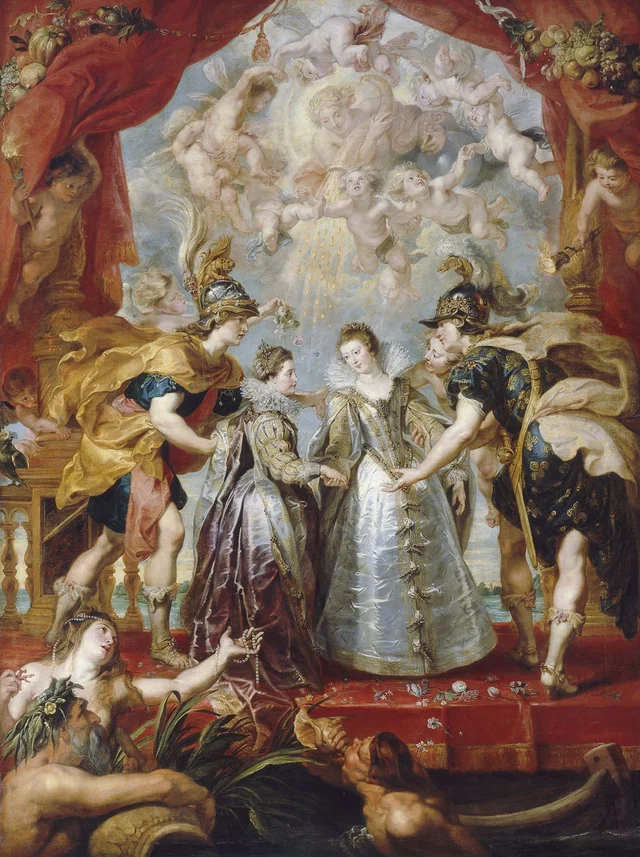 Exchange of the princesses between Spain and France on 9 november 1615 at HendayePeter Paul Rubens, 1623
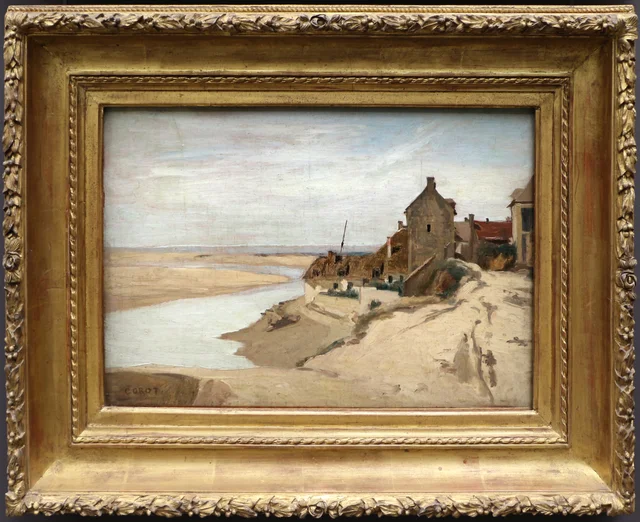 Fisherman's houses in Sainte-AdresseJean-Baptiste Camille Corot, 1835
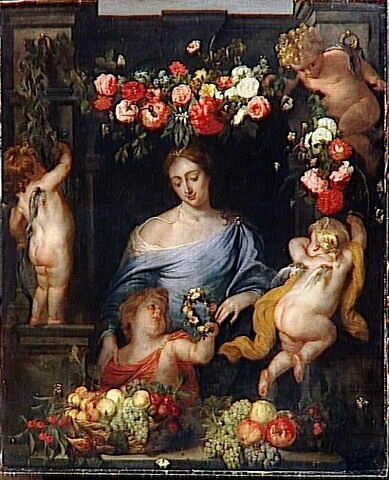 FloraFrans Ykens, 1637
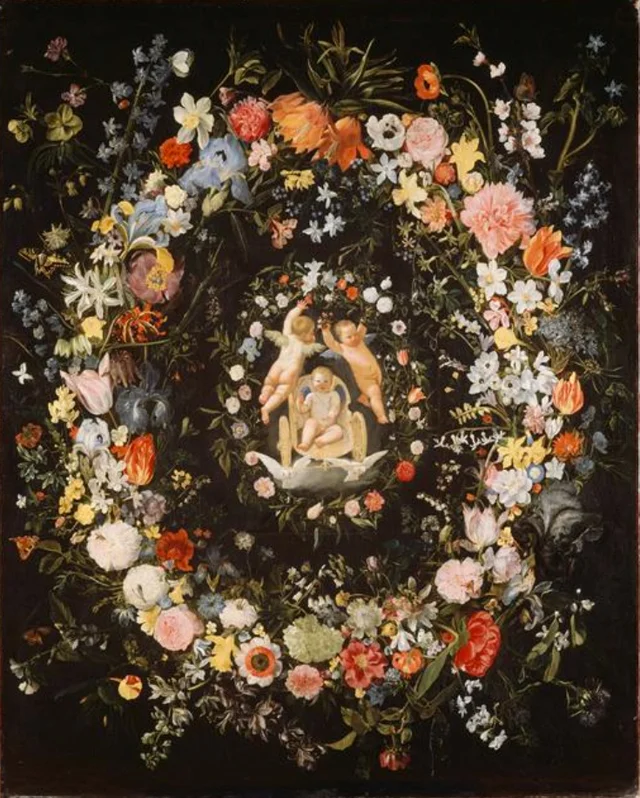 Flower Garlands around a Medallion with the Triumph of LoveDaniel Seghers and Domenichino, 1626
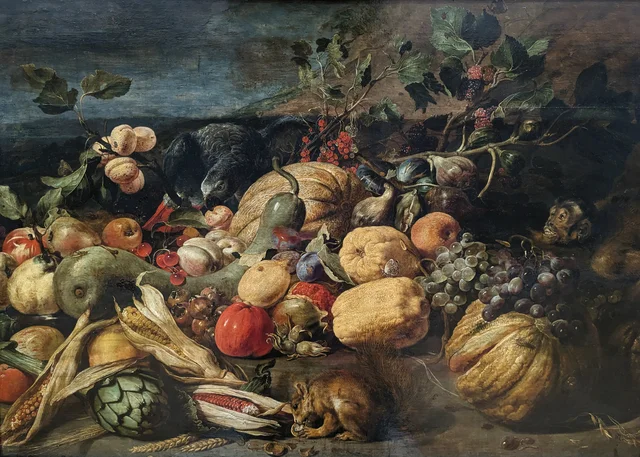 Fruit and Vegetables with a Monkey, Parrot and SquirrelFrans Snyders, 1625
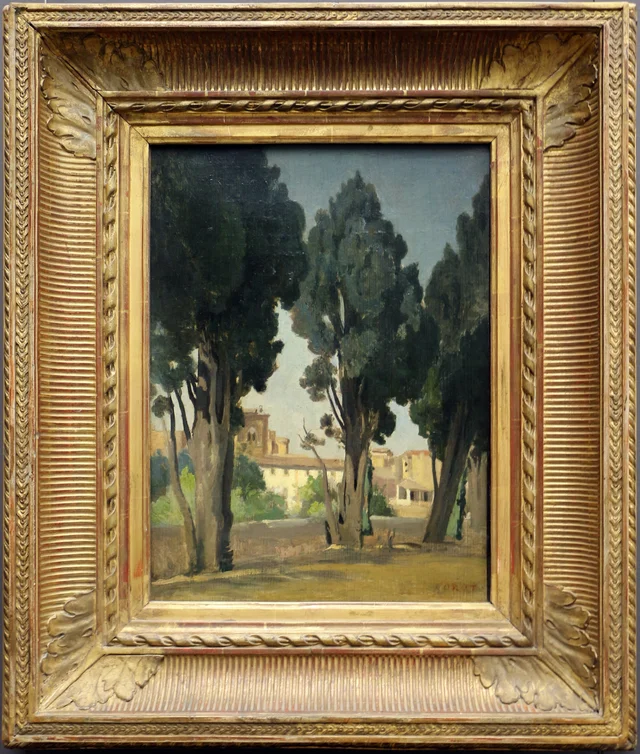 Garden terrace of the hospice Villeneuve-lès-AvignonJean-Baptiste Camille Corot, 1836
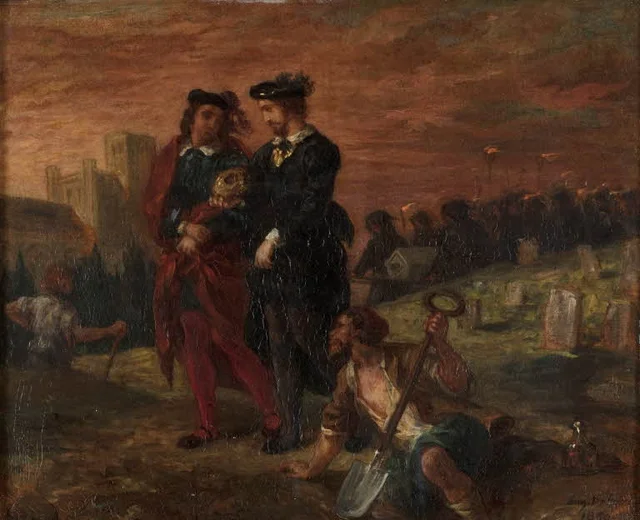 Hamlet et Horatio au cimetièreEugène Delacroix, 1859
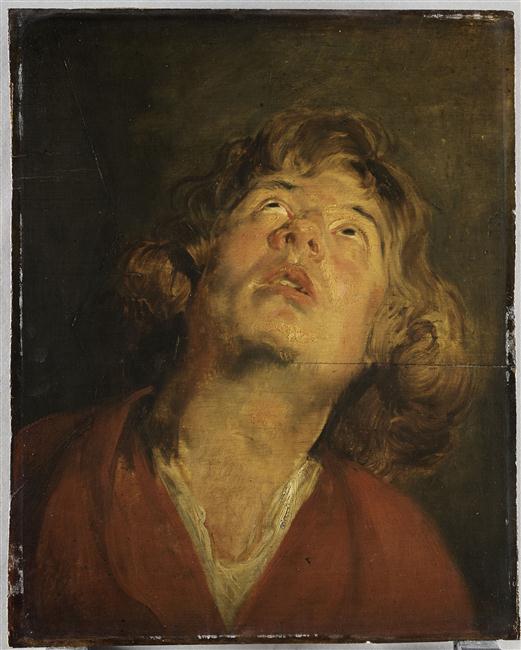 Head Study of a Saint (Saint George?)Copy after Peter Paul Rubens, 1618
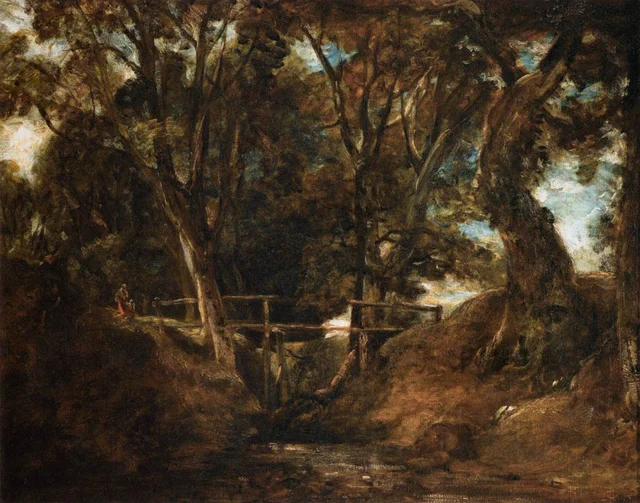 Helmingham Dell (Louvre)John Constable, 1823
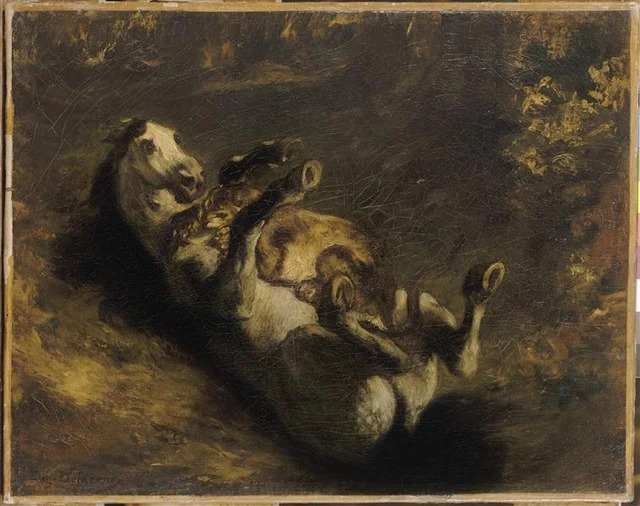 Horse Attacked by a LionessEugène Delacroix, 1840
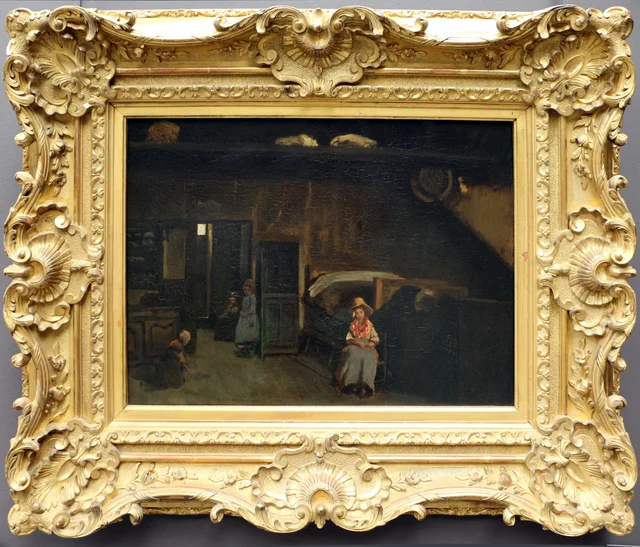 Intérieur au Mas-Bilier, près de LimogesJean-Baptiste Camille Corot, 1855
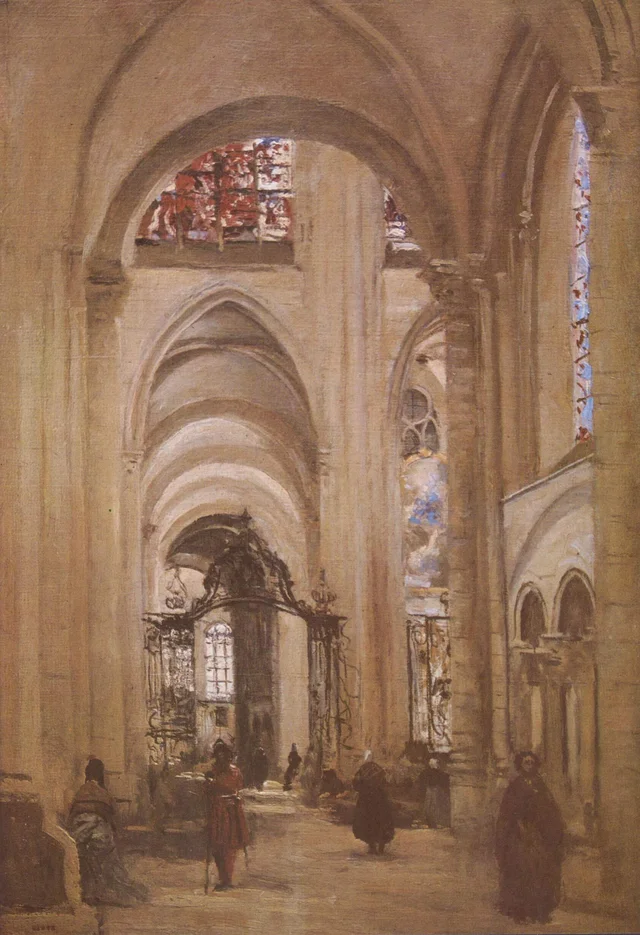 Interior of Sens CathedralJean-Baptiste Camille Corot, 1874
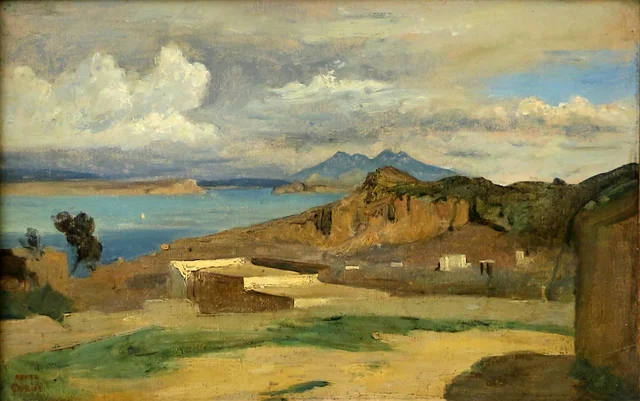 Ischia, view taken from the slopes of Mount EpomeoJean-Baptiste Camille Corot, 1828
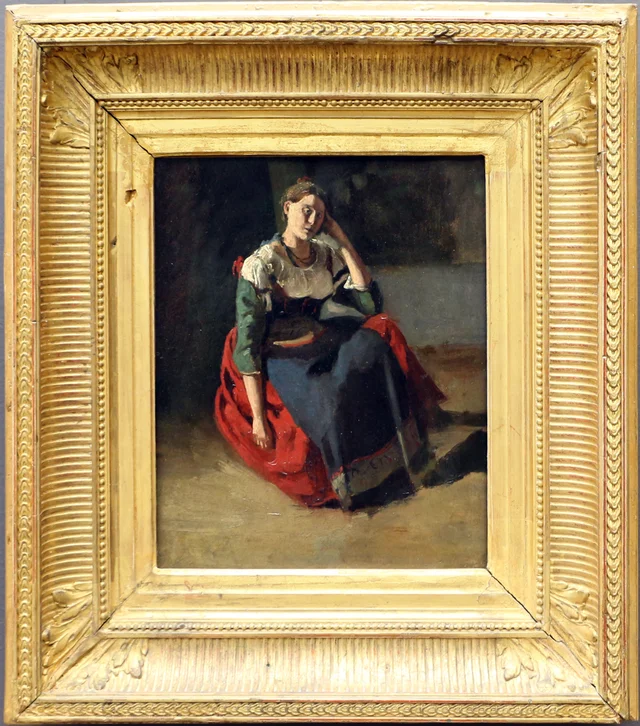 Italian sitting, leaning on her kneeJean-Baptiste Camille Corot, 1827
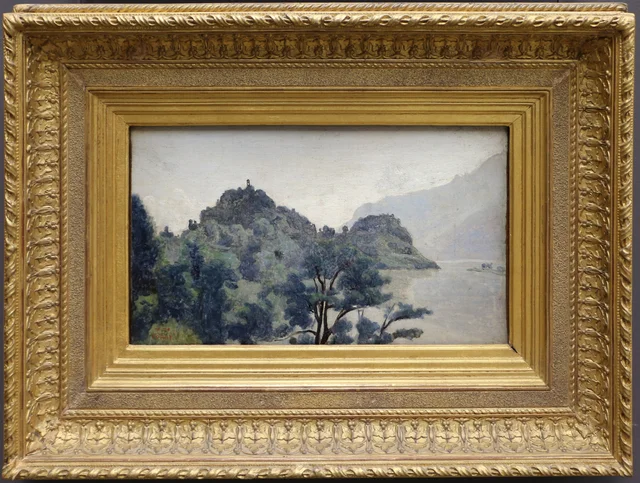 Lake BrienzJean-Baptiste Camille Corot, 1842
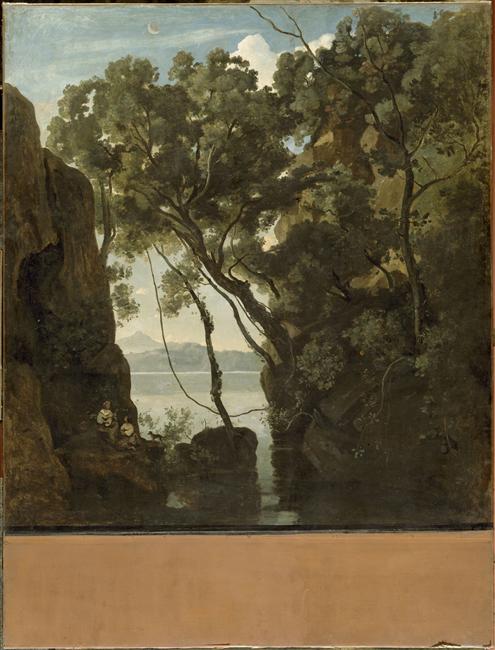 Lake NemiJean-Baptiste Camille Corot, 1841
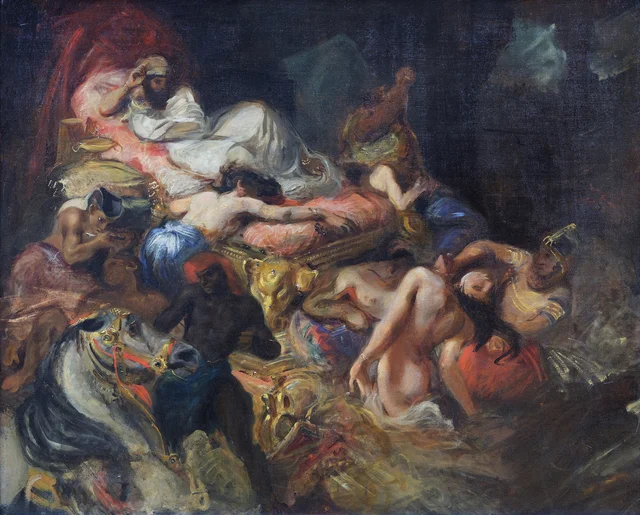 La Mort de Sardanapale, esquisseEugène Delacroix, 1826
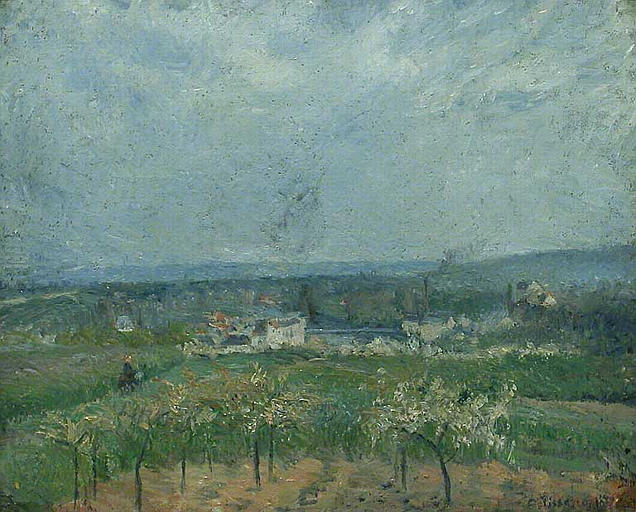 Landscape at PontoiseCamille Pissarro, 1877
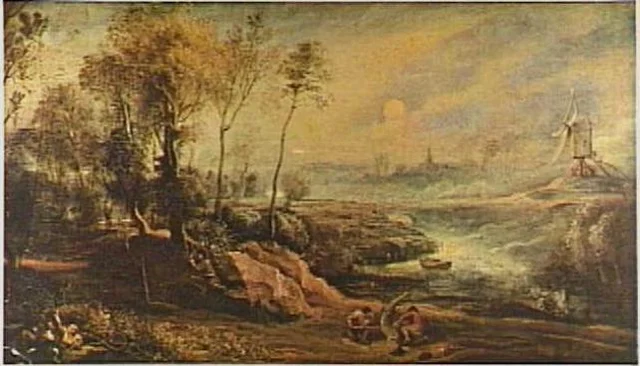 Landscape with a Bird CatcherPeter Paul Rubens, 1640
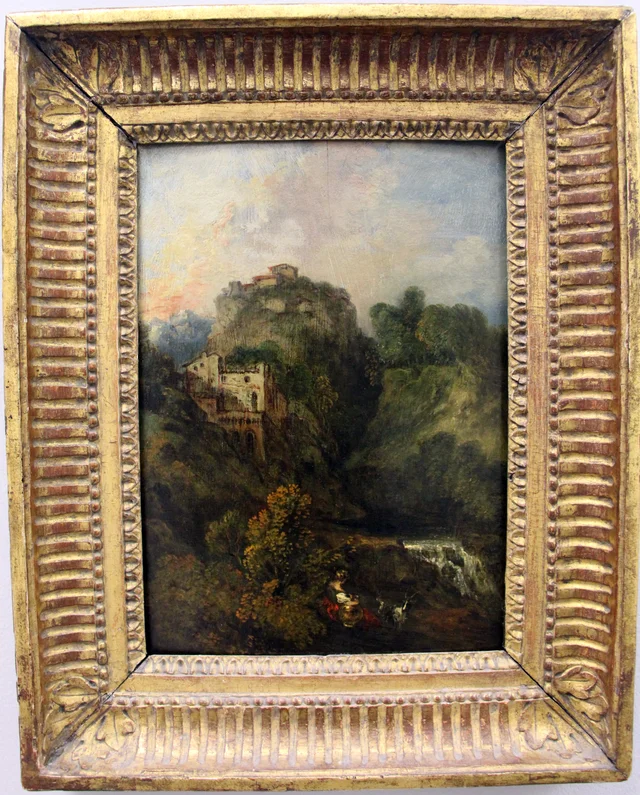 Landscape with a GoatJean-Antoine Watteau, 1716