
The story
The Louvre began as a fortress. Philip II raised it on the right bank of the Seine around 1190 to guard medieval Paris, and over the following centuries French kings rebuilt it into a royal palace, until Louis XIV moved his court to Versailles in 1682 and left the half-finished halls to the royal collection and the artists lodged inside.
The Revolution turned it into a public museum. On 10 August 1793 the Muséum central des arts opened its doors, showing the confiscated art of the crown and the church to any citizen who wished to walk in. Napoleon filled it with the spoils of his campaigns and briefly renamed it after himself. Much was returned after Waterloo, but the idea held, a national collection arranged for study and free to the public.
Today the Louvre holds more than 35,000 works, from the Venus de Milo to Géricault's Raft of the Medusa. The crowds, though, press toward one small portrait. In August 1911 it vanished: Vincenzo Peruggia, an Italian handyman who had worked in the museum, lifted Leonardo's Mona Lisa off the wall and carried it out under his coat. For two years the frame hung empty while visitors came to stare at the gap, and the painting returned only in 1913, after Peruggia tried to sell it to a dealer in Florence. I. M. Pei's glass pyramid, set in the courtyard in 1989, now marks the entrance.
More articles

Collection
1,174 works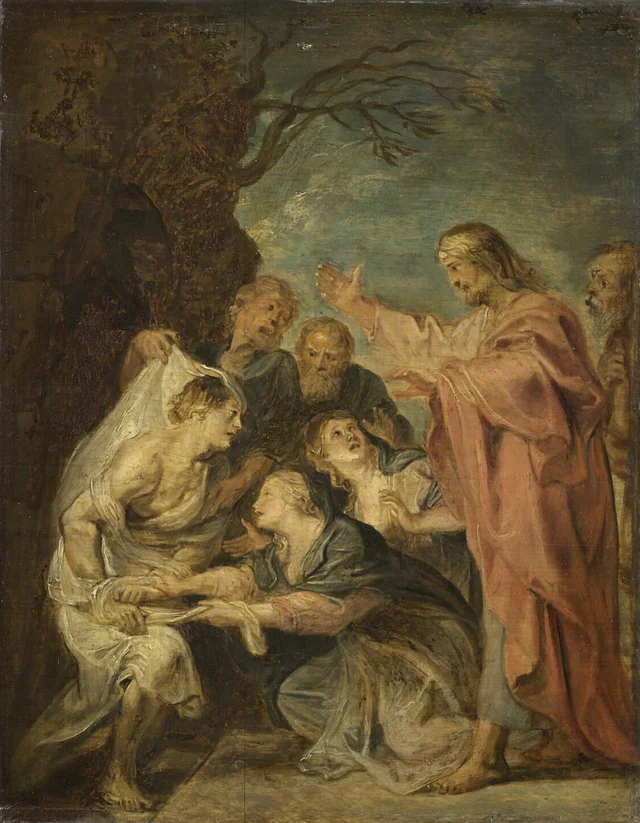 The Resurrection of LazarusPeter Paul Rubens, 1620
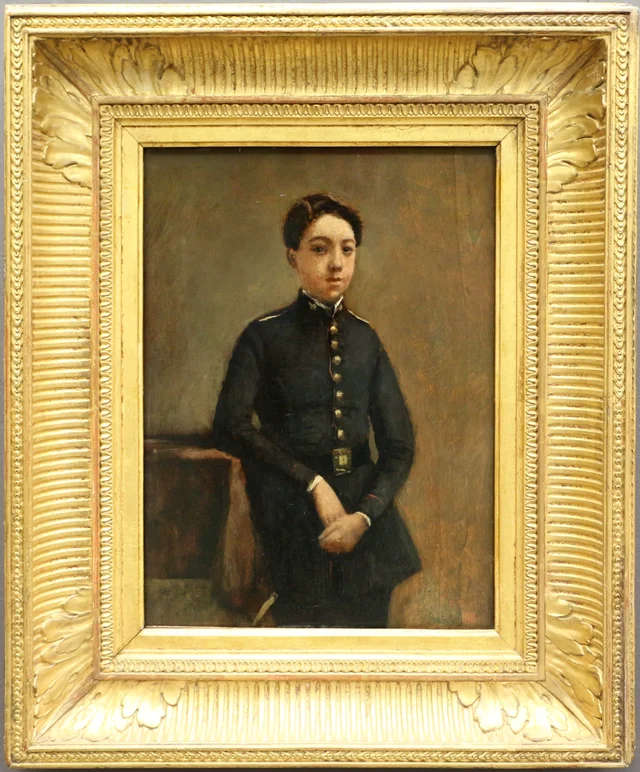 The SchoolboyJean-Baptiste Camille Corot, 1854
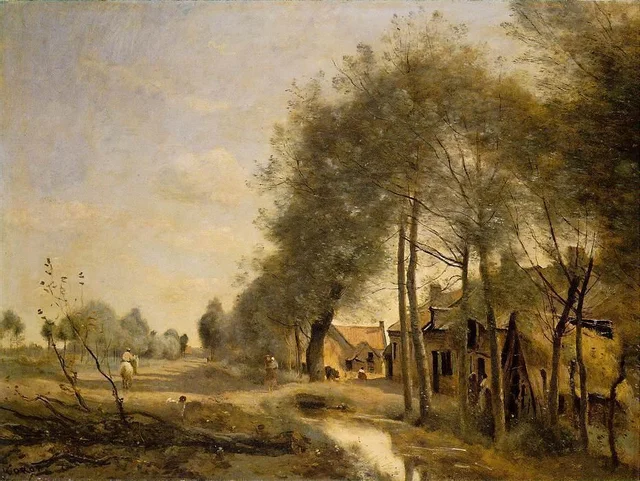 The Sin le Noble Road near DouaiJean-Baptiste Camille Corot, 1873
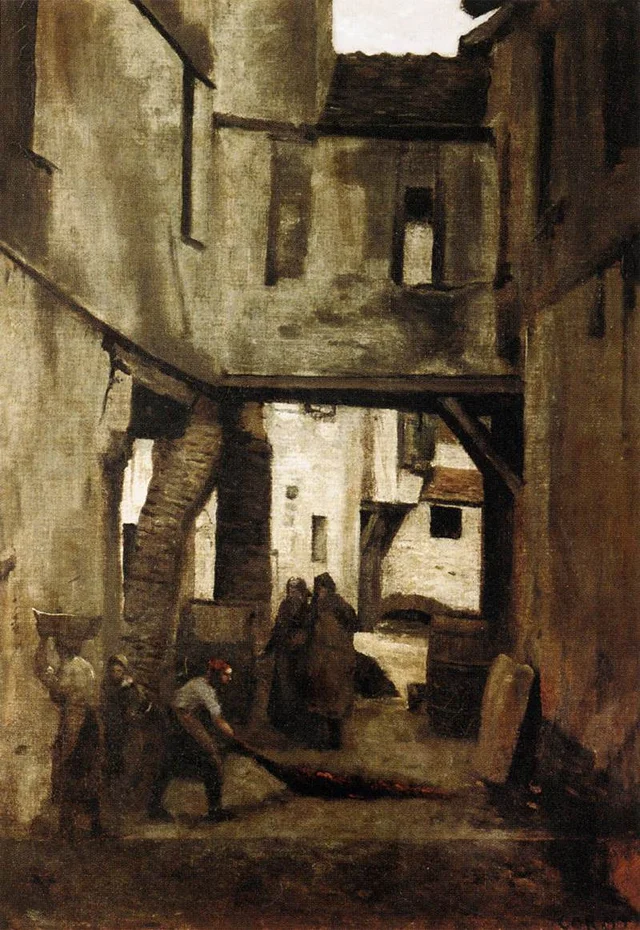 The Tanneries of MantesJean-Baptiste Camille Corot, 1873
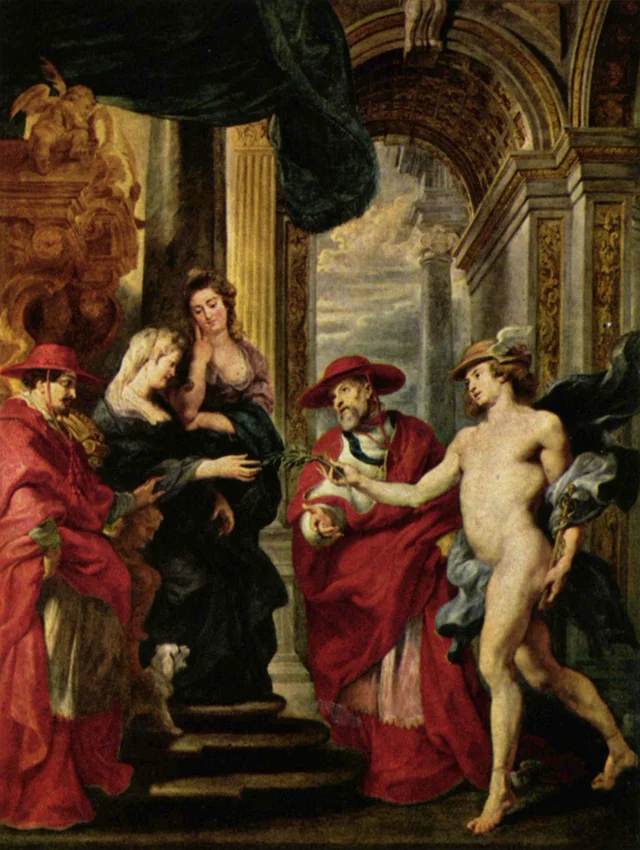 The Treaty of Angoulême, 30 April 1619Peter Paul Rubens, 1623
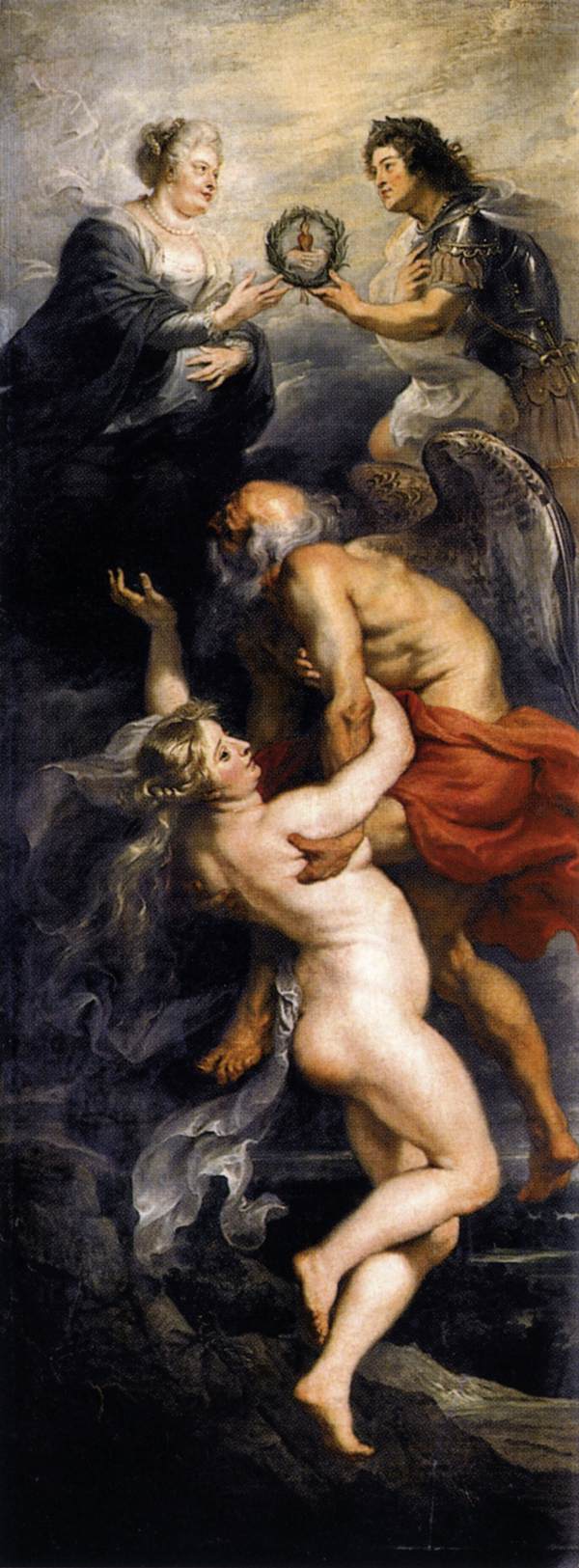 The Triumph of TruthPeter Paul Rubens, 1623
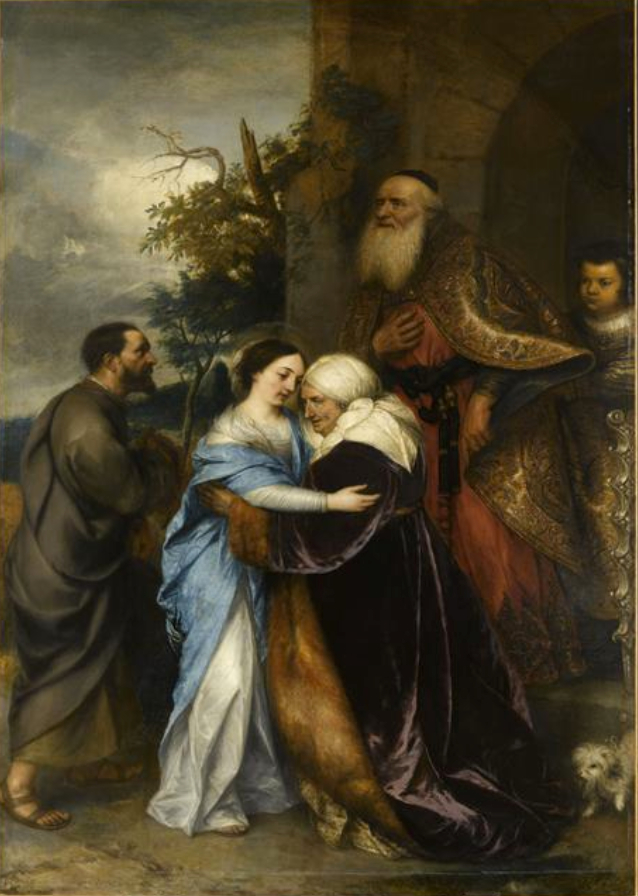 The VisitationJan Lievens, 1640
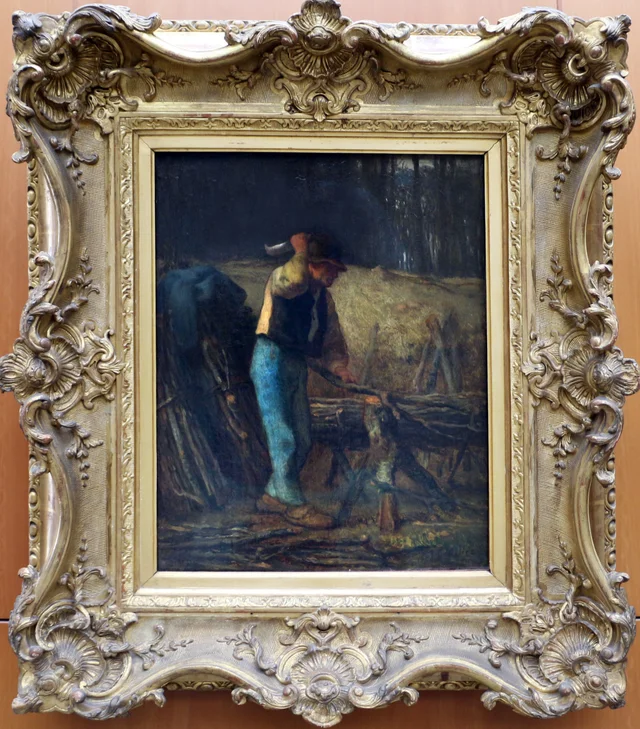 The woodcutterJean-François Millet, 1853
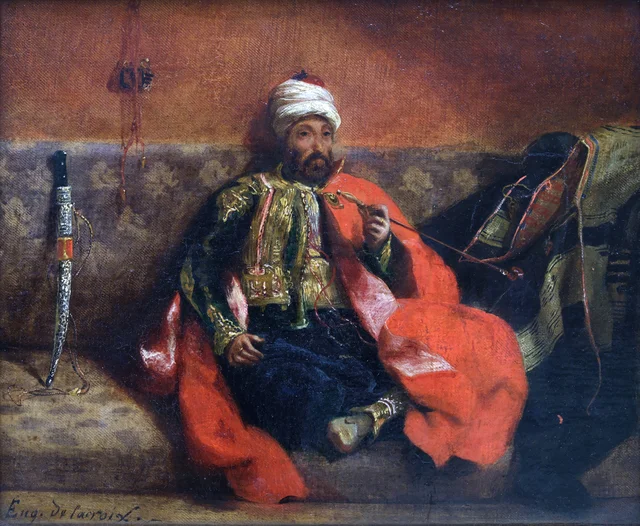 Turc fumant, assis sur un divanEugène Delacroix, 1837
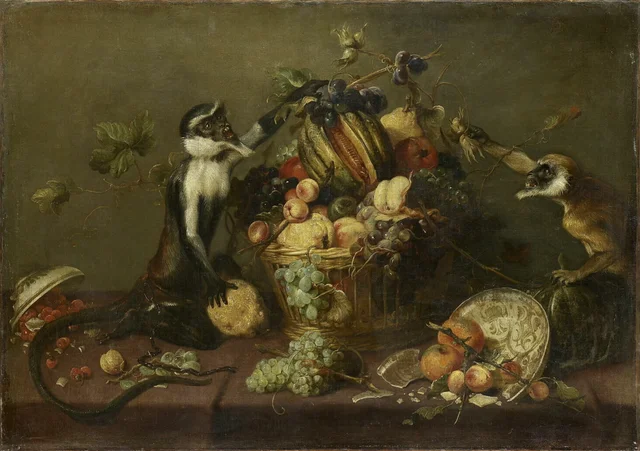 Two monkeys raiding a fruit basketFrans Snyders, 1625
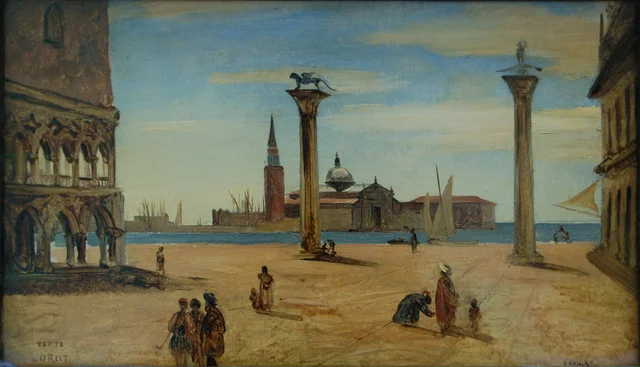 Venice, PiazzettaJean-Baptiste Camille Corot, 1828
 Venice, the Grand CanalJean-Baptiste Camille Corot, 1841
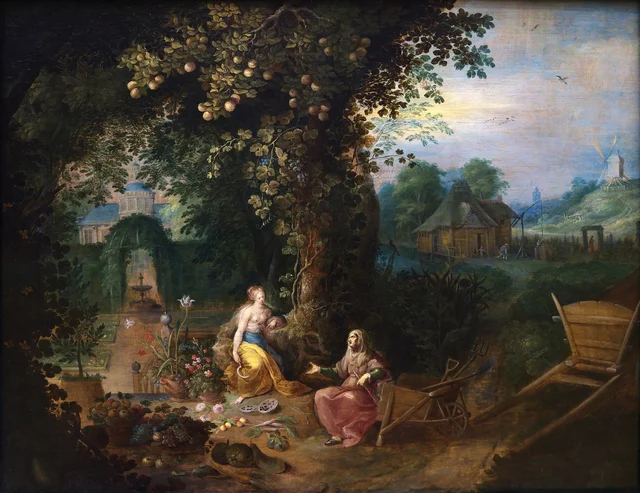 Vertumnus and PomonaFrans Francken the Younger, 1620
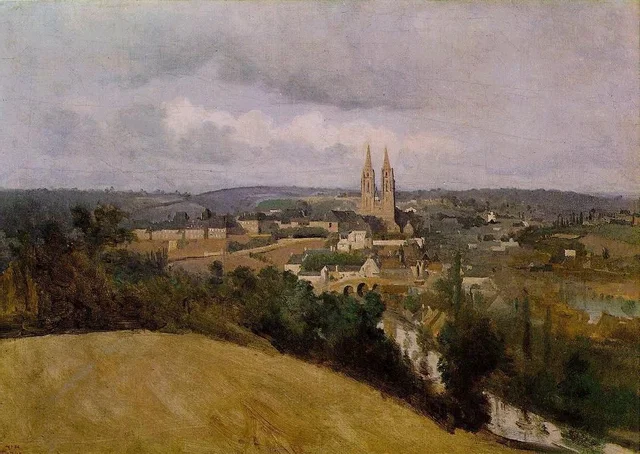 View of Saint-LôJean-Baptiste Camille Corot, 1833
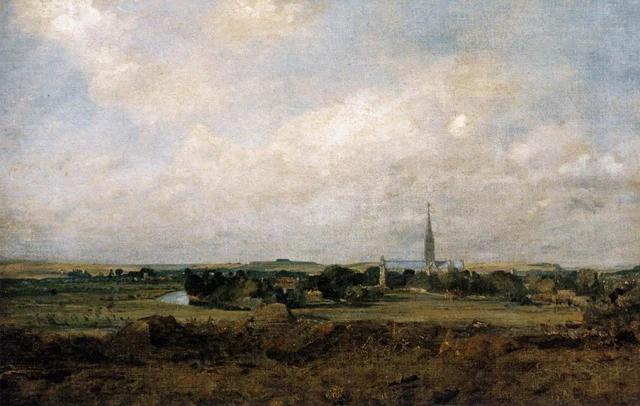 View of SalisburyJohn Constable, 1820
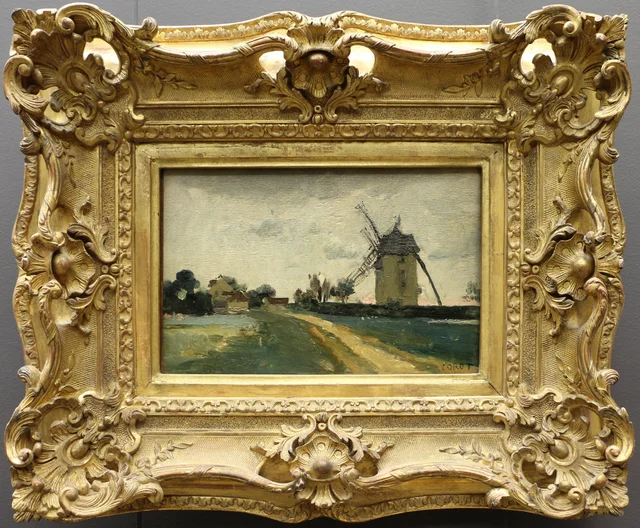 Windmills on the Picardy hillJean-Baptiste Camille Corot, 1860
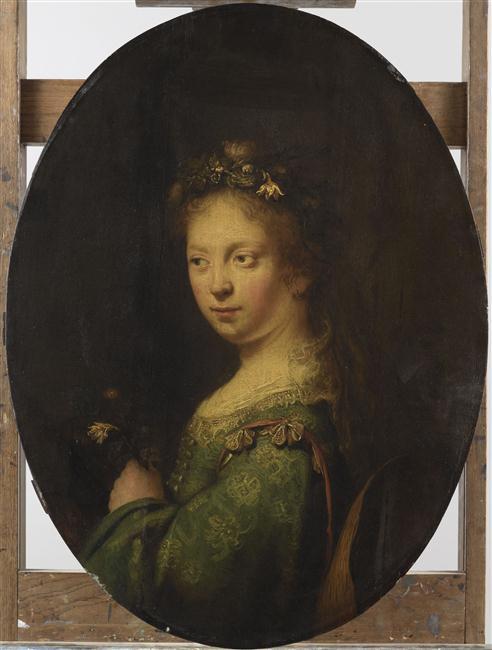 Young Shepherdess as FloraGovert Flinck, 1638
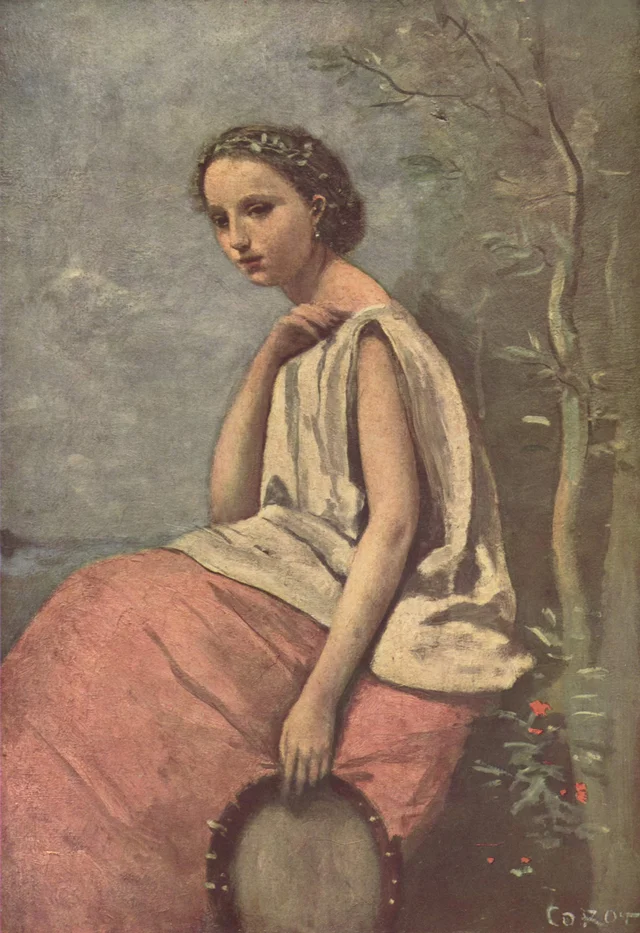 Zingara with a TambourineJean-Baptiste Camille Corot, 1865
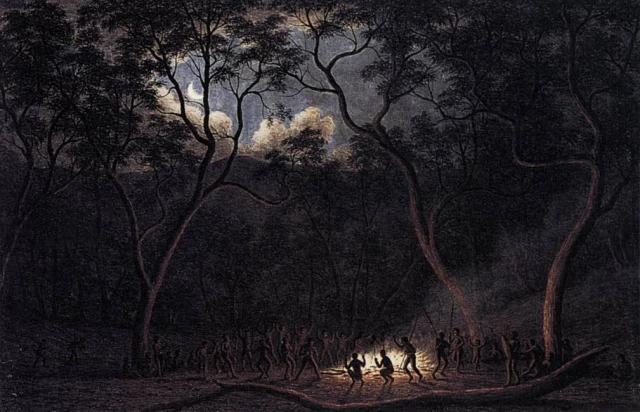 A Corroboree in Van Diemen's LandJohn Glover, 1840
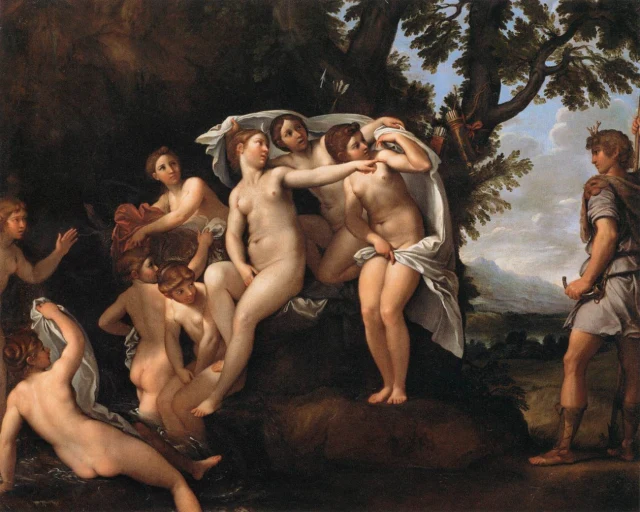 Actaeon Transformed into a StagFrancesco Albani, 1612
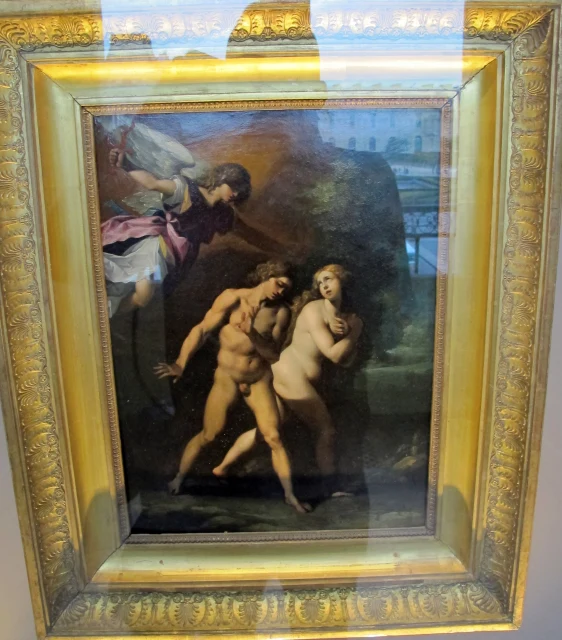 Adam and Eve Expelled from ParadiseGiuseppe Cesari, 1587
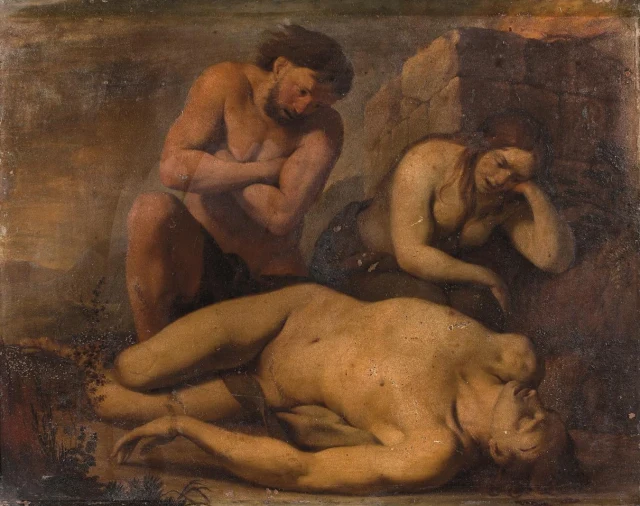 Adam and Eve Mourning the Death of AbelLubin Baugin, 1652
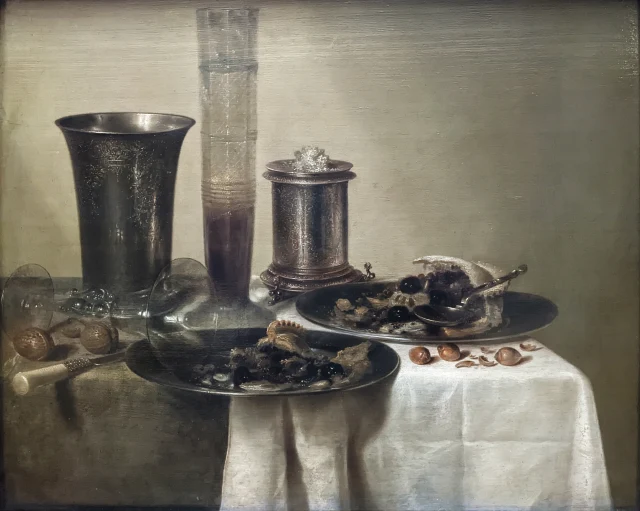 A DessertWillem Claesz. Heda, 1637
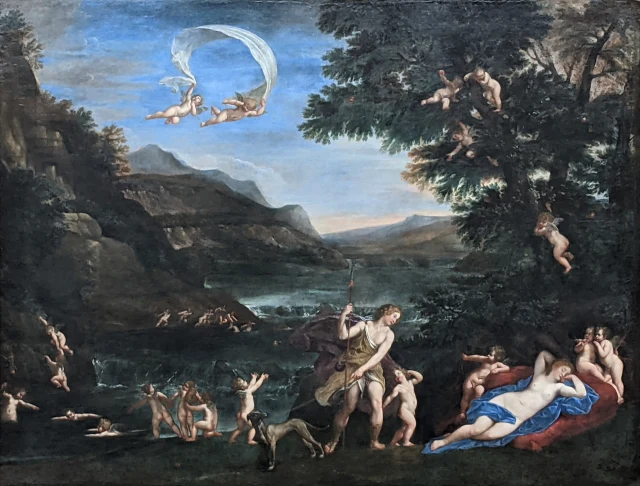 Adonis Led by Cupids to VenusFrancesco Albani, 1627
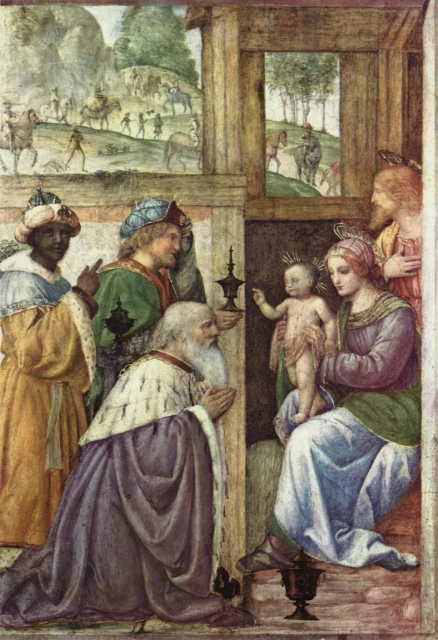 Adoration of the MagiBernardino Luini, 1522