
The story
The Louvre began as a fortress. Philip II raised it on the right bank of the Seine around 1190 to guard medieval Paris, and over the following centuries French kings rebuilt it into a royal palace, until Louis XIV moved his court to Versailles in 1682 and left the half-finished halls to the royal collection and the artists lodged inside.
The Revolution turned it into a public museum. On 10 August 1793 the Muséum central des arts opened its doors, showing the confiscated art of the crown and the church to any citizen who wished to walk in. Napoleon filled it with the spoils of his campaigns and briefly renamed it after himself. Much was returned after Waterloo, but the idea held, a national collection arranged for study and free to the public.
Today the Louvre holds more than 35,000 works, from the Venus de Milo to Géricault's Raft of the Medusa. The crowds, though, press toward one small portrait. In August 1911 it vanished: Vincenzo Peruggia, an Italian handyman who had worked in the museum, lifted Leonardo's Mona Lisa off the wall and carried it out under his coat. For two years the frame hung empty while visitors came to stare at the gap, and the painting returned only in 1913, after Peruggia tried to sell it to a dealer in Florence. I. M. Pei's glass pyramid, set in the courtyard in 1989, now marks the entrance.
More articles

Collection
1,174 works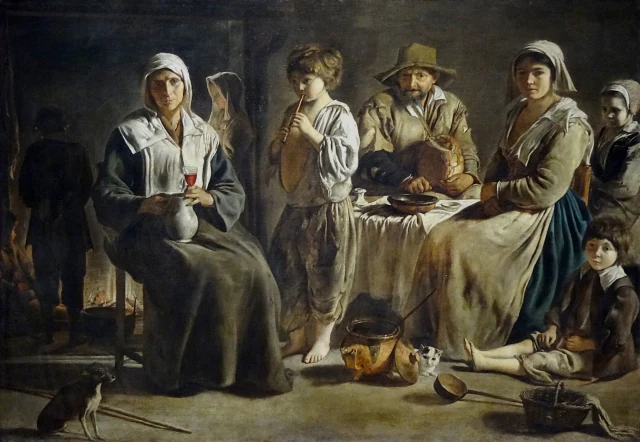 Peasant Family in an InteriorLouis Le Nain, 1642
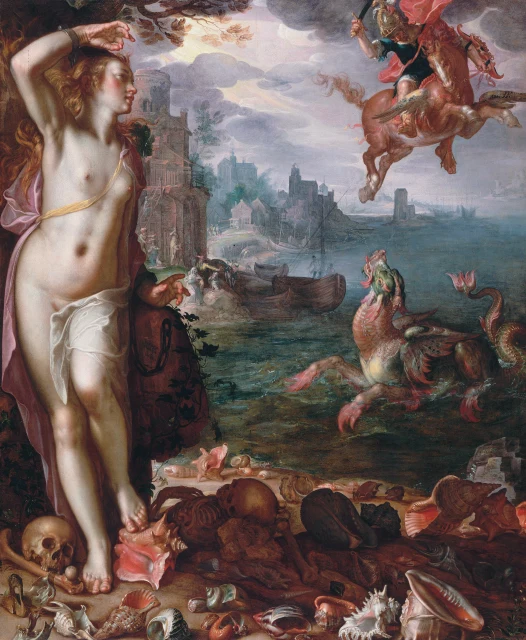 Perseus and AndromedaJoachim Wtewael, 1611
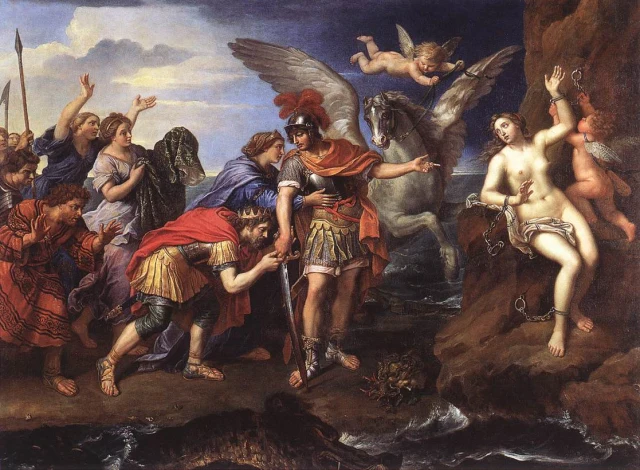 Perseus and AndromedaPierre Mignard I, 1679
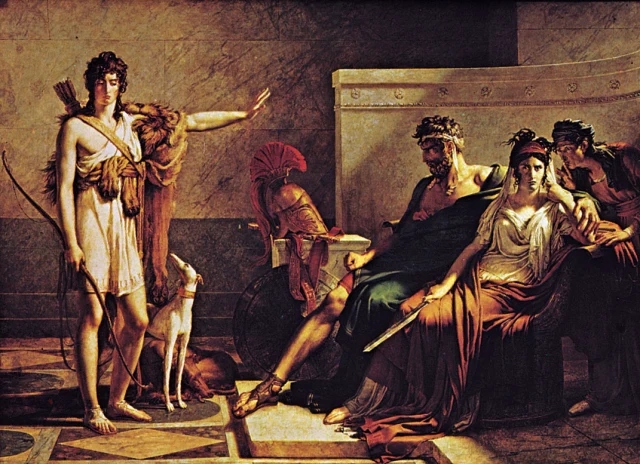 Phaedra and HippolytusPierre-Narcisse Guérin, 1802
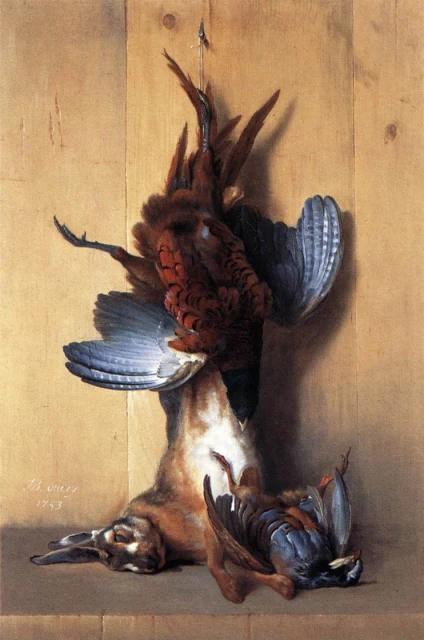 Pheasant, Hare and Red PartridgeJean-Baptiste Oudry, 1753
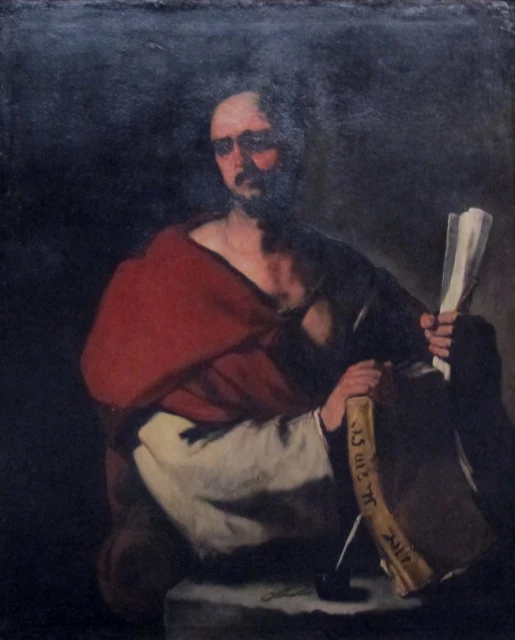 Philosopher Holding a Book and a Roll of PaperLuca Giordano, 1662
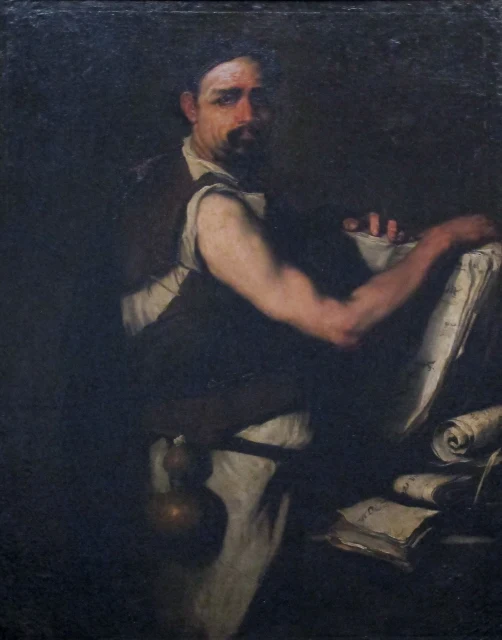 Philosopher with a Flask at His BeltLuca Giordano, 1662
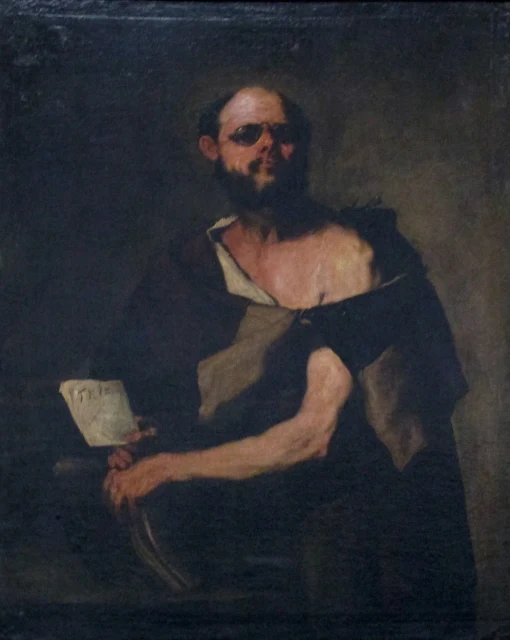 Philosopher with SpectaclesLuca Giordano, 1662
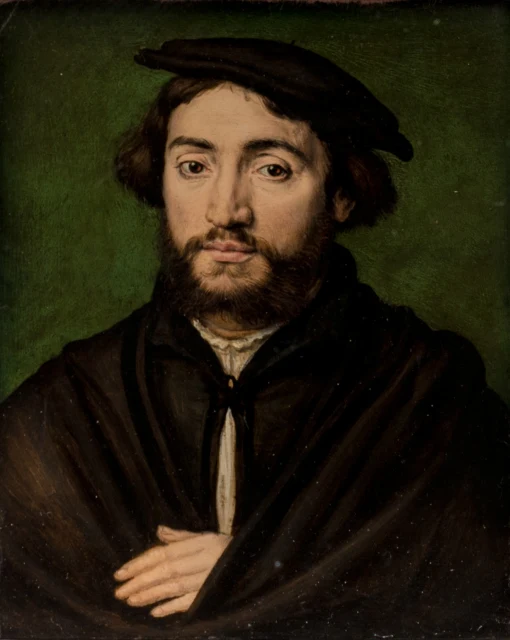 Pierre AymericWorkshop of Corneille de Lyon, 1534
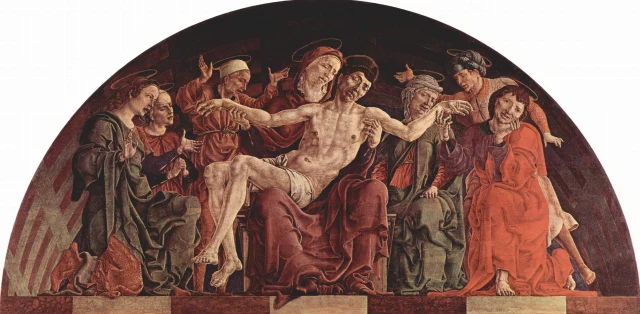 PietàCosimo Tura, 1474
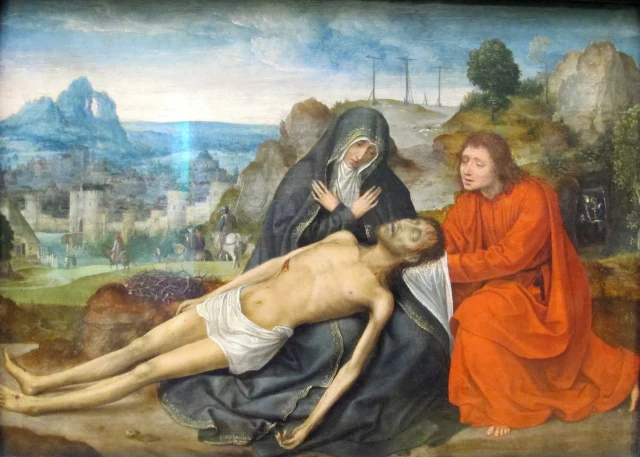 PietàQuinten Metsys, 1514
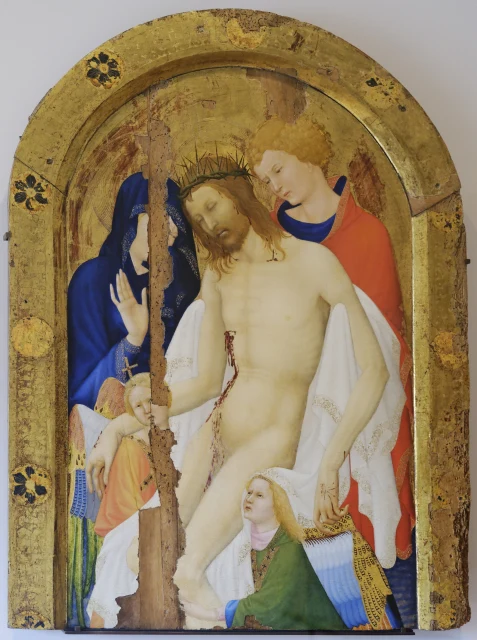 Pietà with Saint John the Evangelist, the Virgin and Two AngelsAttributed to the Limbourg Brothers, 1407
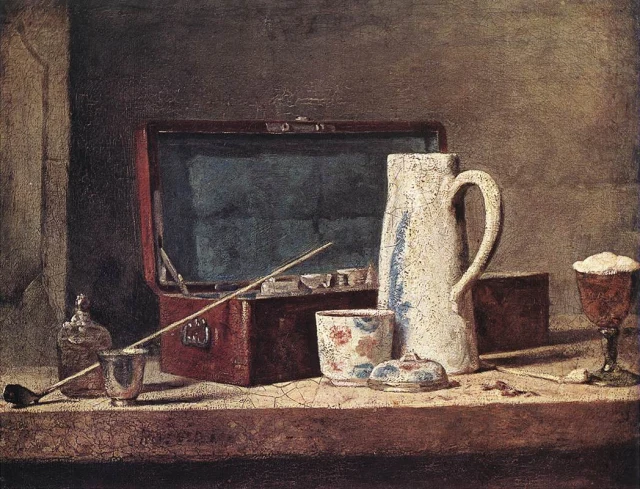 Pipes and Drinking PitcherJean-Baptiste-Siméon Chardin, 1762
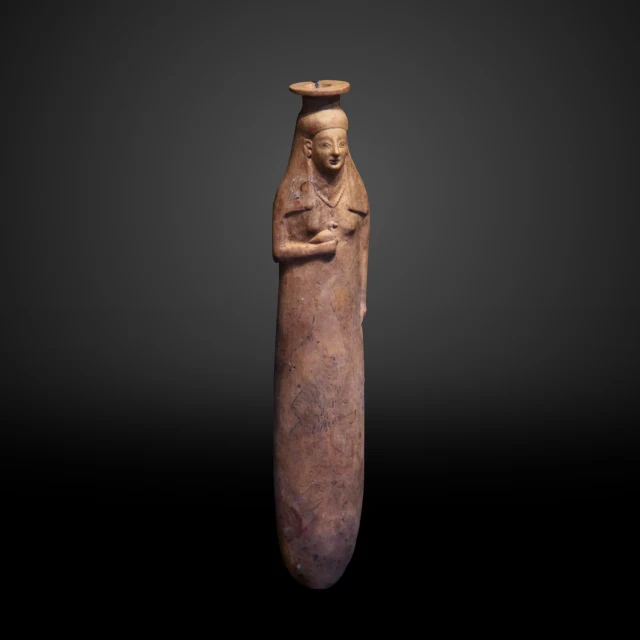 Plastic Alabastron in the Form of a Kore Holding a BirdUnknown East Greek potter (Archaic), -550
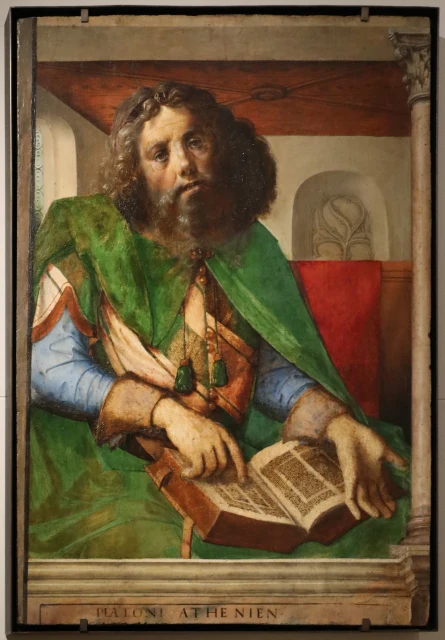 PlatoJustus van Gent, 1476
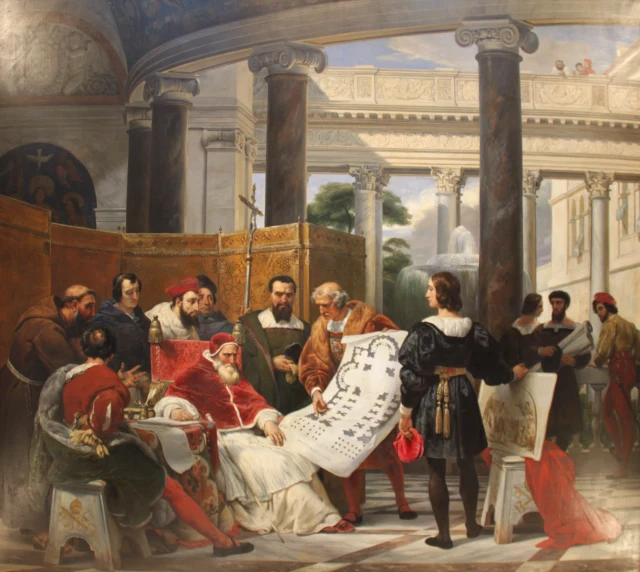 Pope Julius II Ordering Bramante, Michelangelo and Raphael to Build the Vatican and Saint Peter'sHorace Vernet, 1827
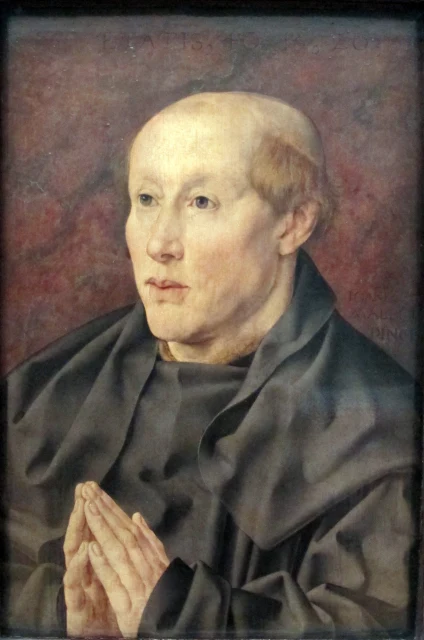 Portrait of a Benedictine Monk (?) Aged Forty, at PrayerJan Gossaert, 1526
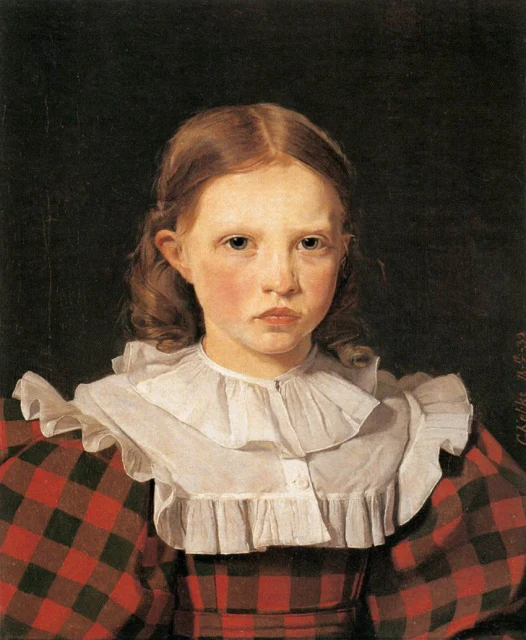 Portrait of Adolphine Købke, Sister of the ArtistChristen Købke, 1832
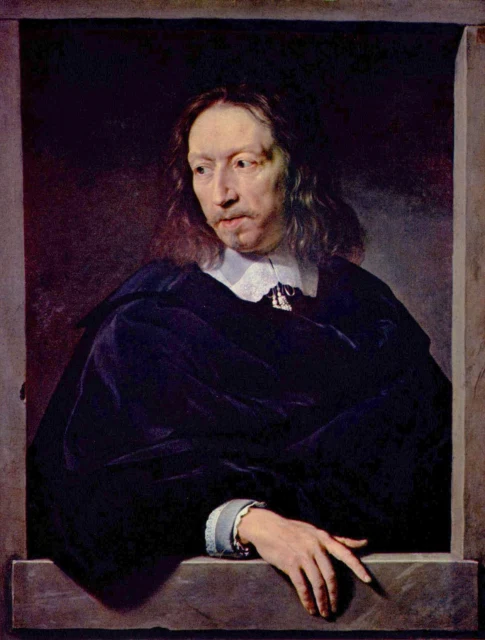 Portrait of a ManPhilippe de Champaigne, 1650
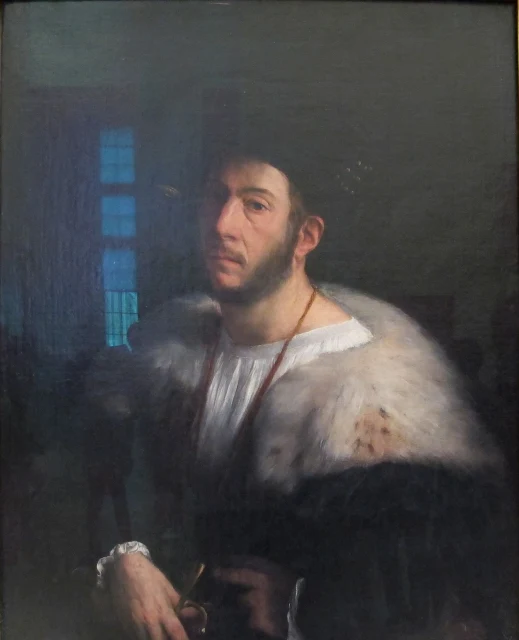 Portrait of a Man, formerly called Portrait of Cesare BorgiaDosso Dossi, 1519
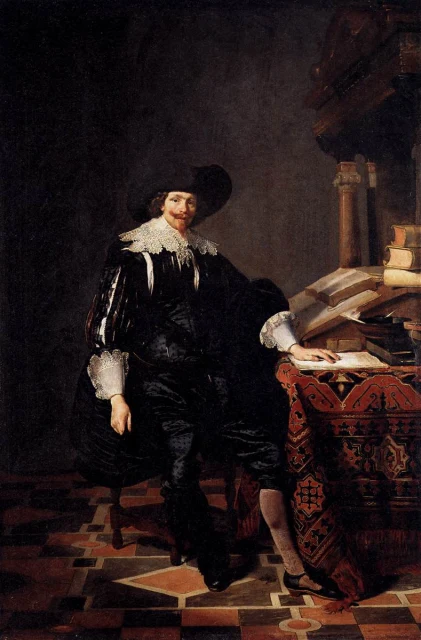 Portrait of a Man Seated by a TableThomas de Keyser, 1632
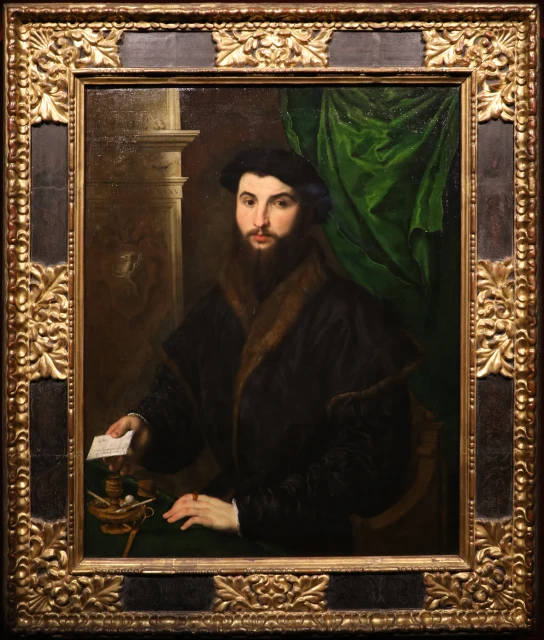 Portrait of a Man (Thomas Stahel?)Paris Bordone, 1540
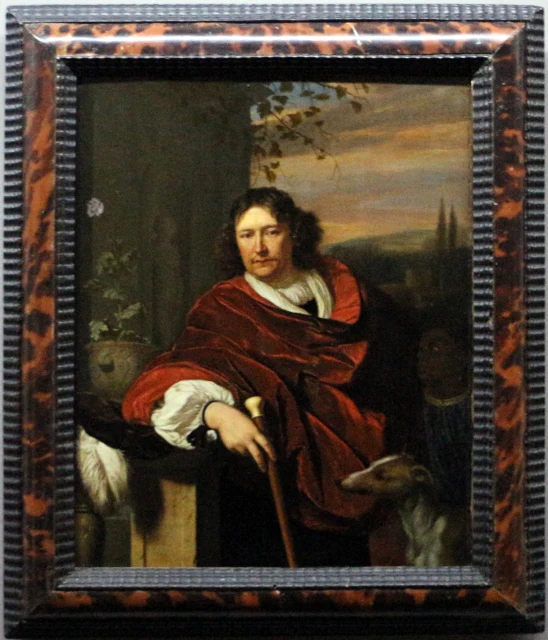 Portrait of a Man with a Cane, a Young Black Servant and a DogFrans van Mieris the Elder, 1672
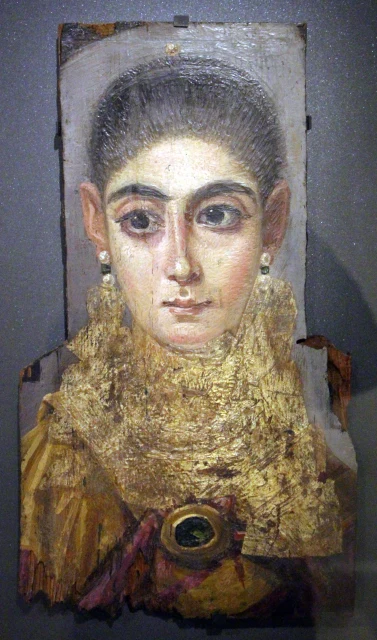 Portrait of a Woman, known as "L'Européenne"Unknown Roman-Egyptian painter, 125
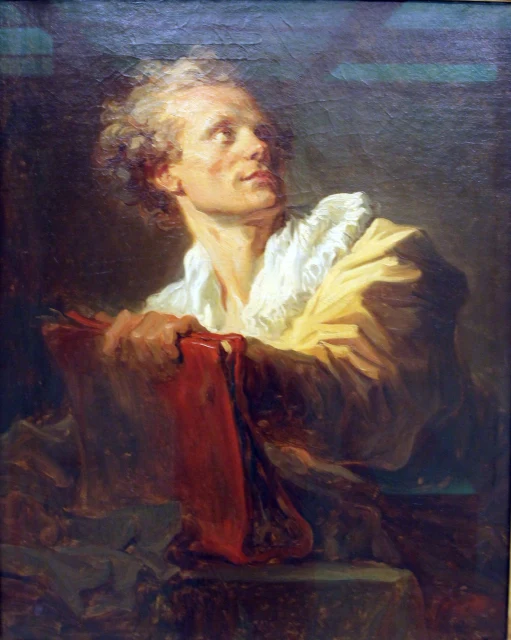 Portrait of a Young ArtistJean-Honoré Fragonard, 1769