
The story
The Louvre began as a fortress. Philip II raised it on the right bank of the Seine around 1190 to guard medieval Paris, and over the following centuries French kings rebuilt it into a royal palace, until Louis XIV moved his court to Versailles in 1682 and left the half-finished halls to the royal collection and the artists lodged inside.
The Revolution turned it into a public museum. On 10 August 1793 the Muséum central des arts opened its doors, showing the confiscated art of the crown and the church to any citizen who wished to walk in. Napoleon filled it with the spoils of his campaigns and briefly renamed it after himself. Much was returned after Waterloo, but the idea held, a national collection arranged for study and free to the public.
Today the Louvre holds more than 35,000 works, from the Venus de Milo to Géricault's Raft of the Medusa. The crowds, though, press toward one small portrait. In August 1911 it vanished: Vincenzo Peruggia, an Italian handyman who had worked in the museum, lifted Leonardo's Mona Lisa off the wall and carried it out under his coat. For two years the frame hung empty while visitors came to stare at the gap, and the painting returned only in 1913, after Peruggia tried to sell it to a dealer in Florence. I. M. Pei's glass pyramid, set in the courtyard in 1989, now marks the entrance.
More articles

Collection
1,174 works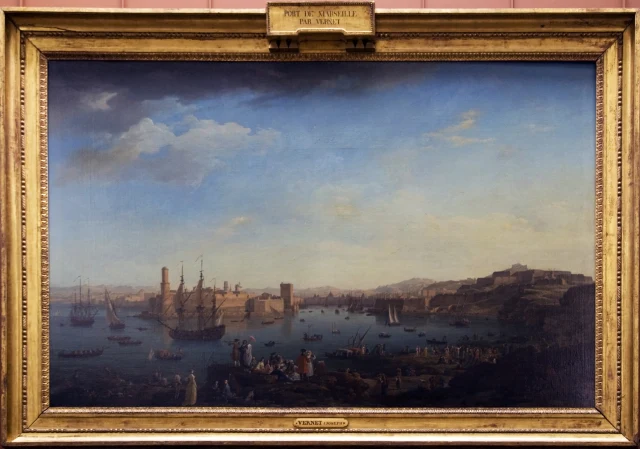 The Entrance to the Port of MarseilleJoseph Vernet, 1754
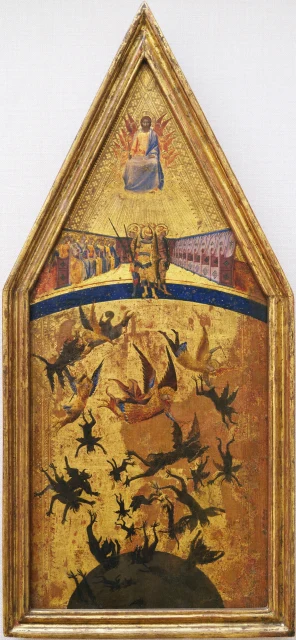 The Fall of the Rebel AngelsMaster of the Rebel Angels, 1325
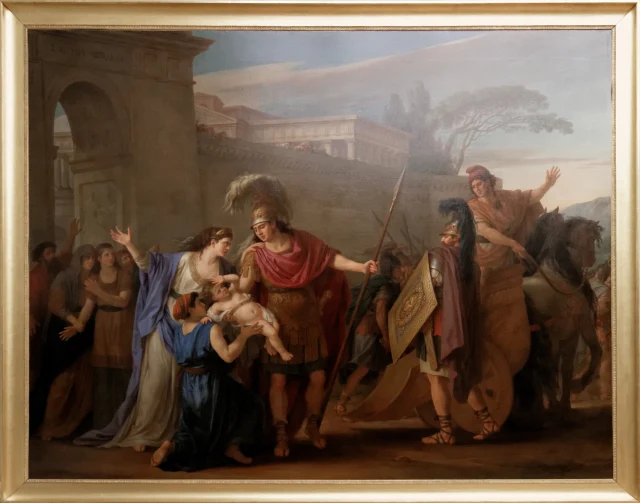 The Farewell of Hector and AndromacheJoseph-Marie Vien, 1786
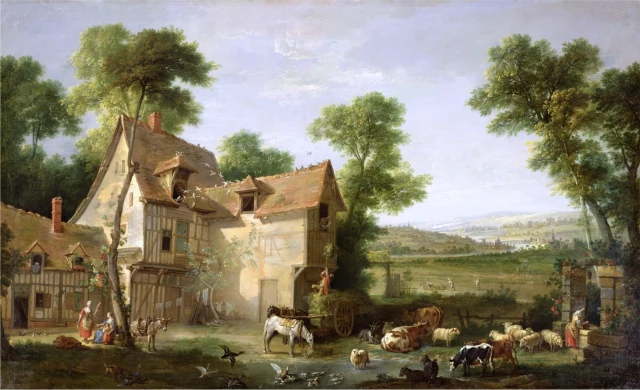 The FarmJean-Baptiste Oudry, 1750
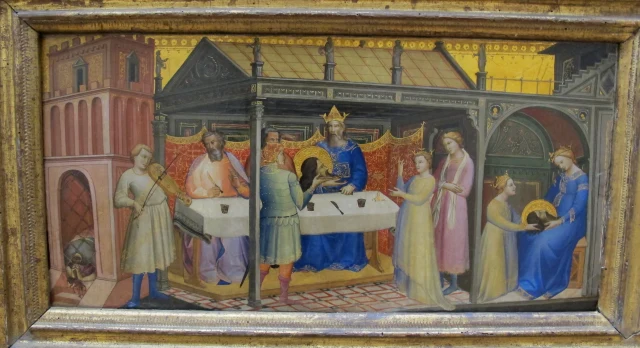 The Feast of Herod, with Herodias and SalomeLorenzo Monaco, 1388
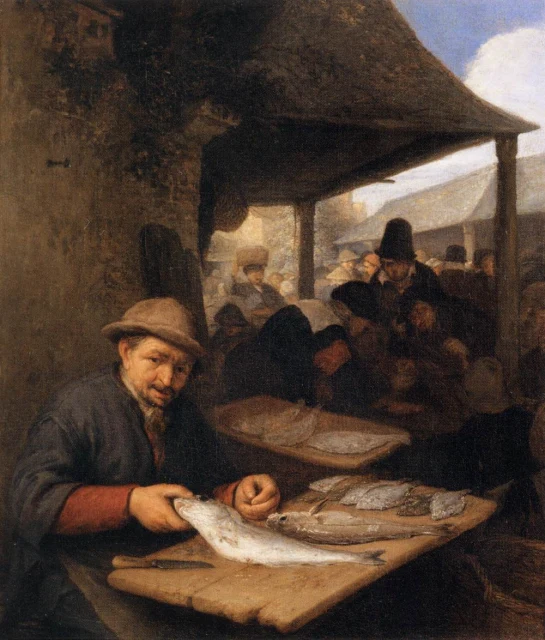 The Fish MarketAdriaen van Ostade, 1659
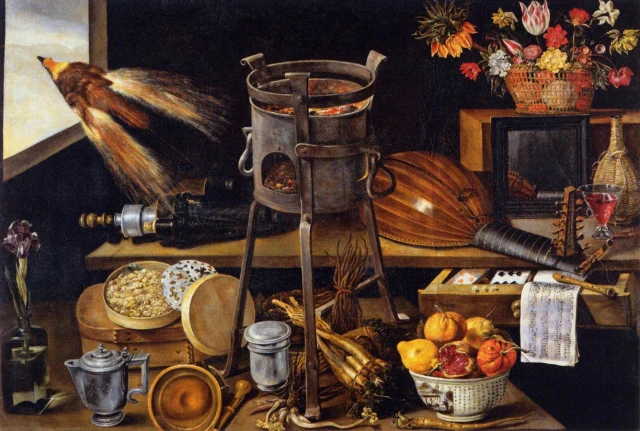 The Five Senses and the Four ElementsJacques Linard, 1627
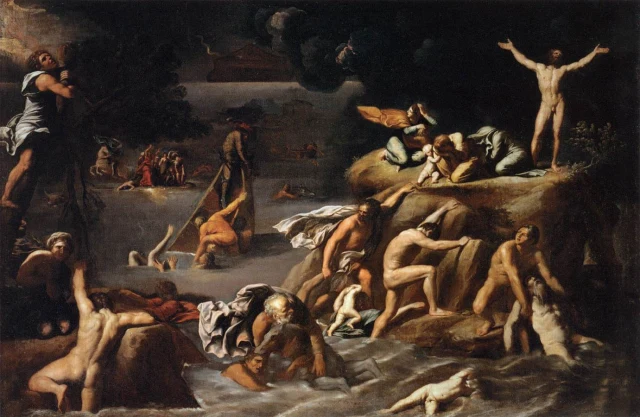 The FloodAntonio Marziale Carracci, 1617
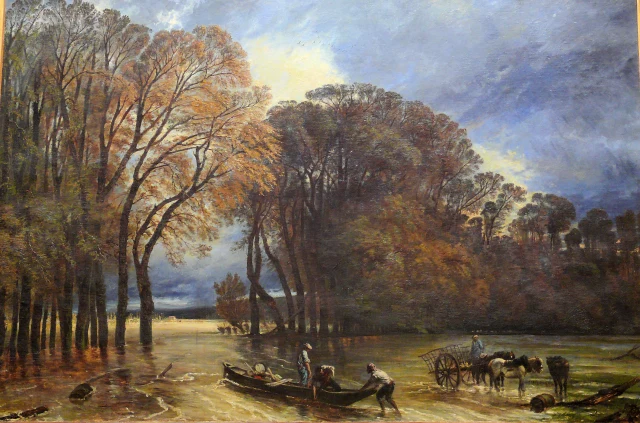 The Flood of Saint-CloudPaul Huet, 1855
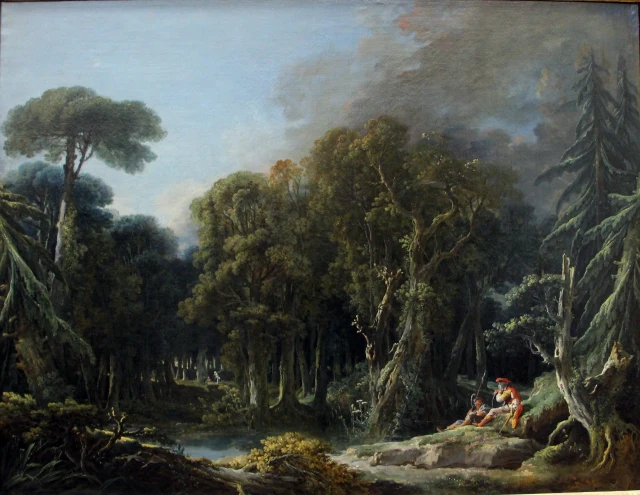 The ForestFrançois Boucher, 1740
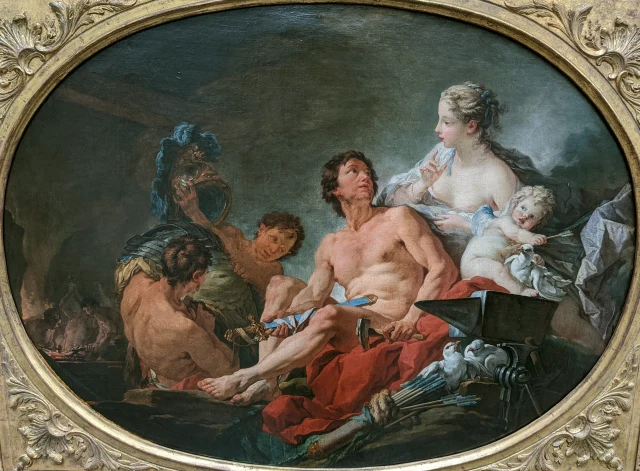 The Forge of VulcanFrançois Boucher, 1747
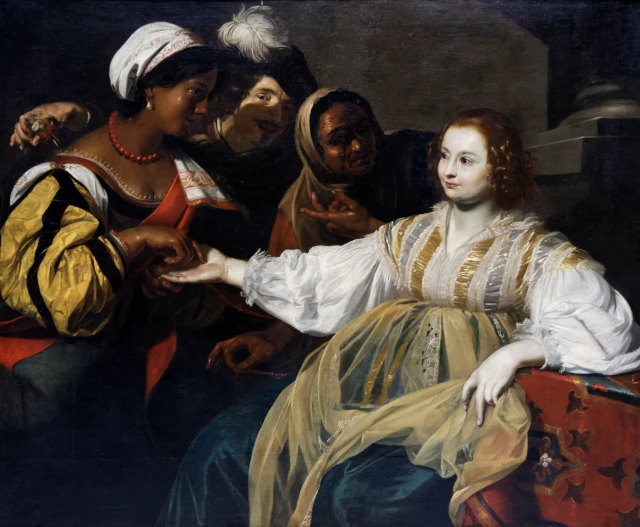 The Fortune TellerNicolas Régnier, 1628
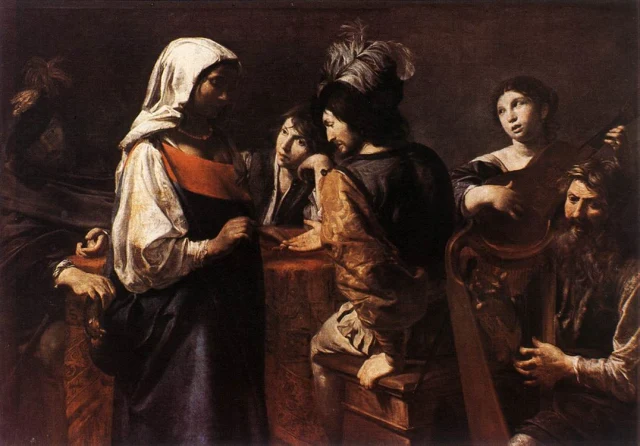 The Fortune TellerValentin de Boulogne, 1627
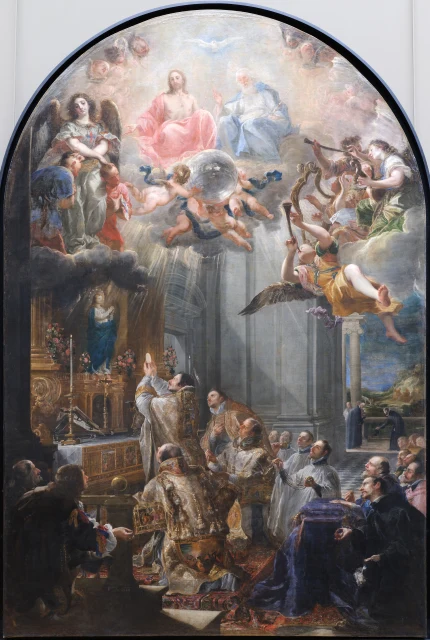 The Foundation Mass of the Trinitarian OrderJuan Carreño de Miranda, 1666
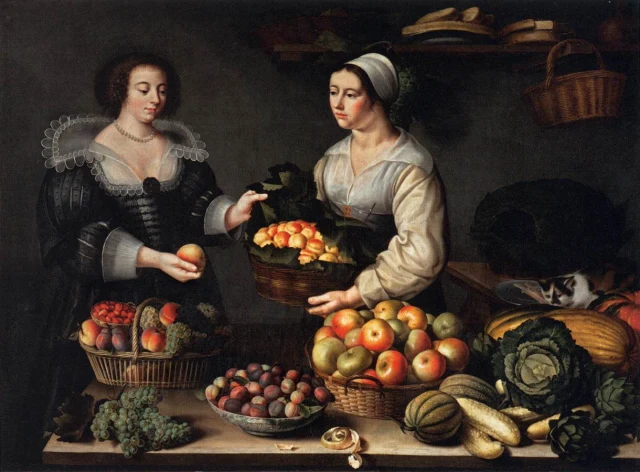 The Fruit and Vegetable CostermongerLouise Moillon, 1630
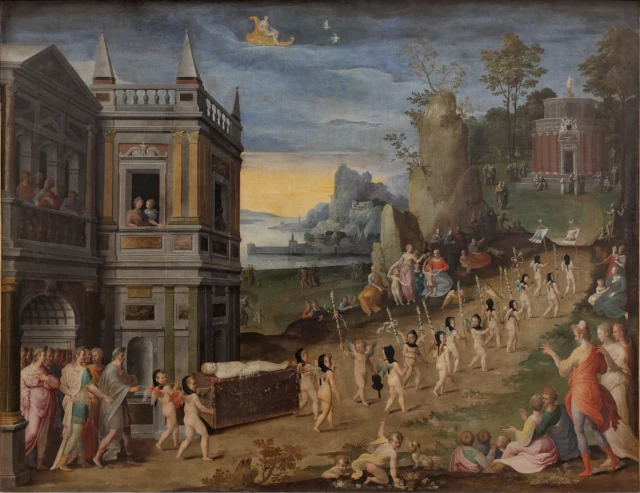 The Funeral Procession of LoveAntoine Caron, 1562
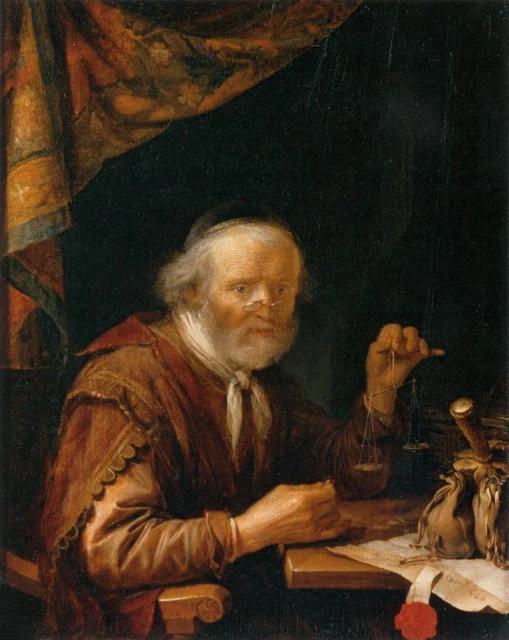 The Gold WeigherGerrit Dou, 1664
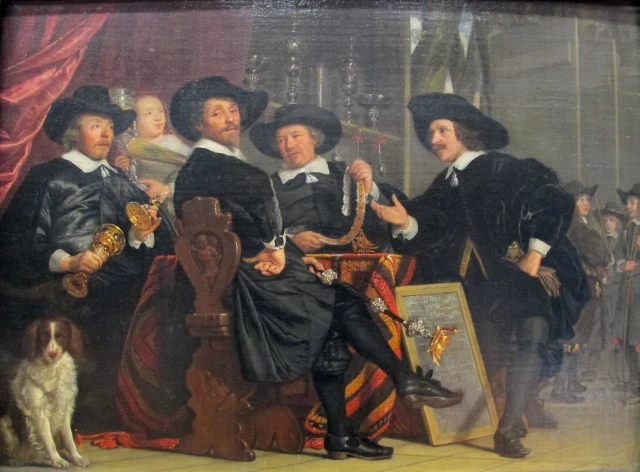 The Governors of the Archers' Civic Guard of Amsterdam (Guild of Saint Sebastian)Bartholomeus van der Helst, 1653
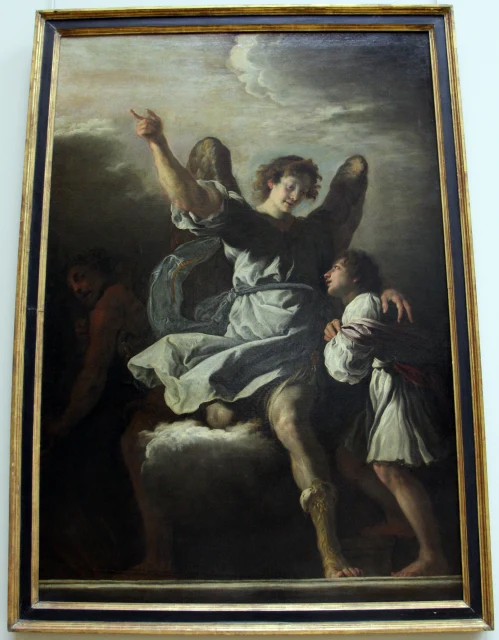 The Guardian AngelDomenico Fetti, 1617
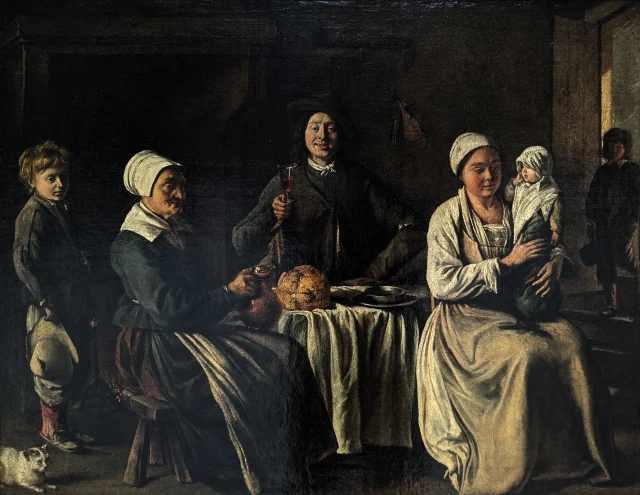 The Happy FamilyLe Nain Brothers, 1642
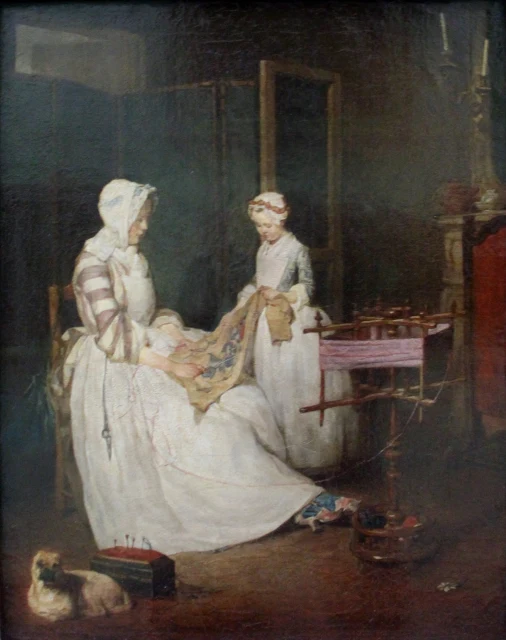 The Hard-working MotherJean-Baptiste-Siméon Chardin, 1740
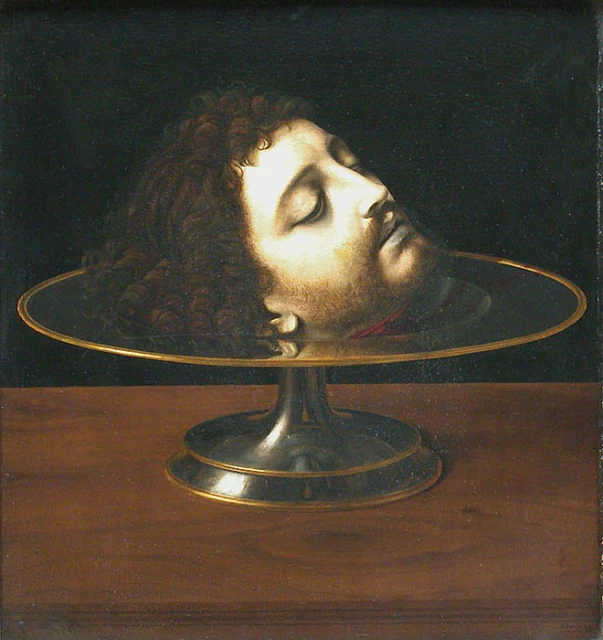 The Head of Saint John the BaptistAndrea Solari, 1507
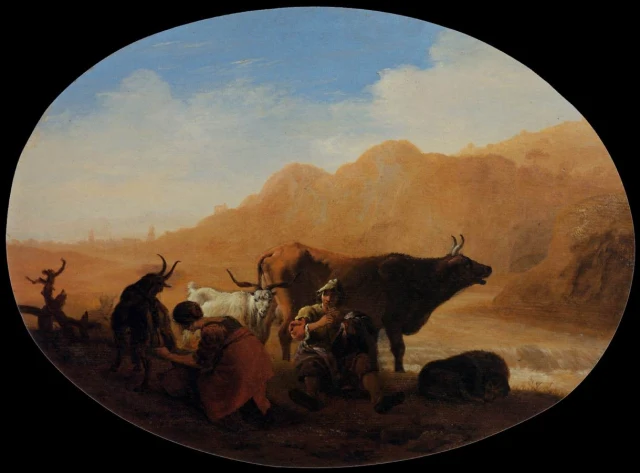 The Herdsmen: Woman Milking a Goat and a Flute PlayerPieter van Laer, 1640
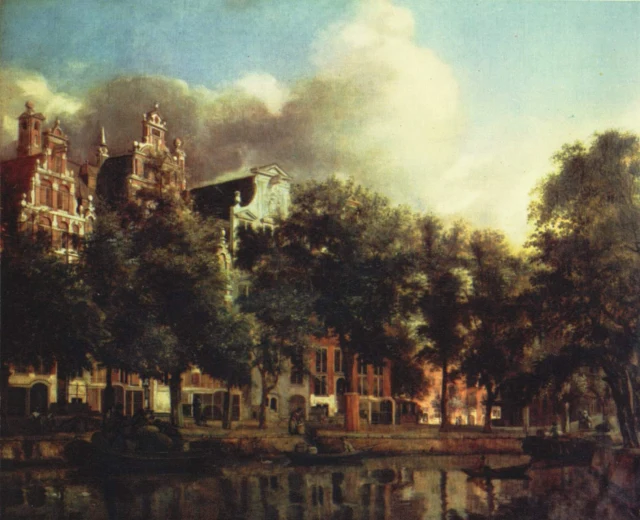 The Herengracht in AmsterdamJan van der Heyden, 1671
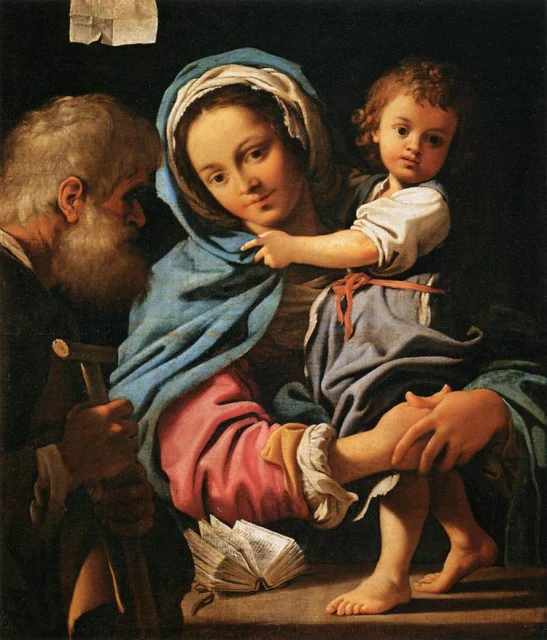 The Holy FamilyBartolomeo Schedoni, 1611