
The story
The Louvre began as a fortress. Philip II raised it on the right bank of the Seine around 1190 to guard medieval Paris, and over the following centuries French kings rebuilt it into a royal palace, until Louis XIV moved his court to Versailles in 1682 and left the half-finished halls to the royal collection and the artists lodged inside.
The Revolution turned it into a public museum. On 10 August 1793 the Muséum central des arts opened its doors, showing the confiscated art of the crown and the church to any citizen who wished to walk in. Napoleon filled it with the spoils of his campaigns and briefly renamed it after himself. Much was returned after Waterloo, but the idea held, a national collection arranged for study and free to the public.
Today the Louvre holds more than 35,000 works, from the Venus de Milo to Géricault's Raft of the Medusa. The crowds, though, press toward one small portrait. In August 1911 it vanished: Vincenzo Peruggia, an Italian handyman who had worked in the museum, lifted Leonardo's Mona Lisa off the wall and carried it out under his coat. For two years the frame hung empty while visitors came to stare at the gap, and the painting returned only in 1913, after Peruggia tried to sell it to a dealer in Florence. I. M. Pei's glass pyramid, set in the courtyard in 1989, now marks the entrance.
More articles

Collection
1,174 works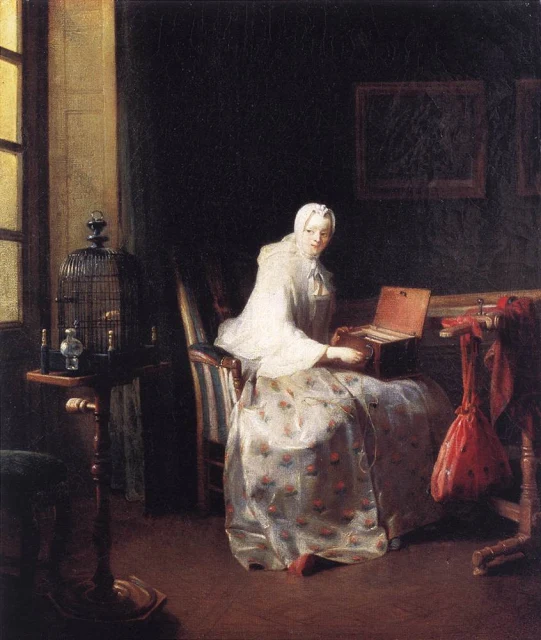 The SerinetteJean-Baptiste-Siméon Chardin, 1751
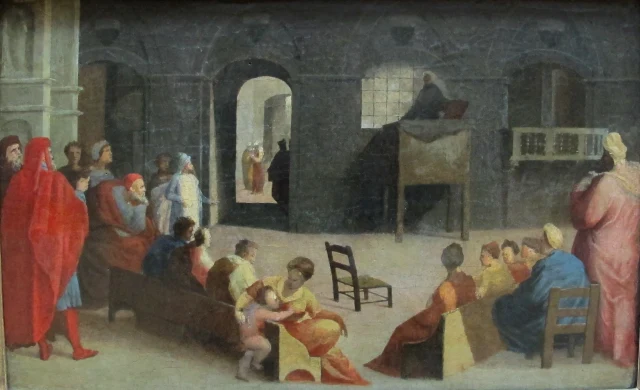 The Sermon of Saint Bernardino of SienaDomenico Beccafumi, 1537
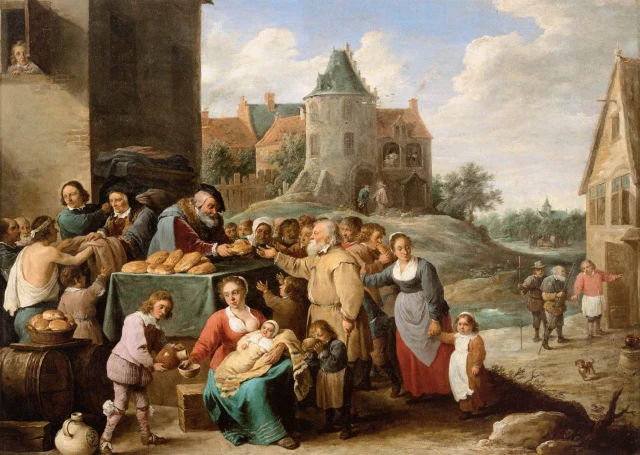 The Seven Works of MercyDavid Teniers the Younger, 1640
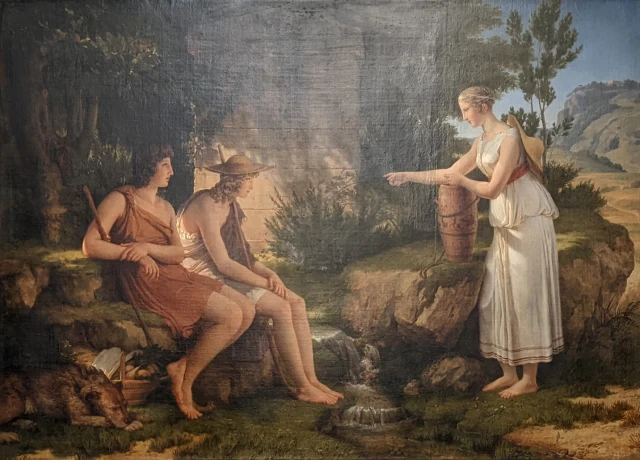 The Shepherds at the Tomb of AmyntasPierre-Narcisse Guérin, 1805
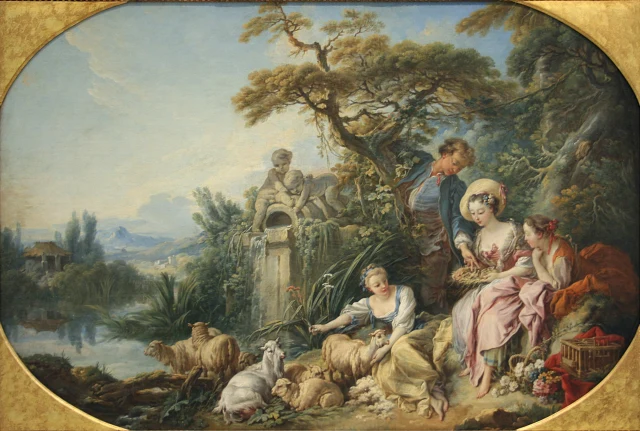 The Shepherd's Gifts, or The NestFrançois Boucher, 1740
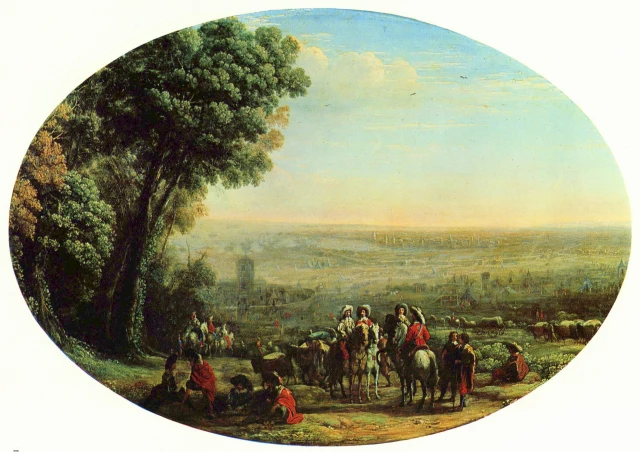 The Siege of La Rochelle by Louis XIIIClaude Lorrain, 1632
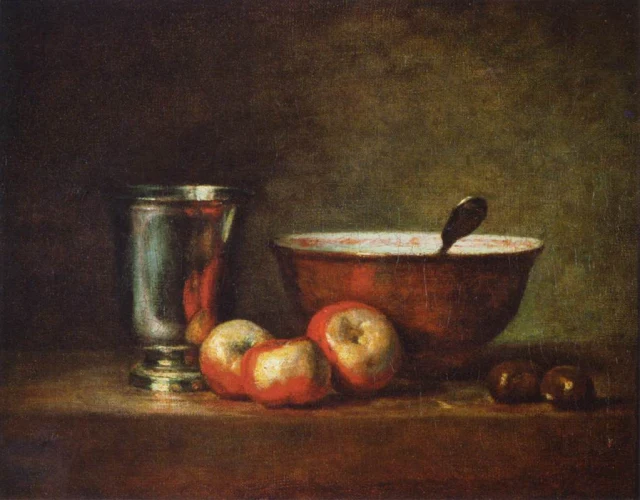 The Silver CupJean-Baptiste-Siméon Chardin, 1768
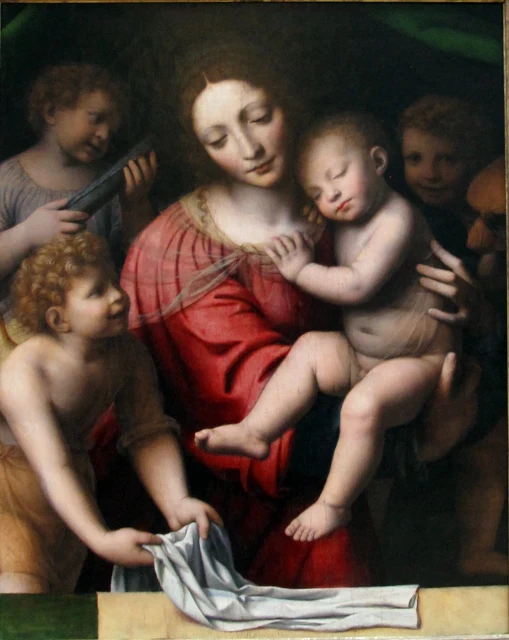 The Sleep of the Infant JesusBernardino Luini, 1527
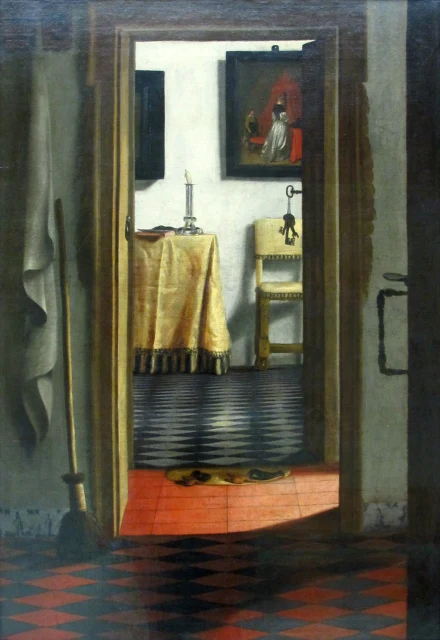 The SlippersAttributed to Samuel van Hoogstraten, 1662
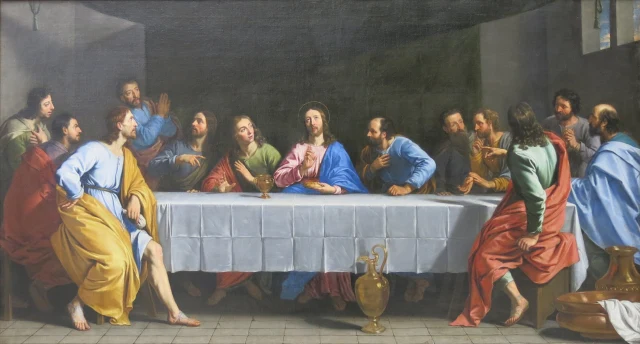 The Small Last SupperPhilippe de Champaigne, 1651
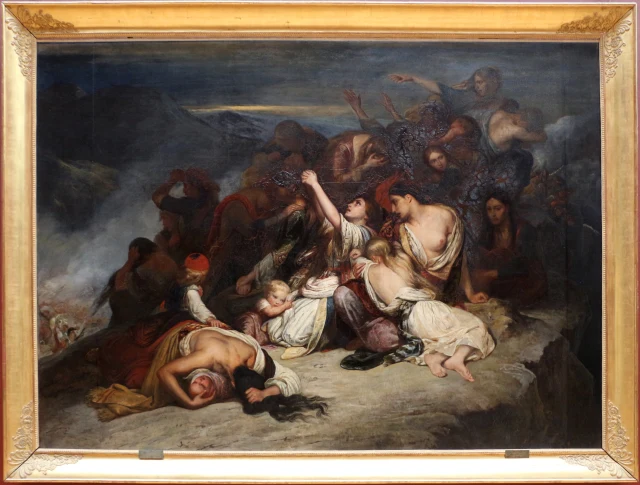 The Souliot WomenAry Scheffer, 1827
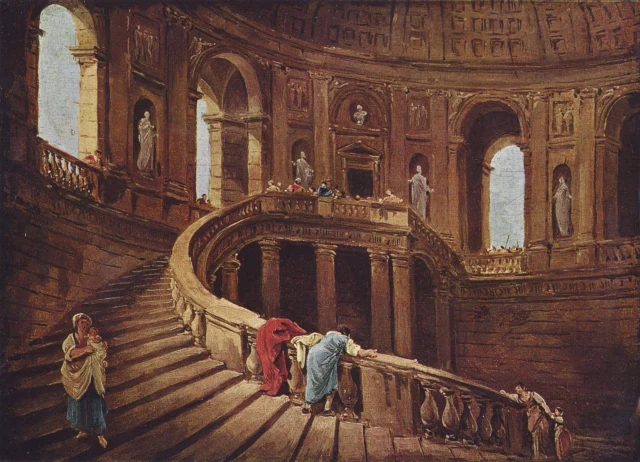 The Spiral Staircase of the Farnese Palace at CaprarolaHubert Robert, 1764
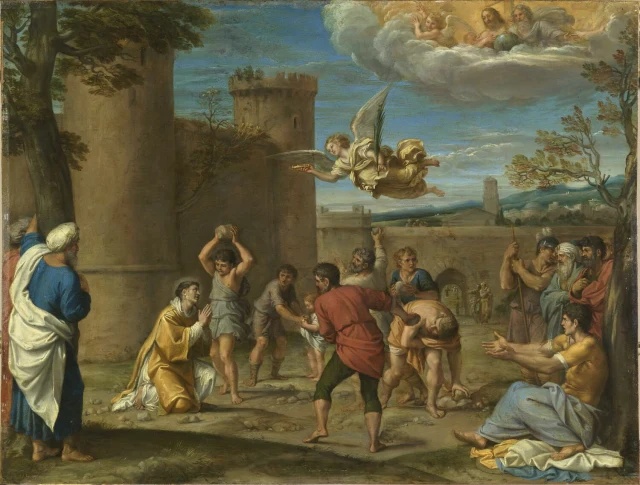 The Stoning of Saint StephenAnnibale Carracci, 1603
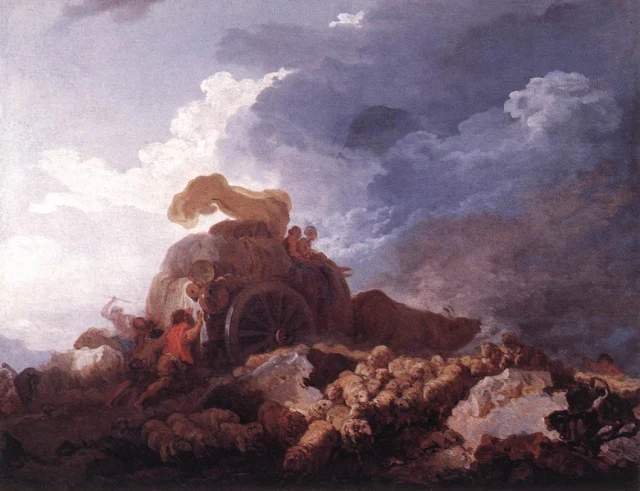 The StormJean-Honoré Fragonard, 1759
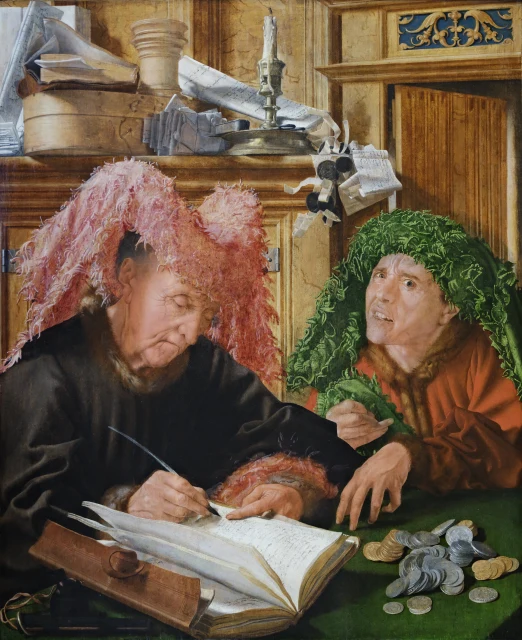 The Tax CollectorsMarinus van Reymerswaele
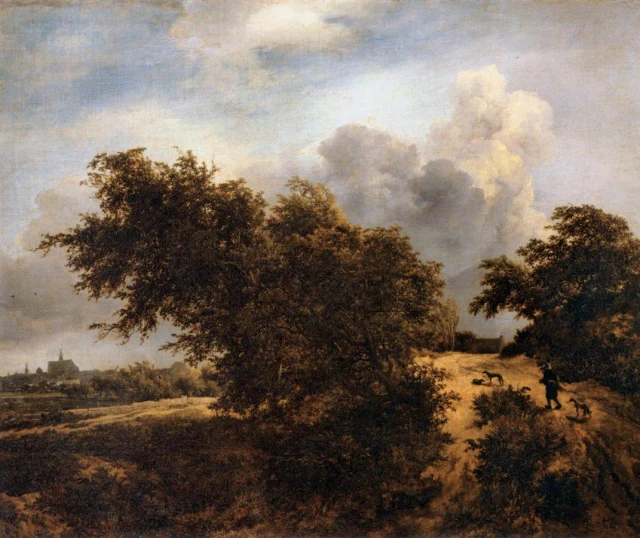 The ThicketJacob van Ruisdael, 1649
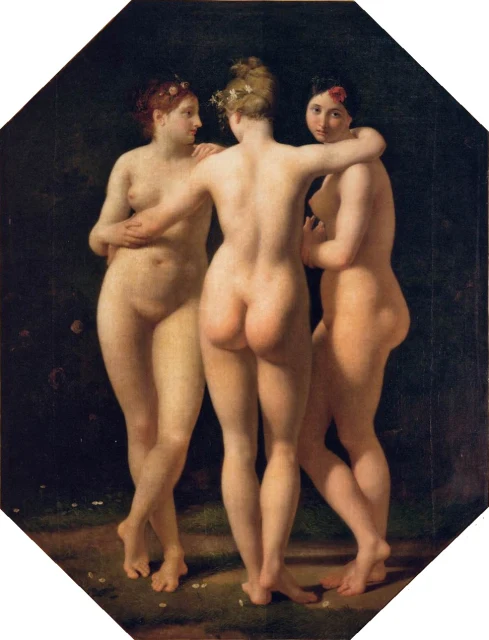 The Three GracesJean-Baptiste Regnault, 1793
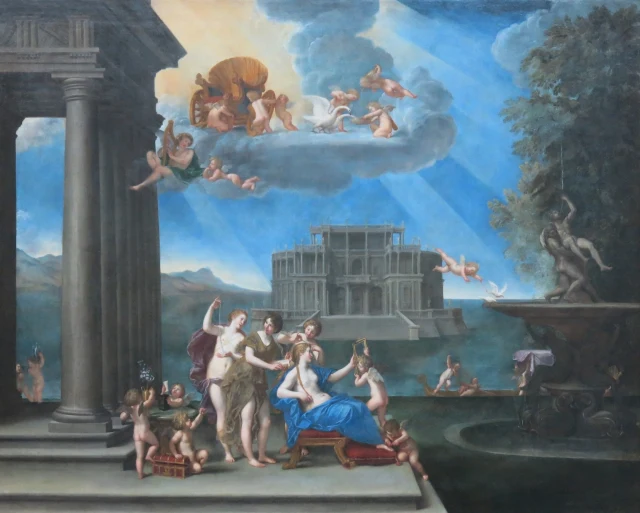 The Toilet of VenusFrancesco Albani, 1627
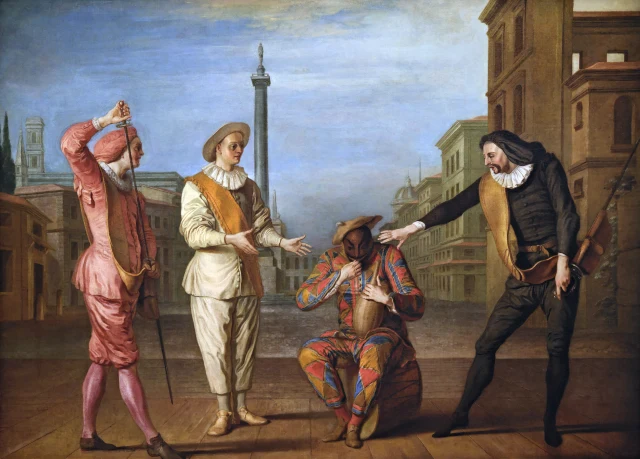 The Tomb of Master AndréClaude Gillot, 1716
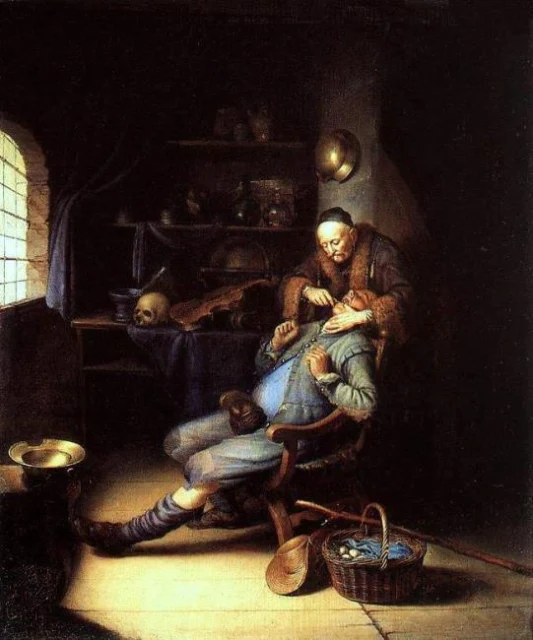 The Tooth PullerGerrit Dou, 1632
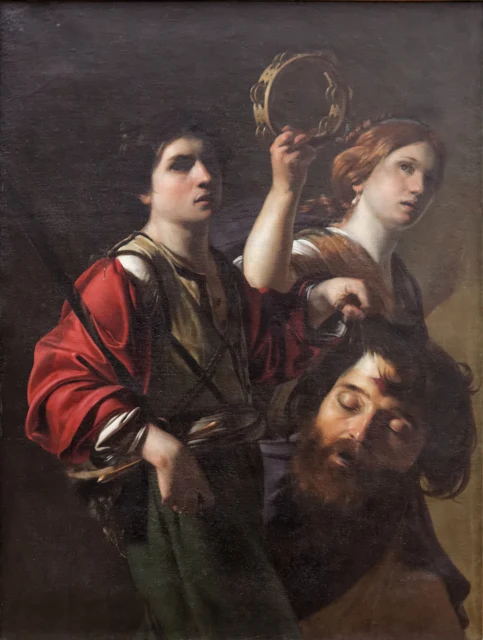 The Triumph of DavidBartolomeo Manfredi, 1615
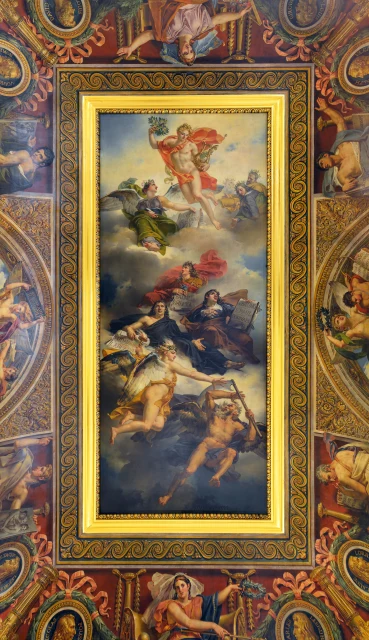 The Triumph of French Painting: Apotheosis of Poussin, Le Sueur and Le BrunCharles Meynier, 1822
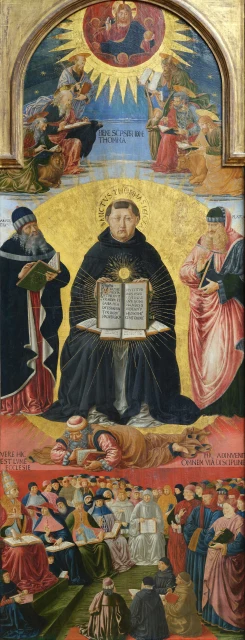 The Triumph of Saint Thomas AquinasBenozzo Gozzoli, 1472
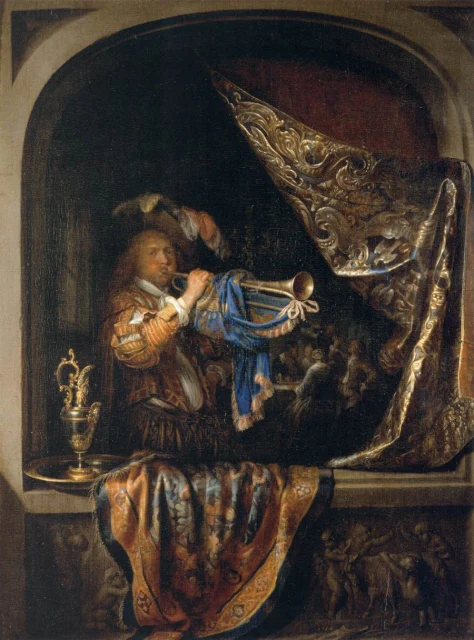 The Trumpet Player, with a Banquet Scene in the BackgroundGerrit Dou, 1662
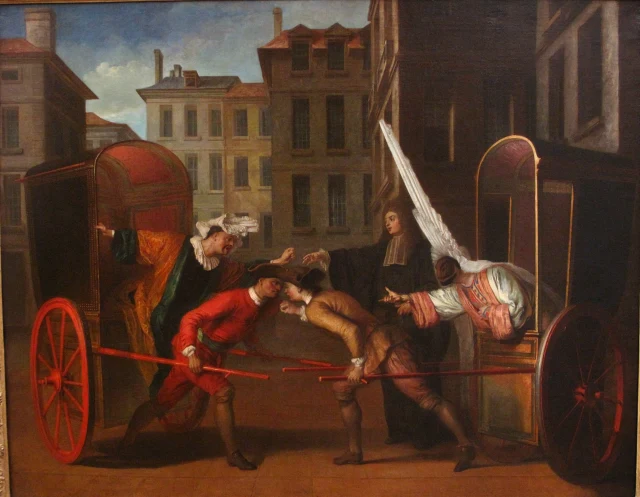 The Two CoachesClaude Gillot, 1707