
The story
The Louvre began as a fortress. Philip II raised it on the right bank of the Seine around 1190 to guard medieval Paris, and over the following centuries French kings rebuilt it into a royal palace, until Louis XIV moved his court to Versailles in 1682 and left the half-finished halls to the royal collection and the artists lodged inside.
The Revolution turned it into a public museum. On 10 August 1793 the Muséum central des arts opened its doors, showing the confiscated art of the crown and the church to any citizen who wished to walk in. Napoleon filled it with the spoils of his campaigns and briefly renamed it after himself. Much was returned after Waterloo, but the idea held, a national collection arranged for study and free to the public.
Today the Louvre holds more than 35,000 works, from the Venus de Milo to Géricault's Raft of the Medusa. The crowds, though, press toward one small portrait. In August 1911 it vanished: Vincenzo Peruggia, an Italian handyman who had worked in the museum, lifted Leonardo's Mona Lisa off the wall and carried it out under his coat. For two years the frame hung empty while visitors came to stare at the gap, and the painting returned only in 1913, after Peruggia tried to sell it to a dealer in Florence. I. M. Pei's glass pyramid, set in the courtyard in 1989, now marks the entrance.
More articles

Collection
1,174 works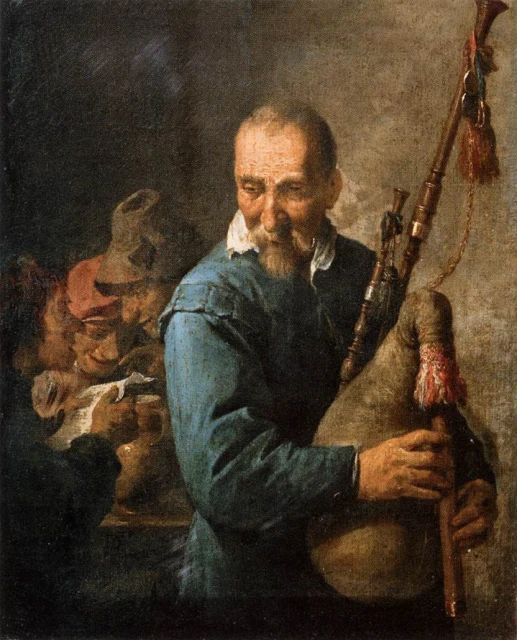 The Musette PlayerDavid Teniers the Younger, 1636
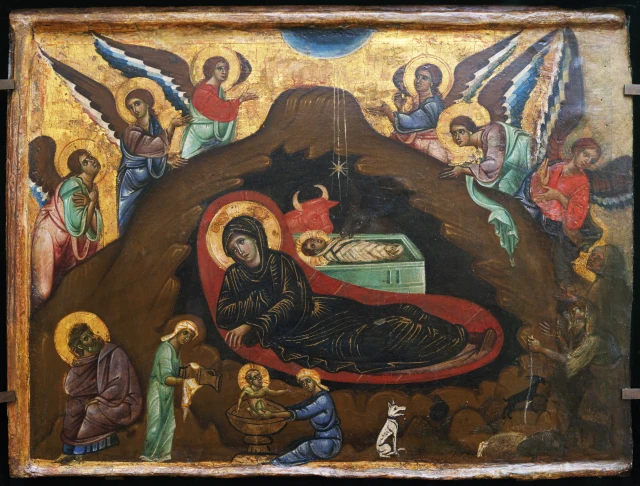 The NativityGuido of Siena, 1262
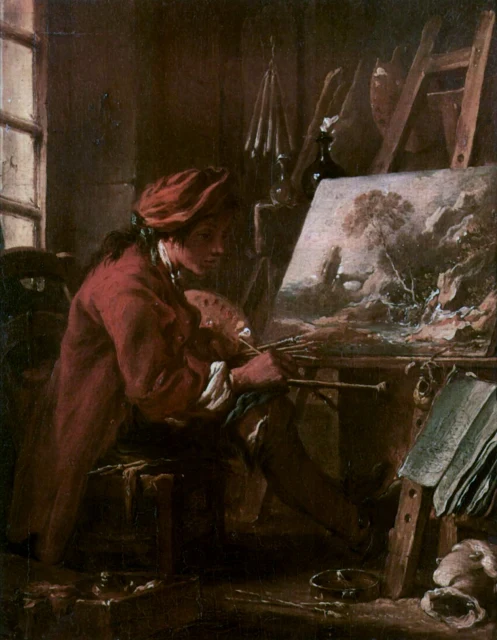 The Painter in His StudioFrançois Boucher, 1728
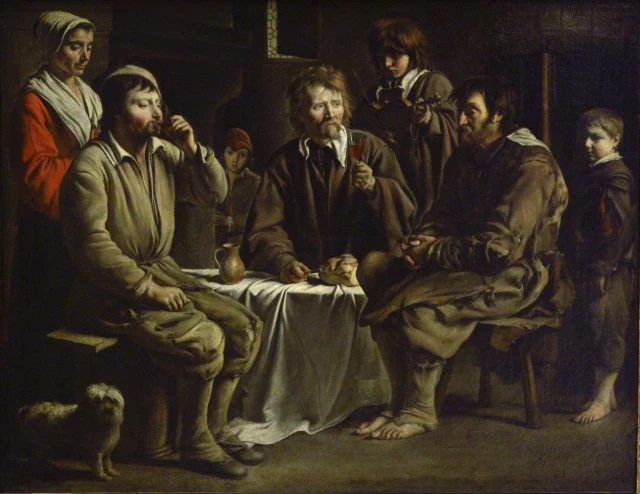 The Peasants' MealLouis Le Nain, 1642
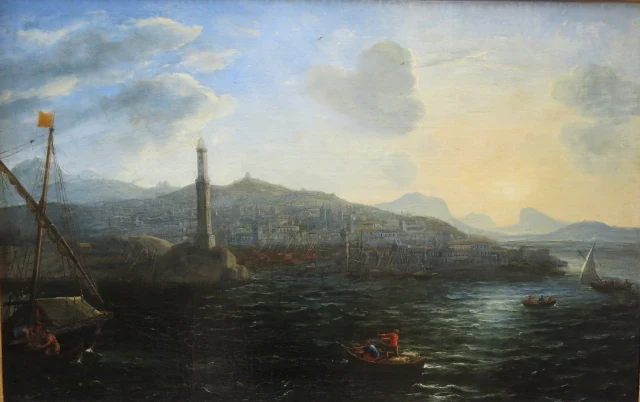 The Port of Genoa, Seen from the SeaClaude Lorrain, 1628
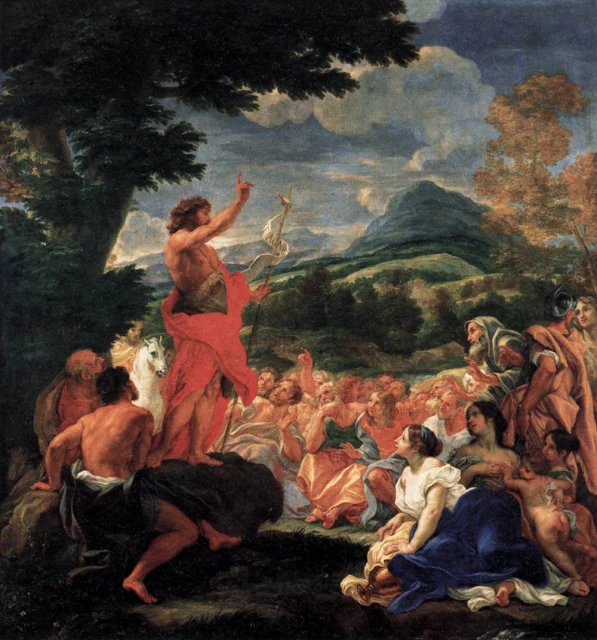 The Preaching of Saint John the BaptistGiovanni Battista Gaulli
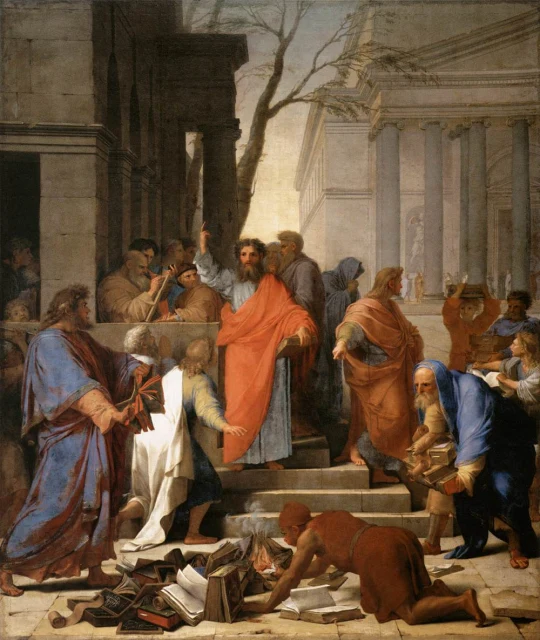 The Preaching of Saint Paul at EphesusEustache Le Sueur, 1649
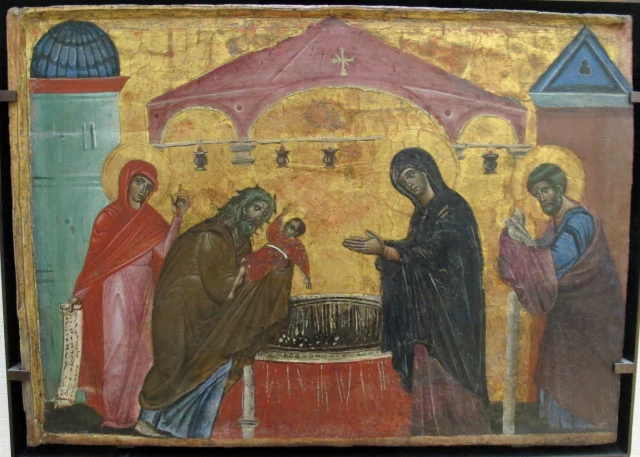 The Presentation in the TempleGuido of Siena, 1262
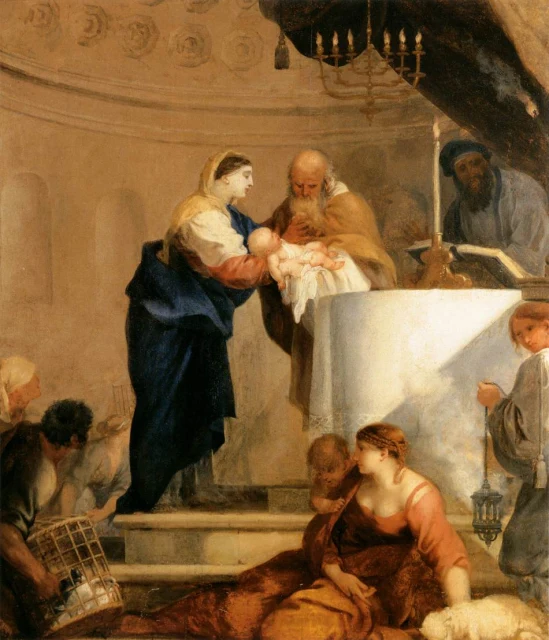 The Presentation in the TempleSébastien Bourdon, 1644
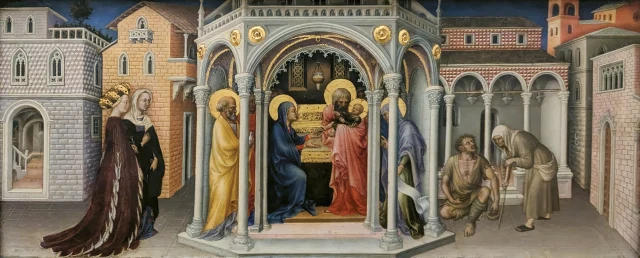 The Presentation in the TempleGentile da Fabriano, 1423
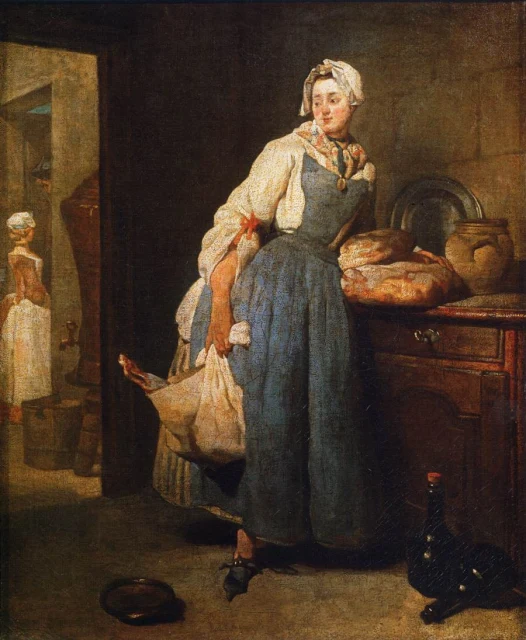 The ProviderJean-Baptiste-Siméon Chardin, 1739
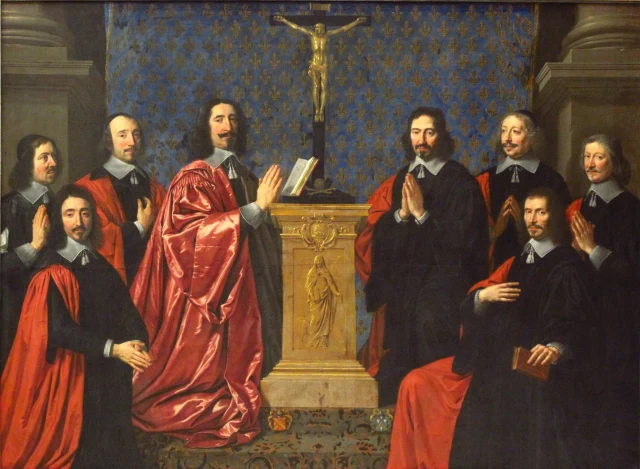 The Provost of the Merchants and the Aldermen of the City of ParisPhilippe de Champaigne, 1648
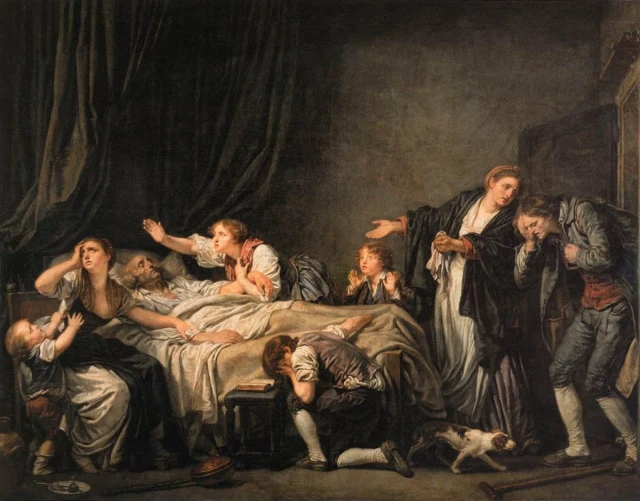 The Punished SonJean-Baptiste Greuze, 1778
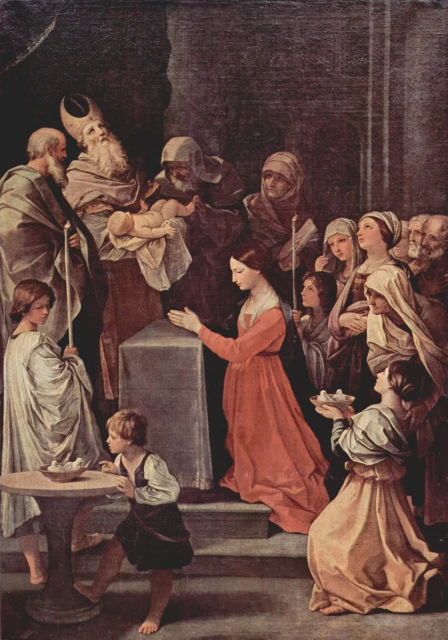 The Purification of the VirginGuido Reni, 1635
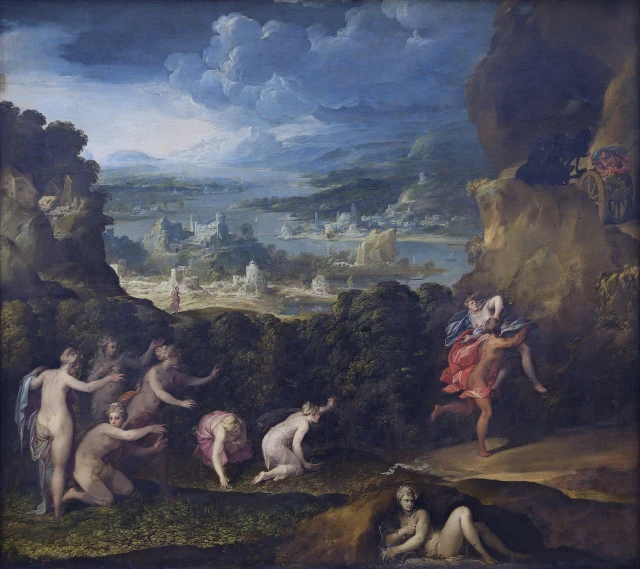 The Rape of ProserpineNiccolò dell'Abbate, 1562
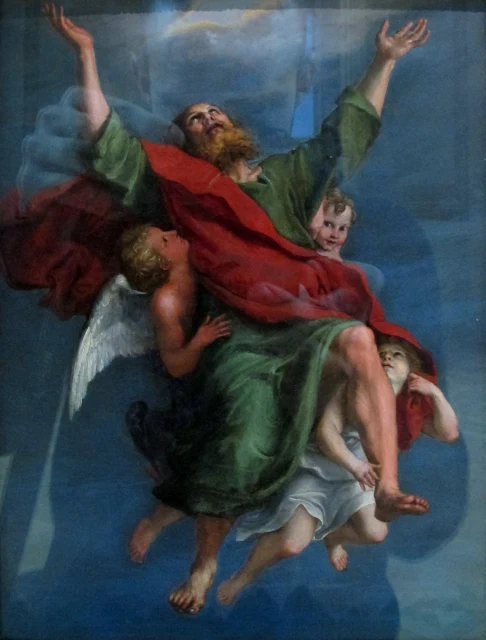 The Rapture of Saint PaulDomenichino, 1607
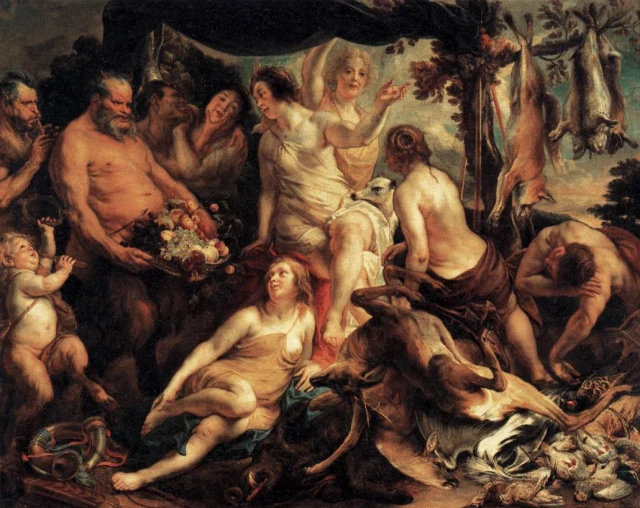 The Rest of DianaJacob Jordaens, 1645
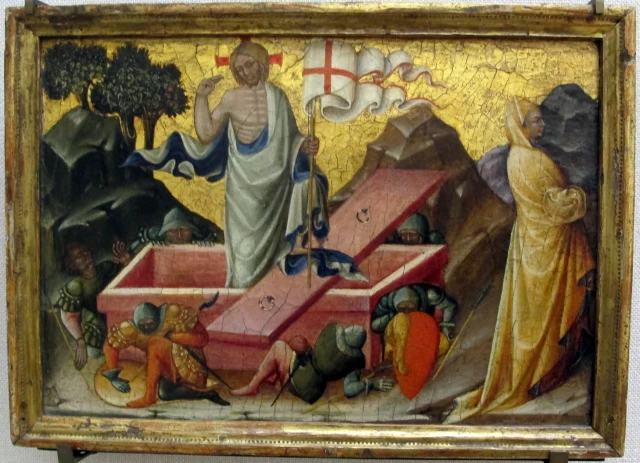 The Resurrection of ChristAttributed to Bartolomeo di Tommaso, 1440
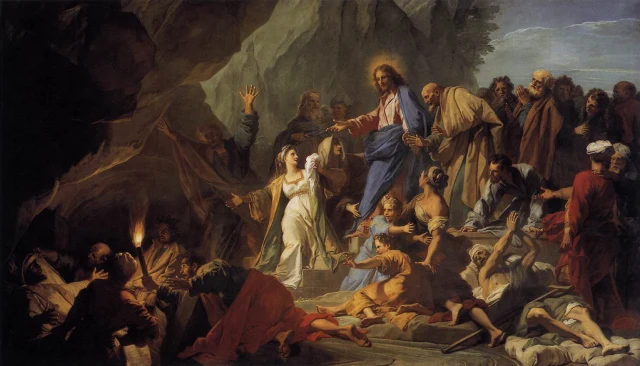 The Resurrection of LazarusJean Jouvenet, 1706
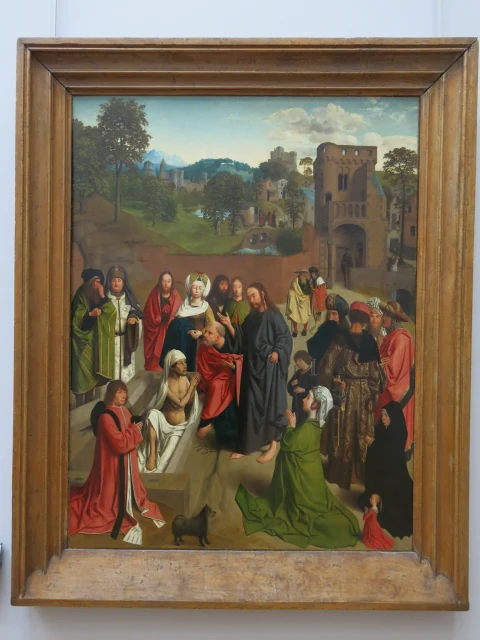 The Resurrection of Lazarus, with a Couple of Donors and their DaughterGeertgen tot Sint Jans, 1482
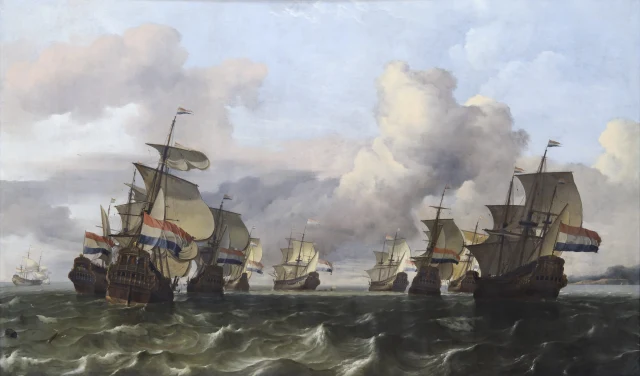 The Return of the Dutch East India Company FleetLudolf Bakhuizen, 1677
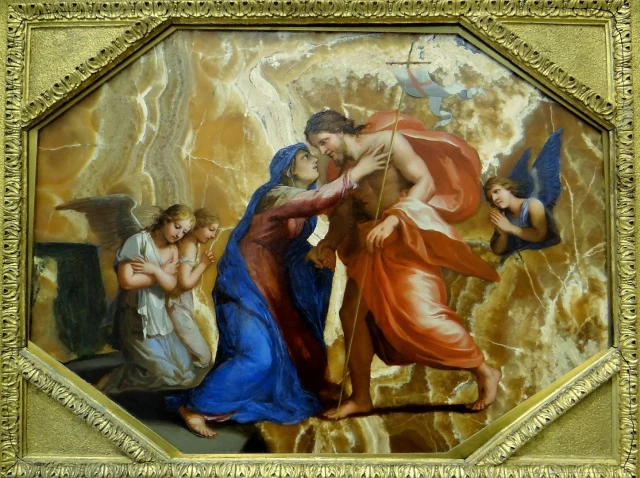 The Risen Christ Appearing to His MotherJacques Stella, 1642
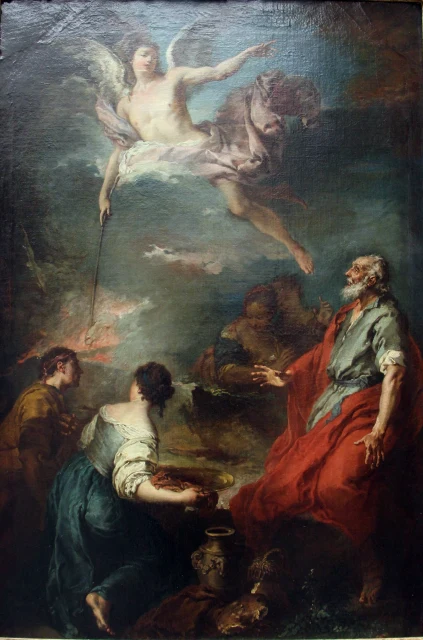 The Sacrifice of GideonFrançois Boucher, 1728
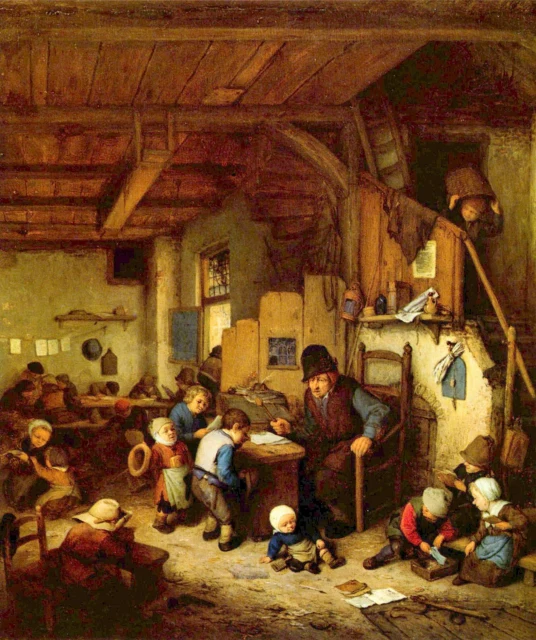 The SchoolmasterAdriaen van Ostade, 1662
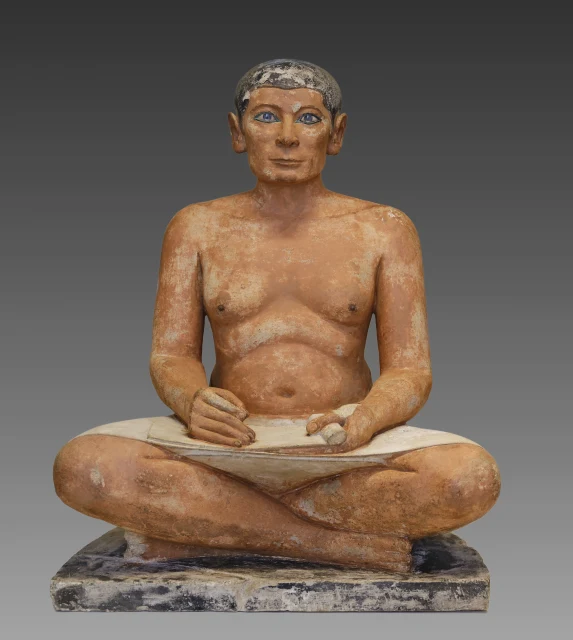 The Seated ScribeUnknown Egyptian artist (Old Kingdom), -2600