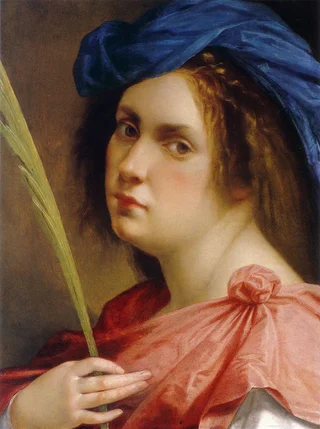
Artemisia Gentileschi
1593 · Estados Pontificios · Caravaggistas
La historia
Hacia 1610, a los diecisiete años, Artemisia Gentileschi ya había pintado Susana y los viejos, una gran escena bíblica firmada con su propio nombre, formada desde niña en el taller romano de su padre Orazio. Dos años más tarde pasó siete meses declarando en un juicio por violación. El acusado era Agostino Tassi, un pintor que su padre había contratado para instruirla. Como el tribunal no se fiaba de la sola palabra de una mujer, la obligaron a declarar con cordeles apretados en los dedos, un método rutinario destinado a comprobar si el dolor la haría cambiar su versión. No lo hizo. Tassi fue condenado, aunque la sentencia en su contra nunca llegó a ejecutarse en la práctica.
Por esas mismas fechas pintó su propia versión de Judit decapitando a Holofernes, la viuda del Antiguo Testamento que salva a su ciudad matando a un general invasor en su propia tienda. Los pintores anteriores de esta escena, incluido Caravaggio, amigo de su padre, habían mantenido a Judit a una distancia prudente de la violencia. La Judit de Gentileschi y su criada entregan todo su peso al acto, la sangre salpicando las sábanas en arco, y los historiadores del arte llevan tiempo señalando el parecido entre el rostro del general moribundo y el de Tassi.
Prosiguió construyendo una carrera que pocas mujeres de su época pudieron igualar, pintando para la corte de los Medici en Florencia, después en Roma, Venecia, Nápoles y brevemente para Carlos I en Londres, y en 1616 se convirtió en la primera mujer admitida en la Accademia delle Arti del Disegno de Florencia, la academia de pintores de la ciudad.
Más artículos
 Artículo · 44 min de lecturaGalería de los Uffizi: el museo que sobrevivió a los Medici
 Artículo · 46 min de lecturaCapodimonte: cómo llegaron veinte obras a la colina sobre Nápoles
 Artículo · 37 min de lecturaEl Palacio Pitti: del regalo de Aretino a la sala del trono de los Saboya
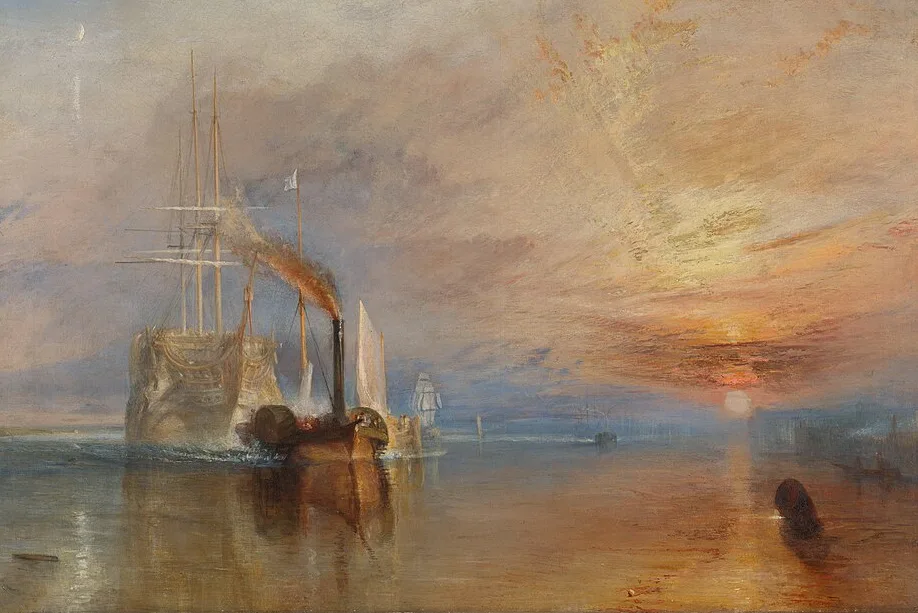 Artículo · 41 min de lecturaCómo se formó la National Gallery: de Angerstein a Artemisia
Obras
76 obras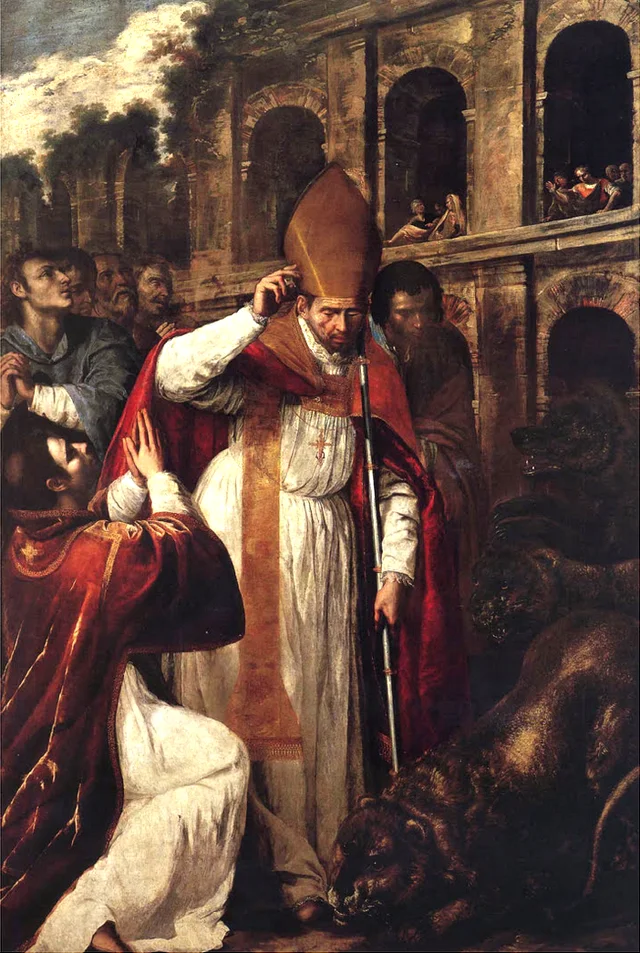 El martirio de san Jenaro en el anfiteatro de PozzuoliArtemisia Gentileschi, 1636
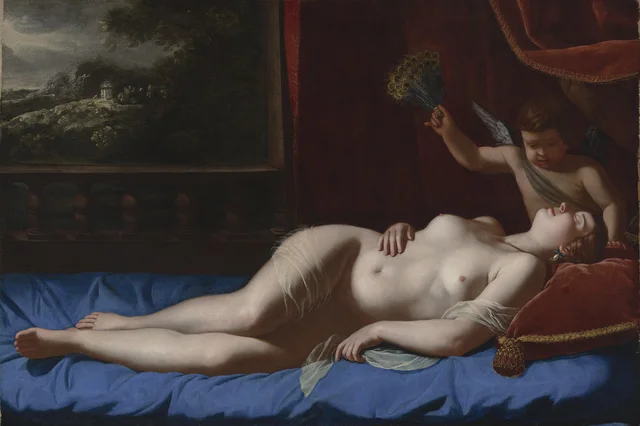 Venus y Cupido (Venus dormida)Artemisia Gentileschi, 1627
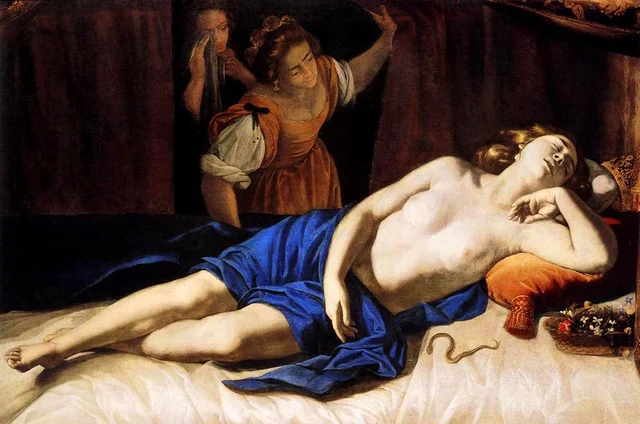 Cleopatra descubierta por sus sirvientesArtemisia Gentileschi, 1635
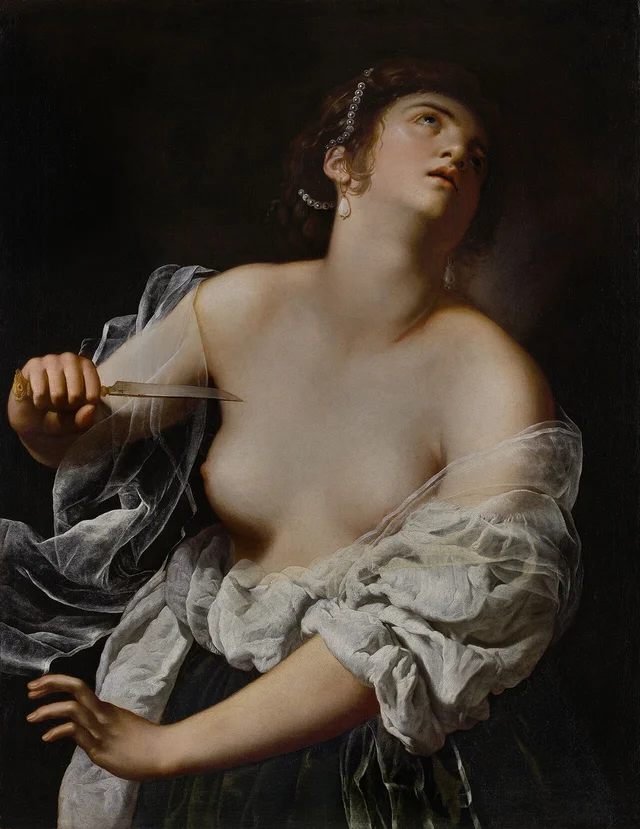 LucreciaArtemisia Gentileschi, 1630
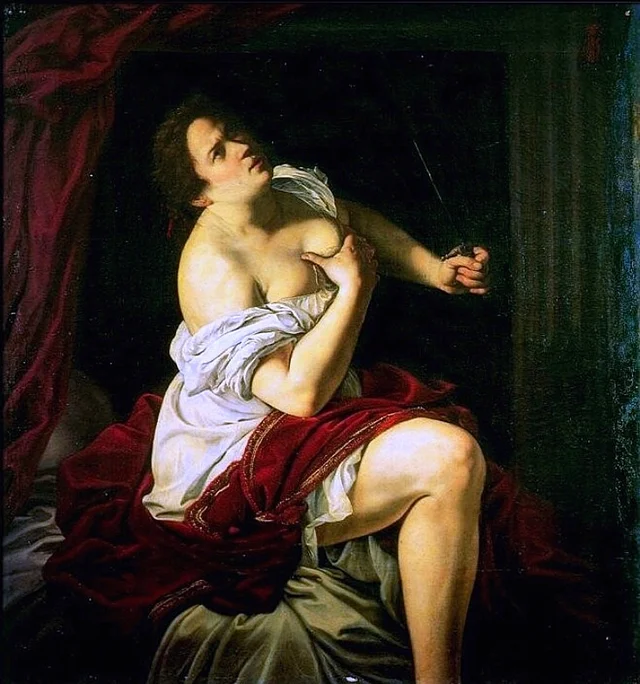 LucreciaArtemisia Gentileschi, 1623
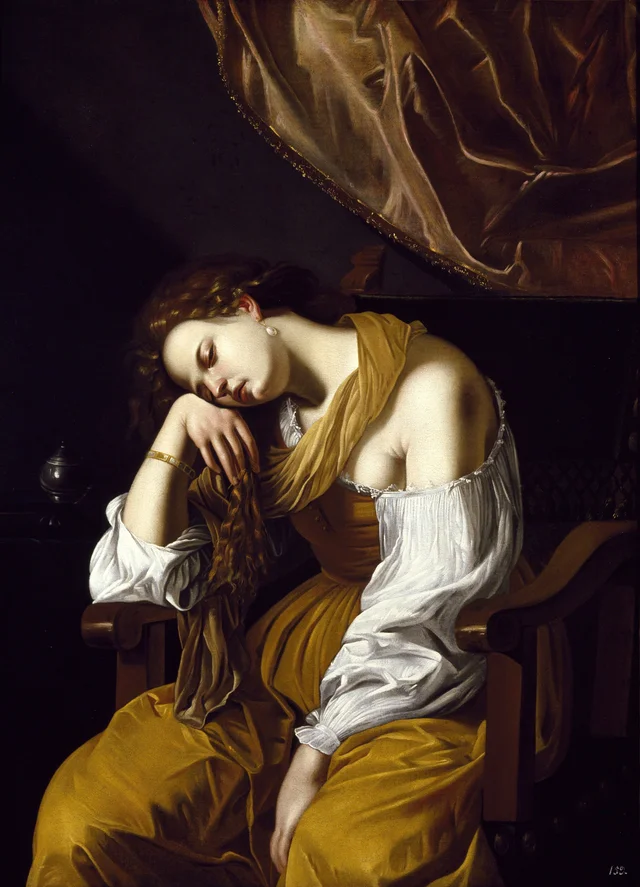 María Magdalena como MelancolíaArtemisia Gentileschi, 1620
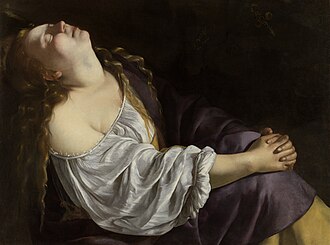 María Magdalena en éxtasisArtemisia Gentileschi, 1623
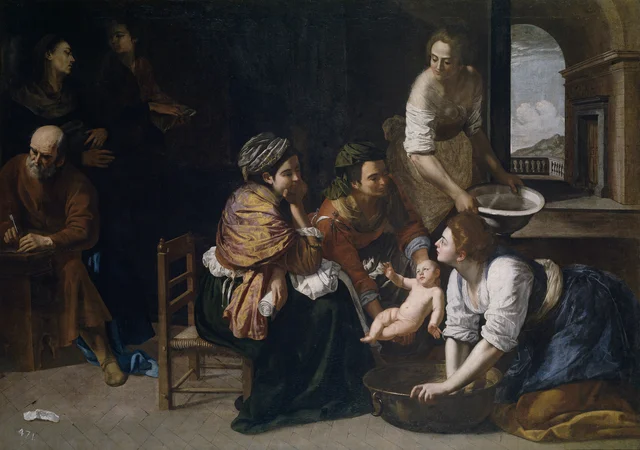 El nacimiento de san Juan BautistaArtemisia Gentileschi, 1635
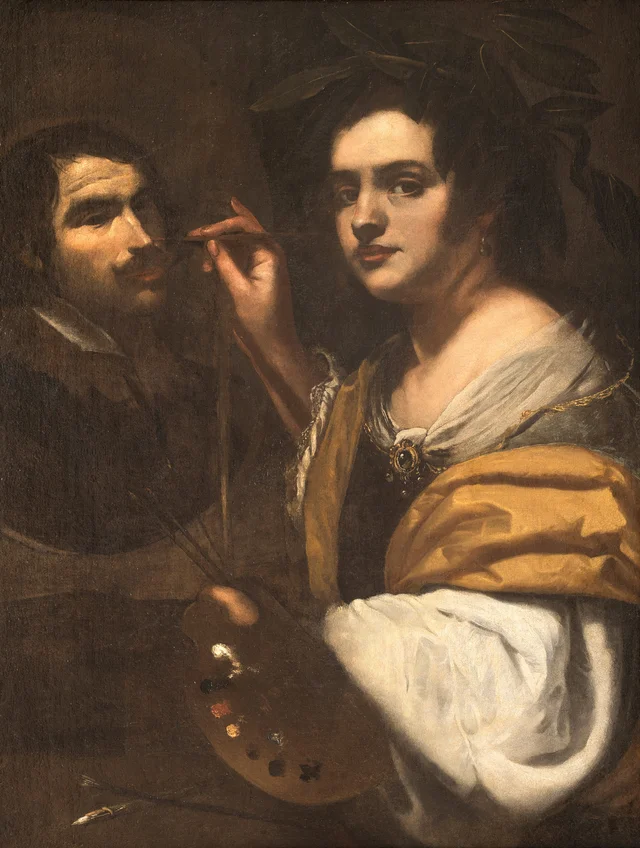 Autorretrato como alegoría de la pintura (La Pittura)Artemisia Gentileschi, 1630
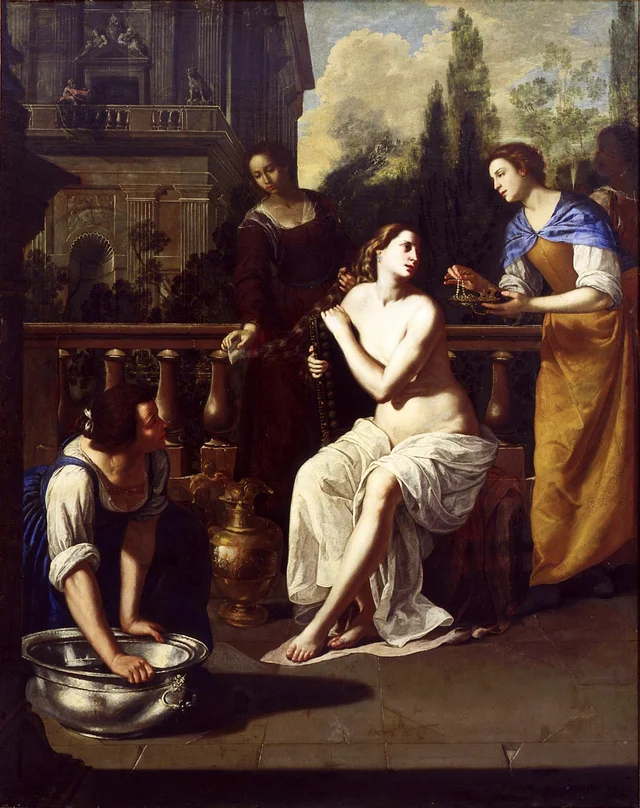 BetsabéArtemisia Gentileschi, 1637
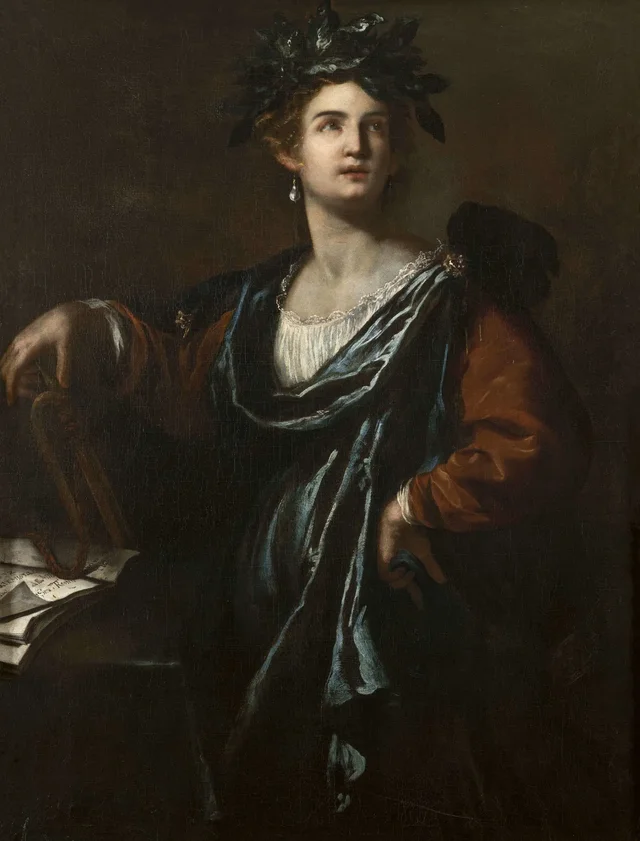 Clío, musa de la HistoriaArtemisia Gentileschi, 1632
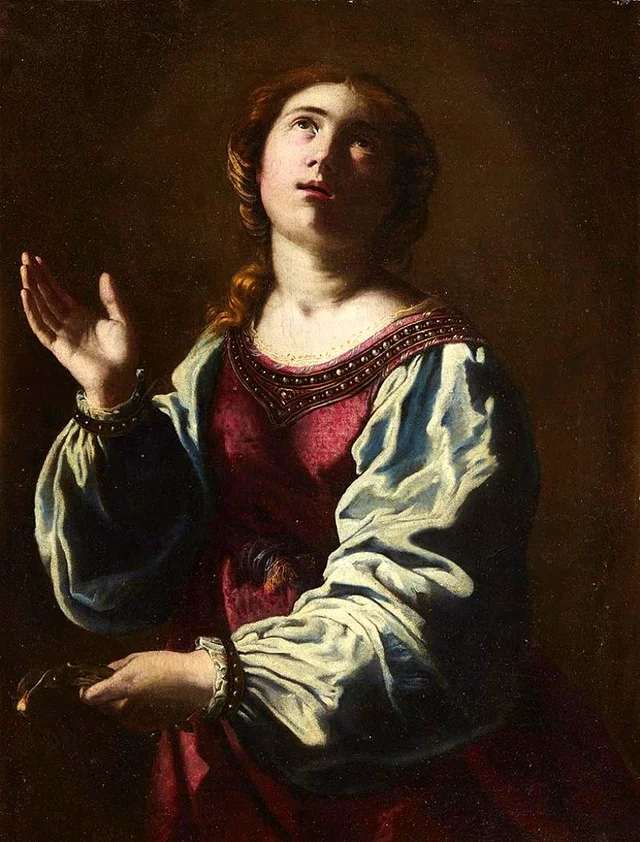 Santa ApoloniaArtemisia Gentileschi, 1642
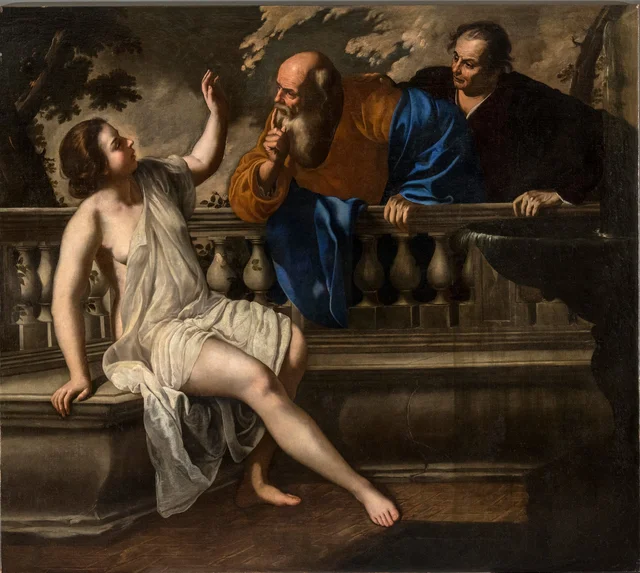 Susana y los viejosArtemisia Gentileschi, 1652
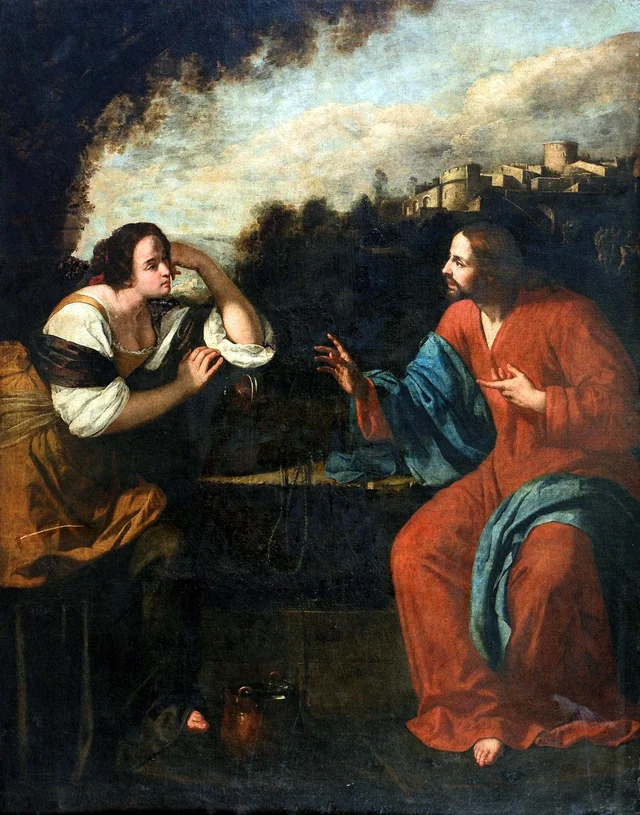 Cristo y la samaritanaArtemisia Gentileschi, 1637
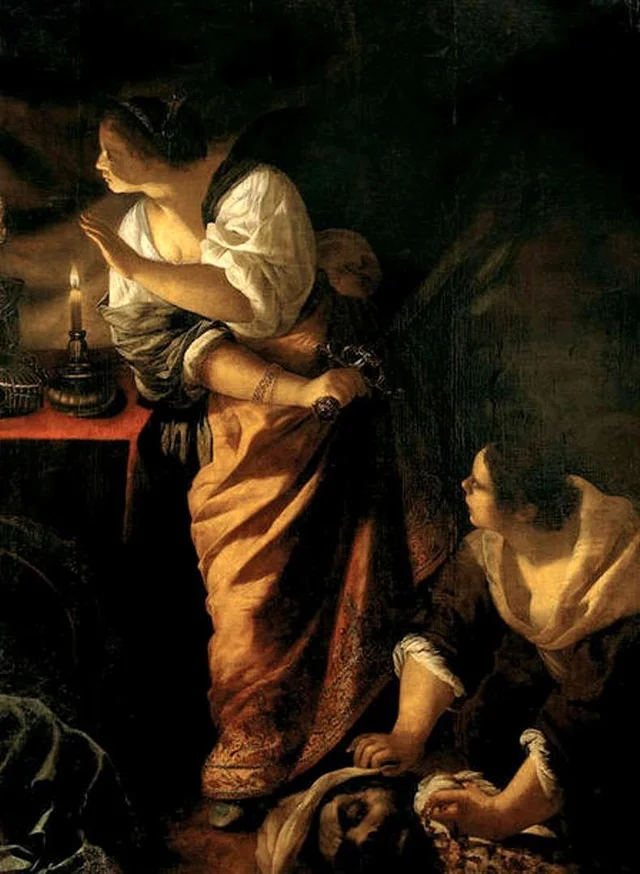 Judit y su sirvienta con la cabeza de HolofernesArtemisia Gentileschi, 1645
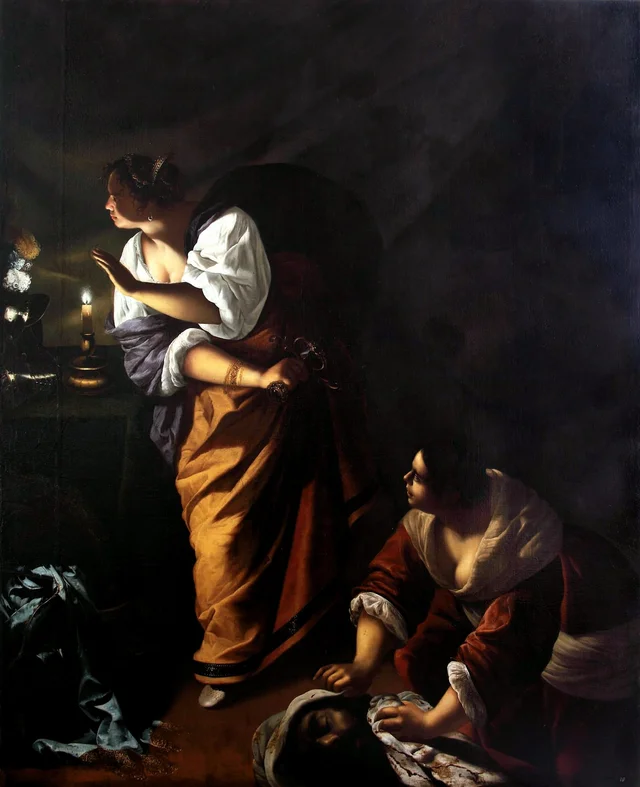 Judit y su criada con la cabeza de HolofernesArtemisia Gentileschi, 1645
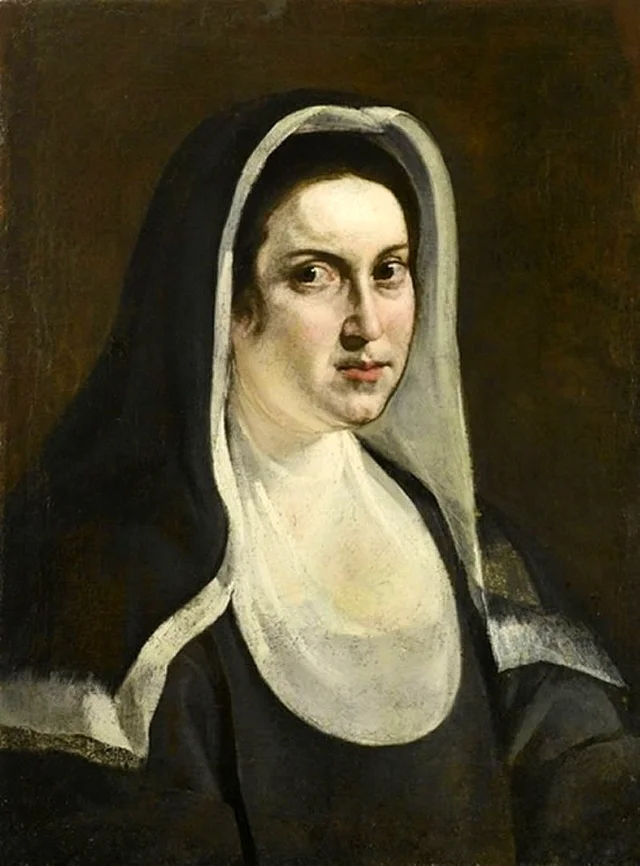 Retrato de una monjaArtemisia Gentileschi, 1618
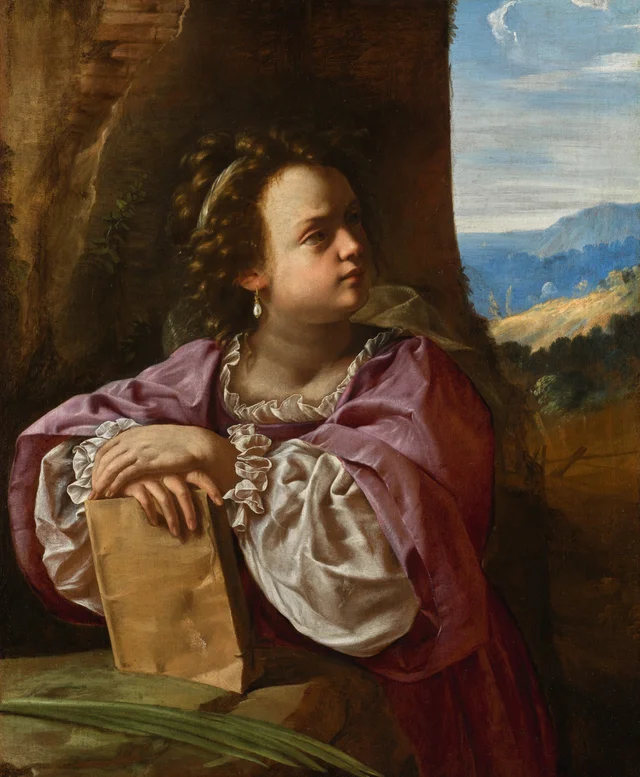 Santa Catalina de AlejandríaArtemisia Gentileschi, 1640
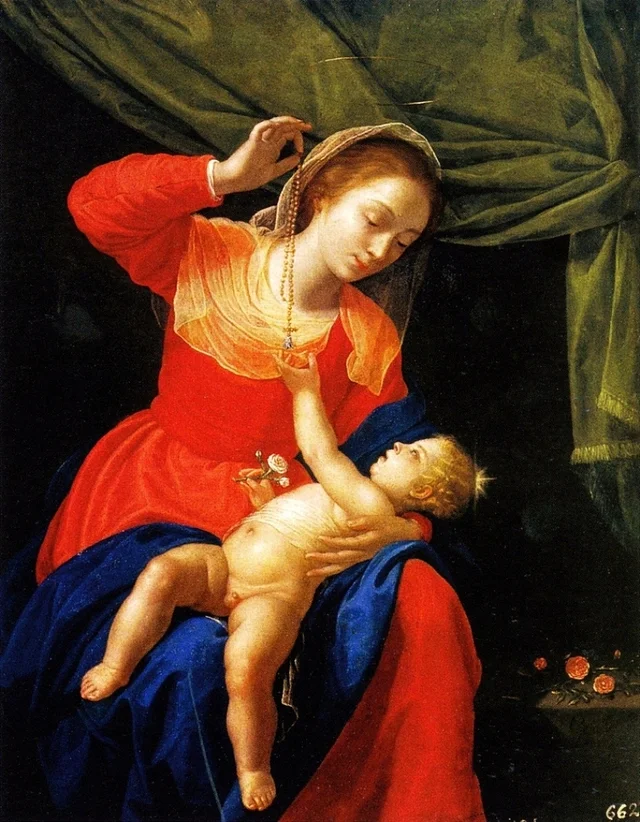 Virgen con el Niño y el RosarioArtemisia Gentileschi, 1651
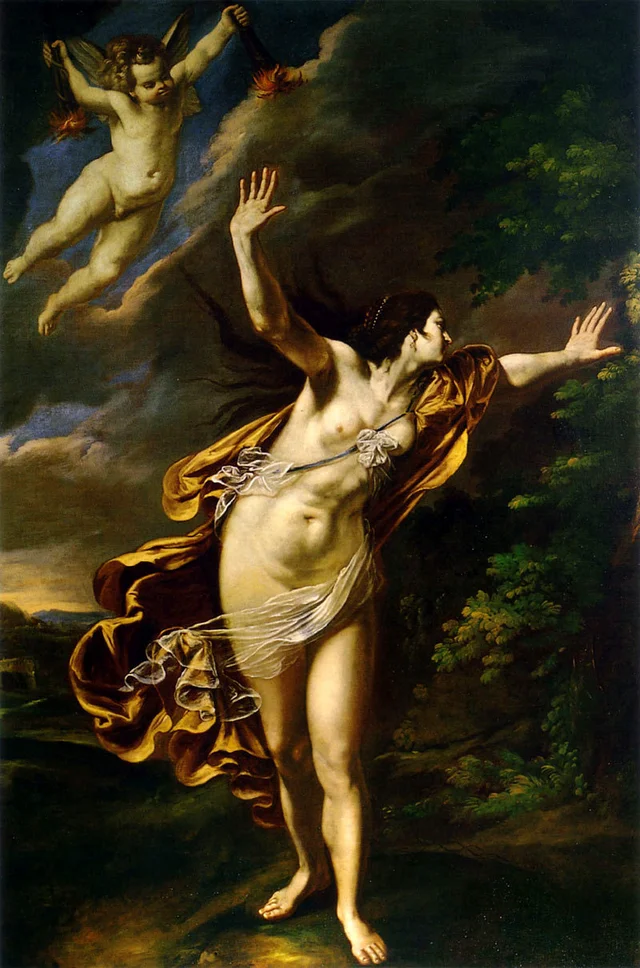 AuroraArtemisia Gentileschi, 1627
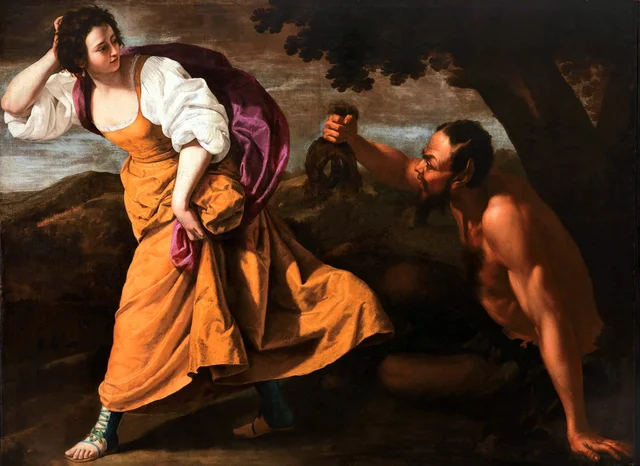 Corisca y el sátiroArtemisia Gentileschi, 1630
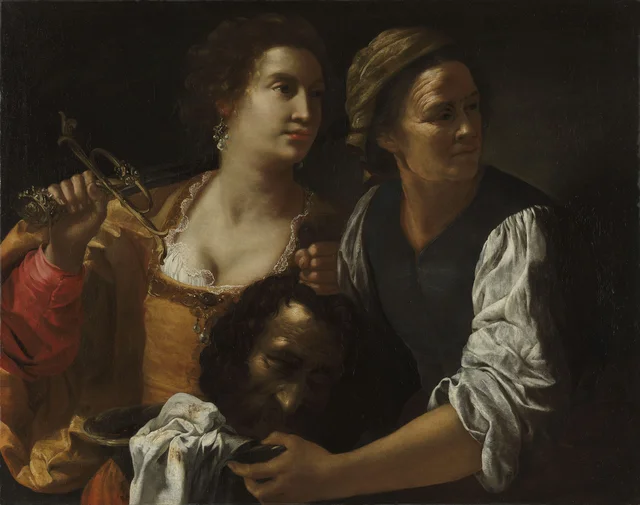 Judit y su criada con la cabeza de HolofernesArtemisia Gentileschi, 1639
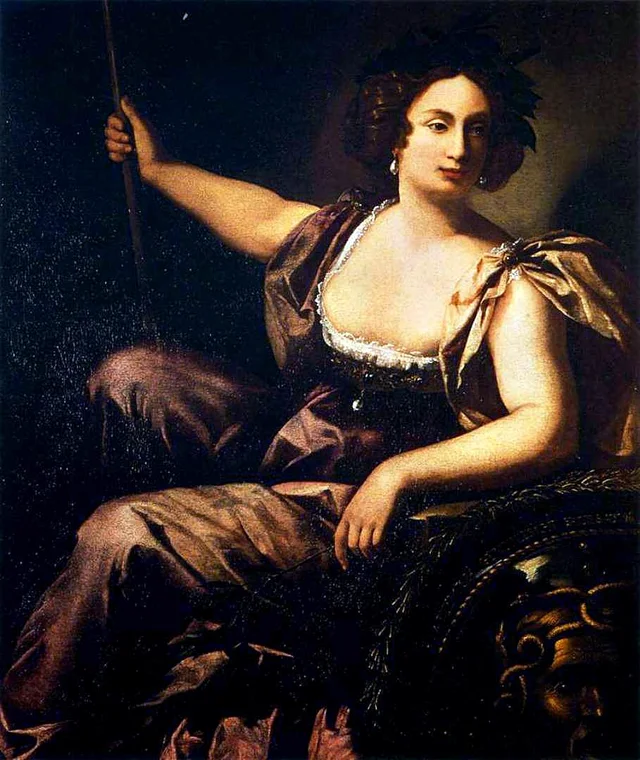 MinervaArtemisia Gentileschi, 1635
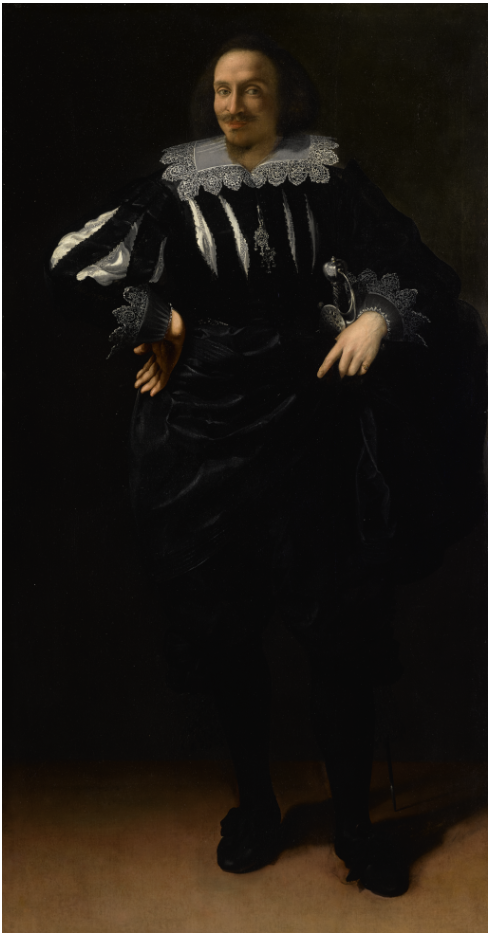 Retrato de un caballero, probablemente Antoine de VilleArtemisia Gentileschi, 1626
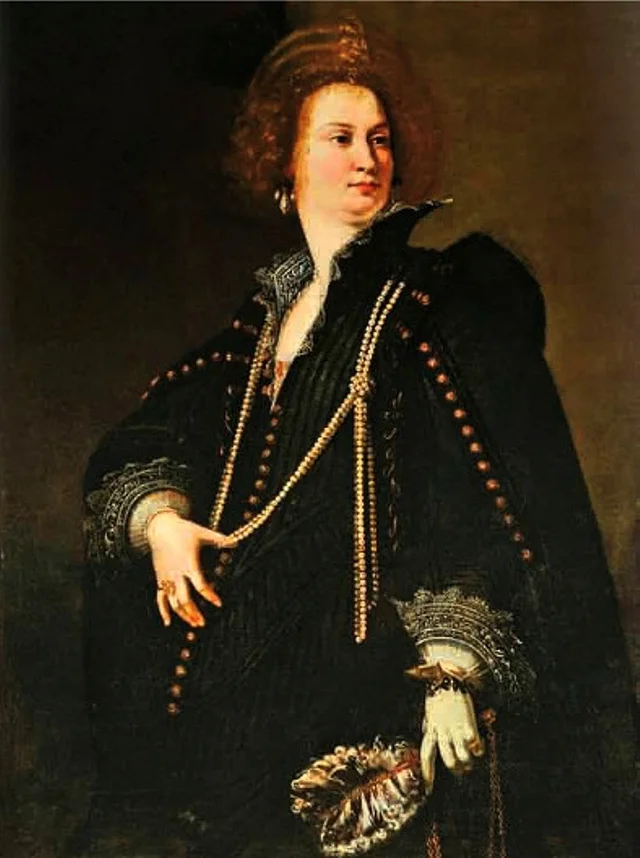 Retrato de una dama con abanicoArtemisia Gentileschi, 1620