La historia
El Louvre empezó siendo una fortaleza. Felipe II Augusto la levantó en la orilla derecha del Sena hacia 1190 para proteger el París medieval, y a lo largo de los siglos siguientes los reyes de Francia la reconstruyeron hasta convertirla en palacio real, hasta que Luis XIV trasladó su corte a Versalles en 1682 y dejó las salas a medio terminar a la colección real y a los artistas alojados dentro.
La Revolución lo transformó en museo público. El 10 de agosto de 1793 el Muséum central des arts abrió sus puertas, mostrando el arte confiscado a la corona y a la Iglesia a cualquier ciudadano que quisiera entrar. Napoleón lo llenó con el botín de sus campañas y por un tiempo lo rebautizó con su propio nombre. Mucho se devolvió tras Waterloo, pero la idea se mantuvo: una colección nacional dispuesta para el estudio y gratuita para el público.
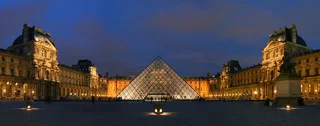
Hoy el Louvre guarda más de 35.000 obras, desde la Venus de Milo hasta La balsa de la Medusa de Géricault. La multitud, sin embargo, se agolpa ante un pequeño retrato. En agosto de 1911 desapareció. Vincenzo Peruggia, un operario italiano que había trabajado en el museo, descolgó La Gioconda de Leonardo y se la llevó bajo el abrigo. Durante dos años el marco colgó vacío mientras los visitantes acudían a contemplar el hueco, y el cuadro no regresó hasta 1913, después de que Peruggia intentara venderlo a un marchante en Florencia. La pirámide de cristal de I. M. Pei, colocada en el patio en 1989, marca ahora la entrada.
Más artículos
Colección
1174 obras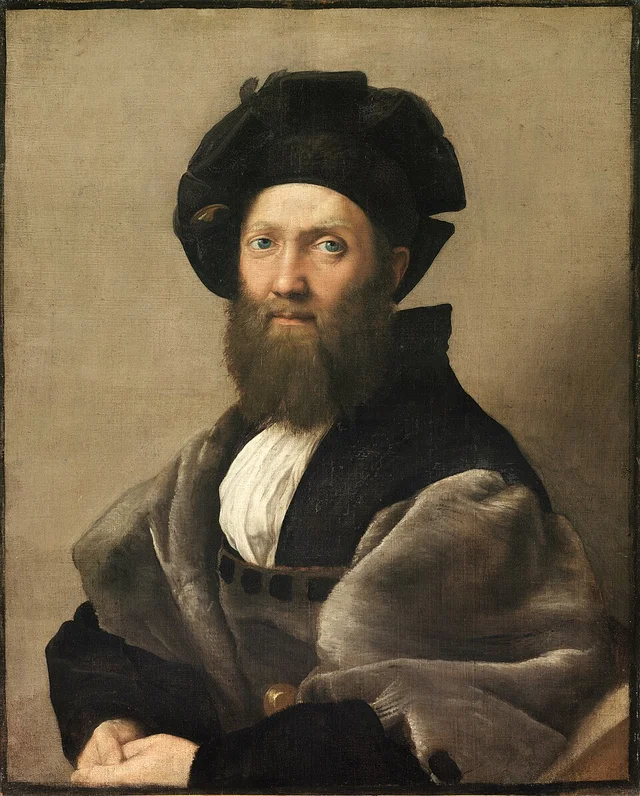 Retrato de Baldassare CastiglioneRafael, 1515
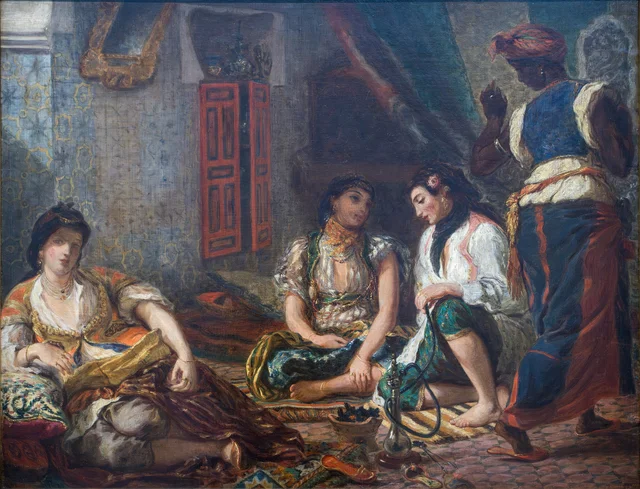 Mujeres de Argel en su apartamentoEugène Delacroix, 1834
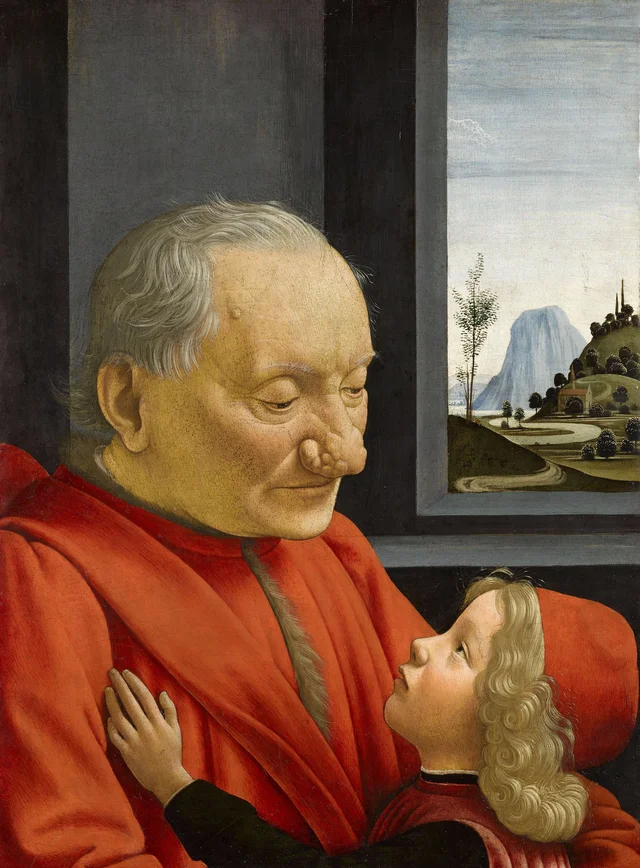 Un anciano y su nietoDomenico Ghirlandaio, 1490
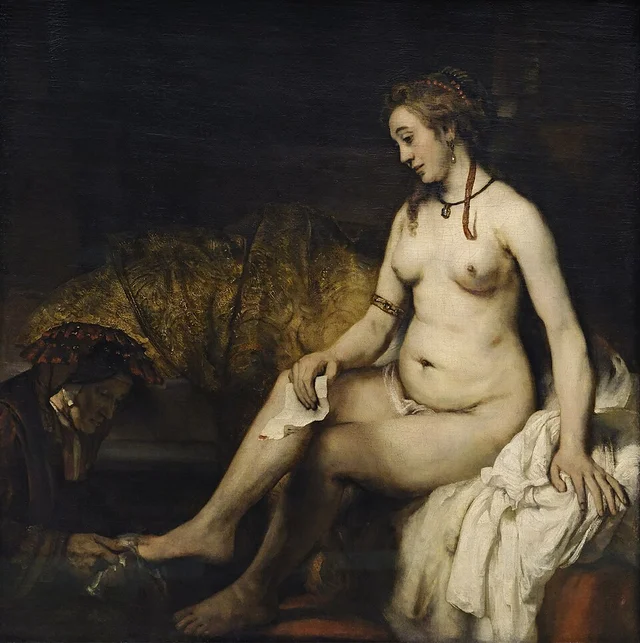 Betsabé en el bañoRembrandt, 1654
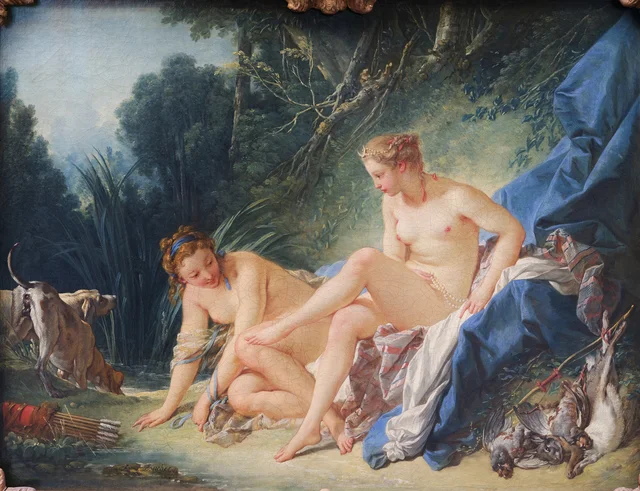 Diana saliendo del bañoFrançois Boucher, 1742
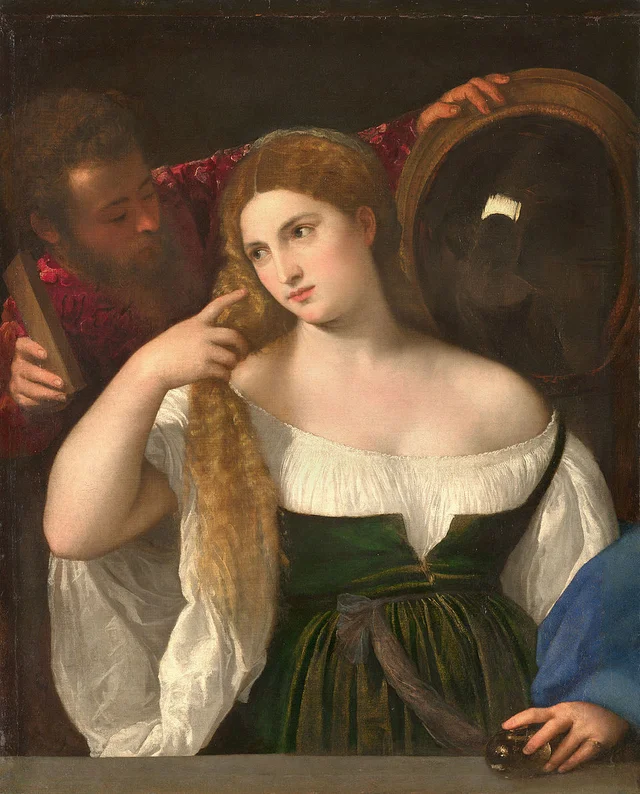 Mujer con espejoTiziano, 1515
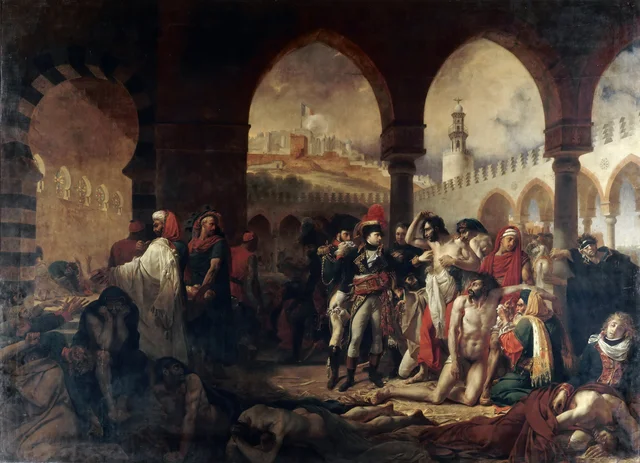 Bonaparte visitando a los apestados de JaffaAntoine-Jean Gros, 1804
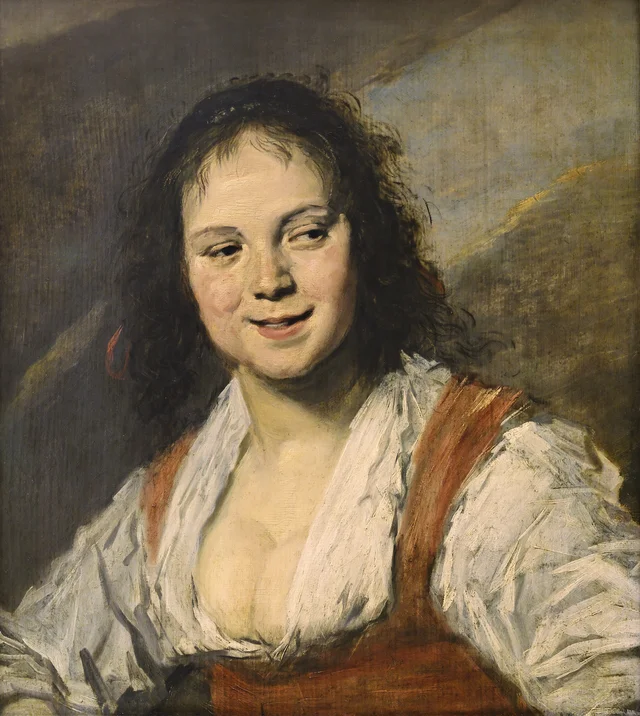 La GitanaFrans Hals, 1628
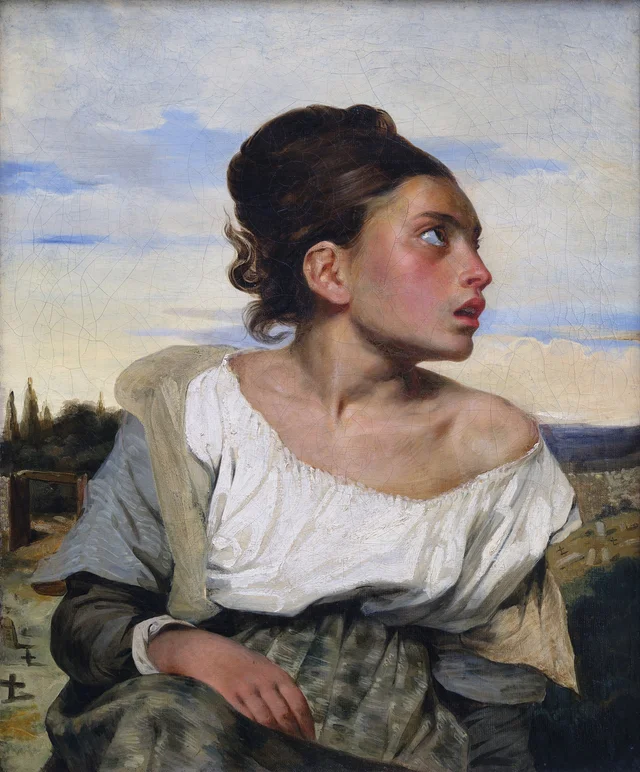 Joven huérfana en el cementerioEugène Delacroix, 1824
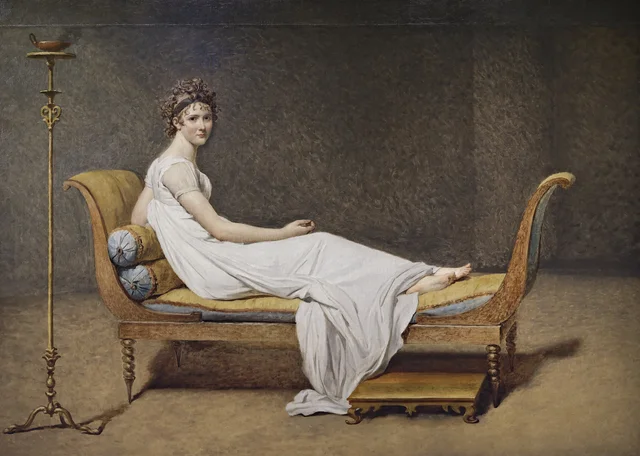 Retrato de Madame RécamierJacques-Louis David, 1800
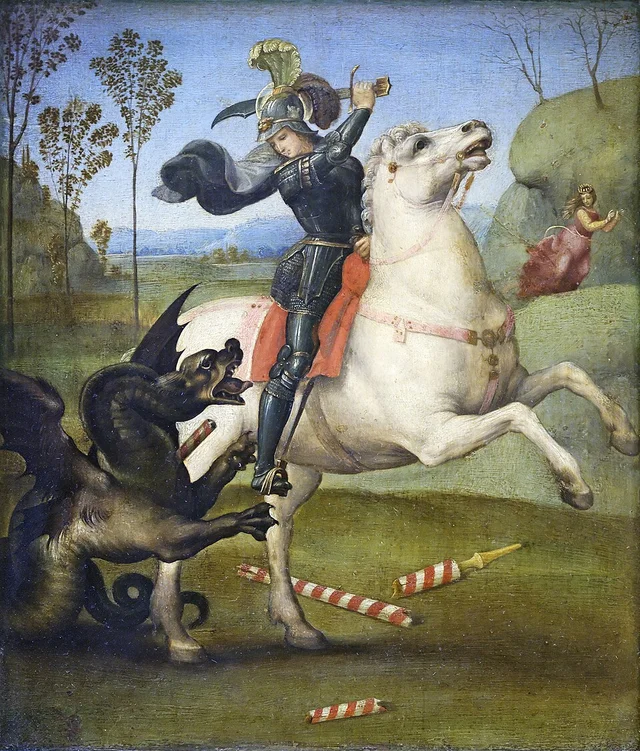 San Jorge y el dragónRafael, 1500
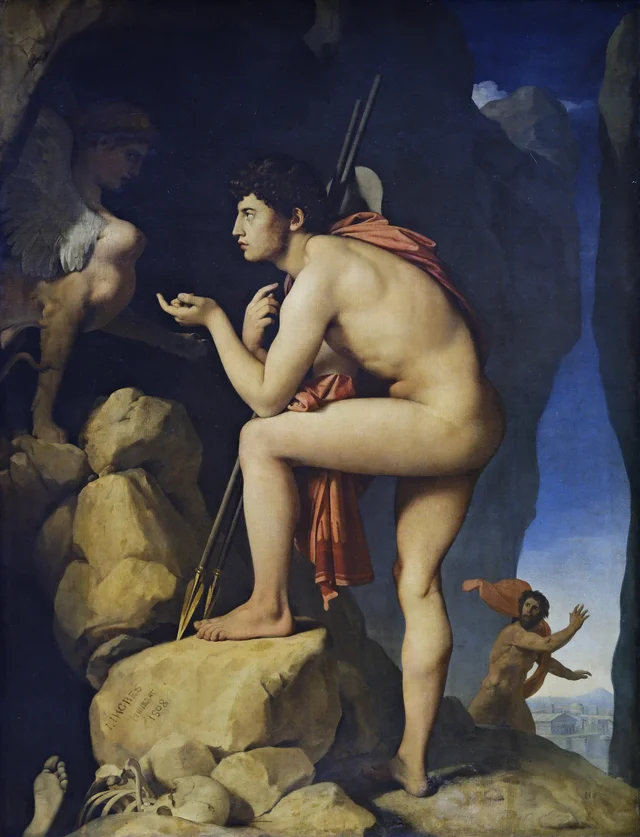 Edipo y la EsfingeJean-Auguste-Dominique Ingres, 1808
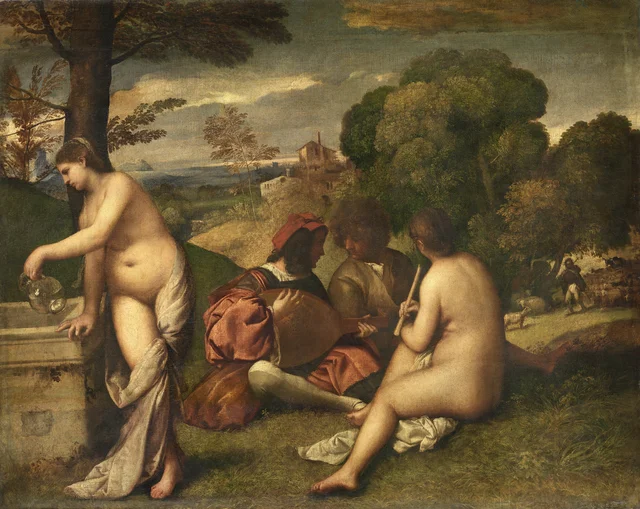 Concierto campestreTiziano, 1510
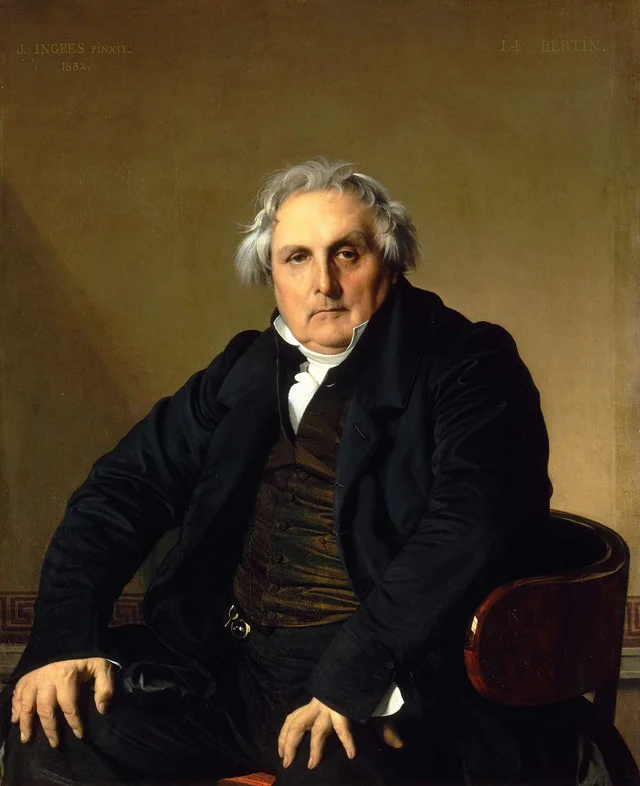 Retrato del señor BertinJean-Auguste-Dominique Ingres, 1832
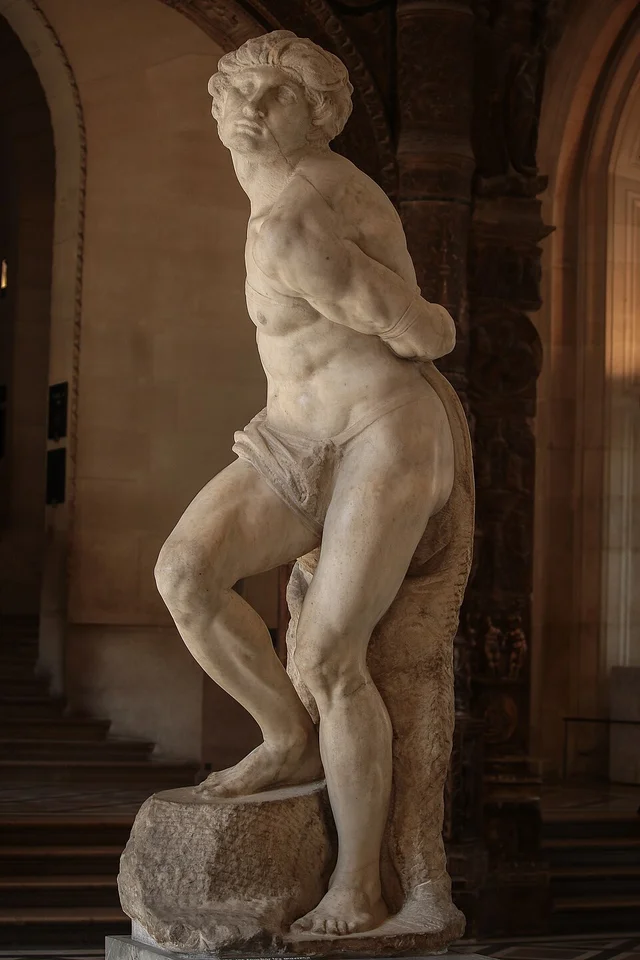 El esclavo rebeldeMiguel Ángel, 1514
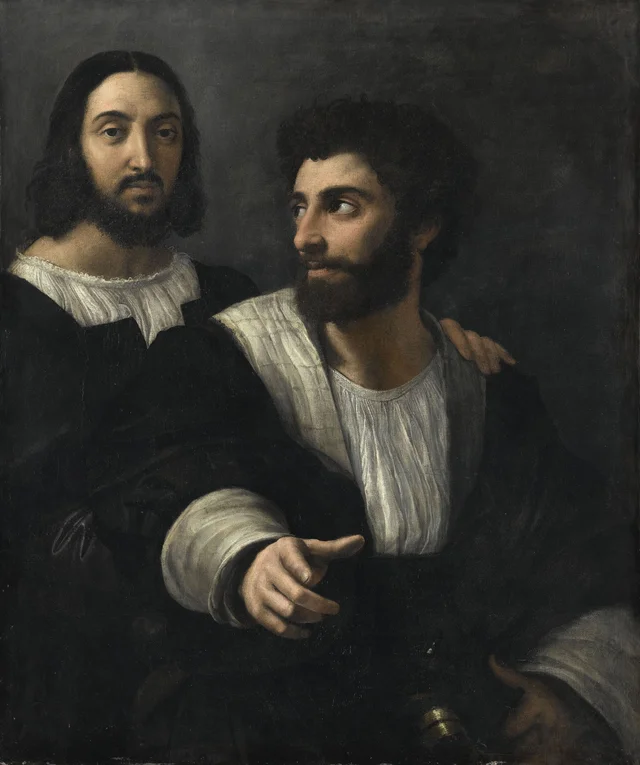 Autorretrato con un amigoRafael, 1519
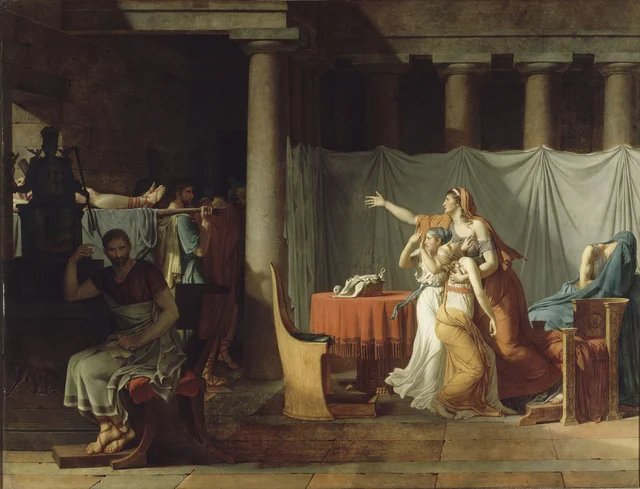 Los lictores llevan a Bruto los cuerpos de sus hijosJacques-Louis David, 1789
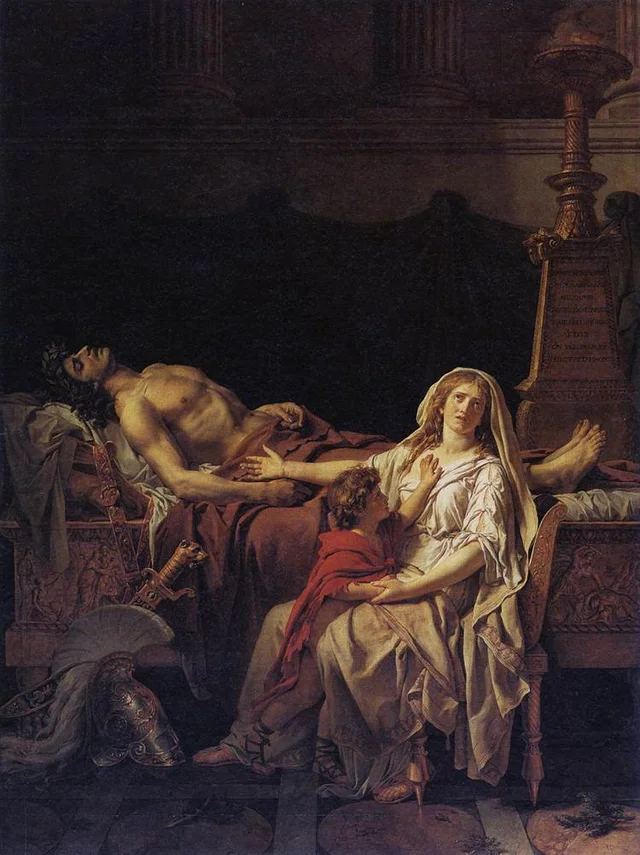 Andrómaca llorando a HéctorJacques-Louis David, 1783
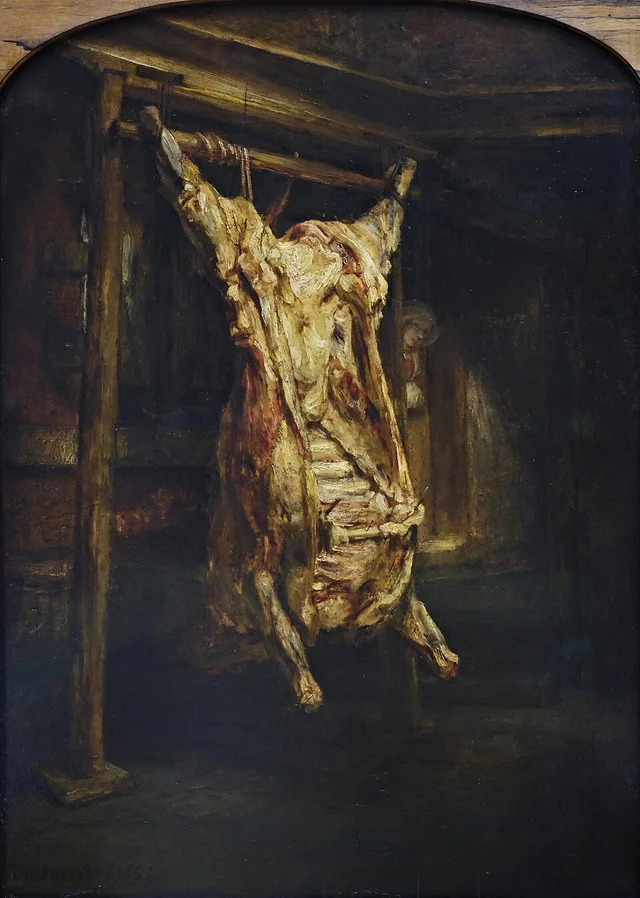 El buey desolladoRembrandt, 1655
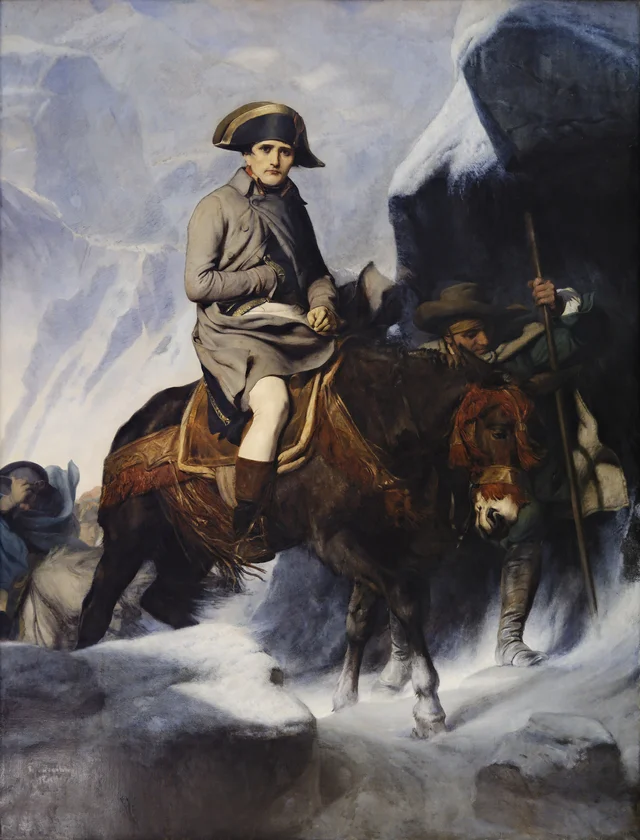 Bonaparte cruzando los AlpesPaul Delaroche, 1848
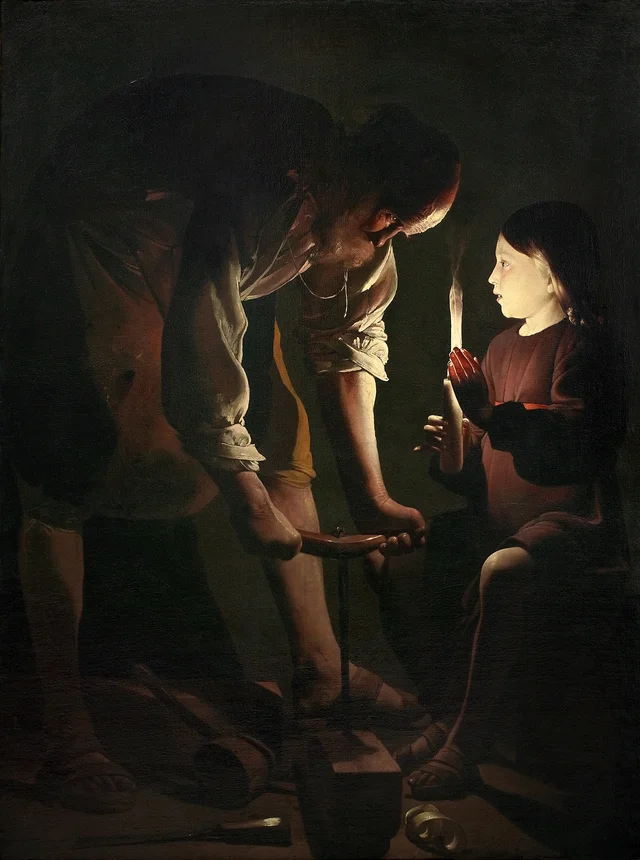 San José carpinteroGeorges de La Tour, 1642
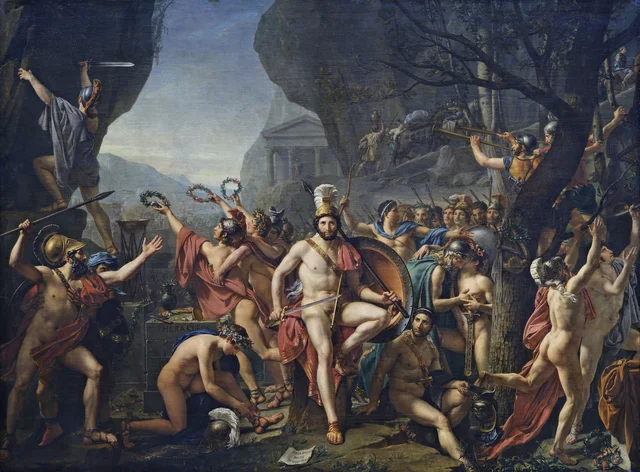 Leónidas en las TermópilasJacques-Louis David, 1814
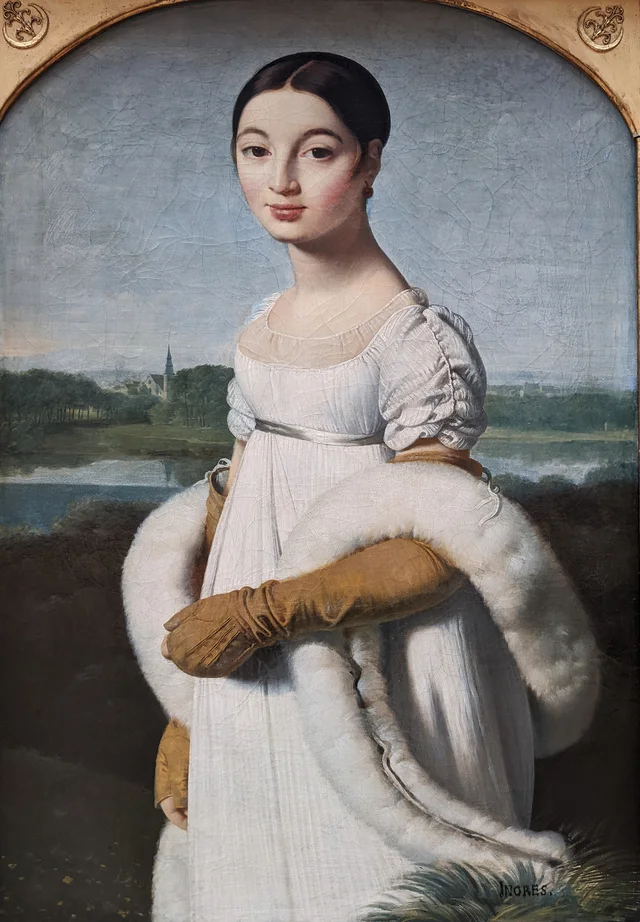 Mademoiselle Caroline RivièreJean-Auguste-Dominique Ingres, 1806
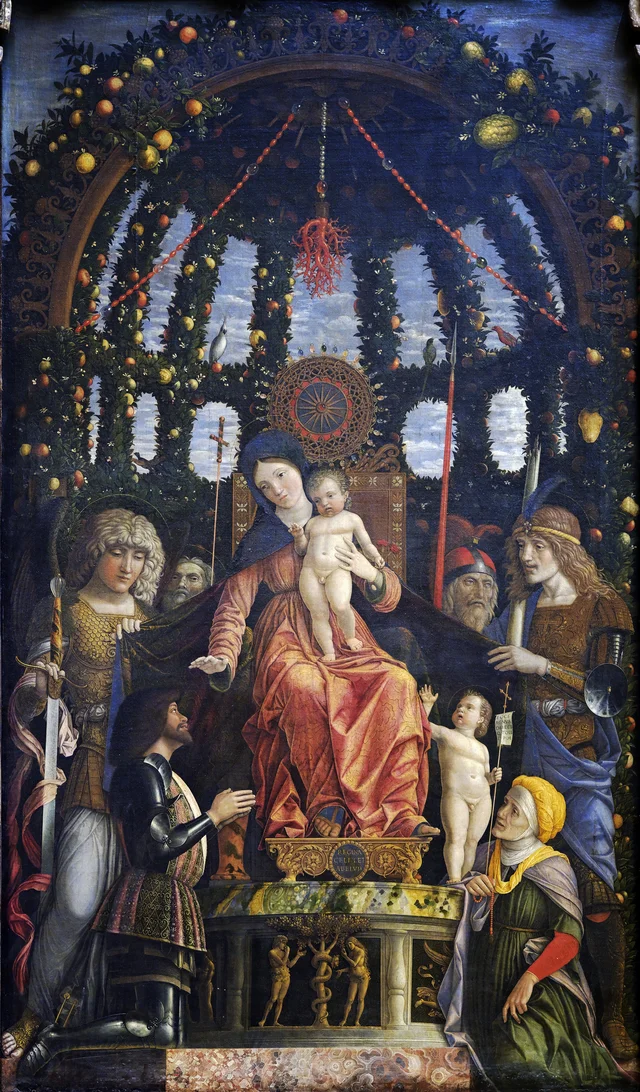 La Virgen de la VictoriaAndrea Mantegna, 1495
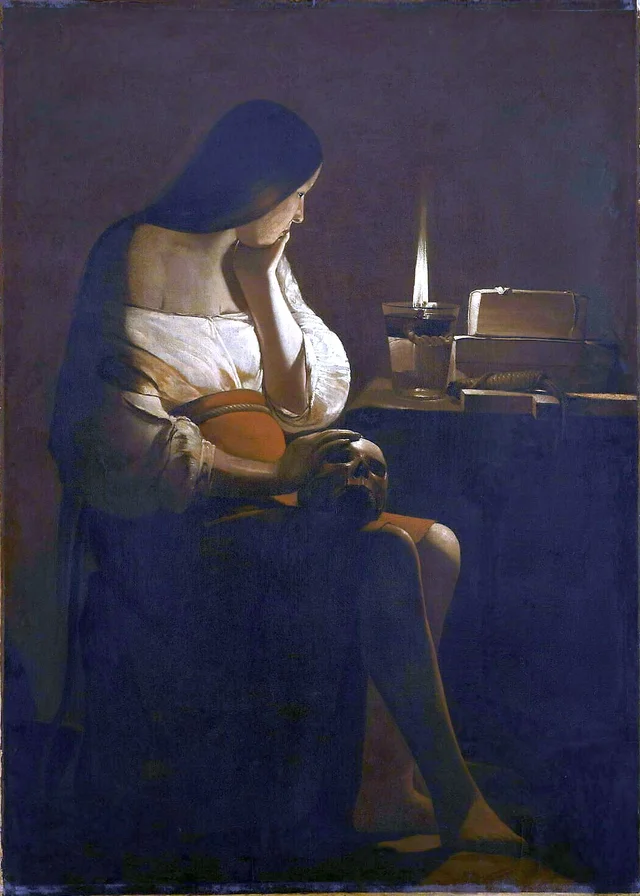 La Magdalena de la llama humeanteGeorges de La Tour, 1642