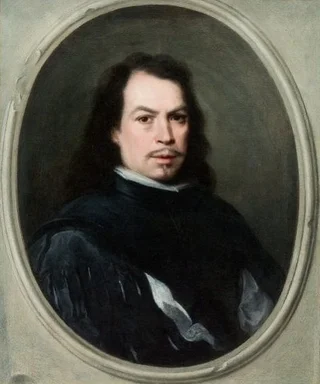
Bartolomé Esteban Murillo
1617–1682 · Espagne · Peinture baroque
L'histoire
Bartolomé Esteban Murillo grandit vite à Séville. Ses deux parents moururent à quelques mois d'intervalle en 1627 et 1628, le laissant orphelin à dix ans, et à douze ans il entra en apprentissage chez le peintre local Juan del Castillo. Cette confrontation précoce à la pauvreté ne le quitta jamais : à côté des images pieuses qui firent sa réputation, il peignit une longue série d'enfants des rues, parmi lesquels Le Jeune Mendiant du Louvre, montrant vendeuses de fleurs, gamins des rues et garçons mangeant melon et raisin avec une tendresse rare à une époque qui les ignorait le plus souvent.
Sa renommée plus large reposait cependant sur la Vierge à l'Enfant et surtout sur l'Immaculée Conception, un sujet auquel il revint des dizaines de fois sur quatre décennies, rendu avec une technique douce et lumineuse que les églises et confréries de Séville ne cessèrent de lui commander. En 1660, il cofonda l'Academia de Bellas Artes de la ville, en partageant la direction avec l'architecte Francisco Herrera le Jeune, dotant les peintres sévillans d'une école formelle indépendante de l'ancien système des corporations.
Murillo travailla jusque dans sa soixantaine sans ralentir. En 1682, alors qu'il peignait une fresque pour l'église des Capucins de Cadix, juché sur un échafaudage, il fit une chute et fut gravement blessé ; il mourut à Séville quelques mois plus tard, le 3 avril 1682.
Autres articles
Œuvres
115 œuvres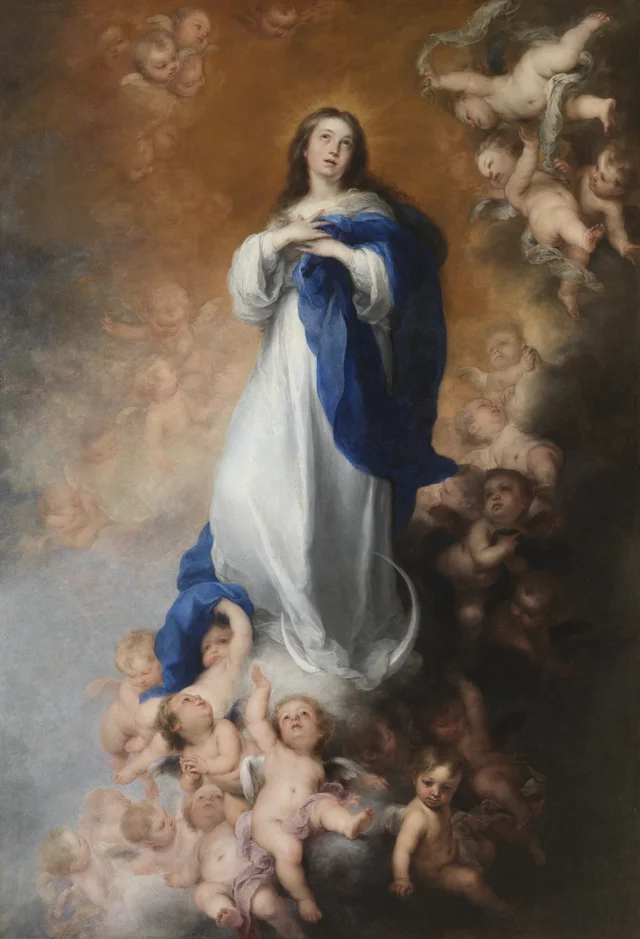 L'Immaculée Conception de Los VenerablesBartolomé Esteban Murillo, 1678
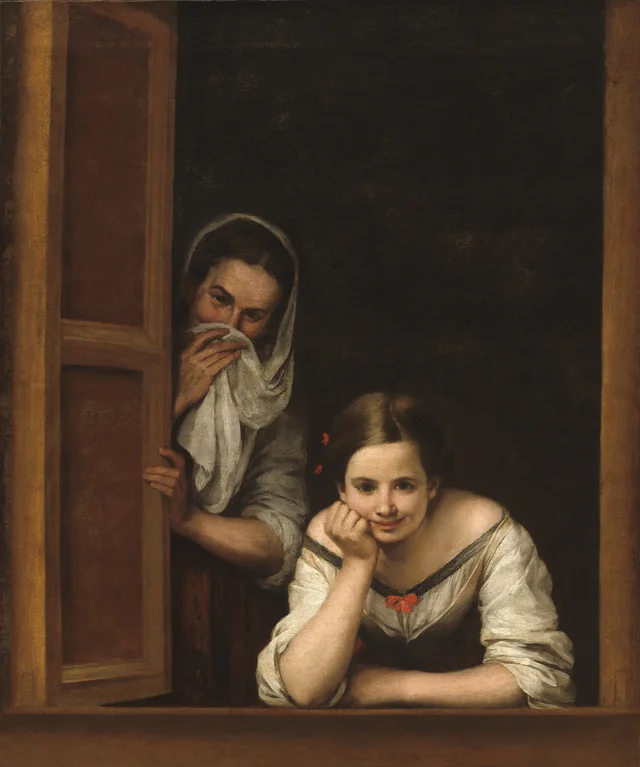 Deux femmes à une fenêtreBartolomé Esteban Murillo, 1670
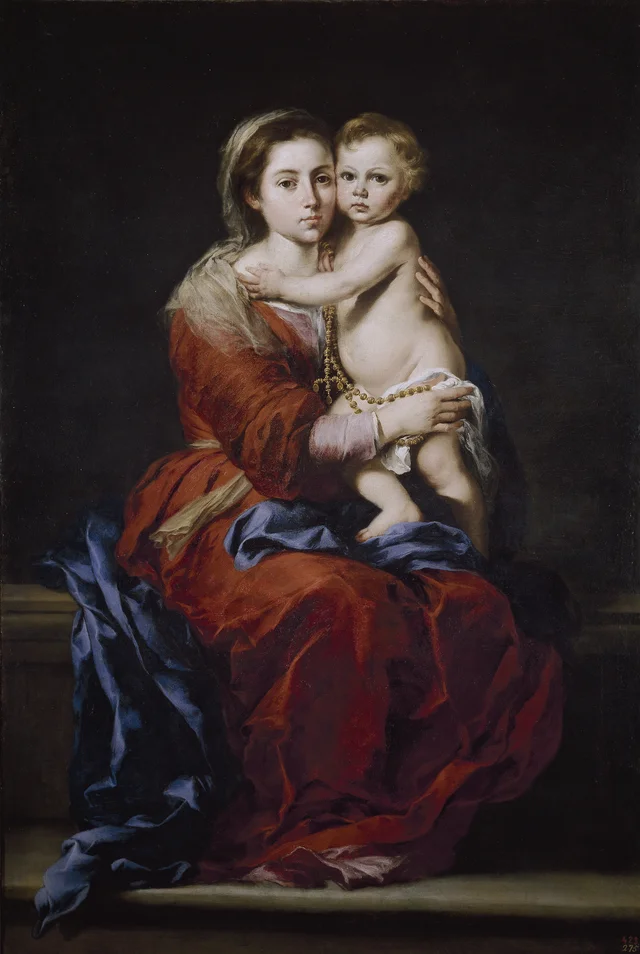 La Vierge à l'Enfant au rosaireBartolomé Esteban Murillo, 1650
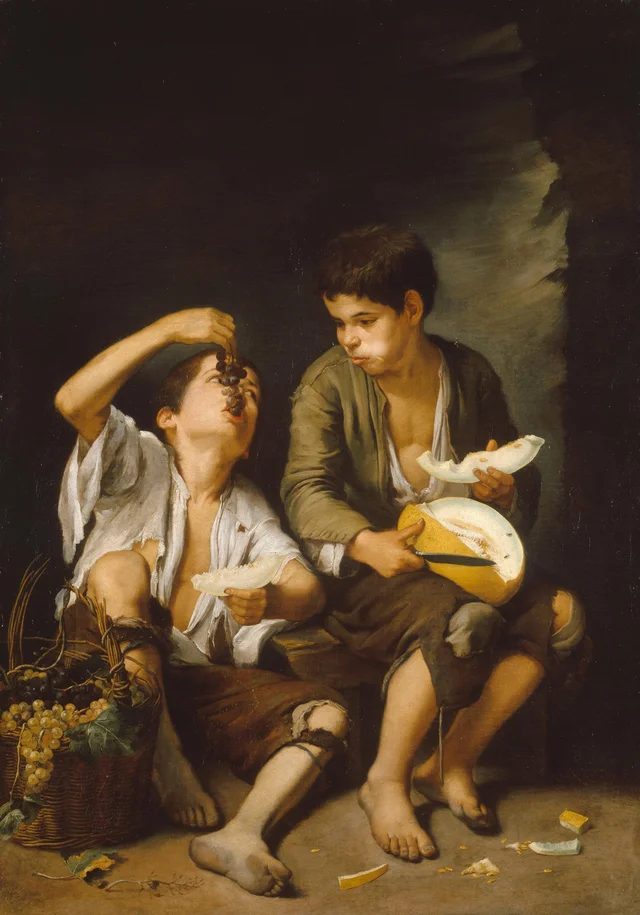 Mangeurs de raisin et de melonBartolomé Esteban Murillo, 1650
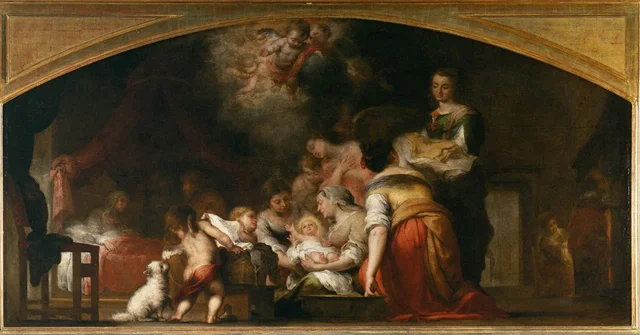 La Naissance de la ViergeBartolomé Esteban Murillo, 1661
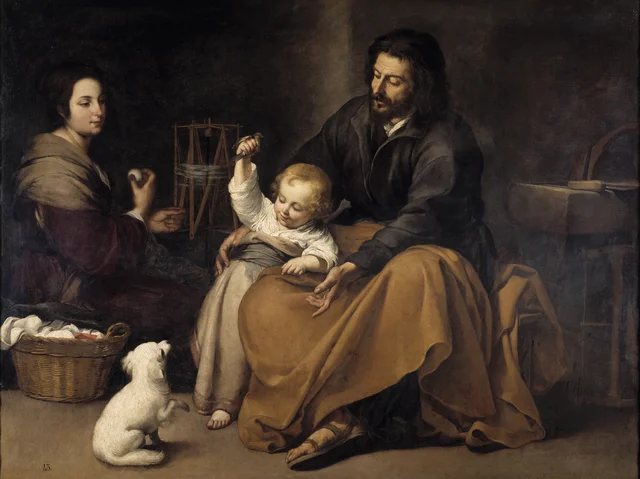 La Sainte Famille à l'oiseauBartolomé Esteban Murillo, 1650
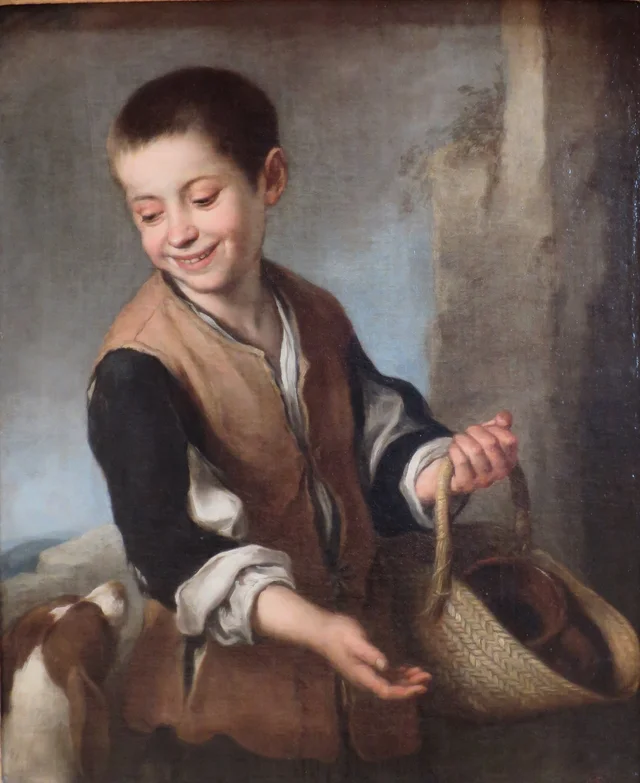 Enfant au chienBartolomé Esteban Murillo, 1655
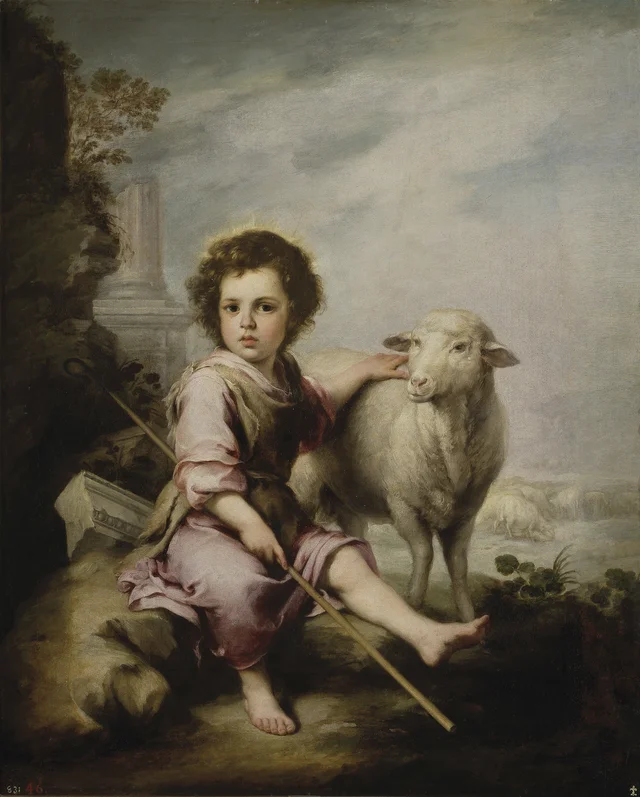 Le Bon PasteurBartolomé Esteban Murillo, 1664
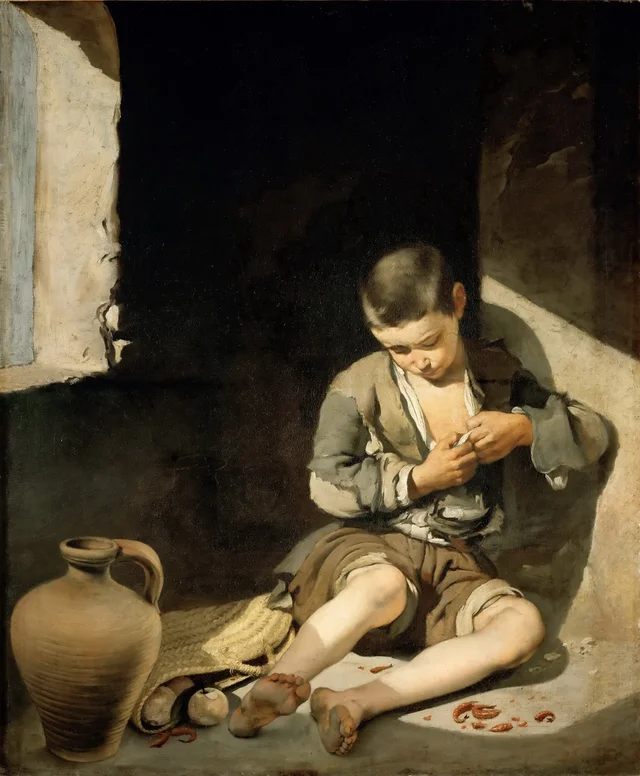 Le Jeune MendiantBartolomé Esteban Murillo, 1650
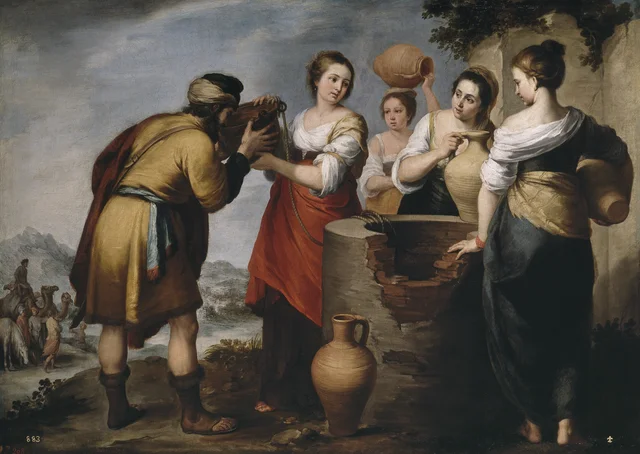 Rébecca et ÉliézerBartolomé Esteban Murillo, 1660
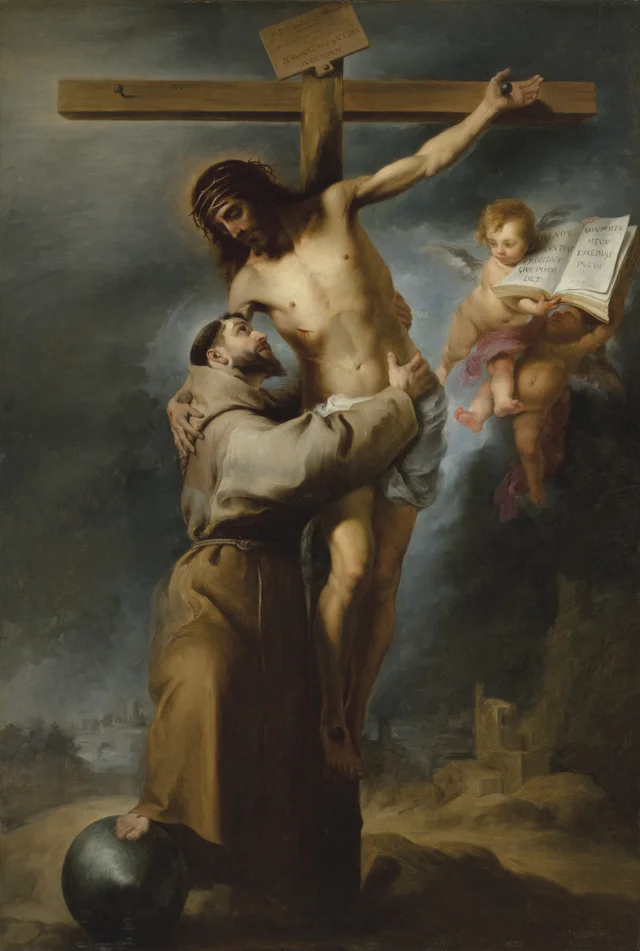 Saint François embrassant le Christ en croixBartolomé Esteban Murillo, 1668
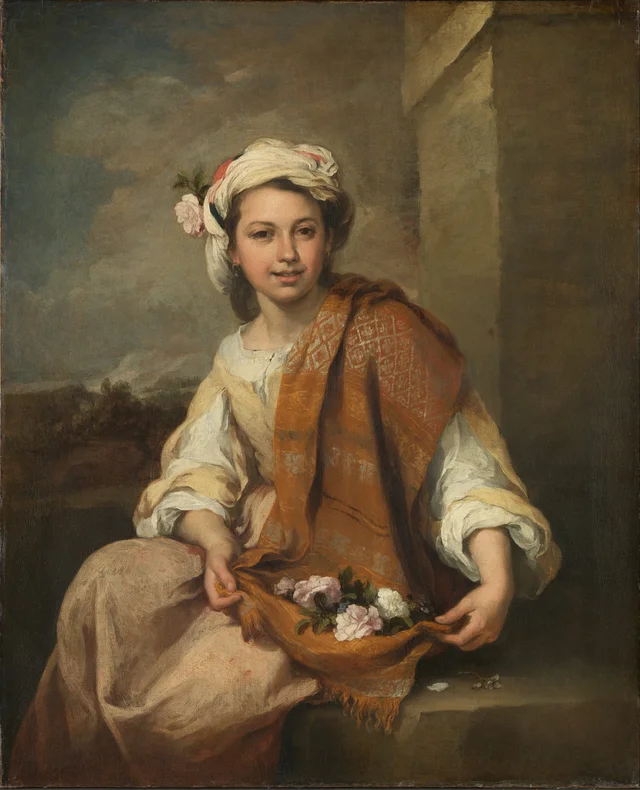 La Marchande de fleursBartolomé Esteban Murillo, 1665
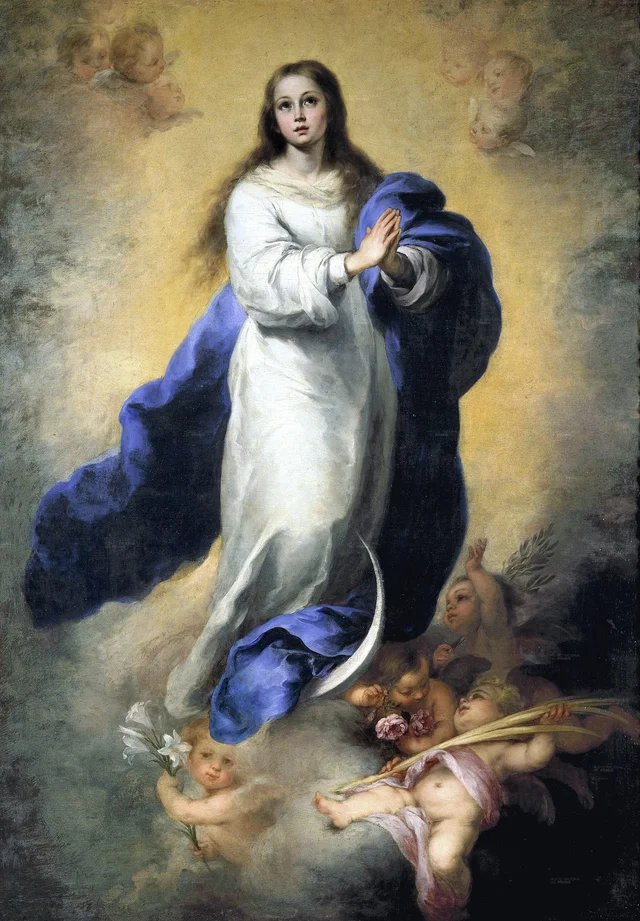 L'Immaculée Conception de l'EscurialBartolomé Esteban Murillo, 1660
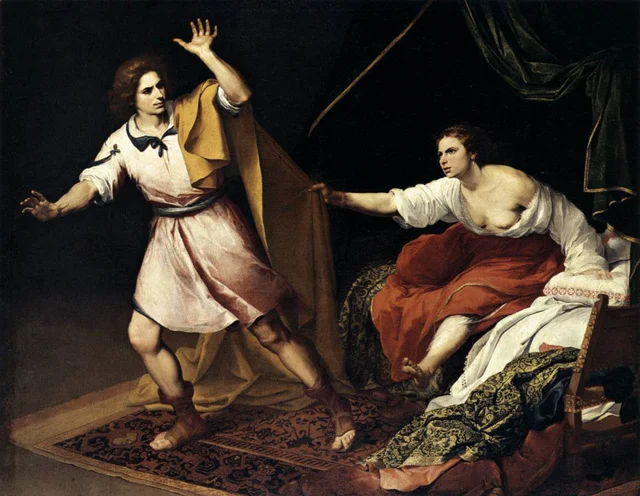 Joseph et la femme de PutipharBartolomé Esteban Murillo, 1640
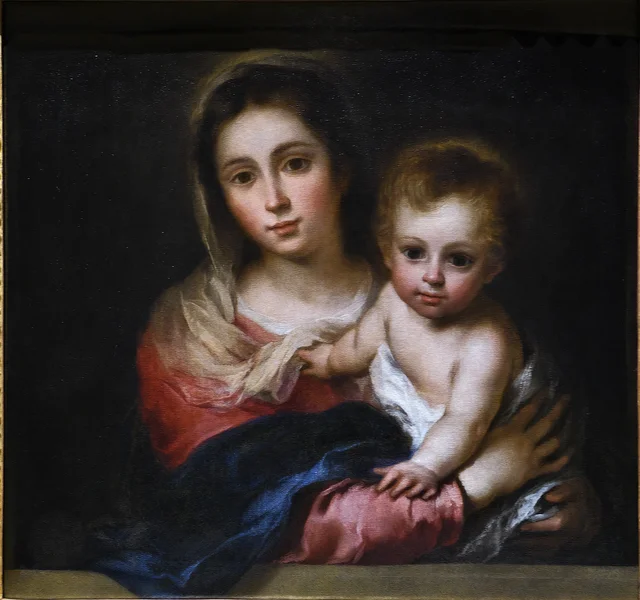 La Vierge à la servietteBartolomé Esteban Murillo, 1668
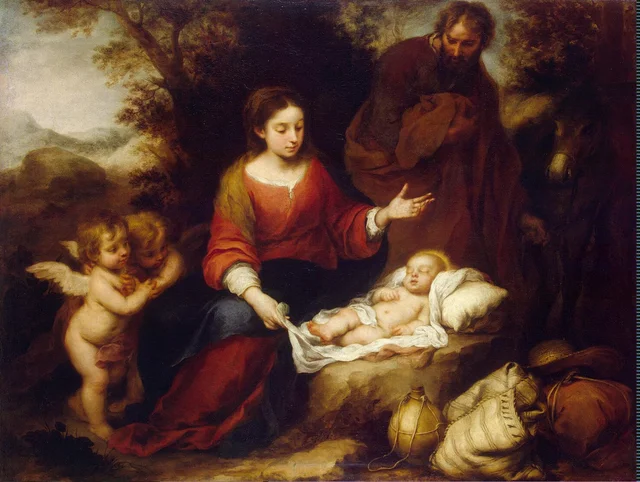 Le Repos pendant la fuite en ÉgypteBartolomé Esteban Murillo, 1665
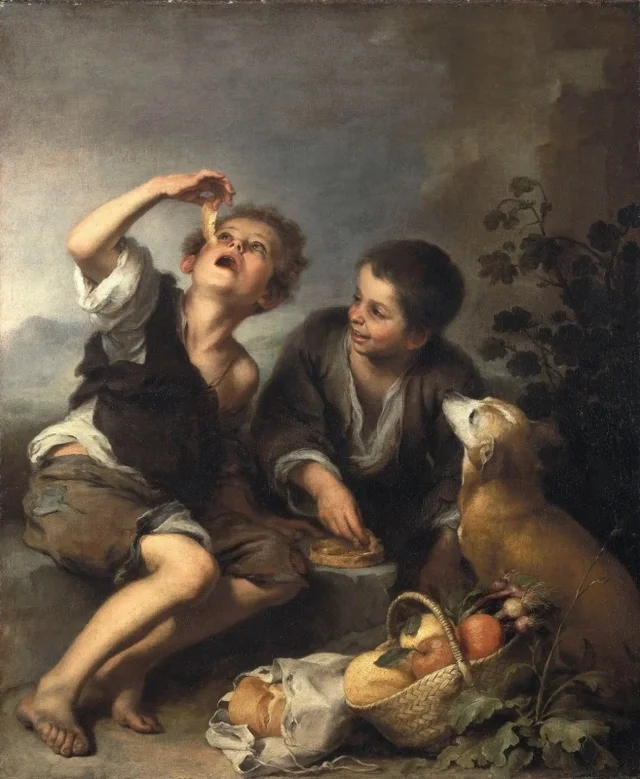 Les Mangeurs de tourteBartolomé Esteban Murillo, 1670
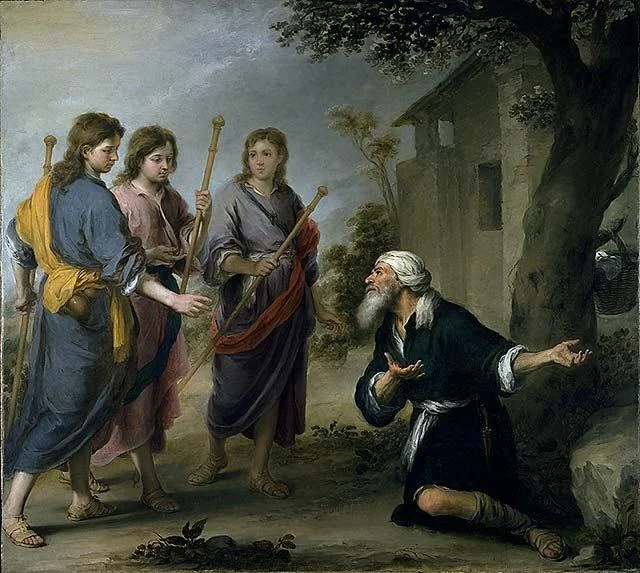 Abraham recevant les trois angesBartolomé Esteban Murillo, 1670
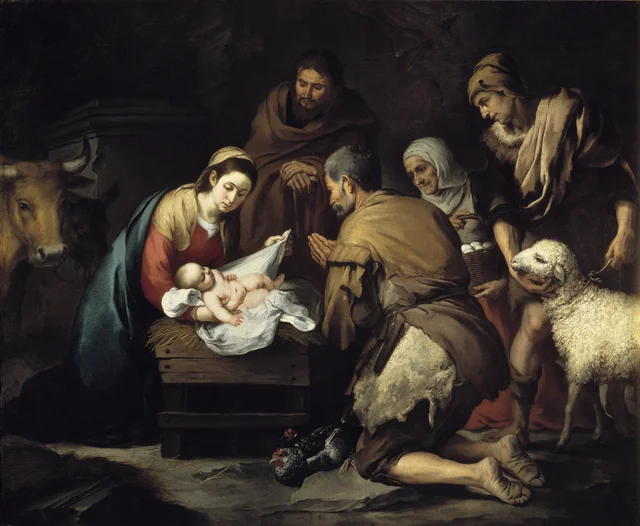 L'Adoration des bergersBartolomé Esteban Murillo, 1650
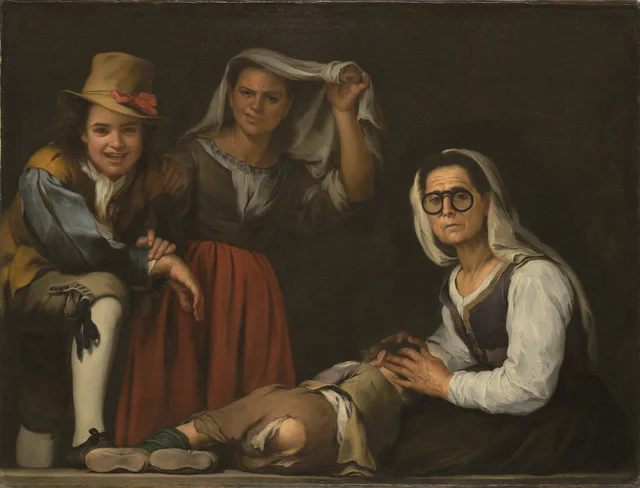 Quatre personnages sur une marcheBartolomé Esteban Murillo, 1655
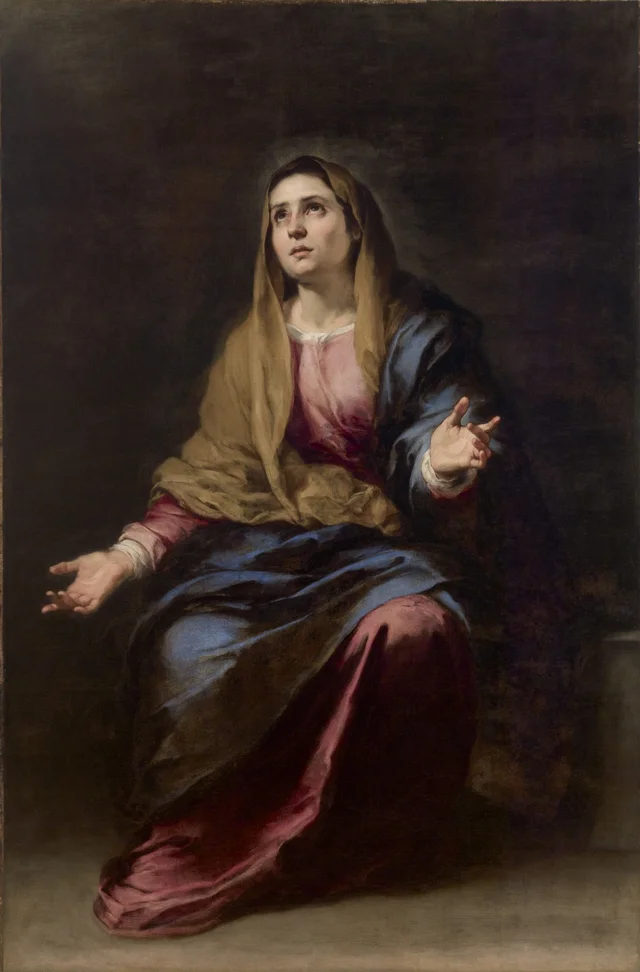 Mater DolorosaBartolomé Esteban Murillo, 1660
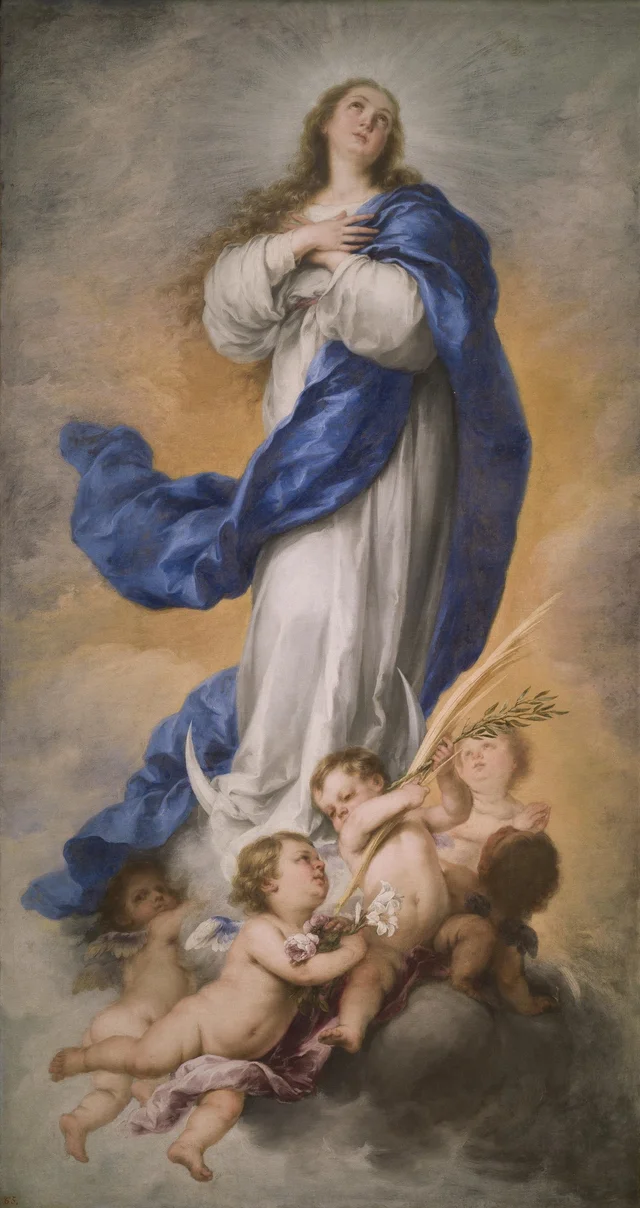 L'Immaculée Conception d'AranjuezBartolomé Esteban Murillo, 1675
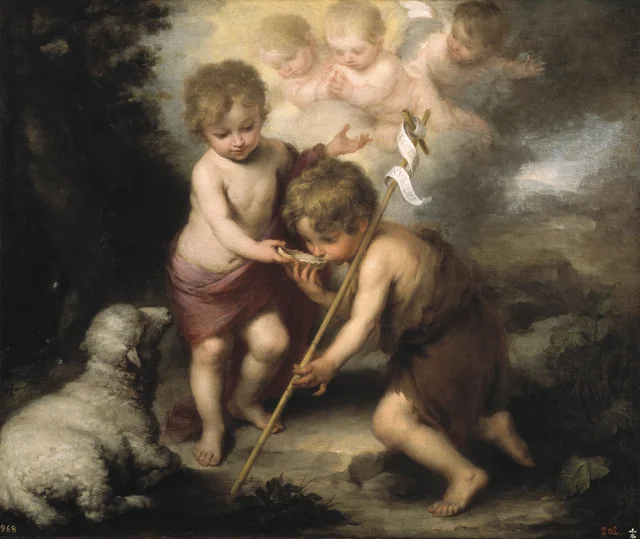 Les Enfants à la coquilleBartolomé Esteban Murillo, 1670
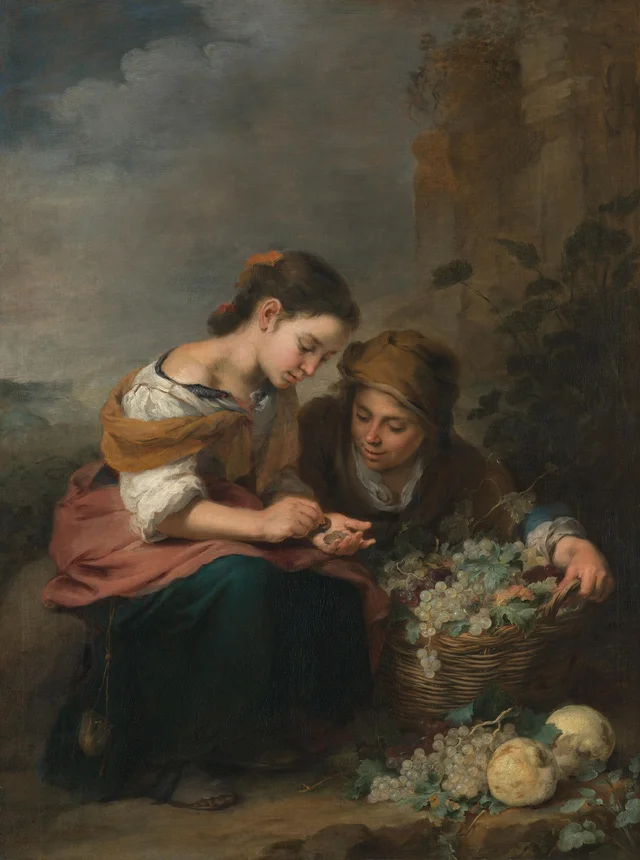 La Petite Marchande de fruitsBartolomé Esteban Murillo, 1670
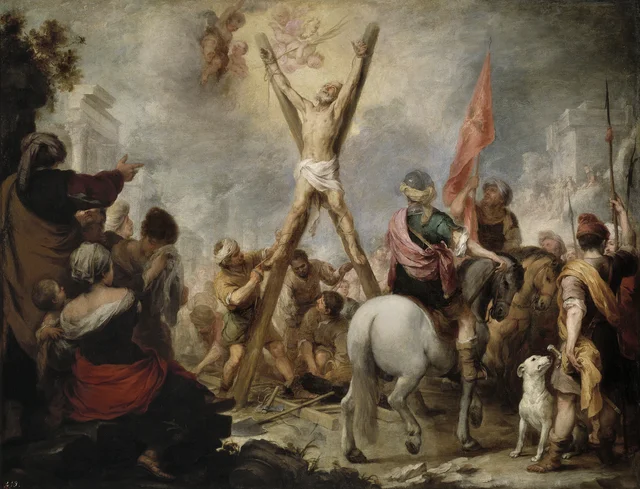 Le Martyre de saint AndréBartolomé Esteban Murillo, 1675