L'histoire
Le Louvre a commencé comme une forteresse. Philippe Auguste l'éleva sur la rive droite de la Seine vers 1190 pour garder le Paris médiéval, et au fil des siècles les rois de France le transformèrent en palais royal, jusqu'à ce que Louis XIV installe sa cour à Versailles en 1682 et laisse les salles inachevées à la collection royale et aux artistes logés à l'intérieur.
La Révolution en fit un musée public. Le 10 août 1793, le Muséum central des arts ouvrit ses portes, montrant l'art confisqué de la couronne et de l'Église à tout citoyen qui souhaitait entrer. Napoléon le remplit du butin de ses campagnes et le rebaptisa brièvement de son nom. Beaucoup fut rendu après Waterloo, mais l'idée demeura, une collection nationale ordonnée pour l'étude et gratuite pour le public.
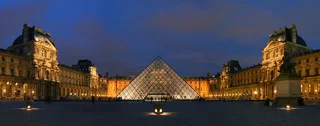
Aujourd'hui le Louvre conserve plus de 35 000 œuvres, de la Vénus de Milo au Radeau de la Méduse de Géricault. La foule, pourtant, se presse vers un petit portrait. En août 1911, il disparut : Vincenzo Peruggia, un homme à tout faire italien qui avait travaillé au musée, décrocha La Joconde de Léonard et la sortit sous son manteau. Pendant deux ans le cadre resta vide tandis que les visiteurs venaient contempler l'absence, et le tableau ne revint qu'en 1913, après que Peruggia eut tenté de le vendre à un marchand de Florence. La pyramide de verre de I. M. Pei, posée dans la cour en 1989, marque désormais l'entrée.
Autres articles
Collection
1 174 œuvres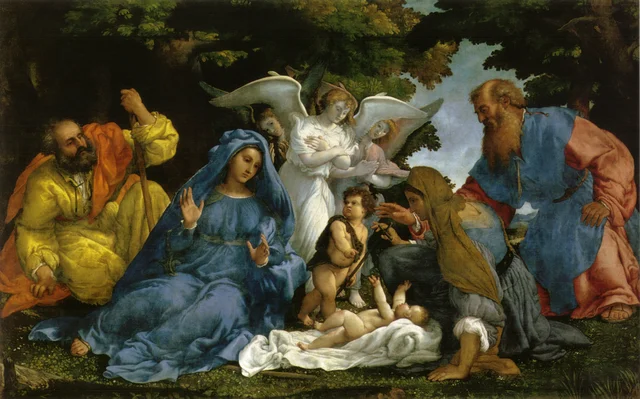 La Sainte Famille avec saint Jean-BaptisteLorenzo Lotto, 1536
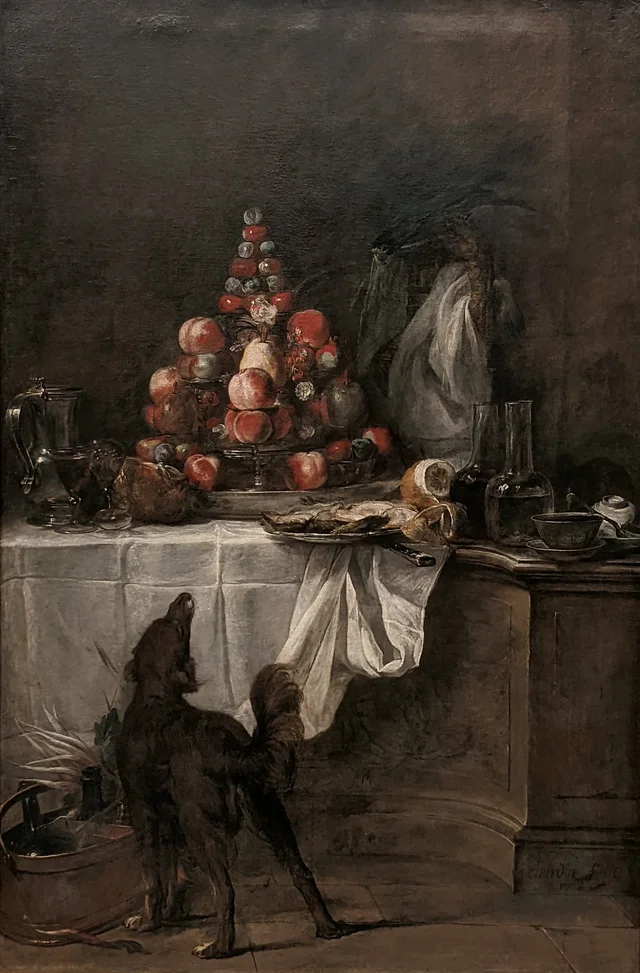 Le BuffetJean-Baptiste-Siméon Chardin, 1728
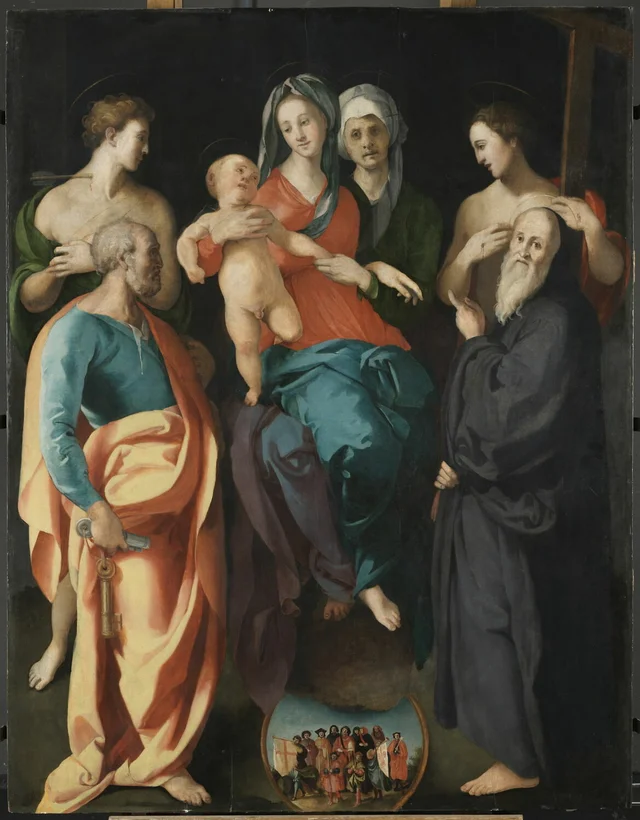 Vierge à l'Enfant avec sainte Anne et quatre saintsPontormo, 1528
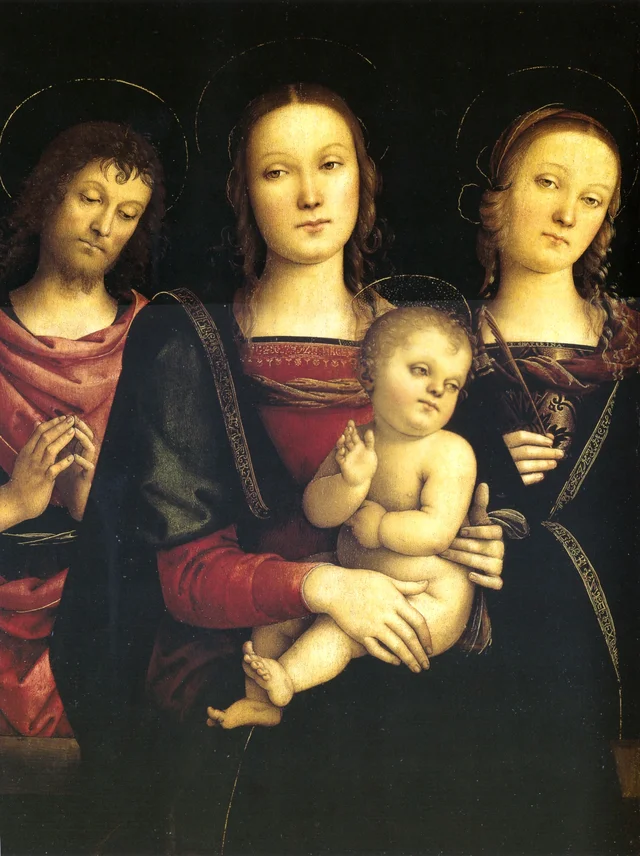 La Vierge et l'Enfant avec saint Jean-Baptiste et sainte Catherine d'AlexandriePietro Pérugin, 1495
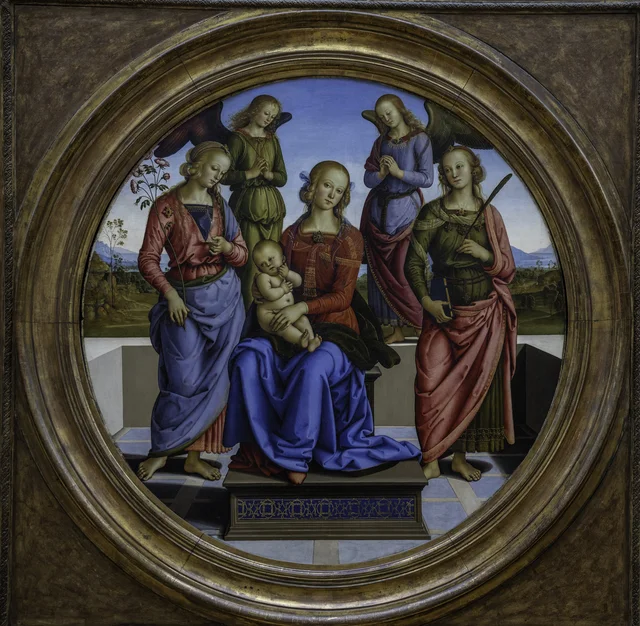 La Vierge à l'Enfant avec deux anges, sainte Rose et sainte CatherinePietro Pérugin, 1490
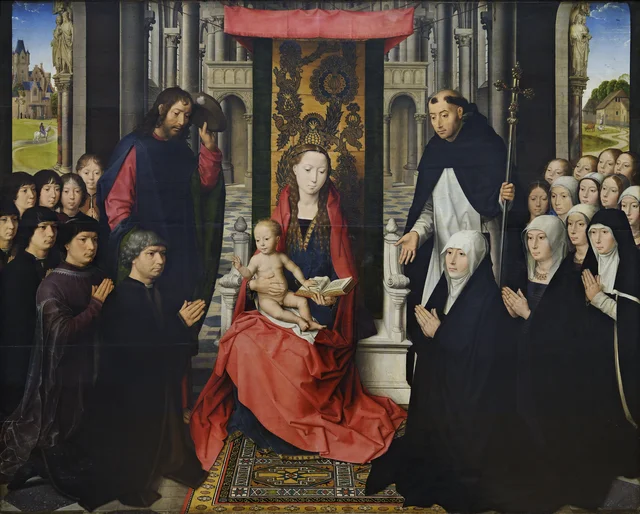 La Vierge de Jacob FloreinsHans Memling, 1485
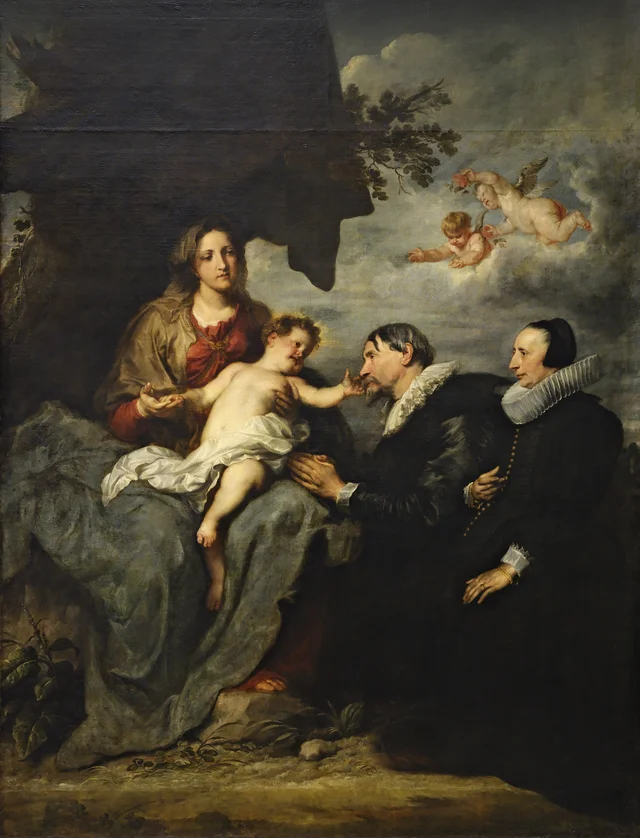 La Vierge avec deux donateursAntoine van Dyck, 1630
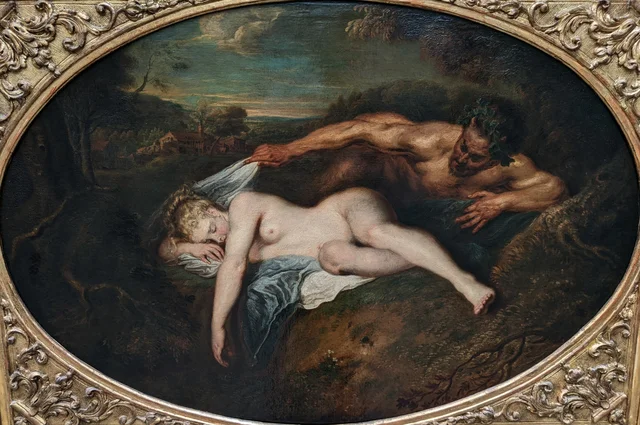 Nymphe et satyreJean-Antoine Watteau, 1716
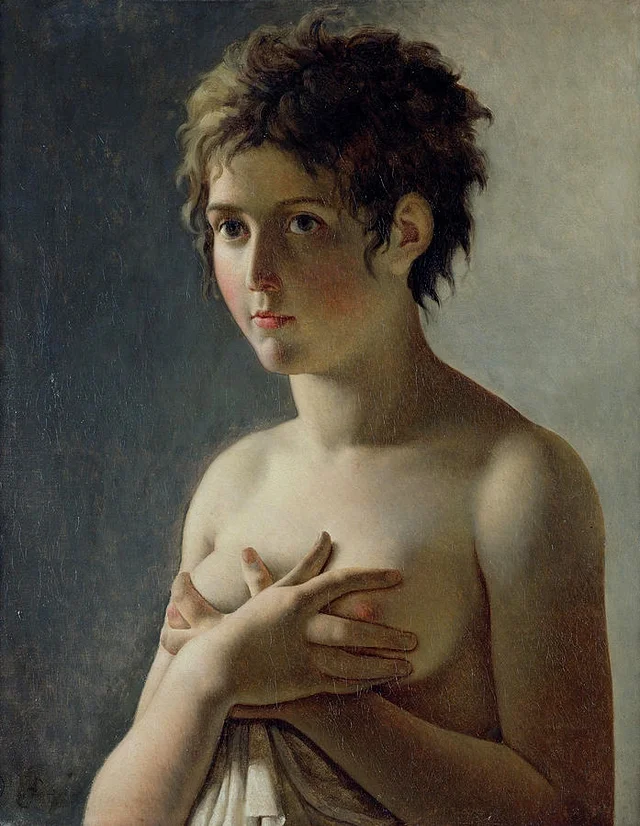 Portrait d'une jeune fillePierre-Narcisse Guérin, 1795
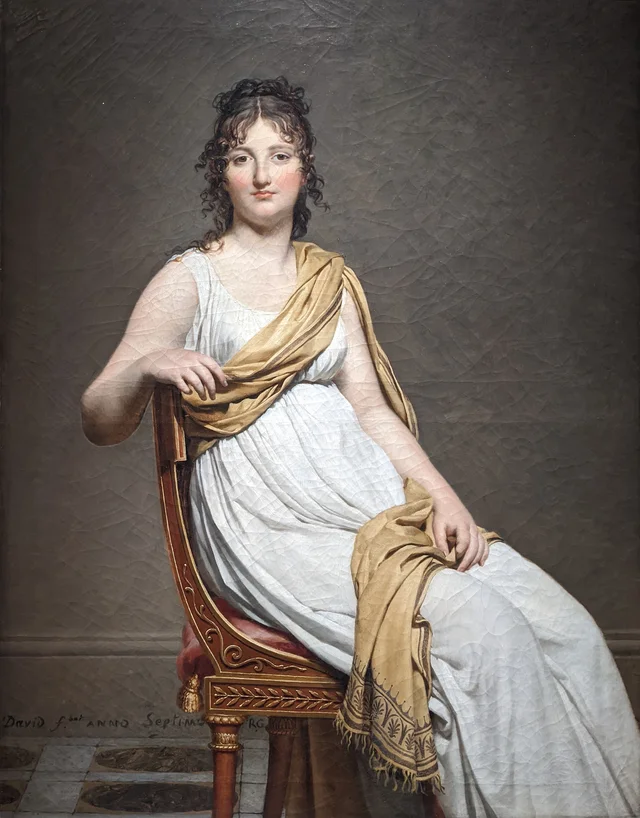 Portrait de Madame de VerninacJacques-Louis David, 1799
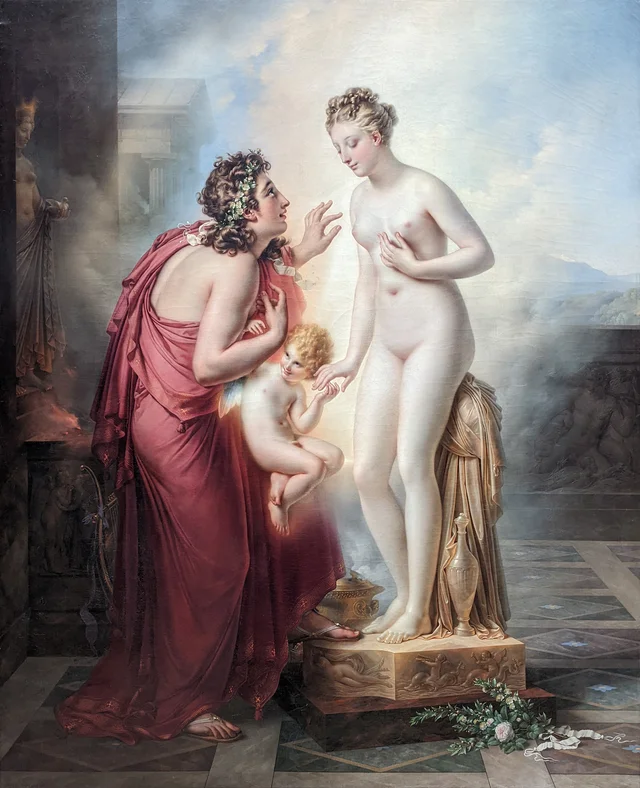 Pygmalion et GalatéeAnne-Louis Girodet, 1819
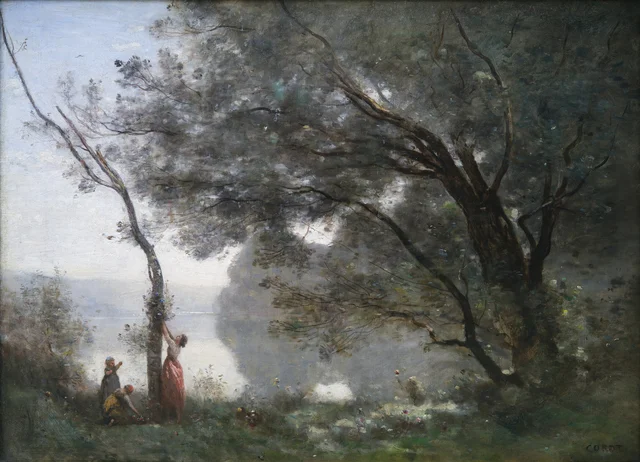 Souvenir de MortefontaineJean-Baptiste Camille Corot, 1864
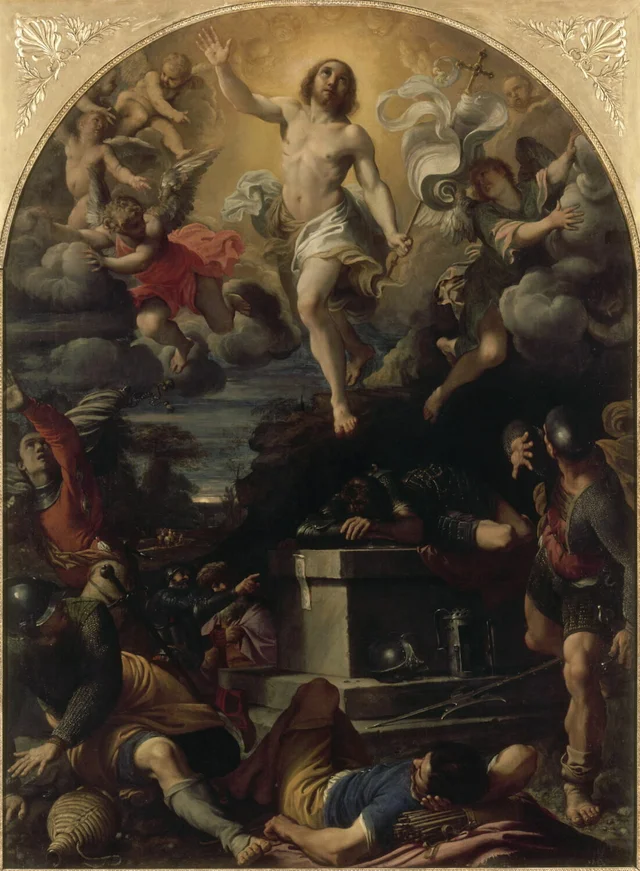 Résurrection du ChristAnnibal Carrache, 1593
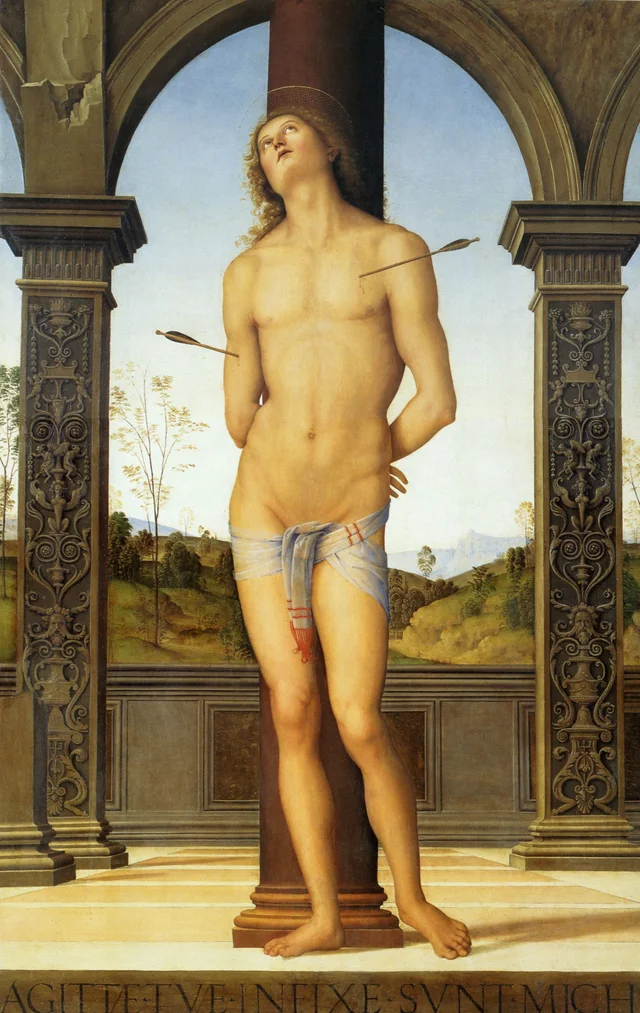 Saint SébastienPietro Pérugin, 1490
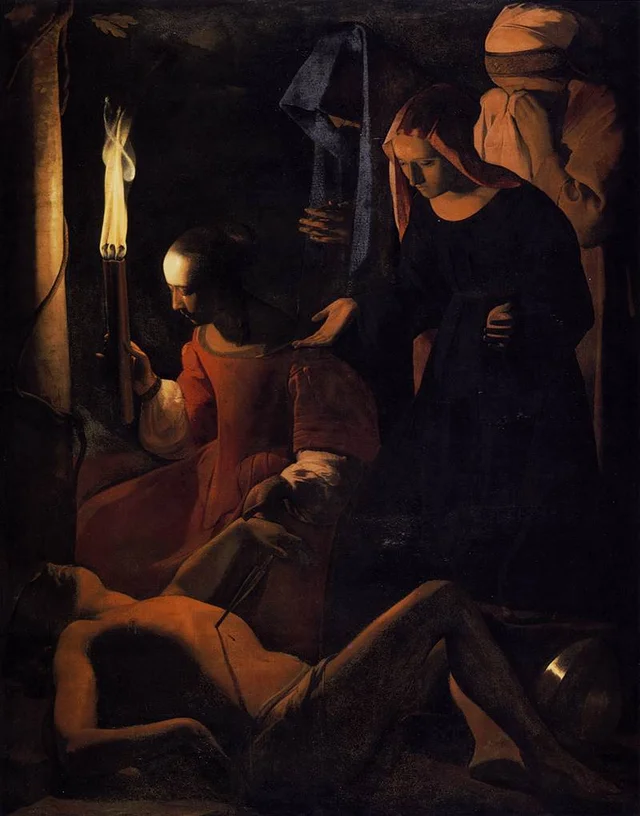 Saint Sébastien soigné par sainte IrèneGeorges de La Tour, 1649
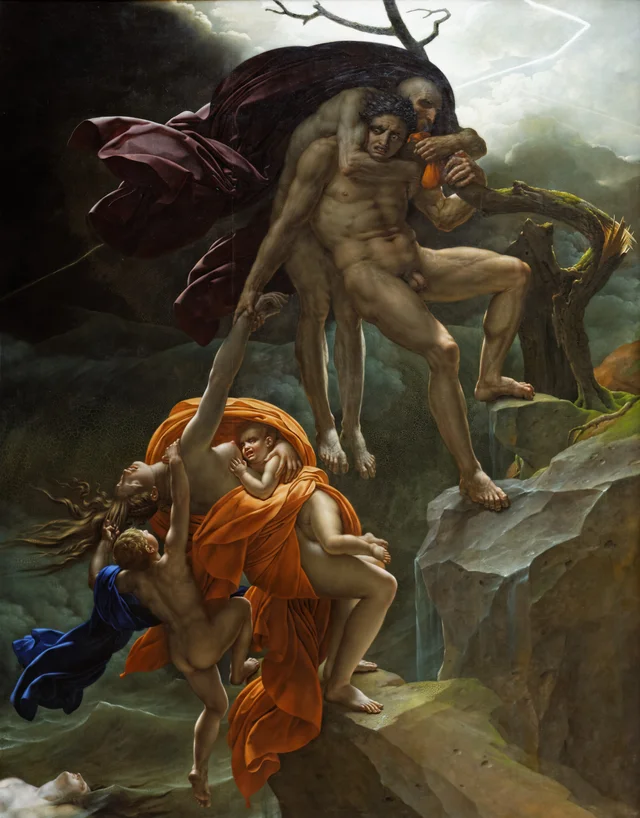 Une scène de délugeAnne-Louis Girodet, 1806
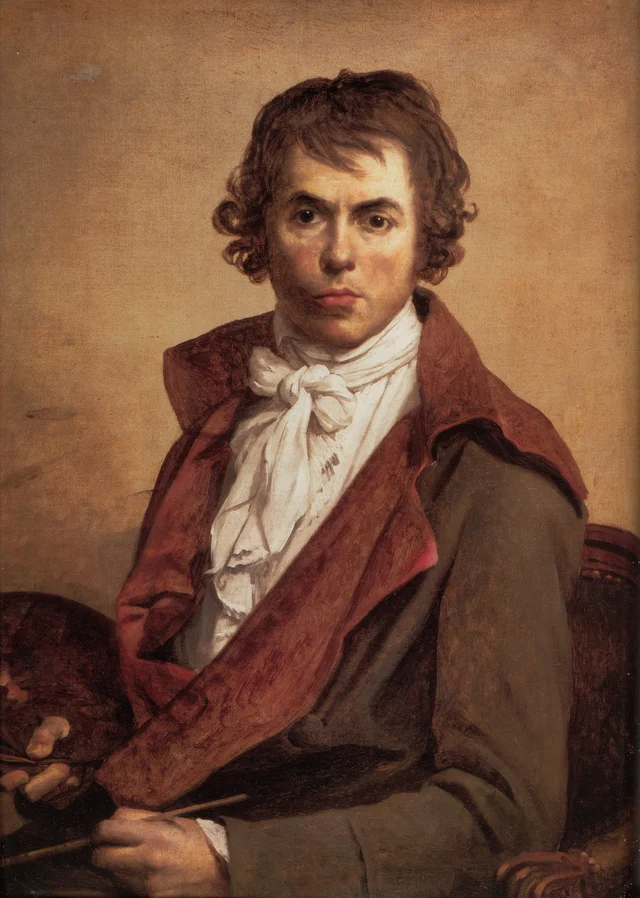 AutoportraitJacques-Louis David, 1794
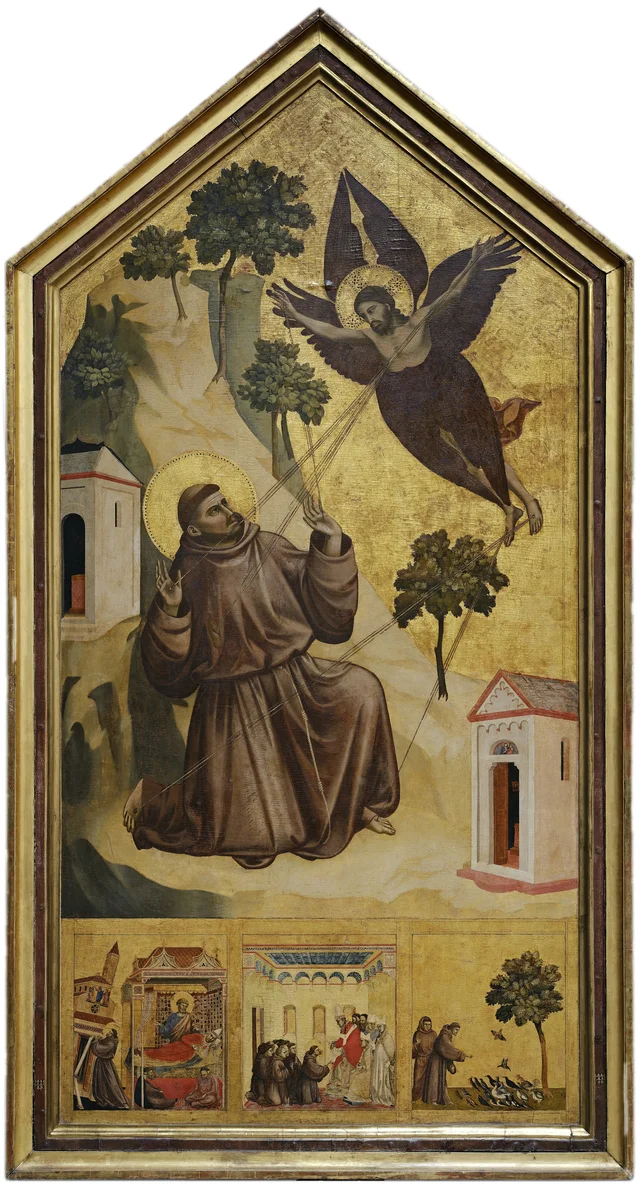 Saint François d'Assise recevant les stigmatesGiotto, 1297
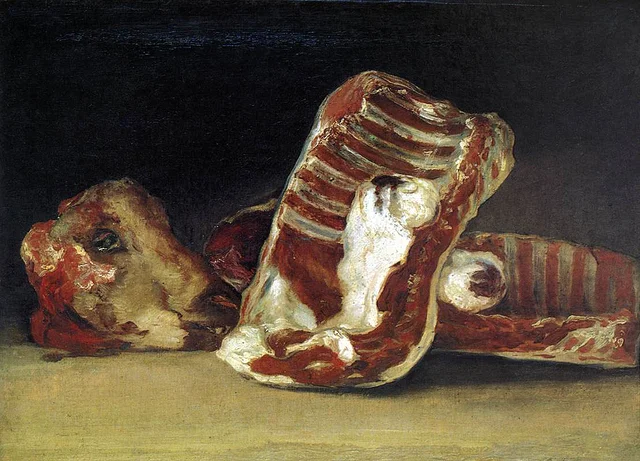 Nature morte : l'étal du boucherFrancisco Goya, 1808
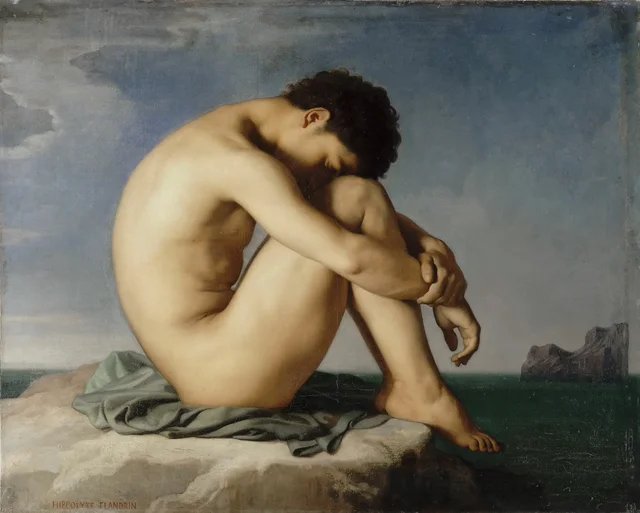 Étude (Jeune homme nu assis au bord de la mer)Hippolyte Flandrin, 1837
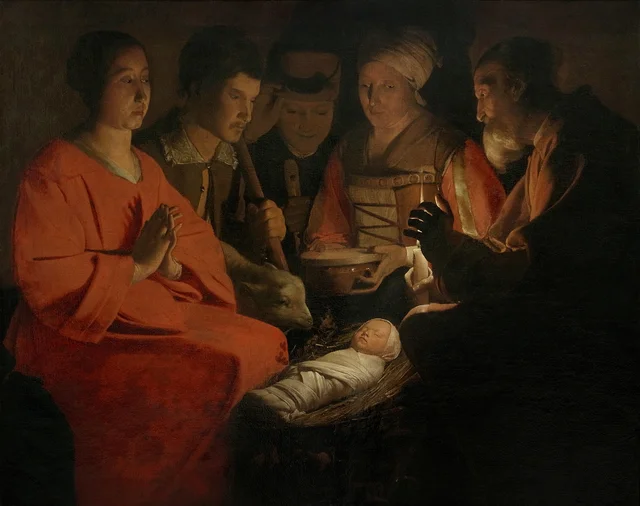 L'Adoration des bergersGeorges de La Tour, 1645
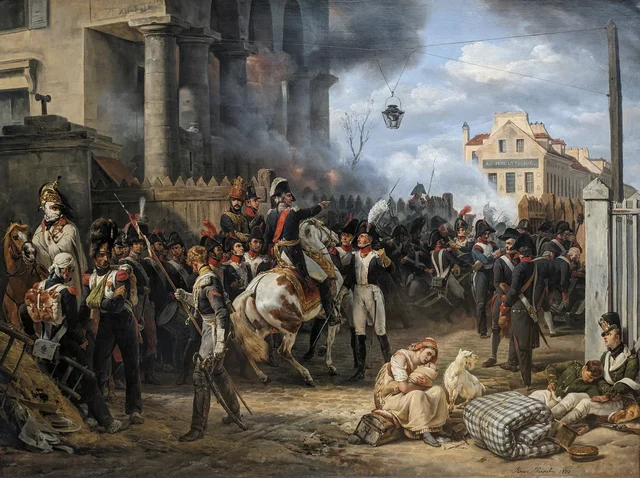 La Barrière de ClichyHorace Vernet, 1820
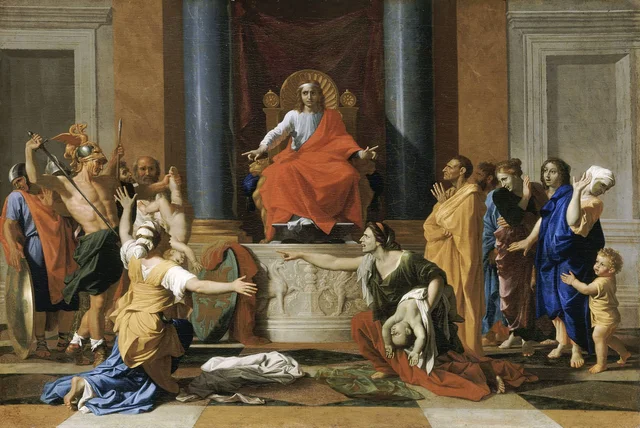 Le Jugement de SalomonNicolas Poussin, 1649
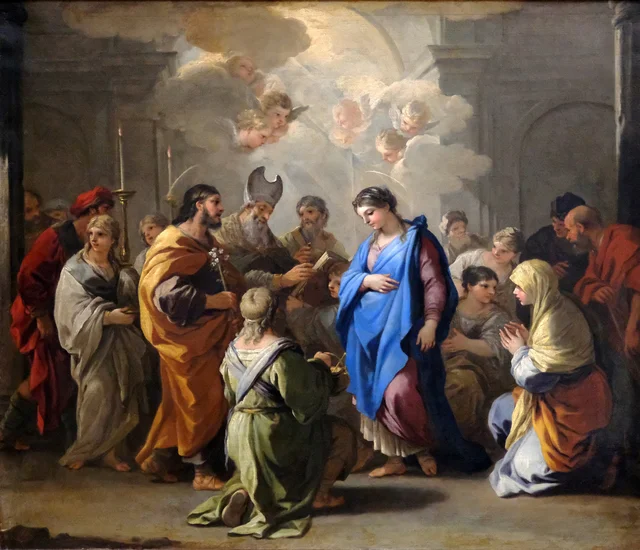 Le Mariage de la ViergeLuca Giordano, 1688
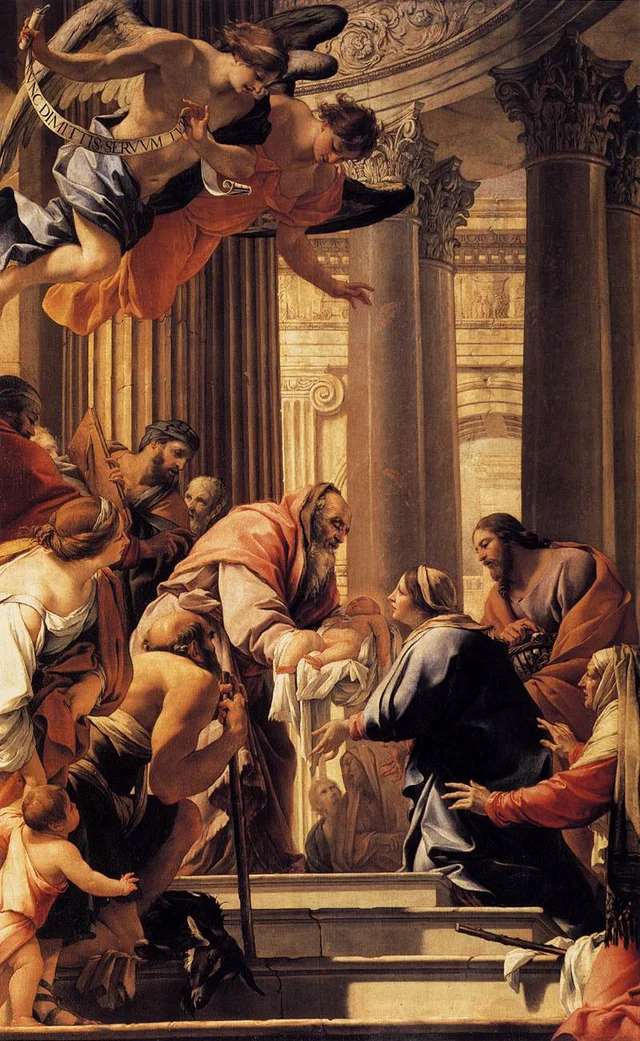 La Présentation au TempleSimon Vouet, 1640