L'histoire
Le Louvre a commencé comme une forteresse. Philippe Auguste l'éleva sur la rive droite de la Seine vers 1190 pour garder le Paris médiéval, et au fil des siècles les rois de France le transformèrent en palais royal, jusqu'à ce que Louis XIV installe sa cour à Versailles en 1682 et laisse les salles inachevées à la collection royale et aux artistes logés à l'intérieur.
La Révolution en fit un musée public. Le 10 août 1793, le Muséum central des arts ouvrit ses portes, montrant l'art confisqué de la couronne et de l'Église à tout citoyen qui souhaitait entrer. Napoléon le remplit du butin de ses campagnes et le rebaptisa brièvement de son nom. Beaucoup fut rendu après Waterloo, mais l'idée demeura, une collection nationale ordonnée pour l'étude et gratuite pour le public.
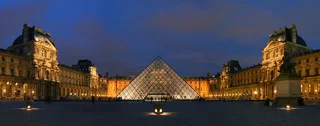
Aujourd'hui le Louvre conserve plus de 35 000 œuvres, de la Vénus de Milo au Radeau de la Méduse de Géricault. La foule, pourtant, se presse vers un petit portrait. En août 1911, il disparut : Vincenzo Peruggia, un homme à tout faire italien qui avait travaillé au musée, décrocha La Joconde de Léonard et la sortit sous son manteau. Pendant deux ans le cadre resta vide tandis que les visiteurs venaient contempler l'absence, et le tableau ne revint qu'en 1913, après que Peruggia eut tenté de le vendre à un marchand de Florence. La pyramide de verre de I. M. Pei, posée dans la cour en 1989, marque désormais l'entrée.
Autres articles
Collection
1 174 œuvres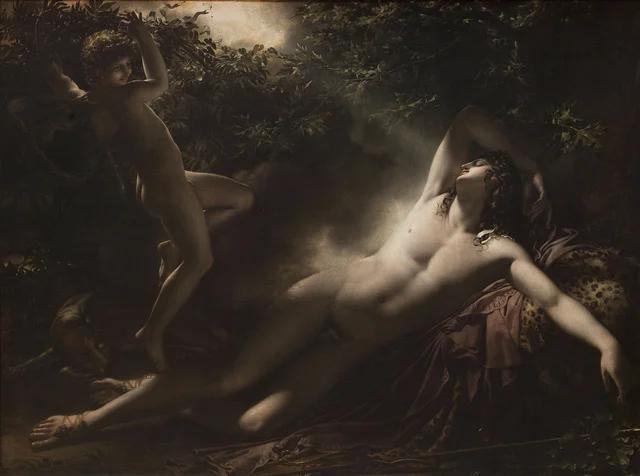 Le Sommeil d'EndymionAnne-Louis Girodet, 1791
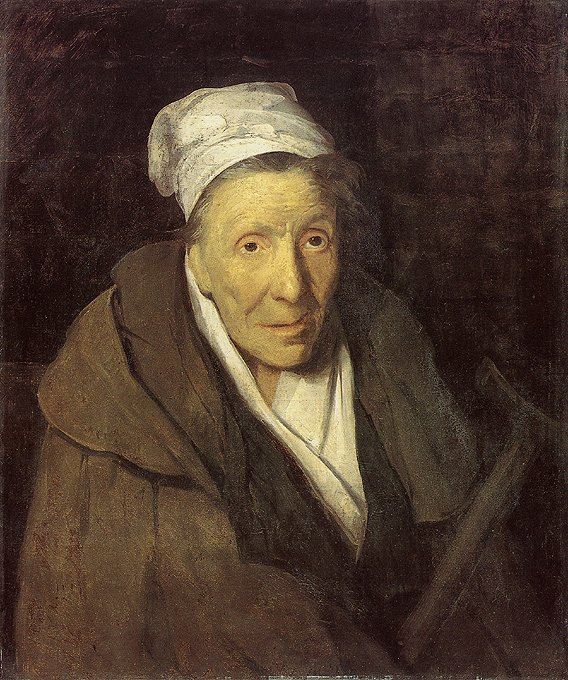 La Monomane du jeuThéodore Géricault, 1820
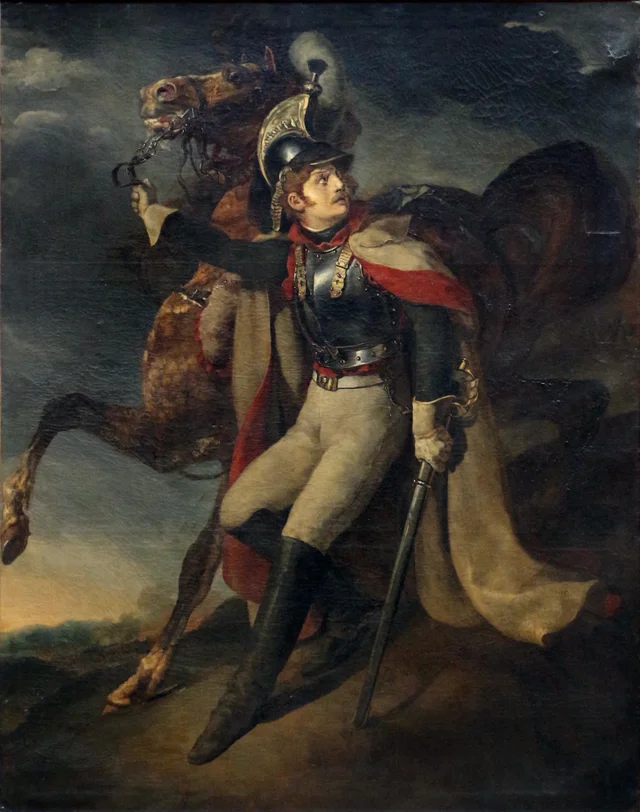 Le Cuirassier blesséThéodore Géricault, 1814
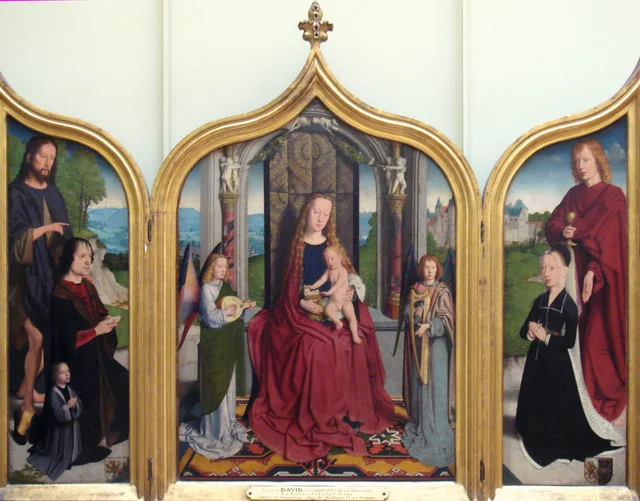 Triptyque de la famille SedanoGérard David, 1492
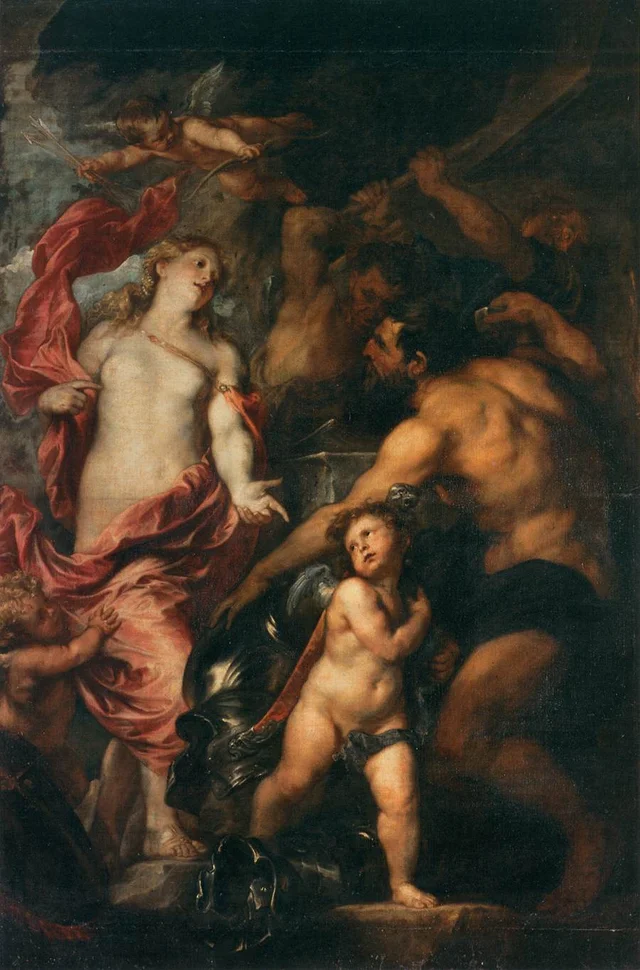 Vénus demandant à Vulcain des armes pour son fils ÉnéeAntoine van Dyck, 1630
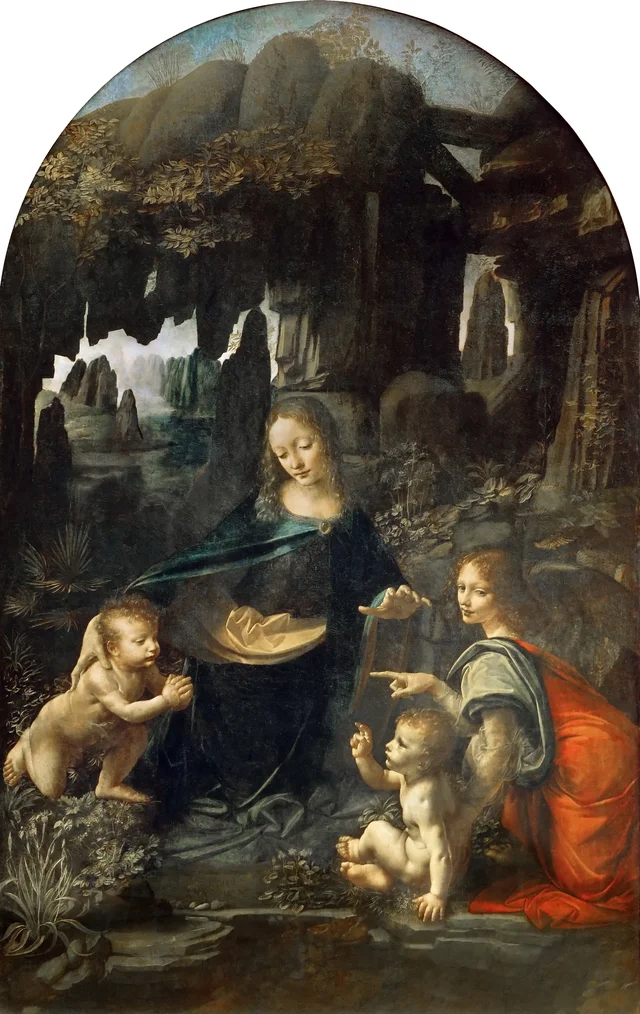 La Vierge aux rochersLéonard de Vinci, 1484
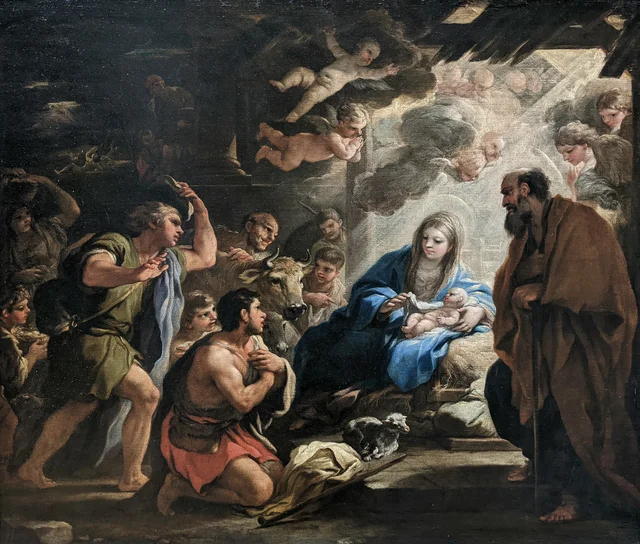 L'Adoration des bergers (1688)Luca Giordano, 1688
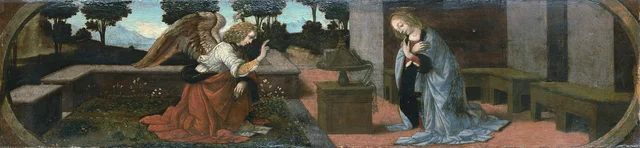 AnnonciationLorenzo di Credi, 1475
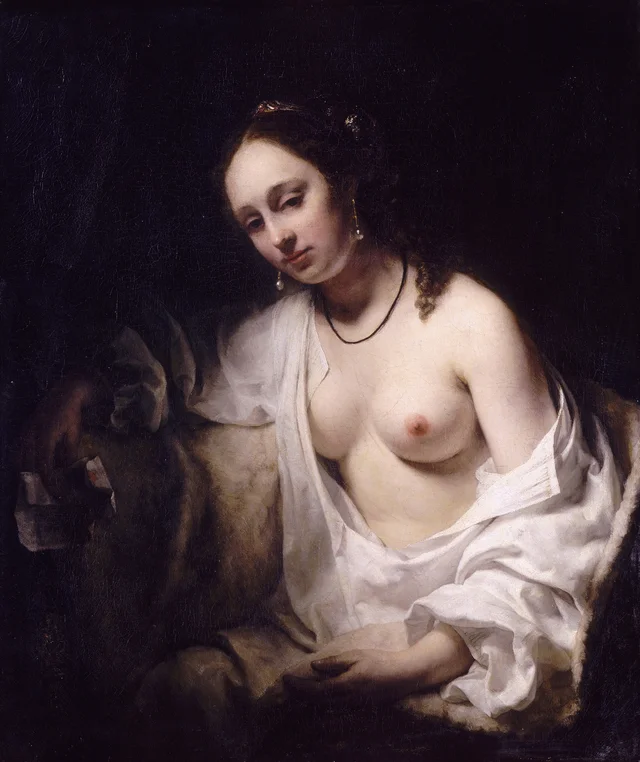 Bethsabée tenant la lettre du roi DavidWillem Drost, 1654
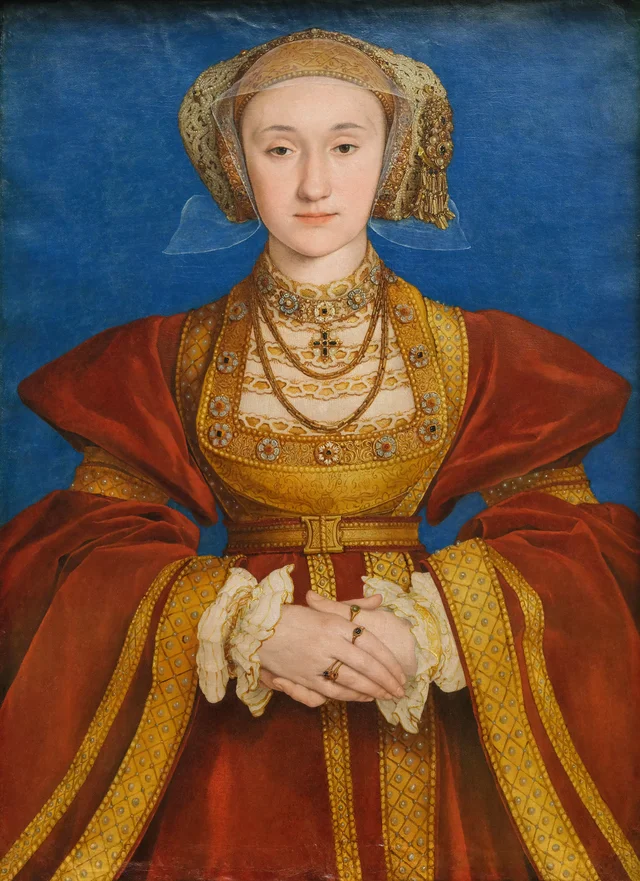 Portrait de fiançailles d'Anne de ClèvesHans Holbein le Jeune, 1539
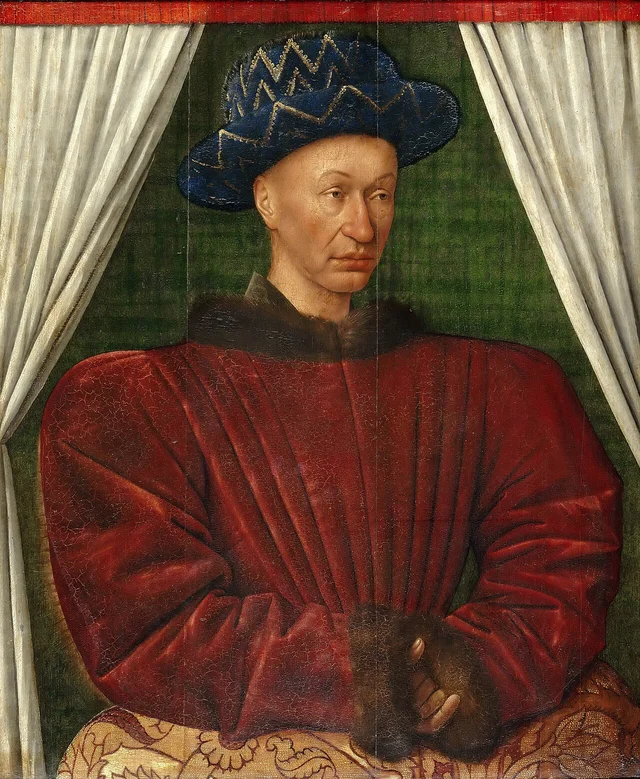 Charles VII, roi de FranceJean Fouquet, 1444
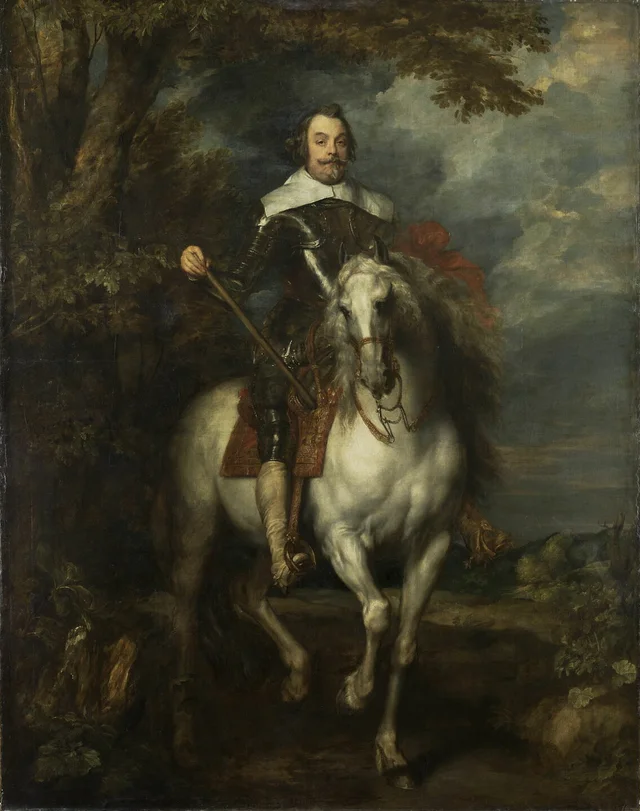 Portrait équestre de Francisco de MoncadaAntoine van Dyck, 1634
 La Justice et la Vengeance divine poursuivant le CrimePierre-Paul Prud'hon, 1808
 Paysage avec châteauRembrandt, 1641
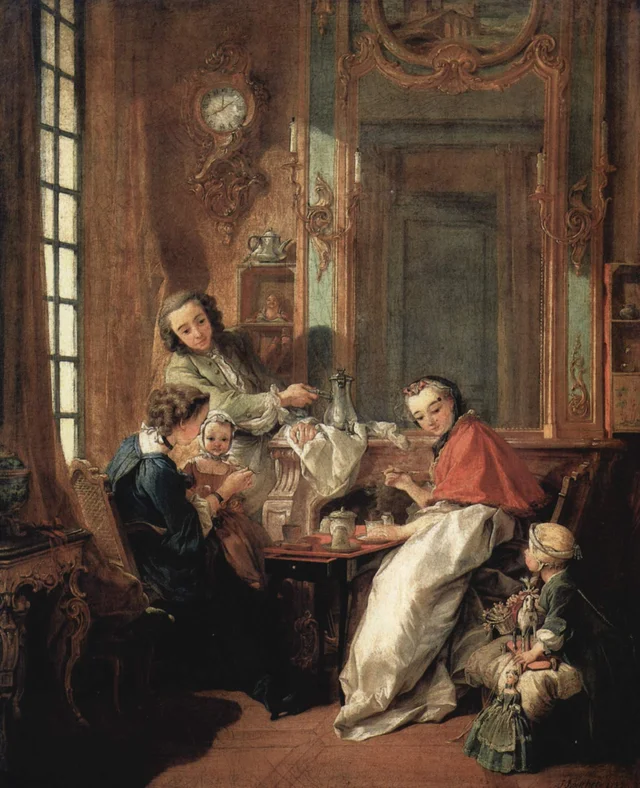 Le DéjeunerFrançois Boucher, 1739
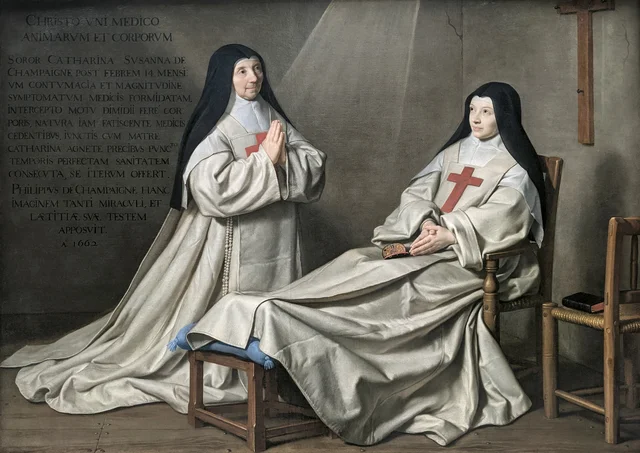 La Mère Catherine-Agnès Arnauld et la sœur Catherine de Sainte-Suzanne de ChampaignePhilippe de Champaigne, 1662
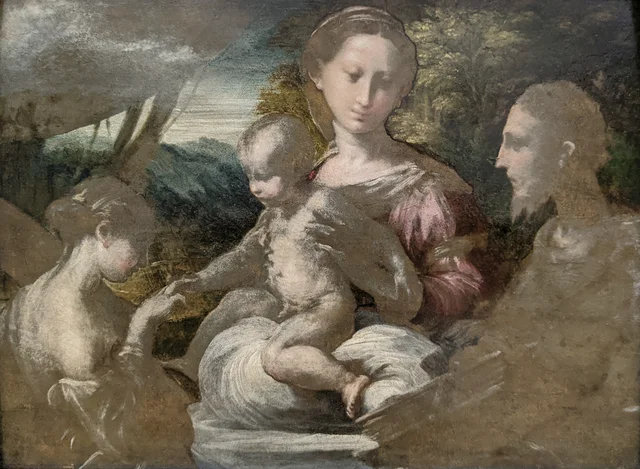 Mariage mystique de sainte CatherineLe Parmesan, 1528
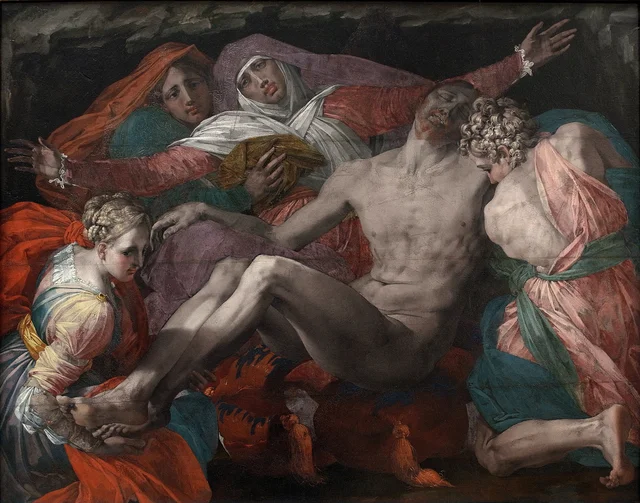 PietàRosso Fiorentino, 1536
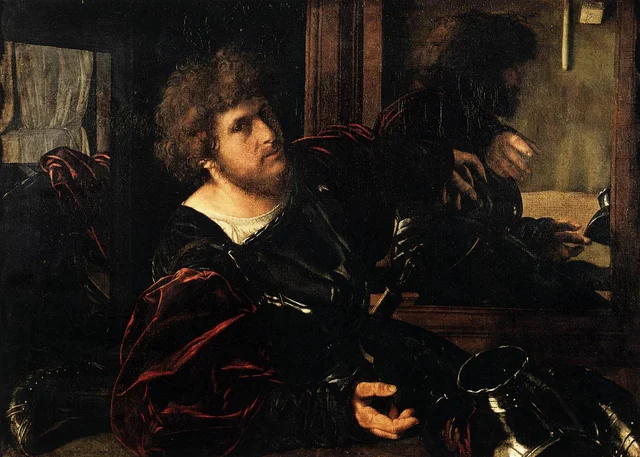 Portrait d'un guerrier en armureGiovanni Girolamo Savoldo, 1529
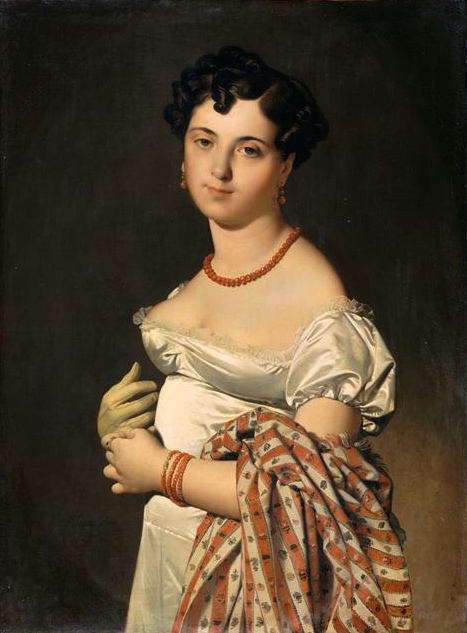 Portrait de Madame PanckouckeJean-Auguste-Dominique Ingres, 1811
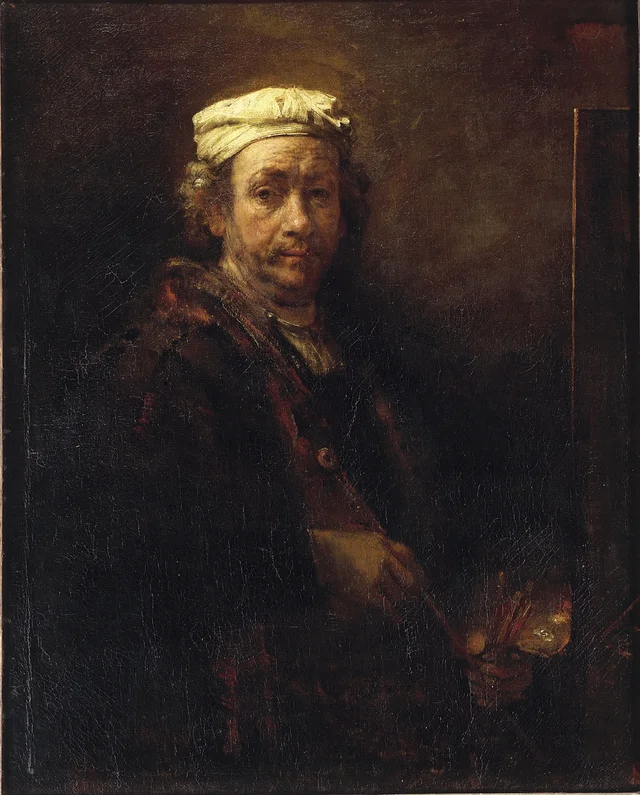 Autoportrait au chevaletRembrandt, 1660
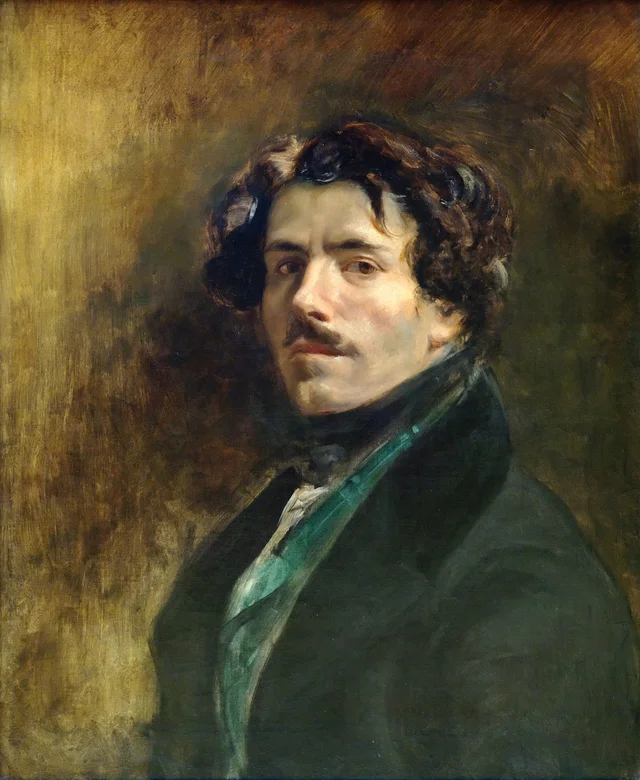 Autoportrait au gilet vertEugène Delacroix, 1837
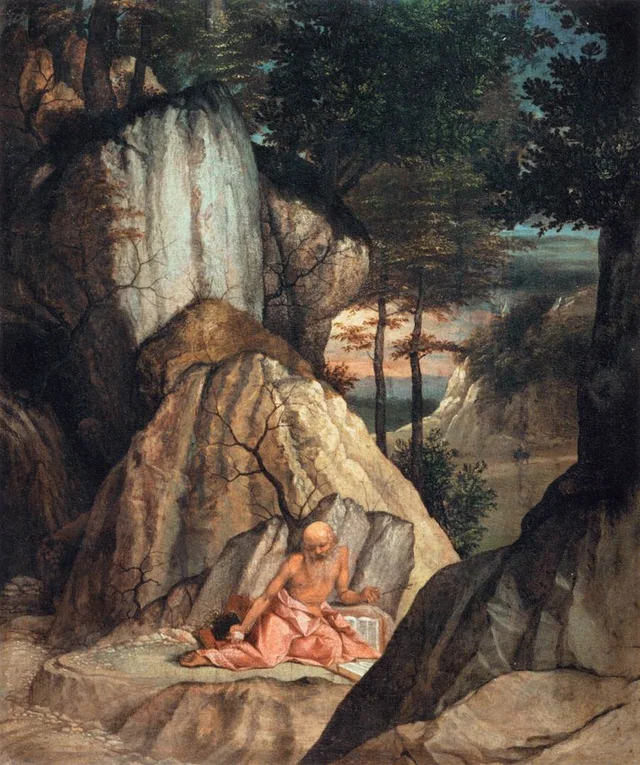 Saint Jérôme dans le désertLorenzo Lotto, 1506
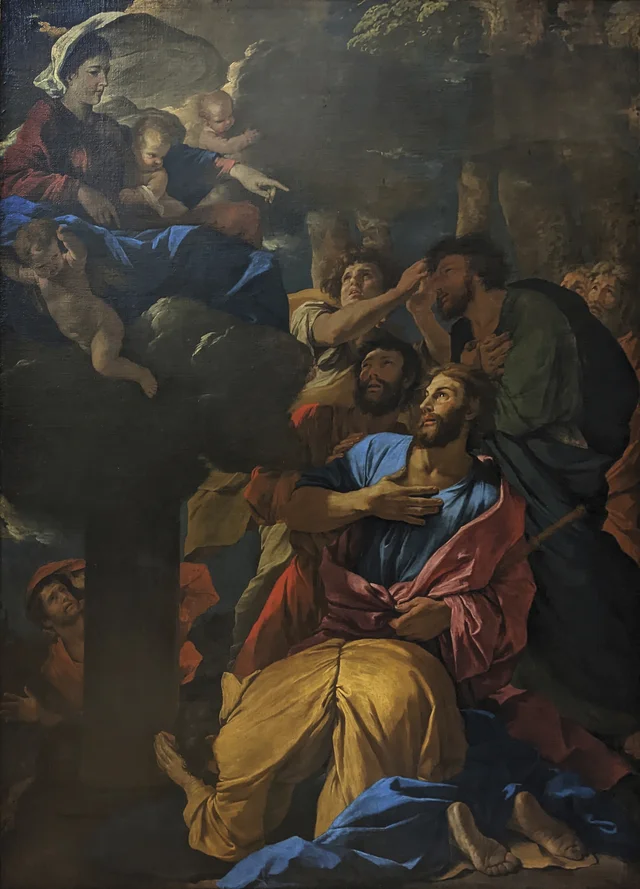 L'Apparition de la Vierge à saint Jacques le MajeurNicolas Poussin, 1629
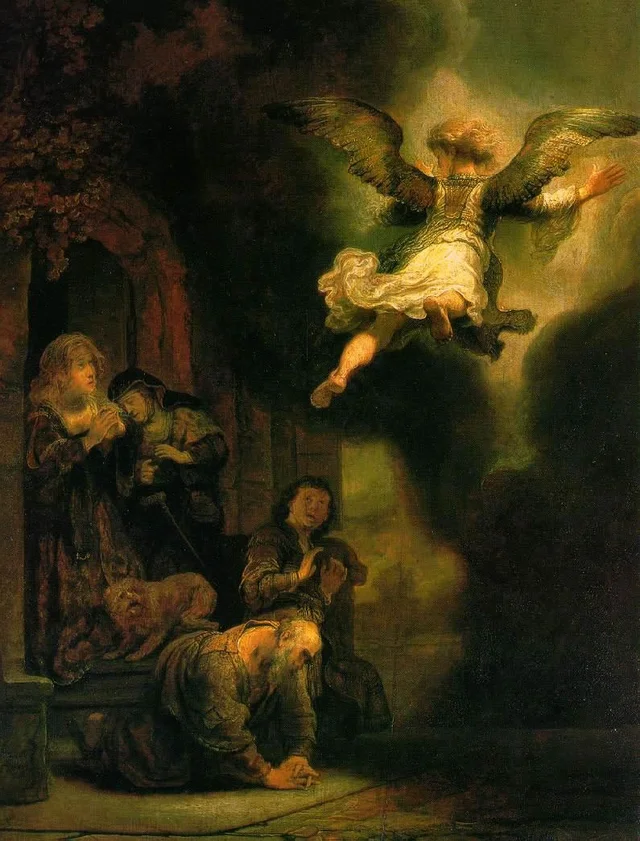 L'Archange quittant Tobie et sa familleRembrandt, 1637