L'histoire
Le Louvre a commencé comme une forteresse. Philippe Auguste l'éleva sur la rive droite de la Seine vers 1190 pour garder le Paris médiéval, et au fil des siècles les rois de France le transformèrent en palais royal, jusqu'à ce que Louis XIV installe sa cour à Versailles en 1682 et laisse les salles inachevées à la collection royale et aux artistes logés à l'intérieur.
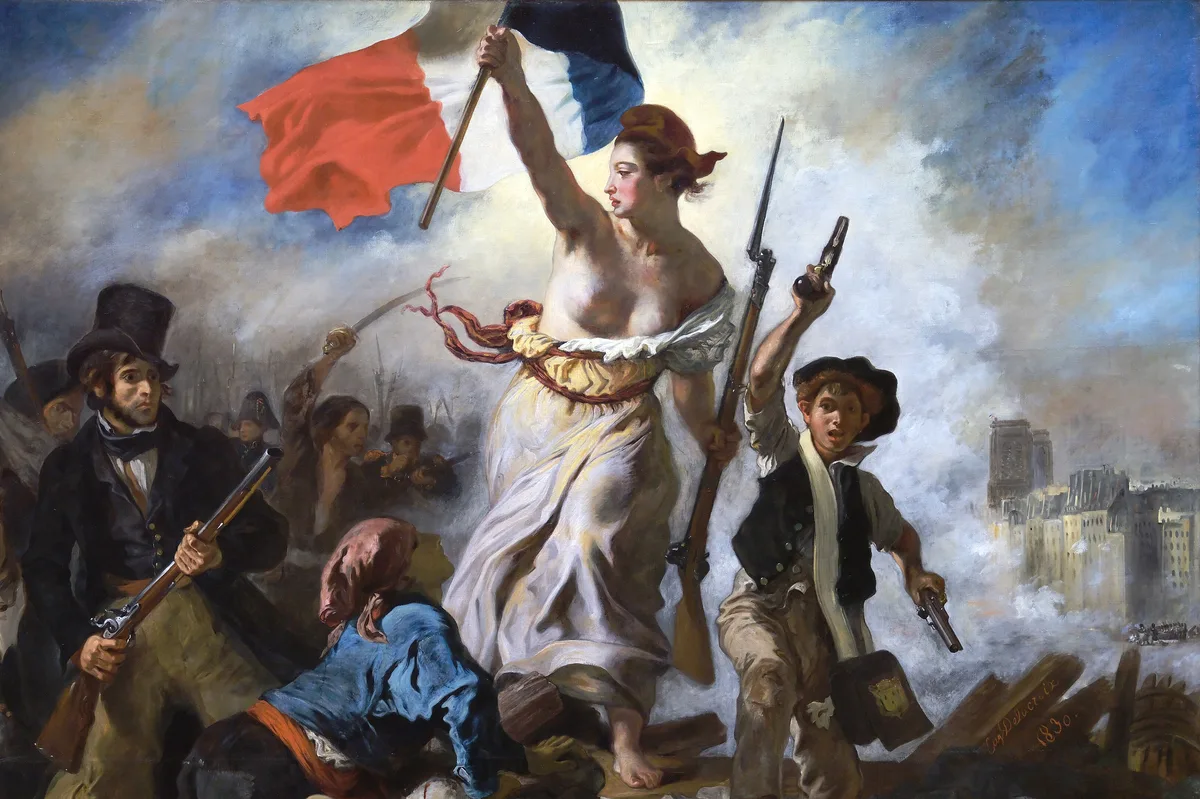
La Révolution en fit un musée public. Le 10 août 1793, le Muséum central des arts ouvrit ses portes, montrant l'art confisqué de la couronne et de l'Église à tout citoyen qui souhaitait entrer. Napoléon le remplit du butin de ses campagnes et le rebaptisa brièvement de son nom. Beaucoup fut rendu après Waterloo, mais l'idée demeura, une collection nationale ordonnée pour l'étude et gratuite pour le public.
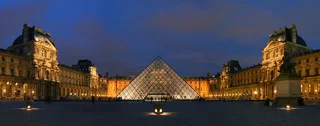
Aujourd'hui le Louvre conserve plus de 35 000 œuvres, de la Vénus de Milo au Radeau de la Méduse de Géricault. La foule, pourtant, se presse vers un petit portrait. En août 1911, il disparut : Vincenzo Peruggia, un homme à tout faire italien qui avait travaillé au musée, décrocha La Joconde de Léonard et la sortit sous son manteau. Pendant deux ans le cadre resta vide tandis que les visiteurs venaient contempler l'absence, et le tableau ne revint qu'en 1913, après que Peruggia eut tenté de le vendre à un marchand de Florence. La pyramide de verre de I. M. Pei, posée dans la cour en 1989, marque désormais l'entrée.
Autres articles
Collection
1 174 œuvres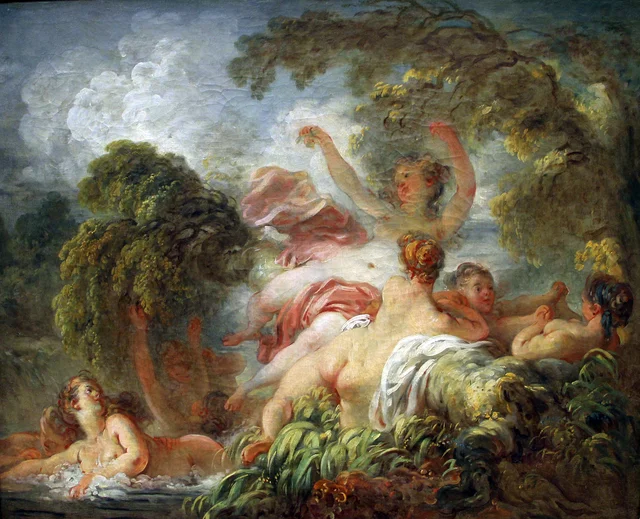 Les BaigneusesJean-Honoré Fragonard, 1765
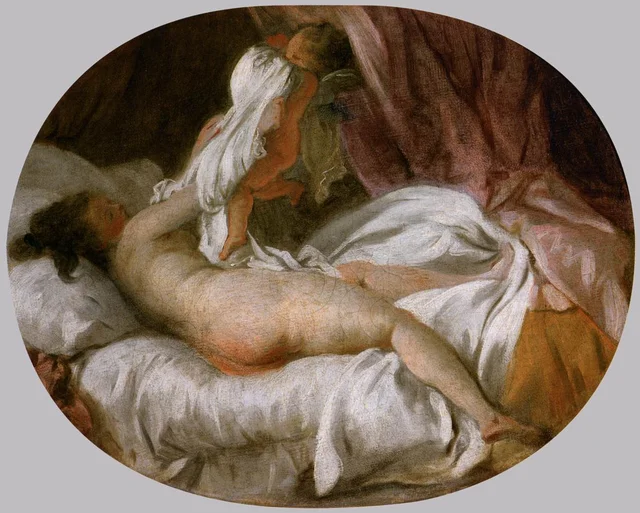 La Chemise enlevéeJean-Honoré Fragonard, 1770
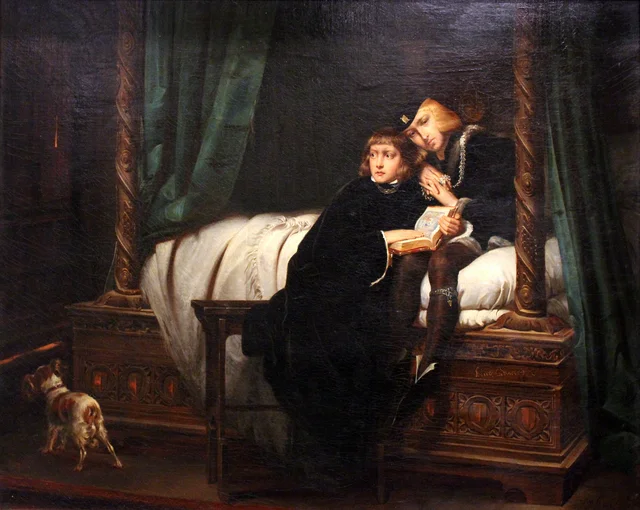 Les Enfants d'ÉdouardPaul Delaroche, 1830
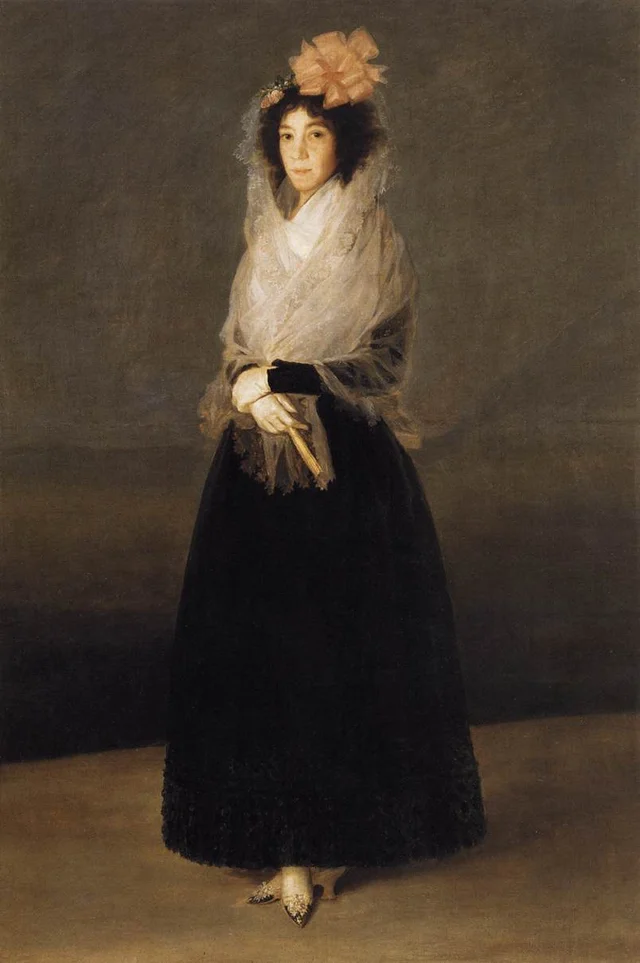 La Comtesse del Carpio, marquise de La SolanaFrancisco Goya, 1793
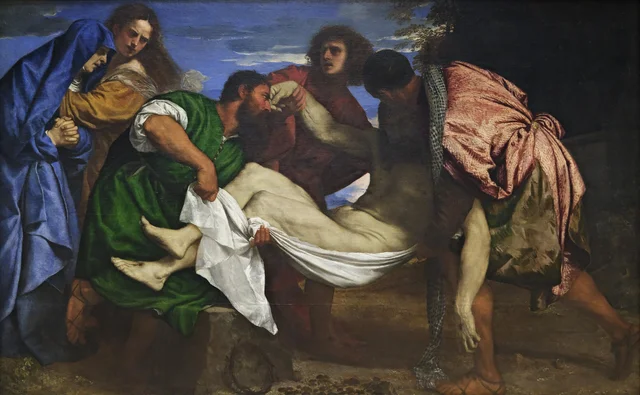 La Mise au tombeauTitien, 1524
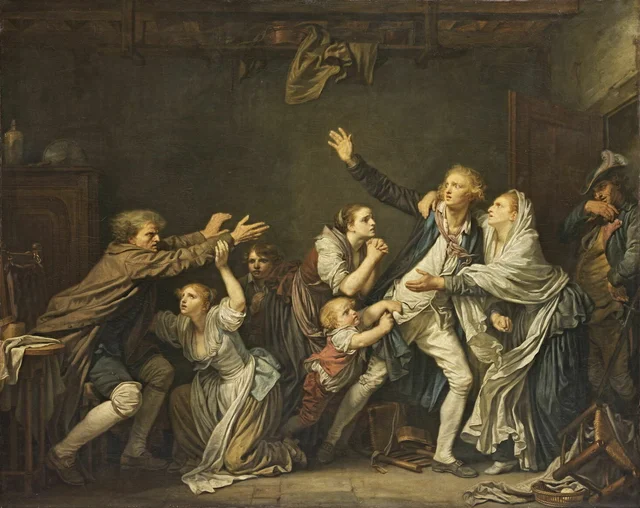 La Malédiction paternelle - Le Fils ingratJean-Baptiste Greuze, 1777
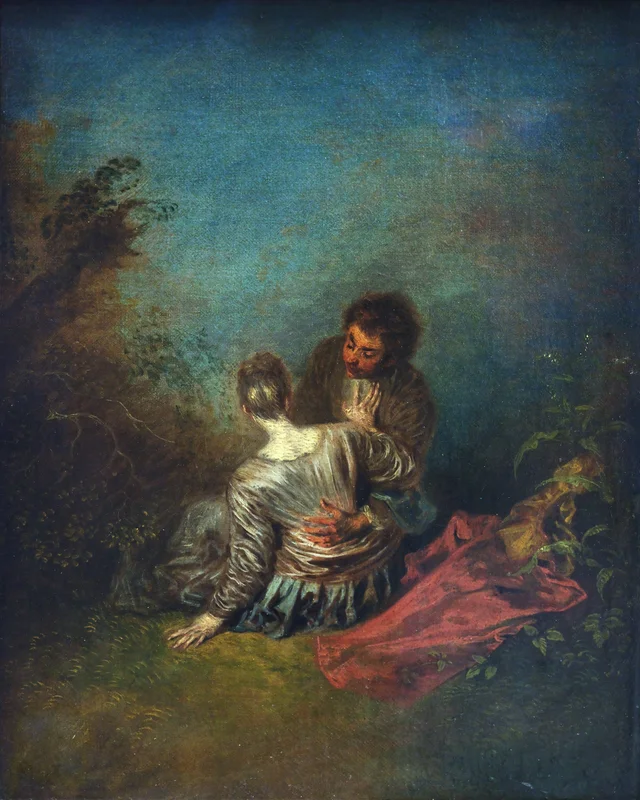 Le Faux PasJean-Antoine Watteau, 1717
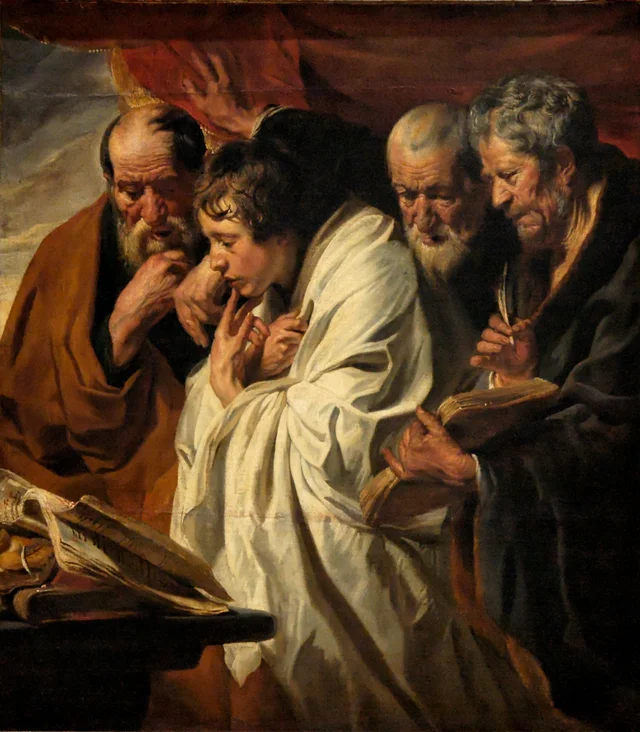 Les Quatre ÉvangélistesJacob Jordaens, 1625
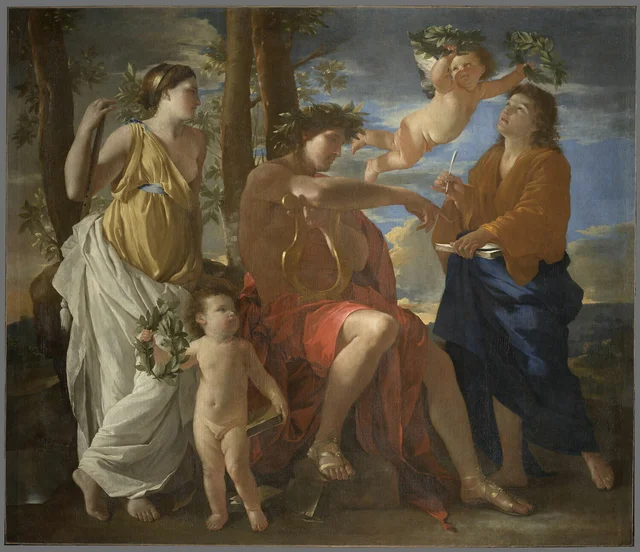 L'Inspiration du poèteNicolas Poussin, 1629
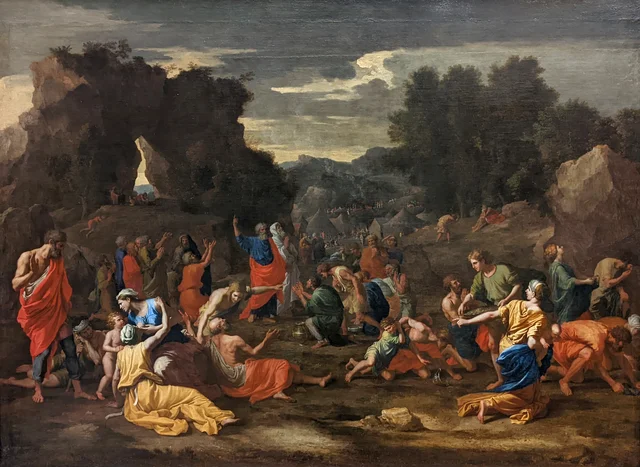 Les Israélites recueillant la manne dans le désertNicolas Poussin, 1638
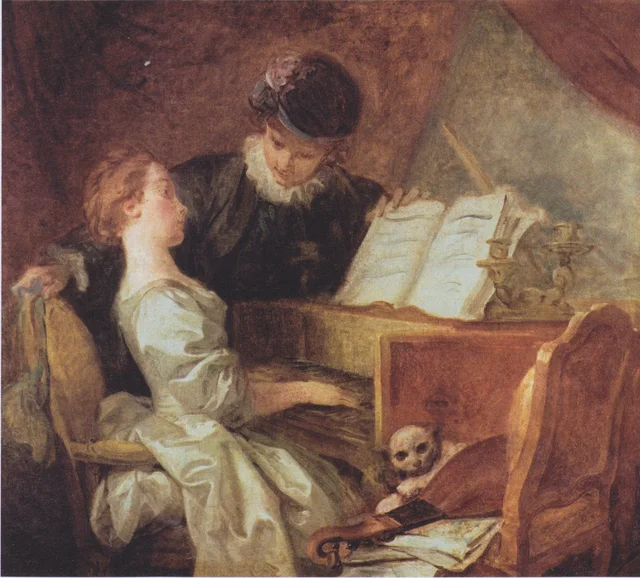 La Leçon de musiqueJean-Honoré Fragonard, 1770
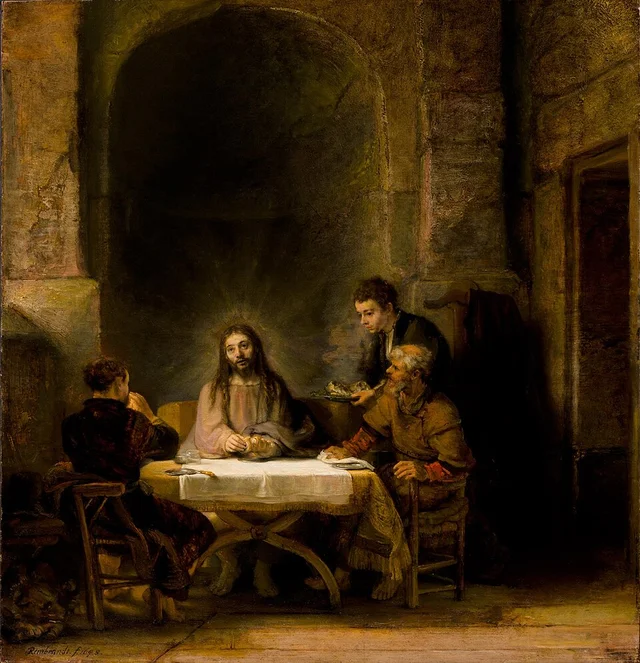 Les Pèlerins d'EmmaüsRembrandt, 1648
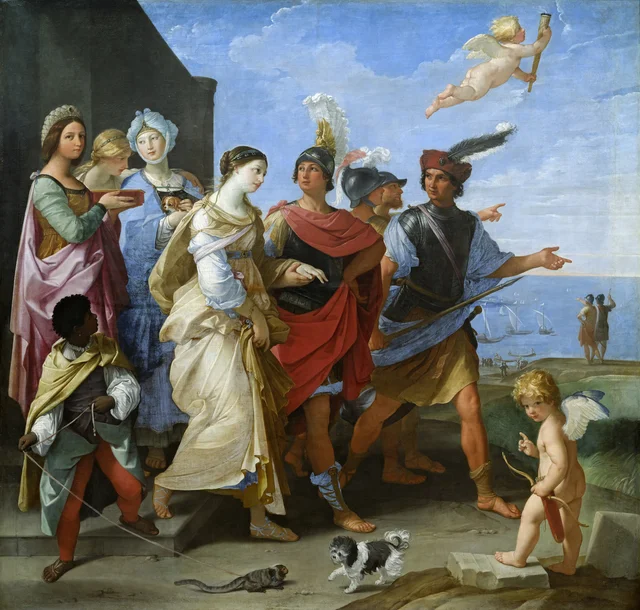 L'Enlèvement d'HélèneGuido Reni, 1631
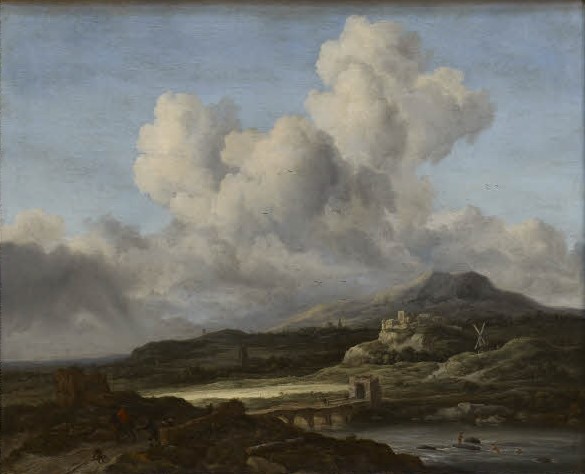 Le Coup de soleilJacob van Ruisdael, 1665
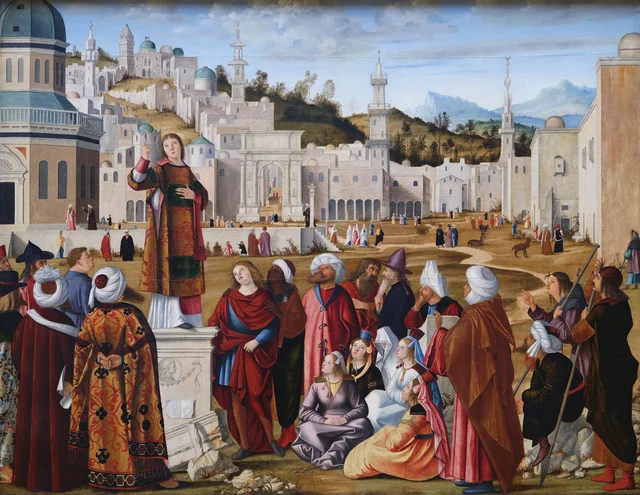 Le Sermon de saint ÉtienneVittore Carpaccio, 1514
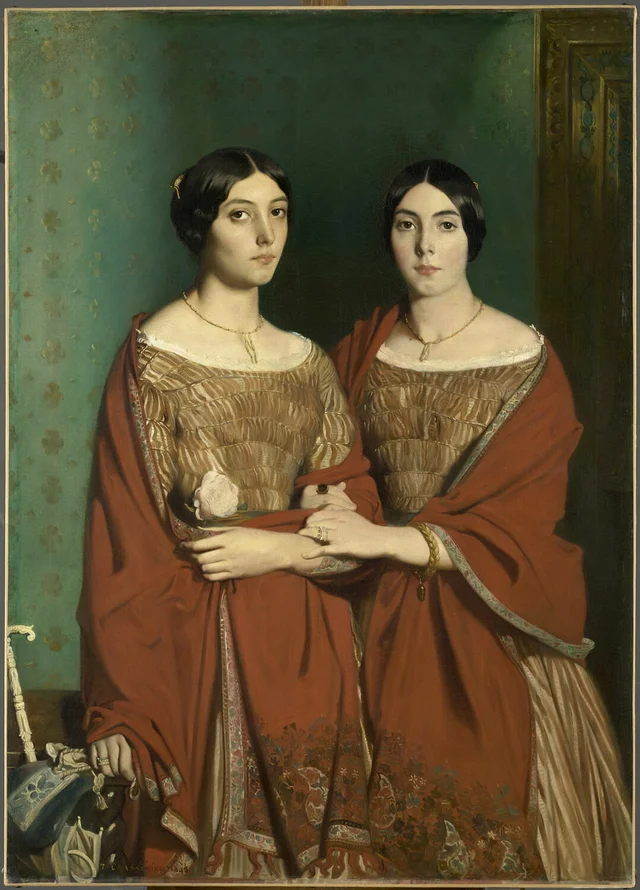 Les Deux SœursThéodore Chassériau, 1843
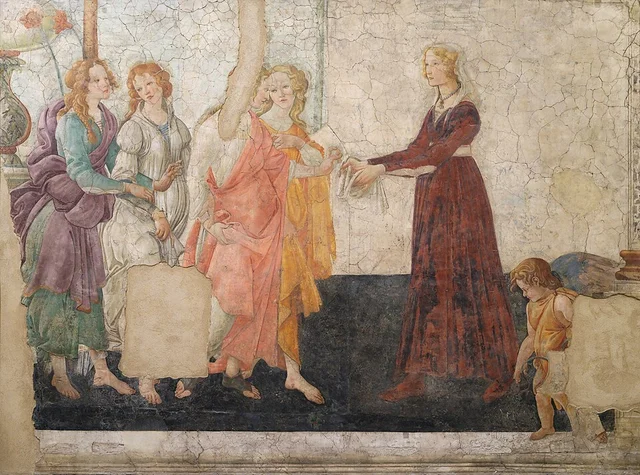 Vénus et les trois Grâces offrant des présents à Giovanna degli AlbizziSandro Botticelli, 1484
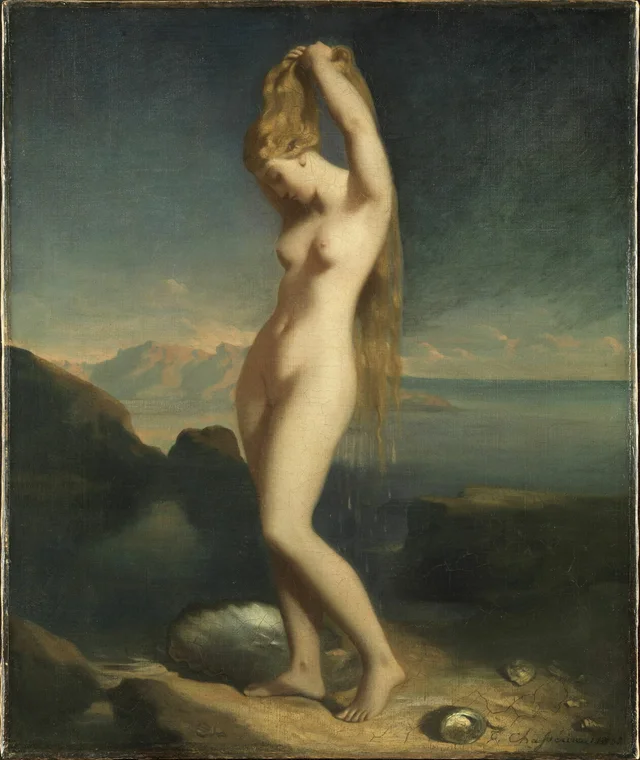 Vénus marineThéodore Chassériau, 1838
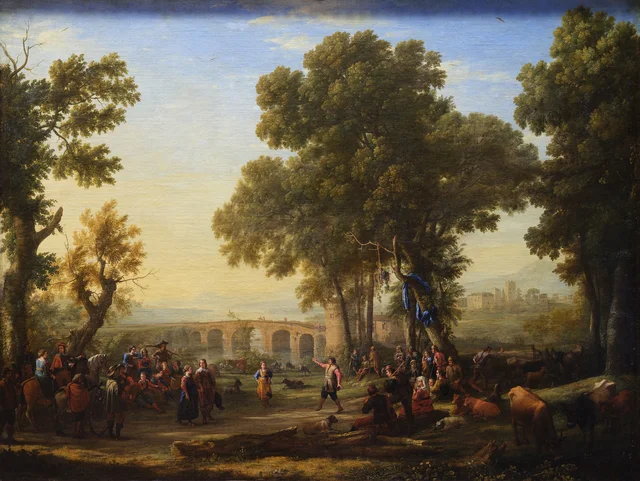 Fête villageoiseClaude Lorrain, 1639
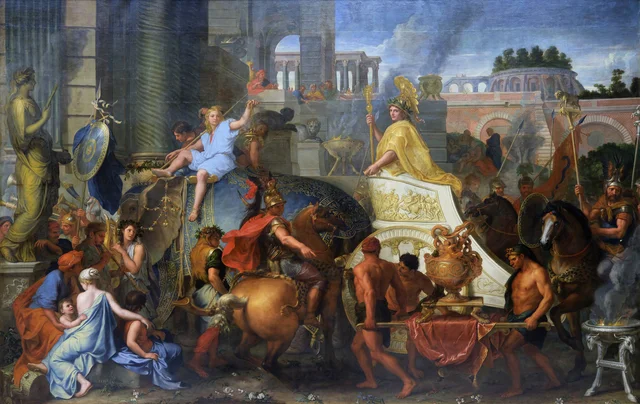 L'Entrée d'Alexandre dans BabyloneCharles Le Brun, 1664
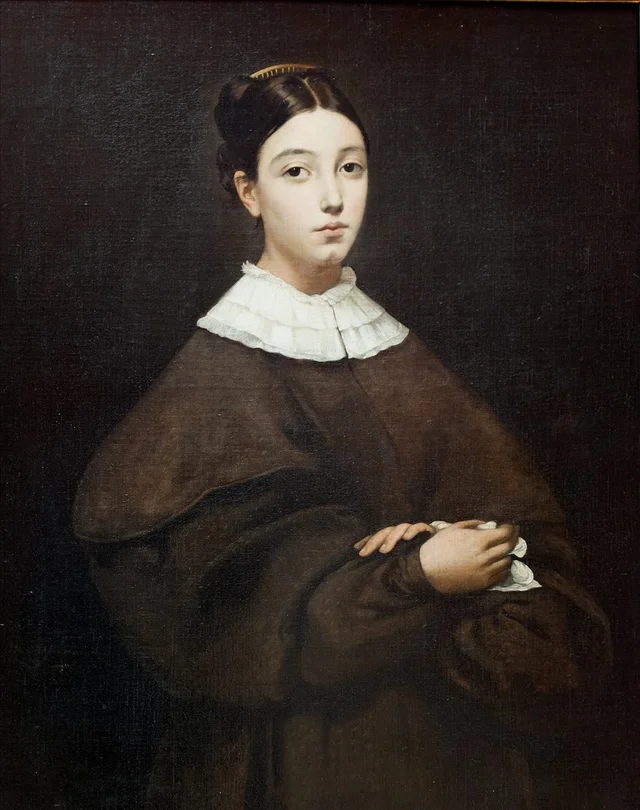 Aline ChassériauThéodore Chassériau, 1835
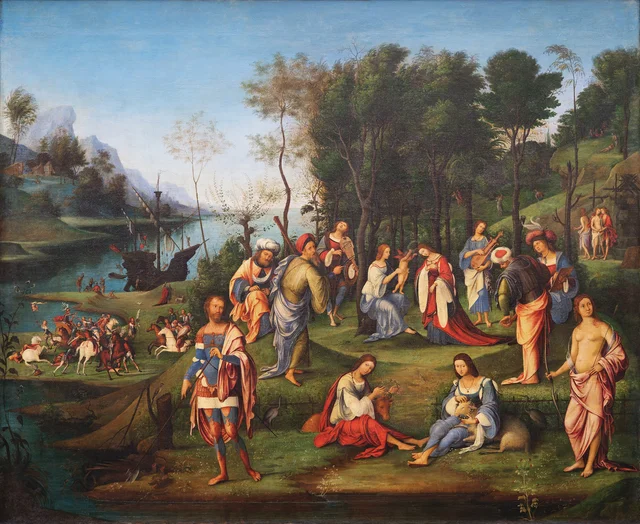 Allégorie du couronnement d'Isabelle d'EsteLorenzo Costa, 1506
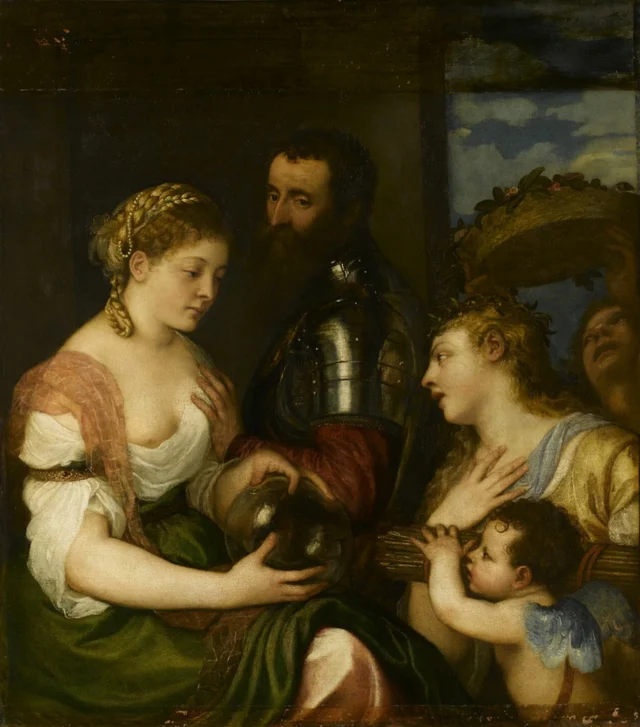 Allégorie conjugaleTitien, 1532
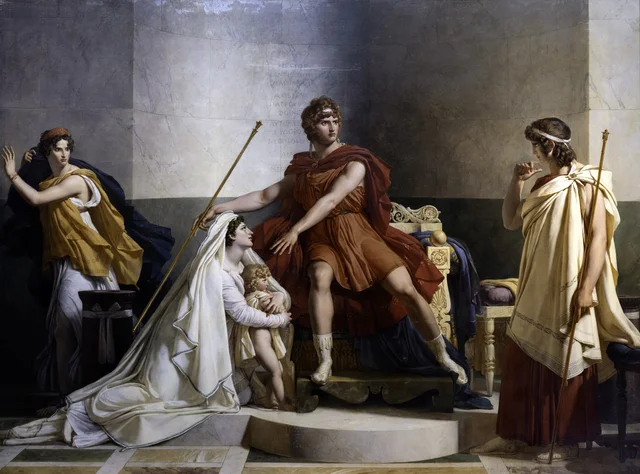 Andromaque et PyrrhusPierre-Narcisse Guérin, 1810
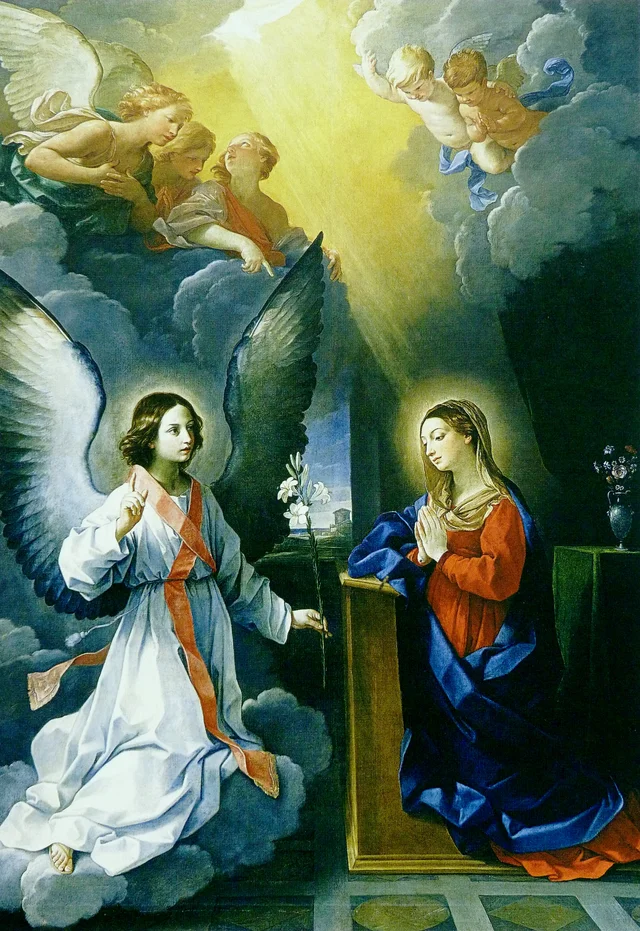 AnnonciationGuido Reni, 1629