L'histoire
Le Louvre a commencé comme une forteresse. Philippe Auguste l'éleva sur la rive droite de la Seine vers 1190 pour garder le Paris médiéval, et au fil des siècles les rois de France le transformèrent en palais royal, jusqu'à ce que Louis XIV installe sa cour à Versailles en 1682 et laisse les salles inachevées à la collection royale et aux artistes logés à l'intérieur.
La Révolution en fit un musée public. Le 10 août 1793, le Muséum central des arts ouvrit ses portes, montrant l'art confisqué de la couronne et de l'Église à tout citoyen qui souhaitait entrer. Napoléon le remplit du butin de ses campagnes et le rebaptisa brièvement de son nom. Beaucoup fut rendu après Waterloo, mais l'idée demeura, une collection nationale ordonnée pour l'étude et gratuite pour le public.
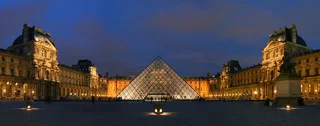
Aujourd'hui le Louvre conserve plus de 35 000 œuvres, de la Vénus de Milo au Radeau de la Méduse de Géricault. La foule, pourtant, se presse vers un petit portrait. En août 1911, il disparut : Vincenzo Peruggia, un homme à tout faire italien qui avait travaillé au musée, décrocha La Joconde de Léonard et la sortit sous son manteau. Pendant deux ans le cadre resta vide tandis que les visiteurs venaient contempler l'absence, et le tableau ne revint qu'en 1913, après que Peruggia eut tenté de le vendre à un marchand de Florence. La pyramide de verre de I. M. Pei, posée dans la cour en 1989, marque désormais l'entrée.
Autres articles
Collection
1 174 œuvres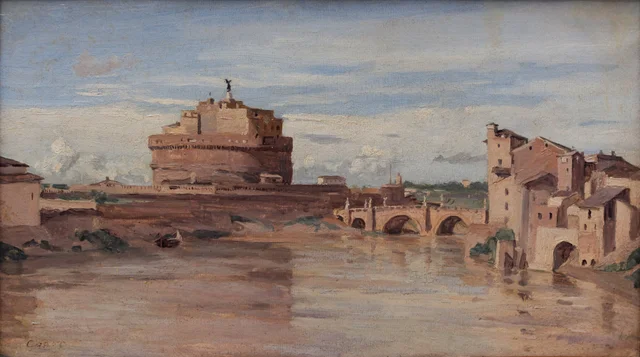 Le Château Saint-Ange et le TibreJean-Baptiste Camille Corot, 1826
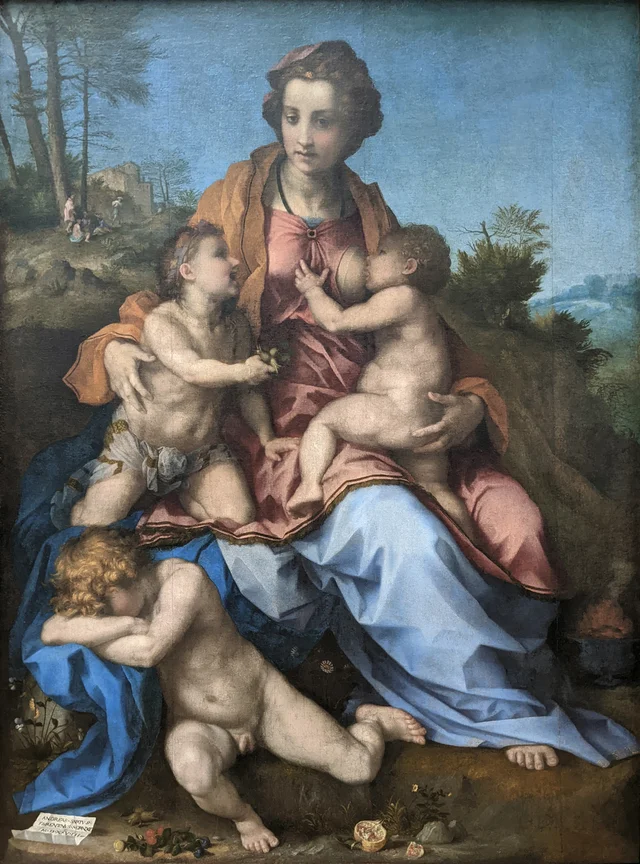 La CharitéAndrea del Sarto, 1518
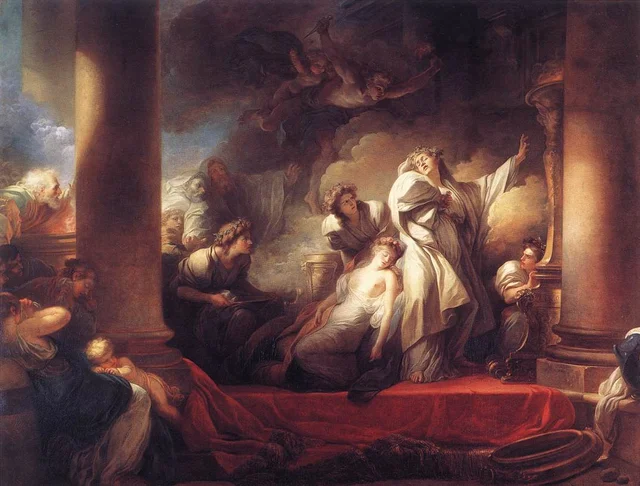 Corésus se sacrifiant pour sauver CallirhoéJean-Honoré Fragonard, 1765
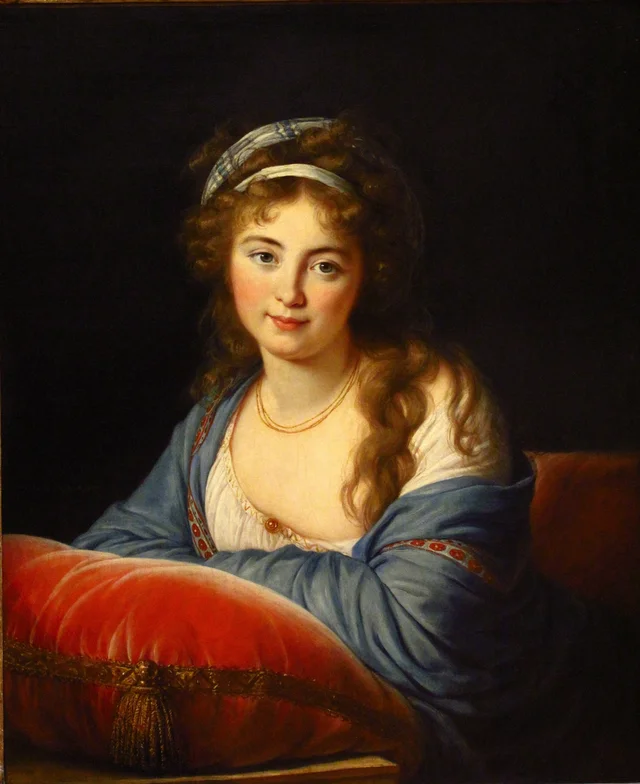 La comtesse Ekaterina Vassilievna SkavronskaïaÉlisabeth Louise Vigée Le Brun, 1796
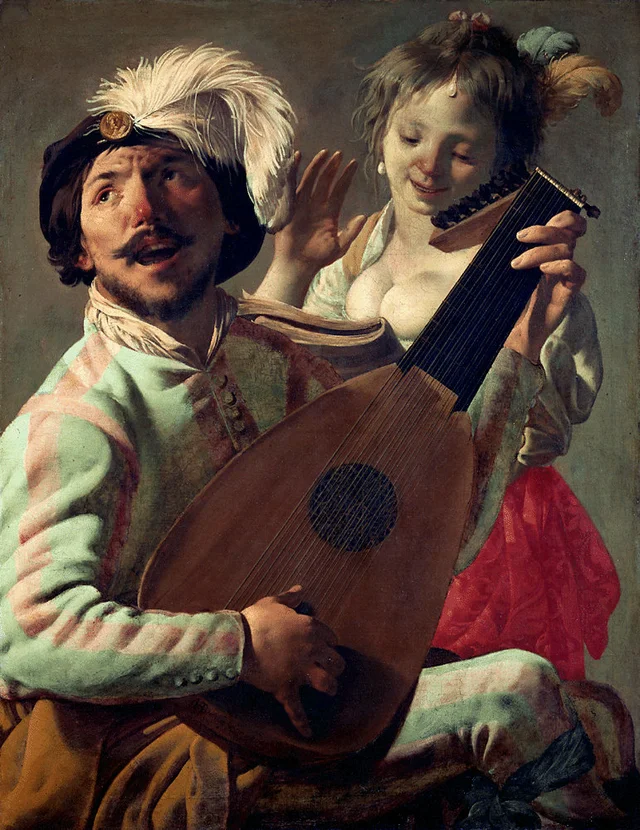 DuoHendrick ter Brugghen, 1628
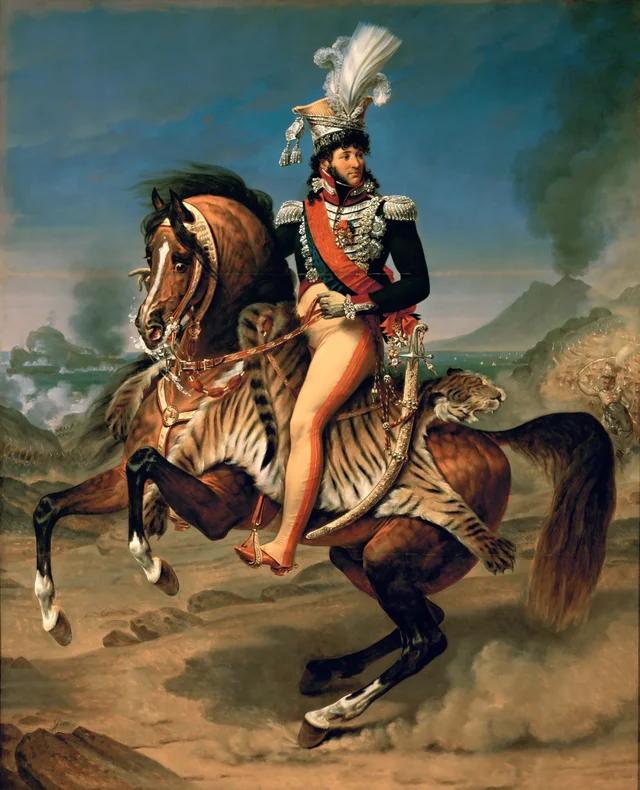 Portrait équestre de Joachim MuratAntoine-Jean Gros, 1812
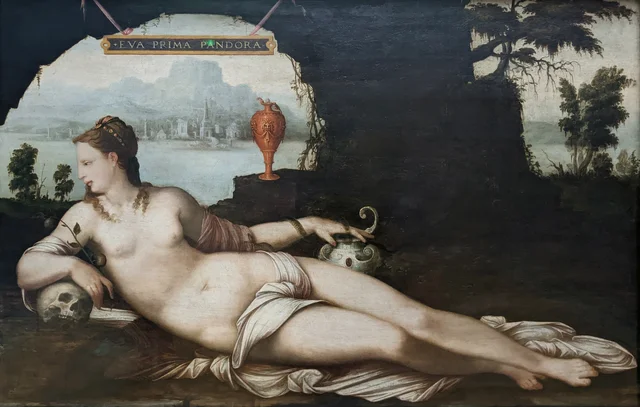 Eva Prima PandoraJean Cousin, 1550
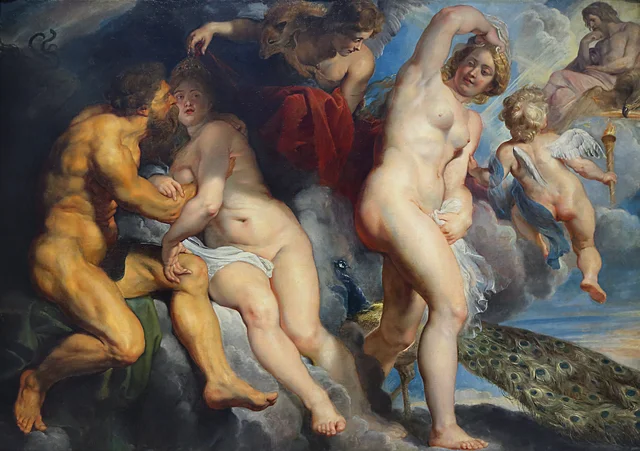 Ixion, roi des Lapithes, trompé par Junon qu'il voulait séduirePierre Paul Rubens, 1615
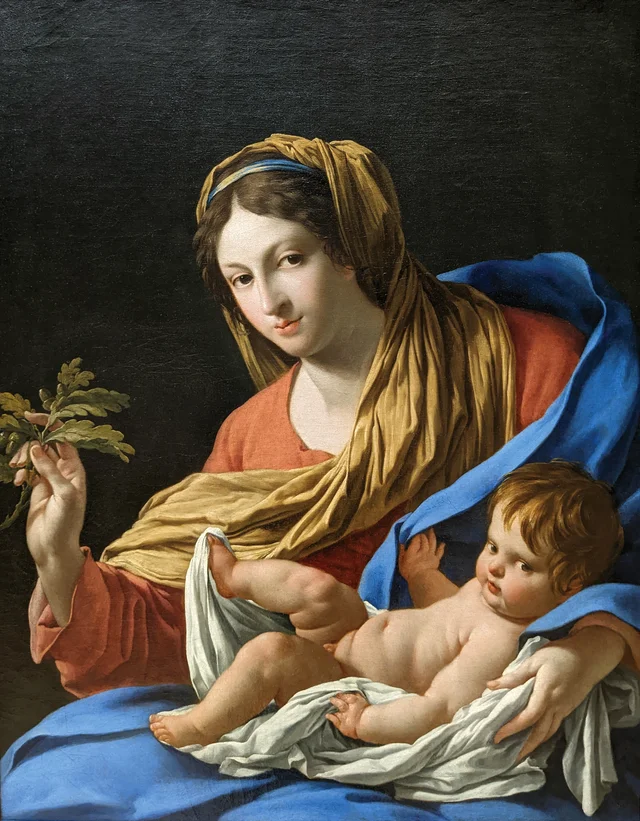 Vierge à l'EnfantSimon Vouet, 1640
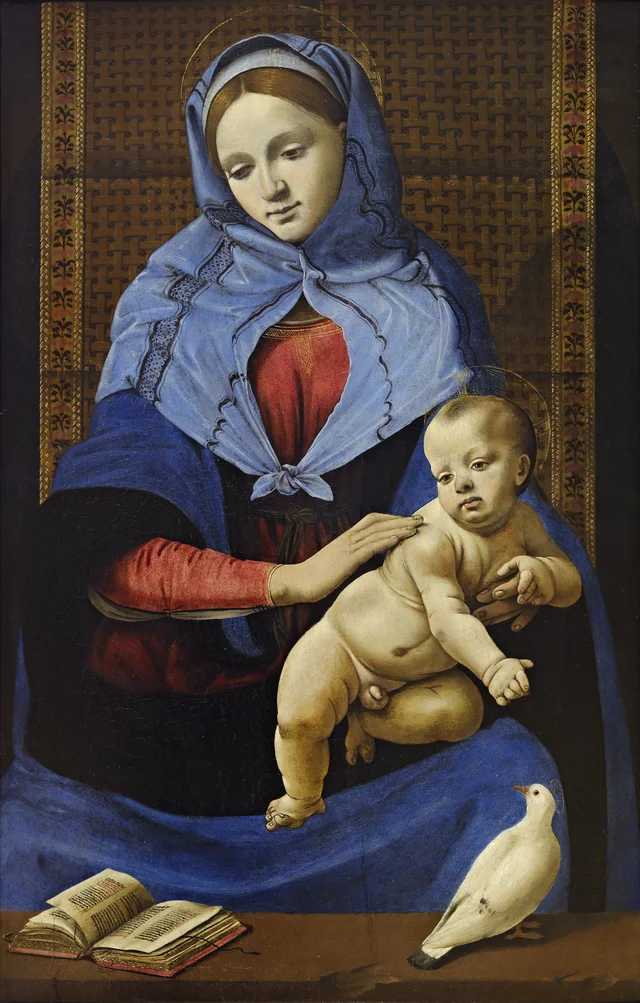 Vierge à l'Enfant avec une colombePiero di Cosimo, 1490
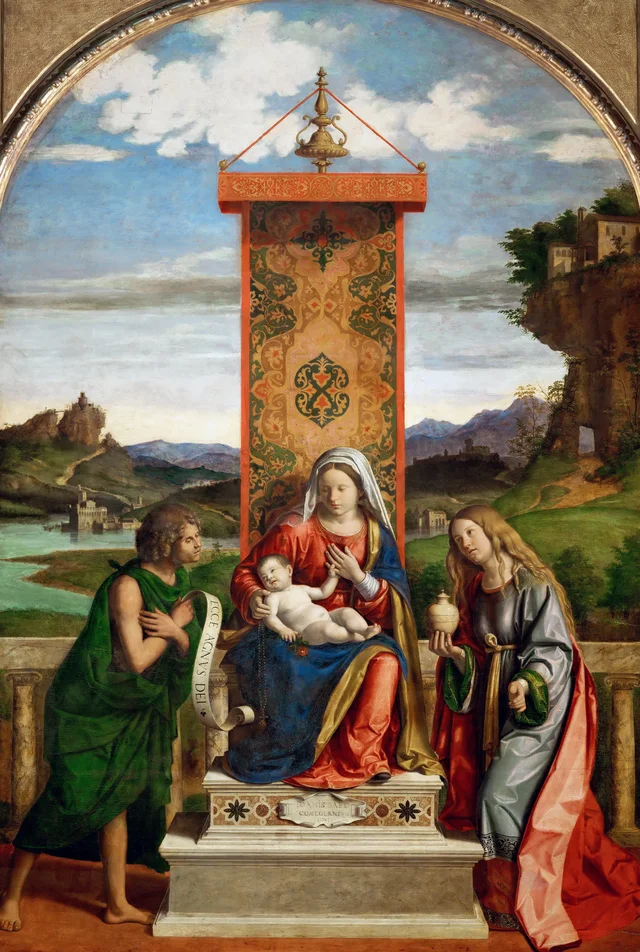 Vierge à l'Enfant avec saint Jean-Baptiste et Marie MadeleineGiovanni Battista Cima da Conegliano, 1511
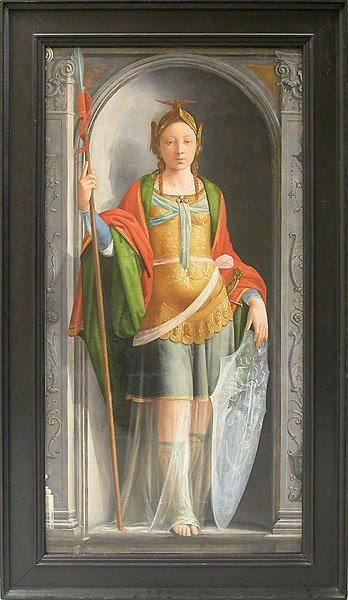 MinerveFra Bartolomeo, 1490
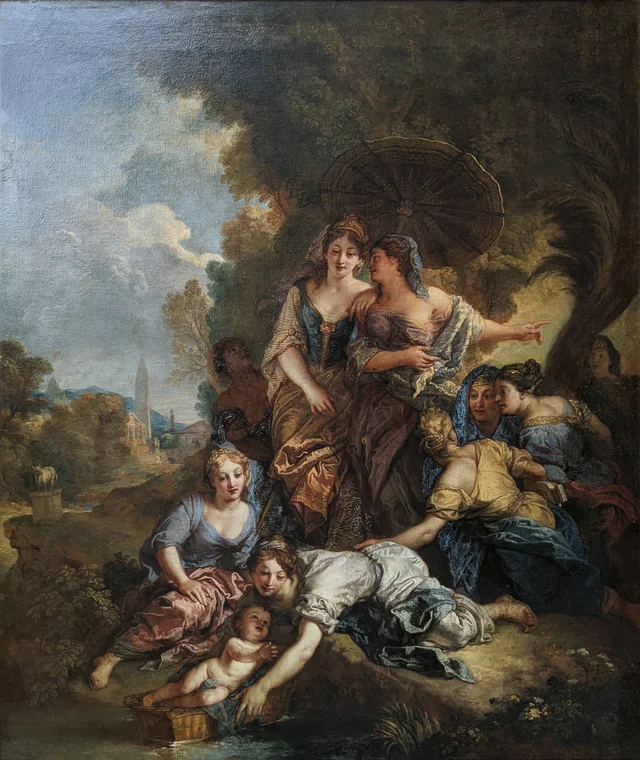 Moïse sauvé des eauxCharles de La Fosse, 1701
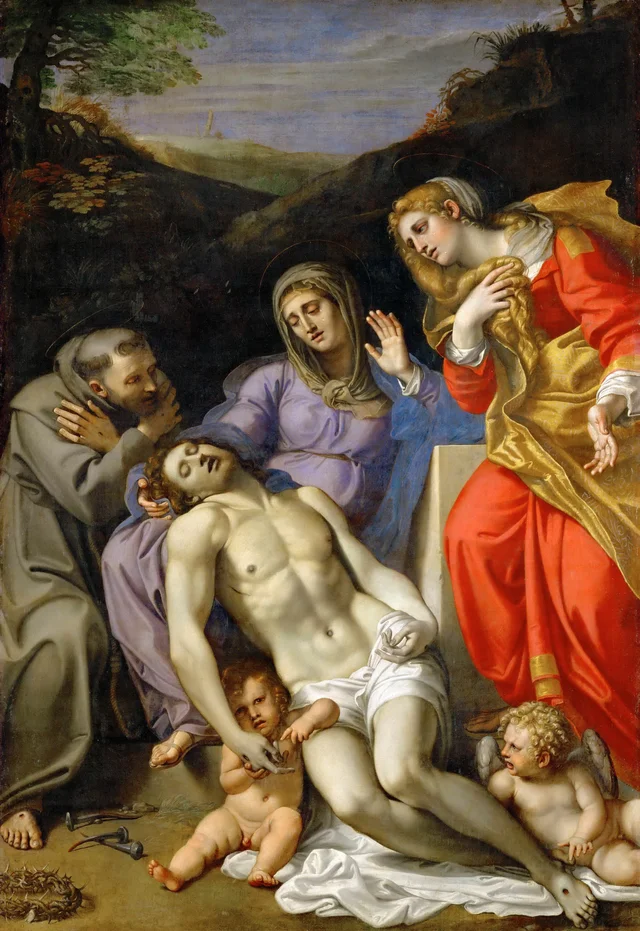 Piété avec saint François et sainte Marie MadeleineAnnibal Carrache, 1602
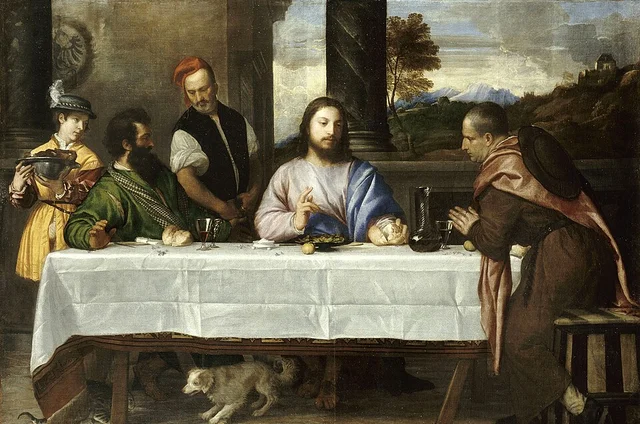 Les Pèlerins d'EmmaüsTitien, 1533
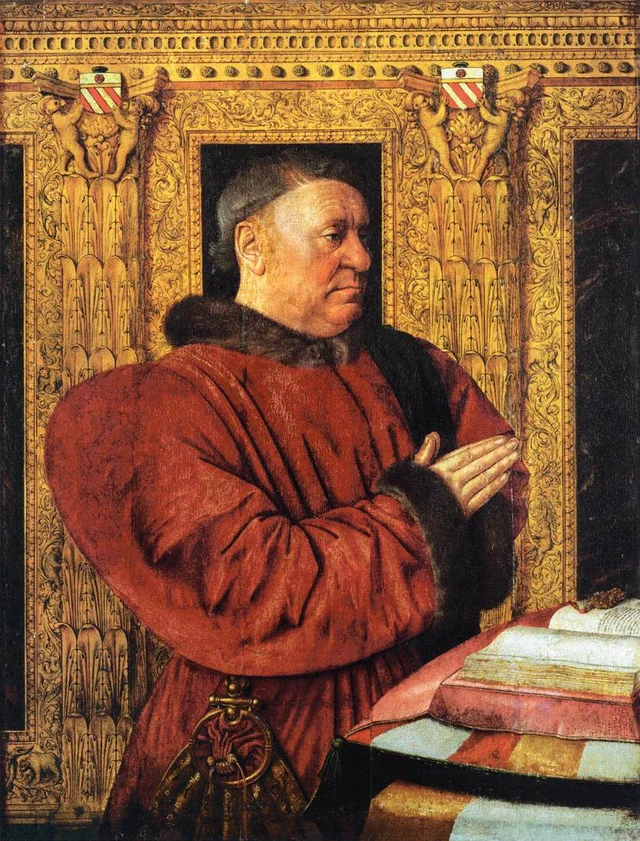 Portrait de Guillaume Jouvenel des UrsinsJean Fouquet, 1460
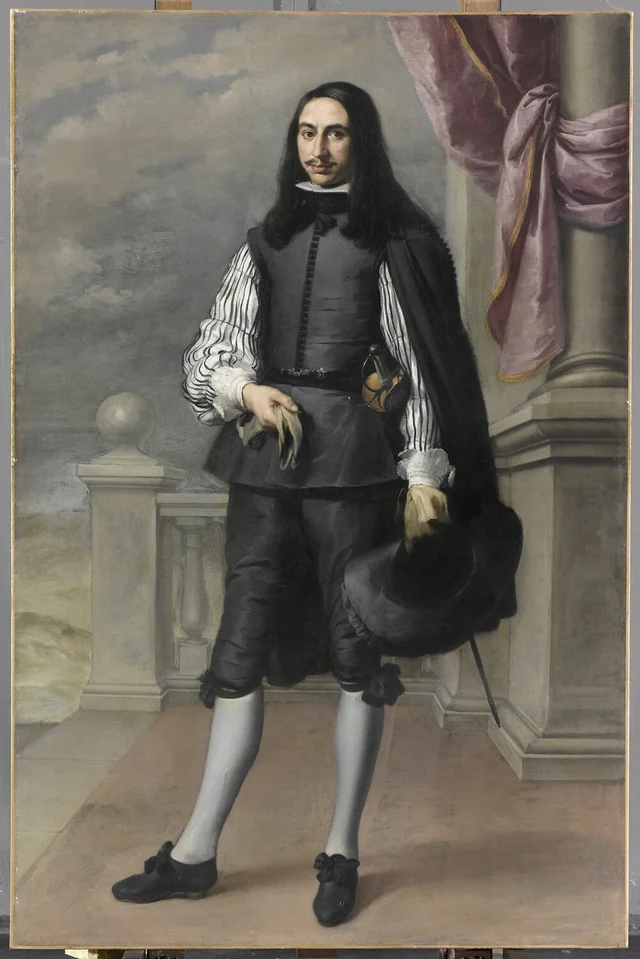 Portrait d'Íñigo Fernández de VelascoBartolomé Esteban Murillo, 1659
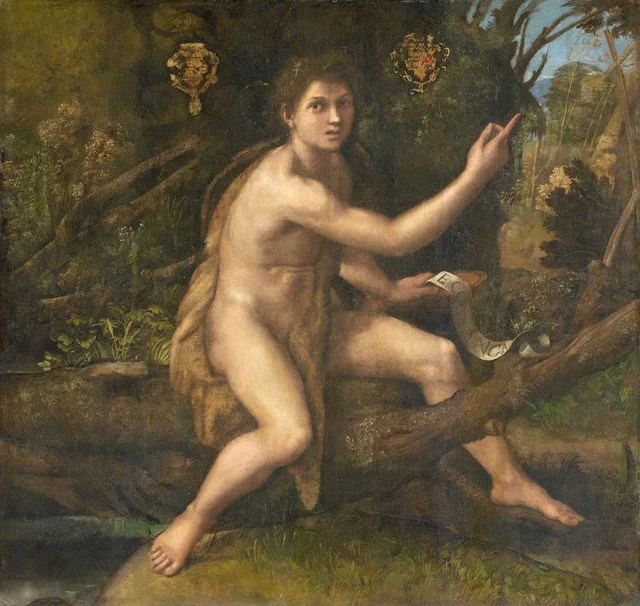 Saint Jean-Baptiste au désertRaphaël, 1516
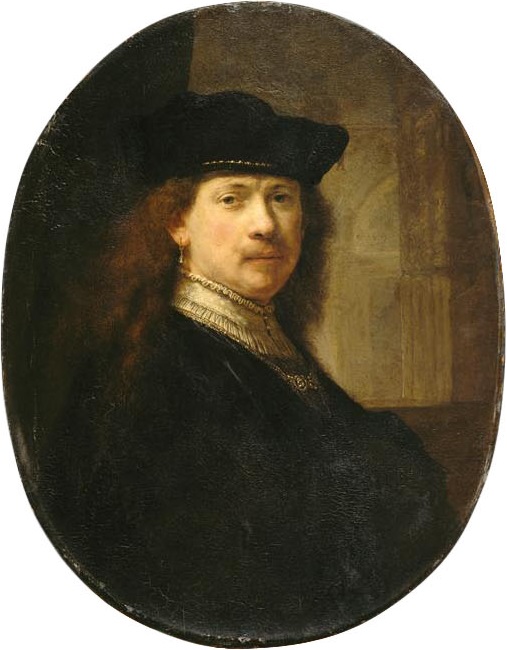 Autoportrait avec des éléments architecturaux en arrière-planRembrandt, 1639
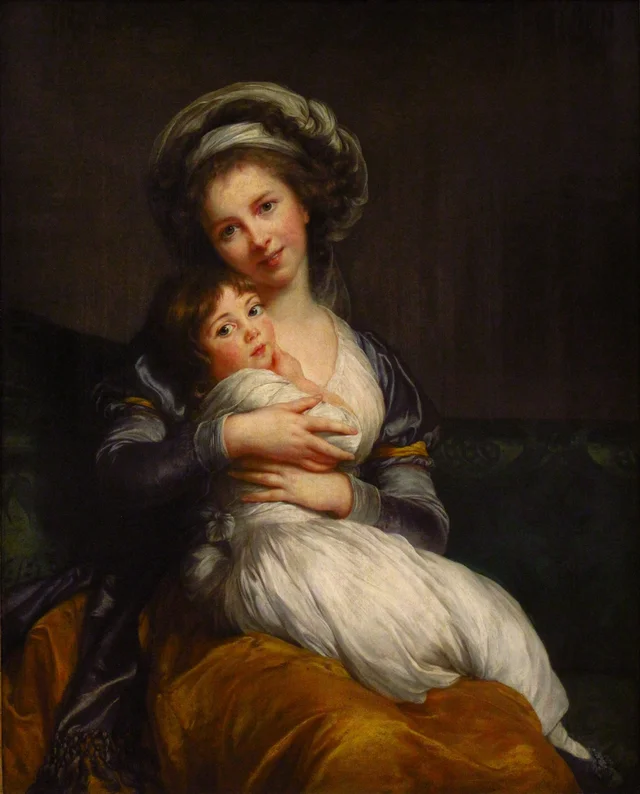 Madame Vigée Le Brun et sa fille JulieÉlisabeth Louise Vigée Le Brun, 1786
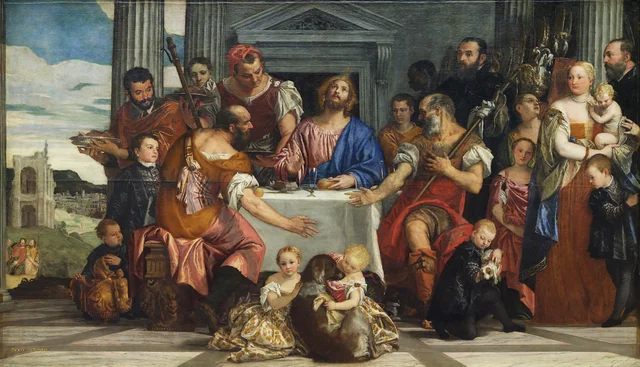 Les Pèlerins d'EmmaüsPaolo Véronèse, 1559
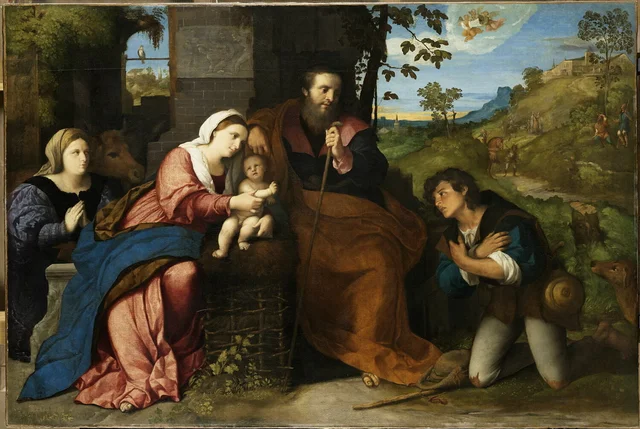 L'Adoration des bergers avec un donateurPalma l'Ancien, 1520
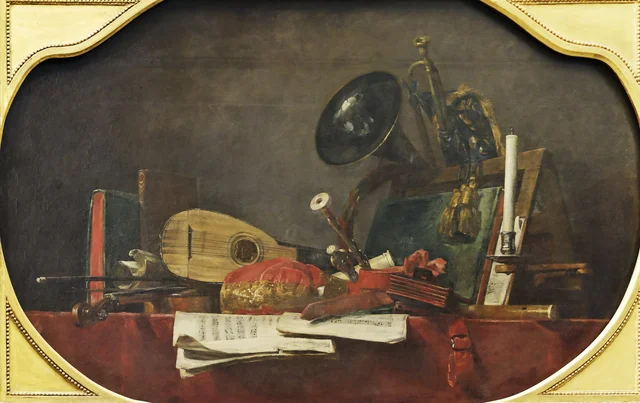 Les Attributs de la musiqueJean-Baptiste-Siméon Chardin, 1765
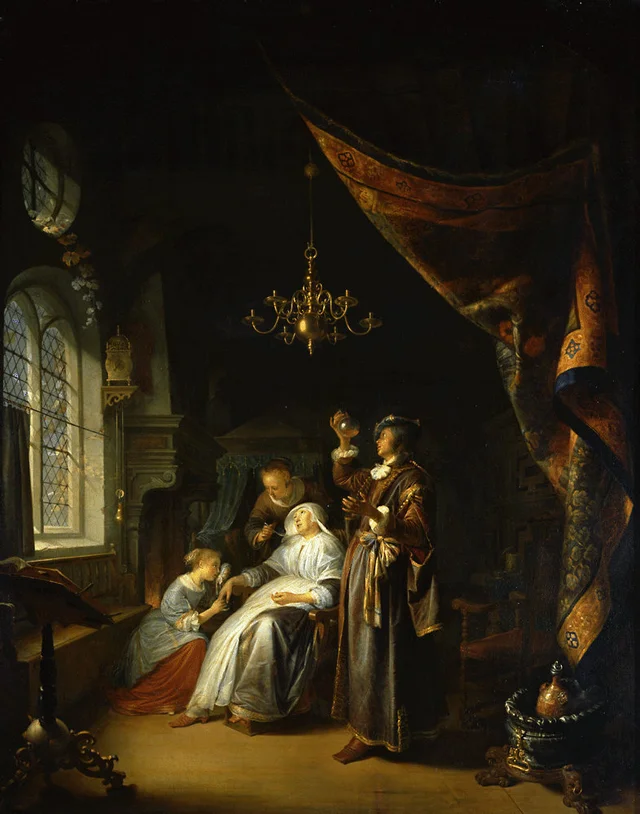 La Femme hydropiqueGerrit Dou, 1663
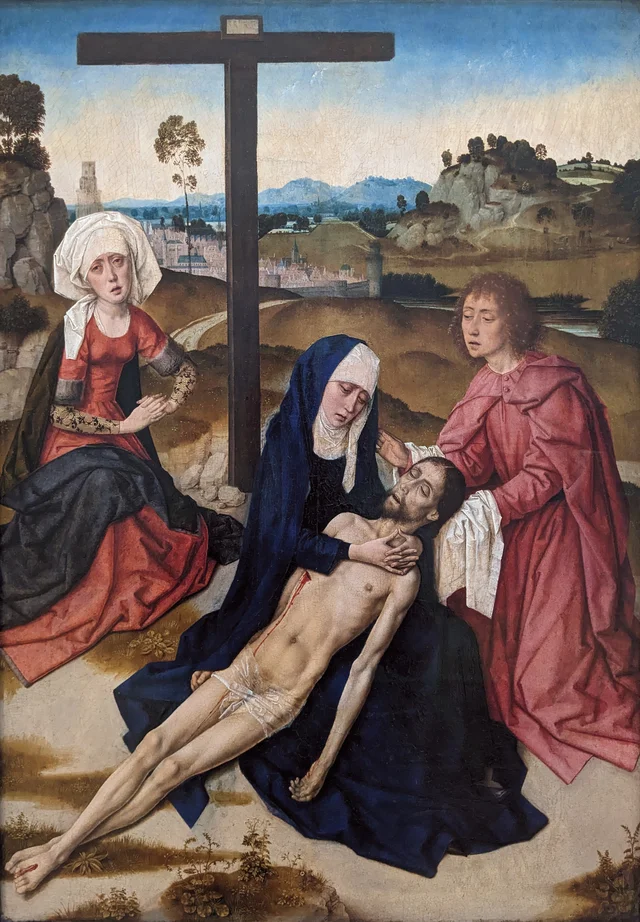 La Lamentation sur le Christ mortDirk Bouts, 1460