L'histoire
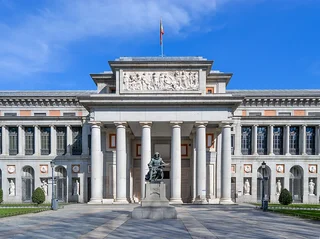
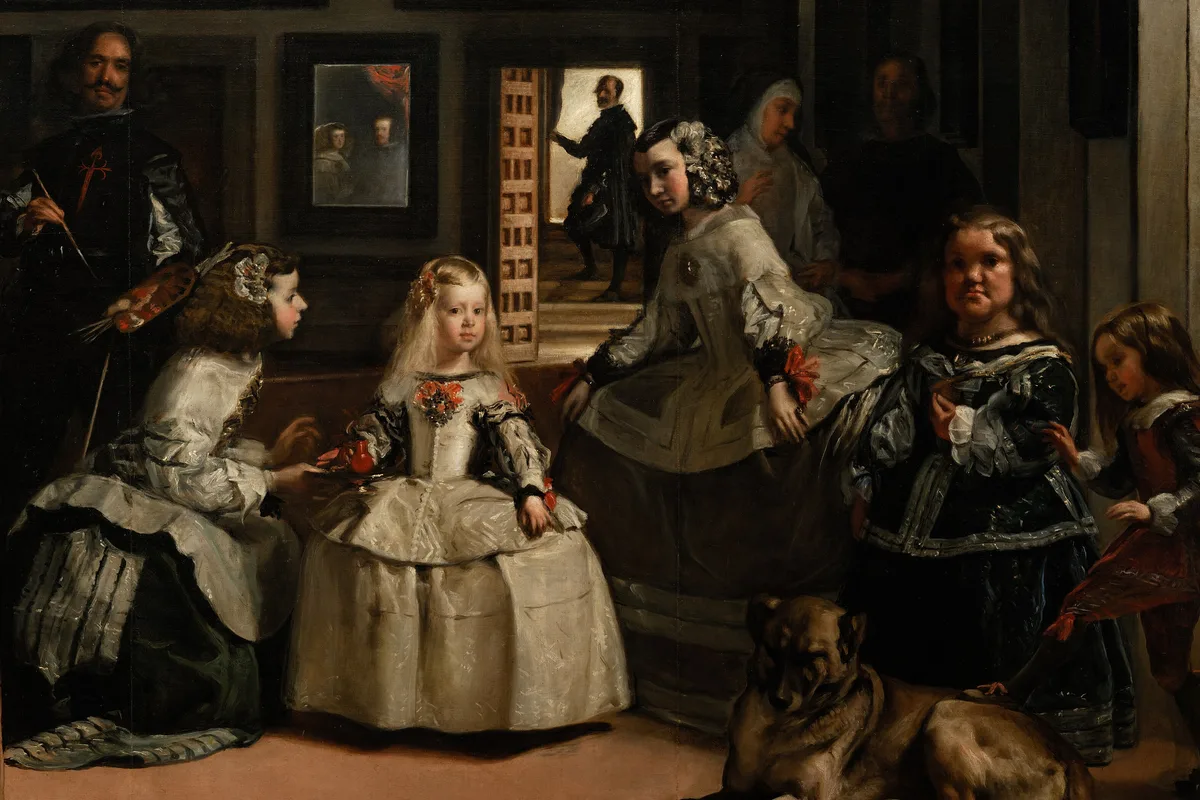
Le Prado est la collection d'un roi rendue publique. Pendant trois siècles, les Habsbourg puis les Bourbons d'Espagne achetèrent et commandèrent à l'échelle royale, et leur goût est le musée : le Titien et Rubens que les rois aimaient, Vélasquez qui servit la cour d'Espagne presque toute sa vie. Ses Ménines sont accrochées au cœur du bâtiment, le peintre regardant depuis l'arrière de sa propre toile, dans une salle du vieil Alcázar royal.
La galerie ouvrit en 1819 dans un édifice que l'architecte Juan de Villanueva avait d'abord conçu comme un cabinet de sciences naturelles. Ses murs portent les versants les plus sombres de l'art espagnol autant que sa splendeur, le Tres de Mayo de Goya, le peloton d'exécution levant ses lanternes dans la nuit, et les Peintures noires qu'il appliqua directement sur les murs de sa propre maison, âgé, sourd et retiré du monde, sans jamais vouloir les montrer.
Le plus ancien de ses grands trésors précède ce goût royal espagnol, Le Jardin des délices de Jérôme Bosch, la vision en trois panneaux du paradis, du désir et de l'enfer, entrée plus tard dans la collection de Philippe II et envoyée à son palais-monastère de l'Escurial. Elle attire maintenant les foules vers ce que seule la cour avait jadis le droit de voir.
Autres articles
Collection
870 œuvres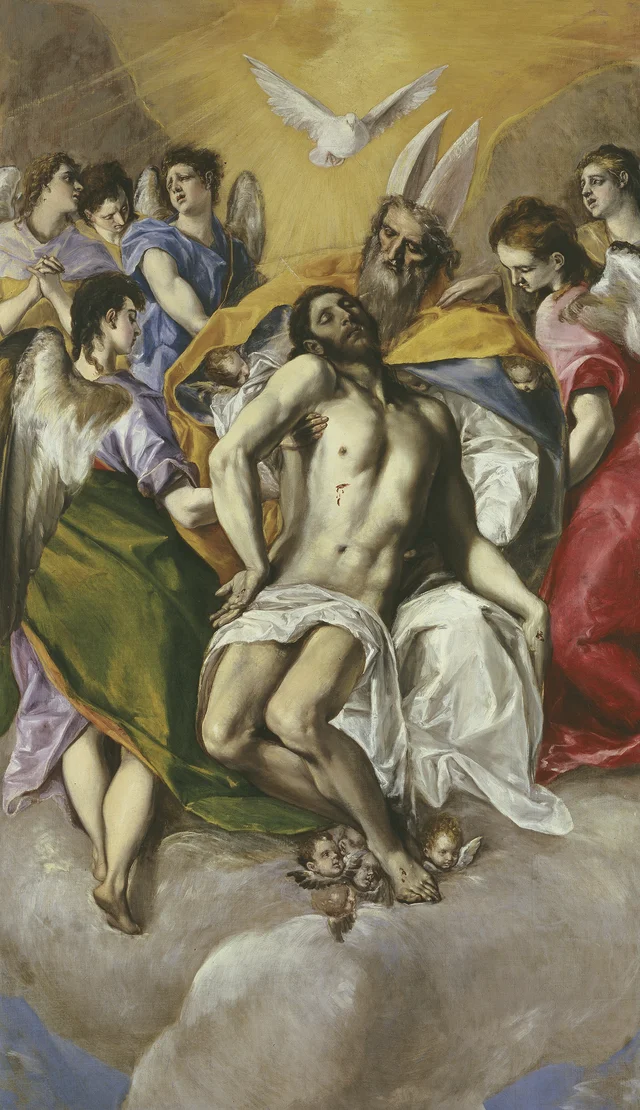 La TrinitéEl Greco, 1577
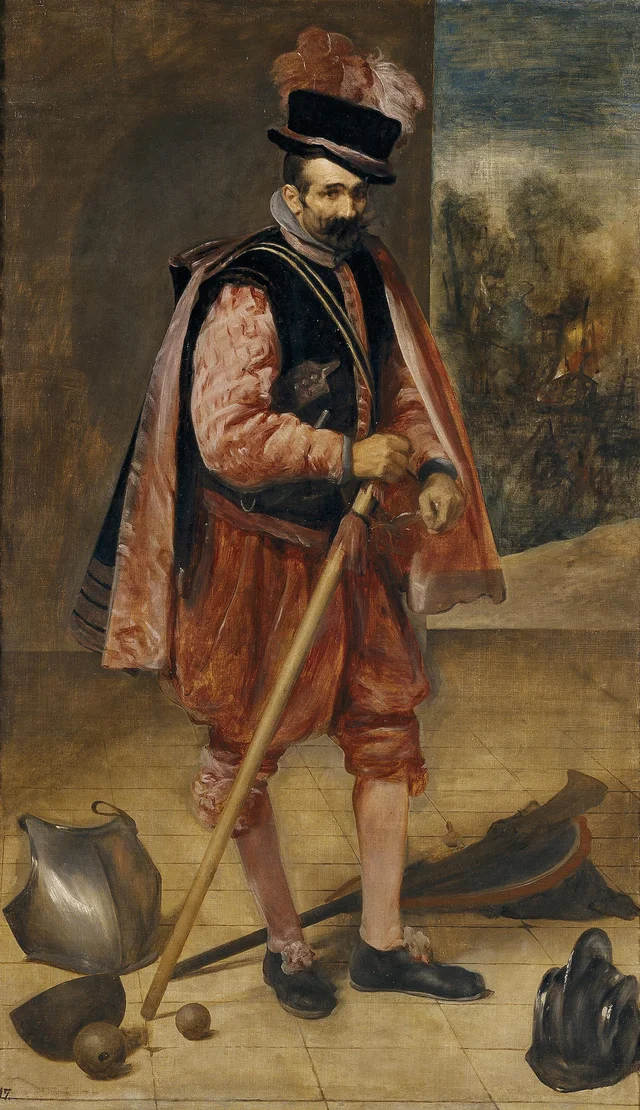 Le bouffon dit Don Juan d'AutricheDiego Vélasquez, 1632
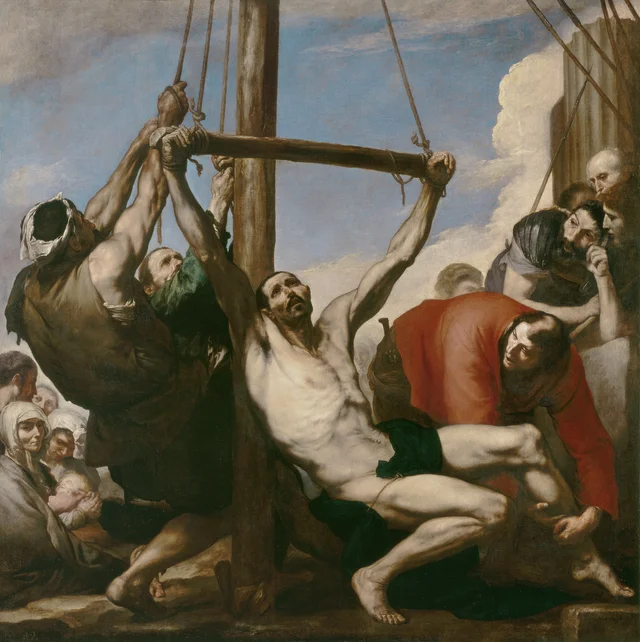 Le Martyre de saint PhilippeJusepe de Ribera, 1639
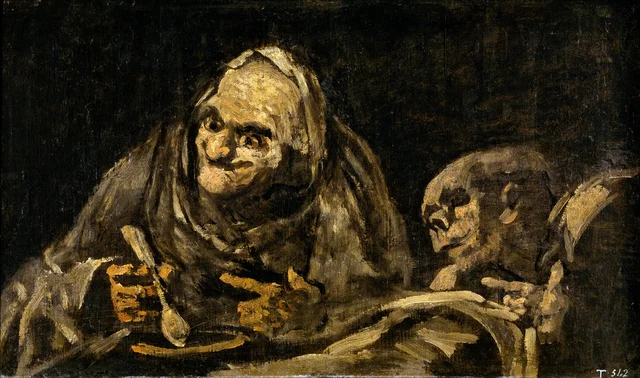 Deux vieillards mangeant de la soupeFrancisco Goya, 1819
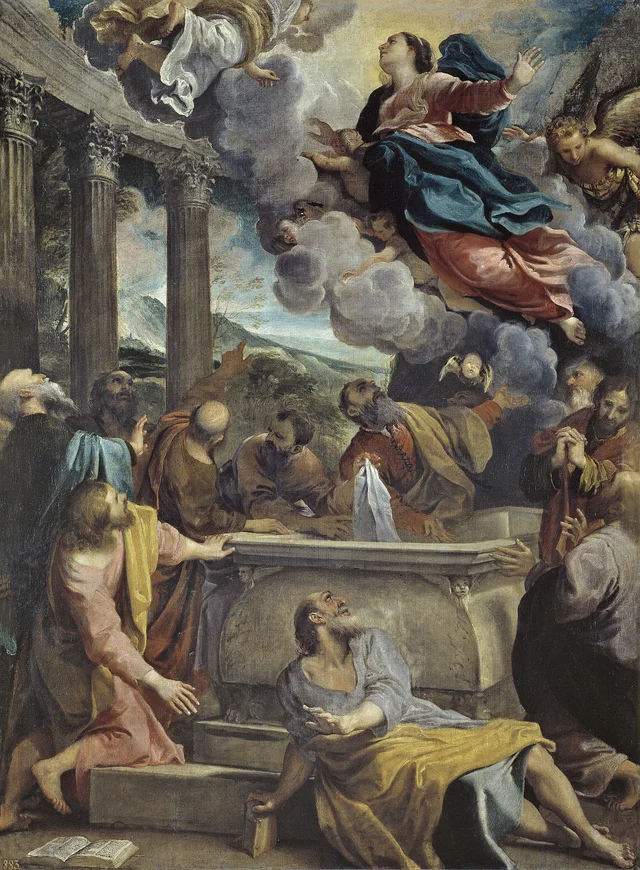 L'Assomption de la ViergeAnnibal Carrache, 1587
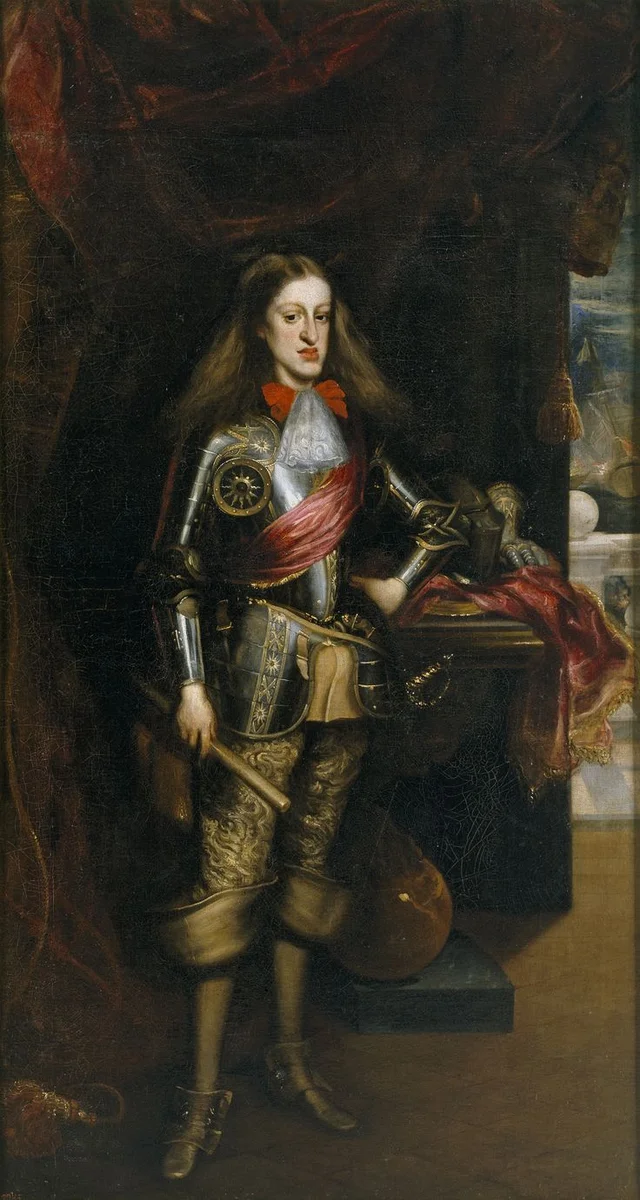 Charles II en armureJuan Carreño de Miranda, 1681
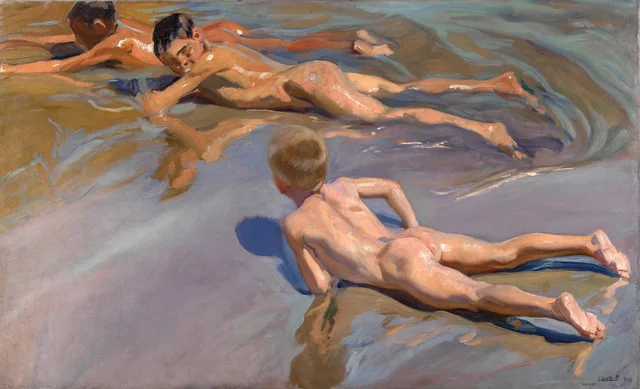 Enfants sur la plageJoaquín Sorolla, 1910
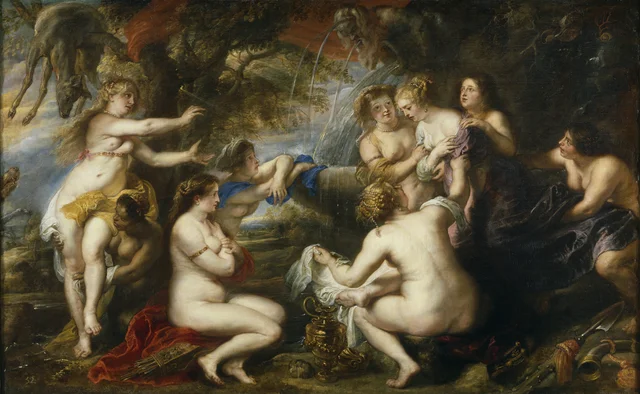 Diane et CallistoPierre Paul Rubens, 1635
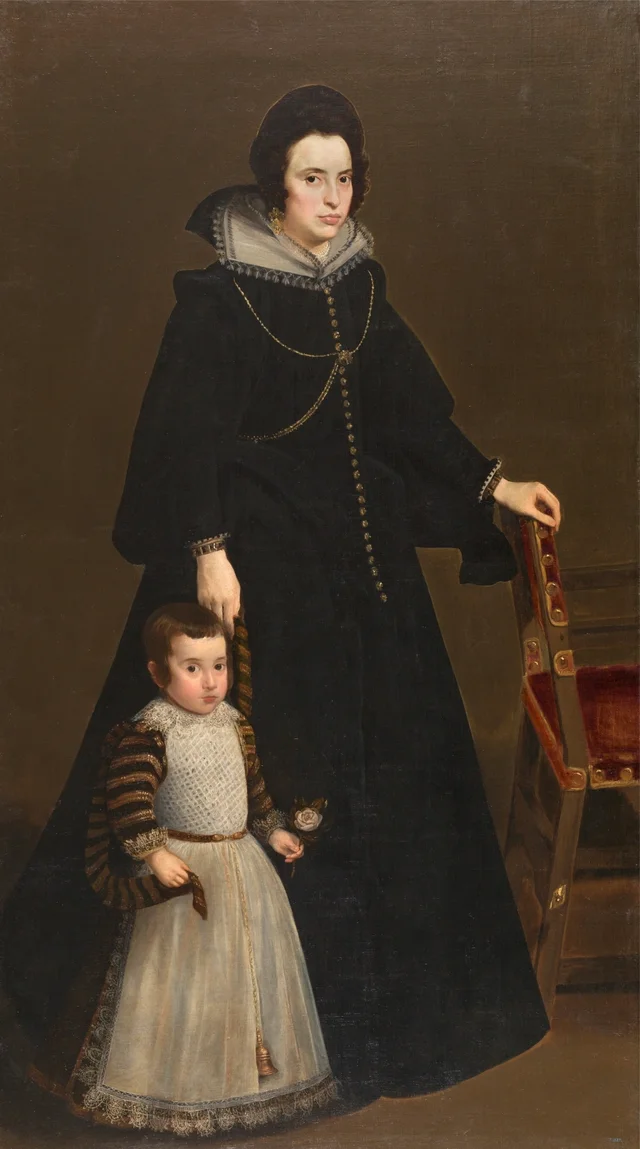 Doña Antonia de Ipeñarrieta y Galdós et son fils don LuisDiego Vélasquez, 1632
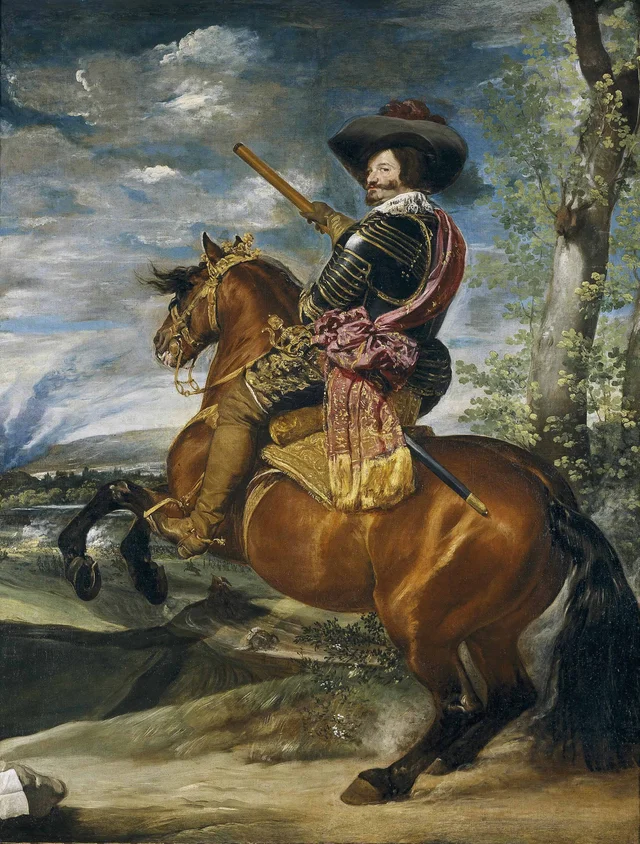 Portrait équestre du comte-duc d’OlivaresDiego Vélasquez, 1636
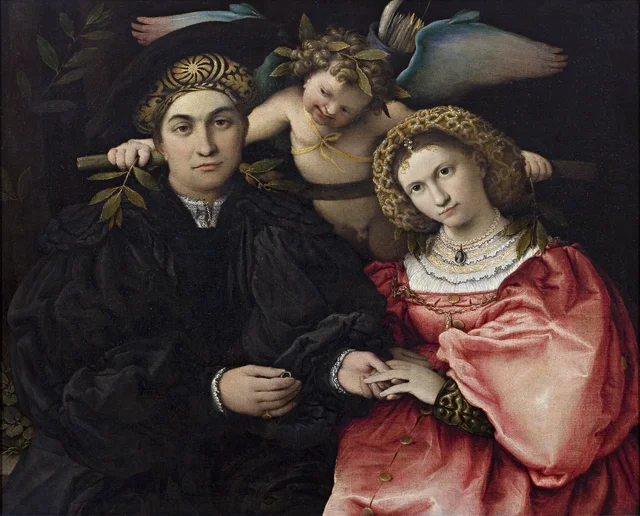 Marsilio Cassotti et son épouse FaustinaLorenzo Lotto, 1523
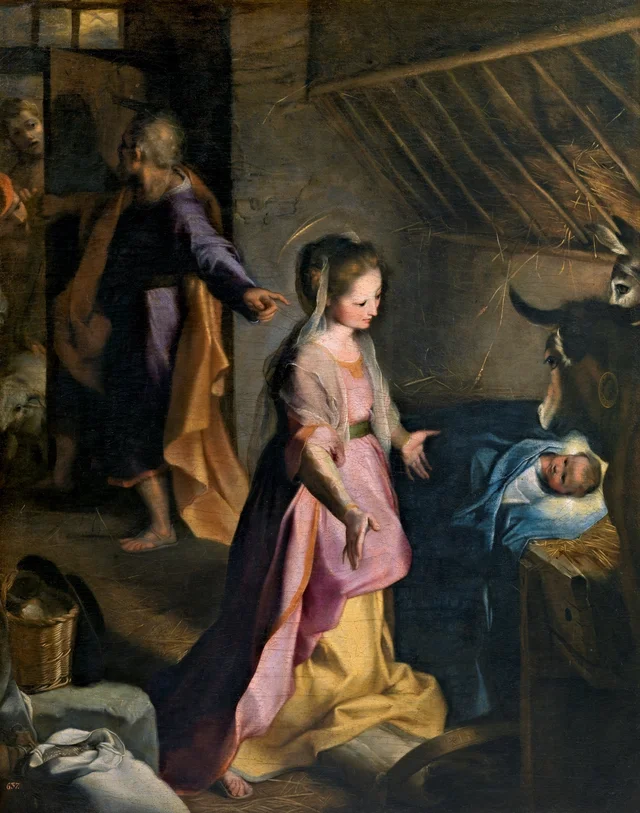 La NativitéFederico Barocci, 1597
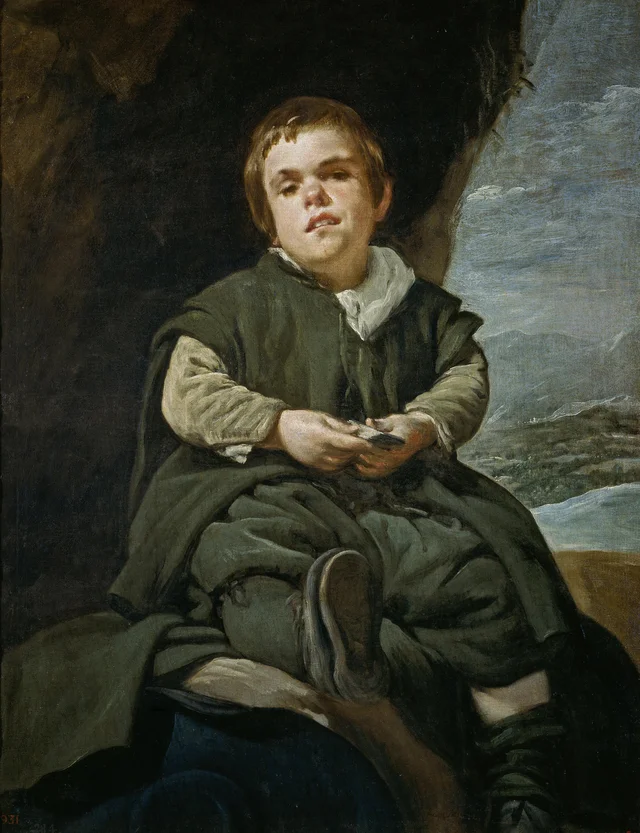 Portrait de Francisco LezcanoDiego Vélasquez, 1634
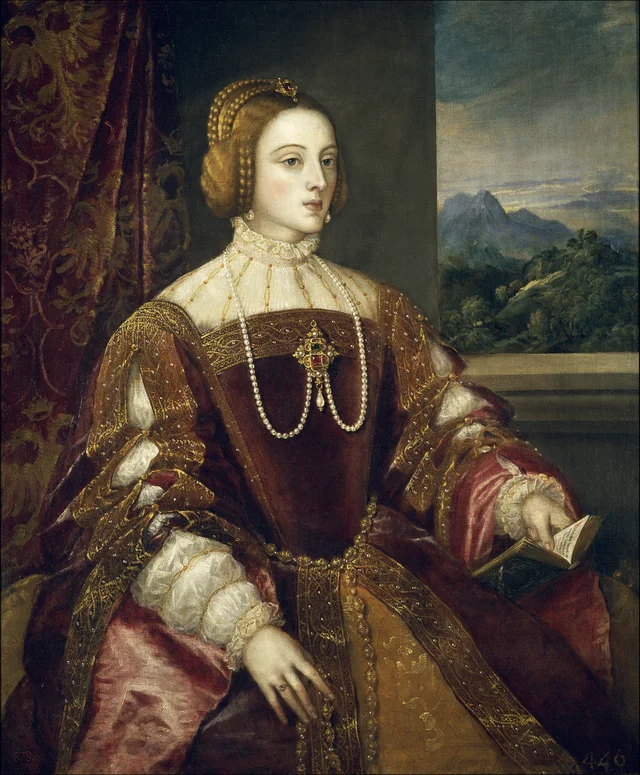 Portrait d'Isabelle de PortugalTitien, 1548
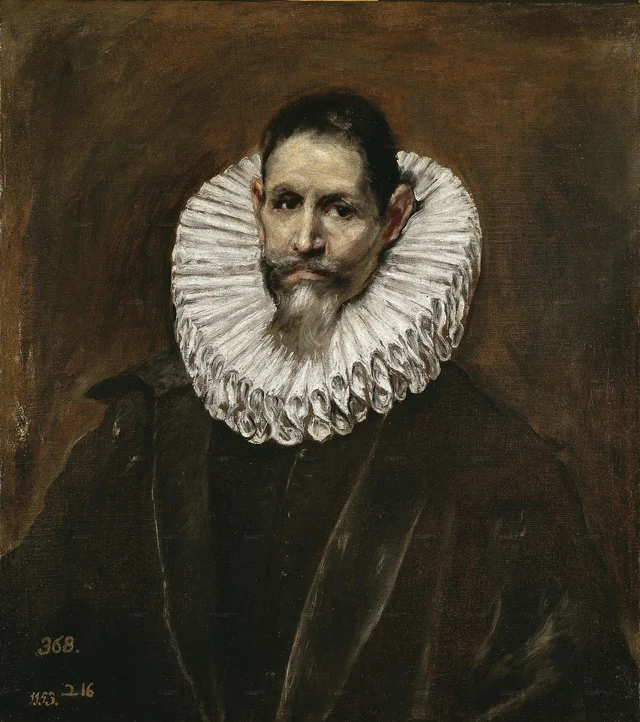 Portrait de Jerónimo de CevallosEl Greco, 1609
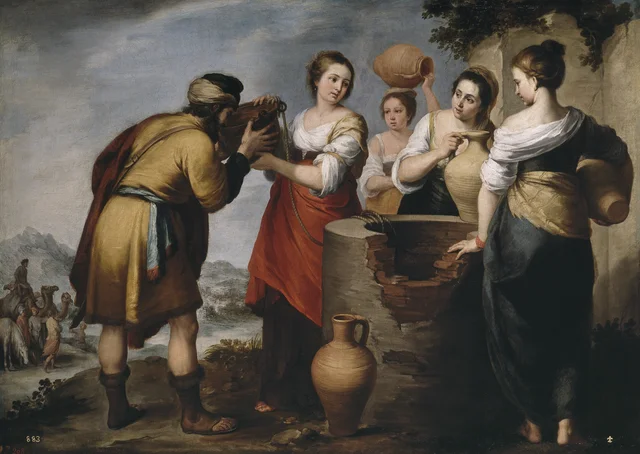 Rébecca et ÉliézerBartolomé Esteban Murillo, 1660
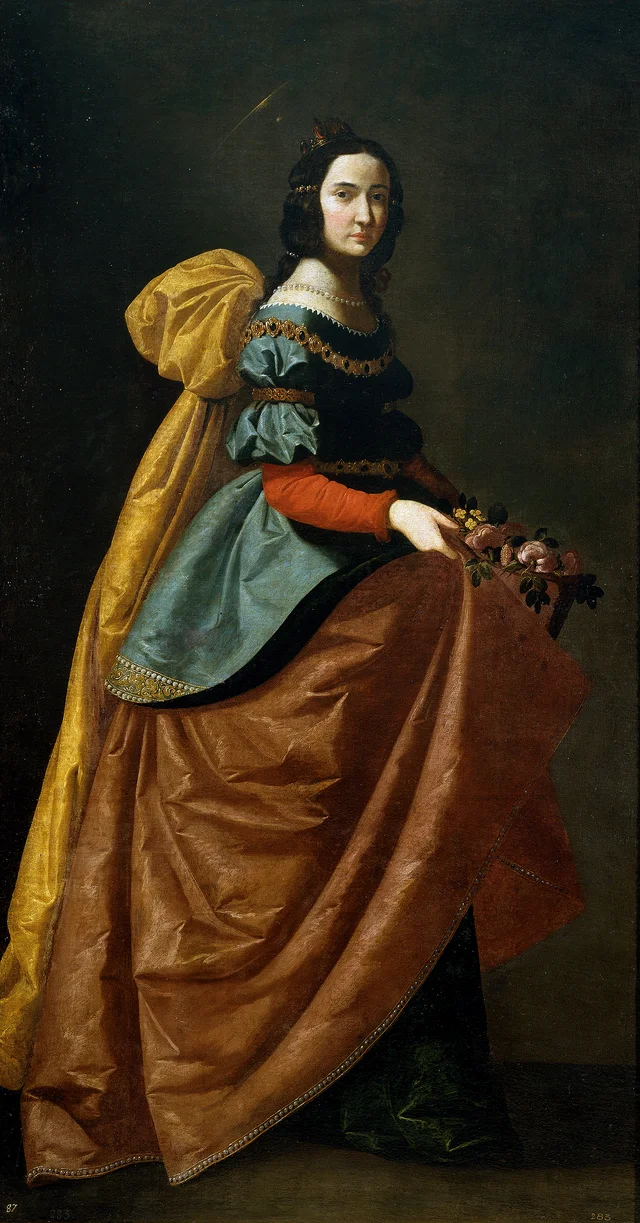 Sainte Élisabeth de PortugalFrancisco de Zurbarán, 1635
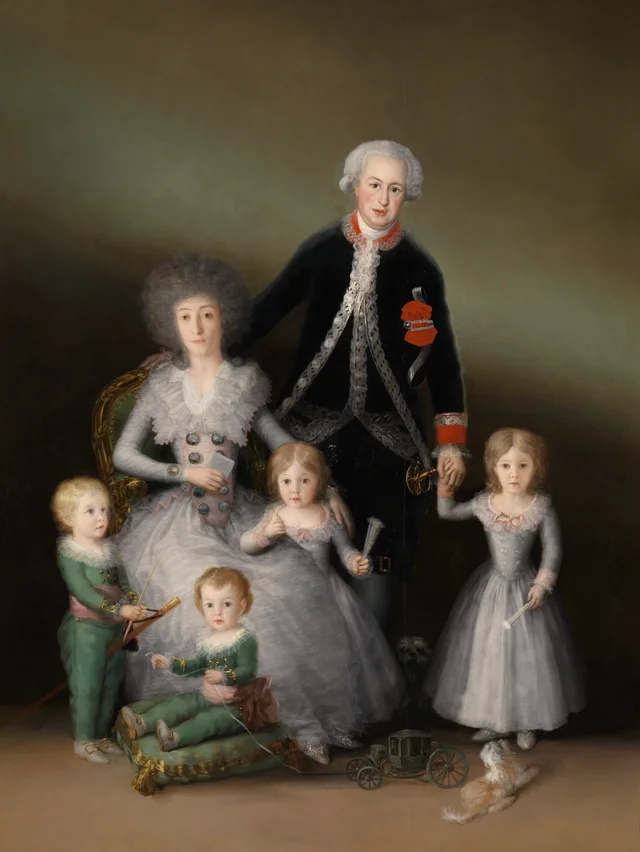 Le Duc et la Duchesse d'Osuna et leurs enfantsFrancisco Goya, 1788
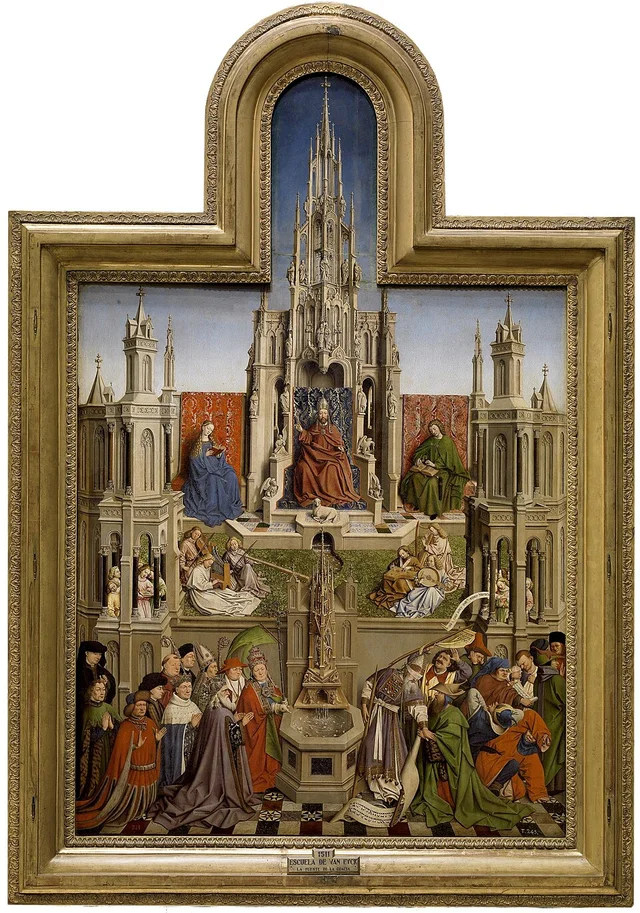 La Fontaine de vieAnonyme, 1454
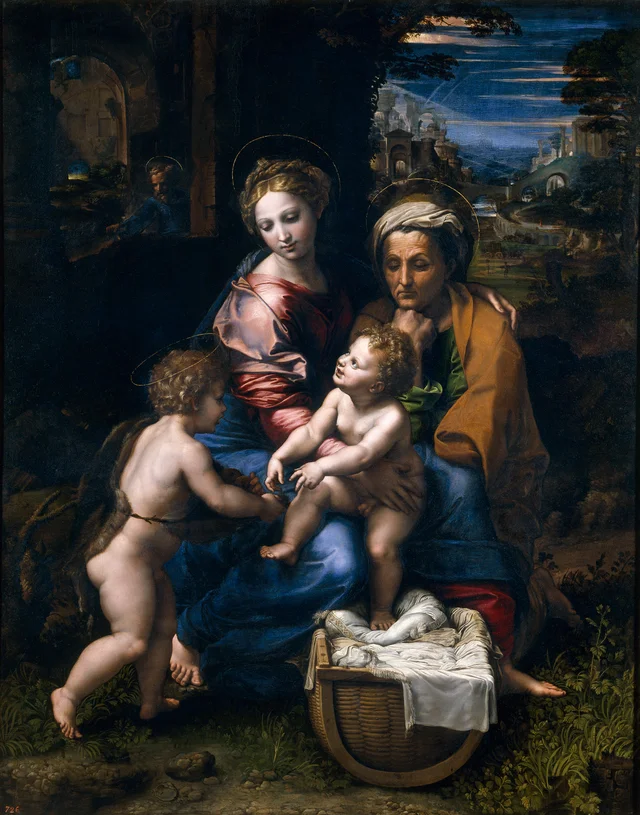 La Sainte FamilleRaphaël, 1518
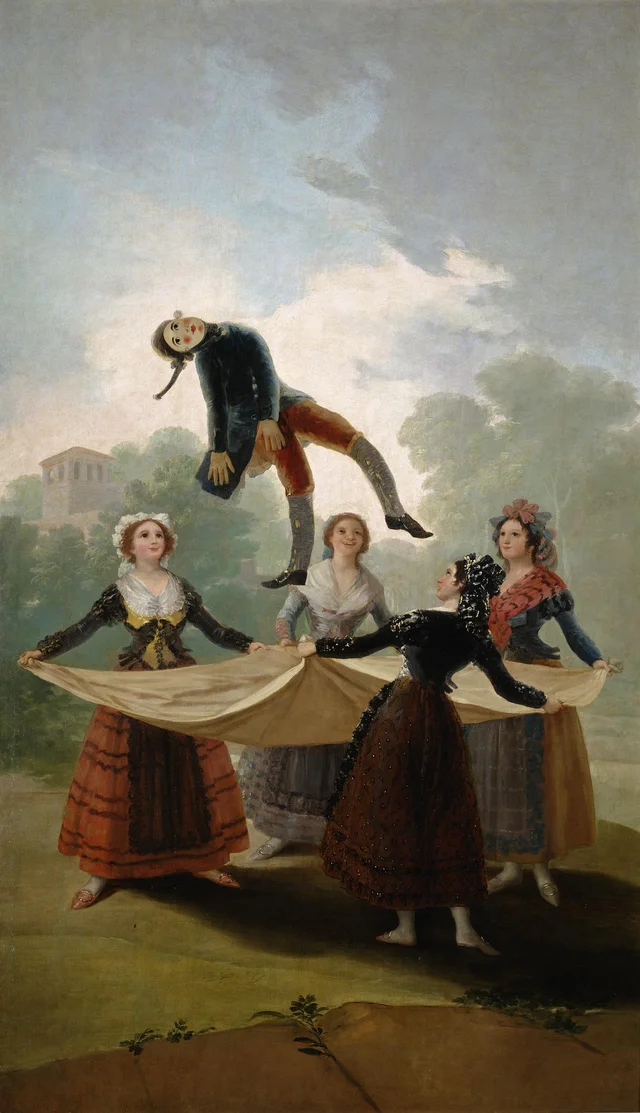 Le PantinFrancisco Goya, 1791
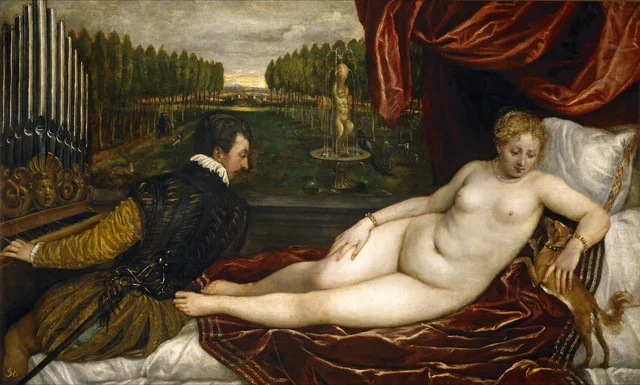 Vénus et la musiqueTitien, 1550
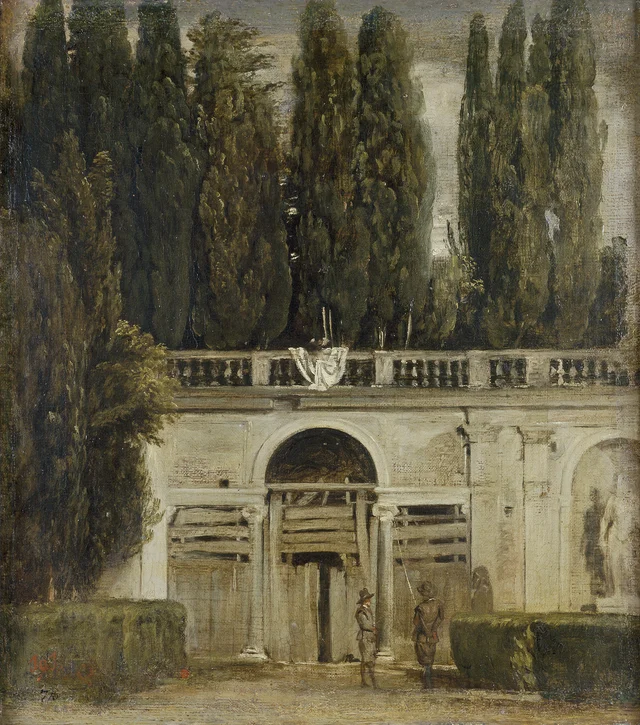 Vue du jardin de la Villa MédicisDiego Vélasquez, 1630
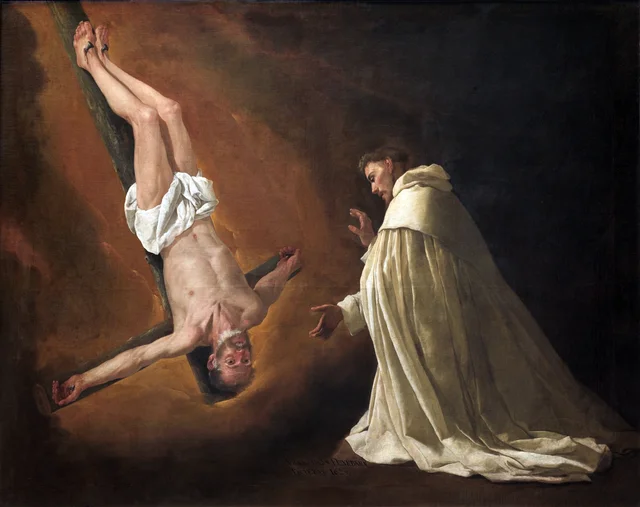 Apparition de l'apôtre Pierre à saint Pierre NolasqueFrancisco de Zurbarán, 1629
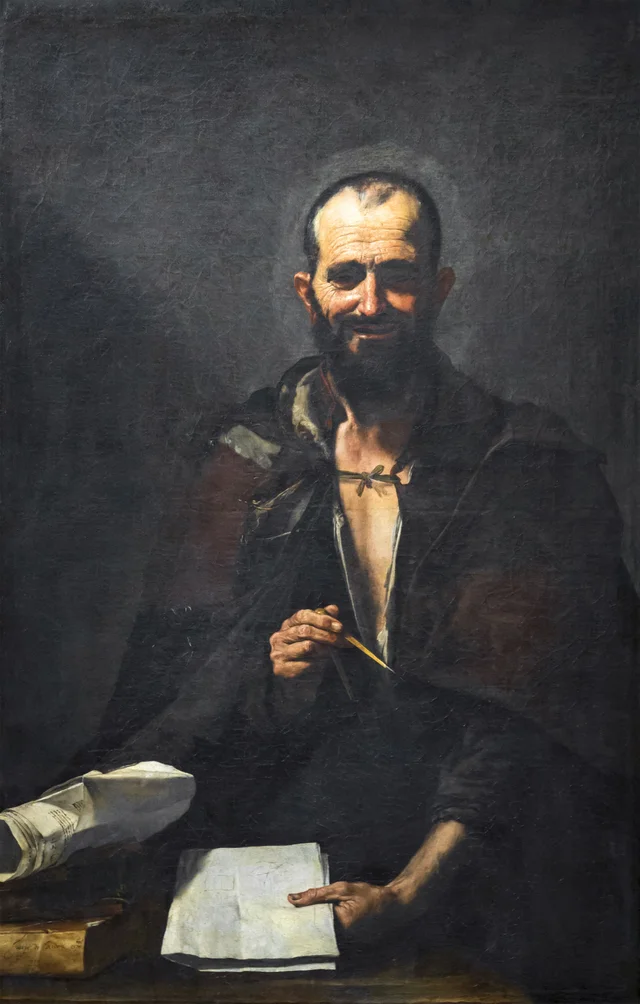 DémocriteJusepe de Ribera, 1630