L'histoire
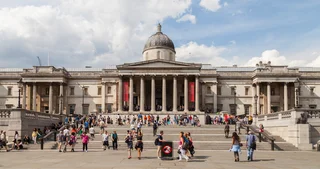
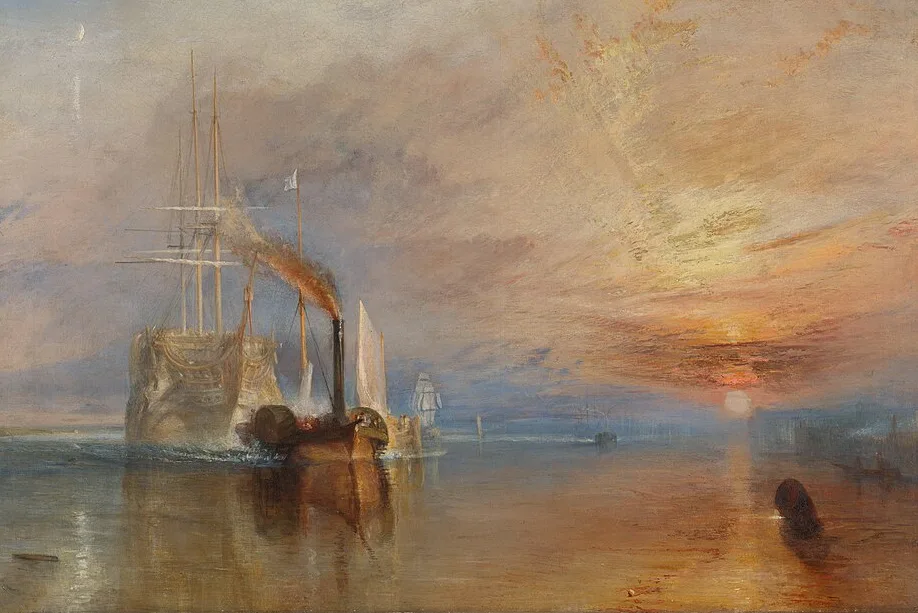
Après le déclenchement de la guerre, et l'invasion attendue en 1940, les tableaux de la National Gallery furent éloignés de Londres. À l'été 1941, ils étaient cachés dans une ardoisière des montagnes du nord du pays de Galles. Quelqu'un avait proposé de les envoyer au Canada, et Churchill répondit : cachez-les dans des grottes et des caves, mais pas un seul tableau ne quittera cette île. Au fond de la carrière de Manod, dans des chambres de brique bâties pour garder l'humidité et la température stables, Les Époux Arnolfini de van Eyck et Le Téméraire de Turner attendirent la fin du Blitz, tandis que la pianiste Myra Hess donnait des concerts de midi dans les galeries vidées, à Londres.
La galerie avait toujours appartenu au public plutôt qu'à un palais. Elle naquit en 1824, quand le Parlement acheta 38 tableaux au banquier John Julius Angerstein, et fut installée délibérément à Trafalgar Square, au centre de Londres, pour qu'un employé ou un charretier puisse l'atteindre aussi aisément qu'un lord. Sa collection permanente reste gratuite d'accès.
Pendant toute la guerre, le personnel continua de rapporter du pays de Galles un seul chef-d'œuvre à la fois, pour l'accrocher dans le bâtiment nu comme Tableau du mois, dans une ville sous les bombes. Les mêmes salles abritent aujourd'hui le Diptyque Wilton, Les Tournesols de Van Gogh et La Charrette de foin de Constable, ouvertes à quiconque monte les marches depuis la place.
Autres articles
Collection
648 œuvres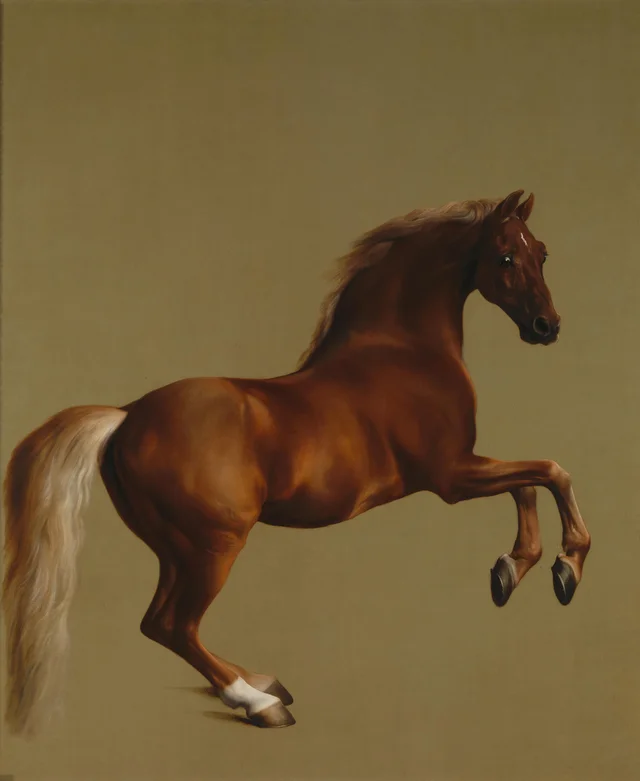 WhistlejacketGeorge Stubbs, 1762
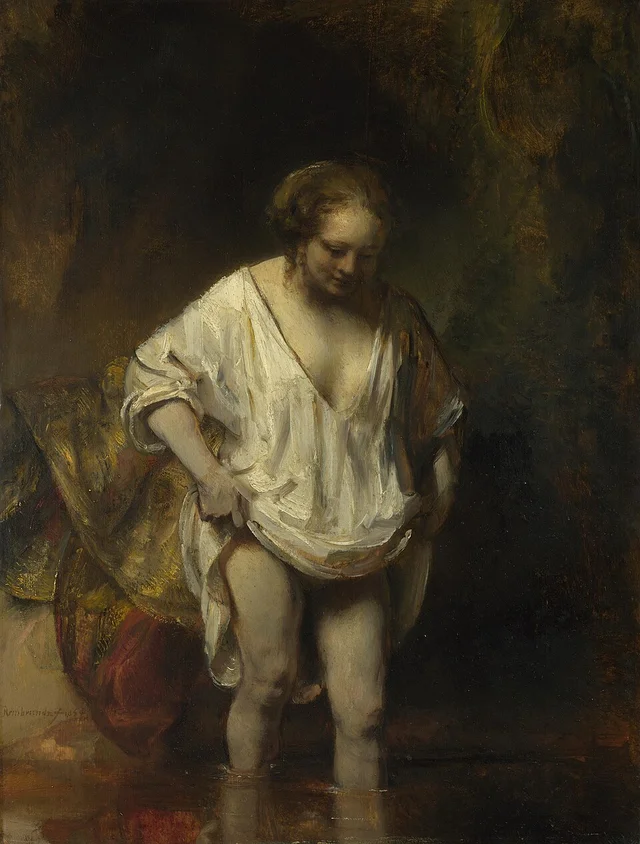 Une femme se baignant dans un ruisseau (Hendrickje Stoffels ?)Rembrandt, 1654
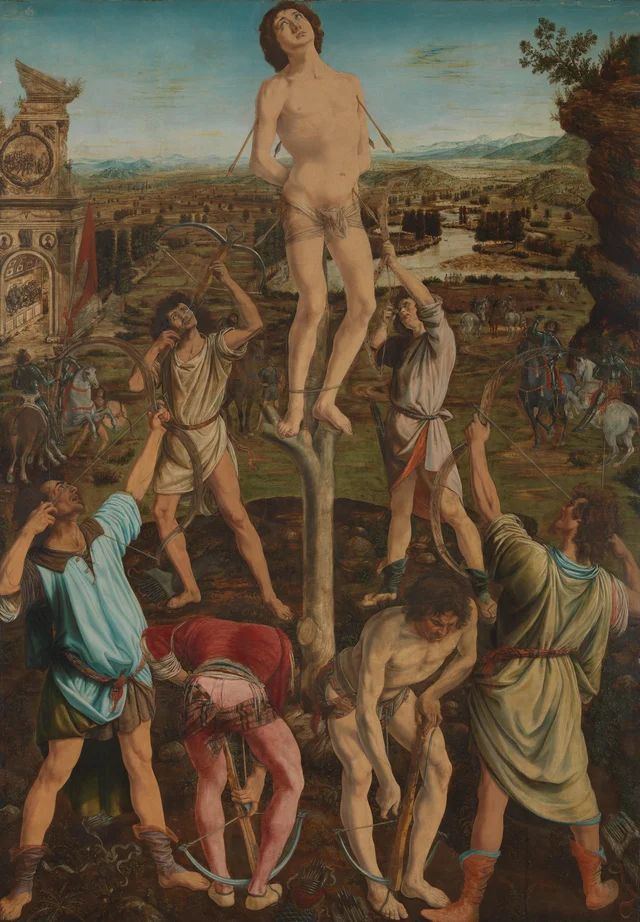 Le Martyre de saint SébastienPiero del Pollaiuolo, 1475
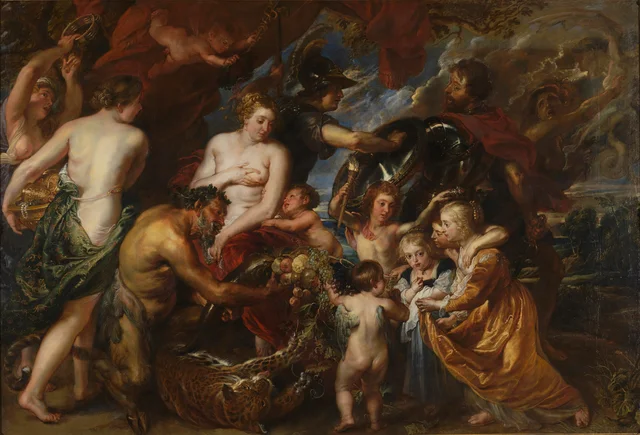 Minerve protégeant la Paix de MarsPierre Paul Rubens, 1629
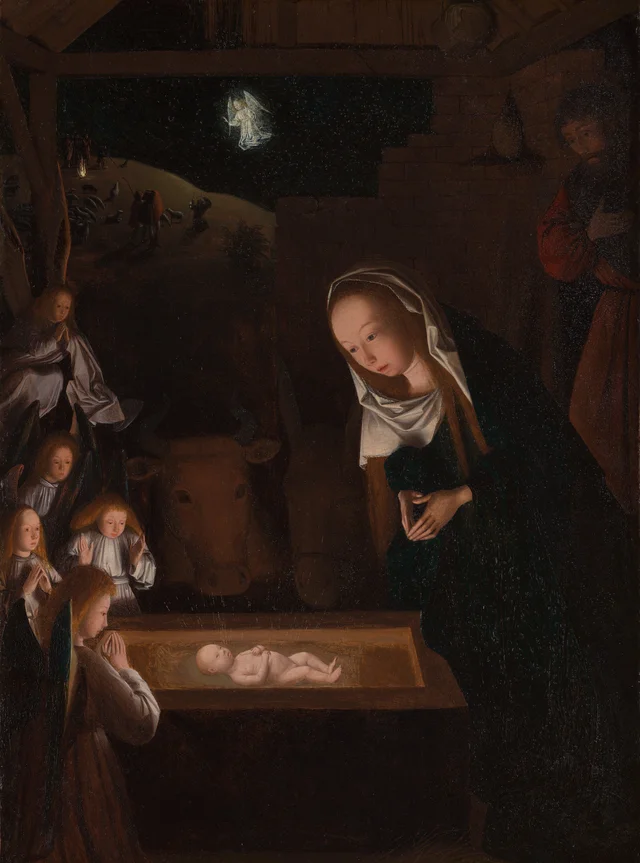 La Nativité, la nuitGeertgen tot Sint Jans, 1490
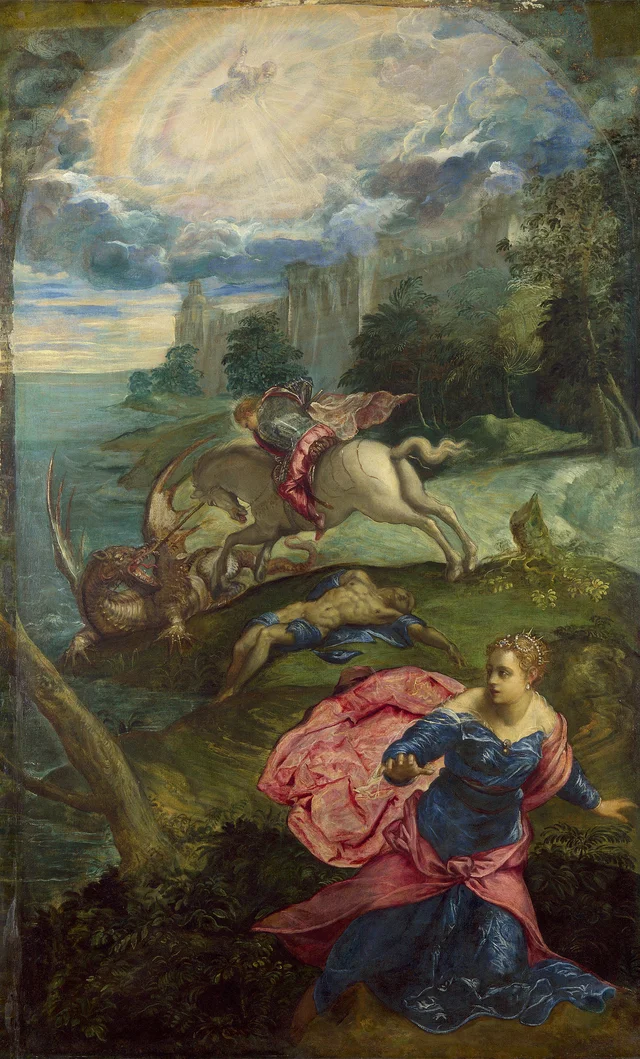 Saint Georges et le DragonJacopo Tintoretto, 1555
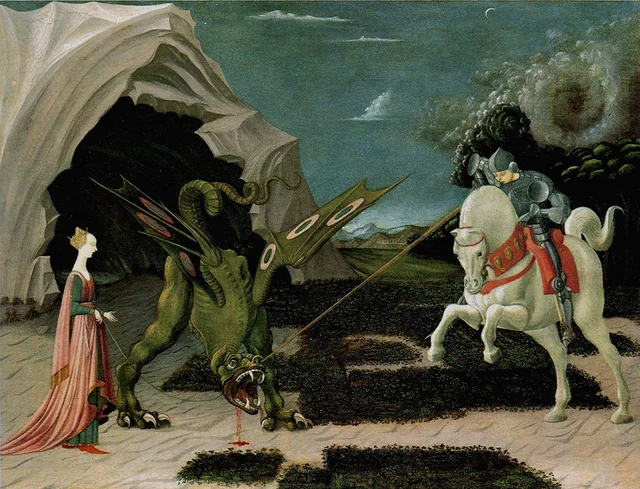 Saint Georges et le DragonPaolo Uccello, 1470
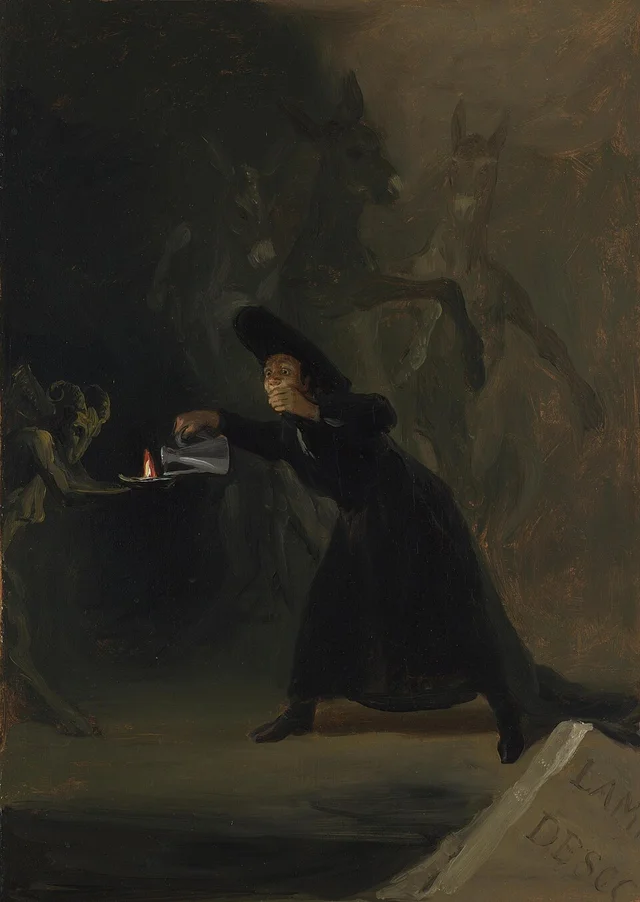 L'EnsorceléFrancisco Goya, 1798
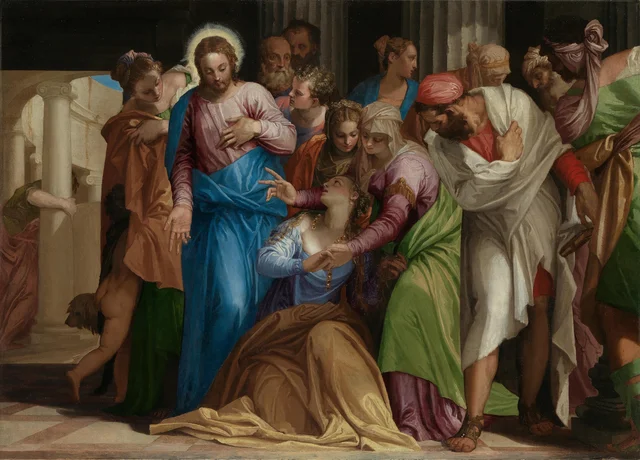 La Conversion de Marie-MadeleinePaolo Véronèse, 1548
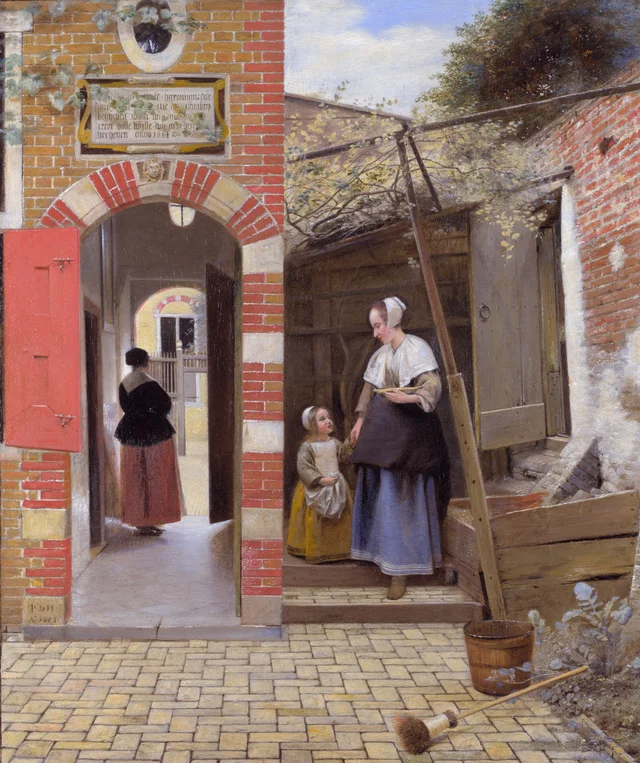 La Cour d'une maison à DelftPieter de Hooch, 1658
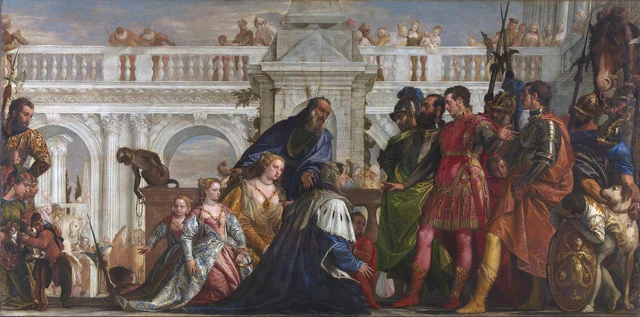 La Famille de Darius devant AlexandrePaolo Véronèse, 1565
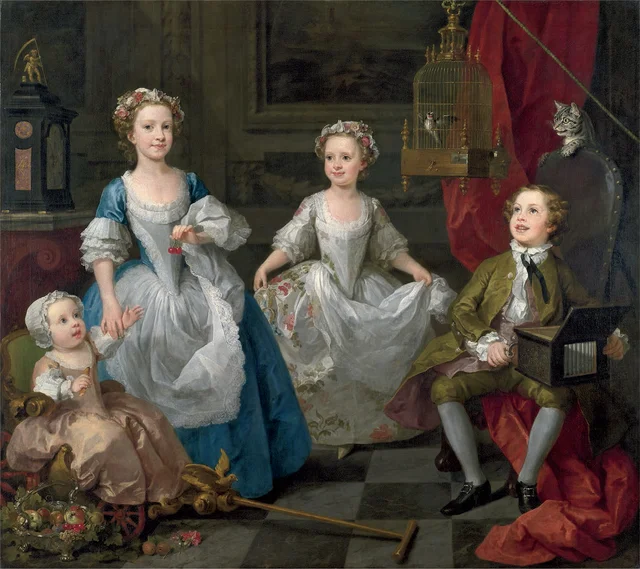 Les Enfants GrahamWilliam Hogarth, 1742
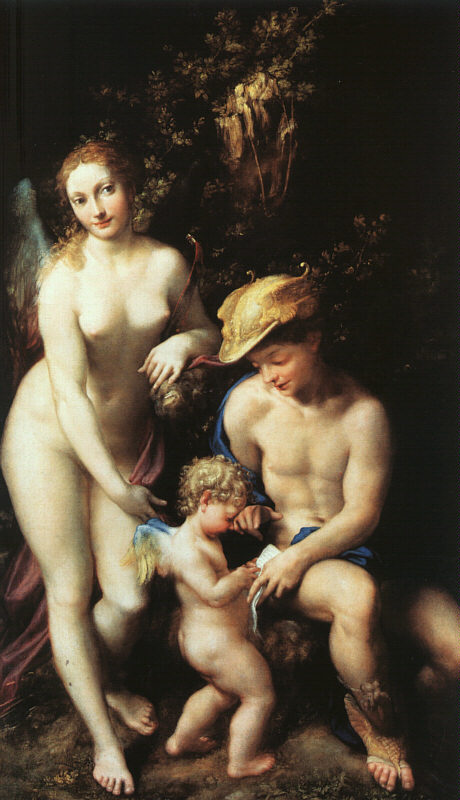 Vénus avec Mercure et Cupidon (« L'École de l'amour »)Le Corrège, 1527
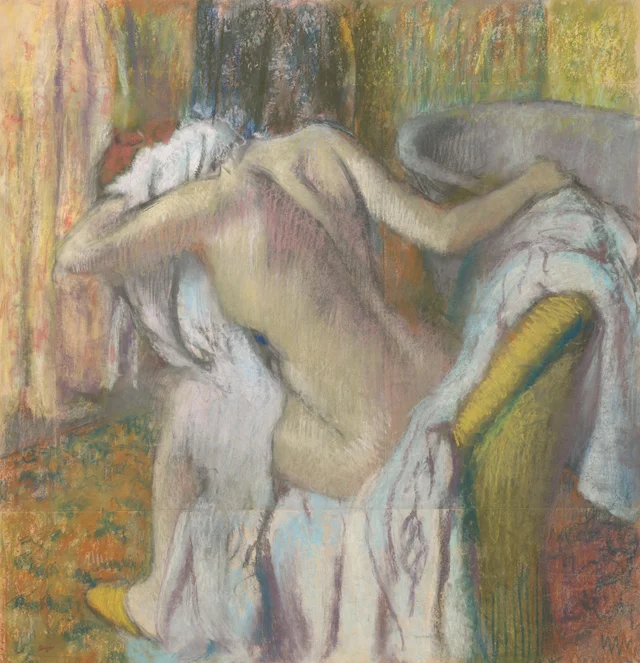 Après le bain, femme s'essuyantEdgar Degas, 1890
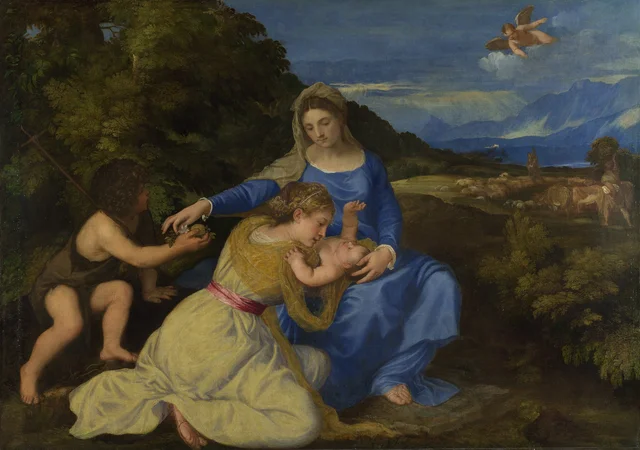 La Vierge AldobrandiniTitien, 1532
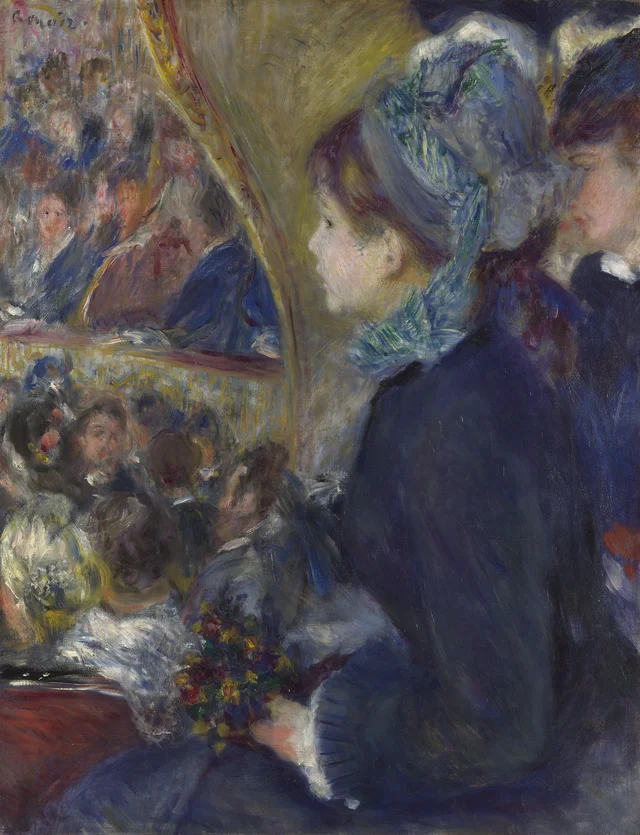 La Première SortiePierre-Auguste Renoir, 1876
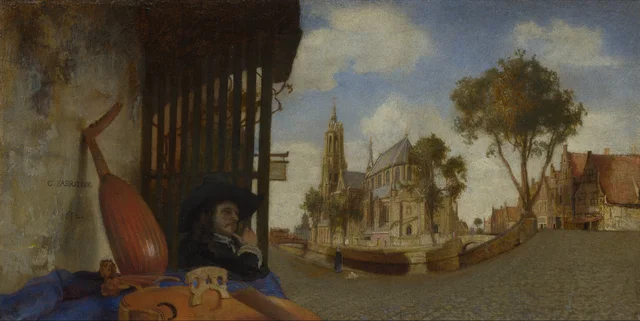 Vue de DelftCarel Fabritius, 1652
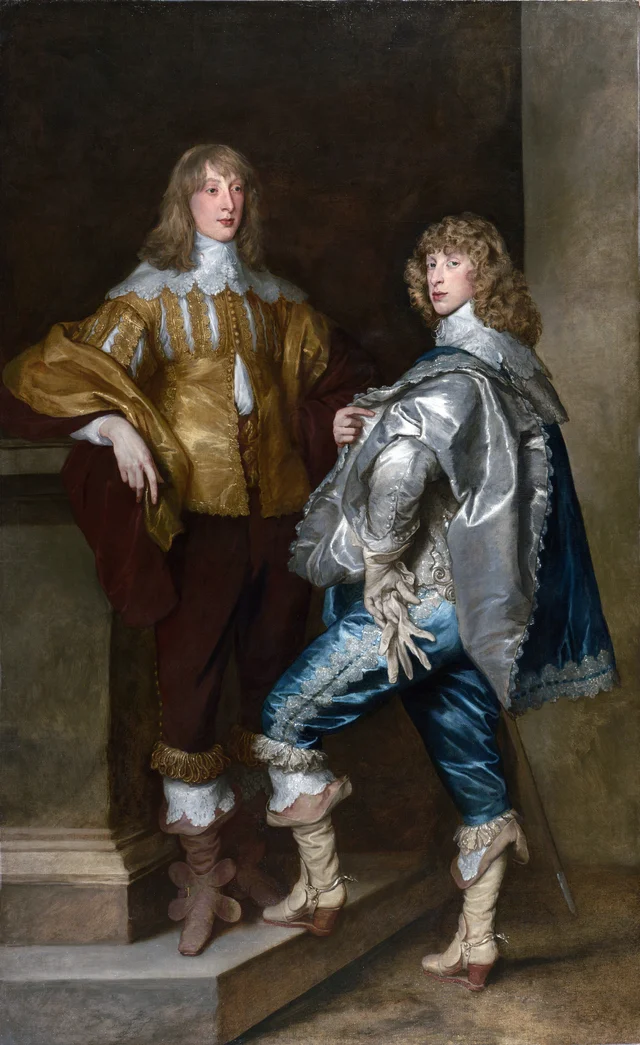 Lord John Stuart et son frère, Lord Bernard StuartAntoine van Dyck, 1638
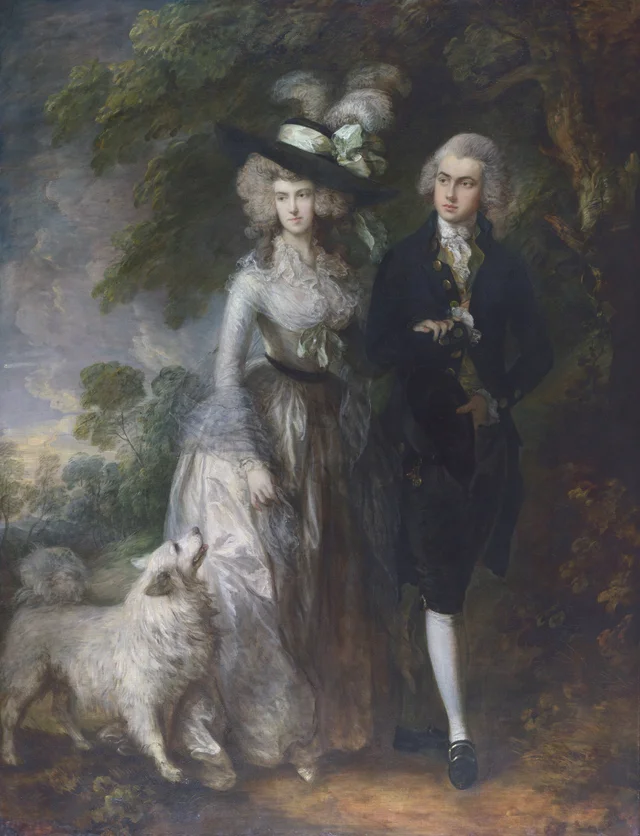 M. et Mme William Hallett (« La Promenade matinale »)Thomas Gainsborough, 1785
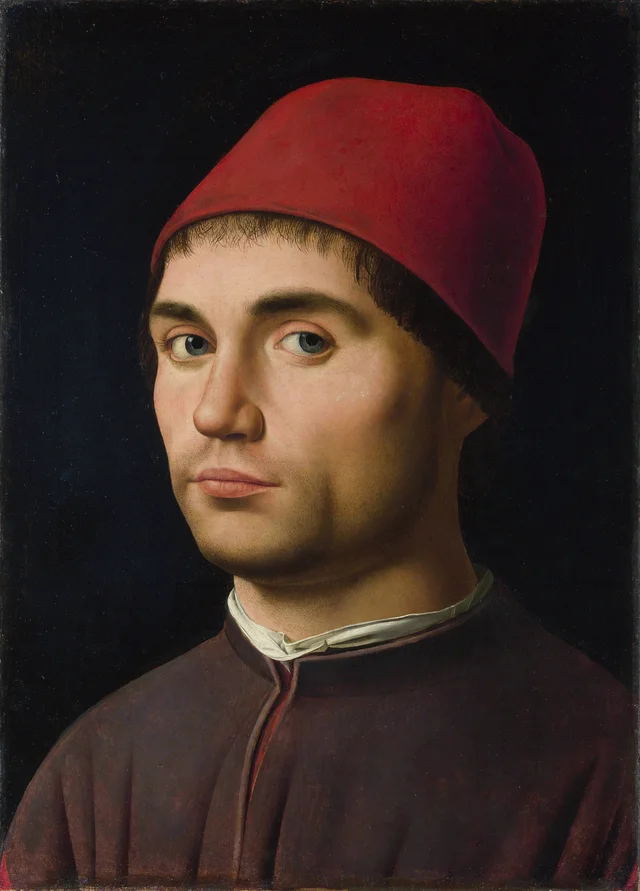 Portrait d'un hommeAntonello da Messine, 1475
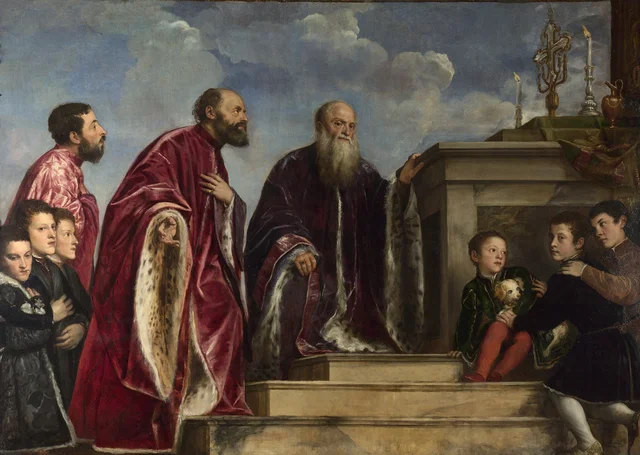 Portrait de la famille VendraminTitien, 1540
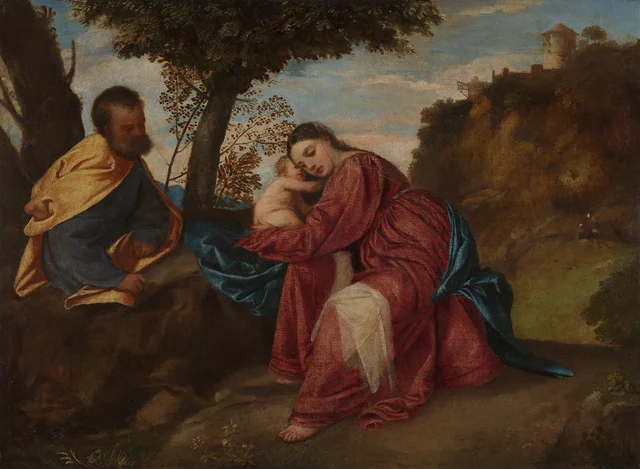 Le Repos pendant la fuite en ÉgypteTitien, 1512
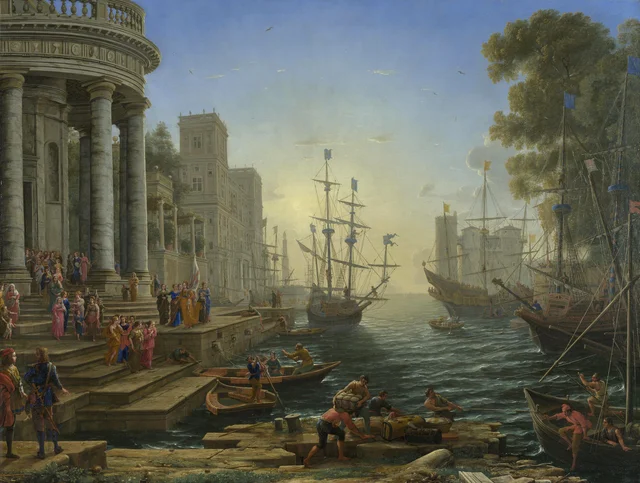 Port de mer avec l'embarquement de sainte UrsuleClaude Lorrain, 1641
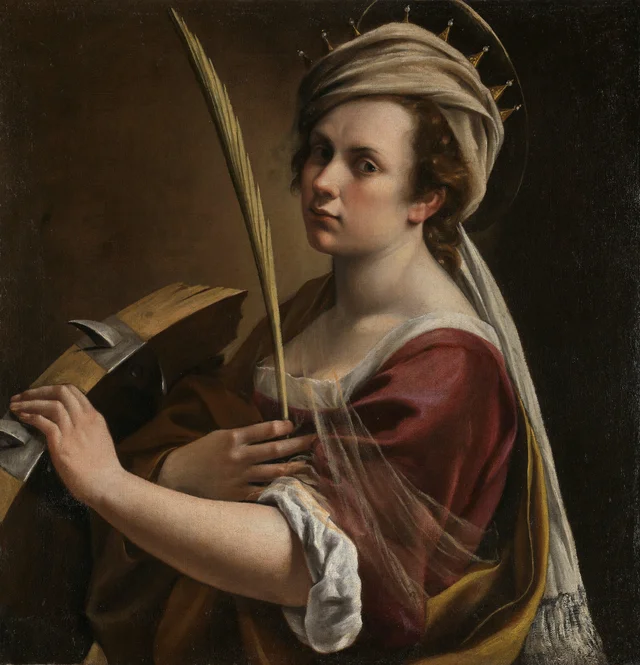 Autoportrait en sainte Catherine d'AlexandrieArtemisia Gentileschi, 1616
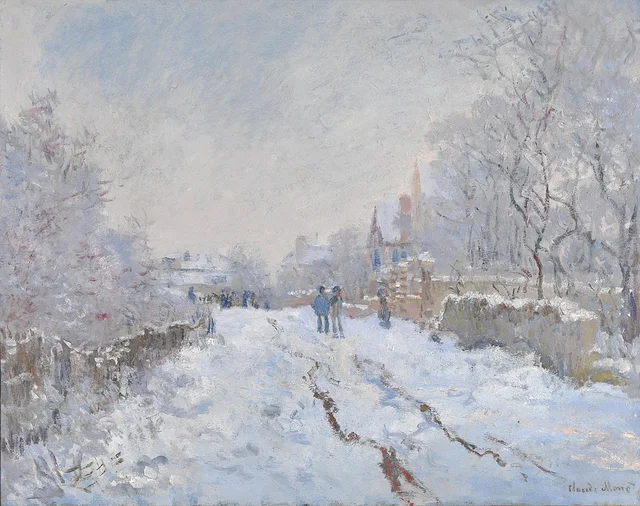 Neige à ArgenteuilClaude Monet, 1875