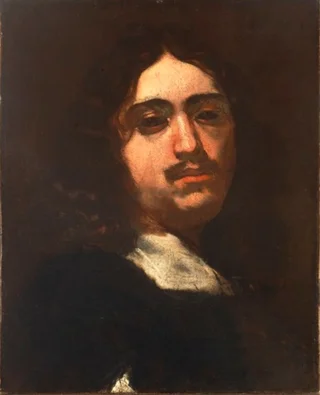
Jusepe de Ribera
1591–1652 · Corona d'Aragona · Barocco
La storia
Nel 1616 un giovane pittore spagnolo lasciò Roma per Napoli, con un passo di vantaggio sui creditori che non poteva pagare. Napoli era allora un possedimento spagnolo, retto da un viceré inviato da Madrid, perciò uno spagnolo lì poteva lavorare al tempo stesso per l'élite napoletana e per i nobili spagnoli di passaggio. Ribera si stabilì per sempre. Quello stesso anno sposò Caterina Azzolino, figlia di un pittore napoletano, un'unione che apriva le porte di cui un nuovo arrivato aveva bisogno.
Dipingeva nel drammatico modo che passa dal buio alla luce inaugurato dal pittore italiano Caravaggio, che aveva lavorato a Napoli pochi anni prima e vi era morto nel 1610. Ribera spinse oltre il naturalismo, dipingendo santi martiri, filosofi anziani e il satiro scorticato Marsia con una crudezza che gli valse il soprannome di Lo Spagnoletto. I viceré spagnoli comprarono le sue tele e le spedirono in Spagna, ed è così che un pittore che non vi fece mai ritorno divenne comunque uno dei suoi artisti più famosi, annoverato oggi accanto ad altri maestri del Barocco spagnolo come Diego Velázquez e Francisco de Zurbarán.
Verso i primi anni 1630 la sua luce si era ammorbidita dal contrasto netto verso qualcosa di più diffuso. Un dipinto del 1642 di un ragazzo mendicante con un piede deforme, oggi al museo del Louvre a Parigi, mostra il ragazzo che sorride tenendo un foglio con scritta, in latino, la richiesta di elemosina per l'amore di Dio.
Opere
115 opere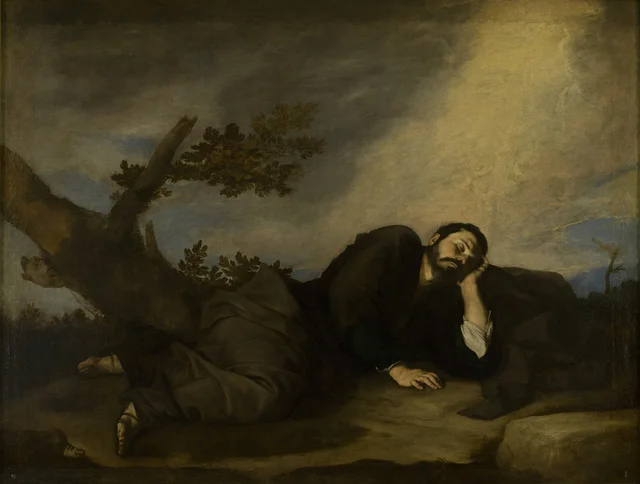 Il sogno di GiacobbeJusepe de Ribera, 1639
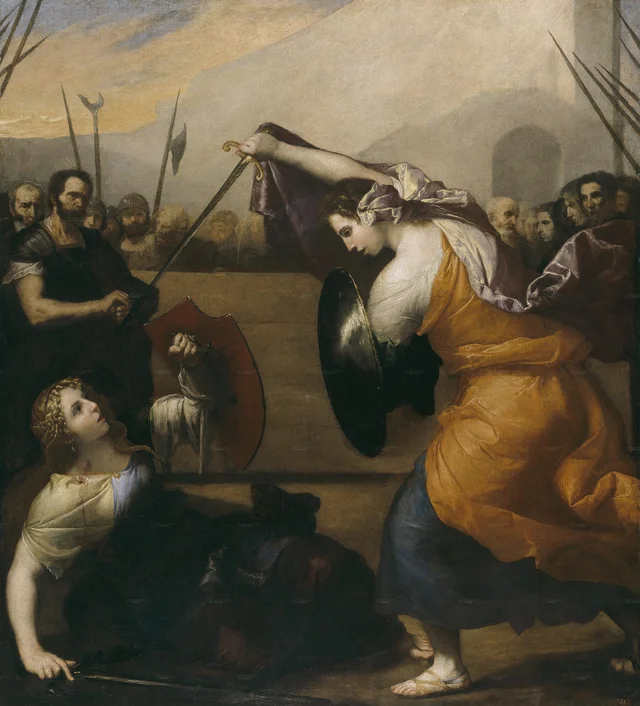 Donne gladiatriciJusepe de Ribera, 1636
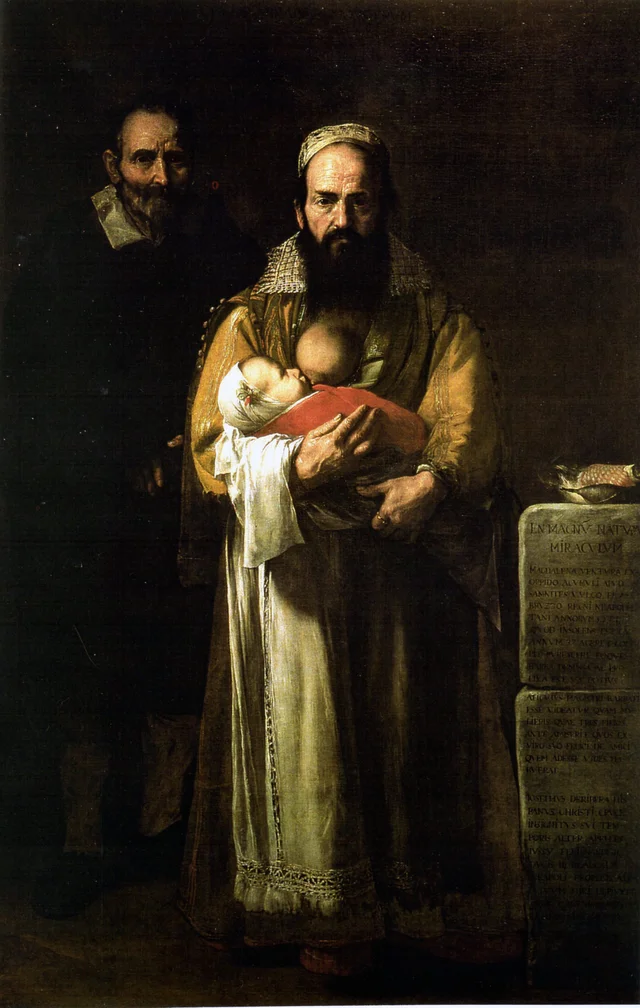 Magdalena Ventura con il marito e il figlioJusepe de Ribera, 1631
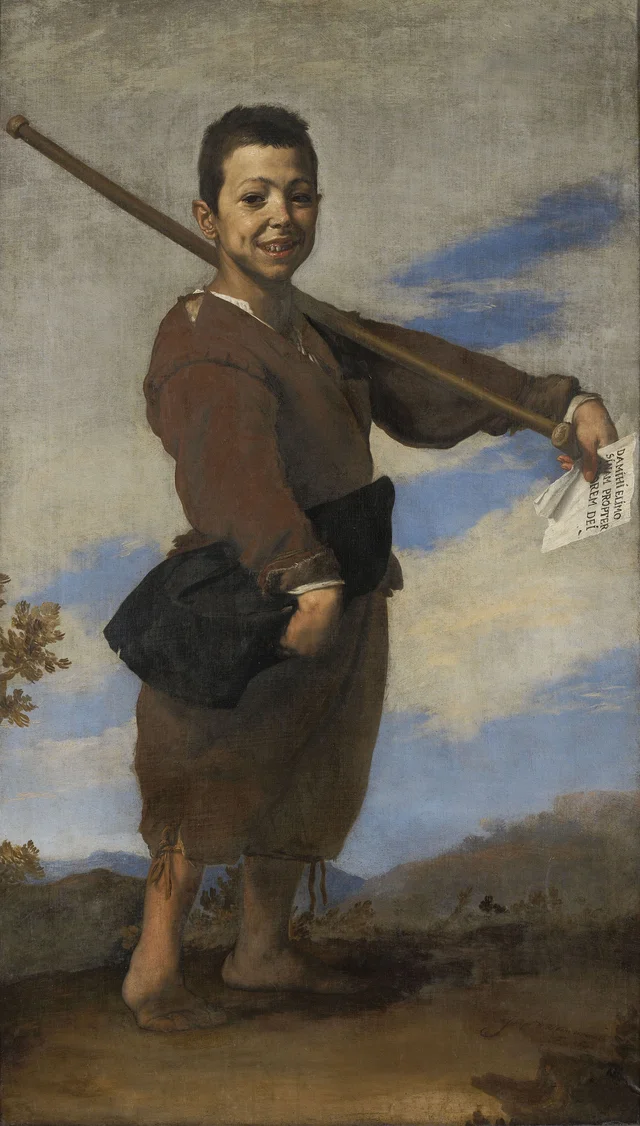 Il piede stortoJusepe de Ribera, 1642
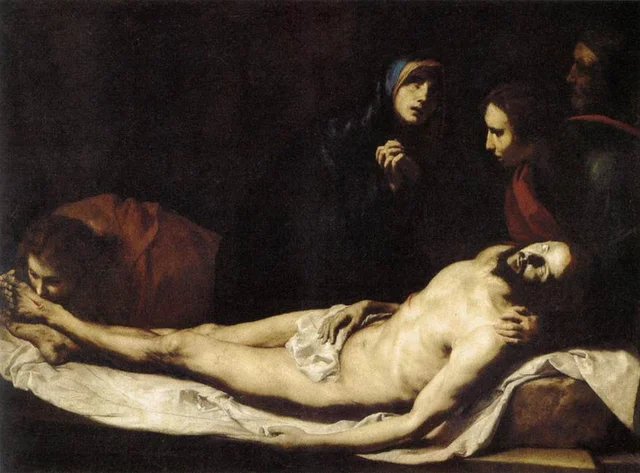 PietàJusepe de Ribera, 1633
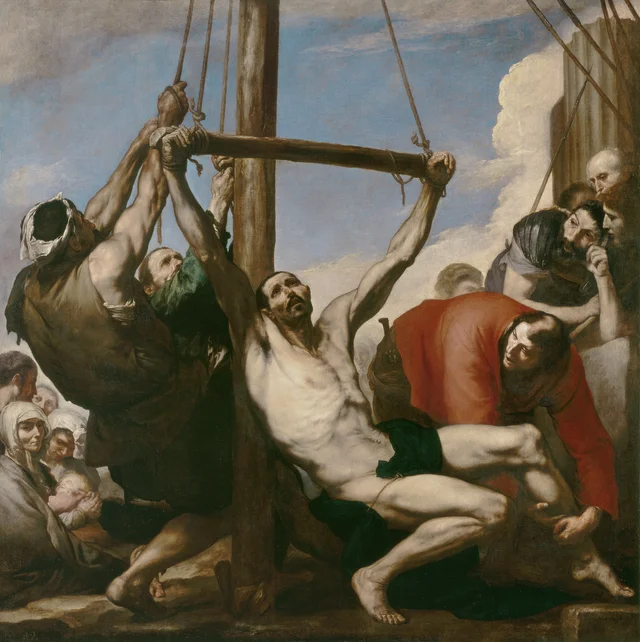 Il martirio di san FilippoJusepe de Ribera, 1639
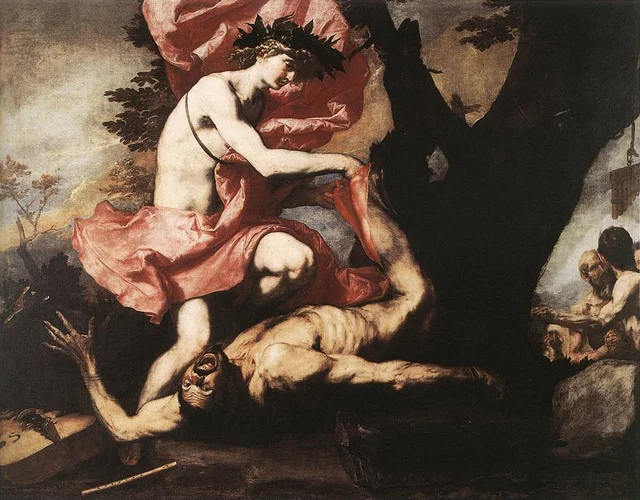 Apollo scortica MarsiaJusepe de Ribera, 1637
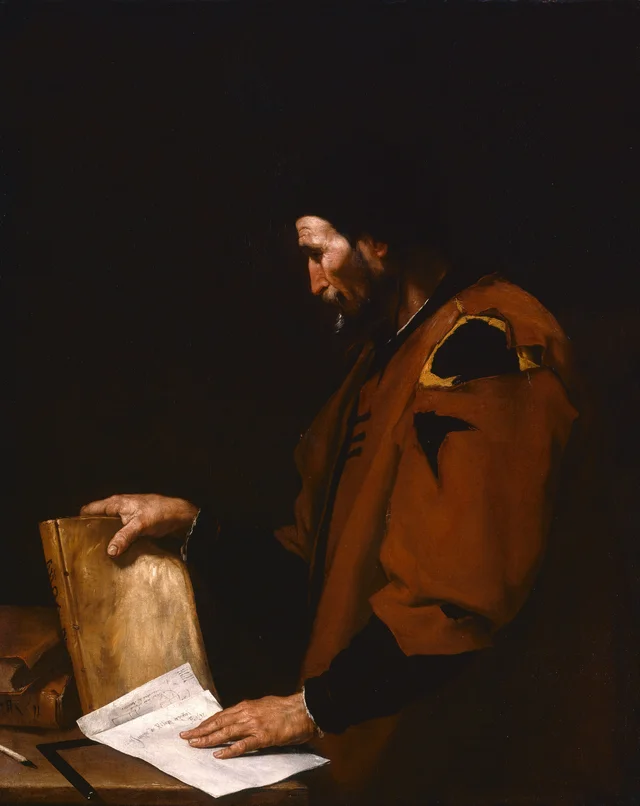 AristoteleJusepe de Ribera, 1637
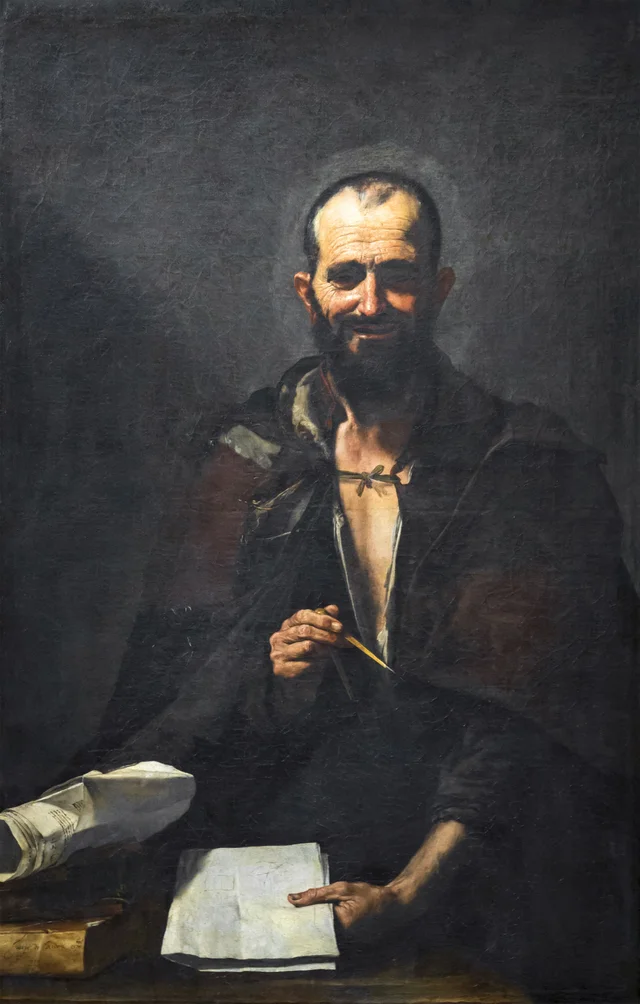 DemocritoJusepe de Ribera, 1630
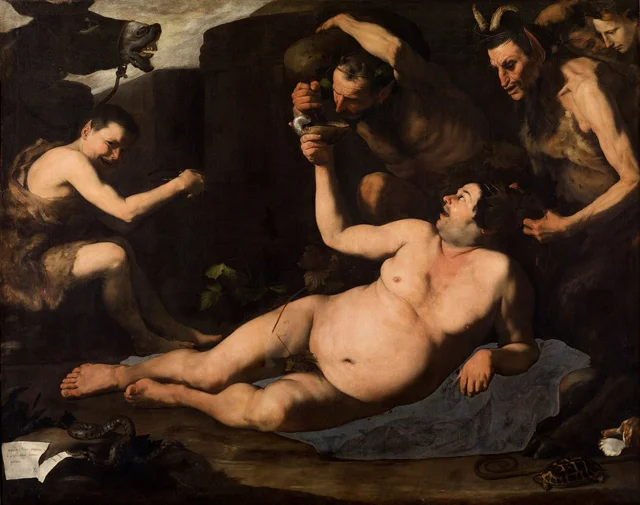 Sileno ebbroJusepe de Ribera, 1626
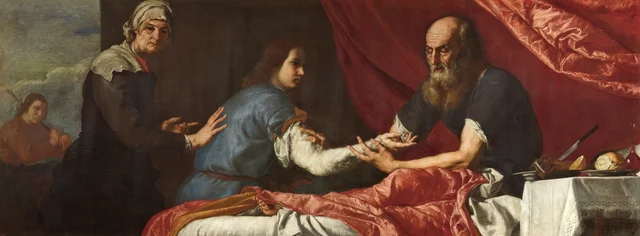 Isacco e GiacobbeJusepe de Ribera, 1637
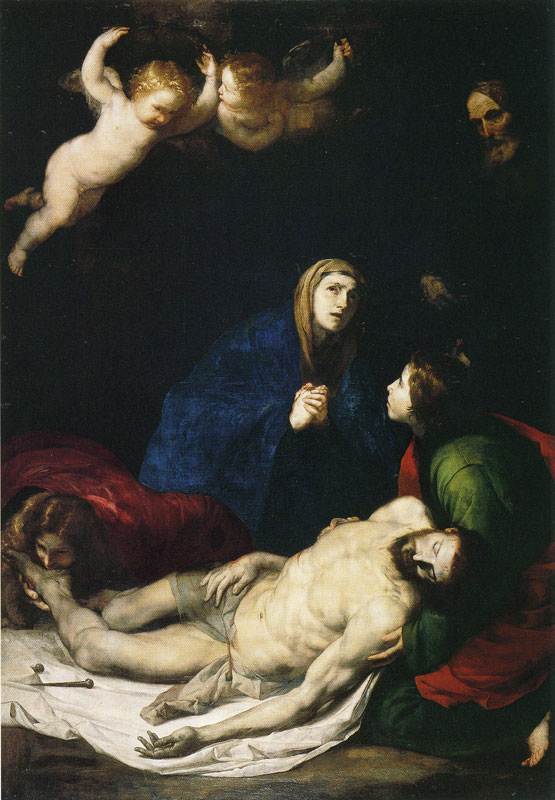 Compianto sul Cristo mortoJusepe de Ribera, 1637
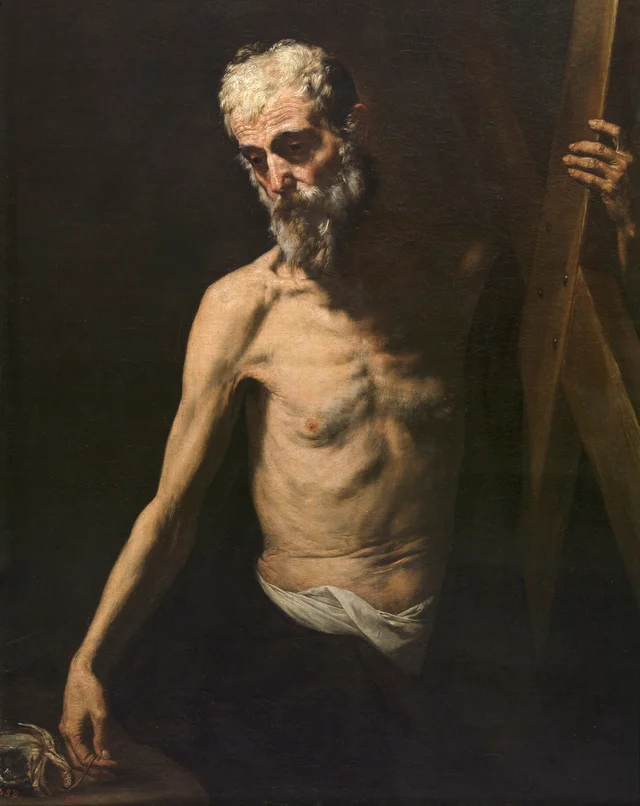 Sant'AndreaJusepe de Ribera, 1631
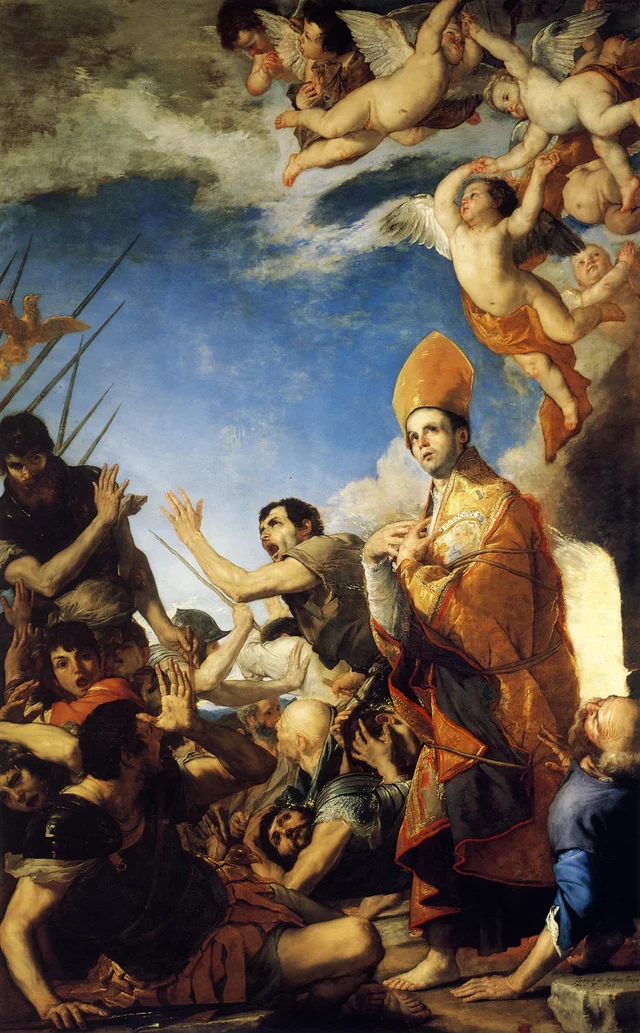 San Gennaro esce illeso dalla fornaceJusepe de Ribera, 1646
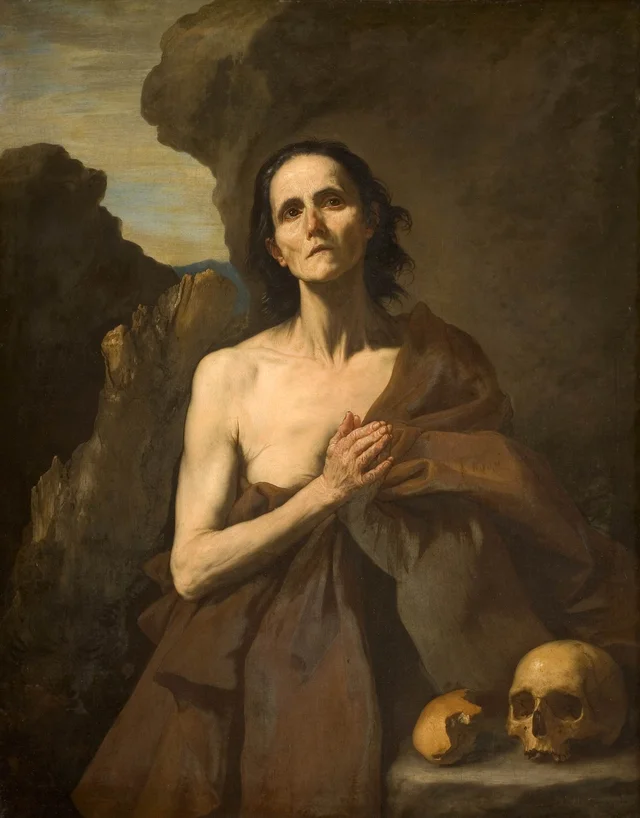 Santa Maria EgiziacaJusepe de Ribera, 1641
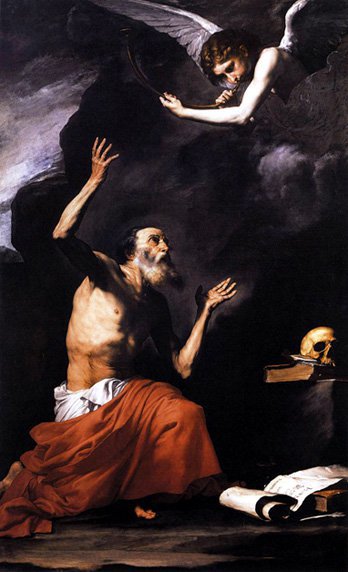 San Girolamo e l'angelo del GiudizioJusepe de Ribera, 1626
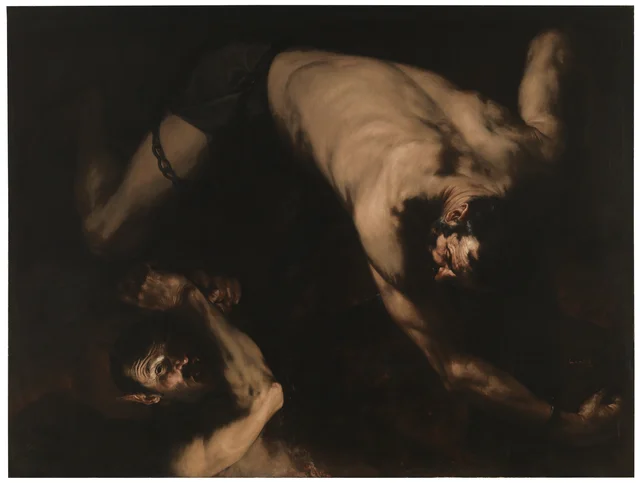 IssioneJusepe de Ribera, 1632
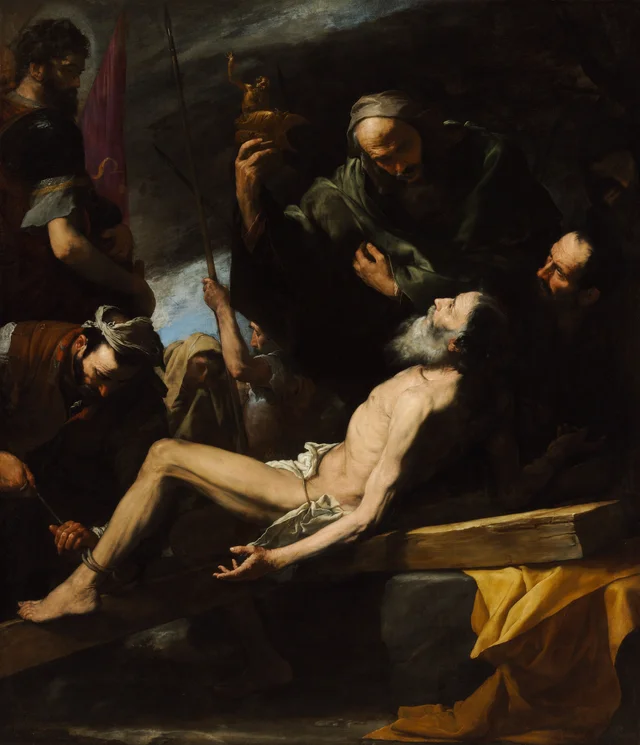 Martirio di sant'AndreaJusepe de Ribera, 1628
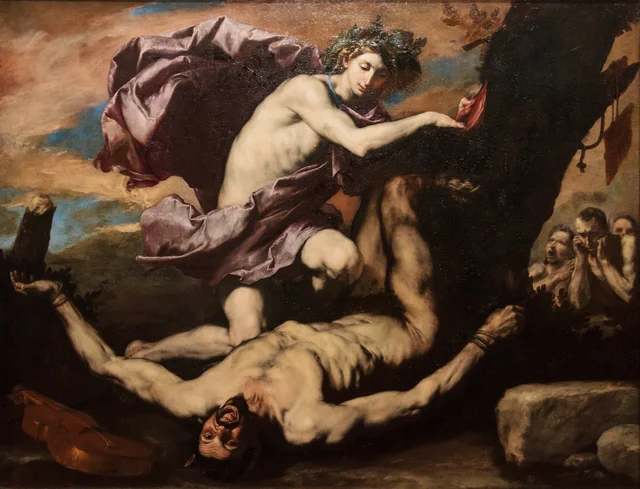 Apollo che scortica MarsiaJusepe de Ribera, 1637
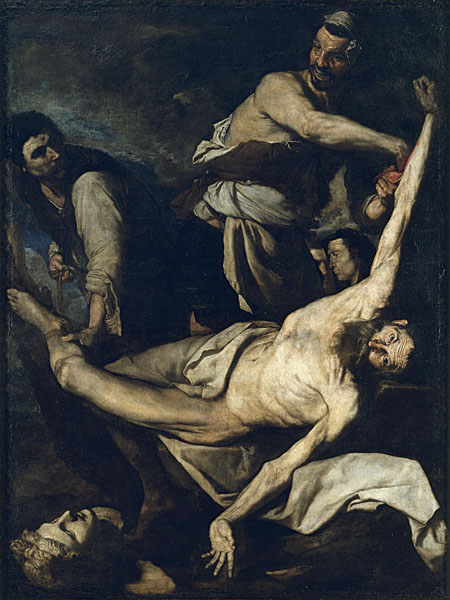 Martirio di san BartolomeoJusepe de Ribera, 1644
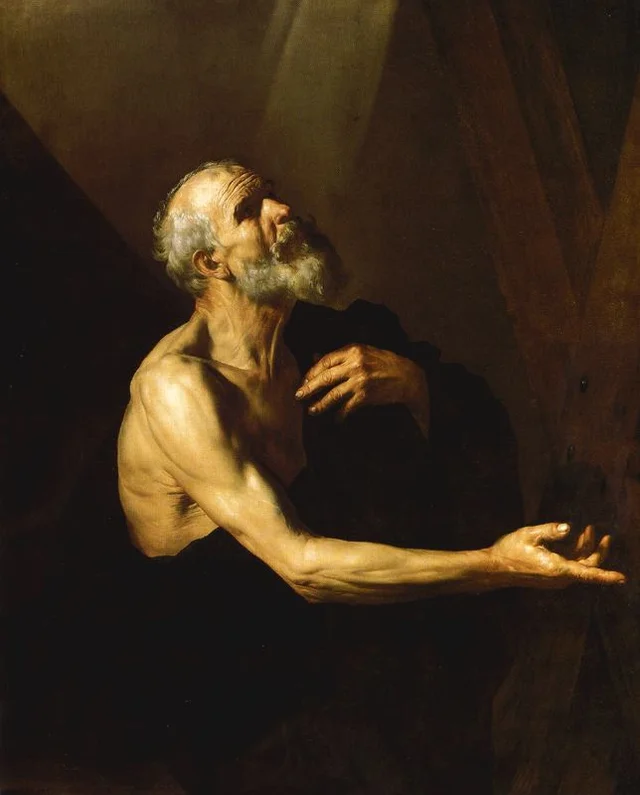 Sant'AndreaJusepe de Ribera, 1616
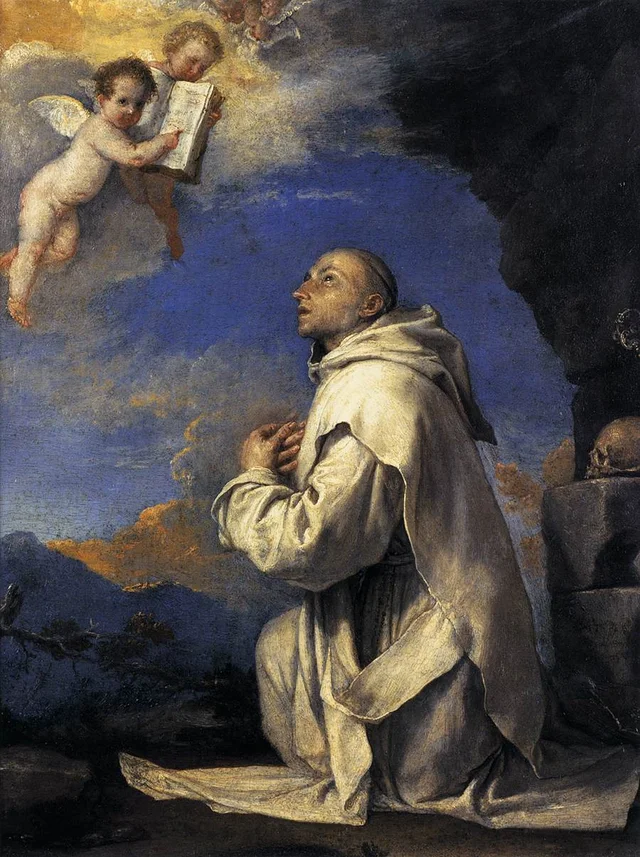 San Bruno che riceve la RegolaJusepe de Ribera, 1643
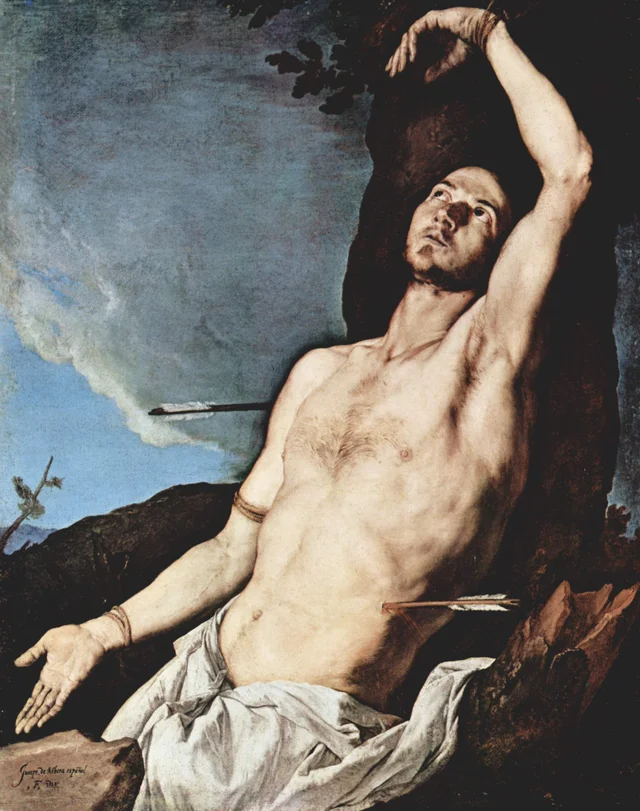 San SebastianoJusepe de Ribera, 1651
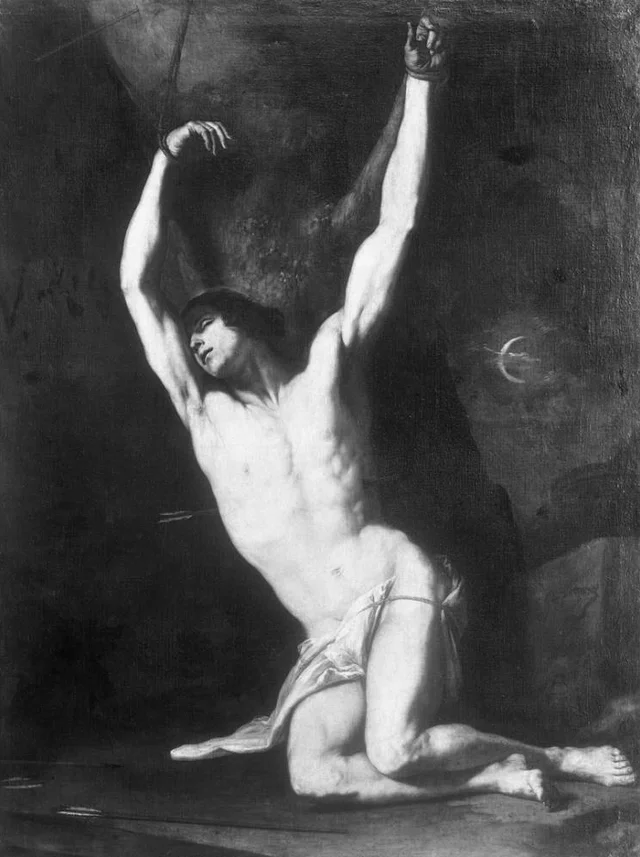 San SebastianoJusepe de Ribera, 1636
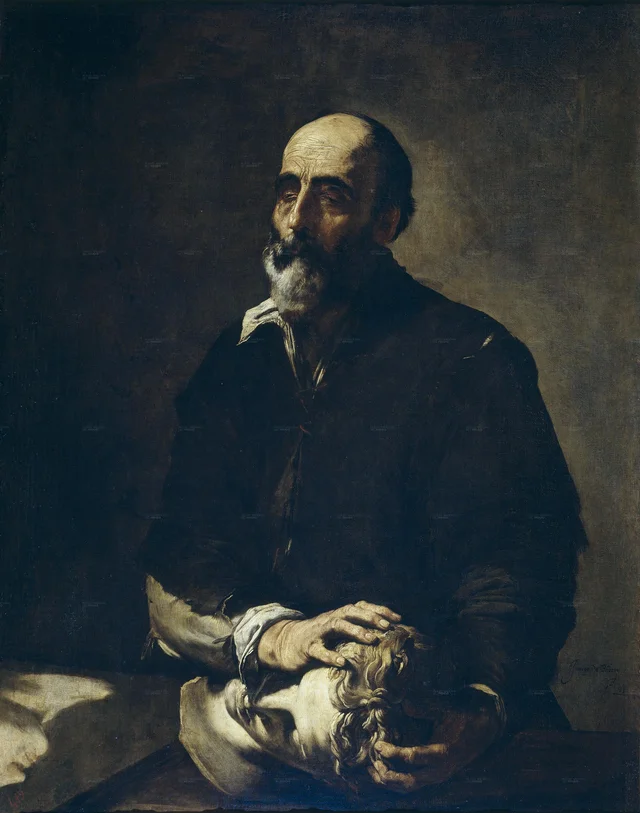 Lo scultore ciecoJusepe de Ribera, 1632