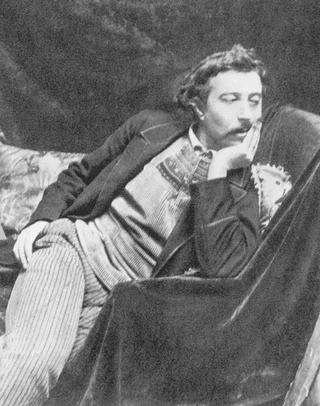
Paul Gauguin
1848–1903 · Francia · Postimpressionismo
La storia
Fino ai suoi metà trent'anni Paul Gauguin fu un agente di cambio parigino con un buono stipendio, una moglie danese e cinque figli. Collezionava quadri impressionisti come hobby da uomo agiato e si dilettava a dipingerne di propri. Poi, nel 1882, la borsa di Parigi crollò, la società per cui lavorava si disgregò, e con essa la vita comoda. Gauguin decise che il disastro era un permesso: avrebbe dipinto a tempo pieno. La sua famiglia, sconvolta, finì per lasciarlo.
Approdò a Pont-Aven, un economico villaggio di artisti in Bretagna, e lì elaborò lo stile che lo rese celebre. Nel 1888 dipinse un gruppo di donne bretoni in cuffia bianca che, uscite di chiesa, vedono in visione Giacobbe che lotta con l'angelo su un campo piatto di rosso puro. Non c'era alcun tentativo di spazio reale o colore naturale; il quadro era costruito da contorni netti e campiture piatte, un'idea più che una scena. Questo modo di dipingere per immaginazione e simbolo, che chiamò Sintetismo, confluì direttamente nell'arte moderna.
Quell'autunno Vincent van Gogh lo convinse a scendere ad Arles, a condividere una casa e avviare una colonia di artisti. Durò nove settimane. I due dipinsero freneticamente e litigarono ancora di più, e poco prima del Natale del 1888 la lite si concluse con van Gogh che si tagliò parte di un orecchio e Gauguin che fuggì a Parigi. Gauguin voleva un luogo ancora più lontano dall'Europa, e nel 1891 salpò per Tahiti, colonia francese nel Pacifico, in cerca di un paradiso che si era in parte inventato nella propria testa. Trovò una Papeete già colonizzata e cattolica, vi dipinse comunque alcune delle tele più famose della sua vita, e morì povero nelle più remote Isole Marchesi nel 1903.
Altri articoli
 Articolo · 48 min di letturaMusée d'Orsay: dal Cabanel comprato da Napoleone III al Caillebotte da 43 milioni
 Articolo · 41 min di letturaMuseo Thyssen-Bornemisza: venti quadri comprati da un padre e da suo figlio
 Articolo · 41 min di letturaIl Kunstmuseum di Basilea: dall'acquisto della collezione Amerbach al caso della «Musa», 1661–2023
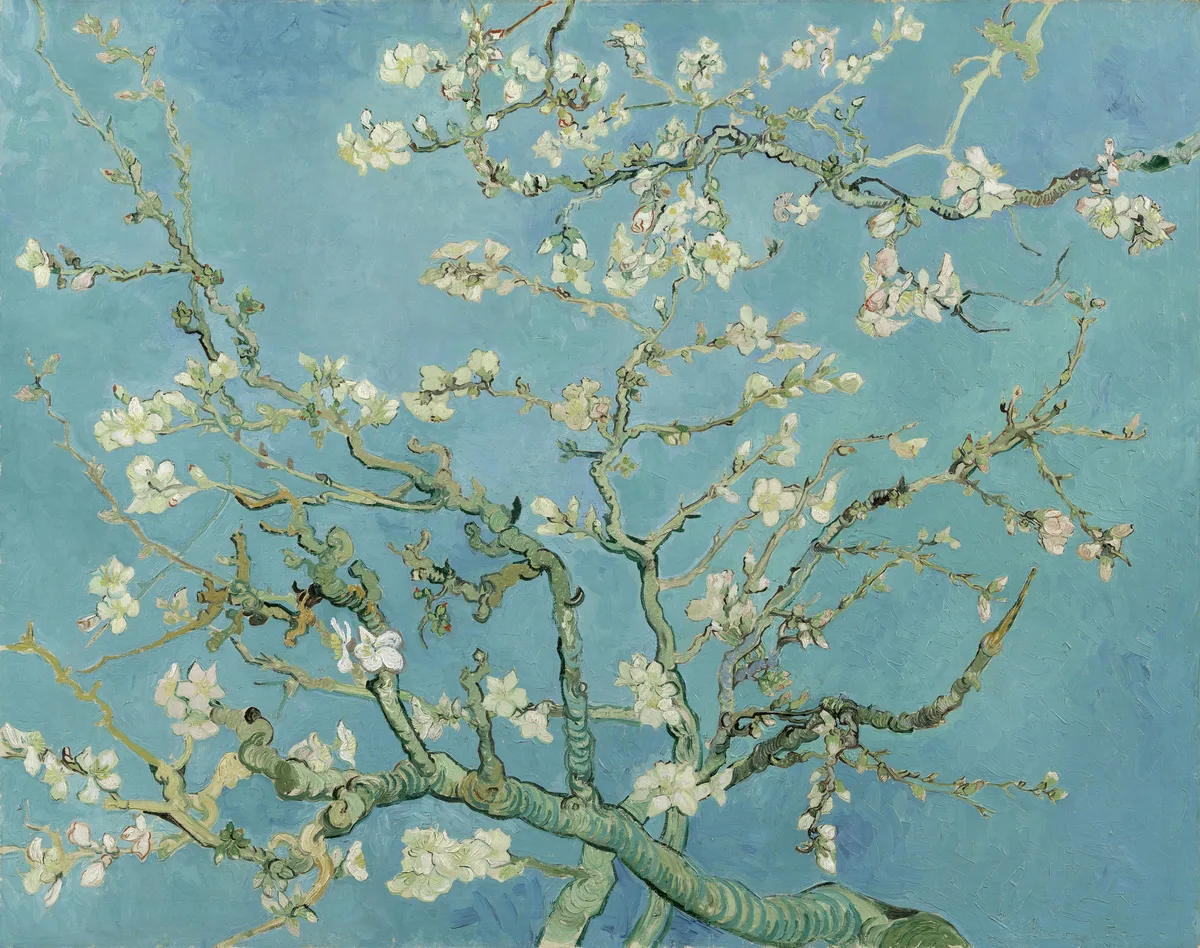 Articolo · 38 min di letturaIl Museo Van Gogh: la madre, Theo, Gauguin e le altre persone dei suoi quadri
Opere
158 opere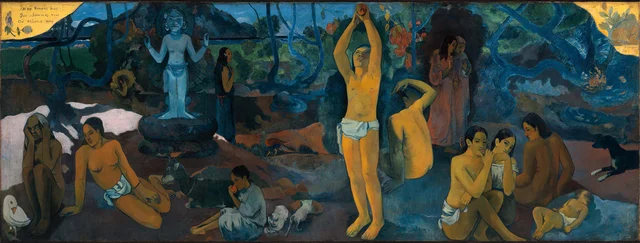 Da dove veniamo? Chi siamo? Dove andiamo?Paul Gauguin, 1897
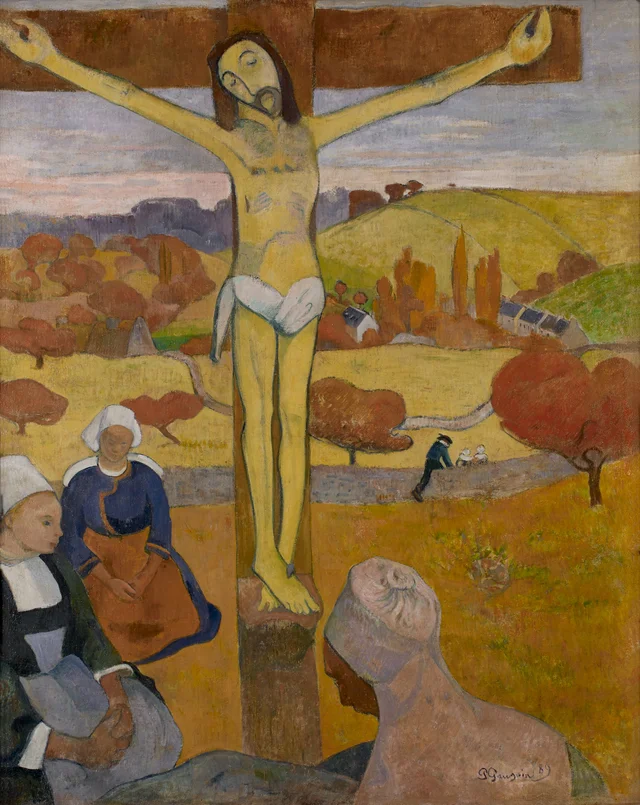 Il Cristo gialloPaul Gauguin, 1889
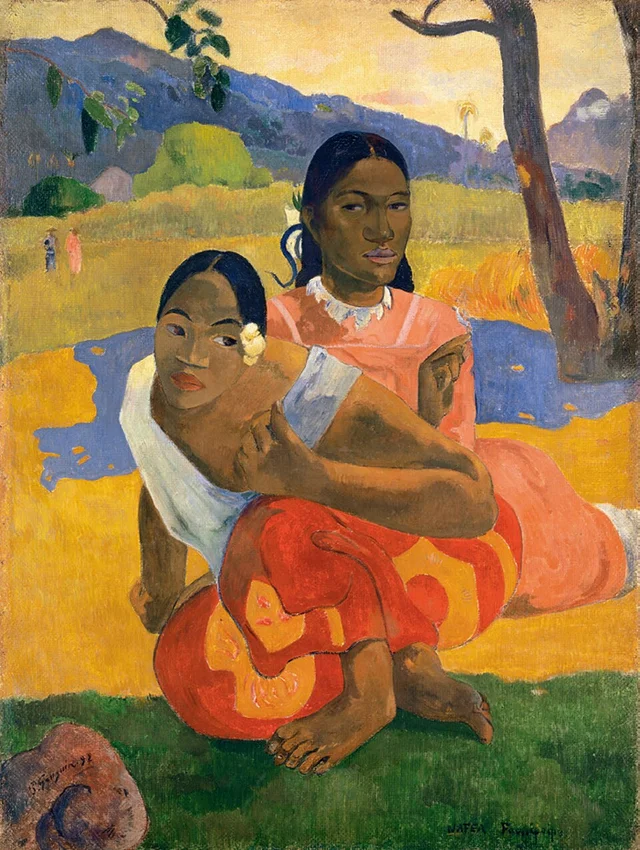 Quando ti sposerai?Paul Gauguin, 1892
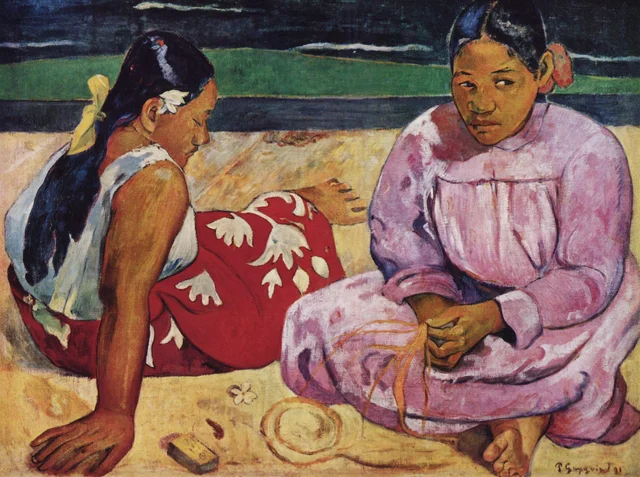 Donne tahitiane sulla spiaggiaPaul Gauguin, 1891
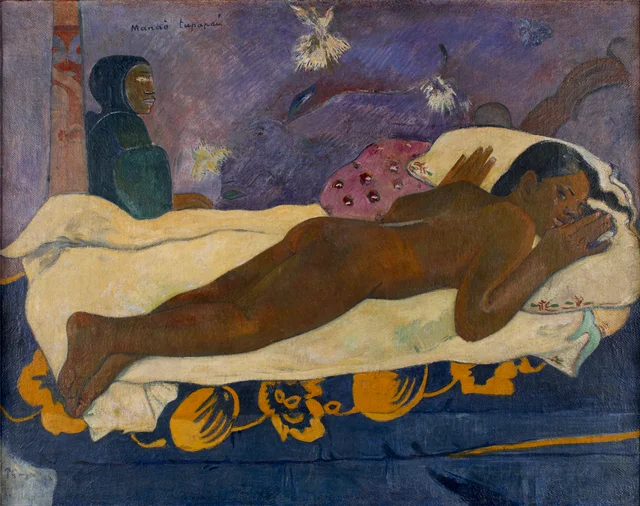 Lo spirito dei morti vegliaPaul Gauguin, 1892
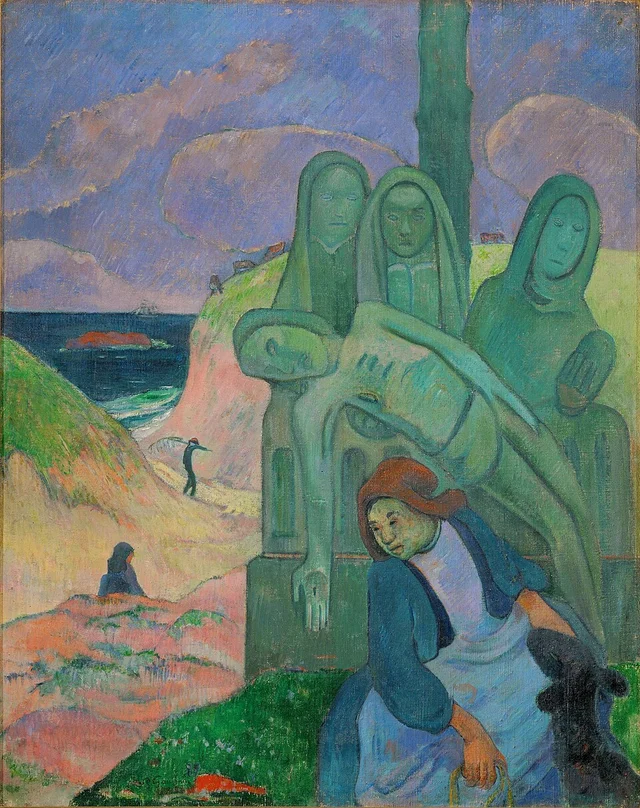 Il Cristo verdePaul Gauguin, 1889
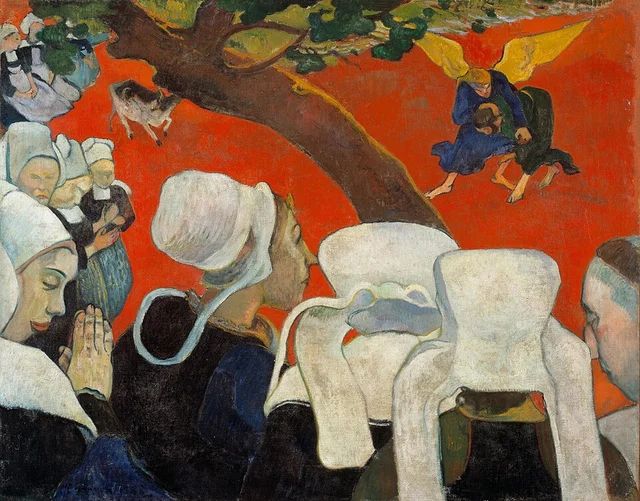 Visione dopo il sermonePaul Gauguin, 1888
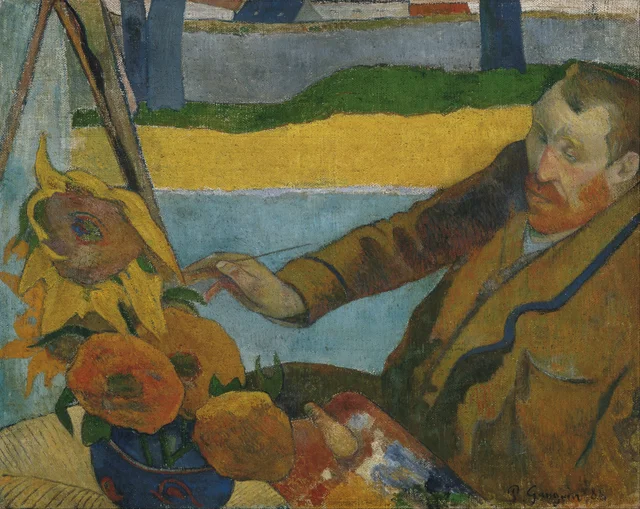 Il pittore di girasoliPaul Gauguin, 1888
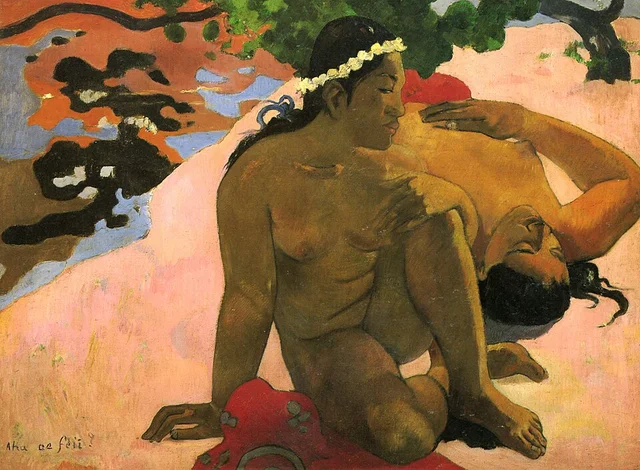 Aha Oe Feii?Paul Gauguin, 1892
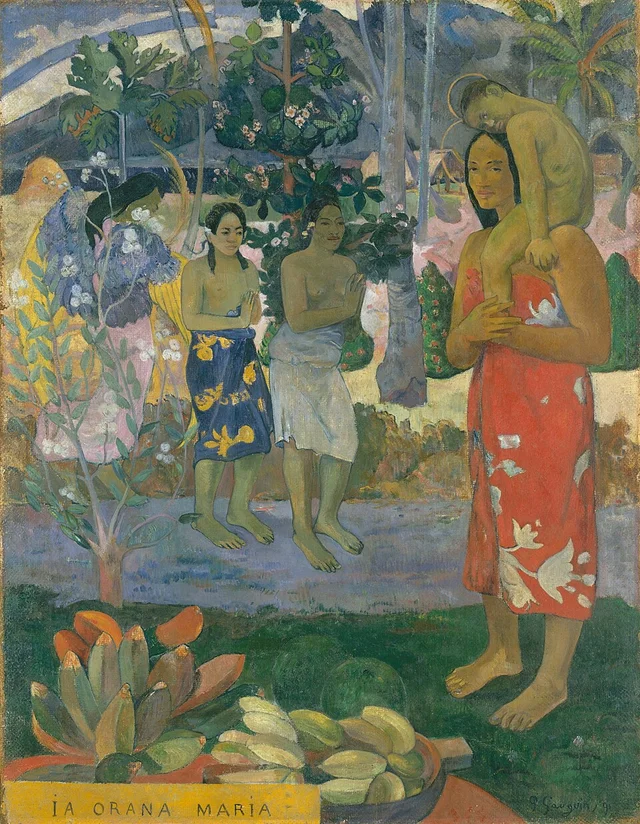 Ia Orana MariaPaul Gauguin, 1891
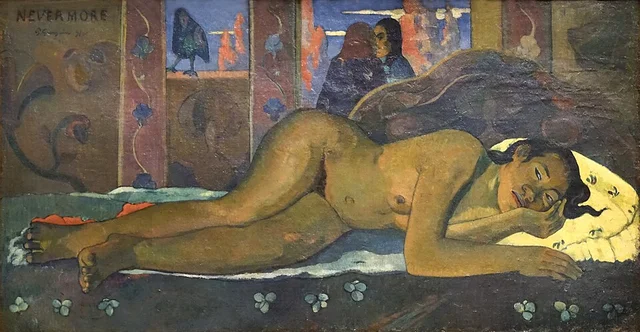 NevermorePaul Gauguin, 1897
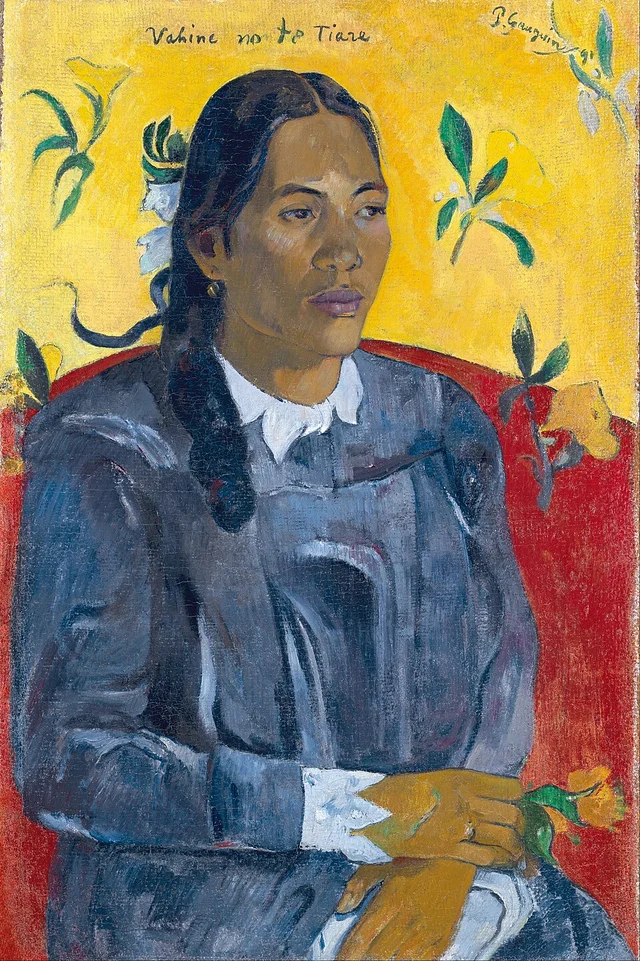 Donna tahitiana con un fiorePaul Gauguin, 1891
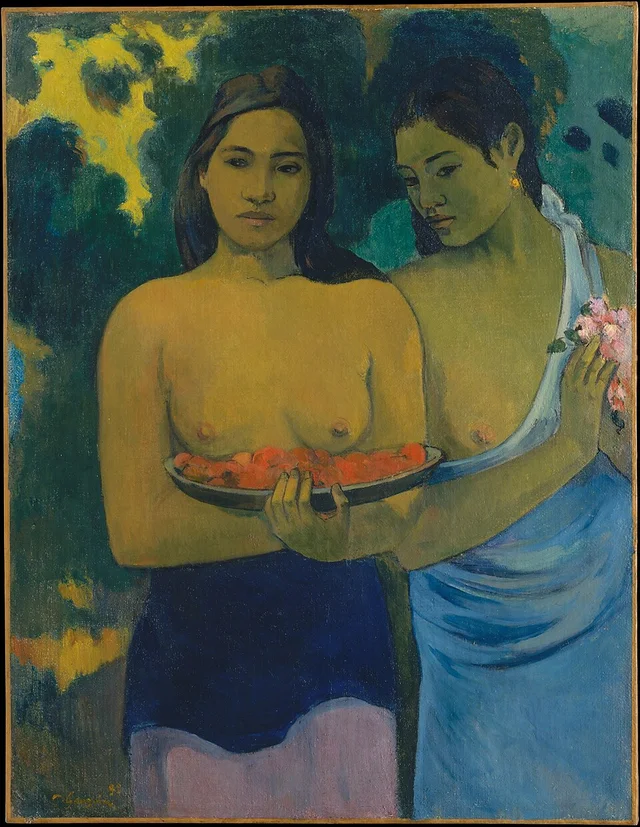 Due donne tahitianePaul Gauguin, 1899
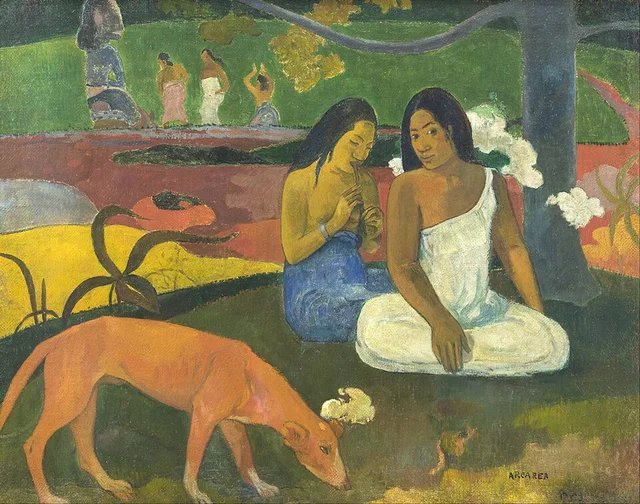 AreareaPaul Gauguin, 1892
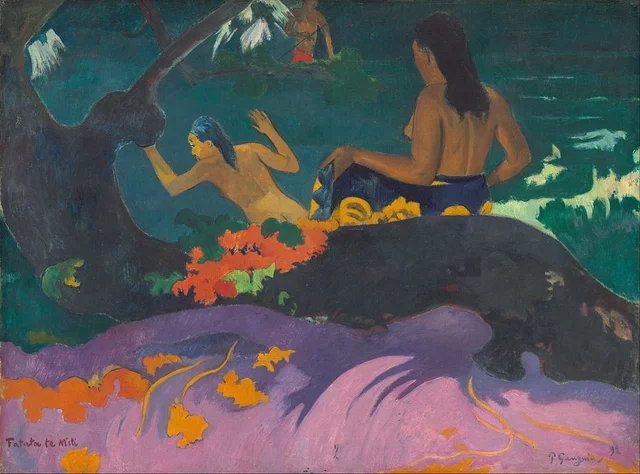 Fatata te MitiPaul Gauguin, 1892
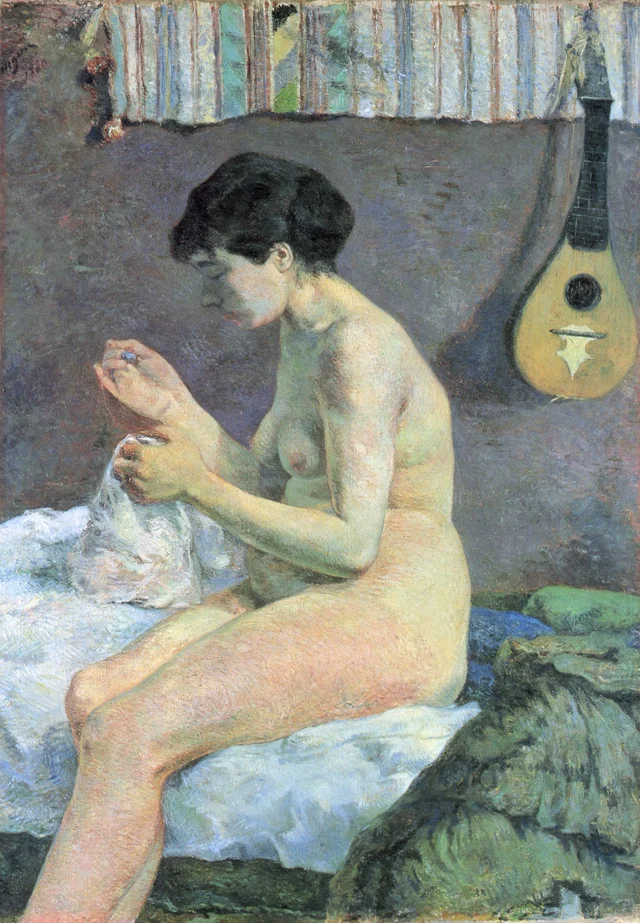 Studio di nudoPaul Gauguin, 1880
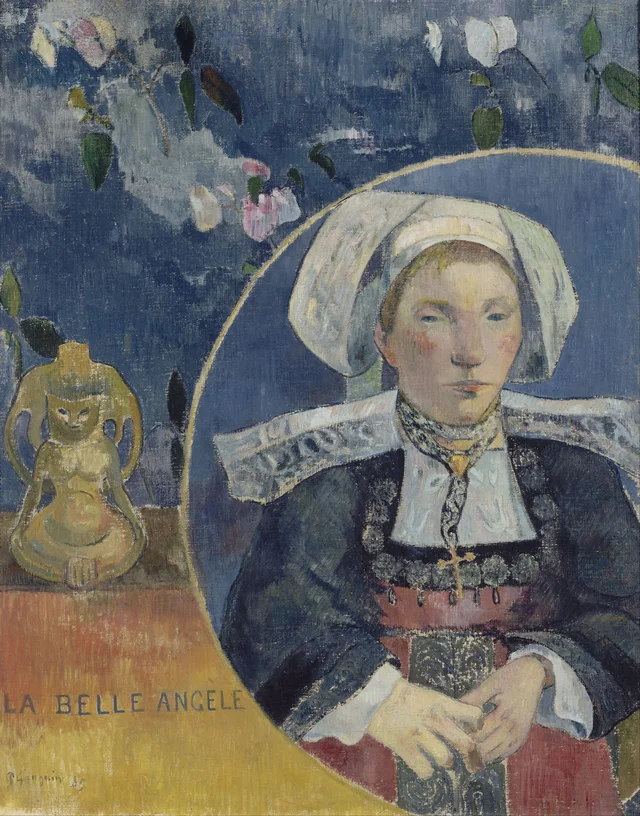 La bella AngèlePaul Gauguin, 1889
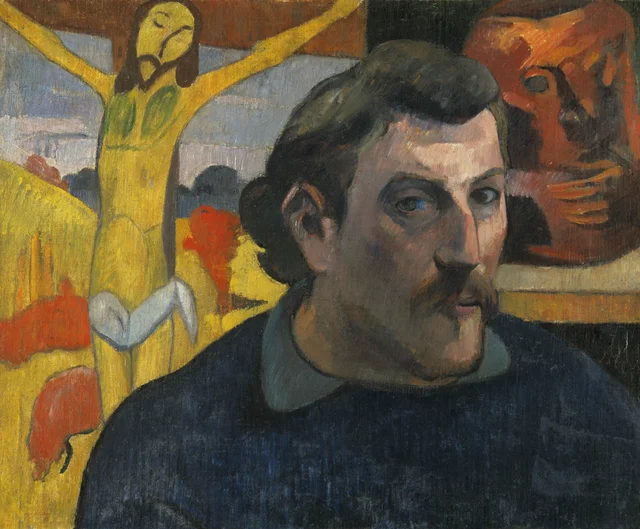 Ritratto dell’artista con il Cristo gialloPaul Gauguin, 1890
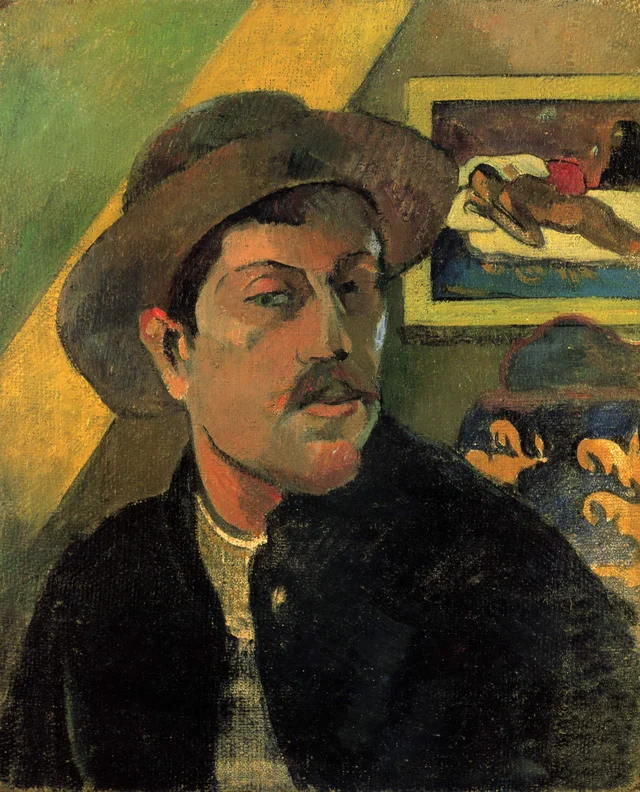 Autoritratto con cappelloPaul Gauguin, 1893
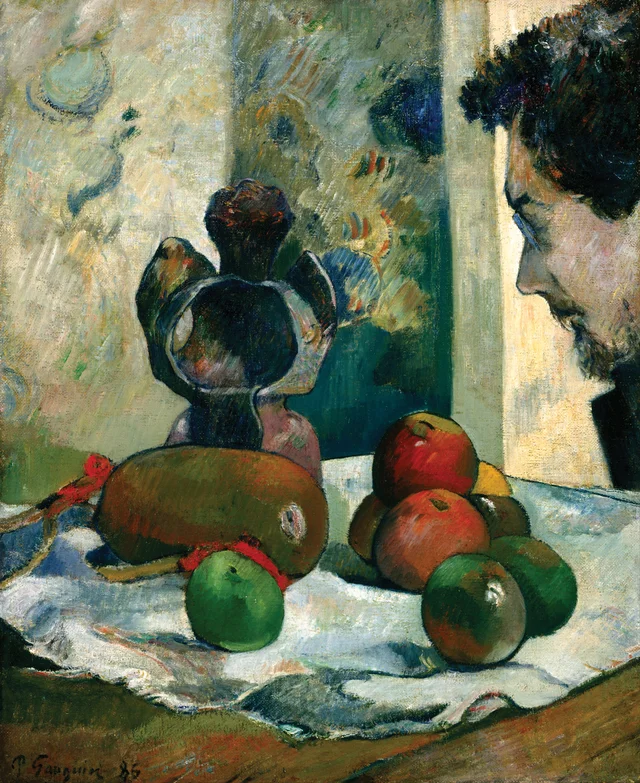 Natura morta con profilo di LavalPaul Gauguin, 1886
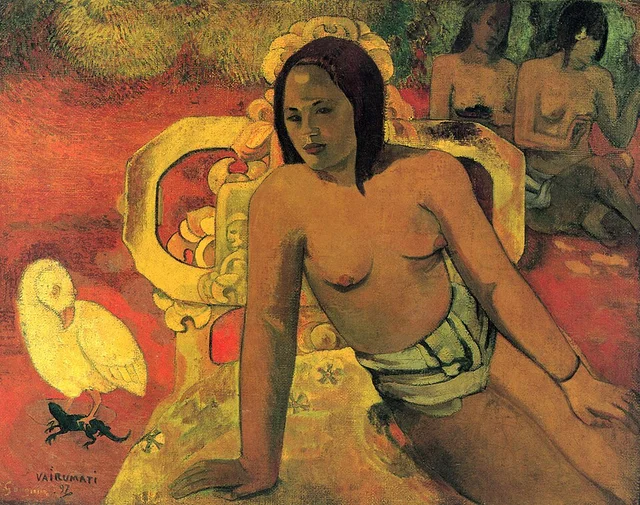 VairumatiPaul Gauguin, 1897
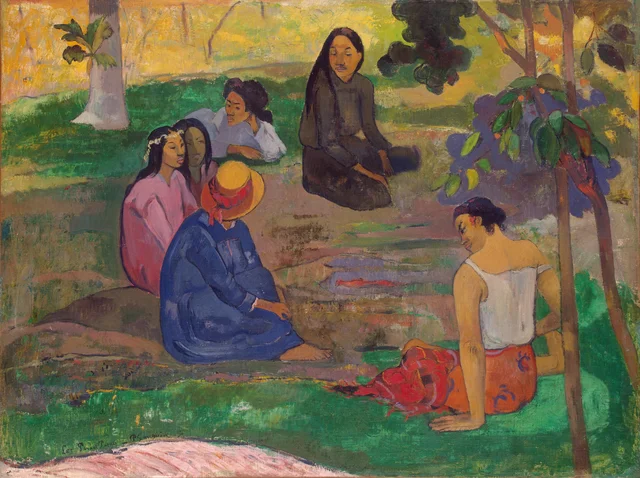 Conversazione (Les Parau Parau)Paul Gauguin, 1891
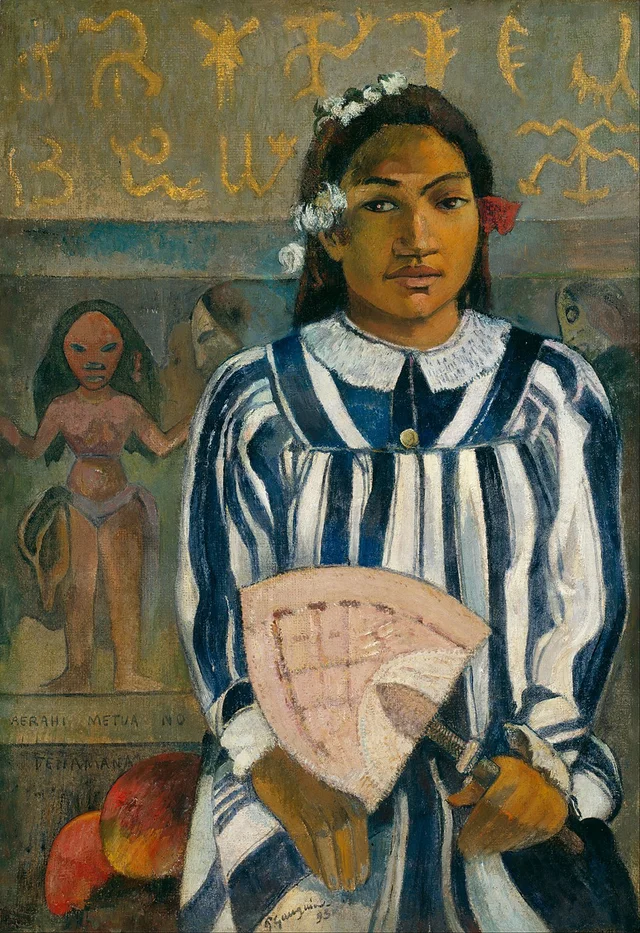 Merahi metua no Tehamana (Gli antenati di Tehamana)Paul Gauguin, 1893
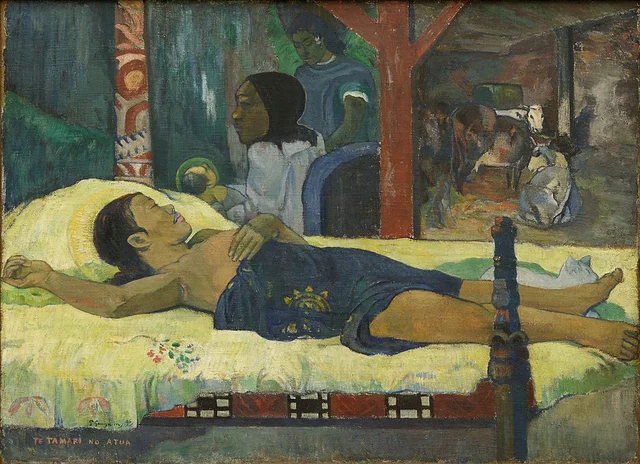 Te tamari no atuaPaul Gauguin, 1896
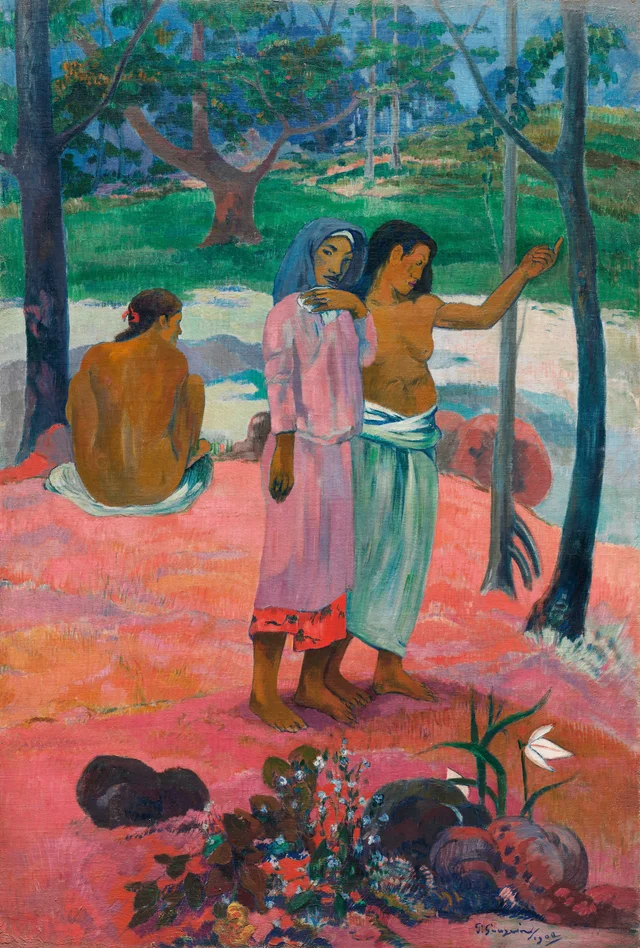 Il richiamoPaul Gauguin, 1902