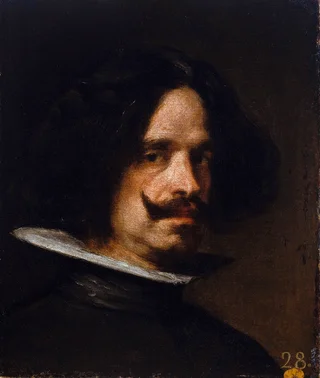
Diego Velázquez
1599–1660 · Spanien · Barock
Die Geschichte
Velázquez malte fast sein gesamtes Erwachsenenleben für einen einzigen Mann. Er begann in Sevilla als scharfsinniges junges Talent mit Küchenszenen und Straßentypen, und mit etwa 24 Jahren wurde er nach Madrid geholt und zum Maler Philipps IV. ernannt, König eines Spaniens, das noch die halbe Welt beherrschte und sie zugleich still zu verlieren begann. Er blieb für den Rest seines Lebens an diesem Hof, rund 37 Jahre lang, und malte den König immer wieder, während dessen Gesicht alterte und das Glück des Reiches sank.
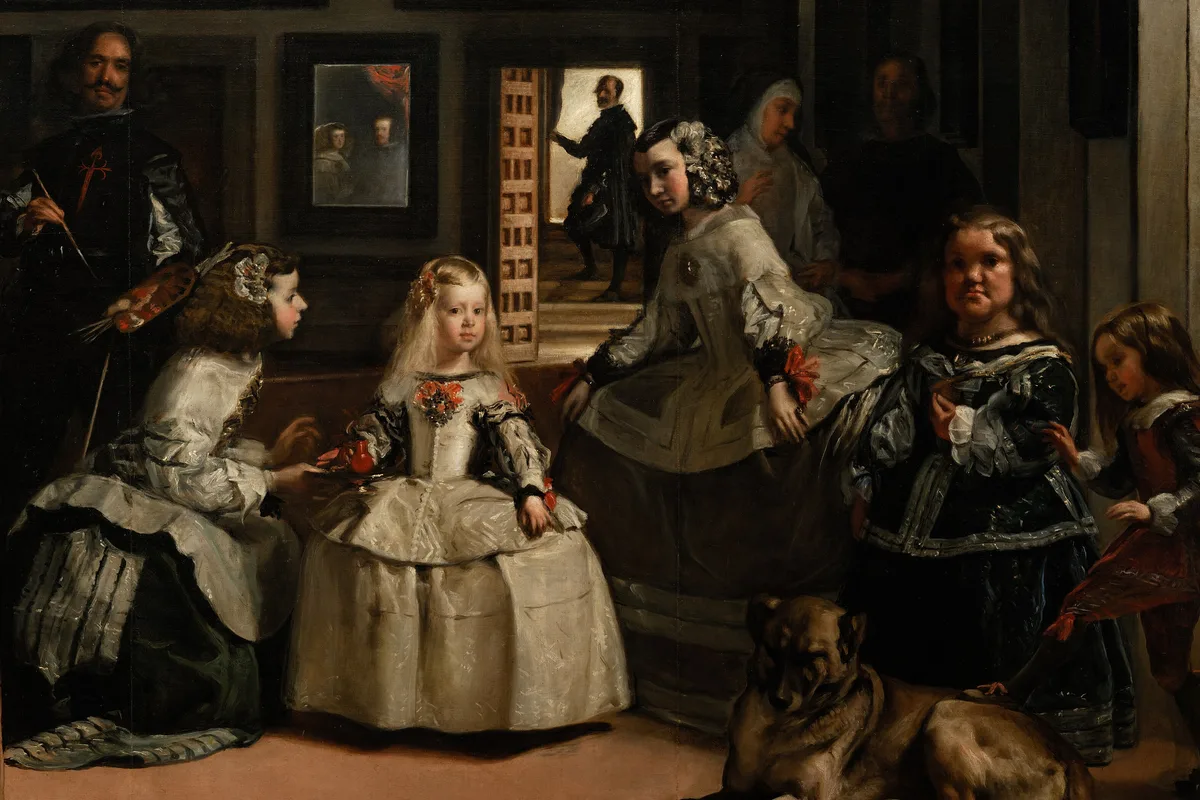
Das Amt war mehr als ein Atelierposten. Velázquez stieg in der Palasthierarchie auf, bis er Kammerherr wurde, zuständig für die königlichen Gemächer – eine Aufgabe, die seine Malzeit auffraß, ihm aber das Ansehen verschaffte, nach dem er sich sehnte. 1656 fasste er diese ganze Welt in einem einzigen Bild zusammen, Las Meninas: die kleine Prinzessin Margarita, umgeben von ihren Hofdamen und Hofzwergen, König und Königin nur als Spiegelbild im Hintergrund zu sehen, und der Maler selbst, aufrecht vor einer hohen Leinwand, Pinsel in der Hand, direkt zu uns blickend.
Auf seiner eigenen Brust trägt er in diesem Bild das rote Kreuz des Santiagoordens, Spaniens höchste Ritterauszeichnung. Tatsächlich erhielt er sie erst 1659, drei Jahre nachdem er das Werk vollendet hatte, und der Überlieferung nach wurde das Kreuz später hinzugefügt, vielleicht sogar von der Hand des Königs selbst. Er trug es kaum ein Jahr. Velázquez starb im Sommer 1660, erschöpft von der Ausrichtung der aufwendigen Feierlichkeiten zu einer königlichen Hochzeit an der französischen Grenze.
Weitere Artikel
 Artikel · 29 Min. LesezeitWas man im Met gesehen haben sollte: 15 Werke
 Artikel · 18 Min. LesezeitMuseo del Prado: die Bilder, die ihre Welten überlebt haben
 Artikel · 43 Min. LesezeitKunsthistorisches Museum Wien: 25 Werke und wie sie zu den Habsburgern kamen
 Artikel · 36 Min. LesezeitWie die National Gallery entstand: von Angerstein bis Artemisia
Werke
121 Werke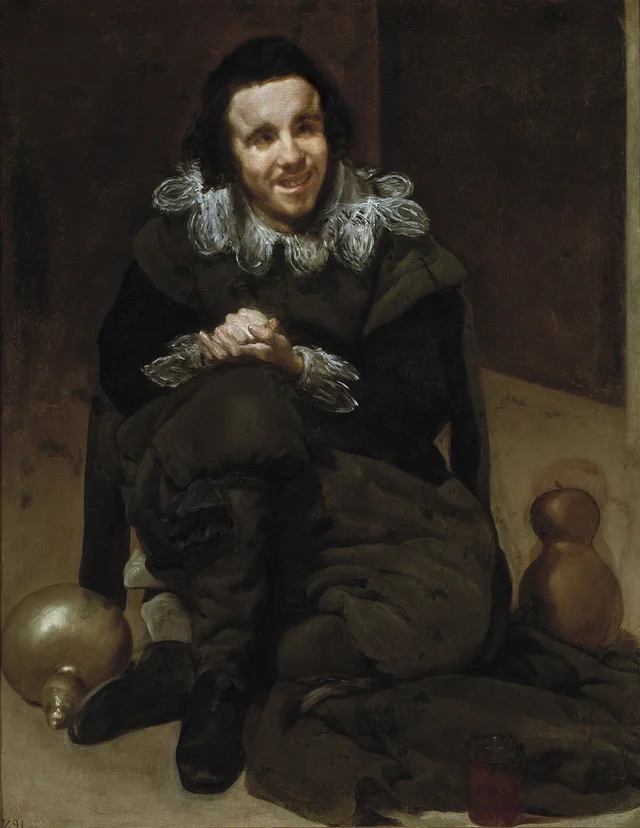 Der Hofnarr CalabacillasDiego Velázquez, 1635
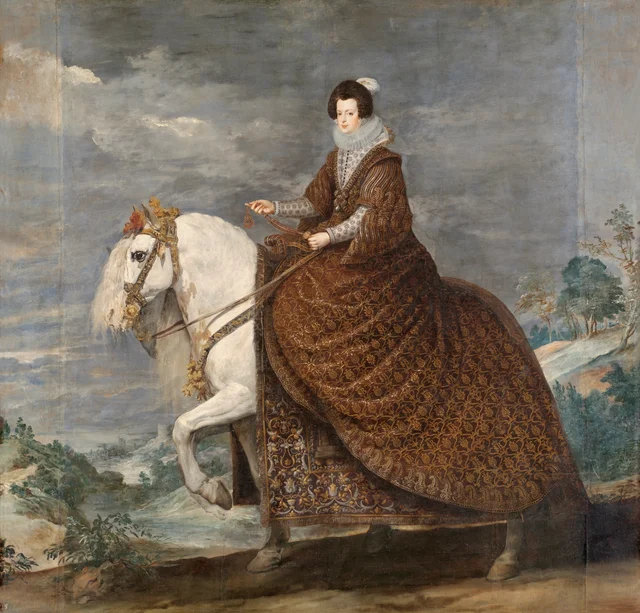 Reiterbildnis der Elisabeth von FrankreichDiego Velázquez, 1631
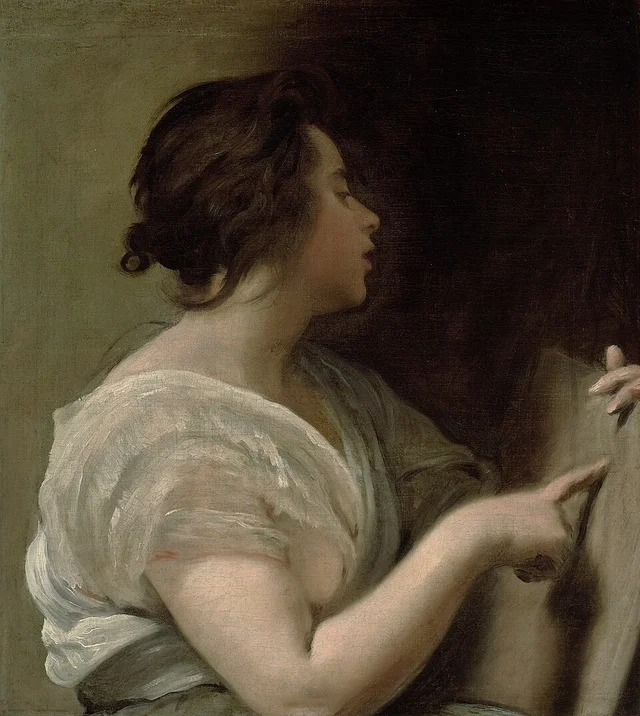 Weibliche Figur (Sibylle mit Tabula rasa)Diego Velázquez, 1648
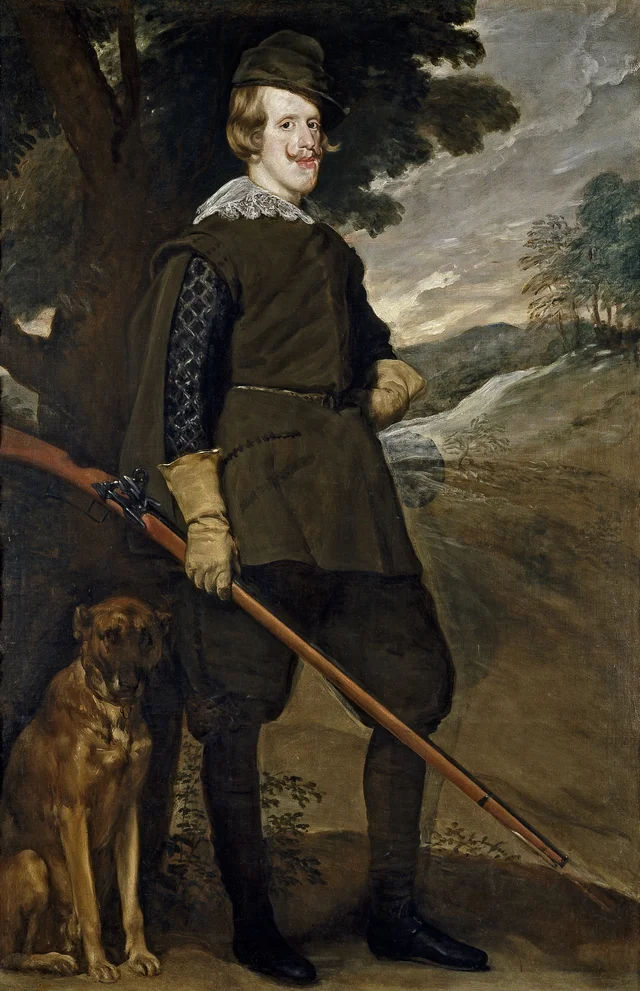 Philipp IV. als JägerDiego Velázquez, 1632
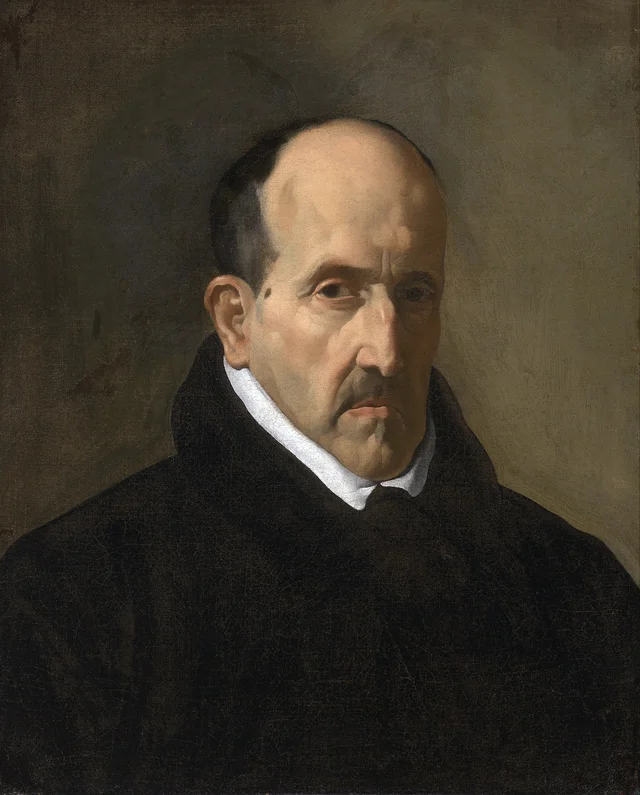 Bildnis des Don Luis de GóngoraDiego Velázquez, 1622
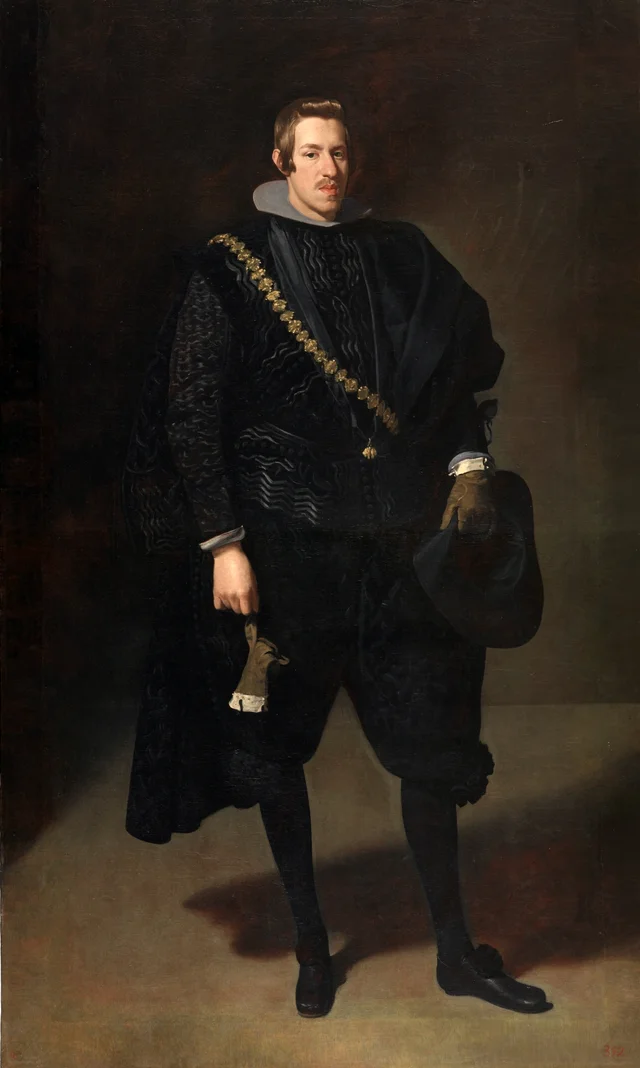 Bildnis des Infanten Don CarlosDiego Velázquez, 1626
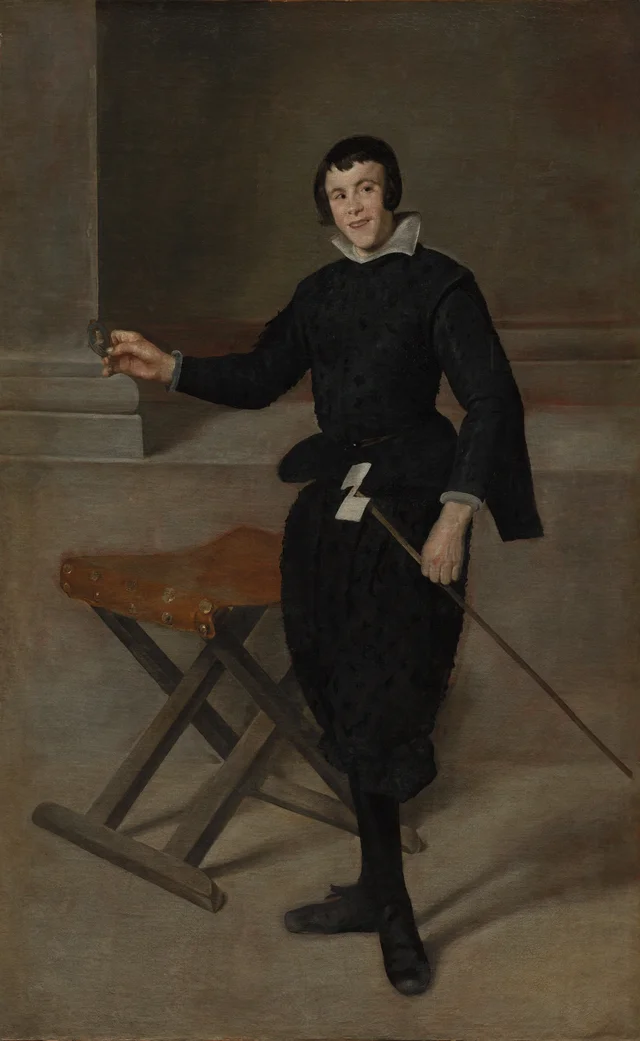 Bildnis des Hofnarren CalabazasDiego Velázquez, 1626
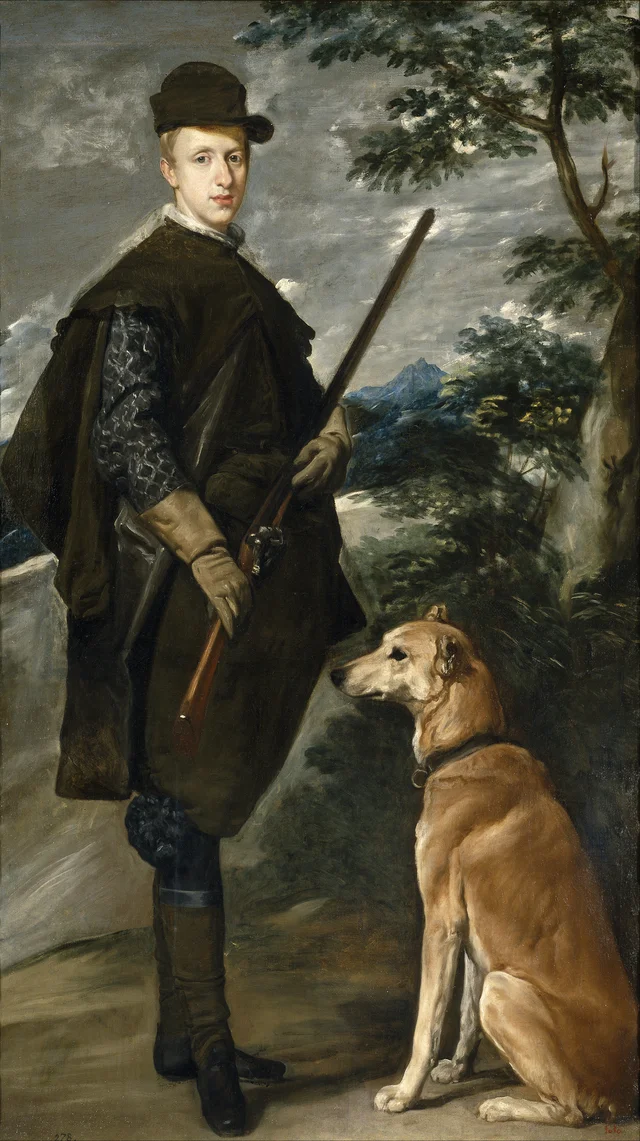 Der Kardinalinfant Ferdinand von Österreich in JagdkleidungDiego Velázquez, 1632
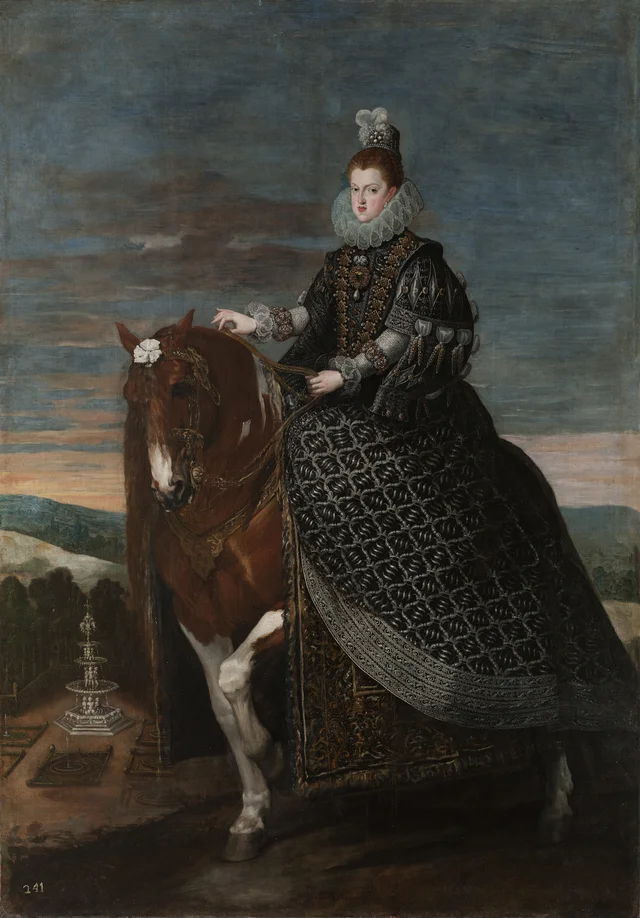 Reiterbildnis der Margarita von ÖsterreichDiego Velázquez, 1634
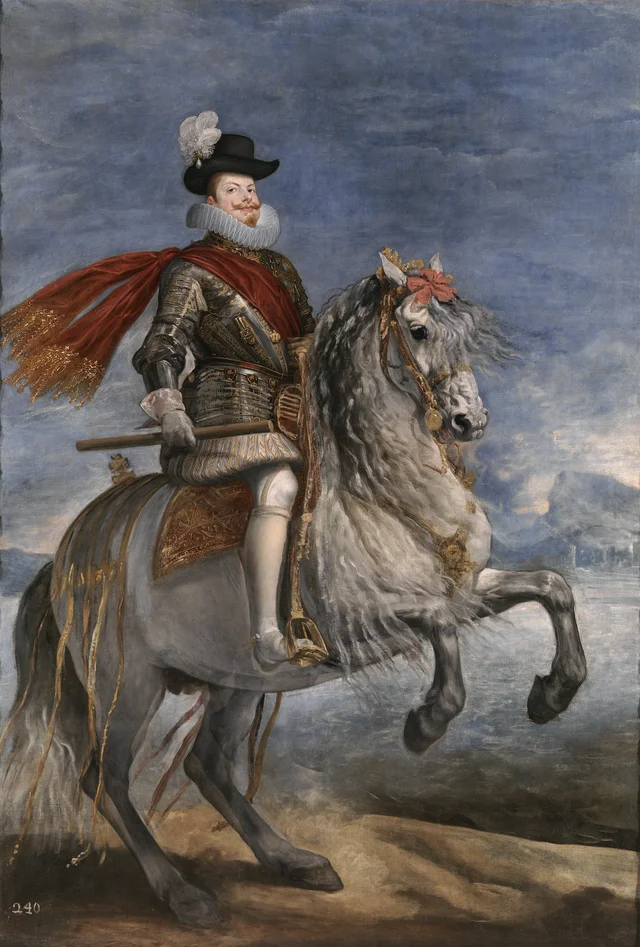 Reiterbildnis Philipps III.Diego Velázquez, 1634
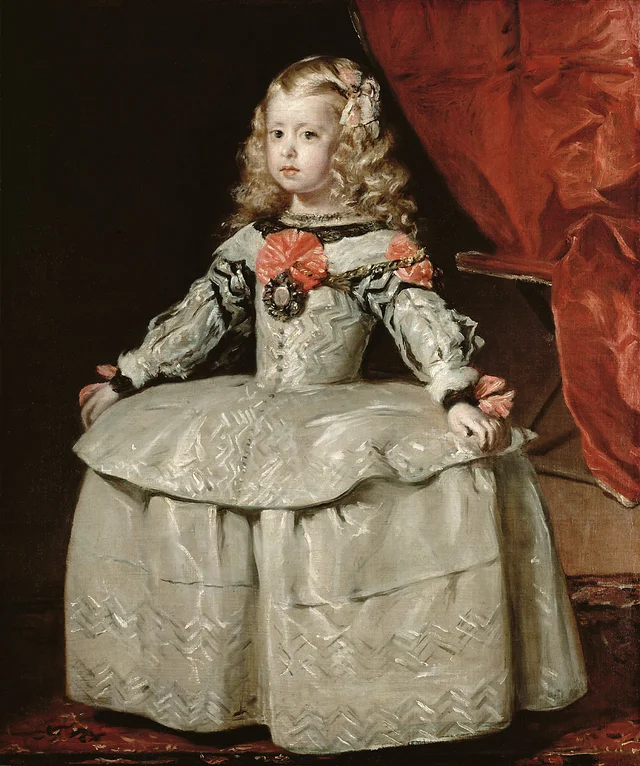 Infantin Margarita Teresa im weiß-silbernen KleidDiego Velázquez, 1656
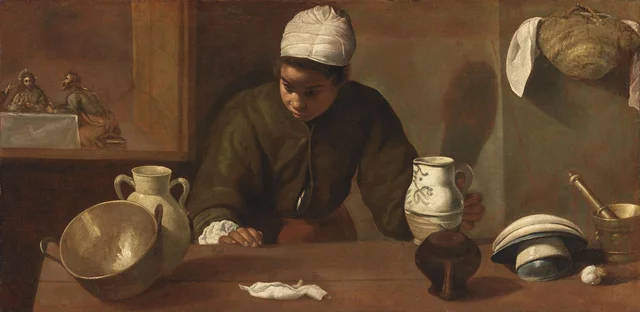 Küchenszene mit dem Abendmahl in EmmausDiego Velázquez, 1618
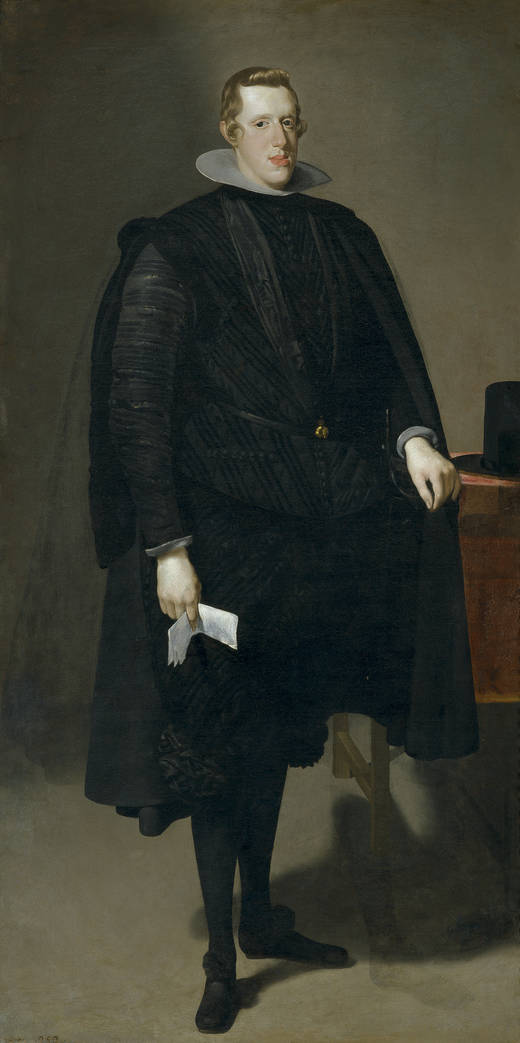 Philipp IV. in schwarzer TrachtDiego Velázquez, 1625
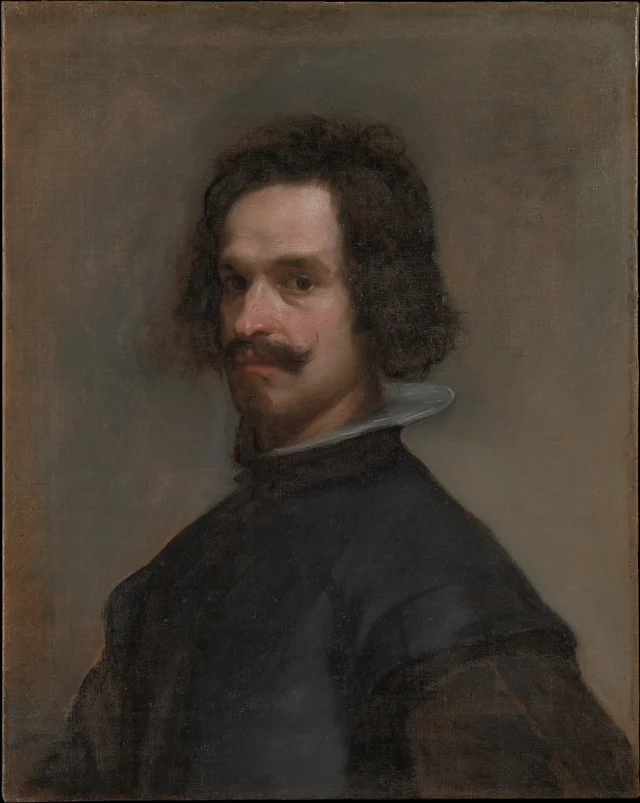 Bildnis eines MannesDiego Velázquez, 1630
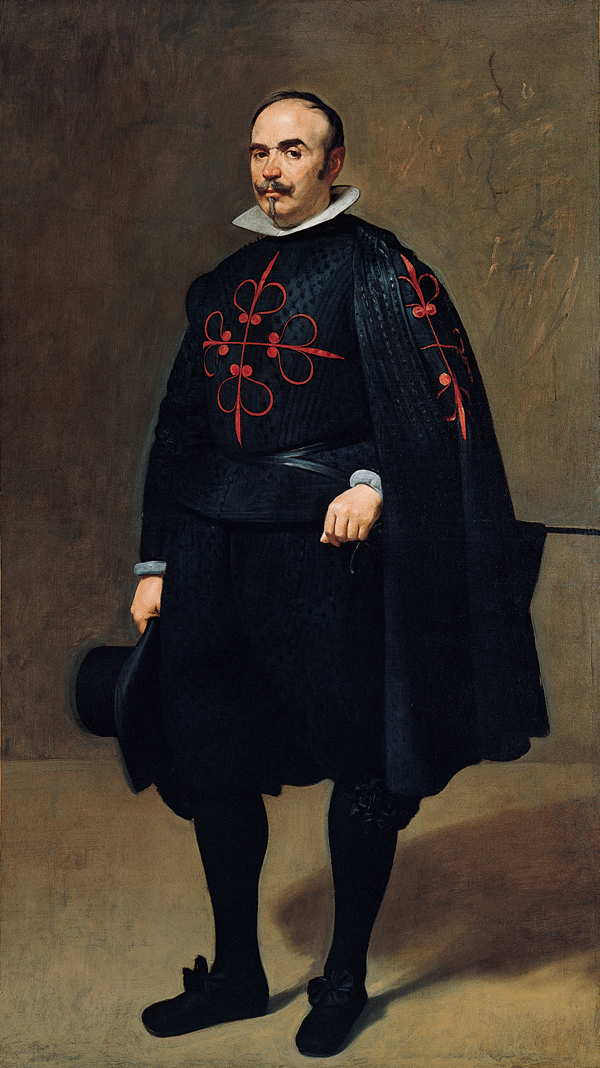 Bildnis des Don Pedro de BarberanaDiego Velázquez, 1632
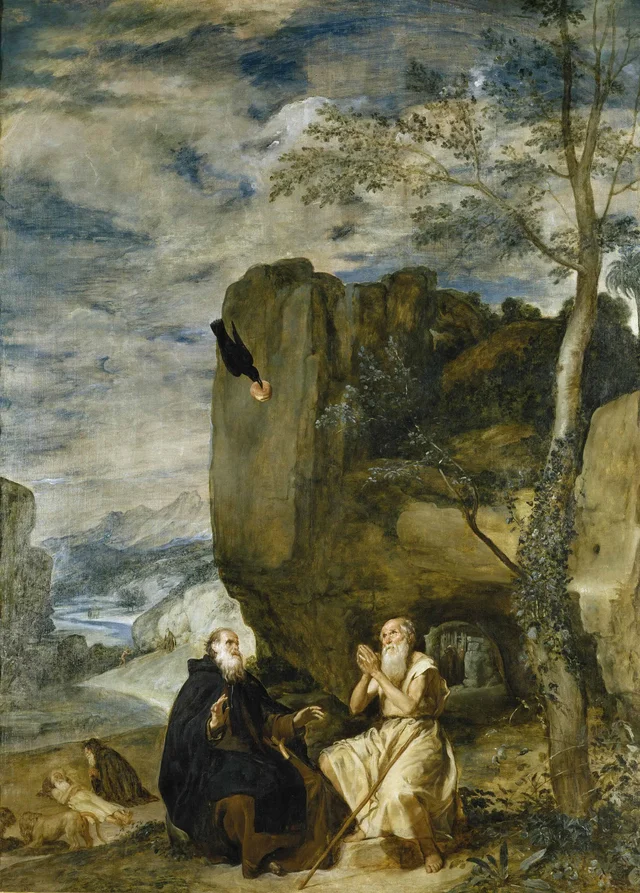 Der heilige Antonius Abbas und der heilige Paulus, der erste EremitDiego Velázquez, 1634
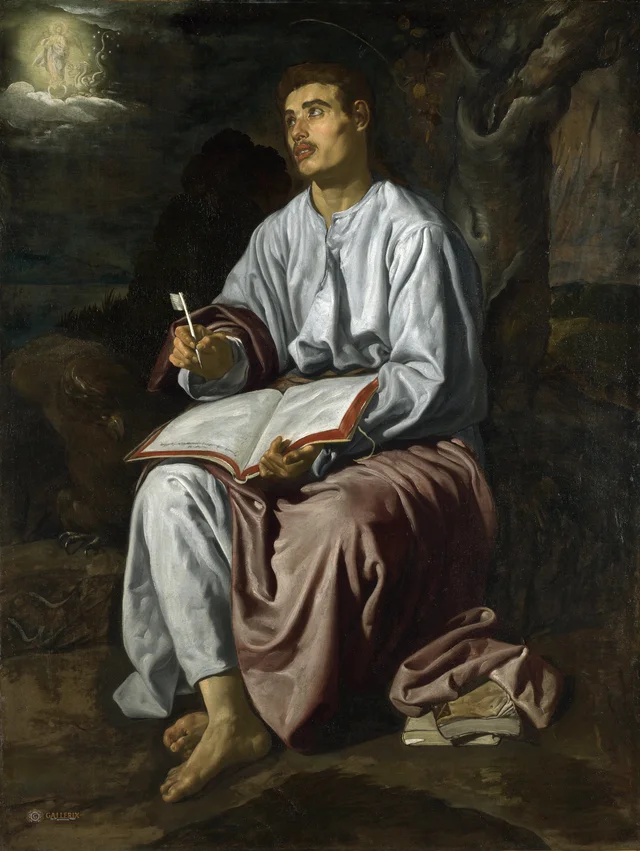 Der Evangelist Johannes auf der Insel PatmosDiego Velázquez, 1618
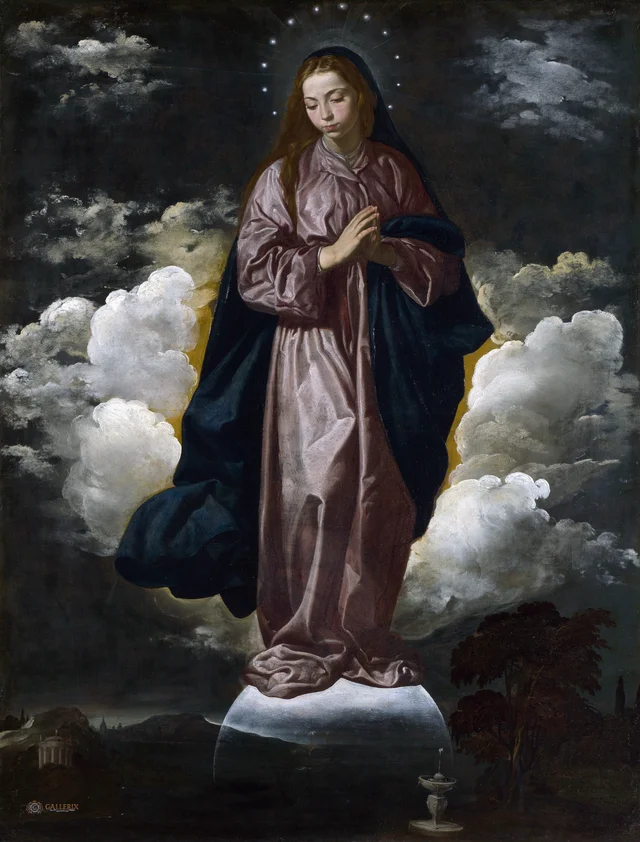 Die Unbefleckte EmpfängnisDiego Velázquez, 1618
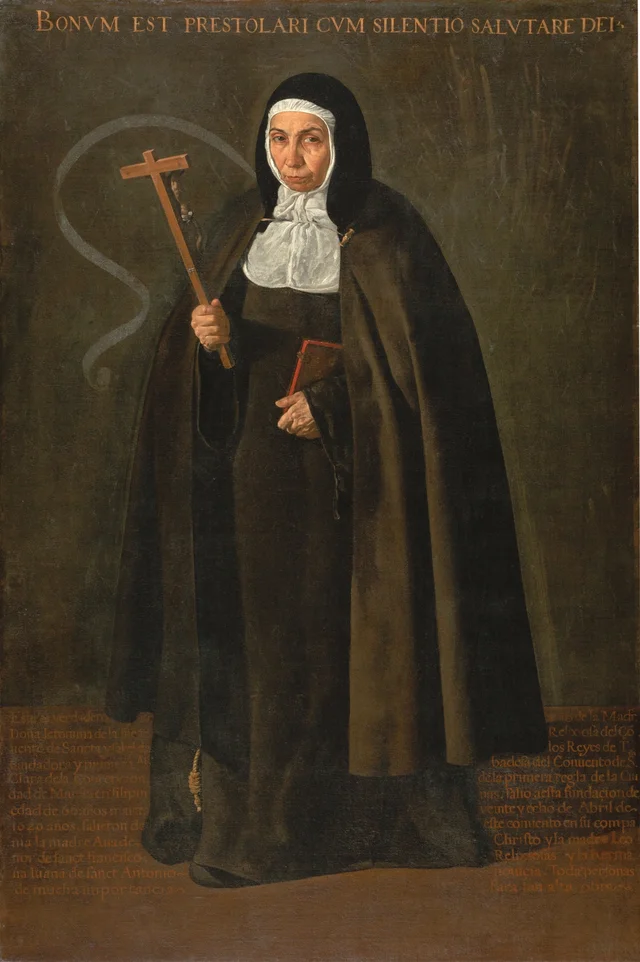 Die Nonne Jerónima de la FuenteDiego Velázquez, 1620
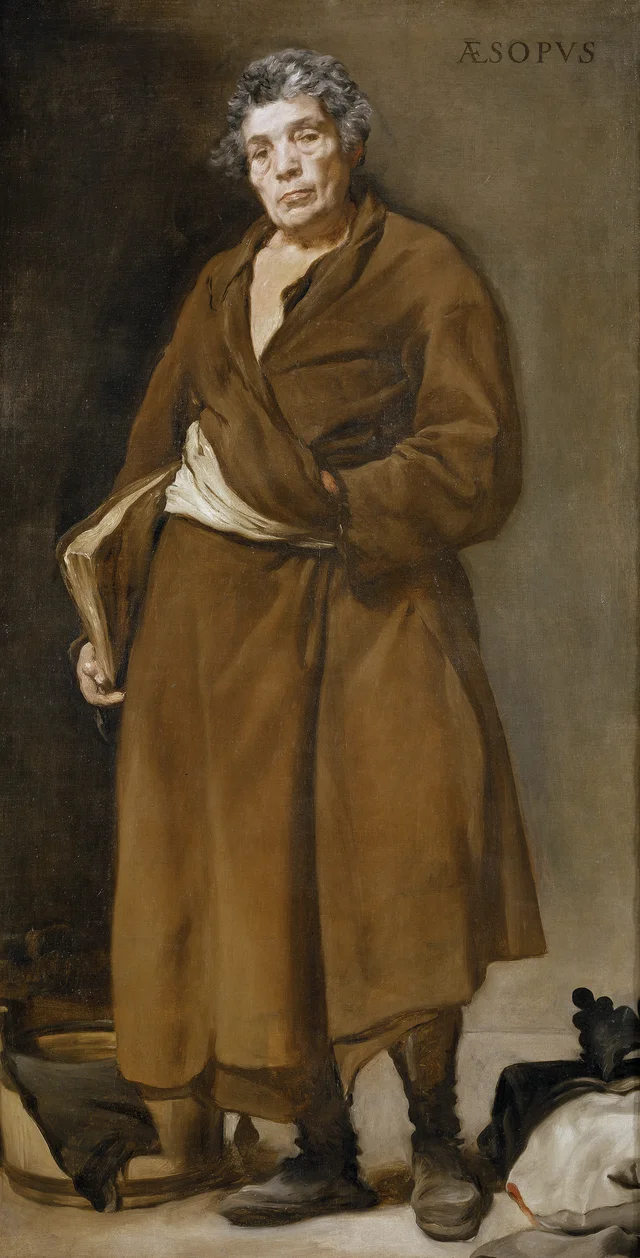 ÄsopDiego Velázquez, 1639
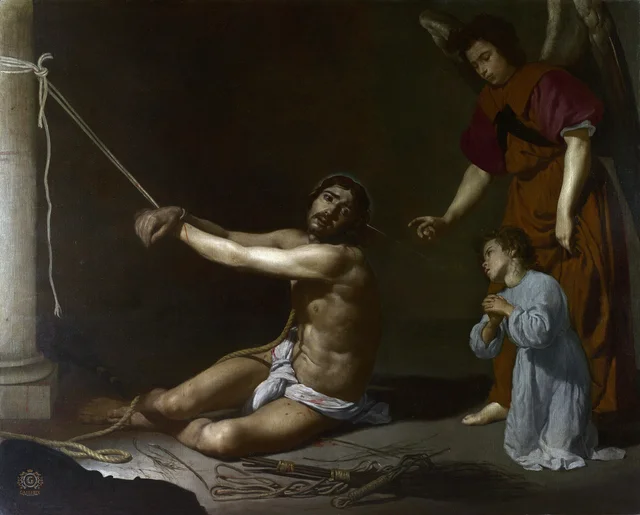 Christus, betrachtet von der christlichen SeeleDiego Velázquez, 1626
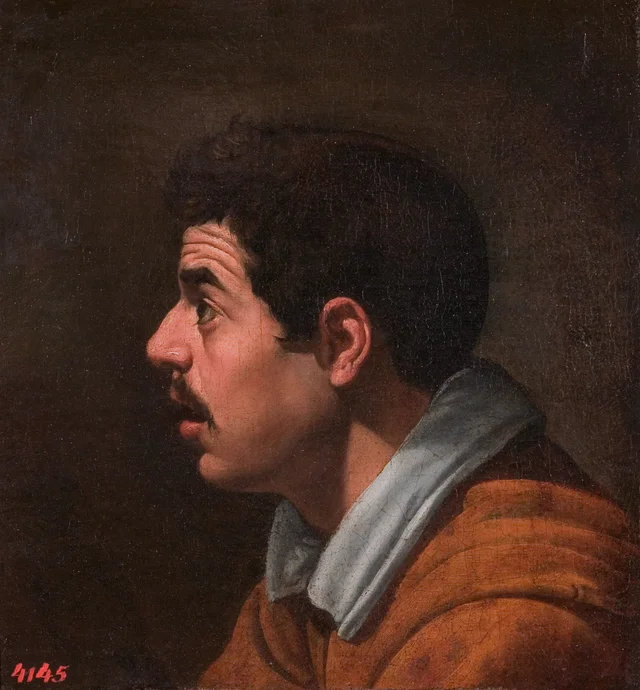 Kopf eines Mannes im ProfilDiego Velázquez, 1618
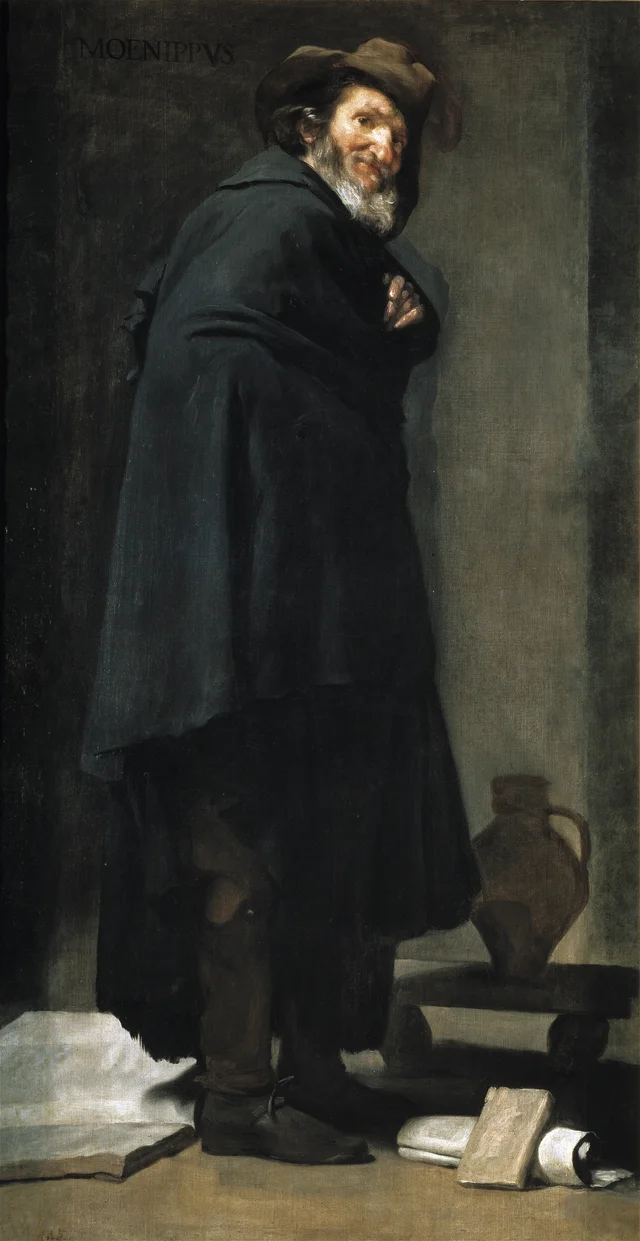 MenipposDiego Velázquez, 1639
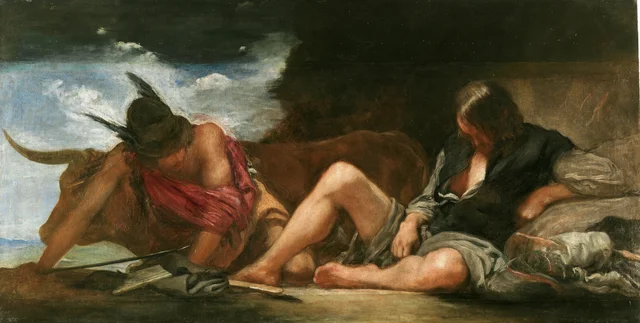 Merkur und ArgusDiego Velázquez, 1659
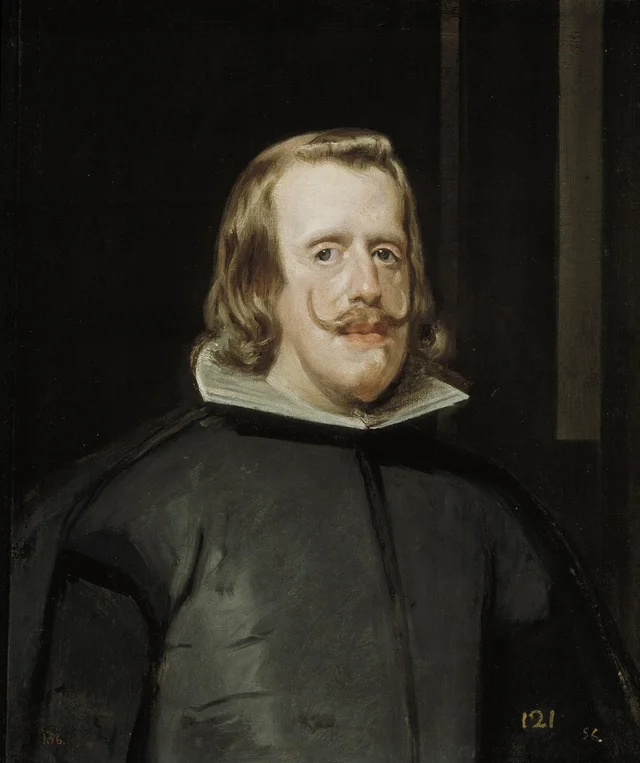 Philipp IV. im AlterDiego Velázquez, 1653